230,000 Toyota Tundras Recalled Twice In 18 Months—Dealers Refusing Trade-Ins
A 2024 Tundra with 21,500 miles on the odometer rolled into a dealership service bay leaking oil from every seal. The owner had already waited weeks. The twin-turbo V6 under the hood, Toyota’s replacement for its legendary 5.7-liter V8, had chewed through its own main bearings before the first oil change interval. The service rep called Toyota corporate and asked for a full engine replacement. Toyota said no. Rebuild it. That answer kicked off a five-month nightmare that hundreds of thousands of other owners are only beginning to understand.
The Promise
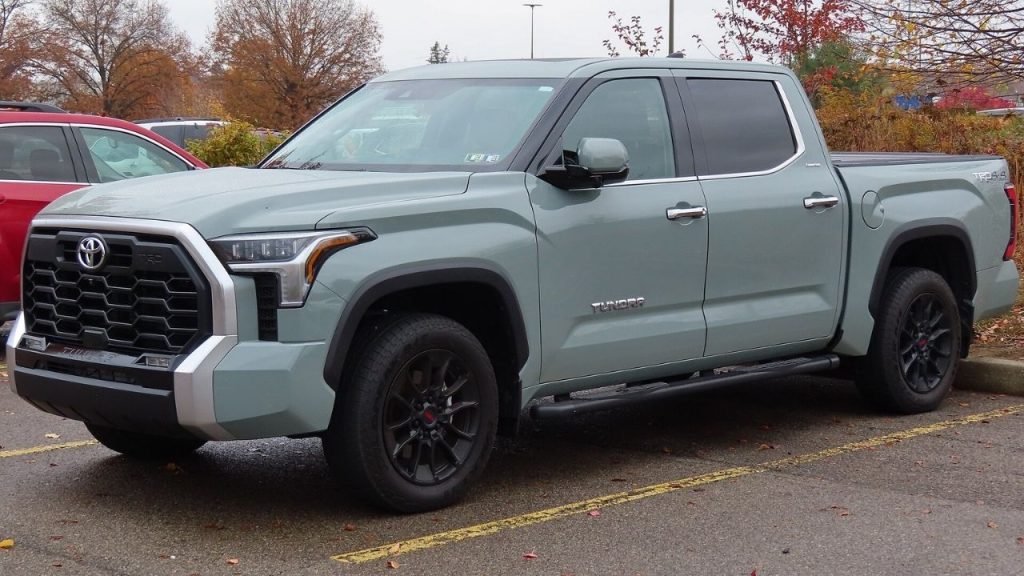
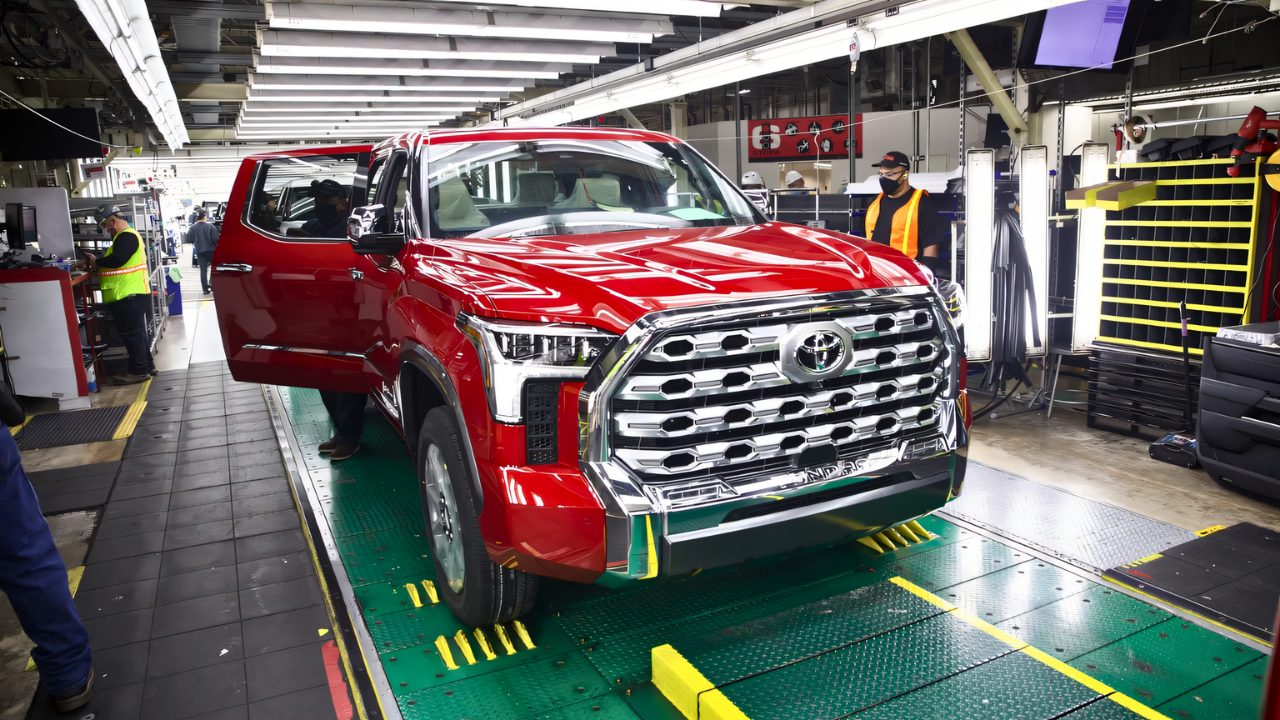
Toyota’s late May 2024 recall covered about 102,000 Tundras and Lexus LX models equipped with the 3.4-liter V35A twin-turbo V6. The official remedy was straightforward: full engine replacement at no cost. Machining debris left during production, Toyota said, could stick to main bearings under load and destroy the engine. For owners who’d paid $55,000 to $90,000 for trucks and Lexus SUVs built on Toyota’s bulletproof reputation, the recall felt like proof the company still stood behind its product. That confidence had about seventeen months left to live.
Cracks Appear
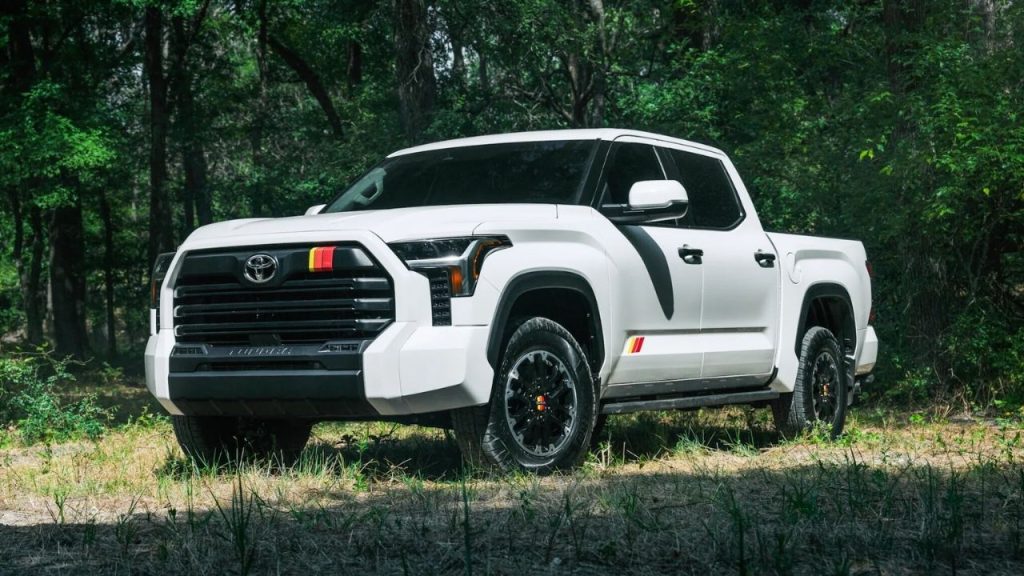
By late 2025, warranty claims for V35A engine failures had piled up. Then came November: Toyota expanded the recall to roughly 127,000 additional vehicles, including the Lexus GX for the first time, pushing the total past 229,000 units across Tundra and Lexus models. Same engine. Same failure mode. About eighteen months apart. The assumption most Tundra buyers carried into the dealership, that Toyota engineering was worth the premium over Ford or Ram, collided with a fact no marketing budget could absorb. The first recall hadn’t fixed anything.
The Denial
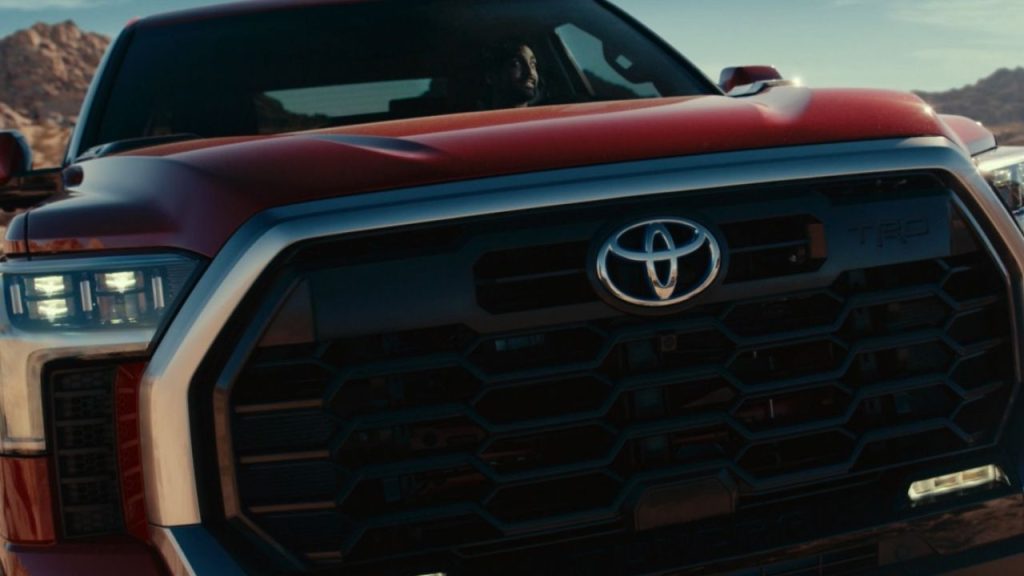
Here is where the story turns. Toyota’s own November 2025 NHTSA filing referenced “improved main bearings” and “improved manufacturing processes” in newer engines. Read that again. If machining debris caused the failures, you don’t redesign the bearing. You clean the production line. “Improved main bearings” is an engineering admission dressed in manufacturing language. Toyota promised replacements in earlier campaigns. Then denied them case by case. One owner’s truck sat in service for weeks through failed rebuilds. Toyota told the dealer: rebuild it again.
The Teardown
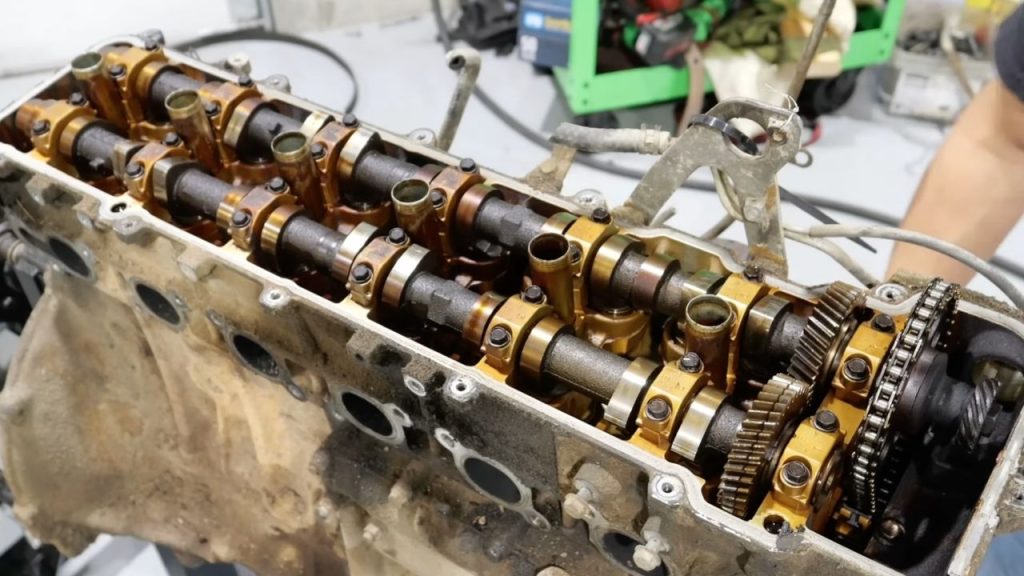
Engine teardown specialist Eric Berg pulled apart a failed V35A at roughly 38,000 miles and found something Toyota’s debris theory couldn’t explain. The main bearings had spun. Catastrophic failure. But the rod bearings, which share the same oiling circuit and would catch the same debris, sat there clean. “I think it’s total BS,” Berg said. “If it was debris that caused this engine failure, how does it know to target just the main bearings and not the rod bearings?” Berg noted he purchased the engine secondhand and couldn’t fully confirm its maintenance history, but the physical evidence, he argued, points away from debris alone.
Trapped Owners
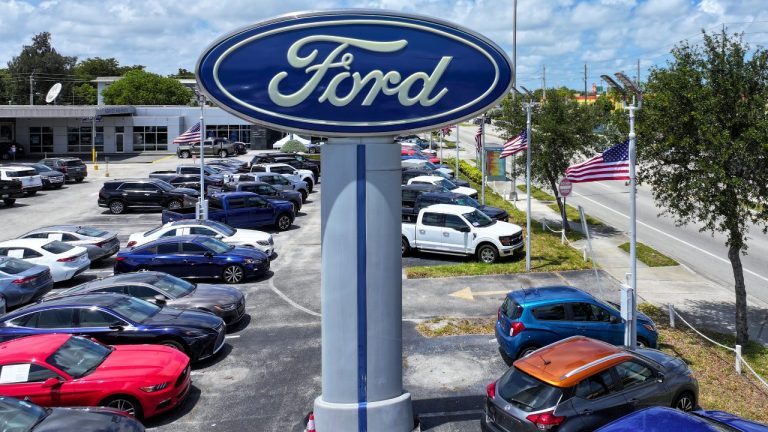
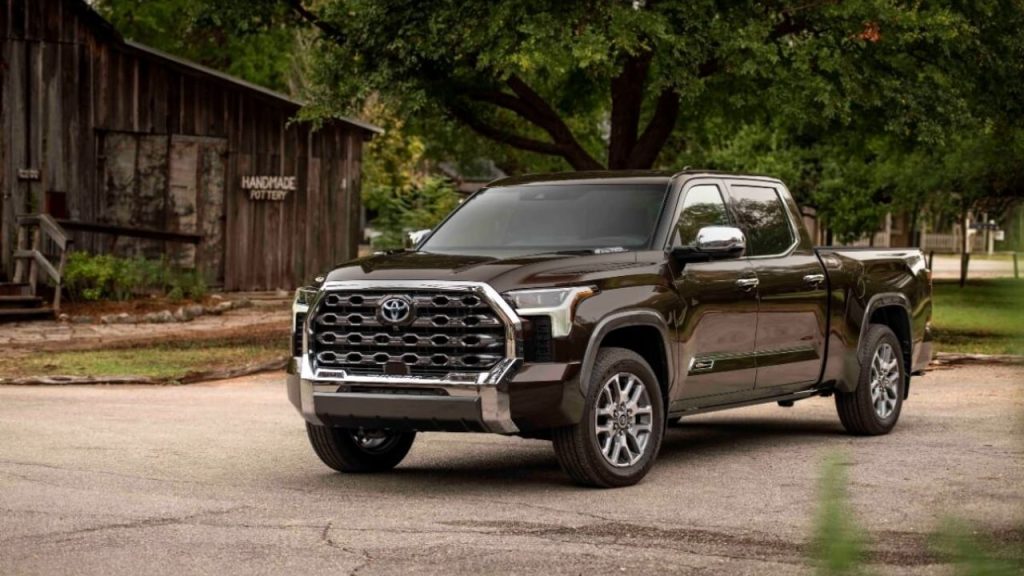
Canadian Tundra owners report trucks dying and then spending months at dealers with no parts ETA. Some have found Ford dealers willing to pay strong trade-in values on recalled trucks while Toyota declined to offer comparable buyouts or assistance, citing a softening used-truck market. In at least a few cases documented online, Ford has valued a recalled Tundra higher than Toyota valued its own customer. Meanwhile, recalled Tundras with documented engine replacements are carrying depreciation penalties on the used market as buyers factor in recall history.
Dealer Gridlock
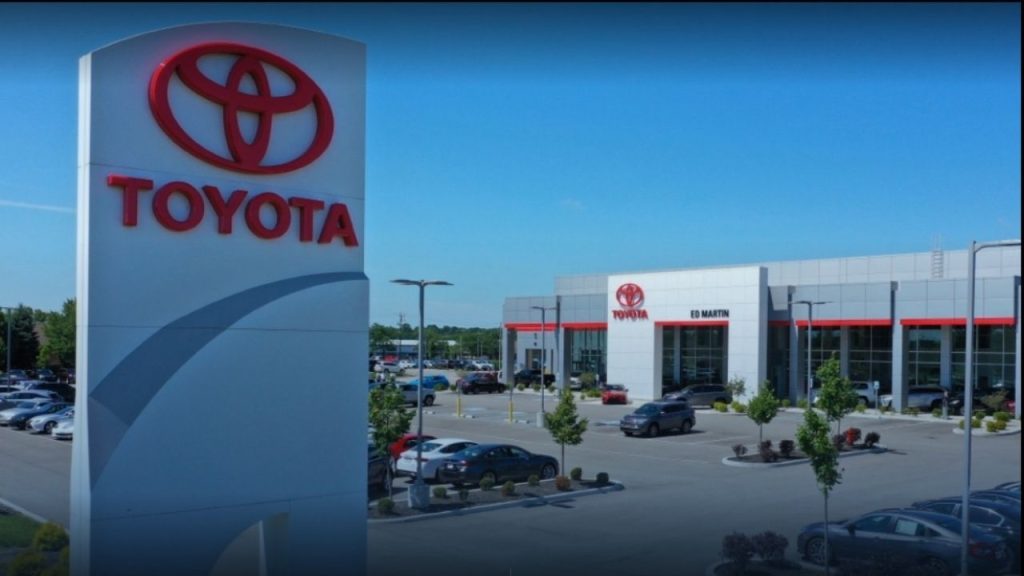
Federal stop-sale rules prevent dealers from selling new vehicles with open safety recalls. Toyota dealerships are already running lean, with roughly 33 days of supply nationally — the tightest in the industry — meaning any stop-sale order hits harder when there’s no inventory cushion. Parts shortages stretch into 2026. Toyota announced the November recall without a finalized remedy, meaning roughly 127,000 owners received letters promising a fix that doesn’t exist yet. Every recalled truck sitting on a dealer lot waiting for parts is bleeding margin by the week.
The Pattern
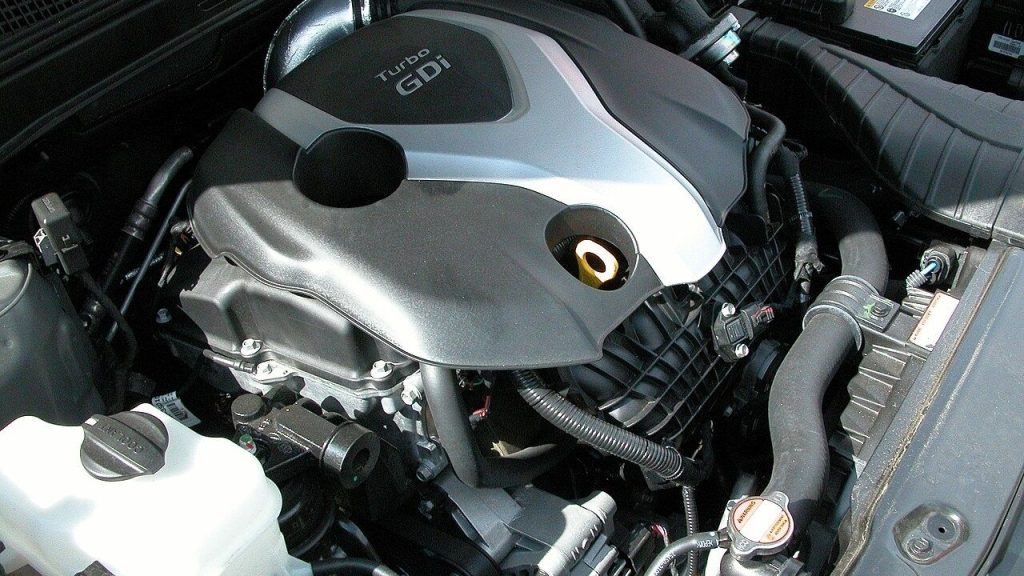
This dual-recall arc mirrors the Hyundai Theta II engine saga, where replacement engines also kept failing, eventually exposing a design flaw that Hyundai spent years calling a manufacturing issue. Toyota is now running a similar playbook. And, at least as of the November 2025 expansion, the non-hybrid models using this V35A engine family were the focus, while other V35A applications remained outside these two debris-related campaigns. Once you see it, every “improved bearing” buried in a technical filing reads like a confession Toyota wrote in a language it hoped consumers wouldn’t speak.
No Exit
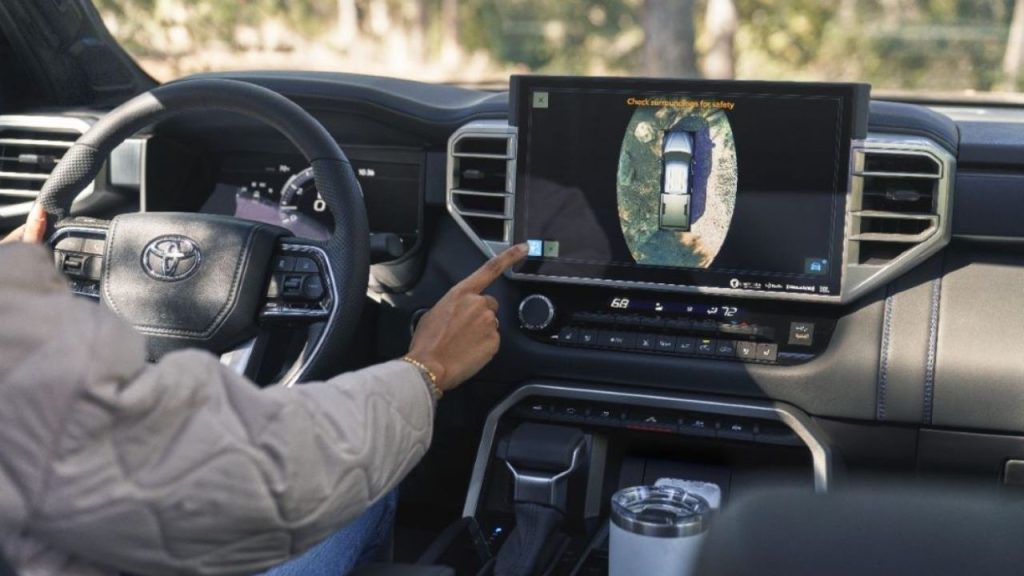
Owners of 2025 Tundras built with the same engine family had not yet been covered by the debris-related bearing recalls as of November 2025, but Toyota’s own NHTSA filing acknowledged that some engines produced after the first recall cutoff were built with “improved manufacturing processes” or “improved main bearings” and remain under investigation. Reports of bottom-end failures in 2025 models have surfaced in owner forums, yet Toyota has been slow to expand the engine recall to cover them. The phased approach, critics argue, lets Toyota clear newer inventory before stop-sale orders freeze it. NHTSA could face pressure to investigate whether staggered recalls based on inventory timing rather than safety urgency constitute a deceptive practice. Class-action attorneys are already circling the lengthy rebuild cases as potential lemon-law violations. The company that built its American truck reputation on “runs forever” carries one of the largest debt loads of any non-financial corporation on earth, largely driven by its financial services arm.
Brand Damage
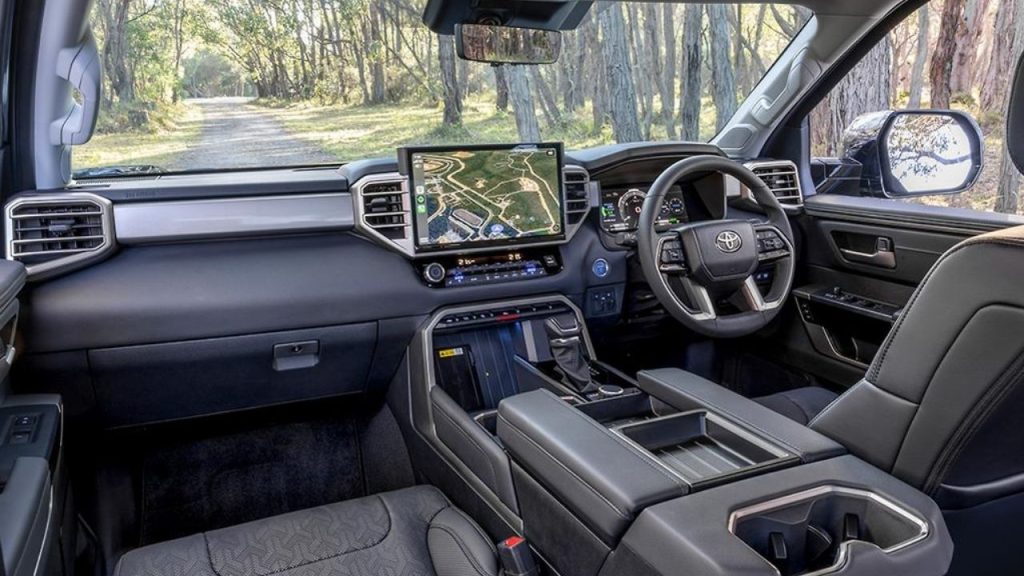
One Tundra owner summed up a generational loyalty collapse: “I’ve never experienced this level of BS from a car manufacturer. I used to own a Ram. I’ll never own a Toyota again.” That trajectory, from competitor defector to Toyota evangelist to permanently lost customer, is playing out across recalled driveways. At least one Ford dealer has already offered a recalled Tundra owner full trade-in value Toyota wouldn’t match. The people who understand this story best aren’t reading analyst reports. They’re standing in their garages, staring at oil spots from a “completed” repair, calculating what their truck is worth today versus yesterday.
Sources:
“Toyota Recalls Certain Toyota Tundra and Lexus GX and LX Vehicles.” Toyota Motor North America Press Room, 6 Nov 2025.
“Part 573 Safety Recall Report 25V767 (Debris in Engine May Cause Stall).” National Highway Traffic Safety Administration, 5 Nov 2025.
“Toyota Recalls 127K Tundras, Lexus SUVs for Potential Engine Debris.” Car and Driver, 6 Nov 2025.
“Dealers Are Refusing Toyota Tundra Trade-Ins Over Twin-Turbo V6 Recall.” The Drive, 11 June 2024.