BMW Recalls 59,000 Vehicles After $50 Filter Change Melts Dashboard—They Knew For 11 Months
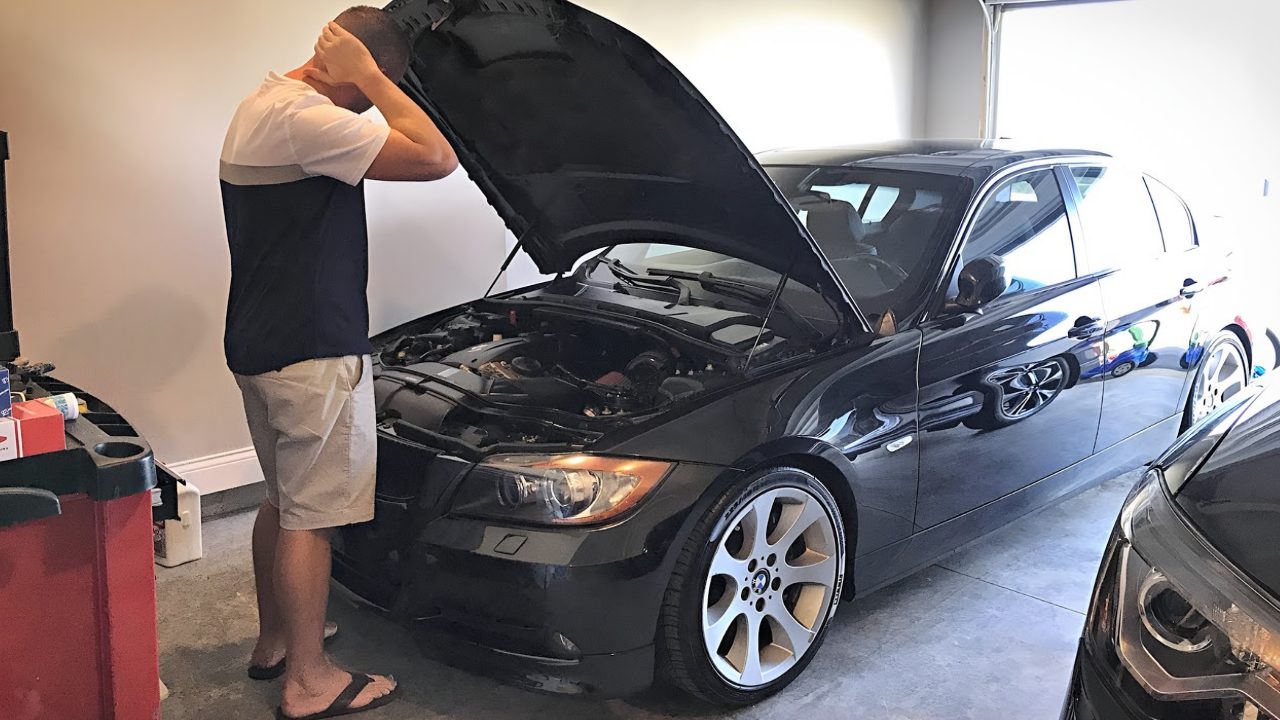
A technician pops open a cabin air filter housing on a BMW 7 Series. Routine job. Thirty minutes, tops. But the screw holding that housing cover sits millimeters from the air conditioning wiring harness, and one wrong angle sends metal into live insulation. The short circuit that follows doesn’t announce itself. It builds heat behind the dashboard, silently, in a space no owner ever sees. At least several vehicles experienced exactly that thermal escalation before anyone outside BMW heard a word about it.
Luxury Bet
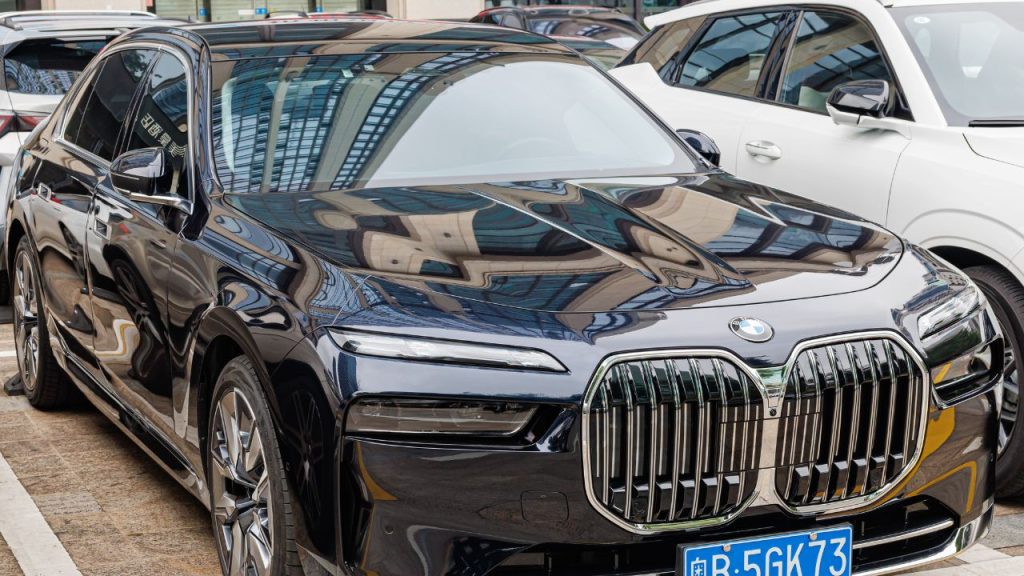
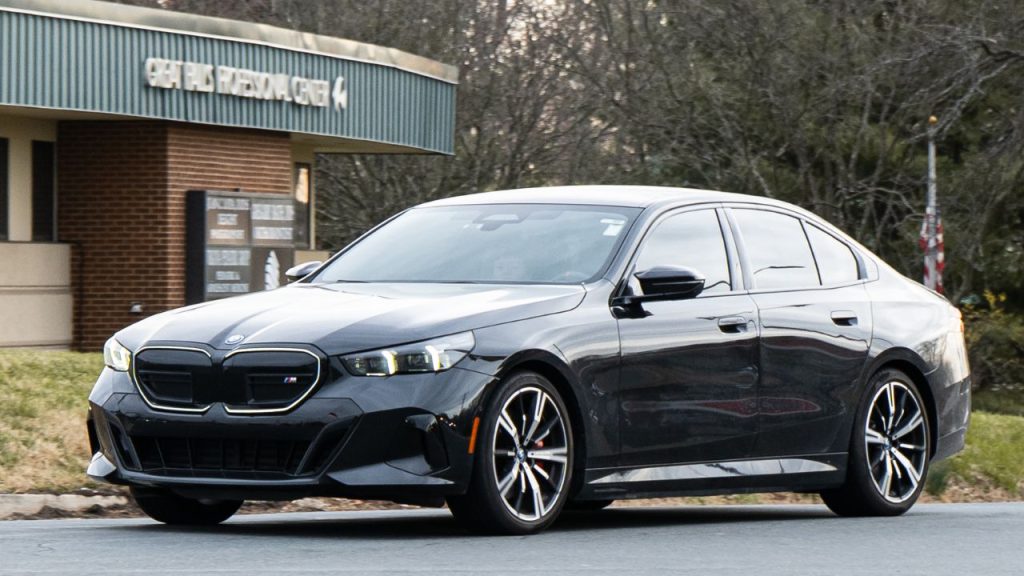
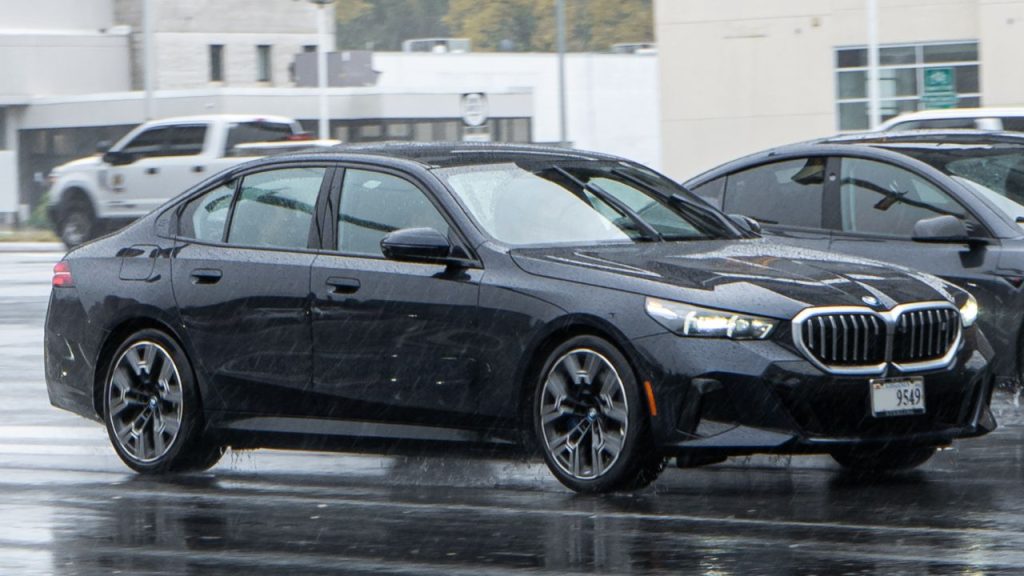
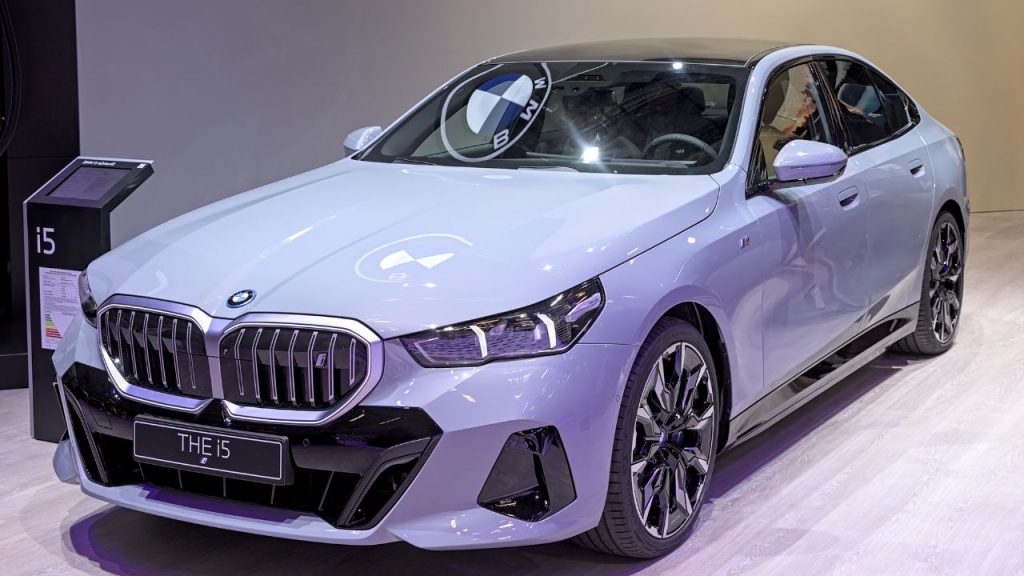
The affected vehicles read like a BMW showroom floor: 20,438 5 Series sedans, 15,154 7 Series, 11,917 i5 models, 7,503 i7s, and 1,647 M5s, plus 983 550e xDrive and 794 750e xDrive plug-in hybrid variants, all from model years 2023 through 2026. These aren’t economy cars with budget wiring. They’re engineered to represent the peak of German automotive precision. Yet every single one left the factory with critical electrical wiring routed directly through a space that any dealership technician accesses during a cabin filter swap costing roughly $50 to $75. BMW’s engineers designed a mousetrap and aimed it at their own service departments.
First Smoke
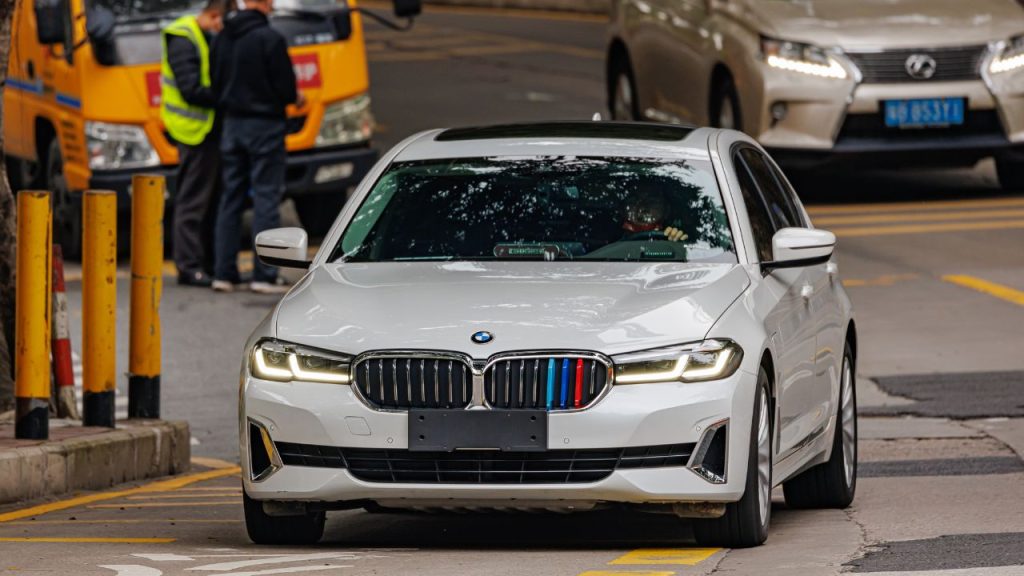
The first documented thermal event hit a 2024 7 Series on February 22, 2025. A second struck a 2023 7 Series on March 9, and a third involved another 2023 7 Series in December 2024. By March 2025, BMW had logged enough incidents to launch an engineering investigation, and another 7 Series thermal event followed in May. The pattern was clear: technicians replacing cabin air filters were nicking the wiring harness with the housing cover screw, creating short circuits that generated intense localized heat behind the dashboard. The assumption that trained professionals would never make that mistake was already burning alongside the insulation.
The Band-Aid
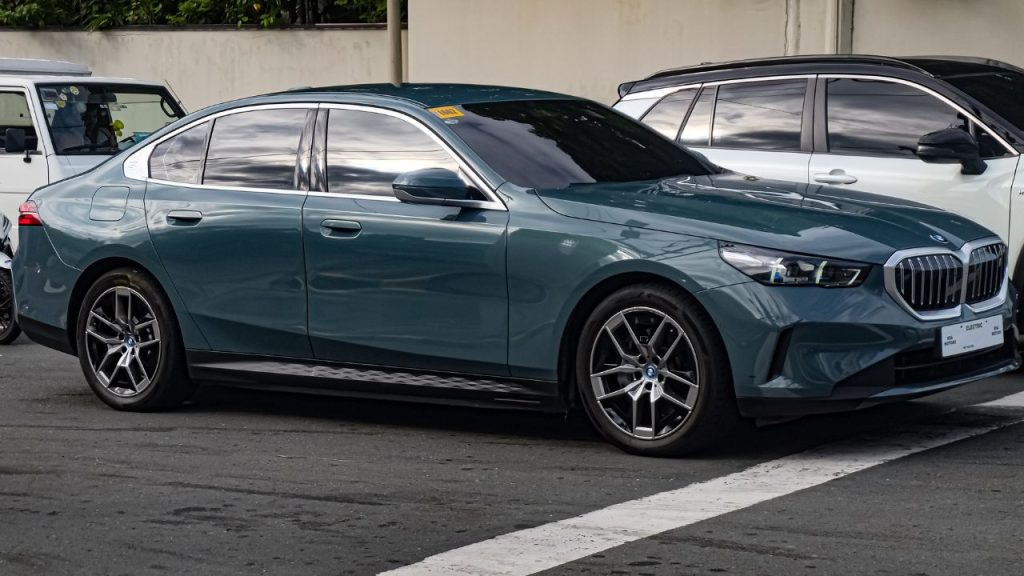
BMW’s response to a known fire-risk defect was not a recall. In July 2025, the company quietly deployed a service action: a retaining strap and bracket to shift the wiring harness away from the screw. A field fix. No public disclosure. No owner notification. Then, between September and December 2025, two more vehicles included in the service action experienced thermal events because the strap had not been installed at the time of their filter replacements. The interim fix hadn’t reached them. BMW’s engineering investigation began in March 2025. Owner notification letters are scheduled for April 13, 2026 — more than a year later. That gap is the entire story.
Hidden Architecture
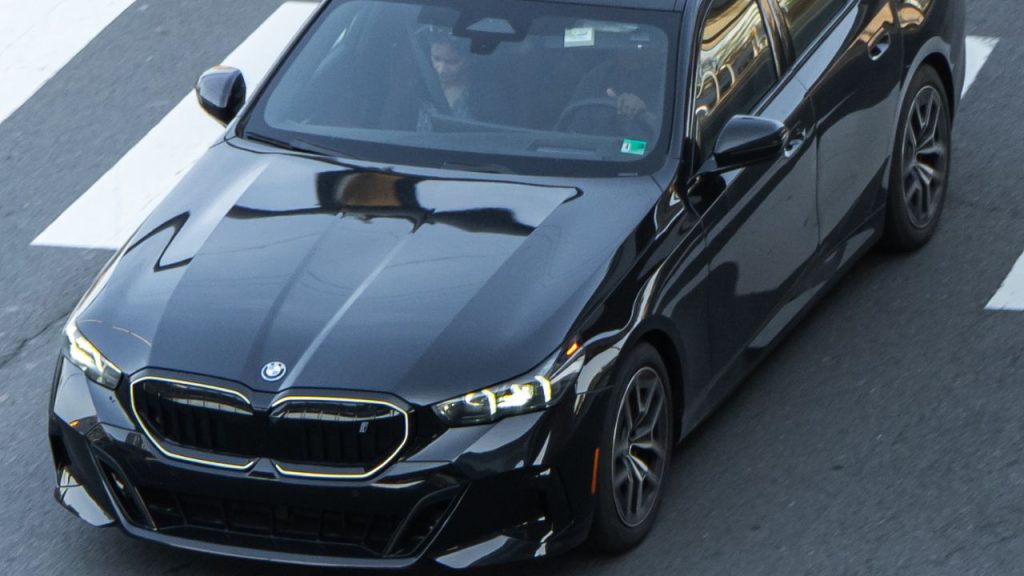
The wiring harness sits in a space BMW’s own design team created for technician access. No protective barrier, guard rail, or rerouting. Just bare insulation running past a metal screw point that gets torqued every time someone swaps a $15 filter element. BMW’s own filing admits it: “a housing cover screw could damage the wiring harness for the air conditioning system. This may potentially cause a short circuit, and in an extreme case, this could cause a thermal event or fire.” They described the flaw. They built it anyway.
The Math
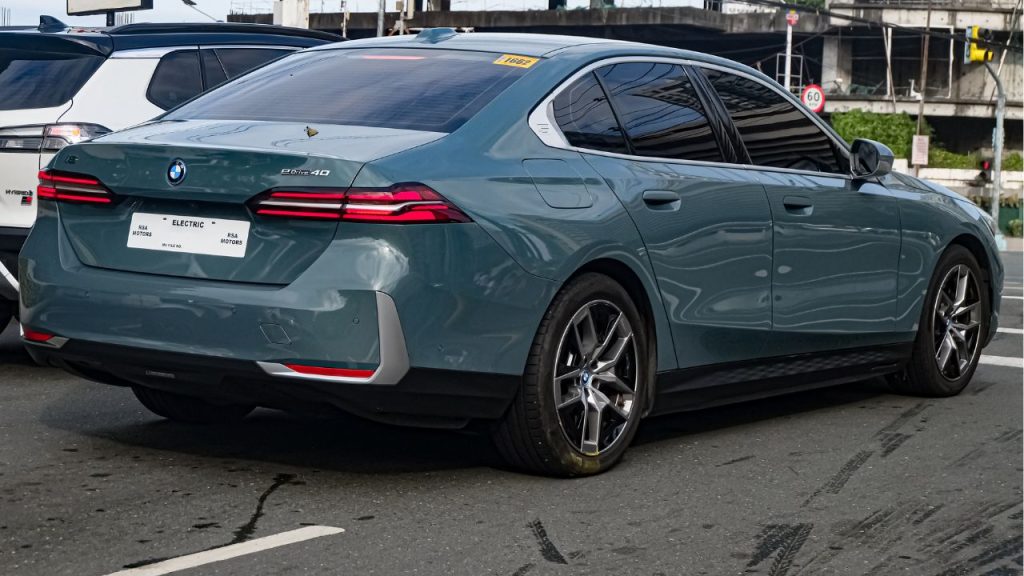
Here’s where the numbers stop making intuitive sense. BMW recalled 58,713 vehicles under NHTSA campaign 26V-096. BMW’s own NHTSA filing shows an estimated defect rate of 0.1% — the minimum the portal allows — with a note that the true calculated rate is actually lower. That translates to roughly 59 vehicles out of nearly 59,000. That means 99.9% of recalled owners will bring their cars in, get inspected, and drive home with nothing wrong. BMW is recalling an entire population to find fewer than 60 needles in a haystack made of luxury sedans.
Ripple Cost
Every owner who had a cabin filter replaced between February 2025 and now did so without knowing a technician’s screwdriver could have triggered a fire. Independent repair shops, which lack BMW’s retaining strap retrofit, posed an even higher risk — a point BMW’s own NHTSA filing explicitly flags. Consumer Reports advised owners to park affected BMWs outside due to fire danger. And this is BMW’s second major fire-related recall of recent months, following a starter motor issue covering approximately 196,355 vehicles. Electrical fire risks have featured in several of BMW’s largest recall campaigns in recent years.
New Rule
Zero injuries. Zero reported accidents. At least several thermal events across more than a year. By traditional safety math, this barely registers. But BMW decided in an abundance of caution to conduct a voluntary safety recall: even a 0.1% defect rate across 58,713 vehicles demands a full public recall when fire risk is involved. That precedent is notable. If automakers choose to recall entire populations for defects affecting fewer than 60 units, every manufacturer with a marginal wiring issue faces the same calculus. BMW didn’t just recall cars. It demonstrated the floor for how small a defect can be and still trigger a national action.
Waiting Game
Owner notification letters won’t arrive until April 13, 2026. That creates a gap between the public announcement and the moment most owners learn their specific vehicle is affected. During that gap, BMW advises deferring cabin air filter service entirely. Dealers will inspect the harness, replace it if damaged, and install the retaining strap at no cost. But parts availability, appointment backlogs, and the sheer volume of 58,713 vehicles competing for service slots could stretch the actual repair timeline well beyond spring.
The Real Lesson
BMW has faced multiple major fire-related recall campaigns in recent years, with several carrying “Park Outside” advisories — including this cabin filter recall and the 196,355-vehicle starter recall. That pattern matters more than any single recall. The company’s engineering philosophy placed critical wiring where human hands routinely work, bet that no technician would ever slip, and then spent more than a year managing the fallout quietly before going public. Luxury engineering that assumes perfection from every wrench turn isn’t engineering. It’s a countdown to the next thermal event.
Sources:
“Part 573 Safety Recall Report 26V-096 (BMW Air-Conditioning Wiring Harness).” National Highway Traffic Safety Administration, 19 Feb 2026.
“BMW Recalls 58,000-Plus Vehicles for Damaged Wiring Harness, Fire Risk.” Cars.com, 24 Feb 2026.
“BMW to Recall Nearly 59,000 Vehicles in US Over Damaged Wiring Harness, NHTSA Says.” Reuters, 25 Feb 2026.
“BMW Recalls 58,713 Vehicles Over Damaged AC Wiring Harness, Fire Risk.” Claims Journal, 24 Feb 2026.