9 New SUVs Under $50,000 Linked To Hundreds Of Owner Complaints
Buying a new SUV under $50,000 feels like a smart financial move until the day that the warranty clock runs out and the real costs show up. Across the U.S., thousands of owners report the same pattern: transmission failures between 38,000 and 90,000 miles, $5,000 to $8,000 repair bills, and resale values collapsing faster than loan balances. Consumer Reports and service technicians have flagged multiple models in the sub-$50K SUV segment as poorly engineered for longevity. Many appear engineered to fail right after coverage ends. So, let’s take a look at 9 new SUVs under $50,000 that are linked to hundreds of owner complaints.
1. Jeep Compass
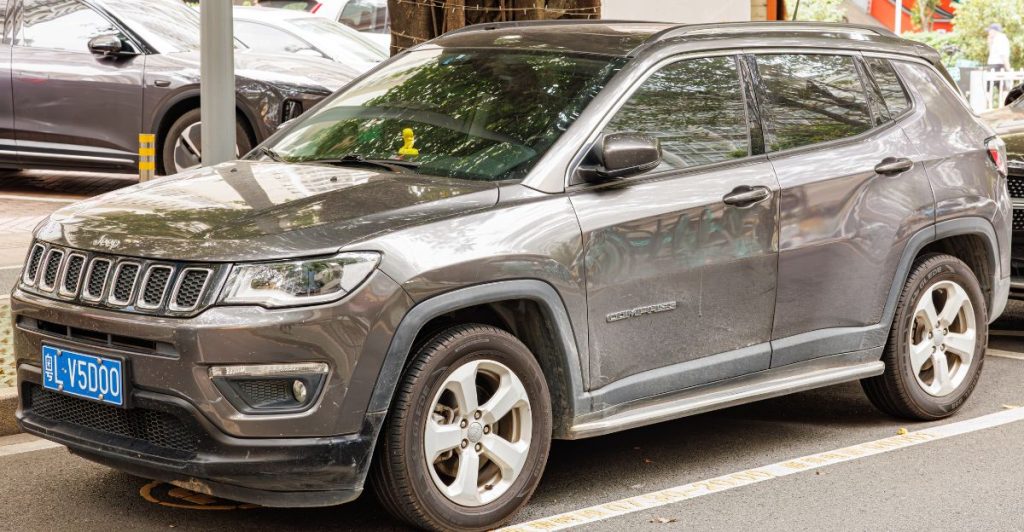
The Jeep Compass is marketed as an affordable gateway into the Jeep brand; however, it has one of the worst reliability reputations in its class. Owners have reported rough shifting, hesitation, and complete transmission failures, resulting in costs of over $5,000. Visibility issues, underpowered engines, and glitchy infotainment have caused significant frustration. Consumer Reports consistently rates it as being below average, and mechanics describe Compass transmission failures as “widespread across multiple model years.”
2. Nissan Rogue
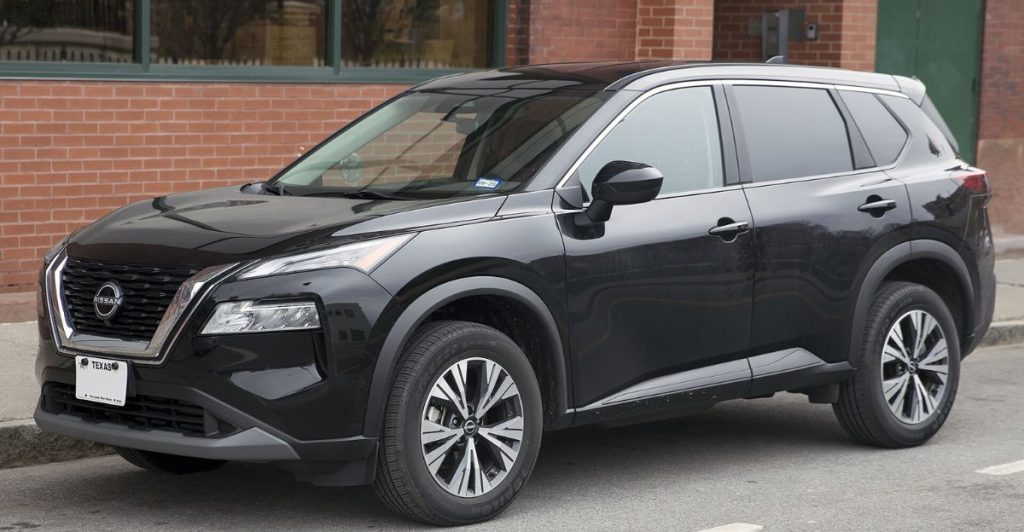
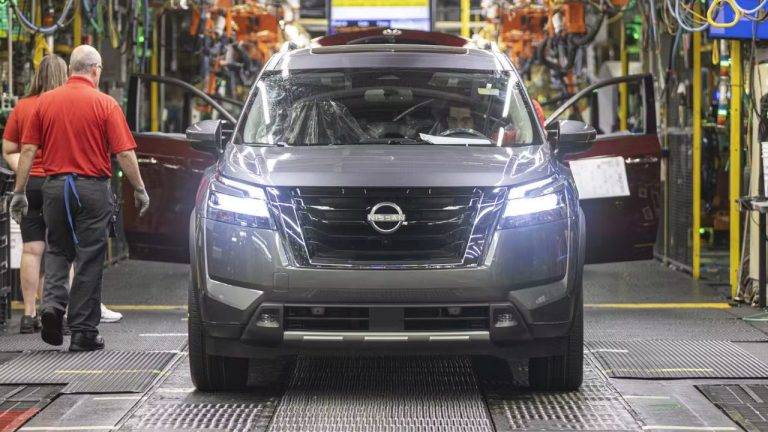
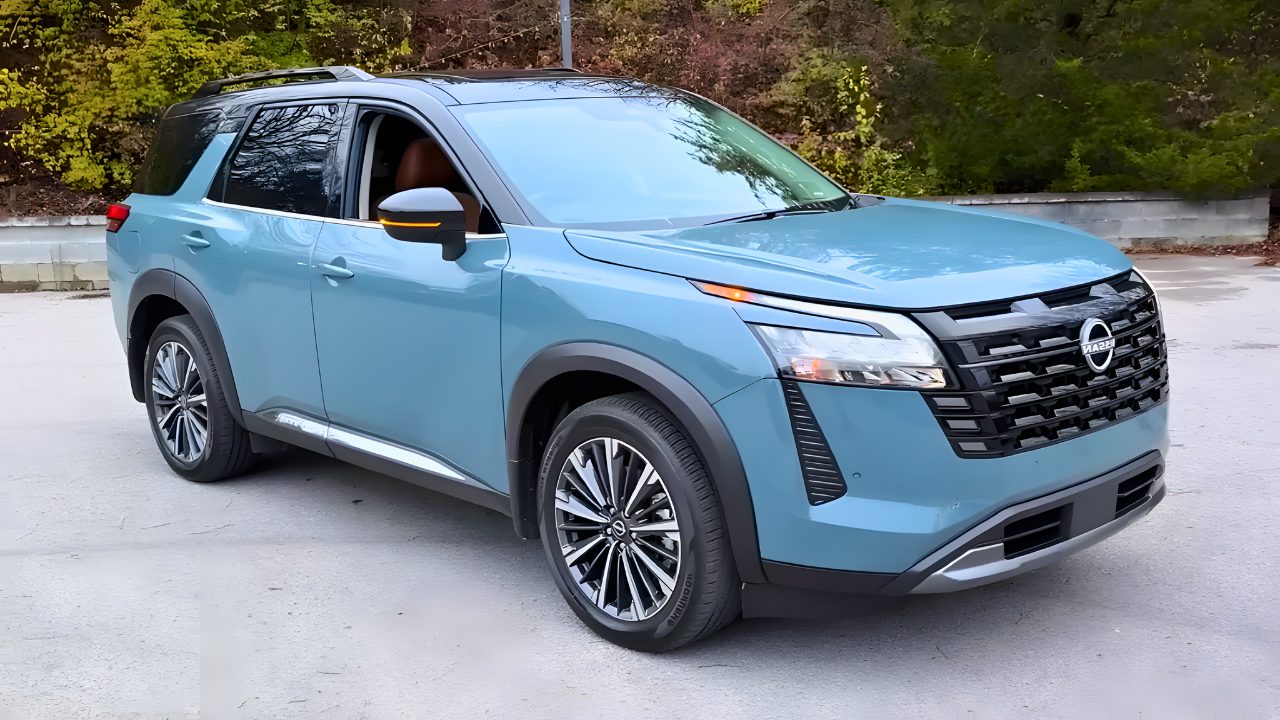
The Nissan Rogue sits at the center of a two-decade CVT reliability crisis. Owners have reported jerky acceleration, overheating, whining noises, and delayed throttle response, often before the car even reaches 100,000 miles. Replacement costs can reach $7,000 to $8,000 in severe cases, though most fall in the $3,500 to $6,000 range. Recent recalls addressed potential engine failure and electronic throttle body gear breakage, but they didn’t solve the underlying CVT wear problem. Consumer advocates note this failure pattern has been around for over 20 years with minimal design changes.
3. Chevrolet Equinox
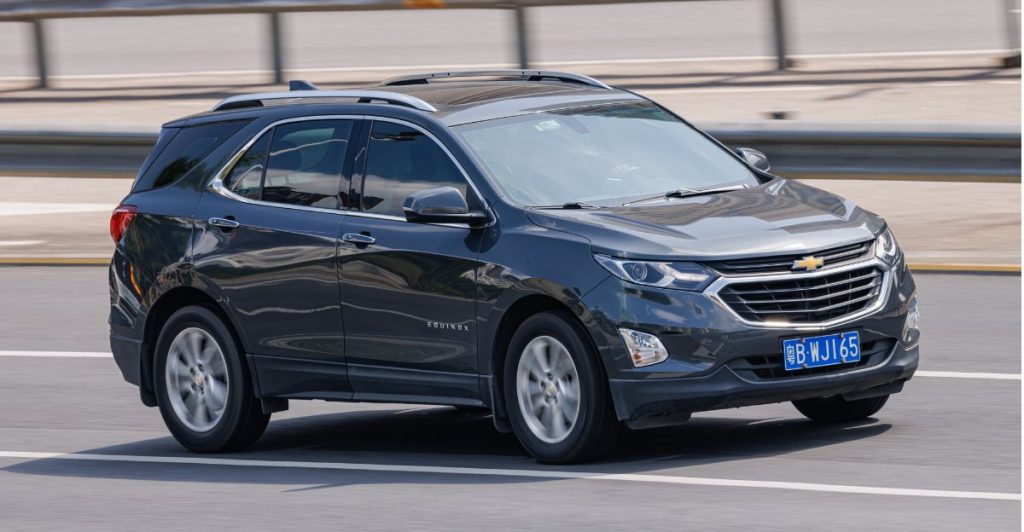
The Chevrolet Equinox proves that popularity doesn’t equal value. CarEdge projects a staggering 52% depreciation over five years, turning a $34,545 purchase into roughly $16,544. Owners have reported engine misfires at under 1,000 miles, electrical glitches, and repeated visits to the dealership without resolution. If you spend just $3,600 more on a Honda CR-V, depreciation drops to just 29%. On paper, the Equinox looks affordable, but on spreadsheets, it’s one of the worst losses in the segment.
4. Mitsubishi Outlander
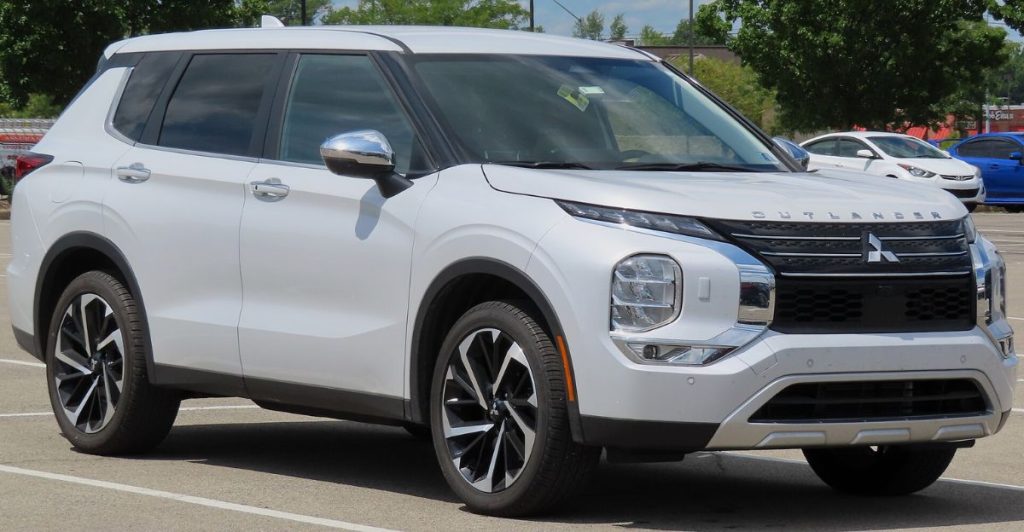
The Mitsubishi Outlander carries one of the longest-running CVT failure histories in the industry, spanning multiple generations. Owners have reported issues with shuddering, delayed engagement, jerking, and sudden loss of power. The causes of these issues include belt slippage, contaminated hydraulic systems, and inadequate cooling. Repair costs range from $3,000 to $8,000, which often exceeds vehicle value. Despite decent marketing and average repair ratings, technicians warn that the Outlander’s transmission issues are systemic and not accidental.
5. Hyundai Venue
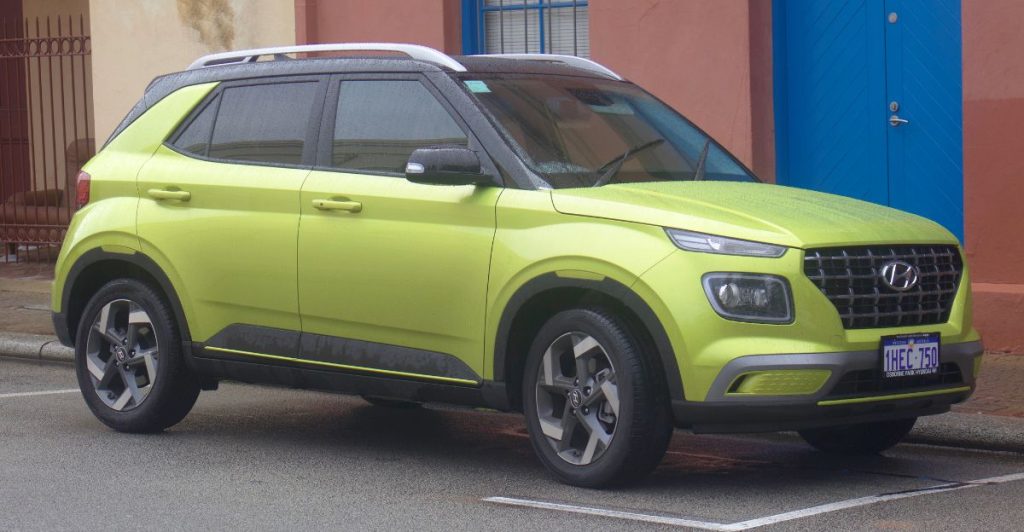
The Hyundai Venue should be simple and reliable, but some predicted reliability scores remain below average, though other outlets rate it higher. It lacks all-wheel drive, which hurts its resale appeal, and once the warranty expires, CVT repairs can exceed the vehicle’s remaining value. Owners frequently criticize the interior materials for being cheap and uncomfortable. The Venue’s low purchase price masks a long-term ownership problem: limited capability, weak resale demand, and costly post-warranty risks.
6. Kia Seltos
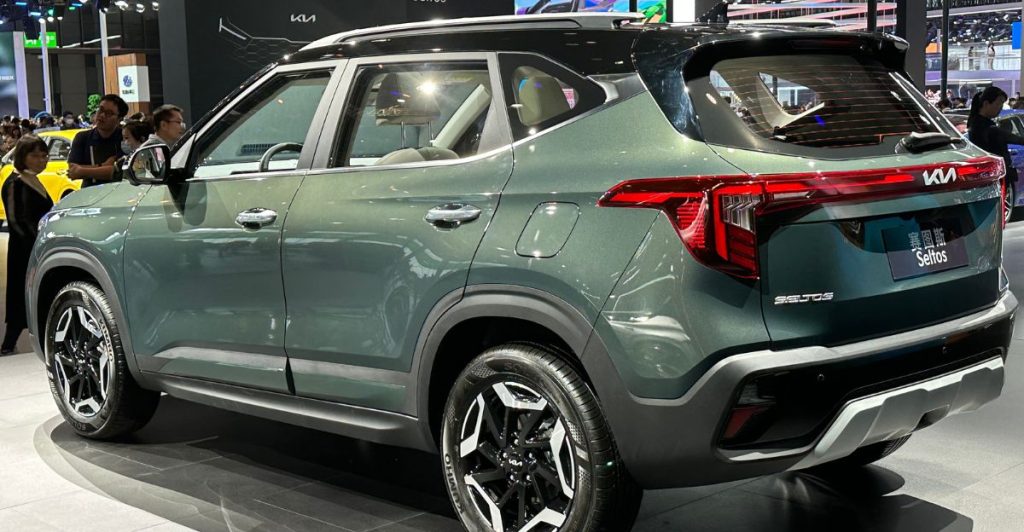
The Kia Seltos struggles to justify its price once real-world ownership begins. Drivers report excessive road noise, poor ride quality, recurring tire-pressure warnings, and inconsistent build quality. After five years, it retains less than 48% of its value, which is far less than its similarly priced rivals. Warranty coverage sounds reassuring, but owners often complain about slow or frustrating customer-service responses. The Seltos feels premium at first glance, then steadily reveals budget-grade compromises that erode value.
7. Honda HR-V
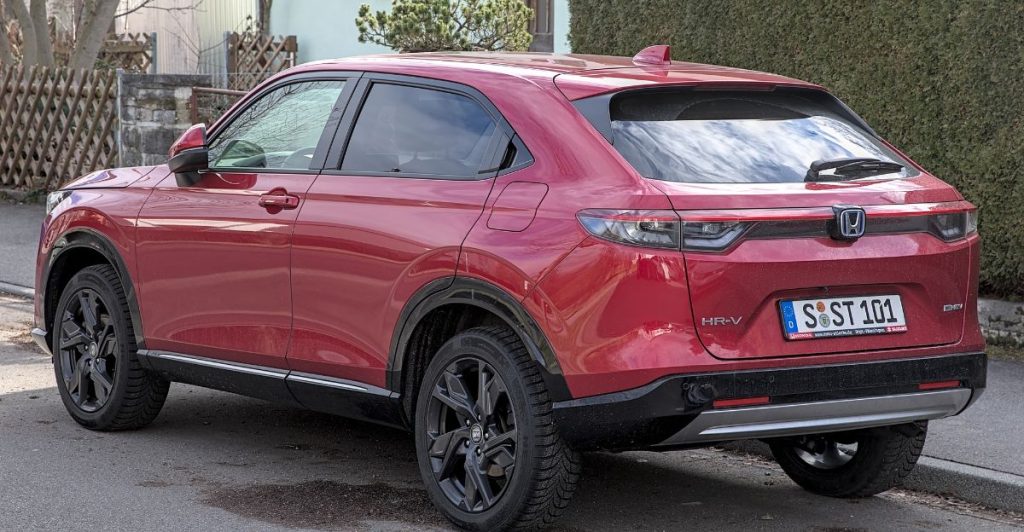
The Honda HR-V disappoints people precisely because their expectations are too high. North American buyers get an underpowered engine and CVT combination that takes about 9.4 seconds to hit 60 mph, which is among the slower performers in its class. Europe gets a hybrid, but North America doesn’t. That lack of power increases strain on the transmission, raising long-term durability concerns. Add emerging steering gearbox recalls, and the HR-V no longer delivers the effortless reliability buyers expect from Honda.
8. Chevrolet Equinox EV
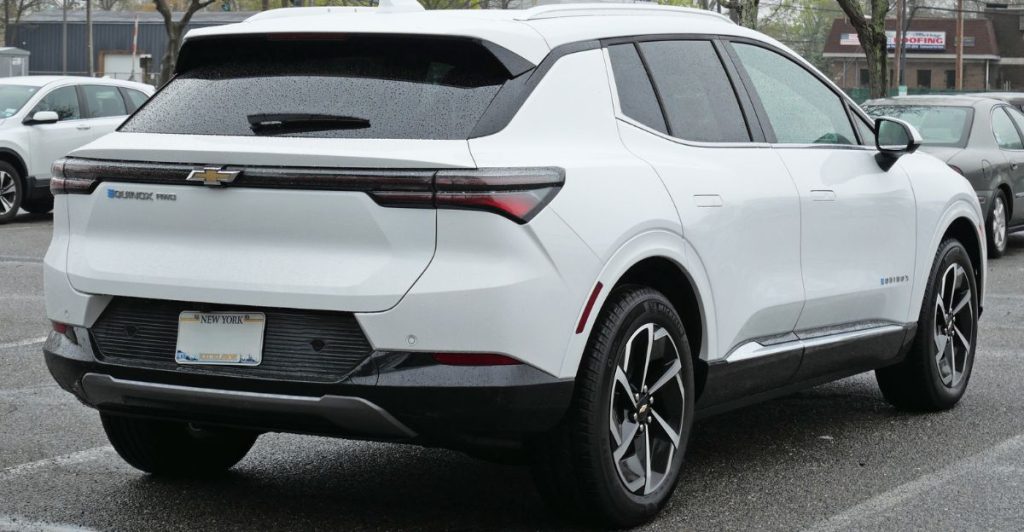
The Equinox EV aims to offer an affordable electric option, but early ownership concerns mirror the gas version’s value problems. Depreciation projections remain steep, charging infrastructure limitations complicate long trips, and pricing has crept upward despite limited design changes. For buyers stretching budgets to enter EV ownership, the risk is familiar: rapid value loss paired with evolving technology that may feel outdated within a few years. Affordable entry doesn’t guarantee affordable ownership, electric or not.
9. Honda Pilot
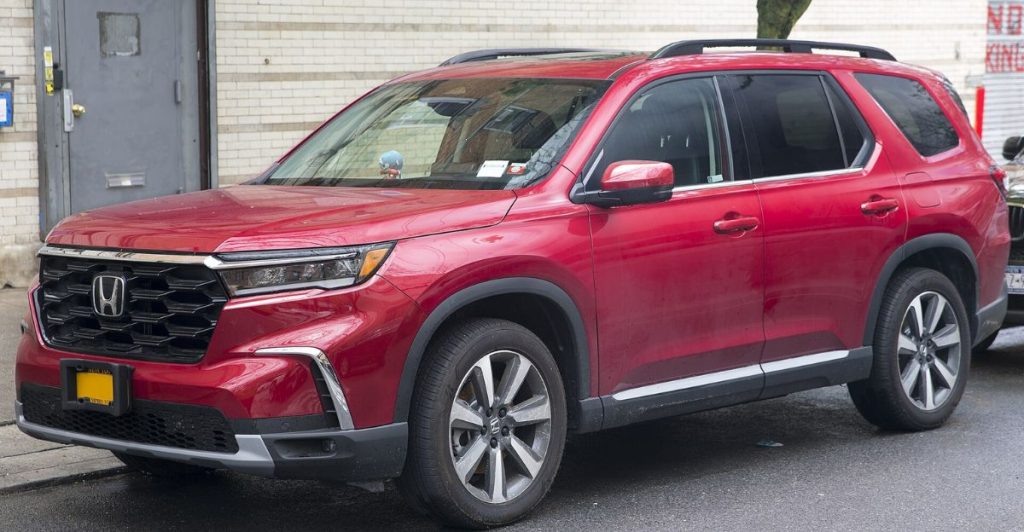
The Honda Pilot isn’t unreliable, but CarEdge flags it as one of the worst SUV values due to its trim pricing strategy. Buyers climb the trim ladder, paying thousands more without gaining hybrid efficiency or meaningful cost savings. Unlike the CR-V, which offers gas and hybrid choices, the Pilot remains gas-only. Over five years, families often discover they paid significantly more than necessary for similar space and features elsewhere.