Tesla’s 12-Year ‘Full Self-Driving’ Lie Costs $243M As Judge Slams Defense
Something always felt off about Tesla’s pitch. A car that drives itself—except when it doesn’t. A system called “Full Self-Driving” requires you to keep your hands on the wheel. For twelve years, Tesla sold that contradiction to millions of buyers. Now the bill is coming due. In February 2026, a federal judge upheld a $243 million verdict against the company over a fatal Autopilot crash. A California regulator ruled its branding illegal. And Tesla’s response?
Sue the regulator and insist nothing’s wrong. Three institutions, a jury, a judge, and a state agency arrived at the same conclusion independently. How the company got here, and what it means for every Tesla on the road, starts with a verdict that Tesla tried everything to make disappear.
The Jury’s Answer
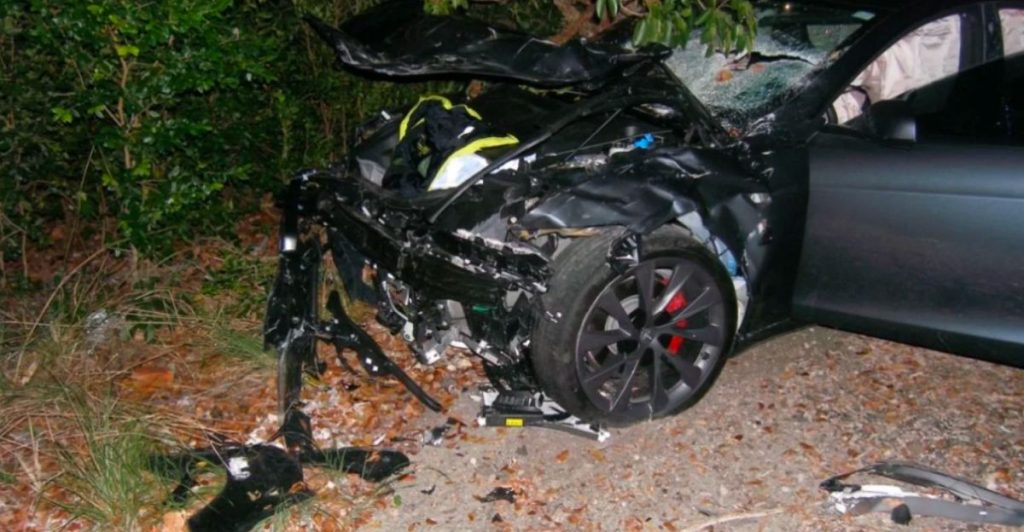
In August 2025, a federal jury in Miami found Tesla 33% liable for the 2019 death of Naibel Benavides Leon, a 22-year-old woman struck by an Autopilot-equipped Model S in Key Largo, Florida. The damages were staggering: $43 million in compensatory awards, plus $200 million in punitive damages levied entirely against Tesla. Because the jury split fault—assigning the remaining 67% to the driver—Tesla’s total obligation landed at roughly $243 million.
It was the first time a federal jury had ruled on a fatal Autopilot crash. Tesla called the verdict wrong and said it “jeopardizes the entire industry’s efforts to develop life-saving technology”. The jury disagreed.
The $60 Million Gamble
Before any of that played out in court, Tesla had a chance to walk away for a fraction of the cost. Plaintiffs’ attorneys offered to settle for $60 million before trial. Tesla rejected it. The company went to trial, argued the driver bore 100% of the blame, and lost badly. The final bill came to roughly four times the offer Tesla turned down.
After the verdict, Judge Beth Bloom denied every post-trial motion Tesla filed, writing that the evidence “more than substantiated” the jury’s findings. Tesla presented no new arguments. The gamble cost them $183 million more than walking away would have cost.
The Night on Card Sound Road
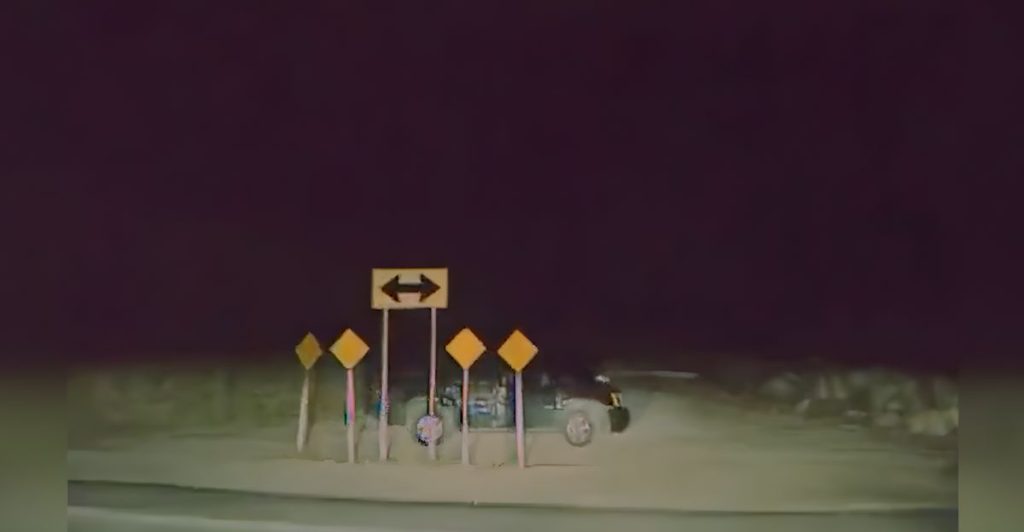
The crash happened on April 25, 2019. George McGee was driving his Model S south through Key Largo on Card Sound Road, a two-lane road ending at a T-intersection with County Road 905. He had Enhanced Autopilot engaged with the speed set at 44 mph. He was on a phone call with American Airlines, making funeral arrangements. When he dropped his phone and bent down to retrieve it, he assumed Autopilot would brake if something was ahead. It didn’t.
The Tesla accelerated to approximately 60 mph, blew through a stop sign and flashing red light, and slammed into a Chevrolet Tahoe parked on the shoulder. Benavides and her boyfriend, Dillon Angulo, were standing beside the SUV. She was killed. He was left with permanent injuries.
What the Driver Believed
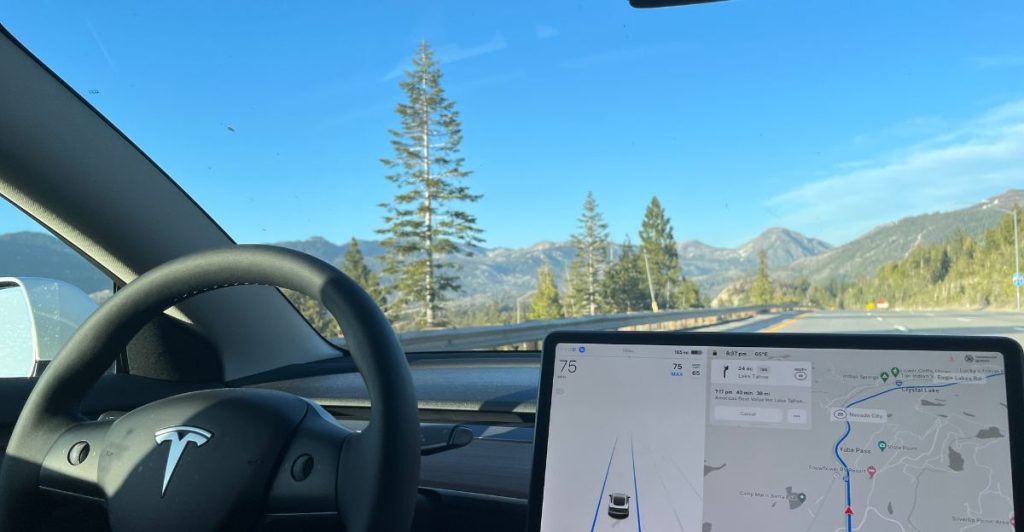
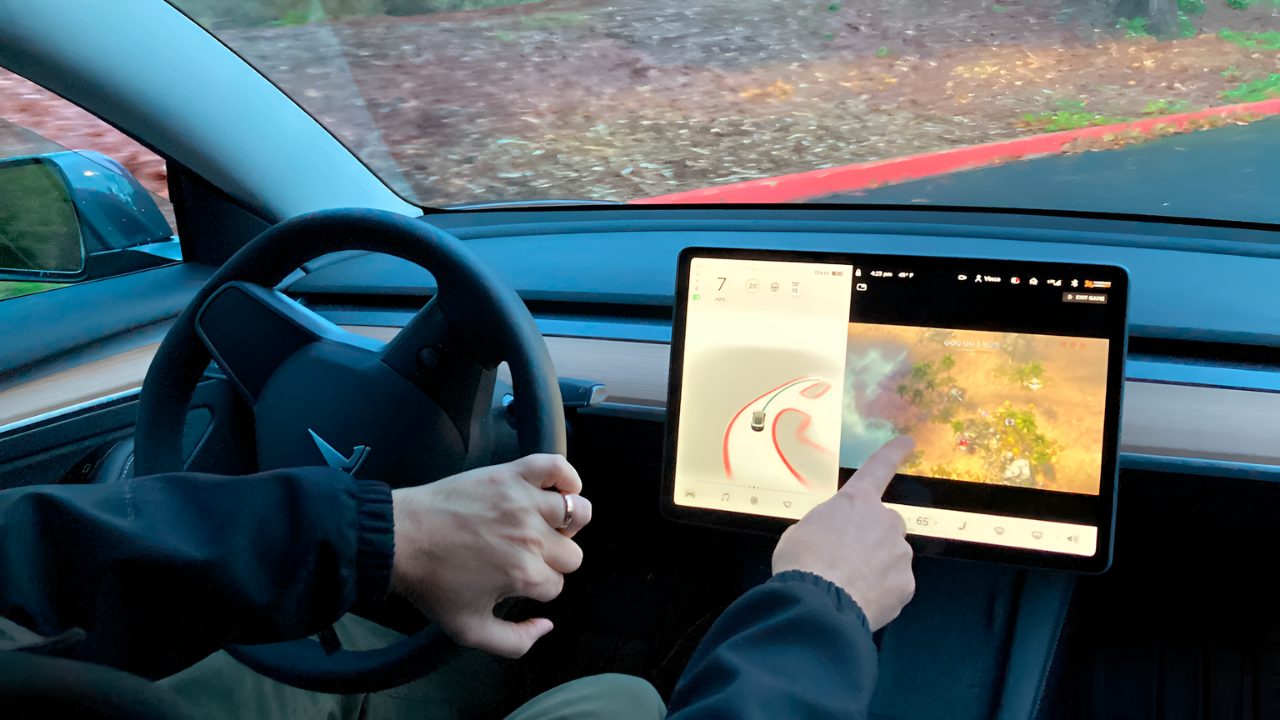
At trial, McGee testified that he understood he was supposed to pay attention while Autopilot was engaged. But he also said he trusted the system as a “supportive co-pilot” and believed it could prevent collisions. That belief didn’t come from nowhere. Tesla’s marketing had spent years telling customers exactly that.
The plaintiffs’ attorneys argued that Tesla designed Autopilot exclusively for controlled-access highways but intentionally chose not to restrict its use on other roads—while Elon Musk publicly promoted the system as superior to human drivers. Neither the driver nor Autopilot applied the brakes before impact. The car hit the Tahoe at approximately 62 mph.
The Video That Started It All
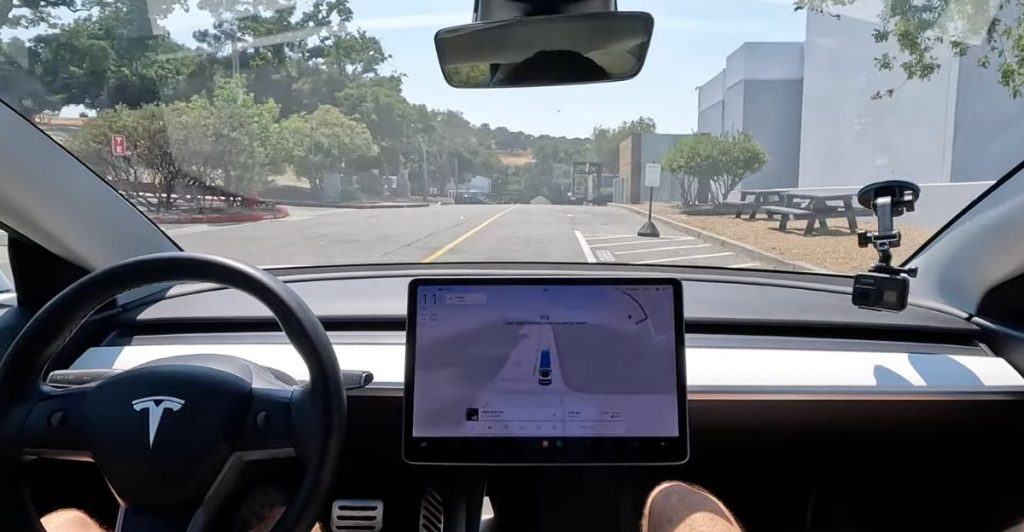
In October 2016, Tesla published a promotional video set to the Rolling Stones’ “Paint It, Black.” It showed a Model X navigating city streets, highways, and parking lots without the driver touching the wheel. A voiceover declared: “The person in the driver’s seat is only there for legal reasons. He is not doing anything. The car is driving itself.” Years later, Ashok Elluswamy, Tesla’s Director of Autopilot Software, testified under oath that the video was staged.
The car followed a pre-mapped route. Engineers intervened during test runs. When they attempted to demonstrate self-parking, a test vehicle crashed into a fence in Tesla’s parking lot. Elluswamy said, “The intent of the video was not to accurately portray what was available for customers in 2016”. Tesla never took it down.
California Says It’s Illegal
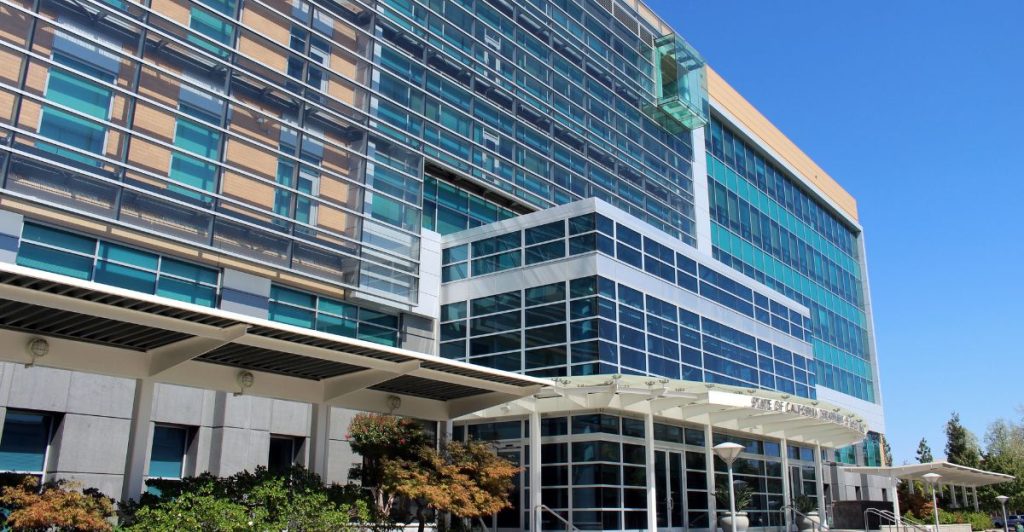
On December 16, 2025, the California DMV issued a ruling that Tesla’s use of “Autopilot” and “Full Self-Driving Capability” violated state false advertising law. An administrative law judge found that Tesla’s branding followed “a long but unlawful tradition” of using ambiguity to mislead consumers. On the term “Full Self-Driving,” the judge went further, calling it “actually, unambiguously false and counterfactual”.
The DMV threatened 30-day suspensions of Tesla’s manufacturing and dealer licenses but agreed to defer penalties if the company made corrections within 60 days. Tesla complied on February 17, 2026—but four days earlier, on February 13, it had already filed a lawsuit to overturn the ruling entirely.
The Feds Are Watching Too
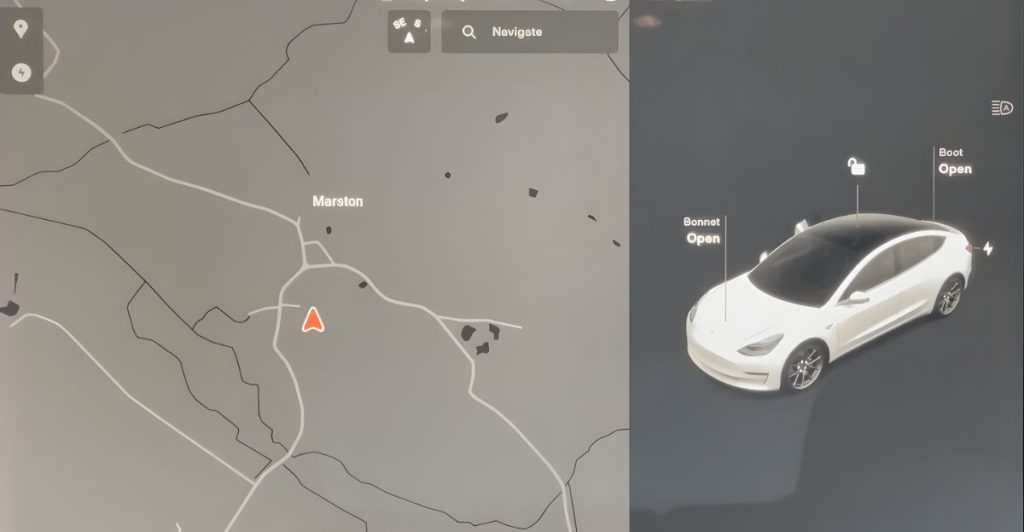
In October 2025, NHTSA opened a formal investigation into Tesla’s Full Self-Driving software across 2.88 million vehicles. The agency documented 58 reports of traffic safety violations while FSD was engaged, including 14 crashes resulting in 23 injuries. Among the findings: Tesla vehicles running red lights, entering opposing lanes, and failing to stop at intersections. NHTSA stated that FSD “induced vehicle behavior that violated traffic safety laws”.
If the investigation determines the vehicles pose an unreasonable safety risk, a recall could follow. Tesla had recently pushed a software update but had not responded publicly to the probe at the time of the announcement.
The Quiet Settlements
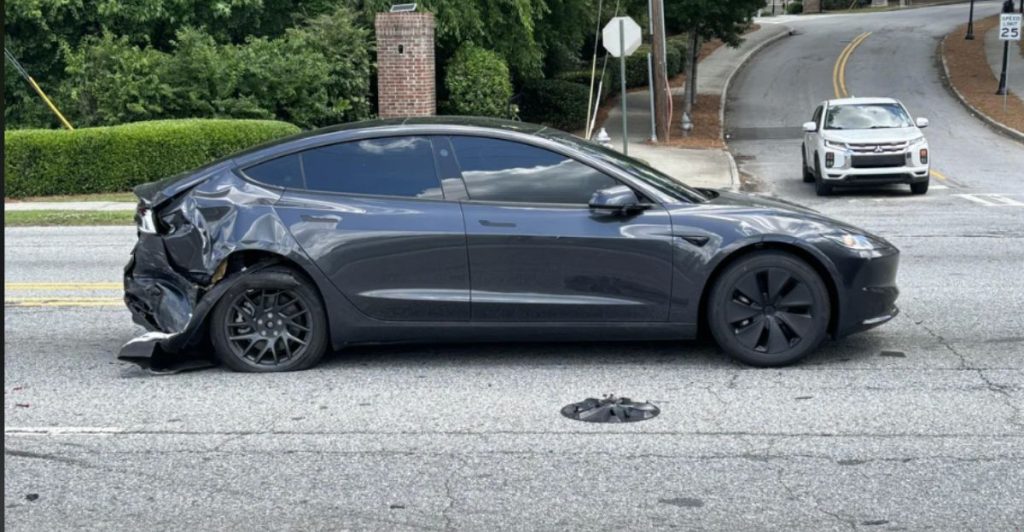
After the $243 million verdict landed in August 2025, something shifted behind the scenes. Tesla began settling Autopilot-related lawsuits it had previously fought. At least two to four cases in California, including wrongful death suits, were resolved on confidential terms by September 2025.
The financial terms remain undisclosed, but the pattern was clear: the company that rejected a $60 million settlement before trial was suddenly eager to keep other cases out of court. The jury verdict changed Tesla’s calculus. Public trials meant public evidence, and more juries asking the same question: did Tesla know its system wasn’t safe … and sell it anyway?
The Scoreboard Doesn’t Lie
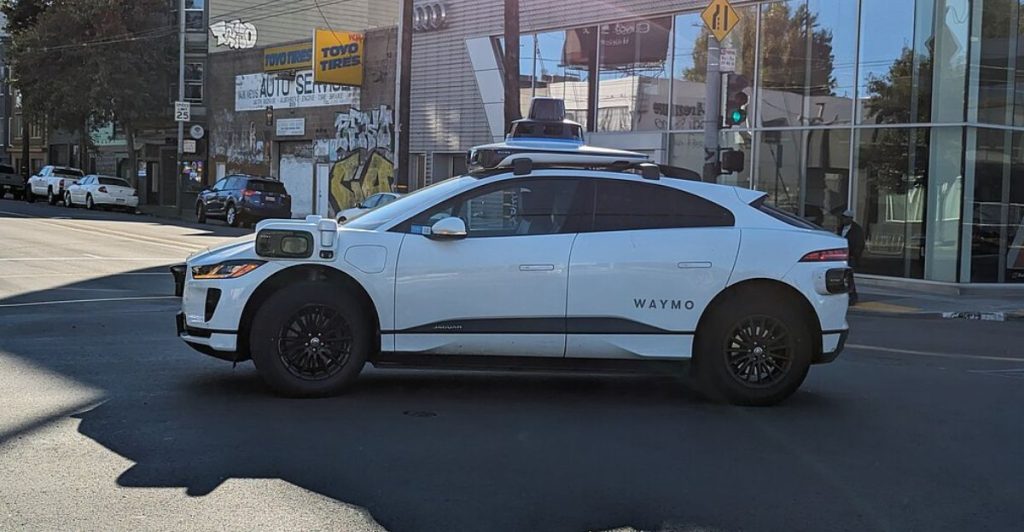
While Tesla fought lawsuits and regulators, its competitor quietly built what Tesla had only promised. Waymo launched a driverless robotaxi service in four new cities on February 24, 2026: Dallas, Houston, San Antonio, and Orlando, bringing its total to ten cities across the United States. Tesla’s Austin robotaxi pilot remained limited, with no fully driverless commercial service in any city.
Commercial driverless cities for Tesla: zero. Twelve years of “Full Self-Driving” promises. $243 million in damages. A federal judge, a state regulator, and a federal safety agency are all saying the same thing. The gap between what Tesla sold and what Tesla delivered has never been wider, and the people paying the price were never behind the wheel.
Sources:
Reuters: “Tesla rejected $60 million settlement before losing $243 million Autopilot verdict” – Reuters
Reuters: “US judge upholds $243 million verdict against Tesla over fatal Autopilot crash” – Reuters
New York Times: “Inside a Fatal Tesla Autopilot Accident: ‘It Happened So Fast'” – The New York Times
California DMV: “DMV Finds Tesla Violated California State Law” – California DMV
Reuters: “US probes driver assistance software in 2.9 million Tesla vehicles over traffic violations” – Reuters
CNBC: “Tesla held partially liable for 2019 fatal autopilot crash” – CNBC