‘Safest Carmaker’ Recalls 40,323 Fire-Risk SUVs—60-Year Safety Legacy Shattered
The warning given to Volvo owners in early 2026 was about anything but what they expected. Charging should be limited to 70%, park outdoors and away from buildings. The EX30’s battery could catch fire while the car is turned off, and the vehicle sits still.
Volvo built its reputation on building some of the safest cars, but now a defect threatens the people inside them. More than 40,000 vehicles are affected.
Brand Promise
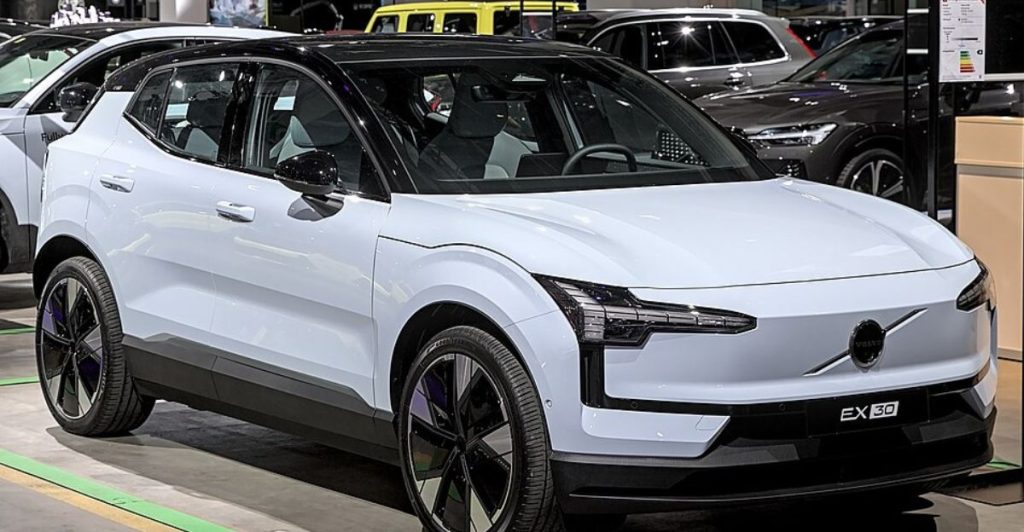
Every EX30 buyer purchased more than an electric SUV. They purchased six decades of trust. Volvo introduced the three-point seatbelt in 1959, an innovation credited with saving over one million lives. Side-impact protection followed in 1991. Autonomous emergency braking in 2008.
That accumulated reputation justified a price tag starting at $44,900 for the 2025 Twin Motor and dropping to $38,950 for the 2026 Single Motor for a compact crossover competing against cheaper rivals. Owner Matthew Owen said it plainly: “I chose it for its range and Volvo’s safety reputation.” The EX30 earned five-star Euro NCAP crash ratings. None of that addressed what was growing inside the battery.
Lithium Creep
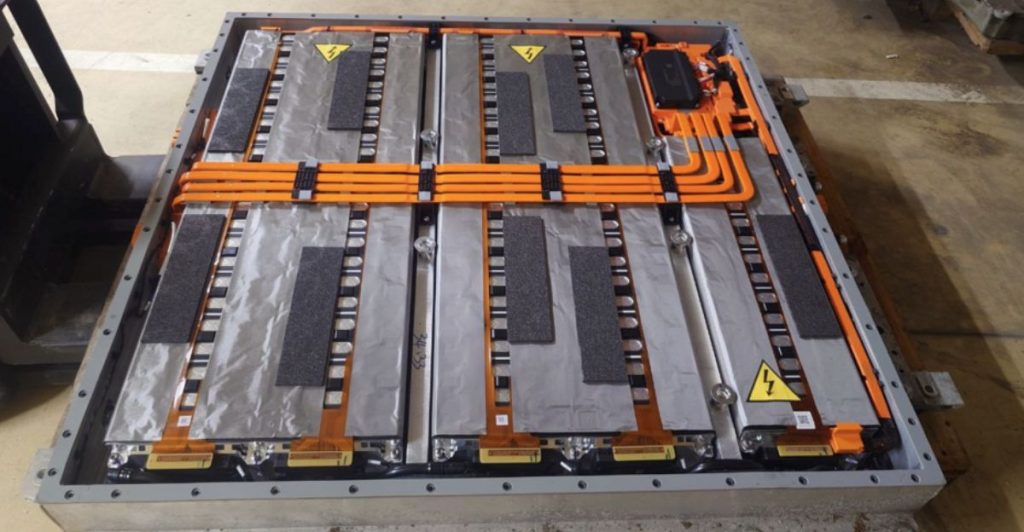
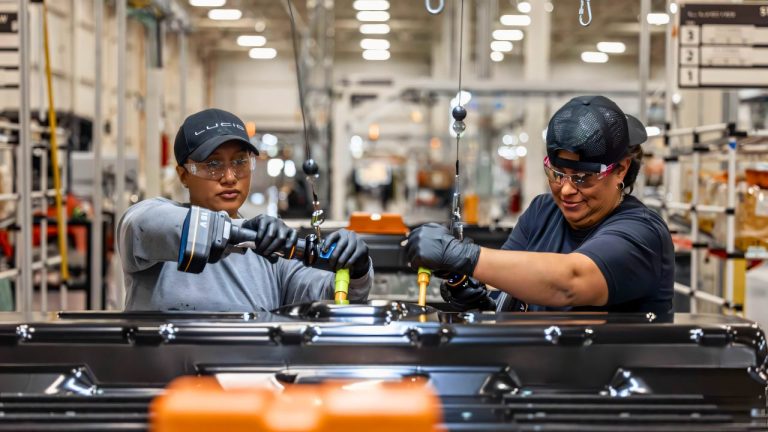
The root cause happened at Shandong Geely Sunwoda with a manufacturing process deviation. The Geely-backed joint venture produced EX30 battery cells. Between September 6, 2024, and October 25, 2025, lithium plating formed abnormally on cell anodes.
Under high charge states (past 70%), the plating could trigger internal short circuits and thermal runaway. Volvo’s entire EX30 battery supply ran through the one factory, and over 40,000 defective units were shipped before the problem was noticed.
Wrong Expertise
Volvo spent 60 years perfecting crash safety: reinforced steel, crumple zones, airbags, and restraint geometry. Every one of those innovations protects occupants during impact. Thermal runaway in a lithium battery is a different animal entirely.
It happens in stillness. No collision required. Volvo’s accumulated expertise simply does not apply to battery chemistry. The company that mastered seatbelts found itself dependent on a supplier’s manufacturing discipline for the one component that could burn down a house. Different domain. Different physics. Same brand promise.
Supplier Chain

Geely acquired Volvo in 2010, while a Geely subsidiary, Shandong Geely Sunwoda, made the EX30 batteries. When battery defects surfaced in Geely’s Zeekr brand, another Geely subsidiary filed a lawsuit against Sunwoda (approximately $323 million) in December 2025. Volvo’s initial small recall followed in January 2026. The lawsuit was settled in February 2026 for approximately $89 million.
The full 40,323-unit recall came on February 23. The parent company’s legal team identified the problem and filed the first lawsuit. Volvo, the safety brand, remediated last. That sequence reveals who holds priority inside the Geely corporate structure, and it was not the Swedish subsidiary.
Cost Reckoning
Battery replacements alone carry an estimated $195 million price tag. Volvo stock dropped roughly 4% on the announcement, translating to an estimated $320–$400 million in market cap loss. The market priced reputational damage at nearly double the repair bill.
Meanwhile, Volvo had already cut 3,000 jobs in 2025 and launched a cost-reduction initiative targeting SEK 18 billion (roughly $1.88 billion). The production window for defective units overlapped almost perfectly with that restructuring period.
Owner Burden
Charging to 70% on a 253-mile-rated battery means roughly 76 fewer miles per charge. Owners must plug in far more often just to maintain daily driving patterns. Park outdoors, away from structures. Schedule dealer appointments across a global network handling 40,323 replacements in a compressed window.
Matthew Owen finished his assessment with seven words: “The company is producing a car that is dangerous.” This was not Volvo’s only major recall in recent months. A separate recall covered over 450,000 vehicles in the U.S. and Canada for backup cameras.
New Rule

Industry veteran Andy Palmer, who oversaw the Nissan Leaf launch, framed the stakes: “Volvo can’t afford a safety issue because that strikes at the heart of their brand.” He was describing something larger than one recall. General Motors’ Bolt battery recall, first issued in 2020, expanded in 2021 to cover over 140,000 vehicles and cost approximately $2 billion, permanently altering how buyers perceived GM’s reliability.
Volvo’s recall is smaller in scale but potentially far more damaging to the brand identity. GM never sold itself as the safety brand. Volvo sold nothing else. When that single differentiator fails, no backup identity exists.
Ripple Forward
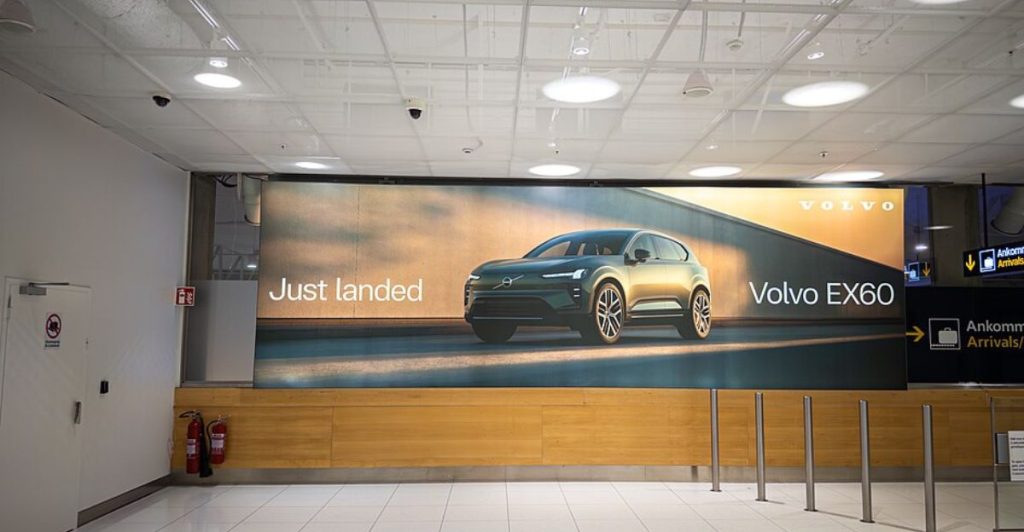
Volvo’s next flagship EV, the EX60, enters production in 2026 into a buyer pool now questioning whether Volvo’s safety reputation extends to battery chemistry at all. Insurance and regulatory bodies may begin rating EVs by battery supplier rather than automaker brand.
Chinese EV startups (Nio, Xpeng, Li Auto) sourcing from Sunwoda or similar manufacturers face heightened Western scrutiny. Analyst Sam Fiorani put the strategic weight plainly: “The EX30 especially is very important to Volvo, so they have to get it right.” They did not get it right. Every future Volvo EV now inherits that suspicion.
Broken Transfer
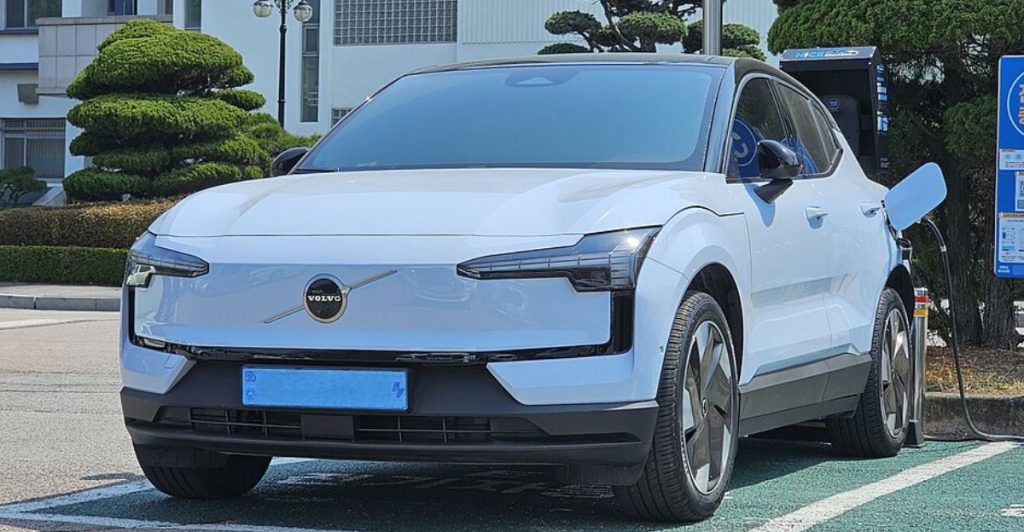
The assumption 40,323 buyers made was reasonable: if Volvo mastered crash safety for six decades, Volvo would master battery safety too. The EX30 recall proved that expertise does not transfer across technology domains. Seatbelt engineering tells you nothing about lithium plating. Crumple zone geometry does not prevent thermal runaway.
Volvo will likely need to diversify battery suppliers, potentially adding names like LG or CATL alongside Sunwoda. That move would quietly confirm what this recall already proved. Safety reputation is not a universal warranty. It never was.
Sources:
NHTSA — Part 573 Safety Recall Report 26V001 (official filing) — January 2026
CarNewsChina — “Sunwoda and Geely subsidiary settle 323 million USD battery lawsuit” — February 5, 2026
Fox Business — “Volvo recalls more than 450,000 vehicles over backup camera issue” — May 8, 2025