$1.5M PPP Fraud Settlement Hits Century-Old Michigan Auto Empire After Hiding 2,000 Employees
A century-old Michigan auto group is making headlines after agreeing to pay $1.5M to resolve allegations of pandemic relief fraud. Federal prosecutors say Garber Management Group improperly qualified for a Paycheck Protection Program loan by miscounting employees, a decision that triggered a False Claims Act case and a whistleblower payout. The settlement underscores the high stakes for businesses navigating federal relief rules and sets the stage for how a long-standing regional operation became part of a national enforcement story.
What Prosecutors Say Happened
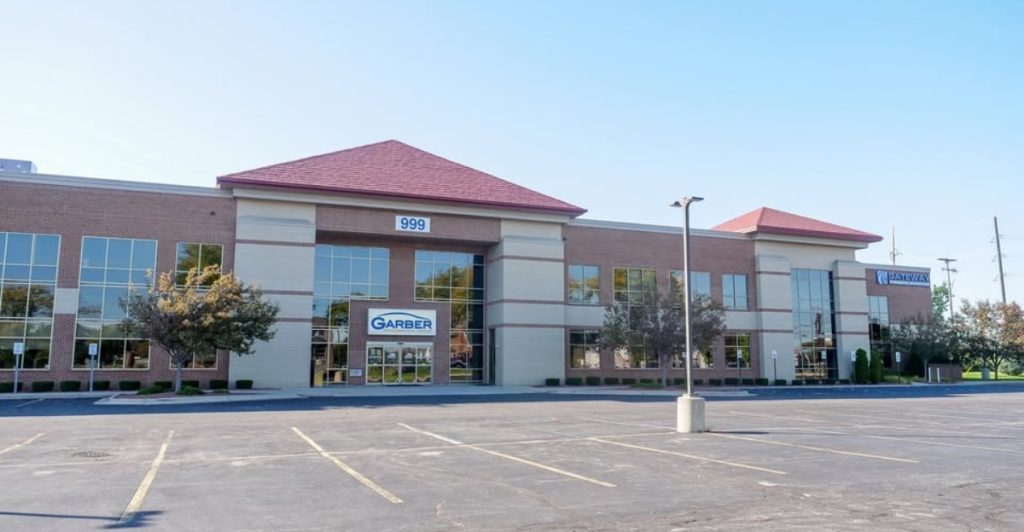
Prosecutors say Garber Management obtained a first-draw PPP loan for $864,732 in late spring 2020 after certifying eligibility for a small-business loan. The United States claims the company falsely certified eligibility for both the loan and forgiveness. When Garber’s workforce was combined with affiliated dealerships, it surpassed the 500-employee cap set by PPP rules. The company should not have qualified under program requirements. Federal officials are examining how employees were counted and whether misrepresentations influenced the approval process, creating legal exposure that extended beyond initial loan applications.
The PPP Rules Garber Ran Into
The Paycheck Protection Program was created early in the pandemic to provide forgivable, SBA-backed loans to smaller employers facing shutdowns. The U.S. Attorney’s Office said PPP required strict employee limits and that borrowers had to certify the accuracy of all submitted information. “When applying for PPP loans, borrowers were required to certify the truthfulness and accuracy of all information provided,” the office stated in February. The government’s allegations focused on those certifications. Affiliation rules applied to networks like Garber, adding complexity to eligibility and forming the basis of the claims that drove settlement negotiations.
Why Affiliation Rules Matter So Much
PPP rules required companies to count both their own employees and staff at affiliated entities when assessing the 500-employee threshold. DOJ said Garber Management exceeded that limit once affiliates were included, making the company ineligible for the loan despite its certification. Garber was not exempt because it lacked an SBA-recognized franchise code. That detail turned a pandemic loan into a False Claims Act matter. Any staff member noticing discrepancies could have raised legal concerns. The aggregation rule magnified compliance obligations and elevated risks for large multi-location businesses seeking small-business relief.
How A Whistleblower Brought The Case
The settlement began with a sealed whistleblower lawsuit filed under the False Claims Act’s qui tam provisions. The case was unsealed as U.S. ex rel. David Reed v. Garber Management, Inc., Case No. 24-cv-13126. “The whistleblower will receive 10% of the settlement amount,” the U.S. Attorney’s Office reported from Detroit. Private individuals flagging false claims now drive federal recovery efforts. This case demonstrates the influence of whistleblowers in enforcing pandemic relief rules. The involvement of an insider revealed details that may have gone unnoticed in standard government audits and shaped the trajectory of the settlement.
Whistleblowers Now Drive Record Recoveries

DOJ reported that False Claims Act settlements and judgments reached $6.8B in the most recent fiscal year, the highest ever recorded. Analysts said $5.3B of that total came from whistleblower-initiated cases, highlighting the growing impact of private relators. Hundreds of pandemic-related cases produced roughly $230M in recoveries, offering context for Garber’s settlement. The national scale shows how pandemic relief programs are monitored. It also emphasizes why regional companies can face federal enforcement. Large employers must navigate scrutiny from both regulators and private whistleblowers when program rules are misapplied.
A Big Business With Small-Business Paperwork
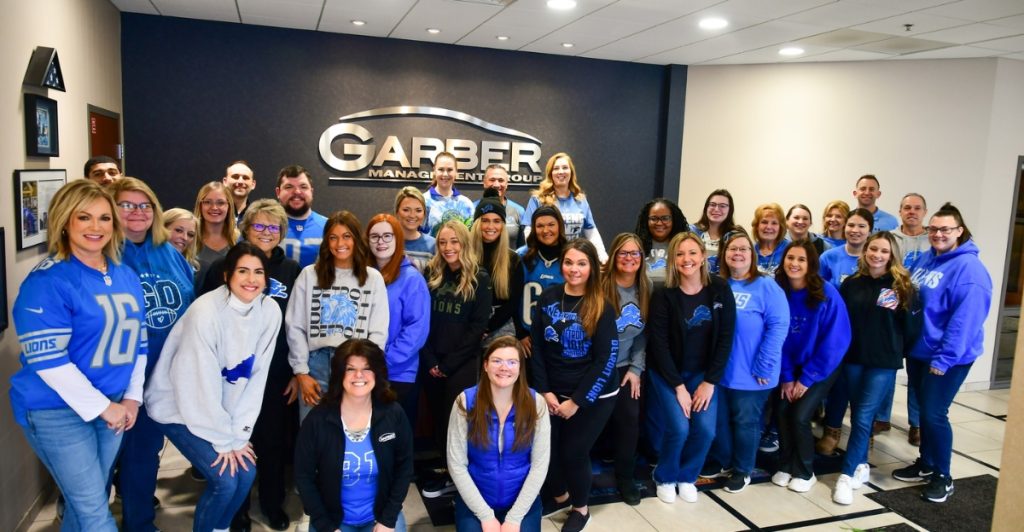
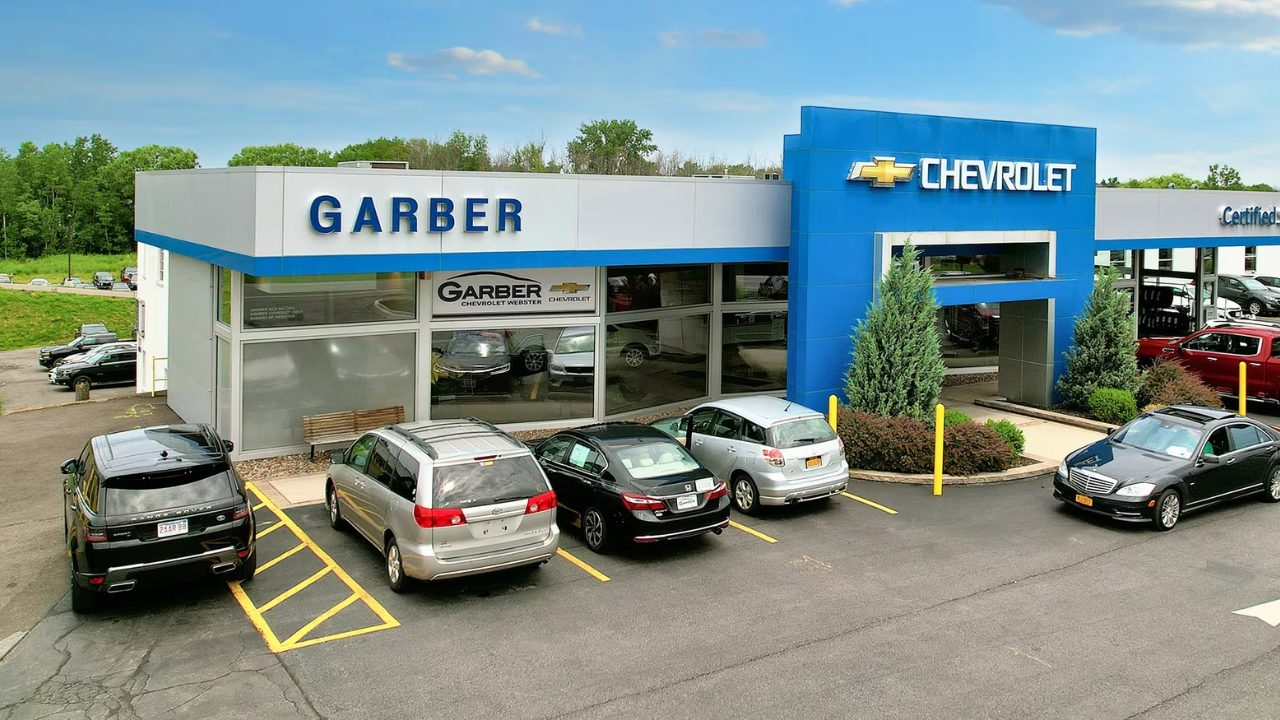
Garber Management is part of the Garber Automotive Group, a family-owned network headquartered in Saginaw, Michigan. It employs thousands across multiple dealerships statewide. Mid-Michigan NOW reported: “A Saginaw-based management group for auto dealerships across Michigan has agreed to pay $1,513,281 to settle allegations of fraud regarding a PPP loan.” The company’s size contrasts sharply with the 500-employee program limit. That difference intensified legal and public attention. Applying small-business forms to a multi-thousand-employee organization created an unusual enforcement scenario, and it magnified the consequences of headcount and affiliation determinations during the pandemic.
What The Settlement Actually Says
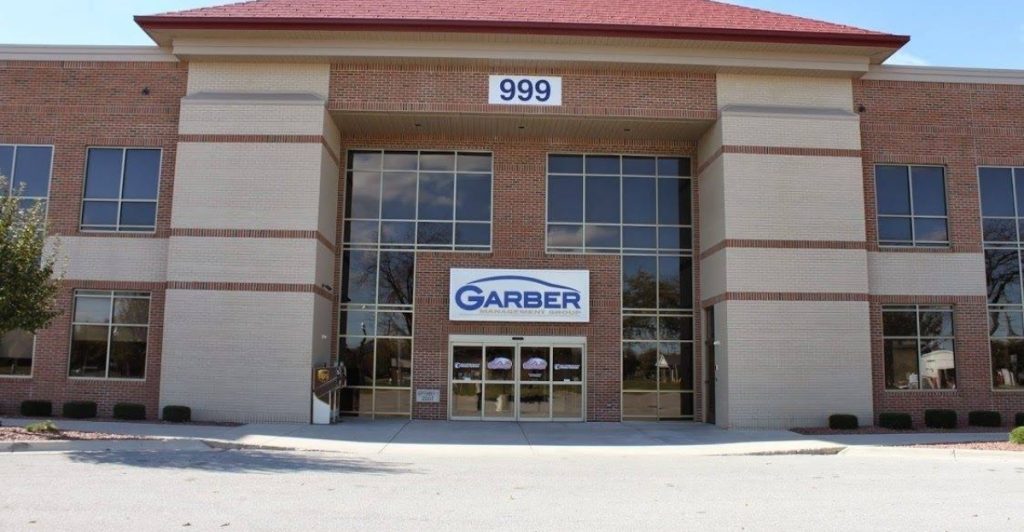
The settlement is civil and carefully worded. DOJ emphasized: “The claims resolved by the settlement are allegations only; there has been no determination of liability.” Garber Management agreed to pay $1,513,281 without admitting wrongdoing. The U.S. Attorney’s Office said the company “has cooperated with the government investigation from its onset,” which often mitigates legal exposure. Paying a seven-figure amount for PPP eligibility raises reputational stakes. The resolution signals federal commitment to enforcing loan rules, while demonstrating how cooperation and civil settlements can resolve major compliance disputes without criminal charges or prolonged litigation.
How DOJ Frames The Enforcement Message
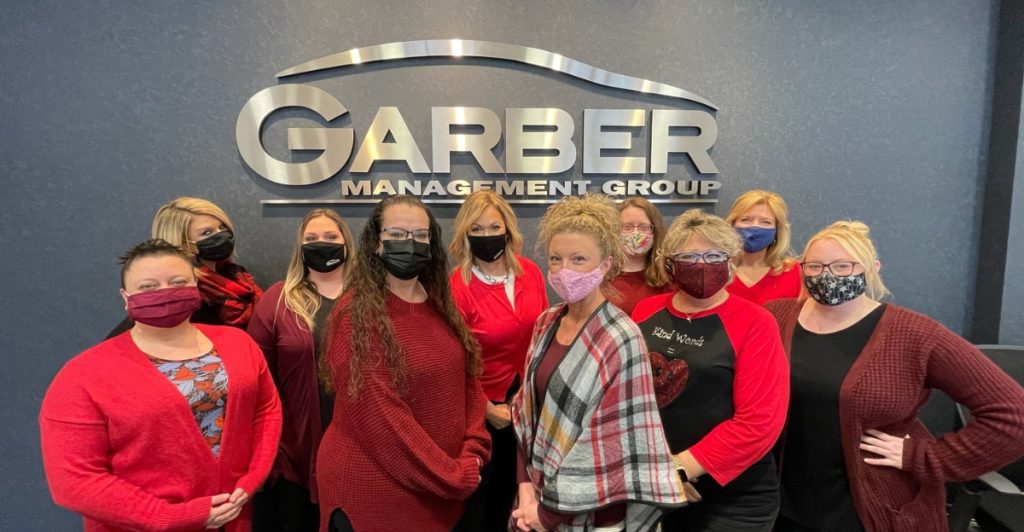
Federal officials are sending a wider message through the Garber settlement. The U.S. Attorney’s Office said the company violated the False Claims Act by making false statements to the SBA to secure an ineligible loan. ABC12 reported: Garber “has agreed to pay over $1.5 million to settle allegations that it violated the False Claims Act.” DOJ statements and speeches emphasize PPP oversight remains active. Enforcement now extends beyond obviously fraudulent companies. Businesses that misstate employee counts or affiliation rules face civil scrutiny, illustrating that regulatory attention continues well past initial disbursement of pandemic relief funds.
What This Means For Other Businesses
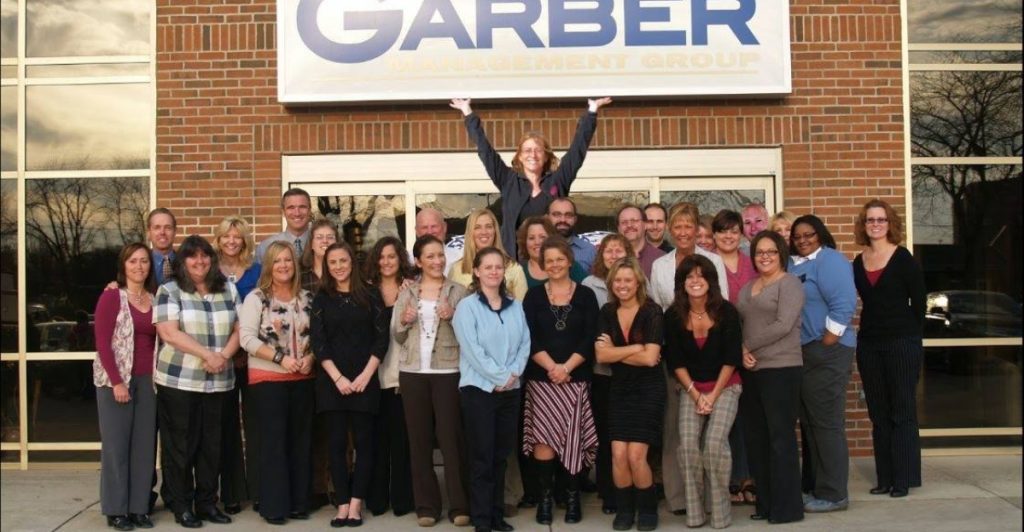
Garber’s case highlights that employee counts and affiliation rules have lasting consequences for employers who received PPP funds. DOJ and law firms warn that regulators and whistleblowers continue to review records for eligibility misstatements. Garber cooperated, avoided criminal charges, and resolved the matter civilly. The whistleblower received a 10% share. Precise documentation and accurate reporting reduce exposure. Employers must understand that regulatory review and private enforcement remain active and that even previously forgiven loans can trigger large settlements. Meticulous record-keeping and compliance are now essential to navigate government oversight of pandemic relief funds.
Sources:
Management Company For Saginaw-Based Auto Dealer To Pay Over $1.5 Million To Settle Fraud Allegations Regarding Paycheck Protection Program Loan. U.S. Attorney’s Office, Eastern District of Michigan, updated 20 February 2026
Saginaw company agrees to pay $1.5 million settlement over PPP loan fraud allegations. Mid-Michigan NOW, 20 February 2026
Saginaw auto group to pay $1.5M to settle fraud claim over PPP pandemic loans. FOX 2 Detroit, 23 February 2026
Garber Management Group agrees to $1.5 million fraud settlement. ABC12, 23 February 2026
False Claims Act Settlements and Judgments Set New Record. Dorsey & Whitney analysis of DOJ data, late January 2026
DOJ’s record-breaking 2025 False Claims Act recoveries and key healthcare fraud trends. White & Case, late January 2026