Lamborghini Buries First EV After ‘Close To Zero’ Demand—CEO Calls EVs An ‘Expensive Hobby’
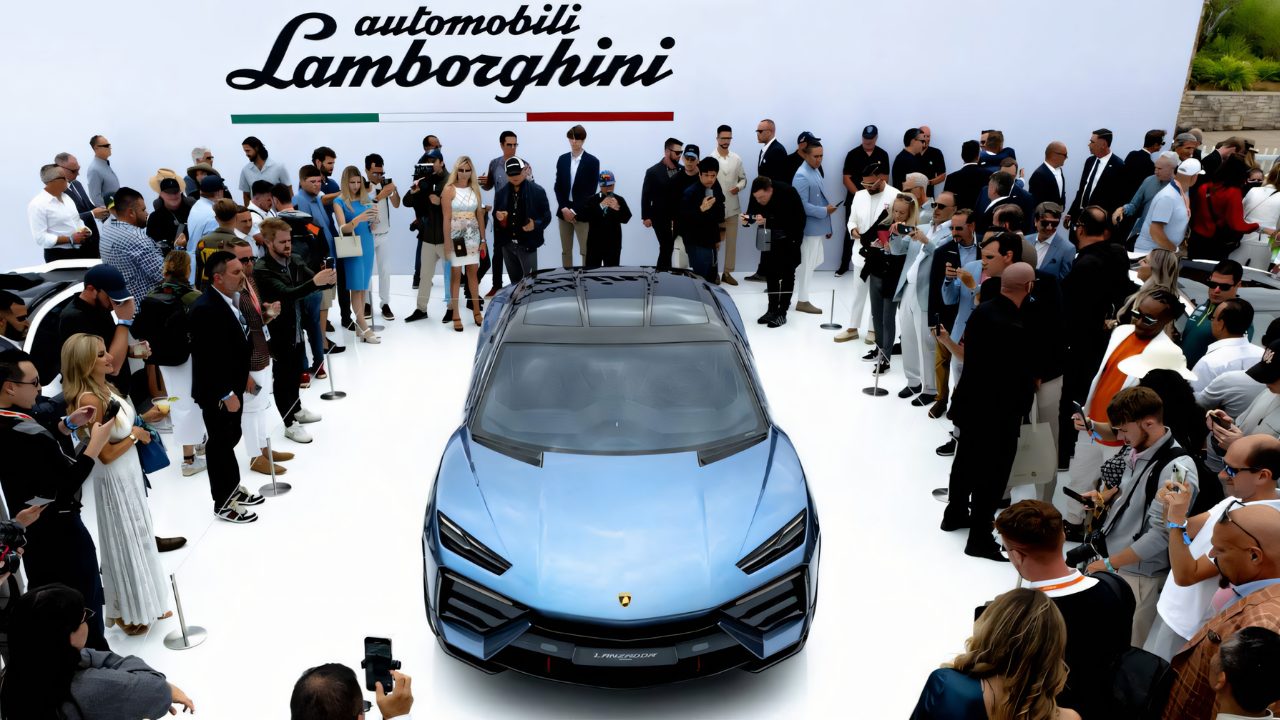
In August 2023, Stephan Winkelmann stood at Monterey Car Week and unveiled a sleek, all-electric concept with 1,340 horsepower. He called it “pioneering.” He promised it would open an entirely new segment for Lamborghini. The crowd loved it. The renderings went viral. The Lanzador was supposed to be the future of the raging bull. Twenty-nine months later, that future is dead, and the man who championed it is the one who pulled the trigger.
Record Sales
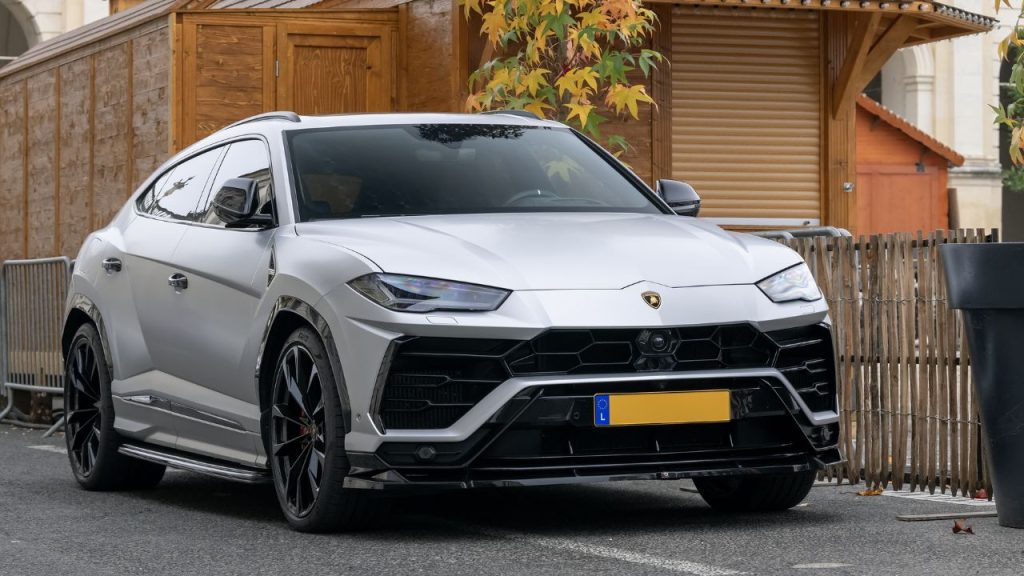
The timing makes this stranger. Lamborghini delivered a record 10,747 vehicles globally in 2025, up slightly from the previous year’s record of 10,687 and the fifth consecutive year of sales growth. Every model in the current lineup is a plug-in hybrid. The Revuelto starts at $609,000. The Temerario at $390,000. The Urus SE at $252,000. Customers weren’t just buying. They were lining up. So the brand that had never been healthier decided to kill the car that was supposed to secure its next decade.
The Data
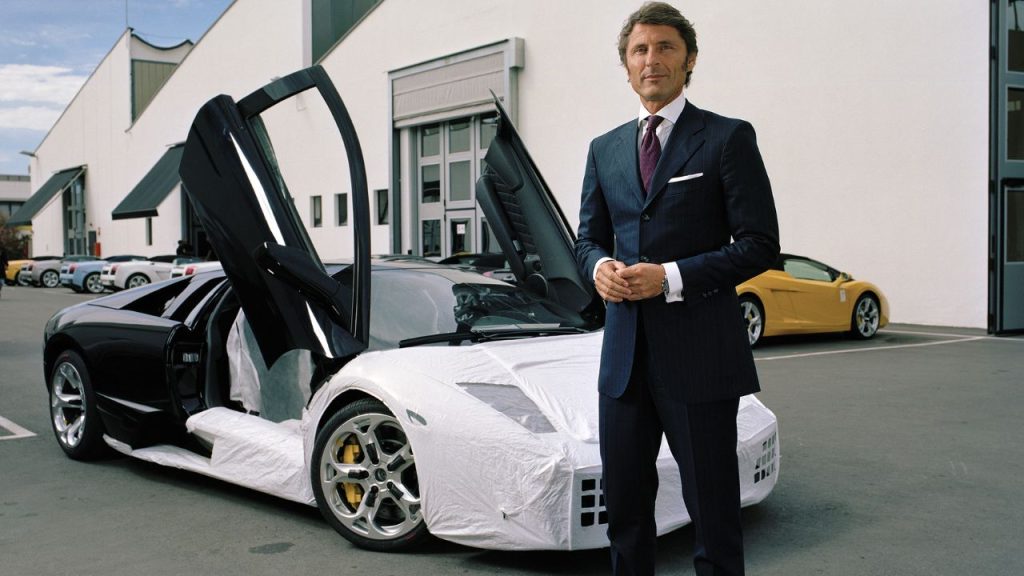
Winkelmann spent over a year gathering evidence before making the call. Internal customer surveys, dealer feedback across its global network of 186 dealerships in 56 markets, and market analysis all pointed the same direction. “The acceptance curve for battery-powered cars in Lamborghini’s target market is ‘close to zero’ and flattening,” he told The Sunday Times. Not soft. Not lukewarm. Close to zero. The people who spend $300,000 on a car looked at an all-electric Lamborghini and collectively shrugged.
Expensive Hobby
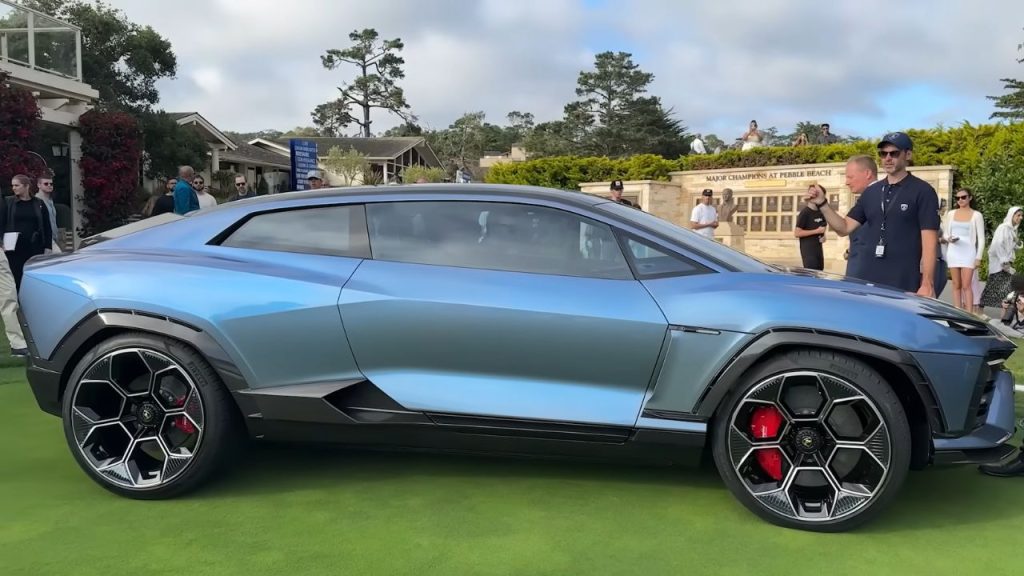
So Winkelmann buried it. “Investing heavily in full-EV development when the market and customer base are not ready would be an expensive hobby, and financially irresponsible toward shareholders, customers, and to our employees and their families.” That’s the same CEO who called the Lanzador “pioneering” in 2023. Pioneering to expensive hobby in 29 months. The Lanzador EV is gone, replaced by a plug-in hybrid wearing the same name but sharing none of the original’s all-electric architecture.
The Real Reason
Winkelmann framed this as listening to customers. Fair enough. But Lamborghini’s parent company, Volkswagen Group, is executing a €60 billion cost-reduction mandate across all brands by the end of 2028. Porsche is reportedly moving to cancel its electric 718 Boxster and Cayman. Bentley pushed full electrification from 2030 to 2035. Ferrari, which operates independently, is still launching its Luce EV. The pattern is clear: VW Group subsidiaries are retreating. Independent brands are not. Customer preference provided the justification. The spreadsheet provided the order.
The Loophole
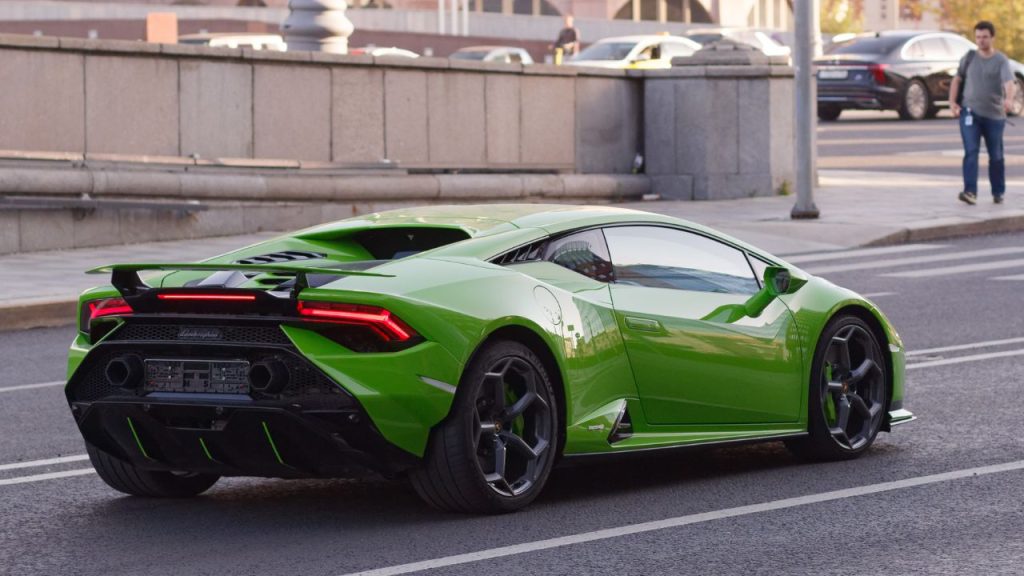
Here is the number that reframes everything: 2,000. That’s the average miles per year a Lamborghini supercar accumulates. Winkelmann used it to argue the brand has “little environmental impact.” And because Lamborghini qualifies as a small-volume manufacturer under EU regulations, it is exempt from emissions targets until 2035. Mass-market automakers face binding 2030 CO₂ reduction targets with no escape. Lamborghini gets a regulatory hall pass. Same continent, same climate goals, completely different rules depending on the price tag on the hood.
The Ripple
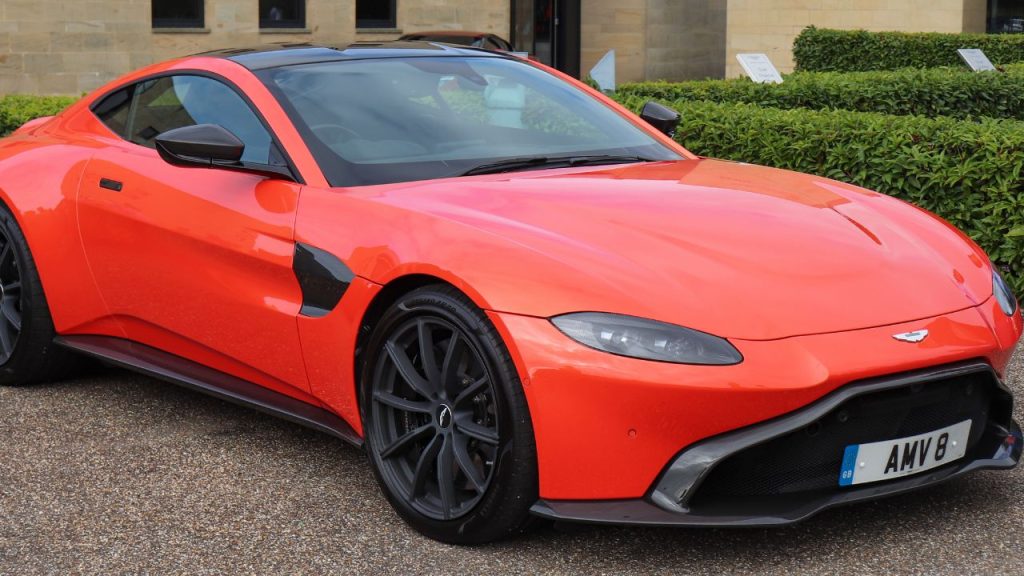
Lamborghini is not alone, and that is the problem. McLaren, Aston Martin, and Morgan now have a template: cite customer feedback, invoke the small-volume exemption, and defer. Meanwhile, VW Group’s shared EV platform architecture loses another high-margin anchor tenant, raising per-unit costs for the Porsche Macan EV and Audi models still committed to the architecture. And Chinese manufacturers are positioning to fill the performance-EV vacuum, targeting the high-end electric market that Western brands are vacating.
Two-Tier System
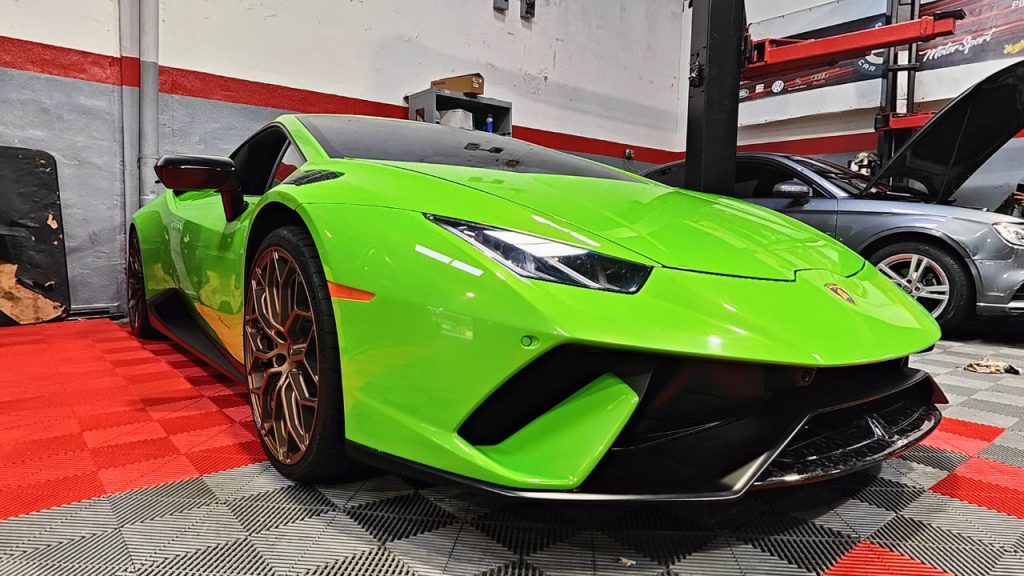
This is not one company’s product decision. It is a precedent. The EU’s small-manufacturer exemption has been validated as an exit ramp from electrification for any brand producing fewer than 10,000 units annually. Ultra-luxury gets a decade-long delay. Mass-market gets mandates. The wealthiest buyers on earth can opt out of the transition that middle-class consumers cannot escape. Winkelmann said Lamborghini customers value the “emotional experience” of combustion power. Translation: silence is for commuters. Noise is for the elite.
The Bet
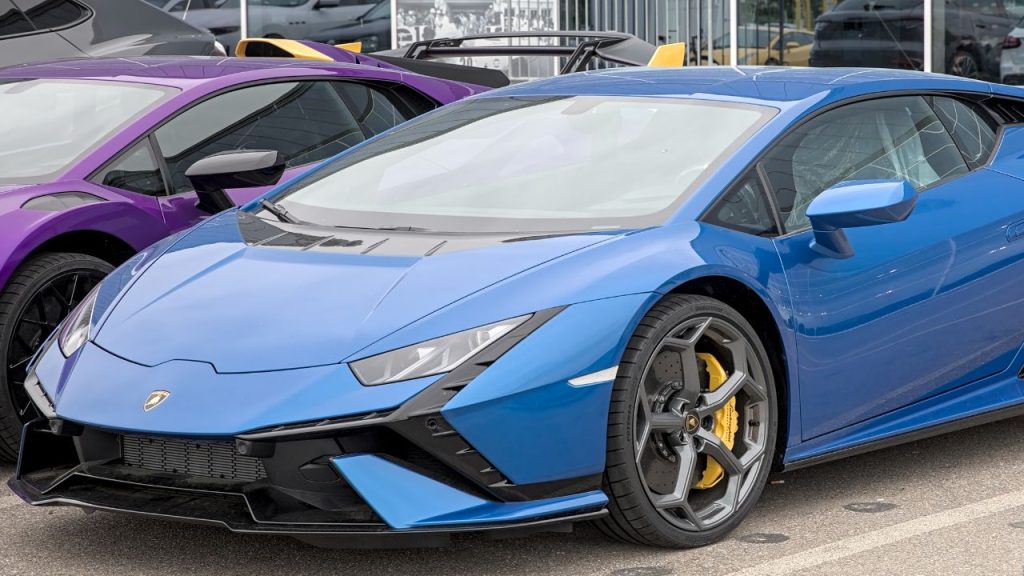
Lamborghini is gambling that by 2035, either regulations soften or full EV adoption becomes widespread enough that “last combustion supercar” turns into a marketing asset rather than a liability. The company plans to produce internal combustion engines “for as long as possible.” Every current Revuelto and Temerario becomes rarer by the year. If Ferrari’s Luce EV underperforms at its 2028 launch, Winkelmann gets to claim vindication. The entire ultra-luxury EV category could collapse before it ever truly existed.
The Counter
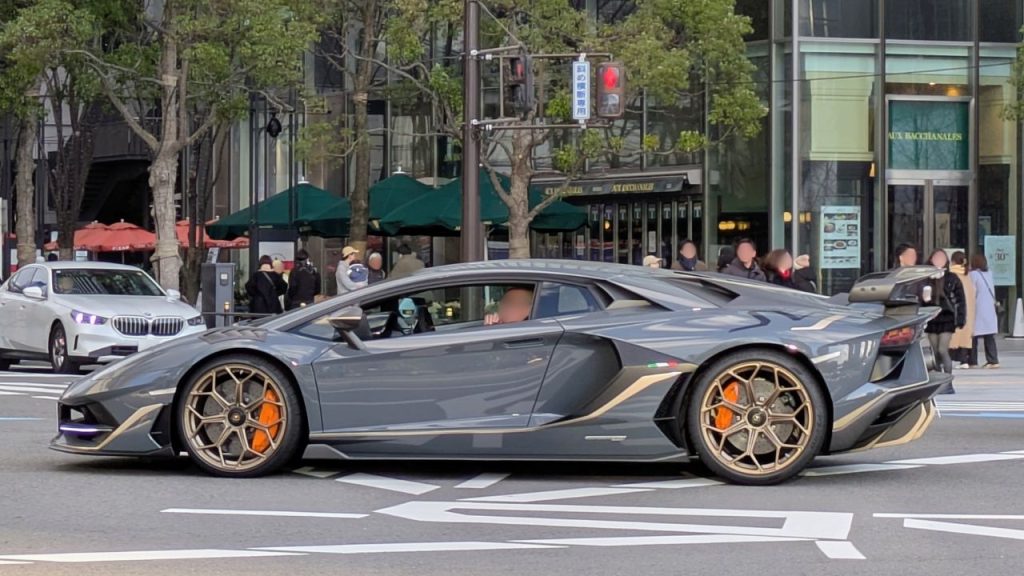
One move could unravel the whole strategy. EU regulators could tighten or revoke the small-manufacturer exemption, forcing Lamborghini into an accelerated EV timeline by 2028. Winkelmann knows it. That is why he added “never say never” to his burial speech. By 2030, Lamborghini’s entire lineup will be plug-in hybrid, and the Lanzador name will live on as a PHEV. The all-electric dream is underground. Whether it stays there depends on Brussels, not Sant’Agata Bolognese.
Sources:
“Lamborghini Cancels First EV, Lanzador to Become a Plug-In Hybrid.” Car and Driver, 22 Feb 2026.
“Lamborghini Scraps First EV Launch, Calls Development ‘Expensive Hobby’.” Fox Business, 23 Feb 2026.
“Lamborghini CEO Explains Why the Company Scrapped Its First Electric Supercar.” Business Insider, 22 Feb 2026.
“Lamborghini Drops EV Plan in Favor of Future Plug-In Hybrids.” Ars Technica, 24 Feb 2026.