10 One‑Hit Wonder Cars That Went From 1,000 Builds To Near Extinction In Under 30 Years
The pattern runs like a death march across four decades: a manufacturer bets its reputation on a car that can’t be justified by a spreadsheet, builds just enough to prove the concept works, then watches as timing, bankruptcy, or boardroom cowardice kills it before a second generation ever gets greenlit. No sequels. No follow-ups. No lessons learned for next time, because there is no next time.
These are the cars that died young, not because they failed, but because they succeeded just enough to scare the people writing the checks. Some were torpedoed by celebrity humiliation, others by missing the one feature enthusiasts demanded. A few simply ran out of money mid-stride, leaving partially-built chassis on factory floors as their epitaph. Most hovered in the low thousands at best. What follows is ten machines that proved their makers could aim higher than the market wanted, and paid for that ambition with extinction.
1. A $450,000 Supercar That Melted Its Own Carpet
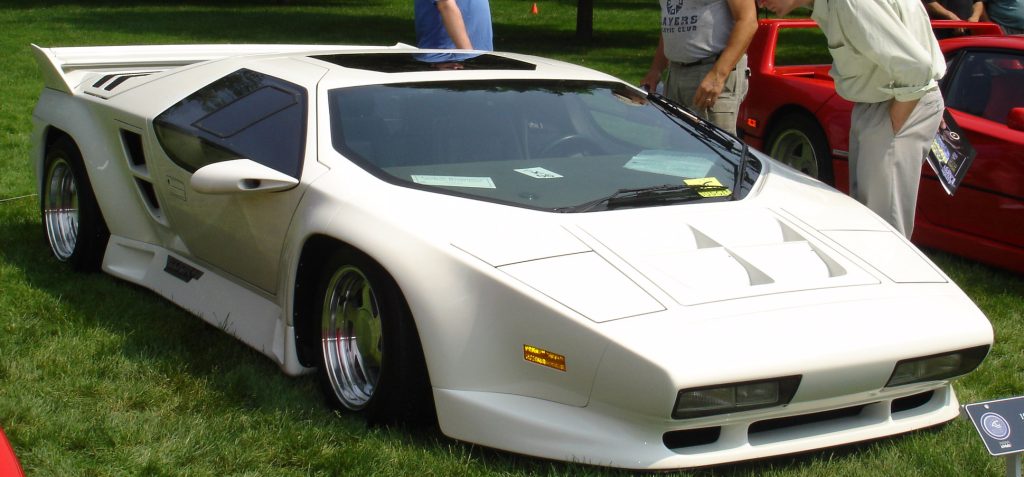
Andre Agassi wrote a check for a Vector W8—a twin‑turbo American wedge promising 625 horsepower and a top speed north of 200 mph, and took it for one short drive around Las Vegas. When he stepped out, the rear carpet was scorched black. The exhaust and catalytic converters, mounted too close to the cabin floor, had cooked the interior from underneath. His brother called it “basically a death trap” in Newsweek, and Agassi demanded his money back.
The humiliation went national. Vector had spent 20 years and roughly $29 million building America’s first modern supercar and managed to deliver around 17 customer cars before the whole operation collapsed. The headline that should have launched the brand ended up burying it.
2. Toyota Built a $375,000 Supercar and Lost Money on Every Single One
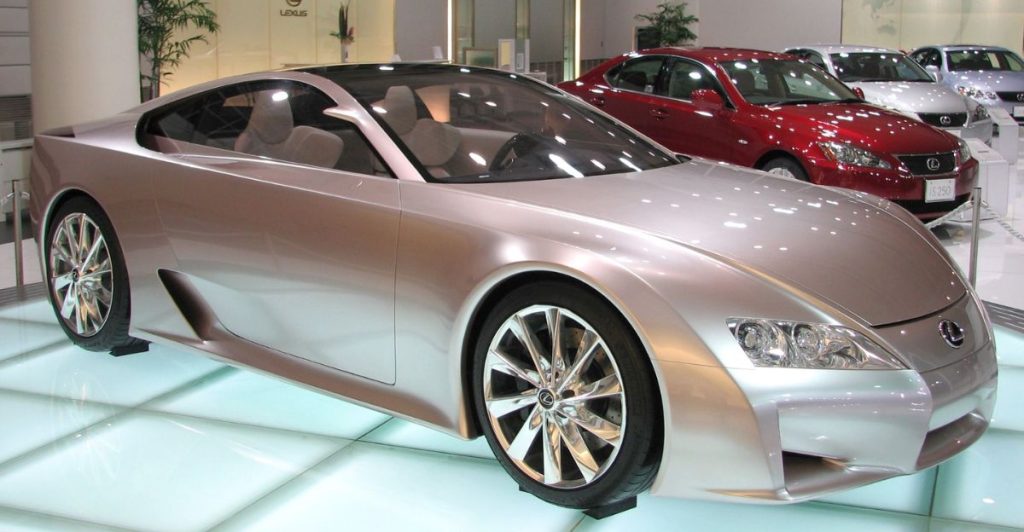
The Lexus LFA was Toyota’s moonshot—a hand-built V10 supercar with a 9,000-rpm redline, carbon fiber monocoque, and a price tag of $375,000 that couldn’t cover the roughly $750,000 it cost to build each one. Toyota turned each LFA into a loss-making halo product, absorbing the difference to prove the brand could play at supercar levels. Exactly 500 were built between 2010 and 2012, with production capped deliberately to avoid flooding the market with cars the company couldn’t afford to keep making.
The LFA proved that Toyota could engineer at the same level as Ferrari and McLaren. It also proved that doing so at Toyota’s quality standards meant financial suicide. No successor was ever planned, and none has arrived in the fourteen years since production ended.
3. The 377-HP Sedan That Nearly Got Banned
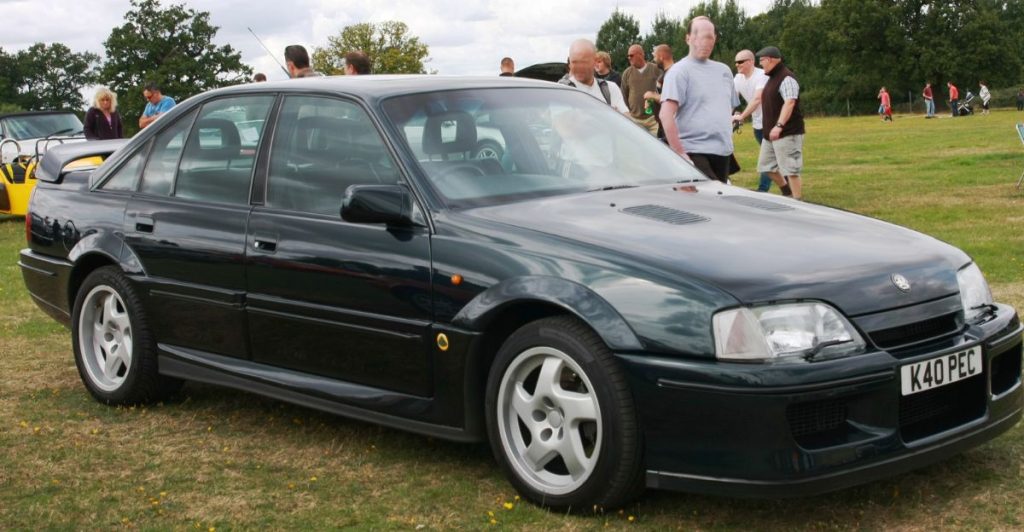
The Lotus Carlton—sold as the Vauxhall Lotus Carlton in the UK and the Opel Lotus Omega elsewhere—was a twin-turbo straight-six sedan that made 377 horsepower and was capable of 176 mph, making it the fastest production sedan in the world in 1990. It was also fast enough to spark a moral panic in the UK, where politicians argued it was too dangerous for public roads and tabloids ran headlines about “the getaway car for bank robbers.”
Lotus and Vauxhall had planned over 1,100 units. The recession and the controversy killed demand, and production stopped at 950 cars built between 1990 and 1992. The Carlton proved a family sedan could embarrass supercars in a straight line. The market proved it didn’t care.
4. The $1 Million Supercar Gordon Murray Built to Prove a Point
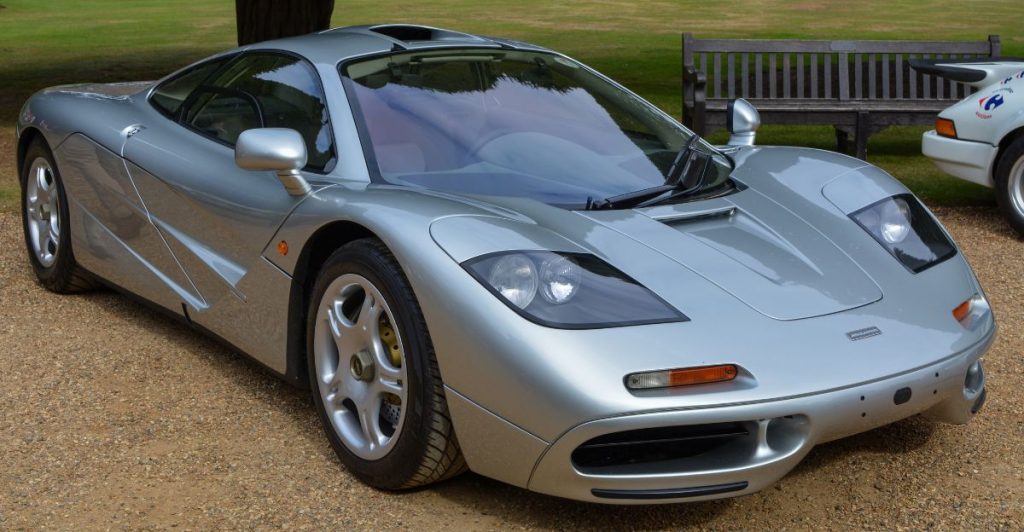
Gordon Murray designed the McLaren F1 with one rule: no compromises. Central driving position, naturally aspirated BMW V12, gold-lined engine bay for heat management, and a top speed that hit 240.1 mph in 1998—a record that stood for over a decade. McLaren built 106 F1s total between 1992 and 1998, including prototypes and race cars, with 64 road-going examples delivered to customers.
Original buyers paid around $815,000. Survivors now sell for $15 million and climbing, making the F1 one of the best automotive investments in history. McLaren has built faster cars since, but none have matched the F1’s purity or its refusal to bend toward market trends. The company got one shot at building the perfect supercar. It nailed it, then walked away.
5. Porsche’s V10 Manual That Killed Itself With Safety Rules
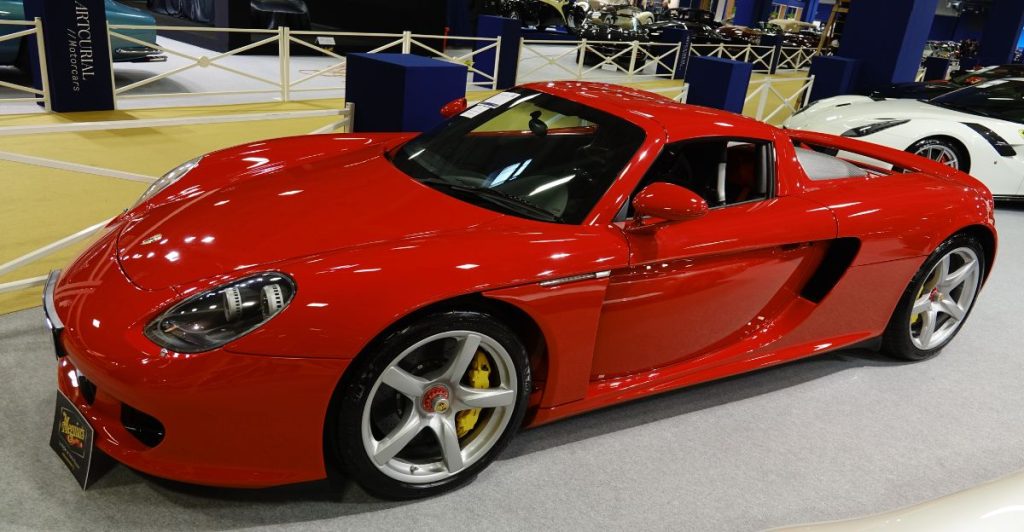
The Porsche Carrera GT arrived in 2004 as a mid-engine, manual-transmission V10 that felt more like a race car with license plates than a street-legal exotic. Porsche had planned 1,500 units, but production stopped at 1,270 when new US airbag regulations would have required expensive redesigns the company wasn’t willing to fund.
The Carrera GT became famous for being unforgiving, Paul Walker died in one during a 2013 crash, but also for being one of the last analog supercars before paddle-shift gearboxes and electronic nannies took over. Porsche never built another mid-engine V10, and the Carrera GT’s reputation as a driver’s car has only grown as the market shifted toward turbos and dual-clutch transmissions. It was too pure for its own good.
6. Ford Built a Supercar You Had to Apply to Buy
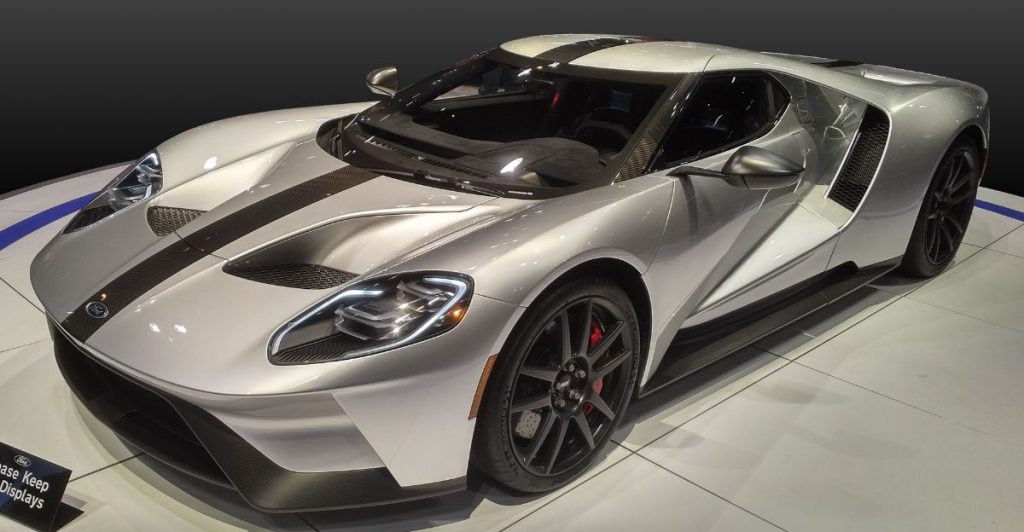
The second-generation Ford GT arrived in 2017 as an EcoBoost V6 twin-turbo rocket wrapped in carbon fiber and shaped by a wind tunnel. Ford didn’t just limit production; it made buyers fill out applications explaining why they deserved one, then rejected celebrities and flippers who didn’t meet the company’s vision of “brand ambassadors.” Around 1,350 were built over a production run that ended in 2022, and Ford sued several owners who tried to flip theirs early.
The GT won its class at Le Mans in 2016, proving the EcoBoost V6 wasn’t a gimmick, and resale values have climbed steadily despite Ford’s legal threats. The company built a genuine halo car, controlled who could own it, and walked away without a confirmed successor.
7. Pontiac’s Last Stand: 1,266 Coupes Before the Lights Went Out
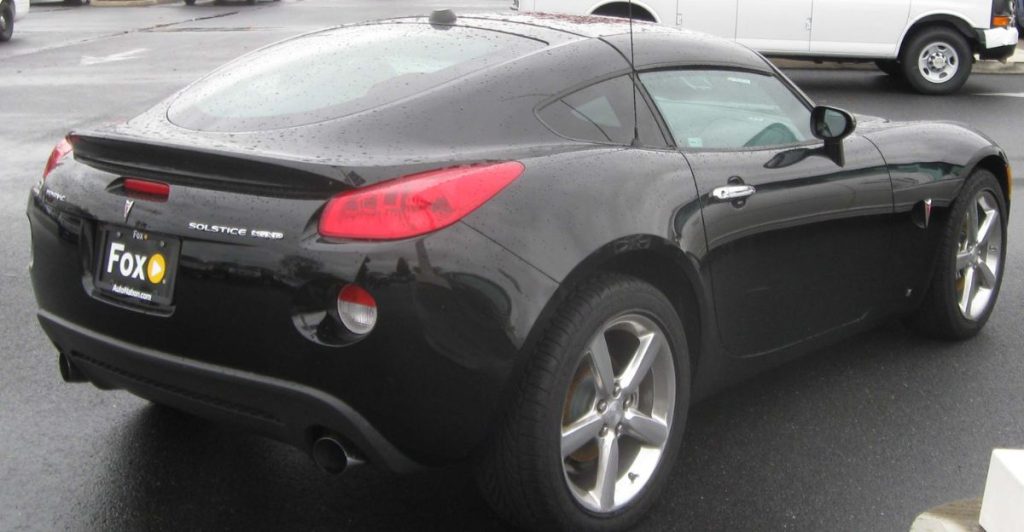
The Solstice roadster sold well enough to prove GM’s small‑sports‑car bet wasn’t completely insane, and the coupe that finally arrived for 2009 was everything the convertible should have been from the start: stiffer chassis, cleaner roofline, and in GXP trim a 260‑horsepower turbocharged four‑cylinder that turned it into a legitimate back‑road weapon. Then GM filed for bankruptcy, the Wilmington plant shut down in July 2009, and the Solstice coupe’s entire production run ended at 1,266 units, roughly 1.9 percent of the 64,000‑plus convertibles built.
The rarest modern Pontiac arrived at the exact moment the brand was being euthanized, and GM never bothered bringing the platform back under another badge. Fifty times rarer than the roadster, built during the death throes of an entire division, and left to age into cult status while GM moved on to crossovers and bad decisions.
8. Aston Martin Built 77 Cars and Every Single One Sold
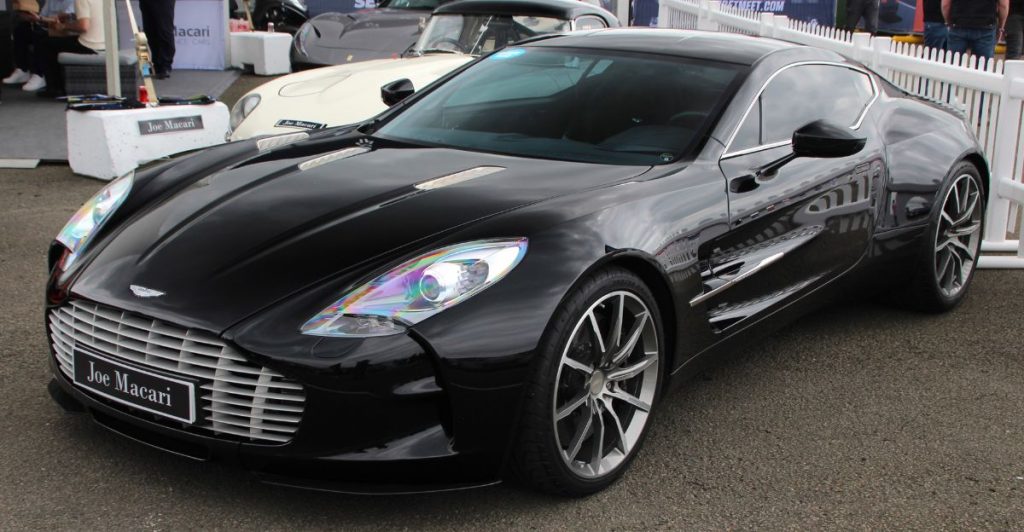
The Aston Martin One-77 was exactly what the name promised: 77 hand-built examples of a 7.3-liter V12 hypercar with a carbon fiber monocoque, aluminum bodywork formed by hand, and a price tag exceeding $1.8 million. Aston claimed a 220-mph top speed and 750 horsepower, making it the fastest and most powerful car the company had ever built. Every single unit sold, with the final car finding a buyer in March 2012.
The One-77 proved Aston Martin could compete in the ultra-limited hypercar space dominated by Bugatti and Pagani, but the company never followed it up with a direct successor. Instead, Aston moved toward higher-volume models, such as the Valkyrie. The One-77 remains the most exclusive series-production Aston ever made, and the company has shown no interest in repeating the experiment.
9. The Supercar Pagani Couldn’t Stop Building—Until It Did
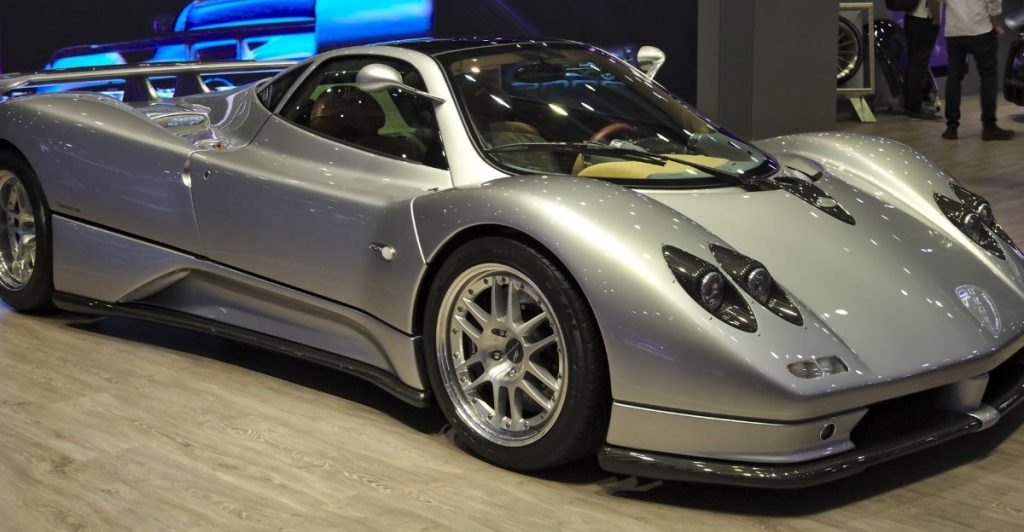
The Pagani Zonda debuted at the 1999 Geneva Motor Show and was intended to be a limited-run model. Then Pagani kept building special editions, one-offs, and customer commissions for nearly two decades. By the time production officially ended in 2017, around 140 Zondas had been built across dozens of variants, each one slightly different from the last. The Zonda proved that boutique supercar makers could survive by treating every car as a bespoke commission rather than a mass-market product, and it established Pagani’s reputation for hand-built exclusivity.
The Huayra replaced it in 2011, but Zonda production continued alongside it for years. When it finally ended, it felt less like a planned retirement and more like Pagani finally running out of excuses to keep building them.
10. The Supra Bows Out—Again—, And Nobody Knows What’s Next
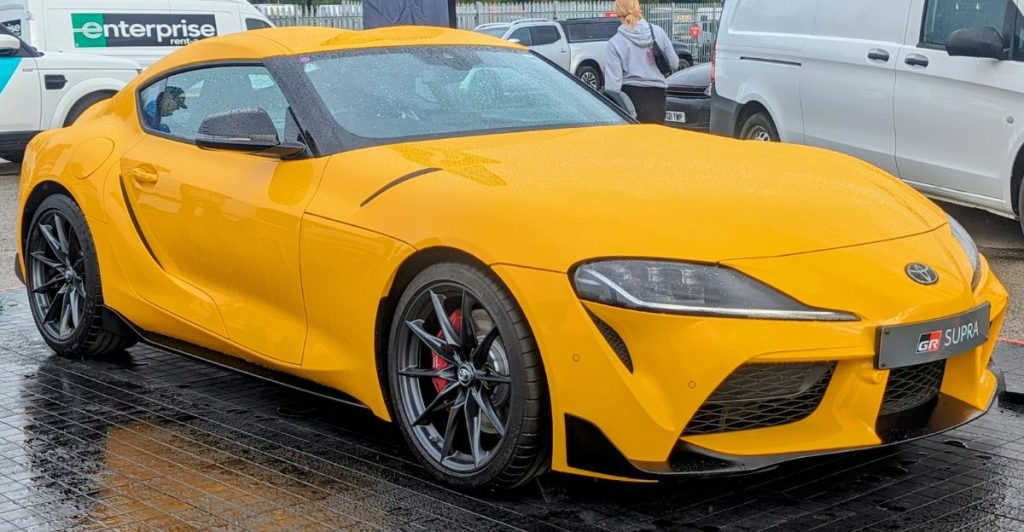
Toyota brought the Supra back in 2019 after a seventeen‑year gap, dropped a BMW‑sourced turbo inline‑six and rear‑wheel drive under a sharp new body, and spent the next few years fixing complaints about the lack of a manual gearbox. By 2023, the car had matured into exactly what enthusiasts wanted—fast, playful, engaging, and available with three pedals. Then, Toyota stamped an expiration date on it: production ends in March 2026, capped with a 300‑unit Final Edition split between Japan and Europe, and no confirmed replacement on the books.
Executives say they’d love the Supra to continue, but “love” doesn’t greenlight production lines, and right now there’s nothing but wishful thinking and a Supercars silhouette keeping the nameplate alive. For the second time, the badge goes back in the drawer right as it proves itself. The pattern never changes.
The Real Tragedy Isn’t The Car—It’s The Risk That Died With It
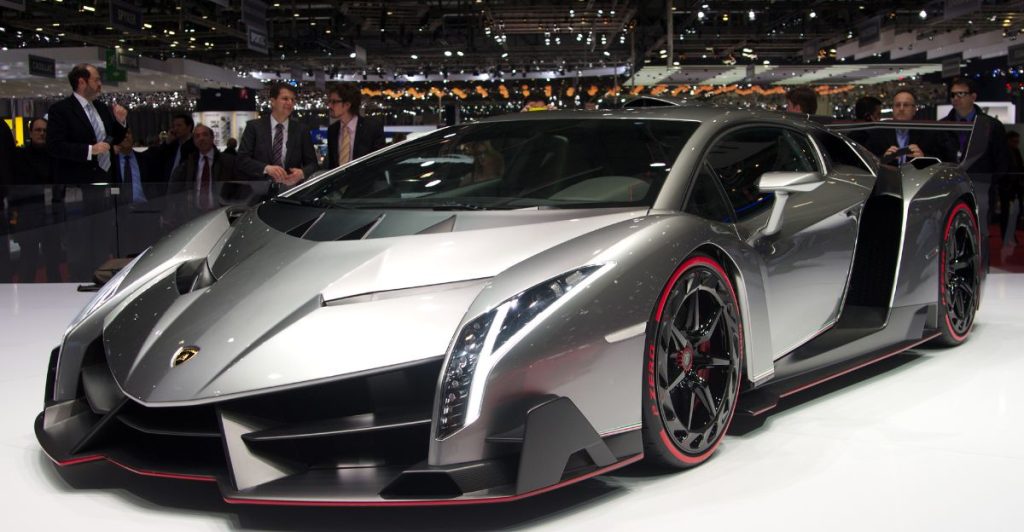
Toyota lost $375,000 per LFA. Porsche walked away from the Carrera GT rather than redesign it to comply with new airbag rules. Ford made buyers apply for the privilege of spending half a million dollars. These weren’t cautious bets—they were manufacturers swinging for the fences, knowing the economics didn’t add up. What’s vanishing isn’t just the metal. It’s the willingness to build something that might only sell 500 units, lose money on every one, and still be worth it for what it proves about the brand.
Modern boardrooms chase volume, quarterly earnings, and crossover profits. The cars on this list are almost gone. Enthusiasts will keep bidding them into the stratosphere on Bring a Trailer. The real question is whether any manufacturer still has the stomach to create the next one‑hit wonder on purpose.
Sources:
Vector W8 Was One Of The Most Expensive Car Flops Of All Time – SlashGear
Lexus LFA – Wikipedia
Lotus Carlton: Meeting The Car That Made The Government Angry – CarThrottle
McLaren F1 – Wikipedia
The Untold Legacy of the Porsche Carrera GT – Curated
First Batch of 2017 Ford GT Supercars Roll Off Production Line – MotorTrend