Tesla Sues California DMV To Erase ‘False Advertiser’ Label—2.88M Vehicles Under Federal Probe
Four days. That’s the gap between Tesla filing a lawsuit to scrub California’s DMV false‑advertiser finding from its regulatory record and receiving official confirmation it had satisfied every corrective demand the DMV imposed. The company didn’t wait for compliance to be confirmed before challenging the ruling. It stopped using the exact marketing language a judge found deceptive, restructured its entire FSD sales model, and filed suit to erase the finding while the compliance review was still underway. Correction and denial, running in parallel. Both under oath.
The Ruling
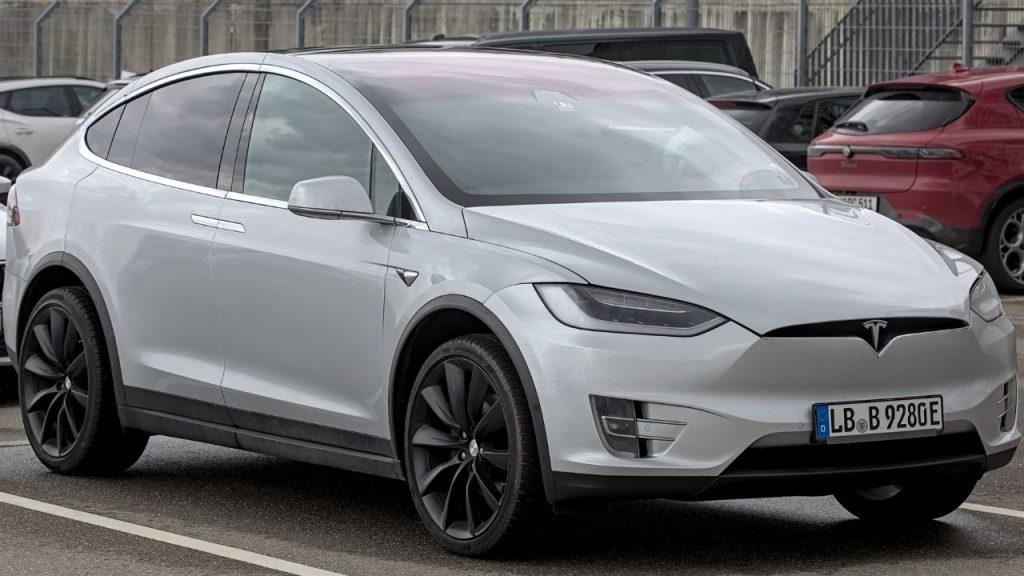
An administrative law judge didn’t mince words. Tesla’s use of “Autopilot” followed “a long but unlawful tradition” of deploying ambiguity to mislead consumers. The term “Full Self‑Driving” was described as “actually, unambiguously false and counterfactual.” That ruling landed in December 2025, in a case where a state regulator formally labeled a major automaker a false advertiser over self‑driving marketing claims. The judge recommended a 30‑day suspension of Tesla’s dealer and manufacturer licenses, but the DMV stayed that penalty and gave the company 90 days to comply. Tesla satisfied the requirements in roughly 63 days.
The Marketing
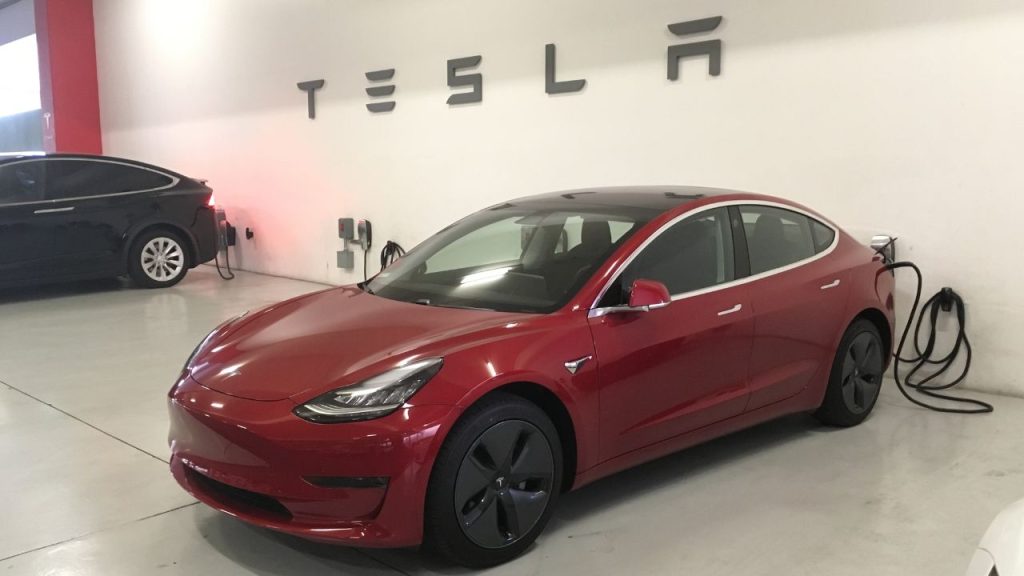
Between May 2021 and 2022, Tesla’s own website told customers its system “is designed to be able to conduct short and long‑distance trips with no action required by the person in the driver’s seat.” No action required. For a system that legally demands constant driver supervision. Tesla’s attorneys later argued customers always saw “clear and repeated statements” that vehicles don’t drive themselves. One problem: Tesla’s own polling expert confirmed roughly one‑third of buyers were confused about what the system could actually do.
The Contradiction
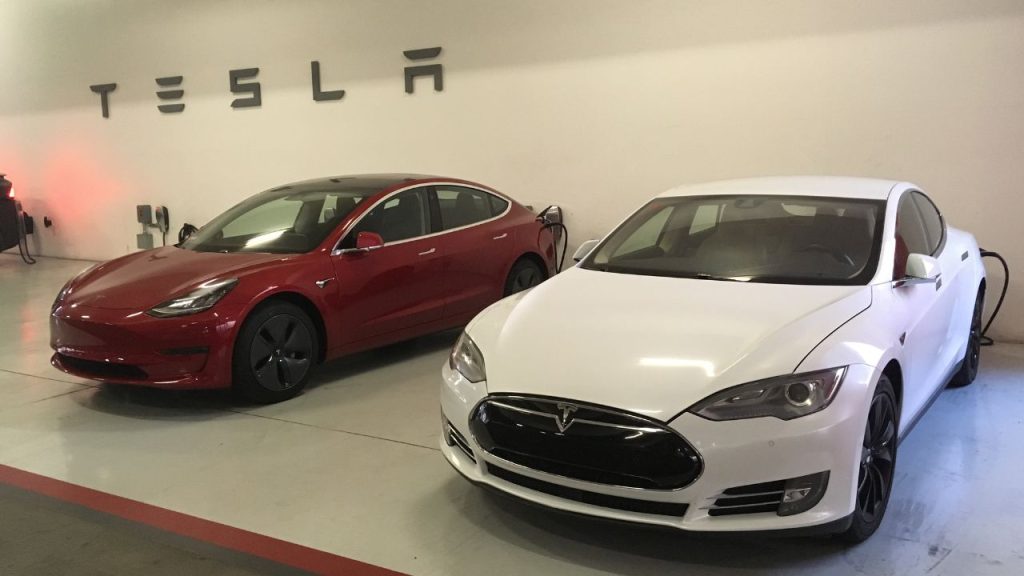
Tesla’s complaint claims the DMV “wrongfully and baselessly” labeled it a false advertiser and “never proved consumers were confused.” The company’s own expert proved the confusion. The company’s own compliance proved the marketing was indefensible. Tesla isn’t contesting the corrections. It already made them. What it’s contesting is the paper trail that says it needed to. Complied with every demand. Sued to erase the record those demands existed. That’s not a legal defense. That’s evidence management.
The Subscription Pivot
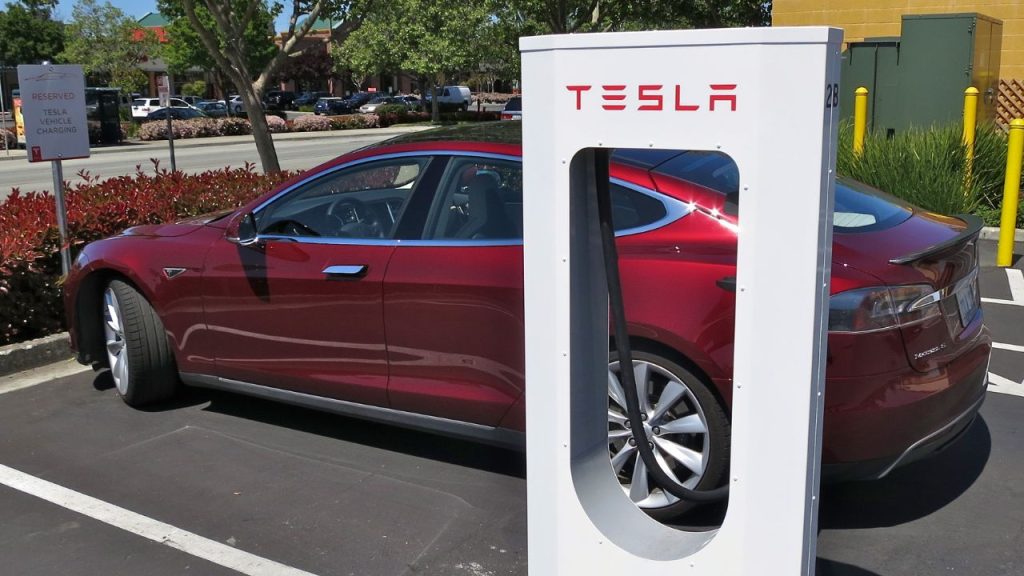
On February 14, Tesla killed the standalone one‑time FSD purchase across the U.S. and Canada, shifting FSD to a 99‑dollar‑per‑month subscription‑only model. That date was set by Elon Musk in January as the cutoff for one‑time purchases — it was not the DMV compliance deadline, which falls in March. The old purchase option came with an implicit promise: buy now, receive full autonomy later. The subscription carries no such obligation. Tesla erased the future promise to customers in the same stretch it moved to challenge the regulatory finding about past promises.
The Numbers
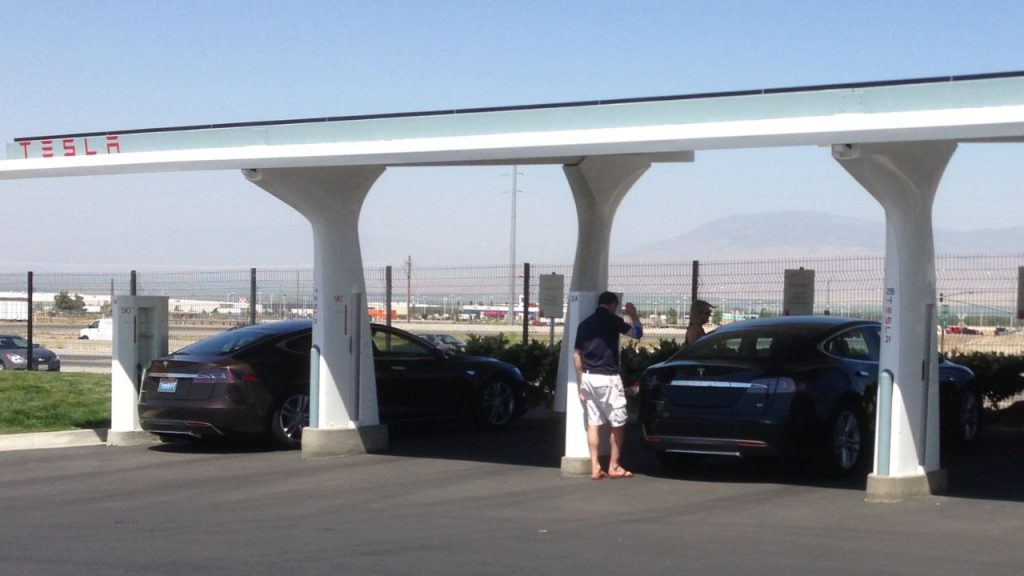
Federal regulators are watching the same technology from a different angle. NHTSA opened an investigation on October 9, 2025, covering about 2.88 million Tesla vehicles equipped with FSD. The scope: 58 traffic safety violation incidents. Fourteen of those 58 incidents produced crashes. Twenty‑three people were injured. The federal probe remains open.
The Verdict
On February 20, 2026, federal judge Beth Bloom upheld a 243‑million‑dollar jury verdict against Tesla for a fatal 2019 Autopilot‑related crash in Key Largo, Florida, that killed 22‑year‑old Naibel Benavides Leon. The jury assigned Tesla 33 percent liability, awarding 42.6 million dollars in compensatory damages and 200 million dollars in punitive damages. Tesla had reportedly rejected a settlement offer before trial. Since that August 2025 verdict, Tesla has faced additional Autopilot crash lawsuits, some of which have been resolved before reaching juries.
The Precedent
That false‑advertiser label functions like a liability magnet in every pending Autopilot lawsuit. Plaintiff attorneys can now point to a formal state regulatory finding that Tesla’s marketing was deceptive. If the California ruling stands, other states gain a template for their own enforcement actions. Tesla disclosed to investors that it has about 1.1 million active FSD users — though roughly 70 percent of that figure represents one‑time purchasers, not monthly subscribers — representing around 38 percent year‑over‑year growth. A product a court called “unambiguously false” now generates an estimated 1.3 billion dollars in annual revenue. Once you see that number, the lawsuit makes perfect sense.
The Expansion
Tesla’s robotaxi ambitions depend on consumer trust in the same technology regulators just found was falsely marketed. The company plans expansion into additional cities while NHTSA investigates 2.88 million vehicles running that software. Mobileye ended its Tesla partnership back in 2016, warning Tesla was “pushing the envelope in terms of safety.” About a decade later, a judge echoed those safety concerns with binding regulatory language.
The Record
Every move tells the same story. Comply with corrections: admission the marketing was indefensible. Shift to subscriptions: elimination of the autonomy promise that created liability. Sue to overturn the ruling: attempt to clear the regulatory record before robotaxi claims face the same scrutiny. Tesla disclosed 1.1 million FSD users for a product a judge called counterfactual. If the company loses this lawsuit, California’s enforcement model becomes the blueprint for 49 other states. Tesla isn’t fighting a label. It’s fighting a future where that label follows it everywhere.
Sources:
“DMV Finds Tesla Violated California State Law.” California Department of Motor Vehicles, 16 Dec 2025.
“US Probes Driver Assistance Software in 2.9 Million Tesla Vehicles Over Traffic Violations.” Reuters, 9 Oct 2025.
“US Judge Upholds $243M Verdict Against Tesla Over Fatal Autopilot Crash.” Reuters, 20 Feb 2026.
“Tesla Discloses ‘FSD Subscriber’ Count for the First Time.” Electrek, 27 Jan 2026.