Toyota Shuts Down American Lexus ES Production After 10 Years
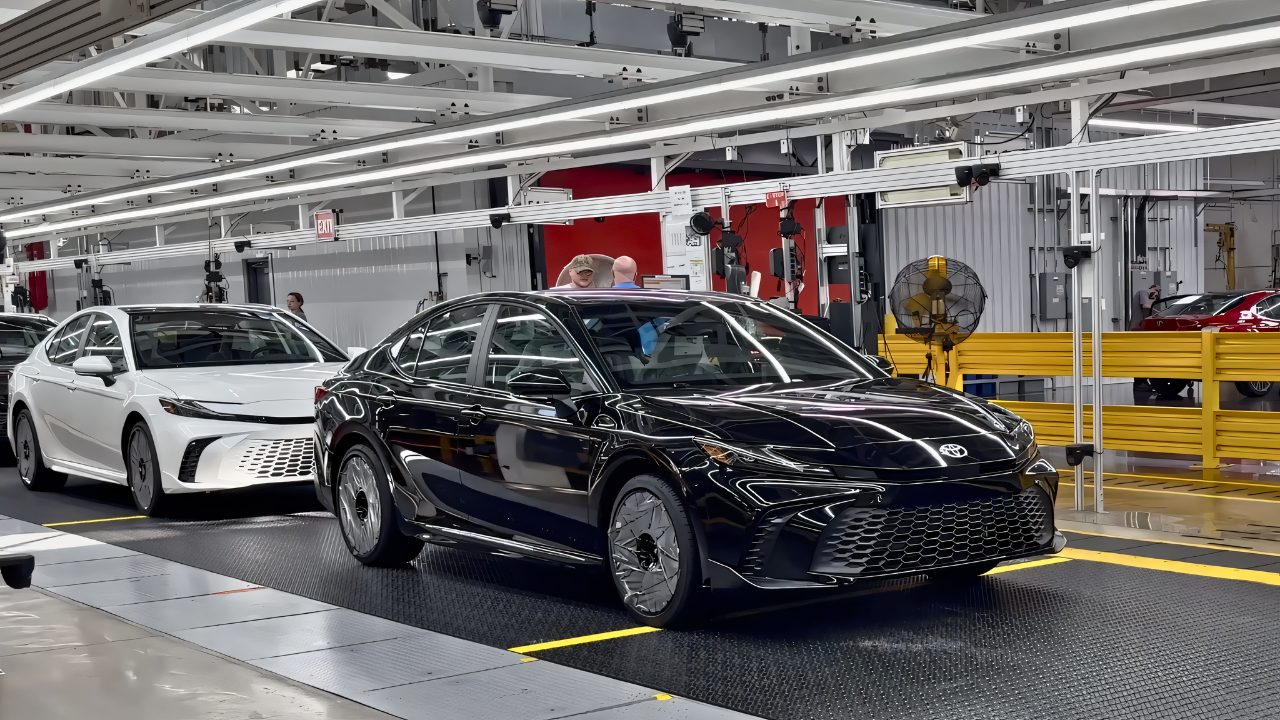
So here’s something most people completely missed. The last Lexus ES rolled off the line in Georgetown, Kentucky, late in 2025, and just like that, a decade of American-made luxury sedans was over. Done. Finished.
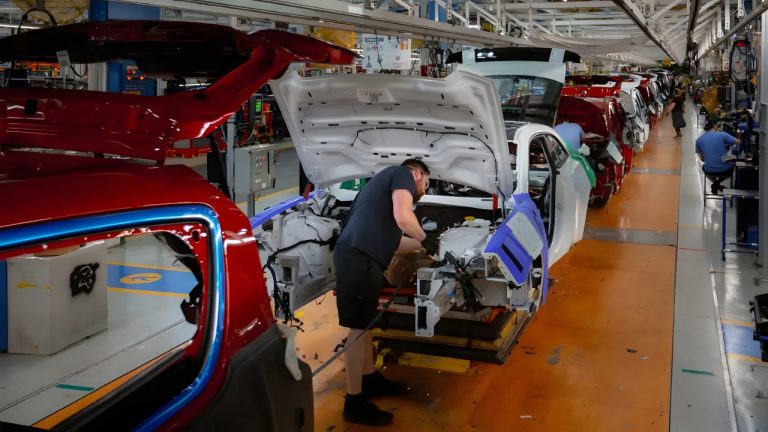
We’re talking about Toyota’s biggest factory on the planet. Nine million square feet. Over 9,400 workers clock in every day. And over those ten years? They built 438,133 sedans, backed by a $350 million investment that brought 3,750 jobs and 1.5 million hours of training.
You’d think this would be a gut punch. Some kind of sad, lights-dimming, end-of-an-era moment. And yeah, there was definitely some of that energy in the air. But here’s the thing nobody’s really talking about: the lights stayed on. The factory didn’t close. The workers didn’t go home. And honestly? That part of the story matters way more than the goodbye.
Record Year, Quiet Exit
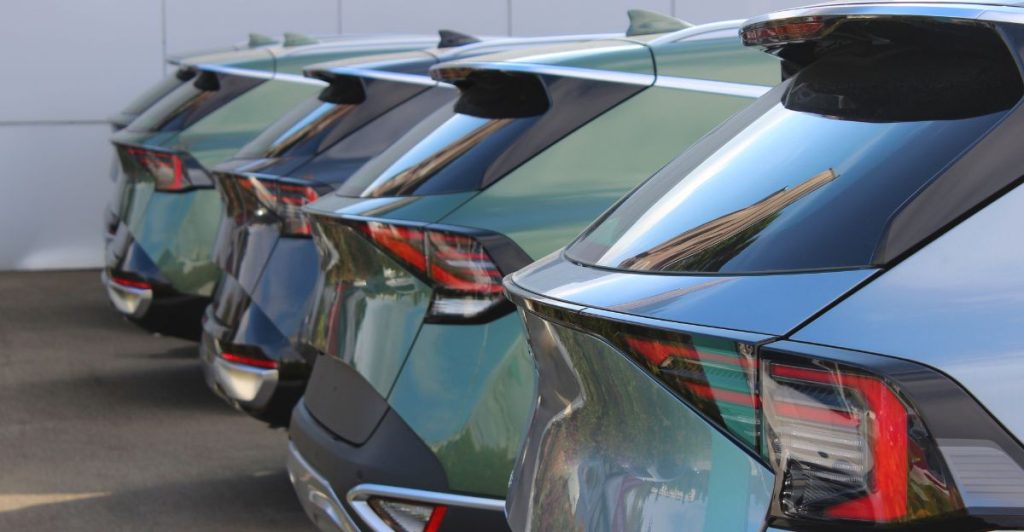
Lexus posted its best sales year in company history in 2025: 370,260 vehicles, up 7.1 percent. Electrified models hit an all-time high of 131,851 units. The brand was thriving. And yet the ES, one of the two original nameplates that launched Lexus back in 1989, was quietly being pulled from American assembly. A record-breaking brand is killing off its American-made sedan. That contradiction only makes sense once you understand what Toyota decided four years earlier.
The 2021 Decision

Toyota actually decided to move ES production back to Japan way back in October 2021 — long before anyone in Washington was arguing about tariffs. It had nothing to do with politics. The real reason? Toyota wanted to build the next ES on the same platform as the Crown, and that platform is only made in Japan. It was an engineering decision, plain and simple. But most people just assumed Toyota pulled the ES out of the U.S. because of tariff pressure. They didn’t. That assumption collapses under a single date: October 2021. The decision predated the crisis by years.
The Paradox
Toyota said the move would “create space for future products and better align with U.S. market demand.” Then, Toyota invested $1.3 billion in the same Kentucky facility to build three-row battery-electric SUVs. The Highlander EV. An electric Land Cruiser. An electric RAV4. Zero workers were laid off. Not one. A production shutdown triggered a facility acceleration. Kentucky lost a sedan and gained three electric SUVs. That’s not a closure. That’s a promotion.
Platform Over Politics
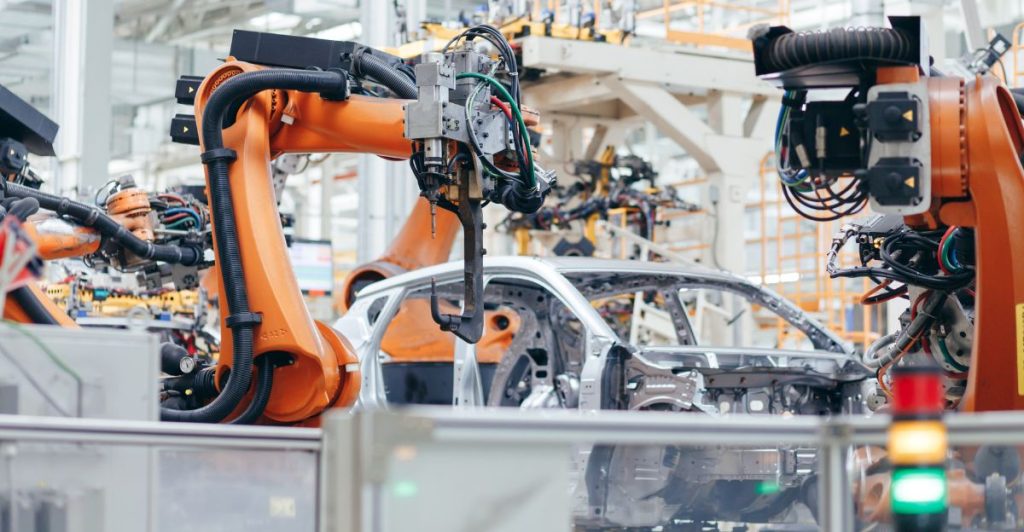
There’s a bigger reason behind all of this that most people miss. Car factories today aren’t built close to customers anymore — they’re built close to the parts they need. Kentucky’s new flexible production line can build sedans, SUVs, and EVs all in one place. The ES returned to Japan because that’s where the Crown platform and all its components are made. Meanwhile, Georgetown is shifting to EVs because it’s right in the supply chain of Toyota’s massive $13.9 billion battery plant in North Carolina. In other words, the engineering decides the geography now, not the other way around.
The Numbers

Toyota’s Kentucky plant built about 435,631 vehicles in 2024 and can handle up to 550,000 a year. The ES accounted for only about 43,800 of those each year — a small slice of the total. But here’s where it gets interesting. Toyota poured $912 million into five U.S. factories to build more hybrids, and Kentucky alone received $204.4 million for new hybrid engine equipment and 82 new jobs. On top of that, there’s the $1.3 billion going into EV production at the same plant. Add it all up, and that’s over $2 billion in investment. So yes, the sedan is gone. But the money? The money went nowhere. It actually grew.
Ripple Effects

Indiana’s plant now stands as the only U.S. facility building a Lexus vehicle, assembling the TX SUV. Tier-1 and tier-2 suppliers who served the ES program face a stark choice: pivot to EV supply chains or lose Toyota contracts. That ripple effect hits hundreds of parts suppliers across the Midwest. The good news for Georgetown is that the local tax base stays solid because all 9,400 workers still have jobs. But things are already shifting — schools and training programs in the area are adding courses in advanced manufacturing and electrical systems to keep up. One sedan leaving the lineup doesn’t just affect one factory. It reshapes the entire supply network around it.
The New Rule
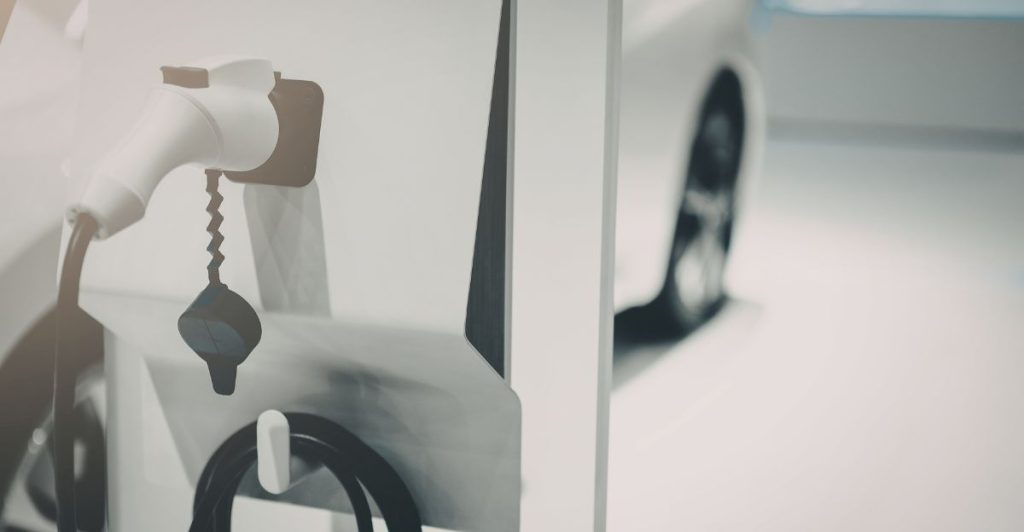
The 2027 Highlander EV will be the first three-row battery-electric vehicle fully assembled in the United States for Toyota’s North American market, with a manufacturer-estimated 320-mile range and vehicle-to-load technology. The 2026 ES returns as an eighth-generation model offered exclusively with hybrid and battery-electric powertrains. No gasoline-only option exists anymore. Toyota’s template is now visible: convert sedan lines to EV production, retrain workers, and announce zero layoffs. Every competitor is watching Kentucky to see if the model holds.
What Breaks Next

The Supreme Court struck down tariffs on February 20, 2026, and Section 232 tariffs on Japanese vehicles remain at 15 percent. But none of that changes anything for the ES — Toyota made that call back in 2021, long before any of this played out. Now the real question is what comes next. If Kentucky’s new EV production makes more money than the ES ever did, Toyota will start converting even more plants the same way. And luxury sedans? They’re already fading. Give it a few years, and they could be a tiny piece of the North American luxury market. The ES isn’t just leaving one factory in Kentucky. The whole sedan era is on its way out of America.
The Upgrade
Toyota’s head of manufacturing, Kevin Voelkel, put it simply — Toyota builds where it sells, and it keeps investing in American jobs to back that up. But the ES is now built in Japan, not America. So that slogan doesn’t quite fit here, and that’s actually the point. Toyota isn’t trying to stick to a catchphrase. It’s making decisions based on what makes the most engineering sense. The factories that will still be standing ten years from now are the ones that can adapt — building whatever needs to be built, on whatever platform the engineers come up with next.
Sources:
Toyota Pressroom, “Toyota Bringing Battery Electric Vehicle Production to Kentucky,” February 5, 2024
Motor Illustrated, “Toyota Moves Lexus ES Production Back to Japan as Kentucky Plant Prepares for Electrified Future,” September 9, 2025
Manufacturing Dive, “Toyota Phasing Out Lexus ES Production at Kentucky Plant,” September 9, 2025
Lexus Enthusiast, “Lexus Announces Record-Breaking 2025 Full Year Sales Results,” January 6, 2026
Autoblog, “The Last Lexus ES Made in America Rolls Off the Production Line,” February 20, 2026
Toyota Pressroom, “Toyota Boosts Hybrid Production with $912 Million Investment, Creating 252 New U.S. Manufacturing Jobs,” November 17, 2025