Toyota Kills Gas-Only RAV4 As America’s Bestseller Vanishes After 12-Month Waits
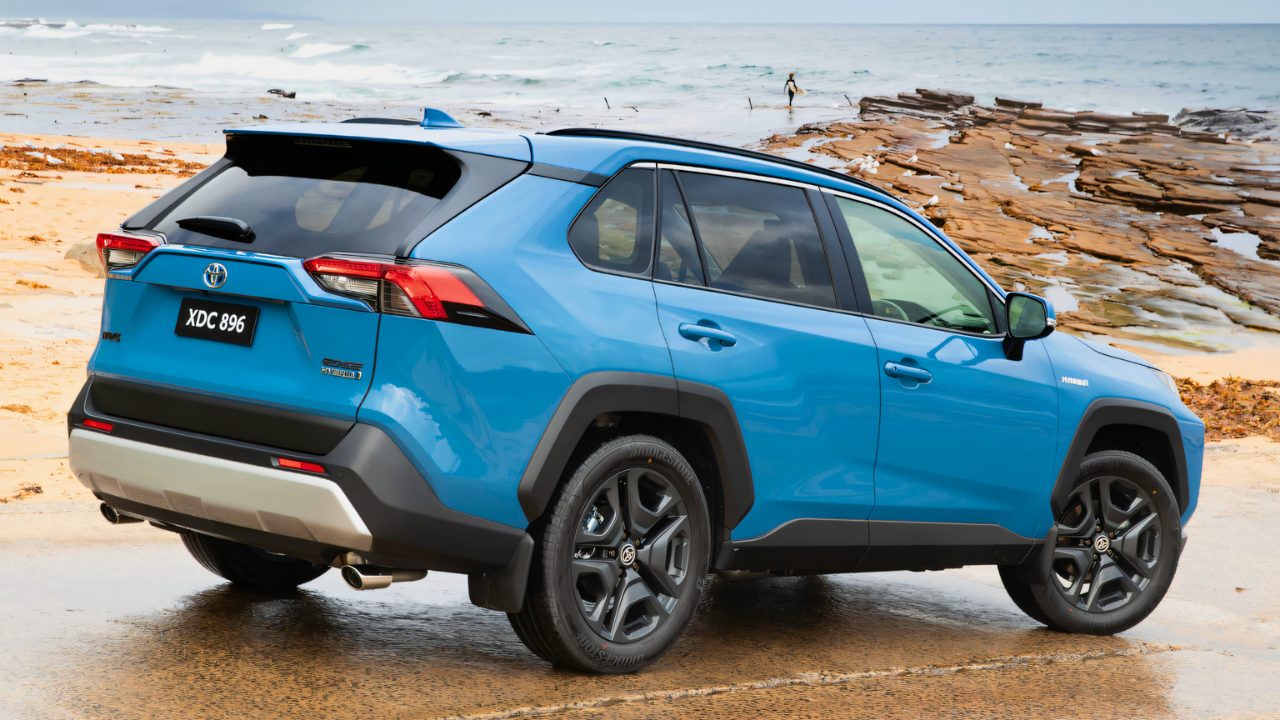
Toyota killed the gas-only RAV4, America’s best-selling non-pickup vehicle, which sold 479,288 units in 2025. Now, it exists exclusively as a hybrid or plug-in hybrid. For nearly two months in early 2026, dealer lots held extremely low RAV4 inventory as Toyota retooled multiple plants simultaneously. Wait times now stretch months for certain trims, with some dealers warning that waits could exceed a year. The most popular SUV in the country outsold even the Ford F-150 individually in 2024. Now dealers are telling customers to consider other models instead. The cascade from here reaches further than anyone expects.
Two Bottlenecks
The supply collapse traces in part to two Japanese companies most Americans have never heard of: Aisin and Denso. Aisin builds hybrid electric motors that depend on magnets sourced from Japan and China, which have been in short supply. Denso builds the inverters. Both reportedly hit production ceilings they couldn’t break through. Toyota decided every 2026 RAV4 would require hybrid components, then discovered its own suppliers couldn’t scale to meet that demand. The company retooled its Woodstock, Ontario, plant and others in late 2025, creating a roughly two-month void with nothing to sell.
Sticker Shock
The affordable RAV4 is dead. The cheapest 2026 model, a front-wheel-drive hybrid, starts at $33,350. The plug-in hybrid is expected to cost significantly more, though Toyota has not finalized the pricing yet. Dealers in high-demand markets are stacking $3,000 to $7,000 in markups on top of that. A buyer who wanted a simple, gas-powered RAV4 for around $30,000 now faces a roughly $3,000 to $3,500 price jump before the dealer even touches the sticker. Add dealer markups, and hybrid fuel savings evaporate when the premium alone exceeds two years of gas money. The business response from Toyota’s own dealers is even more revealing.
Dealer Defection
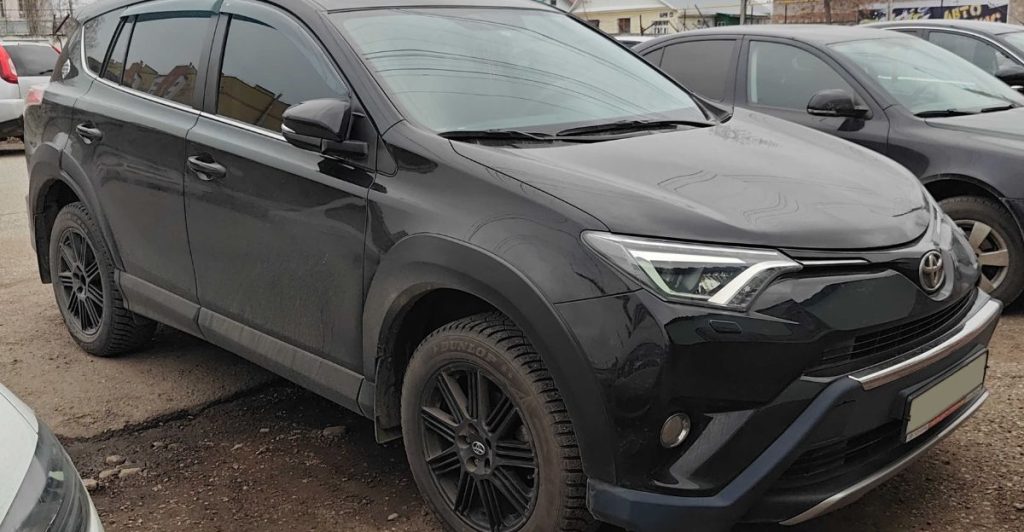
Toyota’s Group Vice President David Christ admitted it plainly: “Anytime you transition a big model, you’re going to have a little volume drop, so we’re hoping to make up the RAV4 volume with other cars in the brand.” Toyota told its own dealers to push other Toyota models—Crown, Crown Signia, bZ series, and the new C-HR. Dealer inventory dropped to well below the 60-day industry target. Meanwhile, buyers who can’t find a RAV4 are cross-shopping Honda CR-Vs and Mazda CX-5s independently. A shortage of bestselling models is redirecting buyers to competitors. Think about that for a second. The ripple just crossed into territory nobody budgeted for.
Global Contagion
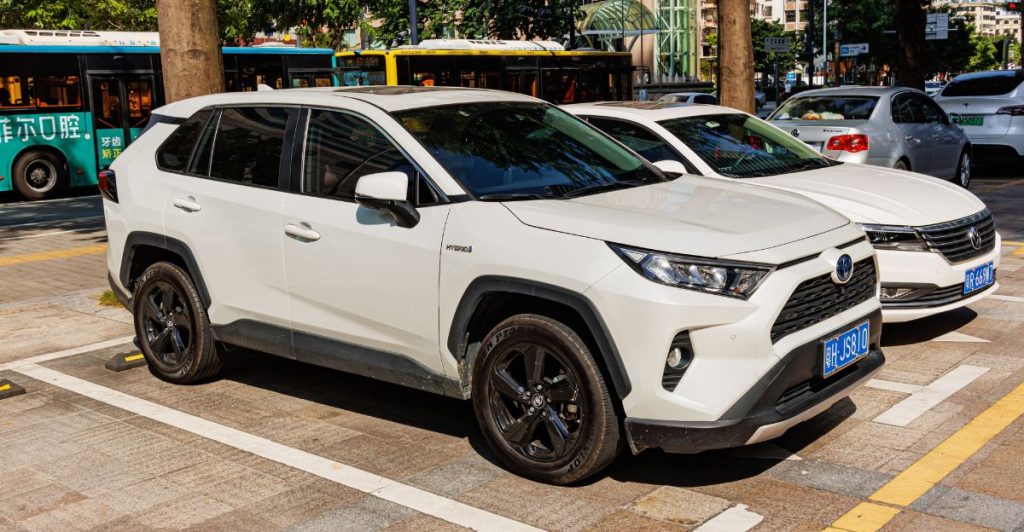
This shortage didn’t stop at American borders. The same magnet and inverter bottleneck reportedly hit Toyota’s global pipeline. European buyers face 60 to 70-day delivery delays. Japanese customers wait 4 to 5 months. Indian buyers wait 2 to 9 months, depending on the model. Aisin and Denso supply hybrid components across Toyota’s entire lineup, not just the RAV4. Electrified models accounted for roughly 47% of all Toyota U.S. sales in 2025. Nearly half the company’s volume runs through the same two chokepoints that broke the RAV4 supply chain.
The Hidden Flaw
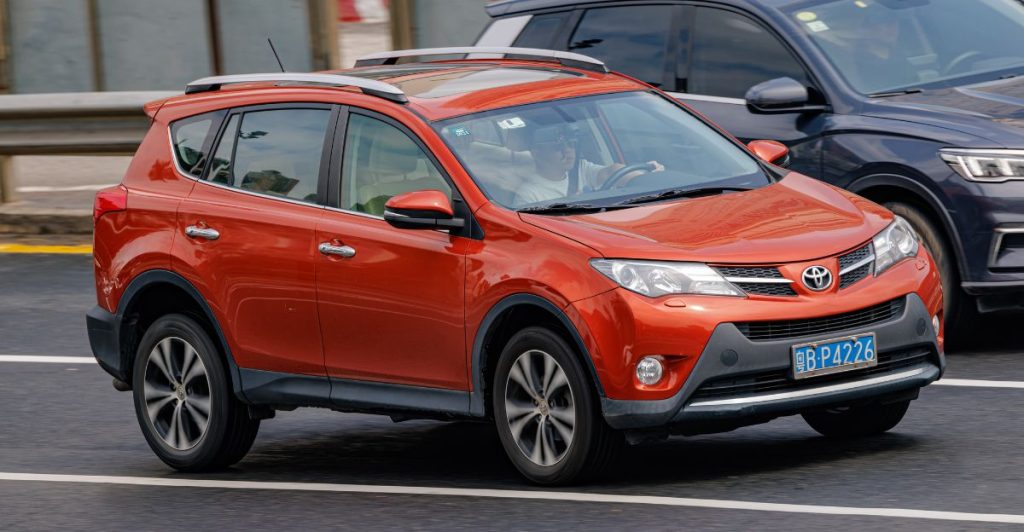
Here’s what connects every one of these ripples. Toyota built the world’s most successful hybrid strategy on a supply chain with two single points of failure. Magnets and inverters. Every hybrid Toyota sold requires components from suppliers who can’t produce them fast enough. The RAV4 transition exposed this because it was the highest-volume model to go hybrid-only. But the vulnerability runs through every Camry, Corolla, and Highlander hybrid rolling off a line.
Buyer Limbo
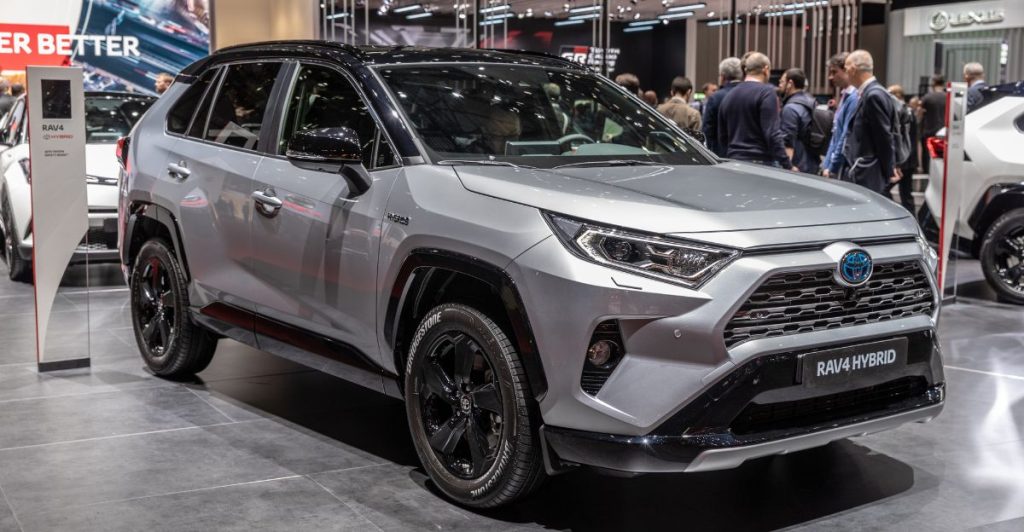
“It might mean a very long wait,” one dealer inventory analyst reported. “This is a very fluid situation.” Fluid is a generous word for what buyers are experiencing. Customers who waited months for the redesigned 2026 RAV4 discovered it rides on the same TNGA-K platform as the outgoing model, same 105.9-inch wheelbase, with some hard plastics on lower trims and an engine that produces 75 decibels at full throttle, three decibels louder than the Honda CR-V Hybrid. A monthslong wait for a vehicle that reviewers said “hasn’t taken a big-enough step forward.”
New Rules
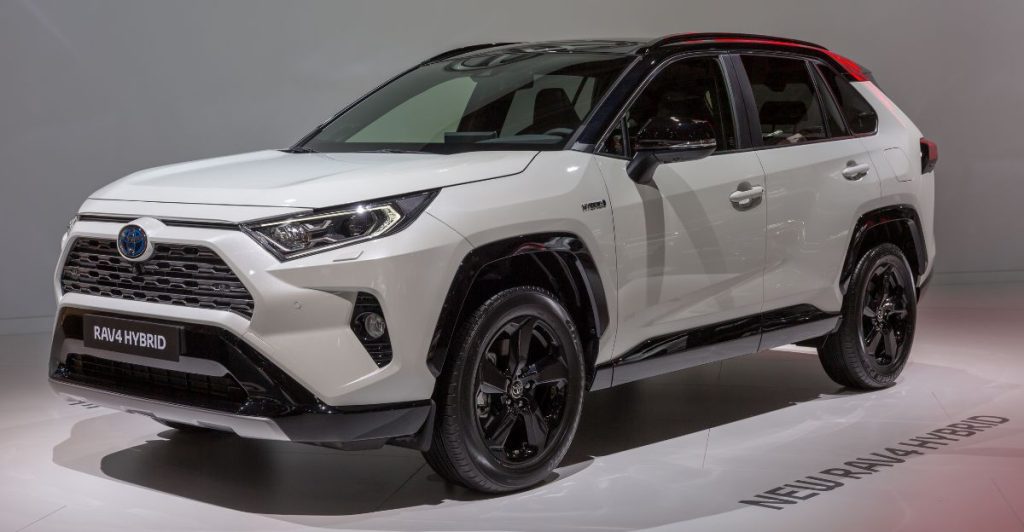
Toyota poured $13.9 billion into a North Carolina battery plant, its first U.S.-based battery facility, creating 5,100 jobs. That plant came online in late 2025, a move that addresses the exact supplier vulnerabilities now crippling RAV4 production. The investment signals something the company won’t say out loud: the old model of depending on Aisin and Denso for critical hybrid components is finished. Every automaker watching this crisis is recalculating its own electrification timeline.
Winners and Losers
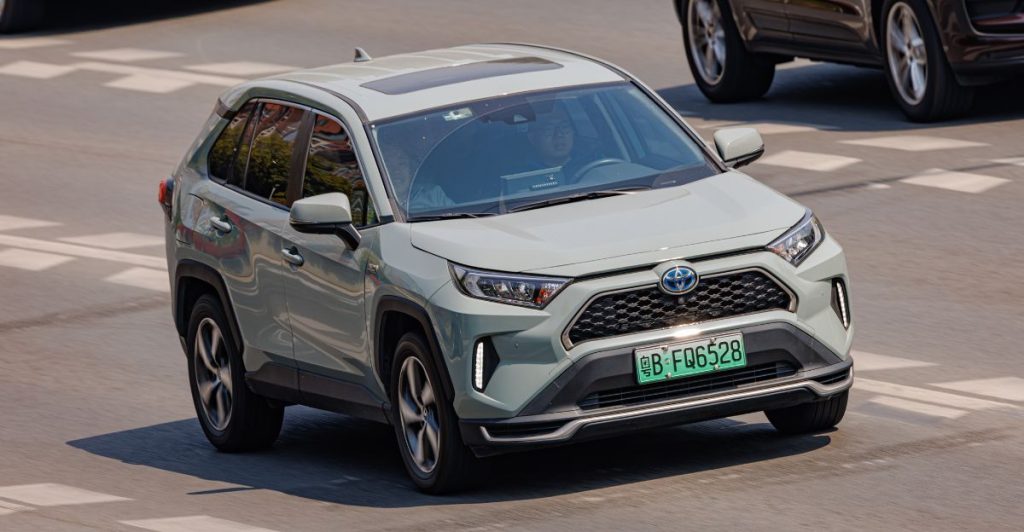
Honda, Mazda, and Hyundai are absorbing RAV4 defectors without spending a dime on extra marketing. Estimates suggest Toyota could lose 48,000 to 72,000 annual unit sales if even 10 to 15 percent of buyers switch. Meanwhile, dealers pocket $3,000 to $7,000 per RAV4 Prime in markup revenue, potentially $100 million to $150 million annually on scarcity alone. The losers? Current RAV4 owners. Over two million of them face potential residual-value erosion when production finally catches up, and millions of 2026 models flood the used market simultaneously.
Still Breaking
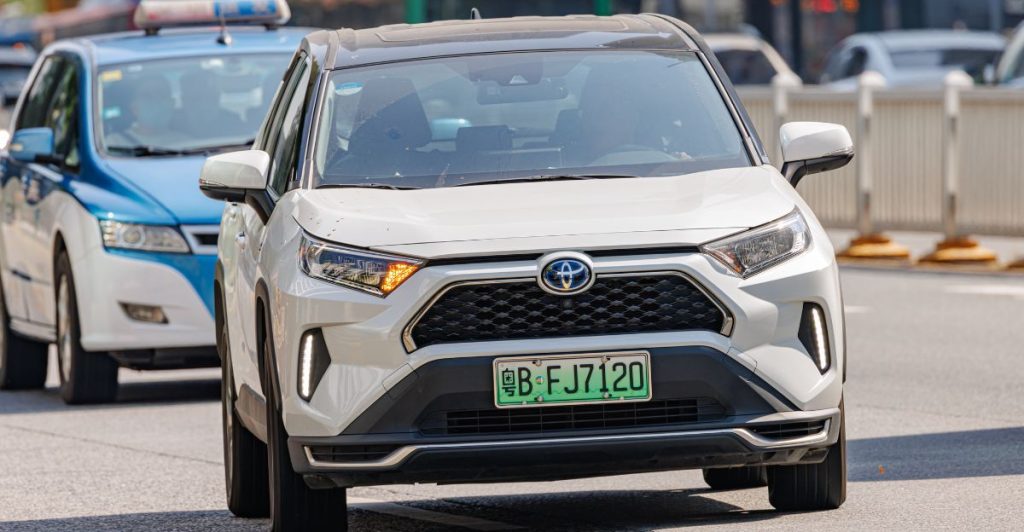
If magnet and inverter shortages persist past 2026, Toyota faces three options: raise prices further to ration demand, delay electrification on other models, or lock in exclusive supplier deals that drive costs higher across the lineup. Competitors are already accelerating hybrid availability on the CR-V, CX-5, and Tucson to capture defectors. Toyota’s CFO said in October 2025, “We can barely cover the demand.” Months later, the bestselling SUV in America proved him right in the worst possible way. The supply chain that built Toyota’s reputation is now dismantling it.
Sources:
“Toyota Motor North America Reports 2025 U.S. Sales Results.” Toyota Pressroom, 5 Jan 2026.
“Dude, Where’s My Car? Toyota Buyers Face Long Waits Amid Hybrid Boom.” Reuters, 31 Mar 2025.
“Toyota Wants Dealers To Push Other Models Because It Literally Can’t Build RAV4s Fast Enough.” Jalopnik, 4 Feb 2026.
“Toyota Opens U.S. Battery Plant, Confirms $10 Billion in New Investments.” CNBC, 12 Nov 2025.