8 of the Most Underrated Muscle Cars in America
hen people think of “American muscle,” they usually think of cars like the Mustang, Camaro, GTO, and Hemi ’Cuda—famous models that now sell for more than most younger buyers can afford. But there’s another group of cars that could perform just as well, and sometimes even better, even though they never became as famous. Thanks to corporate politics, insurance penalties, and terrible timing, engineers at Ford, GM, and Mercury watched their best work get buried in brochures and forgotten on dealer lots. Here are eight underrated American brutes that kept the faith long after the spotlight moved on.
1. 1972 Ford Gran Torino Sport Cobra Jet
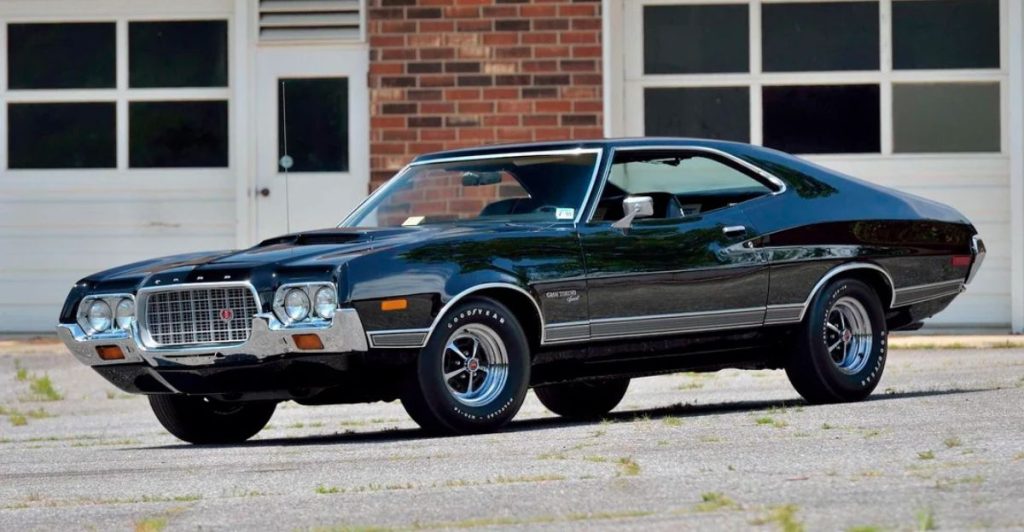
By 1972, Ford had finally gotten the Torino right, especially the Gran Torino Sport with the Cobra Jet V8. The new body looked smoother and made better use of space than the 1970–1971 models, and the suspension was nicely balanced for both comfortable cruising and confident cornering. On paper, the 351 Cobra Jet’s 248 hp rating looks tame, but period tests showed 0–60 runs in under seven seconds—serious pace for an air-conditioned, emissions-era cruiser. Built for just one year and barely hyped, the ’72 Gran Torino Sport Cobra Jet is still overlooked today.
2. 1970 Buick GSX 455 Stage 1
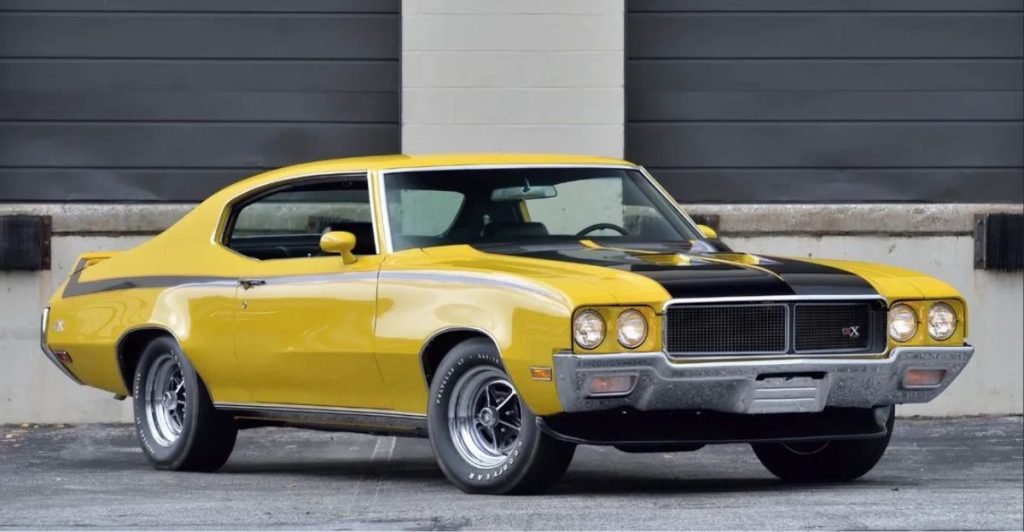
If you think Buick only made soft, comfy cruisers, the 1970 GSX 455 Stage 1 will change your mind fast. Behind its stripes and rear spoiler is a 455-cubic-inch V8 known for huge torque—510 lb-ft, even more than Chrysler’s famous 426 Hemi. Buick listed the horsepower lower to avoid high insurance costs, but real drag-strip runs showed it was much stronger than the numbers suggested. Well-driven Stage 1 cars could put real Hemi machines on notice. Low production, muted marketing, and a “luxury” badge kept it out of the spotlight, even as clean examples now creep into six-figure territory.
3. Mercury Cougar GT-E
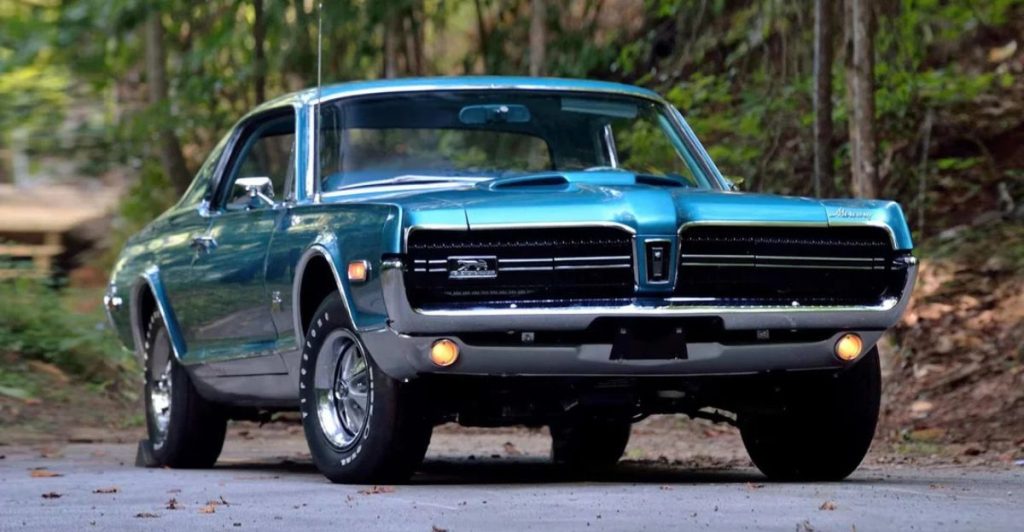
The Mercury Cougar GT-E might be the best example of a muscle car born into the wrong brand. Mercury sold the Cougar as a fancier Mustang, with a longer wheelbase, nicer cabin, and a quieter, smoother ride. But in GT-E form, that classy image hides a big-block engine and very strong straight-line speed. Fans still say it has a “split personality”: part comfortable luxury cruiser, part hard-hitting muscle car. That dual image confused buyers at the time and kept it out of the muscle car spotlight. Today, it’s a rarer, more comfortable way to enjoy late-’60s muscle without paying Mustang money.
4. Oldsmobile 4-4-2 W-30
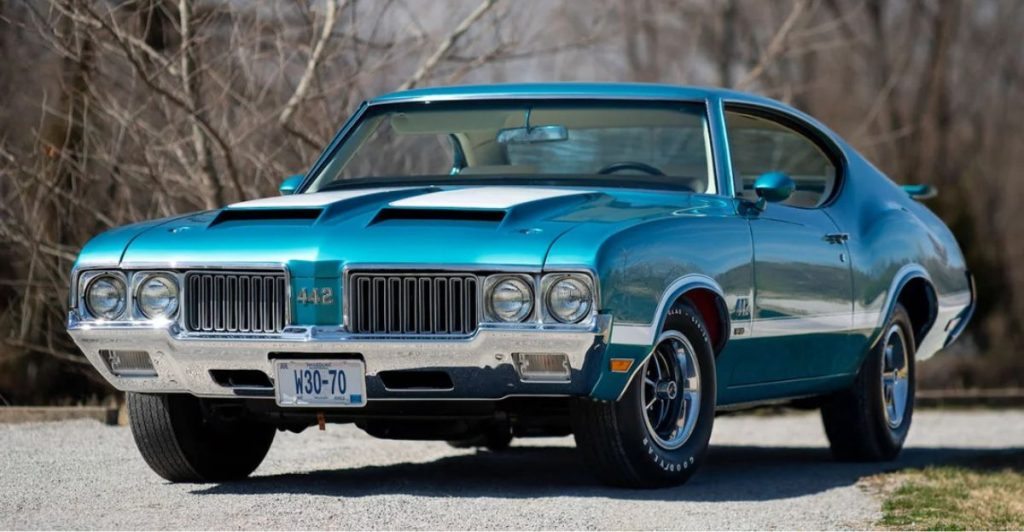
Oldsmobile’s 4-4-2 W-30 shows that quiet style doesn’t always win in the muscle car world. While the Chevelle SS and GTO loudly advertised their speed, the 4-4-2 focused on clean looks, nicer details, and a more mature feel. Under that calm exterior, the W-30 packed a serious big-block V8, with 1966 cars rated at 360 hp and 440 lb-ft of torque. Sales were decent but still behind flashier GM models, and later W-30s were built in small numbers. Because it never became a household name like “GTO,” the 4-4-2 W-30 is still a stylish, underrated deal.
5. 1968 Mercury Cougar (Small-Block V8)
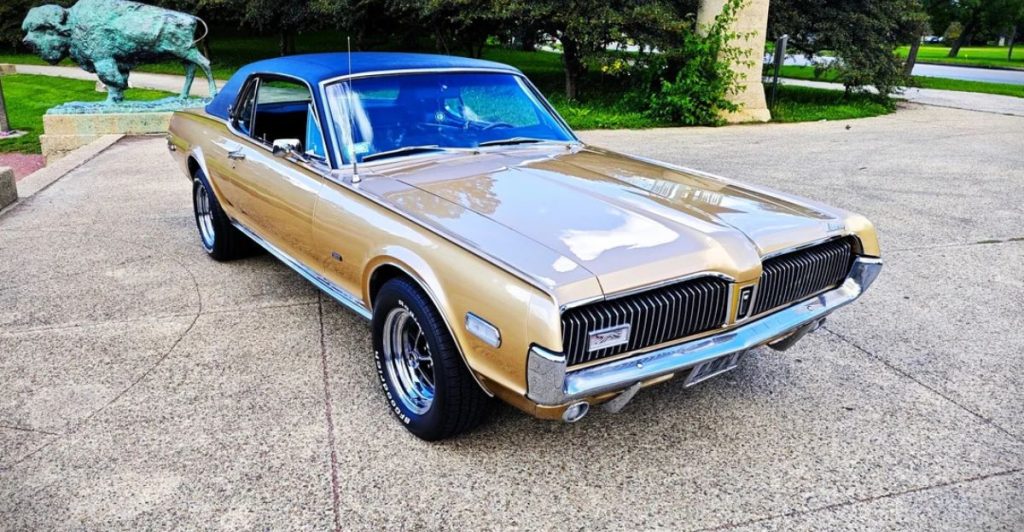
People often say the 1968 Mercury Cougar is just a Mustang in a nicer outfit, but that’s not really fair. The base models had a 302 V8 with about 200–210 hp, which already felt lively with the right gearing. With Mercury’s performance upgrades, the small-block Cougar can feel just as quick as a similarly equipped Mustang. Back then, ads focused on hidden headlights, fancy taillights, and comfort instead of drag racing. That’s why collectors still chase Fords first, leaving early Cougars as cheaper, stylish options.
6. 1974–1976 Chevrolet Chevelle Laguna S-3
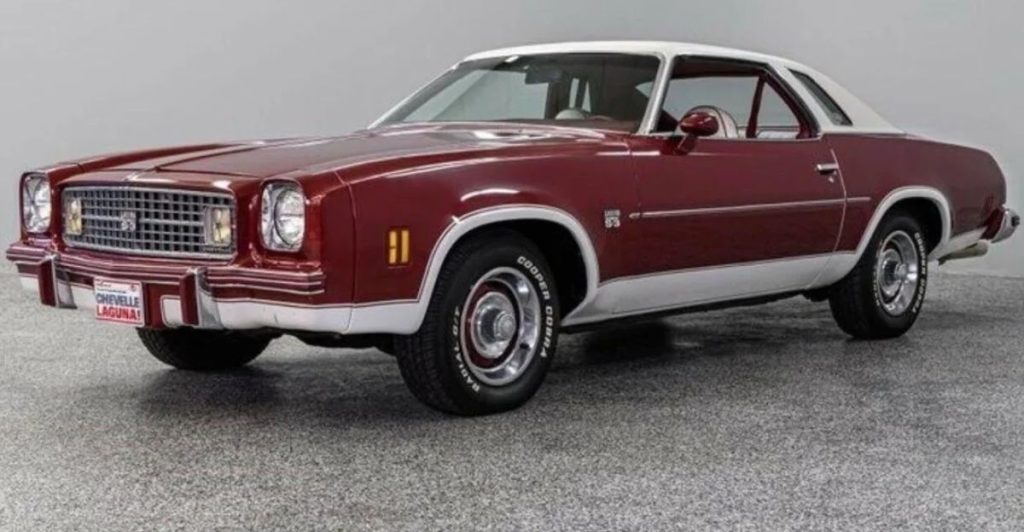
The Chevelle Laguna S-3 made perfect sense in NASCAR and almost none in the showroom. Built as a higher-trim Chevelle in the mid-’70s, it could be ordered with a 454 big block making around 235 hp and 360 lb-ft. It is modest on paper but plenty for real-world shove. Its sloping front end and aerodynamic tweaks looked strange to some buyers, but they worked well on the racetrack, where drivers like Cale Yarborough used Laguna-based cars to win championships. Regular buyers still preferred older SS Chevelles. That gap between race success and showroom appeal kept prices low, turning the Laguna S-3 into a hidden, race-bred gem.
7. 1971 AMC AMX 401
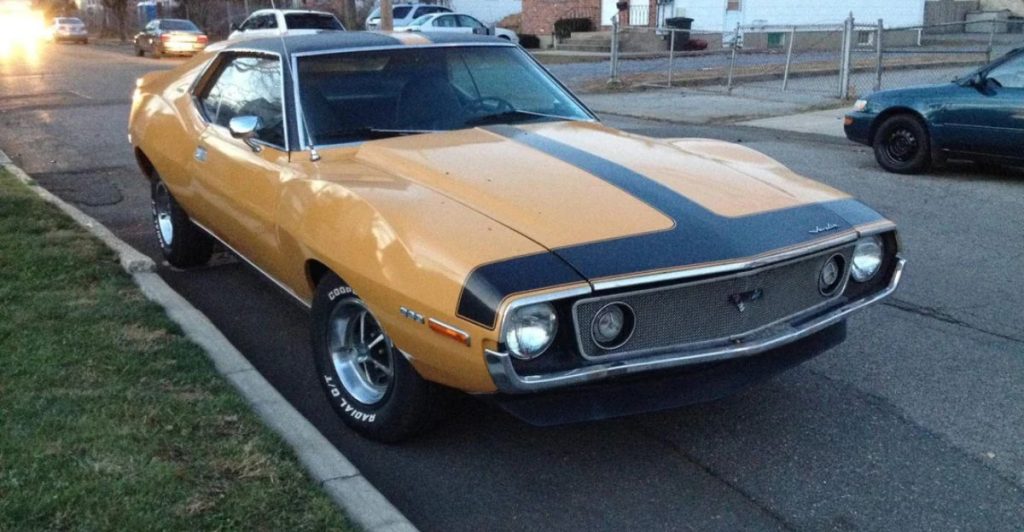
AMC’s 1971 AMX 401 shows what happens when an underdog swings for the fences. Riding on a shortened Javelin platform, it wore a muscular fastback body that looked ready for Trans-Am racing. The 401-cubic-inch V8 cranked out roughly 335 hp, easily enough to hang with big-block rivals from the Big Three. The issue was simple: AMC never had enough dealers or advertising money to make the AMX a well-known name. It was built in small numbers, and some versions are even rarer than the famous Mopar muscle cars. Because it never became a legend in the same way, its prices today are still fairly reasonable for such a genuinely rare muscle car.
8. 1970 Ford Torino Cobra
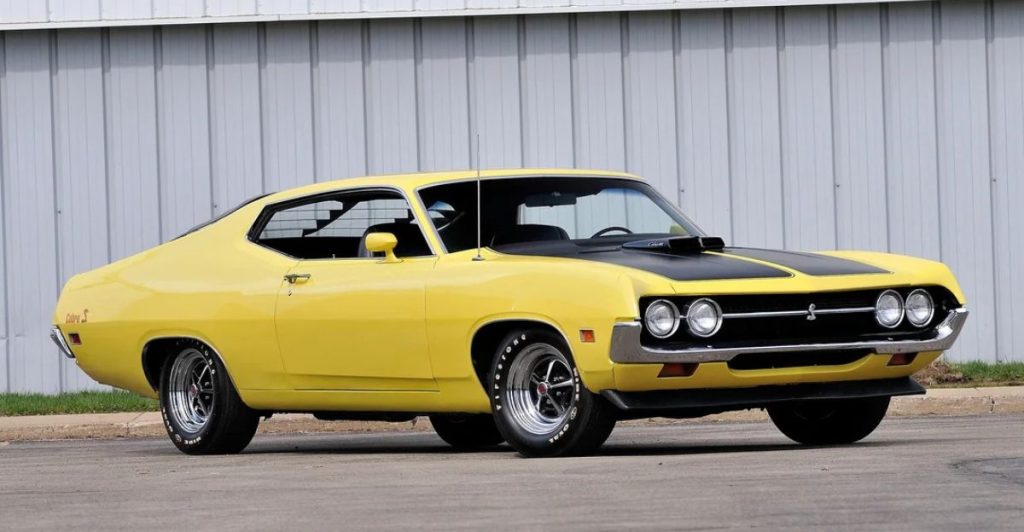
Before the Gran Torino’s final act, Ford had already fielded a serious mid-size contender in the 1970 Torino Cobra. With the 429-cubic-inch Cobra Jet or Super Cobra Jet under the hood, this was no mere family hauler—it was a straight-line bruiser with factory ratings and real-world performance to back them up. Tests at the time showed the car was quick from 0–60 and in the quarter mile, even though Ford kept the official horsepower ratings low to satisfy insurance companies. But Ford still put most of its marketing energy into the Mustang, and buyers followed the hype. Because relatively few 429 Cobras were built, they’re rare today, yet they’re still surprisingly cheaper than many Chevelles and Road Runners.
Why These Underrated Muscle Cars Still Matter
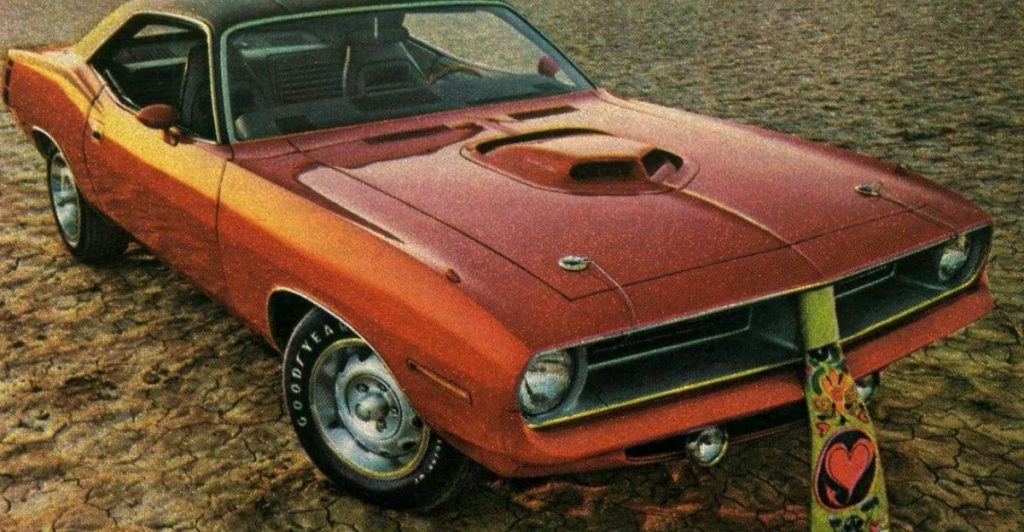
Put these eight cars side by side, and a pattern emerges: raw speed and low production never guarantee legend status. Insurance rules forced carmakers to play games with horsepower ratings, company politics decided which brands got the big advertising budgets, and changing buyer tastes left some great cars ignored. Years later, you can still see that in the used-car market, where Cougars, 4-4-2s, Lagunas, Torinos, and AMXs often sell for much less than Chevelles or Hemi-powered Mopars. For modern enthusiasts, that’s the sweet spot—real history and real performance, before the rest of the market fully catches on.
Sources:
Hemmings, The Forgotten Torque Monster: How Buick Built a 510 lb-ft Muscle Car Nobody Expected, 18 February 2026
The Autopian, Why Ford Killed The Cobra Jet Torino Just When They Finally Got It Right, 19 February 2026
TopSpeed, The ’70s Chevy Muscle Car That’s Too Cool To Be Forgotten, 4 April 2025
HotCars, This Forgotten AMC Muscle Car Outsmarts Detroit’s Big Three, 11 November 2025
Hagerty, The 7 Best Ford Muscle Cars That Aren’t Mustangs, 19 January 2023
Wikipedia, Oldsmobile 442, 19 April 2004