816 Workers Cut As Saudi-Backed Lucid Doubles Output Yet Loses $240K On Every Car Sold
On February 20th, Interim CEO Marc Winterhoff told Lucid’s US workforce that 12% of salaried staff were gone, effective immediately. Engineers, battery testers, simulation specialists—all the people who design the cars.
A company-wide meeting was scheduled for Monday, and earnings would drop by Tuesday. These three events were packed into a few days, with an estimated 816 families learning their paychecks were the fuse.
Record Quarter
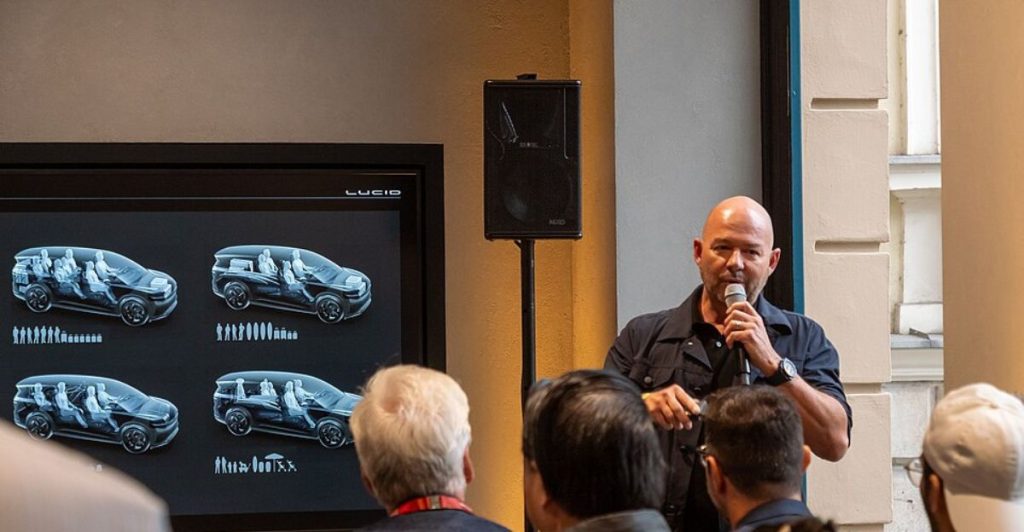
Those roughly 816 employees had just delivered the best quarter in Lucid’s history. Preliminary Q4 2025 production hit 8,412 vehicles, though Lucid later revised the figure to 7,874 after 538 units did not complete final validation. Full-year output reached 17,840 units, nearly doubling 2024’s 9,029. Deliveries set a record at 5,345 in Q4 alone, up 31% from Q3.
Full-year deliveries reached 15,841, up 55% year-over-year. The reward for building nearly twice as many cars as the year before was a termination notice on a Friday afternoon.
Pattern Recognition
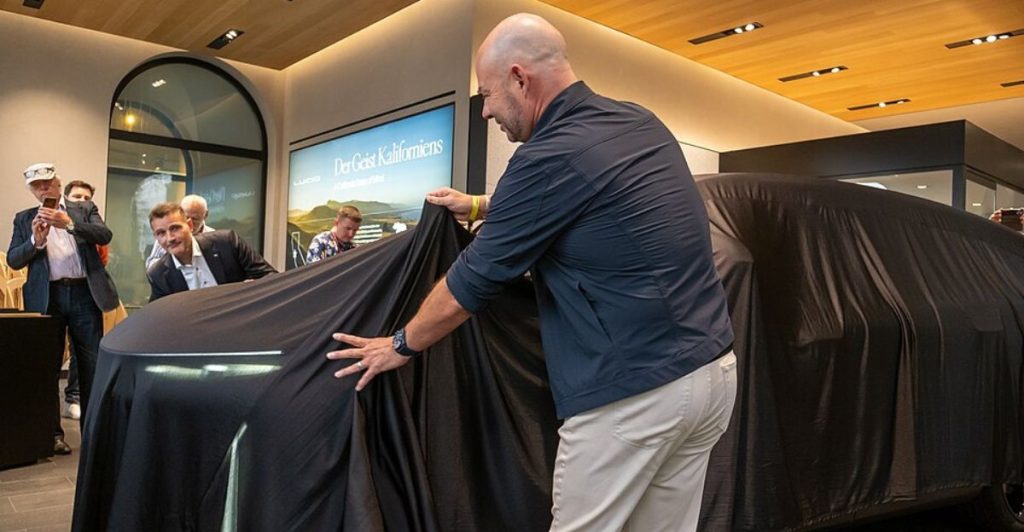
This was not an isolated correction. Lucid cut 1,300 workers in March 2023, then 400 more in 2024, and now around 816. These three sets of layoffs over three years represent a combined 2,500 positions eliminated, though the company hired significantly between rounds, including over 300 former Nikola workers in 2025.
Meanwhile, 13 C-suite or VP-level executives departed since October 2023. The CFO, general counsel, head of strategy, and chief engineer. When that many senior leaders flee a company sitting on billions in cash, the problem is not headcount. Something structural is breaking underneath.
The Real Number
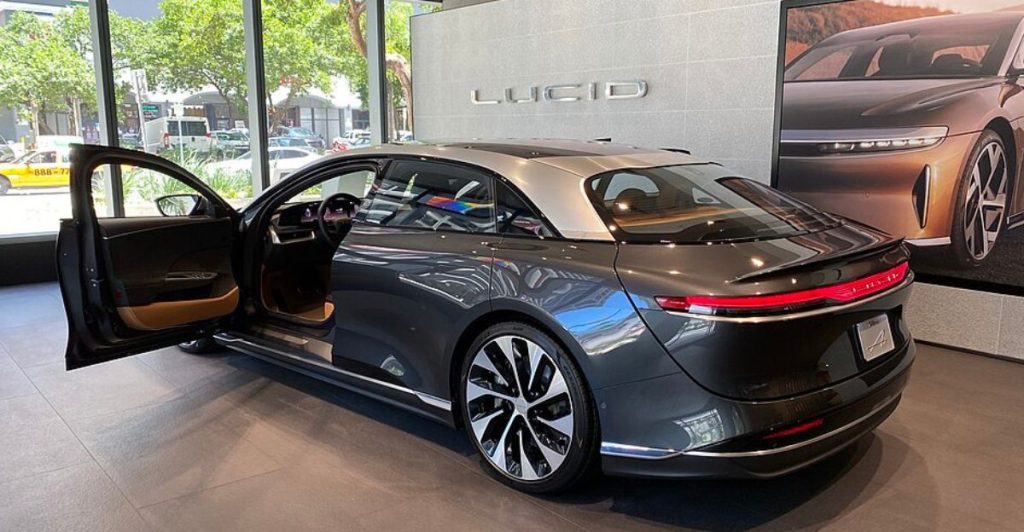
Divide Lucid’s Q3 2025 net loss by the number of vehicles delivered that quarter, and the figure comes to roughly $240,000 per vehicle—a number that includes not just manufacturing costs but also R&D, stock-based compensation, and corporate overhead. Q3 2025 alone produced a $978 million net loss.
Estimated annual cash burn runs approximately $2.7 billion. Doubling production did not halve the bleeding. It doubled it. More cars, more losses, faster. The stock declined sharply in 2025 while output nearly doubled.
The Subsidy Machine
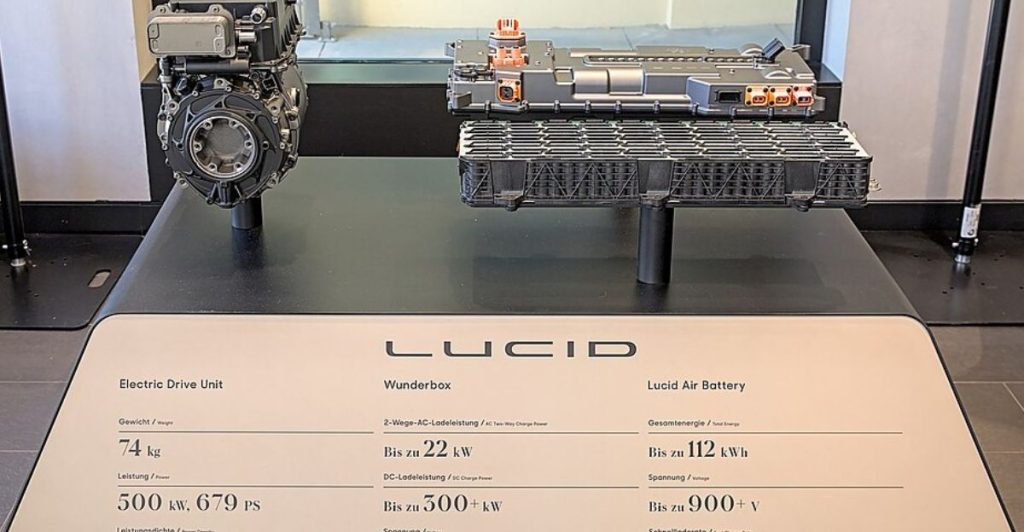
Saudi Arabia’s Public Investment Fund has invested around $9 billion into Lucid since 2018 and currently holds an approximate 64% majority stake. PIF cannot exit without admitting its industrial diversification strategy failed, while Lucid can’t pivot without risking alienation from its only lifeline.
The result is a locked system: unlimited capital funding, unlimited losses, with quarterly production records serving as performance theater for Riyadh, not Wall Street.
The IPO Promise
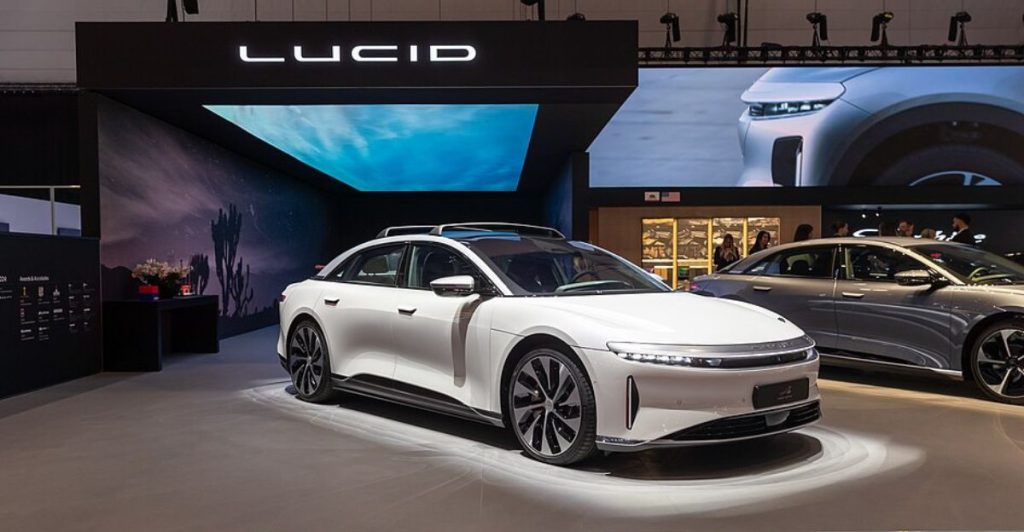
After going public in 2021, Lucid projected 135,000 deliveries by 2025. Actual deliveries came in at 15,841. That is 11.7% of the target, the largest miss relative to projections in EV startup history.
The company still carries roughly $4.6 billion in liquidity, enough to fund operations into early 2027. But at roughly $2.7 billion in annualized burn, that runway is a countdown clock, not a safety net. Lucid needs to triple its volume to approximately 50,000 units annually just to approach breakeven at current loss rates.
Hired Then Fired
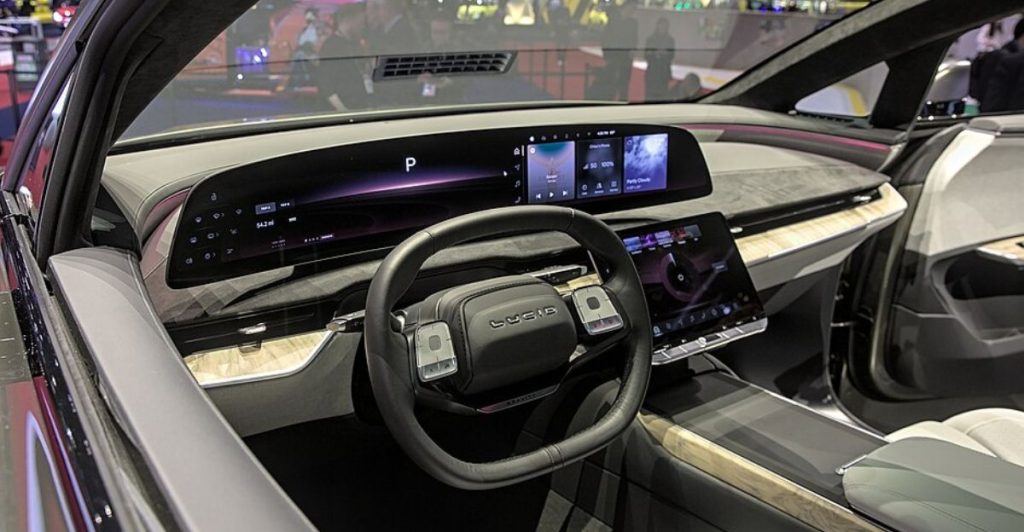
Lucid acquired manufacturing and development facilities in Arizona from the collapsing EV company Nikola and hired over 300 former Nikola workers, throwing them a lifeline. However, in less than a year, another round of layoffs swept through the company, though manufacturing and hourly roles were reportedly not affected.
Chief Engineer Eric Bach, who had been internally discussed as a future CEO candidate, departed the company in November 2025 and then sued for wrongful termination.
The Exit Artist
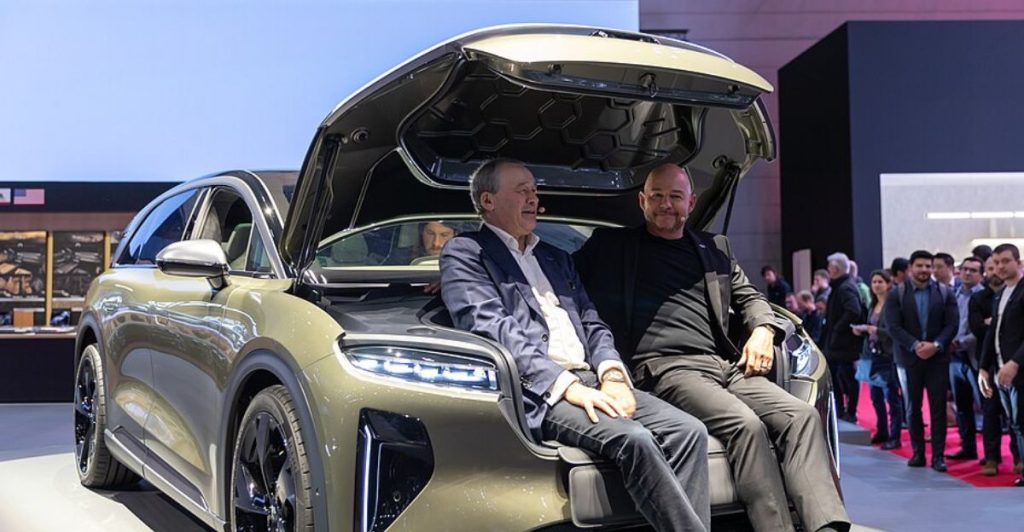
In February 2025, CEO Peter Rawlinson resigned after 12 years, declaring he had “successfully launched the Lucid Gravity” and that it was “finally the right time” to step aside. However, the Gravity was already plagued by software issues and supply chain disruptions during Rawlinson’s tenure.
A year after the departure, his successor announced layoffs to address the mess Rawlinson called a success. Winterhoff’s own memo acknowledged the need for “gross margin improvement.” This corporate language admits that the product economics never worked.
The $50K Gamble
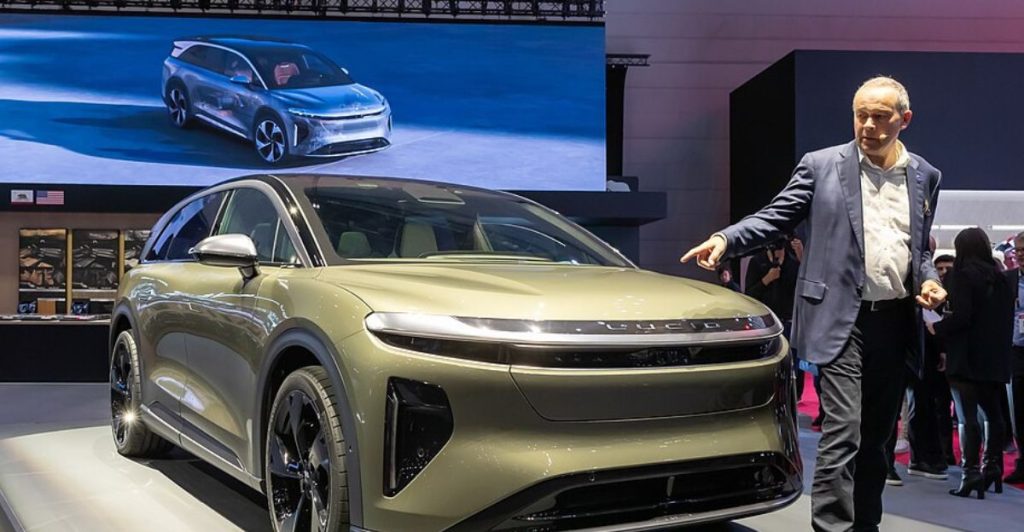
Lucid’s next bet is a midsize platform priced around $50,000, targeted for late 2026. The logic behind this strategy is to sell cheaper cars at an increased volume. A company posting $240,000 in net losses per vehicle delivered on cars priced between $81,000 and $96,000 now plans to chase profitability by dropping prices by 40%.
Uber has provided a floor for demand by committing to a $300 million strategic investment and a 20,000-vehicle deployment target over six years.
The Countdown
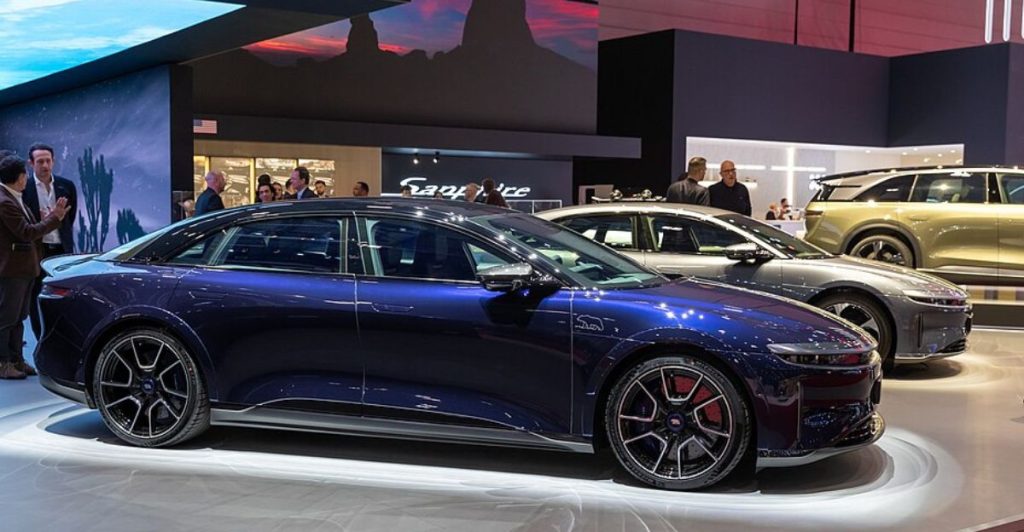
Lucid’s Investor Day is on March 12, and management will attempt a narrative reset with Saudi factory ambitions and autonomous-driving partnerships. Wall Street is not buying the optimism. Analyst consensus is Moderate Sell, with profitability expected only in 2027 at the earliest.
The company has nearly doubled production, set delivery records, but also burned through $9 billion in sovereign wealth capital and hasn’t proven a path to profitability on a single car. Every quarter of growth has accelerated the losses.
Sources:
TechCrunch — “Lucid Motors slashes 12% of its workforce as it seeks profitability” — February 20, 2026
Lucid Group via PR Newswire — “Lucid Announces Q4 Production & Deliveries, Sets Date for Fourth Quarter 2025 Results” — January 5, 2026
CNBC — “Lucid (LCID) earnings Q3 2025” — November 5, 2025
CNBC — “Lucid CEO Peter Rawlinson steps down; EV maker plans to more than double production in 2025” — February 25, 2025
TechCrunch — “Lucid Motors’ former chief engineer sues for wrongful termination and discrimination” — December 8, 2025
Lucid Group via PR Newswire — “Lucid Announces Closing of $300 Million Investment from Uber” — September 3, 2025