1.1M EV Owners Face $13,000 Loss As Largest Subsidy Collapse In Program History Hits Trade-In Values
A Lexus EV, barely driven, 150 miles on the odometer, pulls in with an owner looking to trade in. The monthly car payment is $900. But the number staring back from the screen is $37,000.
That gap between what you owe and what the market says your car is worth has a name in finance. It’s called negative equity, and more than a million EV drivers are only just realizing they’re stuck in it.
Subsidy Scaffolding
Between January 2023 and September 2025, more than 1.1 million Americans leased EVs under terms that only made sense because of one thing: a $7,500 federal commercial tax credit. Dealers structured payments around it.
The credit made back on EVs made them look competitively priced compared to gasoline-powered cars, and the market boomed as leasing increased into the largest subsidy-driven financing wave in EV history. However, that price remains attractive only as long as Washington gives the credit. Combined, the average depreciation loss of $5,709 plus the disappearance of the $7,500 credit creates an aggregate financial gap approaching $13,000 for lessees whose terms were structured around that subsidy.
The Cliff
On September 30, 2025, the credit expired without any kind of phase-out or transition plan. This was the most abrupt policy reversal affecting the EV market since the program launched in 2008. By early 2025, used EV prices had fallen 15.1% year-over-year, an average loss of $5,709 per vehicle.
Over the same period, gas cars had only fallen 0.5%, underscoring that EV market prices fluctuate widely in response to subsidy expectations.
The Paradox
EV owners have some of the highest satisfaction rates, with 96% saying that they’d buy another one. The driving experience is uniquely different from gasoline cars, and it’s something EV owners fall in love with.
While satisfaction is high, EV cars are depreciating at the fastest rate of any vehicle segment on record. A Lexus Owner put it plainly: “I just found out yesterday that this car is worth $37,000 and I’m paying $900 a month.”
The Machine
The depreciation cascade works like a closed loop. Tax credit ends. Fewer new buyers qualify for affordable payments. Demand for new EVs drops. That kills demand for used EVs. Prices fall. Negative equity spreads. Lessees return vehicles they can’t afford to buy out.
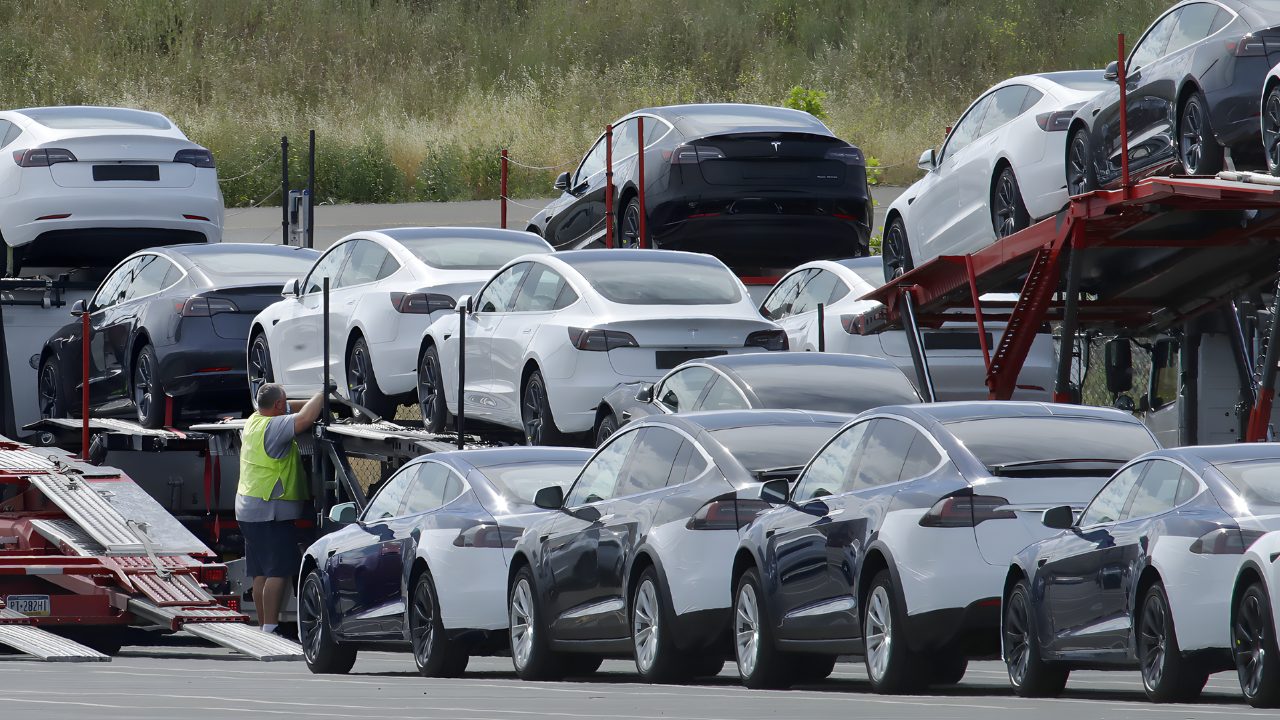
Those returns overwhelm auctions, and prices fall even more. Cox Automotive projects EV share of off-lease vehicles through Manheim auctions will more than double from around 5% to 12% between 2025 and 2026.
Hidden Costs
EV insurance premiums are $1,326 higher annually than for equivalent gas vehicles. This is because insurers price in battery risk ranges from $13,000 to $25,000, depending on the model. Most battery replacements happen under warranty, while only 4% of EVs actually need a new battery. Most insurers don’t price for averages; instead, they price for worst cases.
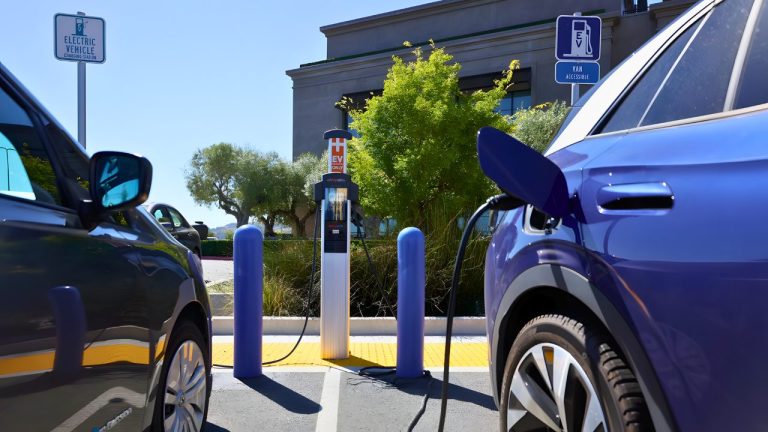
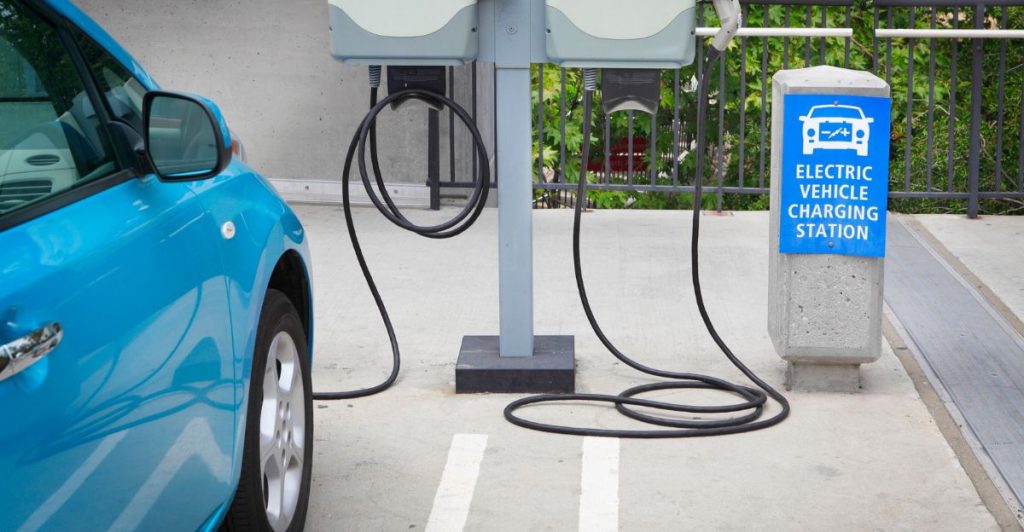
Charging stations on paper show a seamless 99% uptime, but the actual first-attempt success rate is only 71%. Nearly a third of EV drivers get to a charger and can’t charge.
The Flood
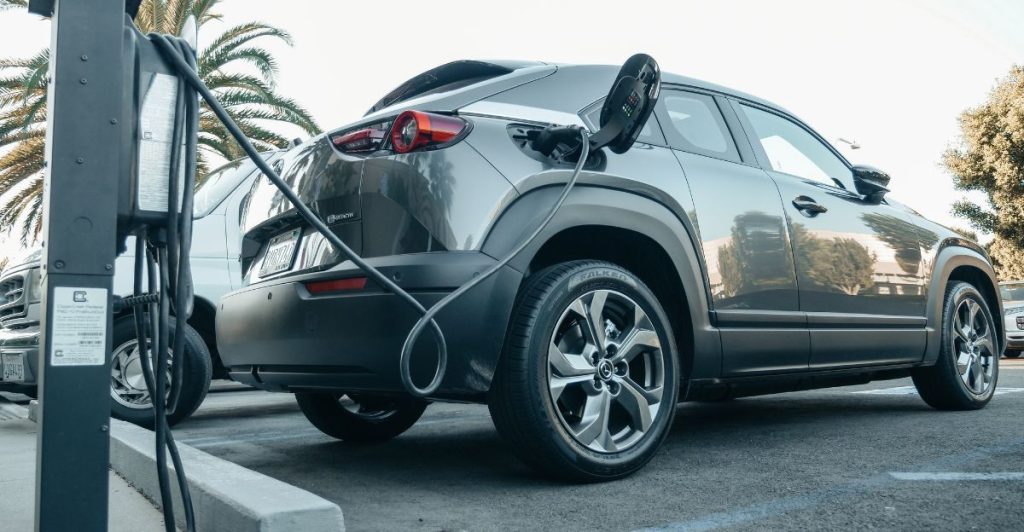
When those 1.1 million lease returns hit the auction block through 2026 and 2027, the used market absorbs a supply shock it cannot digest. Prices that already dropped 15.1% face further downward pressure as inventory outpaces demand. Lenders tighten credit on EV loans when repossession values collapse.
Stellantis is already clearing its North American plug-in hybrid lineup with incentives of $7,500 or more. Manufacturers burning cash to move metal they can’t sell at sticker price is the clearest distress signal in the auto industry.
New Rule
EV purchase intent sits at 16%, the lowest since tracking started in 2019. While EV buyers would consider buying another one, only 16 out of every 100 Americans say they’d switch to an EV vehicle.
The government subsidy removal highlights that its support for EVs can disappear overnight, as many EV owners factored in subsidies when making their purchases. The Porsche Taycan has depreciated 26.5% in only 12 months.
Winter Math
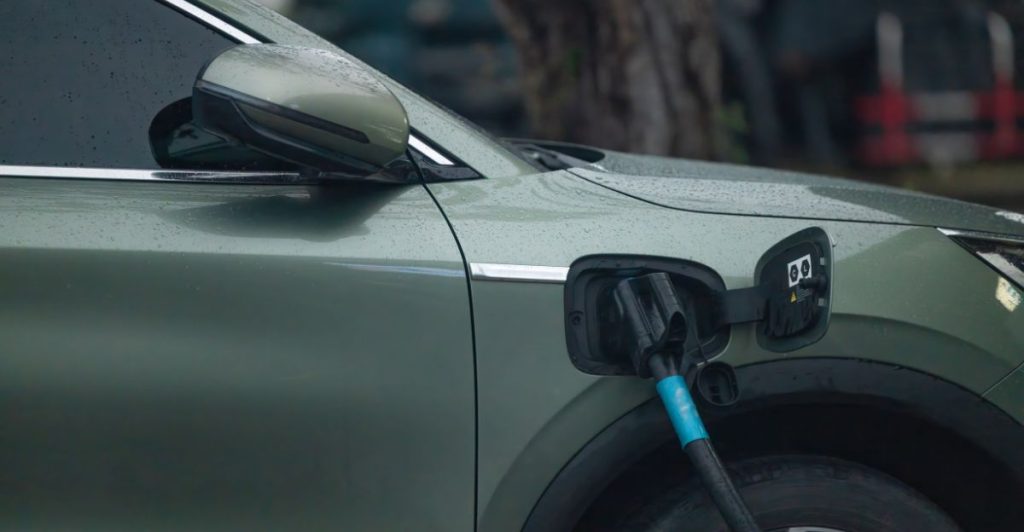
During cold weather, EVs’ advertised range can drop by 20% to 40%. A 300-mile rating lowers to 190 miles during the coldest winter months.
Hyundai, Kia, and Genesis owners face a separate crisis: ICCU component failures affected more than 200,000 vehicles across multiple recalls, causing charging failures and power loss while driving. Dealer parts shortages stretch waits to two months. The cars people love driving are becoming cars people can’t afford to keep or reliably operate.
The Bet
Rob Lisowski, a general sales manager at a Chrysler-Dodge dealership, summarized the market’s verdict: “When incentives soften, buyers tend to shift back to gas and traditional hybrids quickly.” Automakers will launch aggressive lease deals to move inventory, burning cash they don’t have.
The average secondhand EV now sells for around $32,000, roughly $900 more than the average gas car. EV owners expected their cars to hold value like their gas counterparts, but the next 18 months of lease returns will showcase whether that gap closes or disappears entirely.
Sources:
iSeeCars — “Used EV Prices Drop 15% as Gasoline and Hybrid Models Hold Steady” — March 11, 2025
Cox Automotive — “Headlines Say Demand for New EVs Is Cooling. At Manheim, We’re Ready for the Surge Still to Come” — January 14, 2026
J.D. Power — “2026 U.S. Electric Vehicle Experience (EVX) Ownership Study” — February 18, 2026
AAA — “Only 16% of Americans Would Buy an EV, AAA Finds” (via Autoweek) — June 9, 2025
Insurify — “Insurify Data Shows EV Insurance Costs Nearly 50% More Than Traditional Cars” (via CBT News) — September 9, 2025
Recurrent Auto — “Electric Car Battery Replacement Costs” — December 2, 2024