Ford Bows To China—CEO Drives Chinese EV While Pushing $230B Deal To Let Beijing Build Cars On U.S. Soil
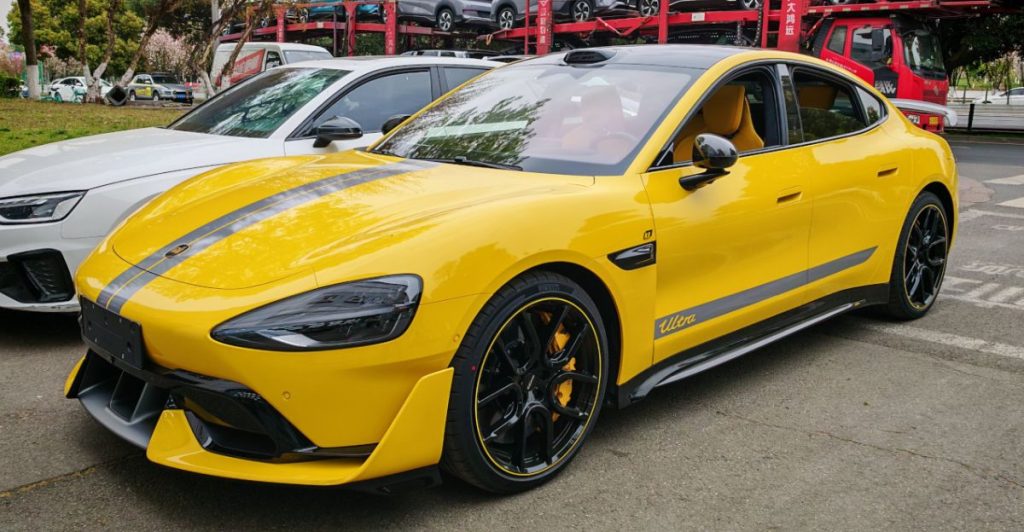
When the CEO of Ford walks into his garage, he effectively has the keys to everything Dearborn builds – F‑150, Bronco, Mustang, all of it. So why has Jim Farley been daily‑driving a Xiaomi SU7, a Chinese electric sedan Ford shipped over from Shanghai, instead of a Mustang Mach‑E wearing his own badge? He doesn’t need a discount, and he’s not chasing novelty.
He made that choice after repeated trips to China, riding in local EVs, touring plants, and studying the software and batteries that now set the benchmark for the segment. When the man running one of America’s oldest automakers chooses a Chinese EV for his own use and admits he “doesn’t want to give it up,” it’s more than a curiosity. It’s a signal about where he thinks the future of the car business is really being written.
Inside the Chinese EVs That Converted Ford’s Boss
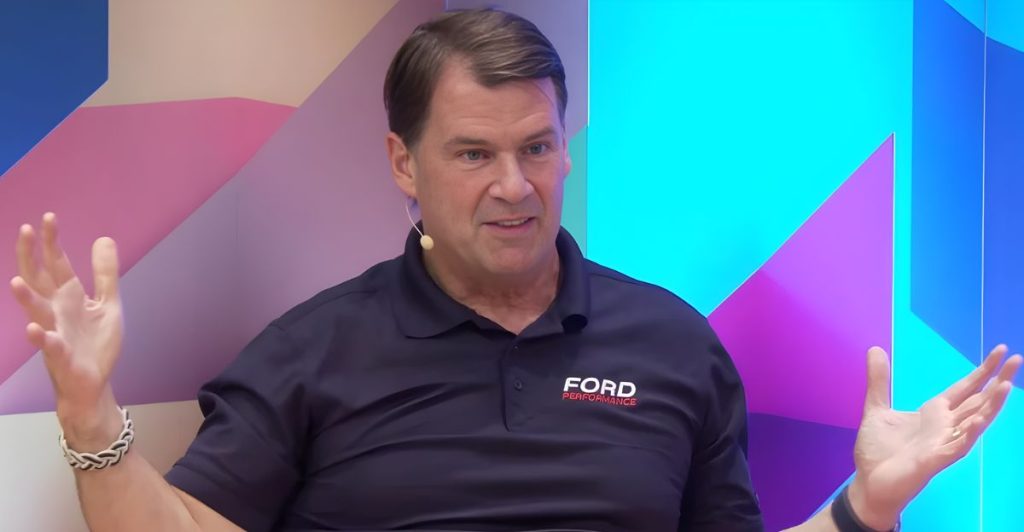
Farley has been unusually open about what those encounters showed him. In a widely discussed appearance at the Aspen Ideas Festival and subsequent interviews, he described Chinese electric vehicles as “far superior” in technology and quality to many Western rivals, calling their progress “the most humbling thing I have ever seen.” These aren’t stripped‑out science projects.
Step into a modern Chinese EV and you get tight build, clean design, quick‑responding interfaces, and over‑the‑air updates that feel closer to a smartphone than a legacy infotainment system. Then you see the price, often dramatically below comparable American and European EVs, and the appeal becomes hard to ignore. Once you’ve lived with that blend of refinement and cost, going back to something dearer and less polished is a harder sell, even if you run Ford for a living.
The Global Scoreboard
If this were just one executive rattled by a few impressive prototypes, it would be easy to dismiss. The sales charts say otherwise. By the end of 2025, BYD had overtaken Tesla as the world’s largest seller of fully electric vehicles, delivering roughly 2.26 million battery‑electric cars, compared with Tesla’s about 1.64 million. Tesla’s global deliveries slipped for a second straight year, while BYD’s climbed, driven not by halo sports cars but by everyday hatchbacks and crossovers that ordinary families actually buy.
In Europe and emerging markets, Chinese badges are moving from the edge of the lot to the centre of the conversation. Farley’s personal interest in a Xiaomi isn’t an eccentric outlier – it sits squarely inside a broader shift in where EV volume and momentum now live.
The Pricing Shock That Makes American EVs Look Exposed
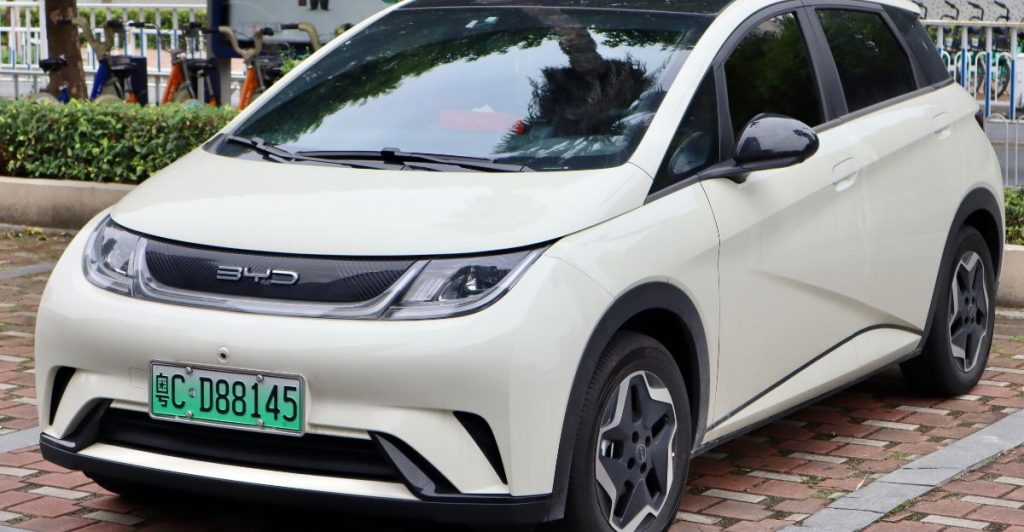
For a buyer trying to make the numbers work, the Chinese advantage starts with the sticker. Take a car like the BYD Dolphin: in markets such as Australia, it offers a claimed WLTP range of up to around 427 kilometres, usable performance, and a well‑equipped interior, yet it’s priced firmly in mainstream territory rather than luxury money. In China and other regions, BYD and its peers sell small EVs at price points that, once converted, sit in the mid‑teens in U.S. dollars, dramatically below the starting prices of American compact EVs such as the Chevrolet Equinox EV, which opens in the low‑thirty‑thousand range.
You don’t need to be an analyst to see what happens when a family cross‑shops those offers on the same forecourt. If the cheaper car also feels more modern and better put together, the badge suddenly has to work a lot harder.
Chinese Battery Tech Is Already Under Ford’s Skin
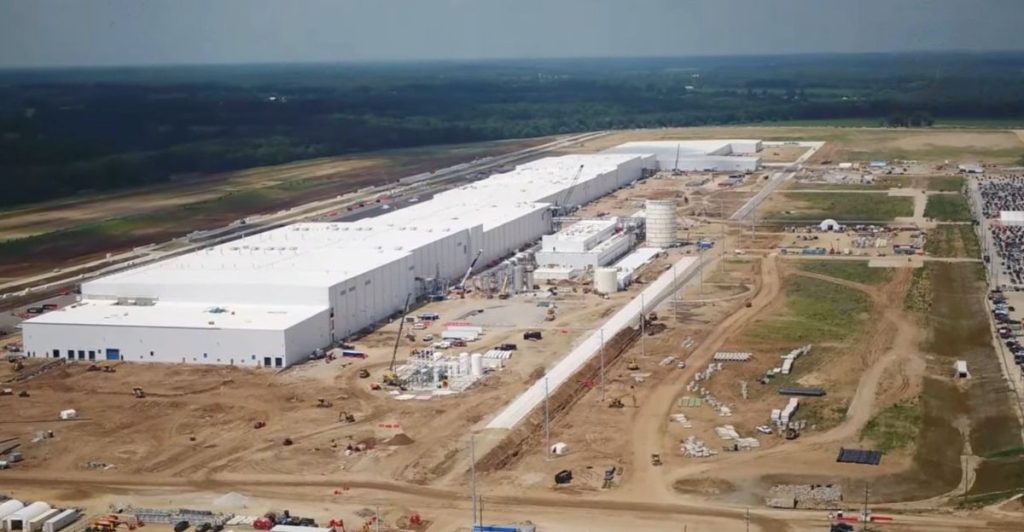
Even if Chinese brands never sell under their own names in the United States, their hardware is already shaping Ford’s next generation. In Marshall, Michigan, Ford is building a multibillion‑dollar plant to manufacture lithium‑iron‑phosphate batteries using technology licensed from the Chinese giant CATL. LFP chemistry offers a little lower energy density than some nickel‑rich packs, but it shines in cost, durability, and predictable fast‑charging – exactly the characteristics Chinese automakers have used to make EVs affordable at scale.
Ford has said those locally built LFP packs will support future electric models, including more affordable offerings rather than only premium flagships. For engineers, it’s a pragmatic move: borrow a battery recipe that’s already proven itself in harsh, high‑volume conditions. For drivers, it means tomorrow’s “American” EV may rely on the same underlying chemistry that powers the cars Farley has been studying overseas.
Ford’s Next Electric Truck
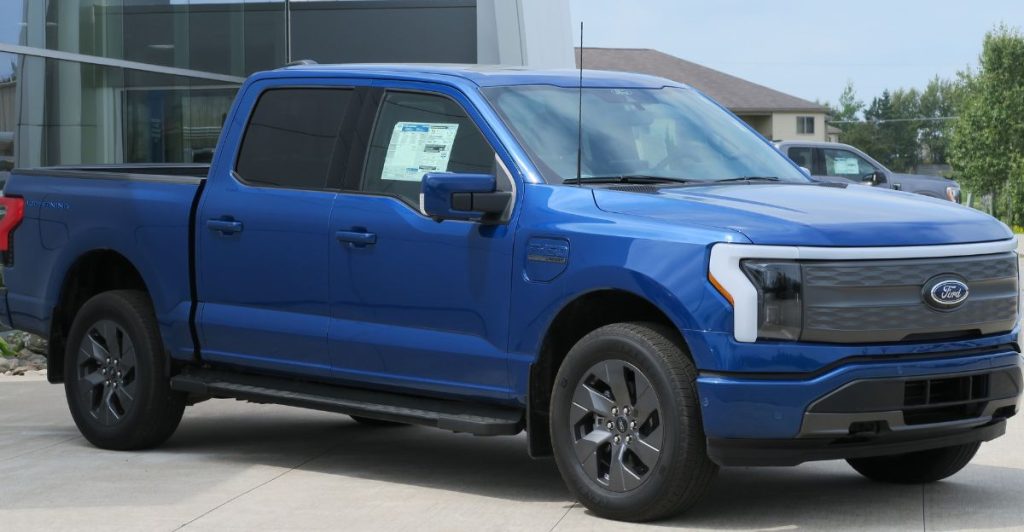
Ford’s most important upcoming EV is not another oversized status symbol. It’s a smaller electric pickup, positioned closer to today’s Maverick than an F‑150, aimed squarely at buyers who need a working truck and watch every payment. That truck is expected to ride on a new dedicated EV platform and to use those Michigan‑built LFP batteries, targeting a lower entry price and better efficiency than Ford’s current full‑size electric trucks.
The philosophy closely aligns with what has worked for Chinese brands: keep the footprint sensible, get the aero and weight under control, and pour effort into a usable range, charging behaviour, and cabin tech rather than chasing headline‑grabbing acceleration figures. If Ford pulls it off, it will be delivering a truck shaped as much by lessons from Shenzhen and Shanghai as by tradition in Dearborn.
The Quality Split: Recalls at Home, Dependability in China
In North America, Ford has faced a string of high‑profile recalls and quality campaigns across core nameplates in recent years, something owners and industry watchers alike have noticed. In China, its joint venture, Changan Ford, has gone in the opposite direction, ranking above the industry average in J.D. Power’s 2025 China Initial Quality Study and Vehicle Dependability Study. That means, on the same badge, the Chinese‑built cars are performing better in those surveys than many domestic Chinese rivals and some established Japanese and European marques.
For a CEO, that split underlines a simple point: the ecosystem he has been visiting – from suppliers to software to assembly – is capable not just of building cheap cars, but of building them well. And those practices are increasingly relevant to how Ford thinks about improving its own global products.
What Mexico and Canada Are Already Telling Us
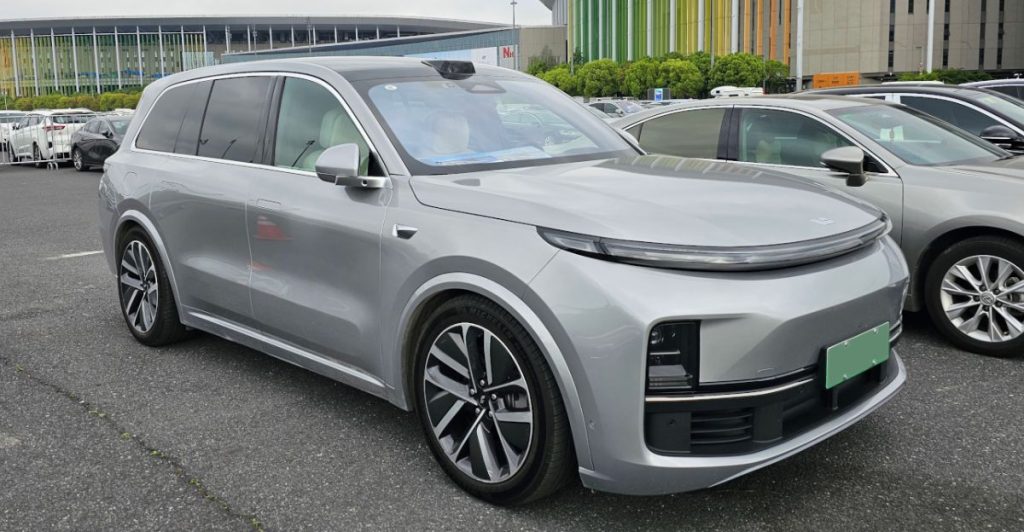
If you want an early look at how North American drivers react when Chinese‑built EVs become a real option, you only have to look to neighbouring markets. In Mexico, data cited by BloombergNEF suggests BYD alone now accounts for around 70 percent of the country’s electric and plug‑in hybrid sales, helped by competitively priced crossovers and sedans that undercut rival imports.
Further north, Canada has agreed to allow an initial quota of 49,000 Chinese‑built EVs a year at the standard 6.1 percent tariff rate, exempting them from an additional 100 percent duty that had effectively closed the door. That quota is set to rise over time. In both markets, once cars appear in showrooms at significantly lower price points, buyers have started to respond to the metal in front of them rather than the politics around it.
Joint Ventures: Chinese Hardware, Familiar Badges
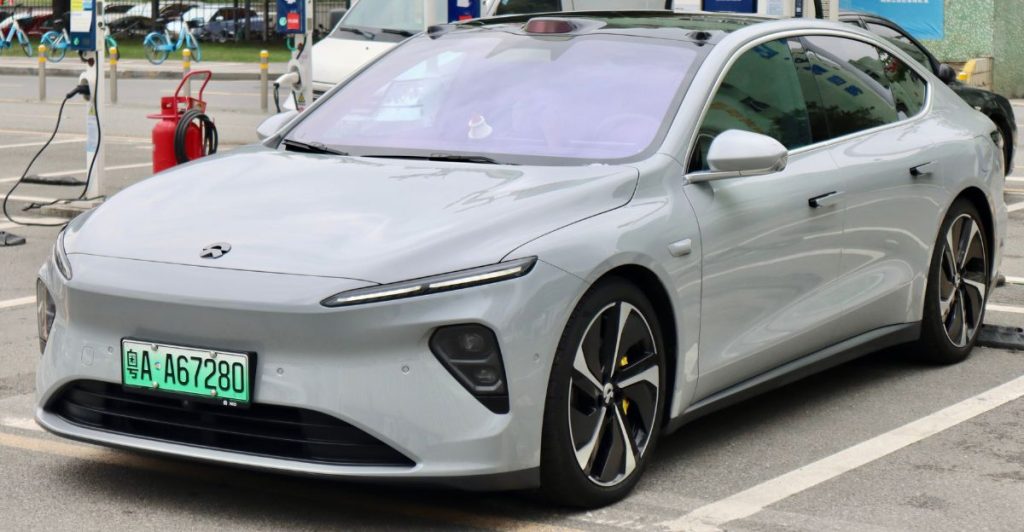
Against that backdrop, Farley’s thinking about joint ventures starts to look less hypothetical. Reporting from multiple outlets says he raised with senior U.S. officials a framework under which Chinese automakers could only enter the American market by partnering with local companies that hold majority stakes and share both technology and profits – a structure deliberately echoing the joint ventures Western brands accepted in China in the 1990s.
The idea is not to fling the doors open, but to shape the way Chinese engineering comes into the country, using familiar dealer networks and badges as the delivery mechanism. For a buyer walking into a Ford showroom a few years from now, that could mean test‑driving a truck or crossover that looks and feels like any other Ford to own and maintain, but sits on a platform and battery system closely related to the cars Farley has been dissecting overseas.
What It All Means for the Car in Your Driveway
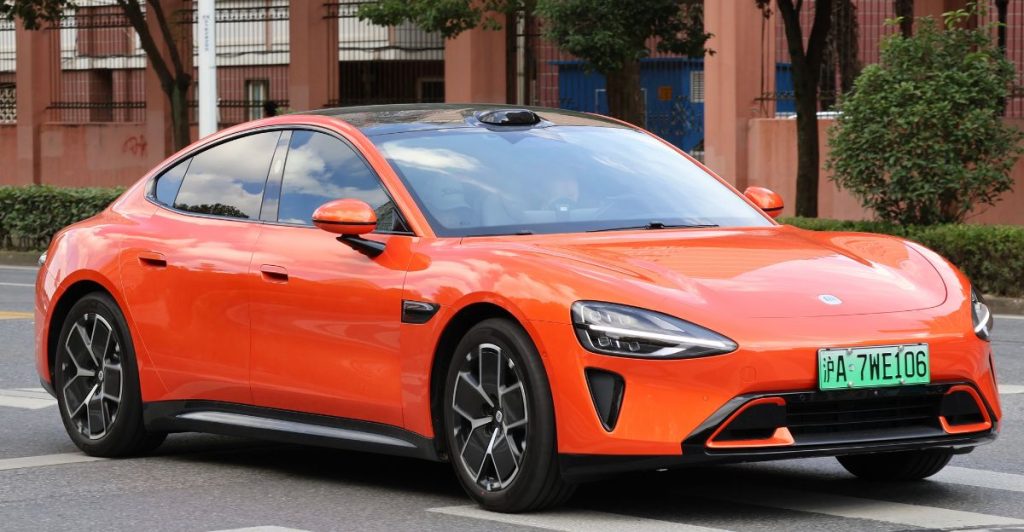
Strip away the geopolitics, and this story comes back to something very simple: what you will be able to buy, what it will cost, and how good it will be to live with. Chinese automakers have built an EV ecosystem, backed by about 230.9 billion dollars in government support between 2009 and 2023, according to the Center for Strategic and International Studies, that now produces cars which can match or beat Western rivals on refinement while undercutting them on price.
Ford’s chief executive has seen that first‑hand, chosen one of those cars as his own transport, and set about importing not just the hardware, but the ideas behind it into Ford’s next generation of products. Whether Chinese brands ever stand on U.S. lots under their own names, their influence is already shaping the EVs Detroit will sell. For drivers, the upside of that uncomfortable realignment could be clear: electric trucks and crossovers that are better built, simpler to own, and finally priced in a way that makes sense for households that care about value as much as they do the badge on the grille.
Sources
Ford CEO Daily Drives an Electric Sedan from a Chinese Smartphone Company – Car and Driver
The CEO of Ford says he’s been driving a Xiaomi EV for the past 6 months – Business Insider
Ford CEO Jim Farley: China’s EV costs, tech, and quality “far superior” to the West – Dealership Guy
BYD Overtakes Tesla as World’s Top BEV Seller in 2025 – EV.com
Canada, China slash EV, canola tariffs in reset of ties – Reuters
Ford Pushes Ahead with Michigan EV Battery Plant Despite Political Pressure – EV.com