Rental Giant Loses $668M In 90 Days As 14,000 Vehicles Sit Idle—CEO Admits ‘Unacceptable’ Collapse
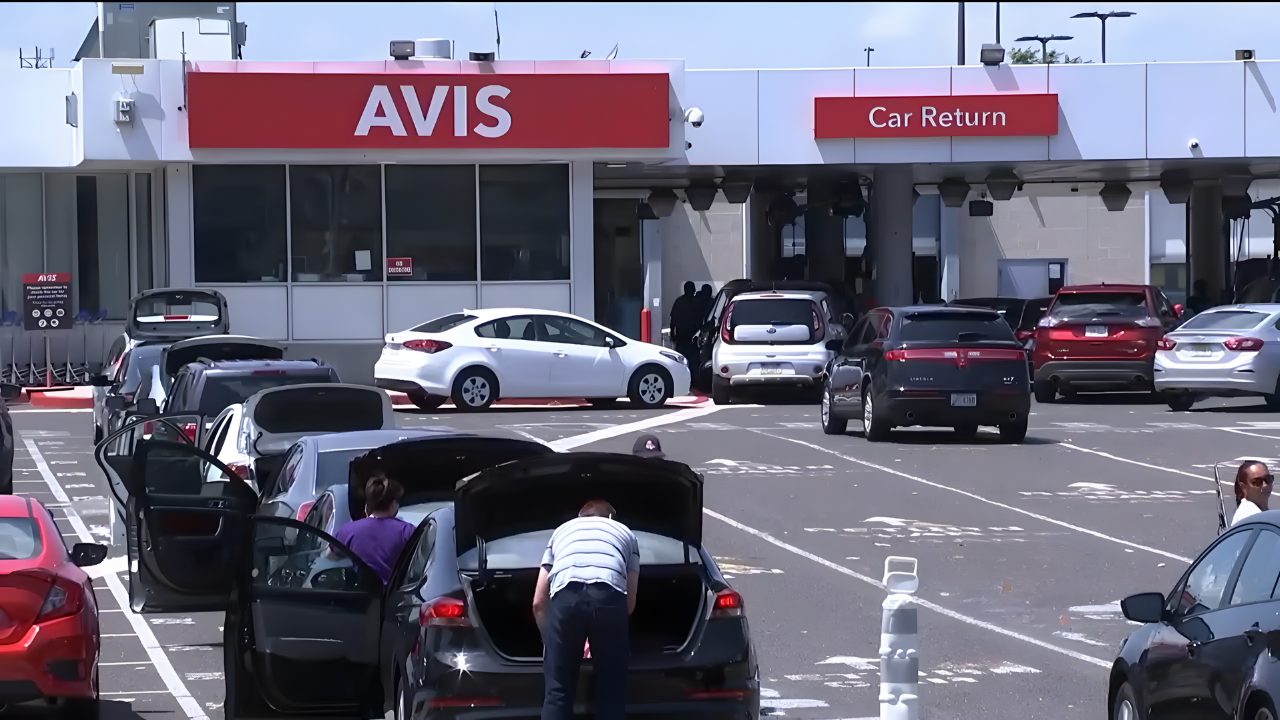
Fourteen thousand rental cars sat in lots across America at the end of Q4 2025, keys locked away, not earning a dime. Each one bled $338 a month in depreciation. No parts existed to fix them. No timeline to get them back on the road. Somewhere inside Avis Budget Group’s 10,000 locations, the math was turning catastrophic, and the company’s own CEO wouldn’t learn how bad it was until the quarter was already lost. The earnings call changed everything.
October Confidence

In October, Avis projected Americas rental days would grow roughly 3% in Q4, consistent with third-quarter trends. TSA passenger volumes supported it. CEO Brian Choi’s team had reason for optimism: the international segment was executing a genuine turnaround, and the company had slashed operational costs 15% the prior year. Full-year adjusted EBITDA guidance sat at $900 million. Investors were watching a company that looked like it had stabilized after a brutal Q1 loss of $93 million. Then the government shut down on October 1.
Demand Cliff
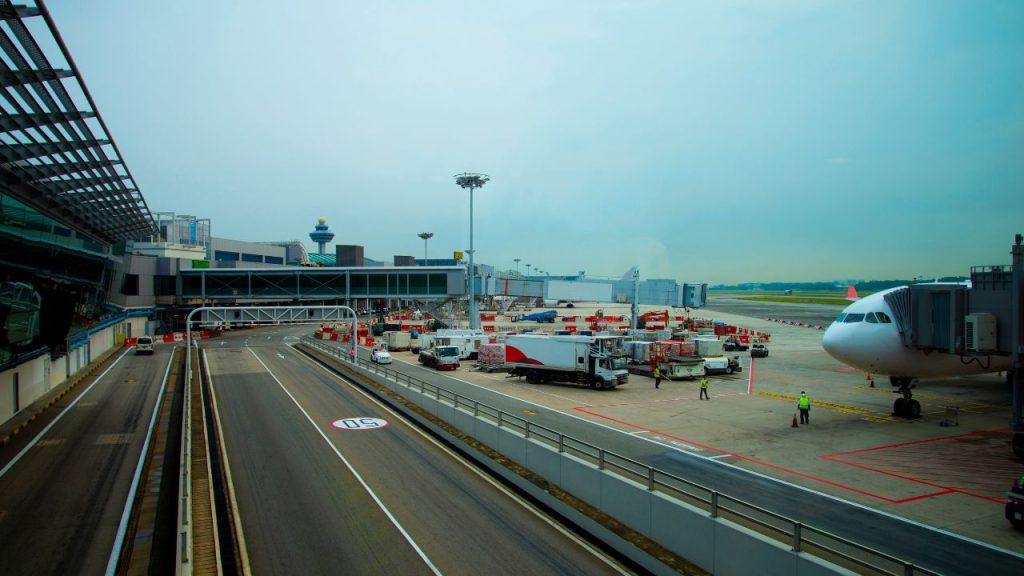
The shutdown triggered a chain reaction nobody at Avis modeled. FAA flight reductions ramped from 4% on November 7 to 10% by November 14 across 40 major airports. Controller staffing shortages drove roughly 60% of flight cancellations during the crisis’s first weekend. Airlines for America reported 5.2 million passengers disrupted between October 1 and November 9. Commercial rental days, Avis’s profit engine, didn’t soften. They cratered: down 11% in November alone. A 14-point swing from the company’s own forecast, in three weeks.
The Miss

Avis reported GAAP Q4 earnings of negative $21.25 per share, a figure driven largely by the $518 million EV impairment charge. On an adjusted basis, the company lost $4.69 per share against a Wall Street consensus of negative $0.38—a miss exceeding 1,100%. Full-year EBITDA landed at $748 million, $152 million below guidance. Revenue per day in the Americas fell 3.7%, nearly double the expected 2% decline. “We fell significantly short of guidance, that’s unacceptable and I have no excuses to offer,” Choi said. One quarter. $150 million in smoke.
Trapped Fleet

The hidden mechanism is brutal: a 507,000-vehicle fleet cannot shrink overnight. When demand vanished in November, Avis faced a choice between holding excess cars at $338 per unit monthly or dumping them into a collapsing used-vehicle market. CFO Daniel Cunha admitted the company “chose to defleet in November, despite unfavorable market conditions.” Manheim’s three-year-old vehicle MMR index declined nearly 2% in November, even as the overall wholesale index posted a modest gain. Selling into that softness cost an additional $60 million in depreciation losses and evaporated resale gains.
The Write-Down

Then came the second blow. Avis recorded a $518 million impairment charge on its U.S. electric vehicle fleet, one of the largest single-quarter fleet write-downs since Hertz’s 2020 bankruptcy proceedings. That charge alone wiped out 69% of the company’s full-year adjusted EBITDA. Federal EV tax credits expired September 30, 2025. Used EV prices face further declines in 2026 from lease-return oversupply. The company reportedly monetized $183 million in tax credits by selling EVs to a joint venture in December. Collecting credits on vehicles it deemed worthless. Combined with the $150 million EBITDA shortfall from guidance, the quarter’s total financial damage reached $668 million.
Ripple Effect

Avis stock fell more than 21% after the earnings report, closing near $97. Analyst consensus shifted to “Reduce.” But the damage extends beyond one ticker symbol. Hertz carries similar EV exposure on a more stressed balance sheet. Enterprise faces identical defleeting pressures. Fitch flagged 8.5 million vehicle recalls in Q3 2025 as an industry-wide headwind. Smaller operators under Avis’s own umbrella, including Budget Truck, face integration pressure or divestiture. The $668 million shock is Avis’s bill. The structural vulnerability belongs to every fleet operator.
Broken Models

The deeper story isn’t one bad quarter. A company with 10,000 locations and more than half a million vehicles had zero demand visibility 30 days out. October’s +3% growth forecast inverted to November’s -11% reality before anyone could adjust fleet size, pricing, or staffing. That 14-point swing suggests the rental industry’s entire profitability model, built on accurate demand forecasting and rapid fleet adjustment, breaks the moment either variable fails. Both failed simultaneously. Once you see that fragility, every forward guidance number in capital-intensive travel looks different.
Spring Pressure

Management telegraphed “elevated disposition activity through peak tax refund season in March and April.” Translation: Avis plans to dump more vehicles into the used market during the narrow window when buyers have cash. If prices don’t recover from November’s lows, Q1 2026 compounds Q4’s losses. Used vehicle volatility in late 2025 already echoed the wild swings of the 2021-2023 semiconductor shortage period. EV manufacturers face stalling fleet orders as operators pull back. The recall gridlock persists with no parts timeline. Every domino is still falling.
Permanent Fragility

Avis announced a Waymo autonomous ride-hailing partnership and a premium concierge service called Avis First. Both are hedges against repeat demand shocks. Neither solves the core problem: large fleet operators cannot adjust supply without massive losses when demand and vehicle prices drop together. The company cut costs 15% in 2024. It still missed $150 million in 90 days. That is the framework most investors haven’t absorbed yet. Scale buys efficiency. It does not buy resilience. And the next government shutdown is never more than one budget vote away.
Sources:
“Avis Budget Group Reports Fourth Quarter and Full Year Results.” Avis Budget Group, 18 Feb 2026.
“Earnings Call Transcript: Avis Budget Group Q4 2025 Reveals Significant EPS Miss.” Investing.com, 19 Feb 2026.
“Manheim Used Vehicle Value Index: November 2025 Trends.” Cox Automotive, 17 Feb 2026.
“FAA to Reduce Flights by 10 Percent as US Government Shutdown Drags On.” Al Jazeera, 5 Nov 2025.