1.73 Million Cars Repossessed As $776 Monthly Payments Hit Record—Worst Auto Crisis Since 2009
The American auto market is facing its toughest crisis in 16 years. Vehicle repossessions surged to 1.73 million in 2024, the highest level since the 2009 financial collapse, while average monthly payments on new cars hit $776 in December 2025, a record. Younger millennials are seeing payments soar nearly 60% since 2019, leaving few affordable options. Industry analysts warn that high prices, tighter credit, and long-term loans are reshaping who can buy a car in the U.S., with consequences already visible.
Average Payments Climb to $776

The average new vehicle price reached $50,318 in December 2025, per Kelley Blue Book, with monthly finance payments averaging $776, J.D. Power reported in its December forecast. January 2026 saw transaction prices at $49,191, the highest January figure on record per Cox Automotive on February 3, 2026. Thomas King of J.D. Power said, “Affordability pressures remain significant, with monthly finance payments reaching a new record for the month of December at $776.” These rising costs strain households. The pressure is especially acute for younger buyers entering the market as prices continue to climb.
Millennials Face Soaring Payment Burdens

Millennials aged 30 to 36 saw monthly car payments rise nearly nearly 60% since 2019, Bank of America Institute data reported by TheStreet on February 22, 2026, shows. Older millennials and Gen Z experienced 40% increases. Almost half of U.S. drivers say car costs prevent saving. Twenty percent of households now spend over $1,000 per month on car payments. Millennials carry the highest average auto loan balance of $22,627, Experian reported in Q3 2024. Bank of America said rising costs relate to “building families and scaling up their vehicles.” Lower-income buyers are largely excluded from the new-car market.
Entry-Level Vehicles Disappear
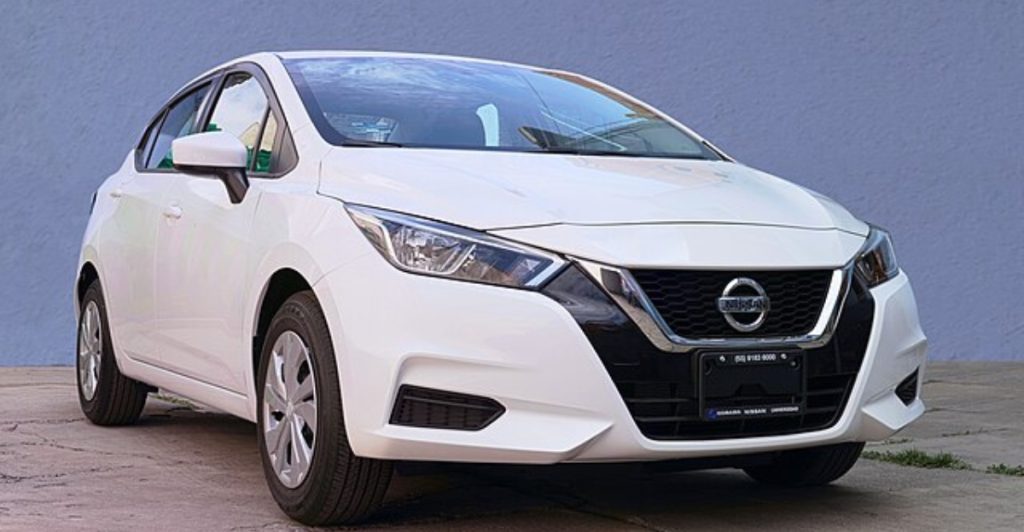
Only one new car remains under $20,000: the stripped-down 2025 Nissan Versa, TheStreet reported on February 13, 2026. Ten years ago, multiple sedans and hatchbacks fit entry-level budgets. The current average new vehicle costs more than $49,000. Households earning under $75,000 fell from 37% of new-car buyers in 2019 to 26% by 2025. Households earning over $150,000 rose from 30% to 43%, according to industry data. J.D. Power analyst Tyson Jominy asked, “Is there a breaking point where you just push prices past what the average consumer can afford?” Affordability pressures are reshaping the market.
84-Month Loans Extend Payments, Create Risk

Nearly one in five new-car buyers took 84-month loans in Q1 2025, reaching 19.8%, Edmunds reported April 3, 2025. These seven-year loans lower monthly payments but extend negative equity for years. December 2025 saw 10.1% of financed sales on 84-month terms, J.D. Power reported last year. Ivan Drury, Edmunds director of insights, explained, “Extending loan terms are increasingly used to manage higher balances… this delays equity recovery and increases likelihood negative equity will carry over again in the future.” Buyers remain exposed to declining vehicle values while trying to manage monthly costs.
Negative Equity Reaches New Heights

In Q4 2025, 29.3% of trade-ins carried negative equity, Edmunds data reported January 2026 shows. Borrowers owed an average of $7,214 above vehicle value, creating refinancing cycles. Forty percent of these purchases used 84-month terms, locking buyers into long-term debt. Rising interest rates worsened the situation, with subprime APRs exceeding 14% in late 2025. Millennials are especially affected, rolling over debt into each new vehicle. Extended loan terms combined with negative equity trap borrowers in long-term financial strain, leaving many unable to build savings or escape cycles of high monthly payments.
Credit Access Narrows for Many Borrowers

Banks and credit unions reduced auto lending for nine consecutive quarters through Q4 2025, S&P Global Mobility reported in December 2025. The pullback deepened the $1 billion collapse of subprime lender Tricolor in September 2025, though lender caution had been building well before the bankruptcy. Subprime delinquencies reached 6.65% in October 2025, Money.com reported November 16, 2025. Meanwhile, super-prime borrowers with 720+ FICO scores accessed cheap credit at a two-year high. Wealthy buyers secured favorable loans while near-prime and subprime borrowers faced higher rates or were excluded. This created a market divided by credit quality and income.
Millennials Seek Debt Counseling in Record Numbers

Millennials make up 43% of new debt counseling clients at Money Management International, despite being 25% of adults, MMI data shows. They carry $30,000 in unsecured debt and the highest average auto loan at $22,627, Experian reported in Q3 2024. Gen Z spends 13.4% of income on car payments alone. Financial advisors describe millennials as “drowning in debt earlier than any generation before.” Extended auto loans, student debt, and credit card balances compound financial pressure as families grow. Many are already underwater while trying to meet household expenses.
2026 Sales Forecast Shows Softening Demand

Cox Automotive projects 15.8 million new vehicle sales in 2026, down 2.4% from 2025. Repossessions are expected to rise as loans from the 2021–2023 price peak mature. Used vehicle values may decline, worsening negative equity for owners. Federal Reserve rate cuts have not significantly reduced auto loan APRs because lenders maintain elevated rates. Analysts debate whether prices will fall or the market will face partial credit stress, though systemic risk is lower than the 2008 housing crisis. Affordability challenges will continue shaping who can buy and finance new vehicles.
Wealth Determines Market Access

Households earning over $150,000 now make up 43% of new-car buyers, up from 30% in 2019. Households under $75,000 fell from 37% to 26%, per automotive sales data. Automakers eliminated sub-$20,000 vehicles to maximize profit. Younger millennials face a choice: take on $50,000+ debt or leave the new-car market. Repossessions reached 1.73 million in 2024, and delinquencies continue to climb. Defaults will rise, and affordability will continue separating buyers by income. The market now reflects a clear divide between what Americans earn and what vehicles cost.
Sources:
Car repossessions went up 43% over two years as high prices squeeze Americans. Yahoo Finance, Jan. 17, 2026
Car Repossessions Surged Last Year to Highest Level Since 2009. Bloomberg, March 26, 2025
J.D. Power-GlobalData Forecast December 2025. Yahoo Finance, Dec. 26, 2025
Kelley Blue Book Report: As America Spends a Record $15 Billion on New Vehicles. Cox Automotive, Jan. 11, 2026
Younger millennials have it the worst with this auto loan trend. TheStreet, Feb. 22, 2026
Late Car Payments Are Piling Up at Record Levels. Money, Nov. 16, 2025