Saudi Arabia’s $8B Tesla Rival Guts US Workforce—2,500 Laid Off After $2.6B Loss
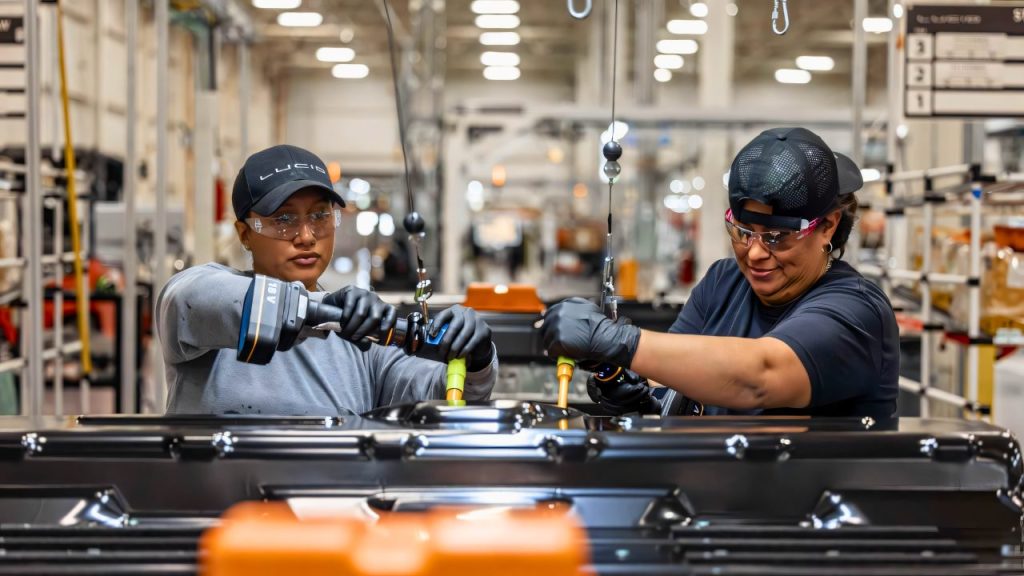
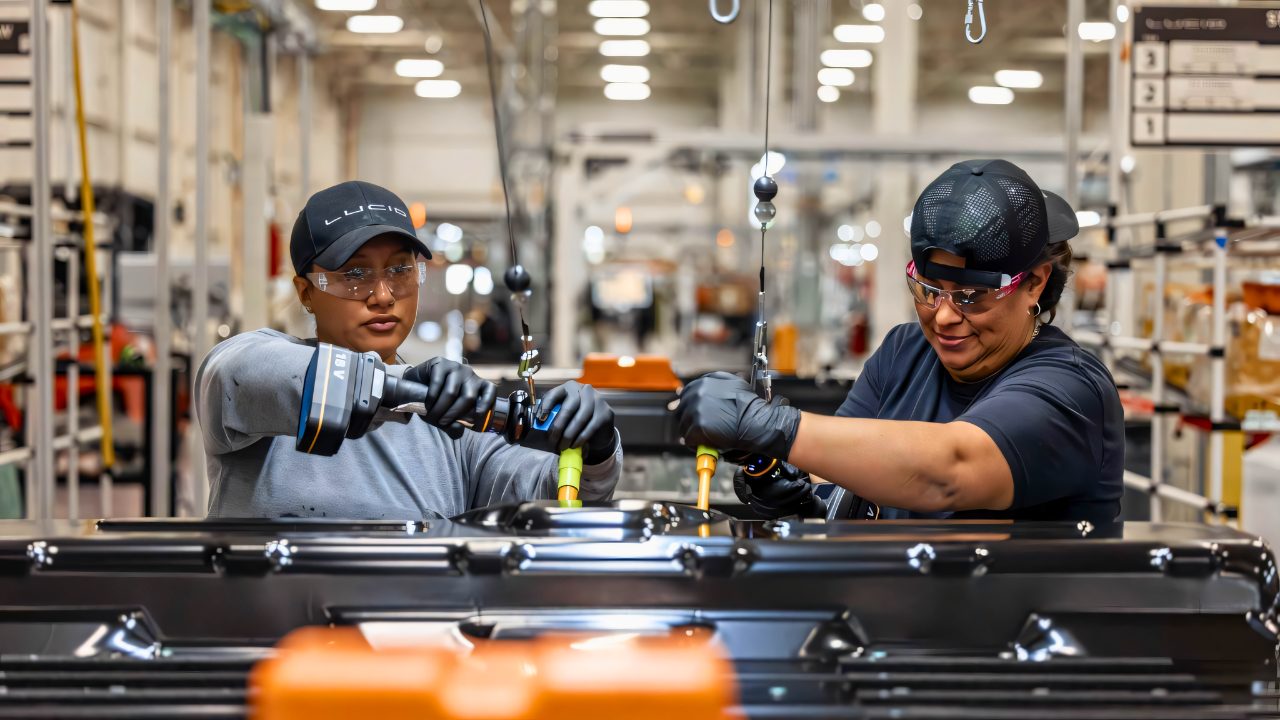
The memo landed after markets closed. Interim CEO Marc Winterhoff told Lucid’s remaining staff that about 800 salaried workers were gone, effective immediately. Severance, bonuses, health benefits. The standard corporate kindness package wrapped around a gut punch. Manufacturing and logistics crews kept their jobs. The engineers, the software developers, the people who were supposed to build the future of American electric vehicles? They cleaned out desks while the parking lot emptied. Four days before Lucid’s Q4 earnings call, somebody wanted the books lighter.
Third Round
This wasn’t Lucid’s first Friday bloodletting. In March 2023, CEO Peter Rawlinson cut about 1,300 workers, 18% of staff, after warning the cash was running thin. In May 2024, another roughly 400 positions vanished. Now about 800 more. Since March 2023, Lucid has conducted three formal layoff rounds, shedding roughly 2,500 workers and more than a third of its peak workforce in just 36 months. Each round came with the same promise: this gets us to profitability. Each round produced the same result. Another round.
Production Mirage
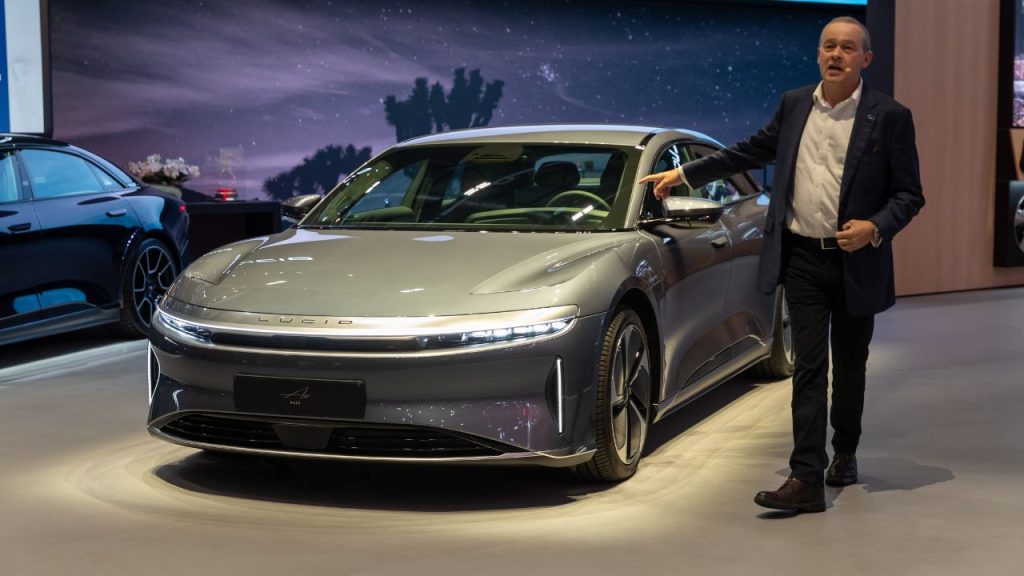
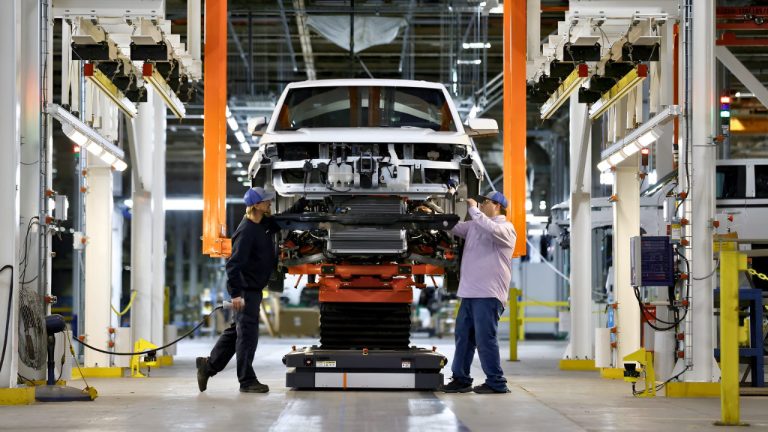
The strange part is that Lucid’s factory was humming. The company produced 18,378 vehicles in 2025, more than double its 2024 output. Total production hit 8,412 units in Q4 alone. By every production metric, Lucid was scaling. And yet the losses accelerated. More cars built, more money burned. That contradiction should have killed the assumption that Lucid just needed volume to turn the corner. Doubling output didn’t halve the problem. It doubled the cost of discovering the problem was structural.
Strategy Unchanged
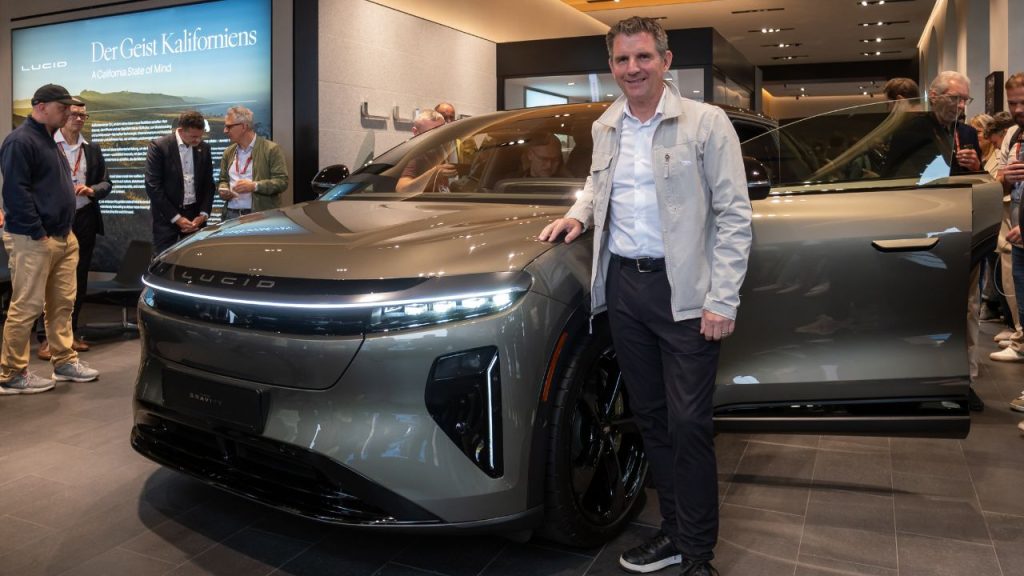
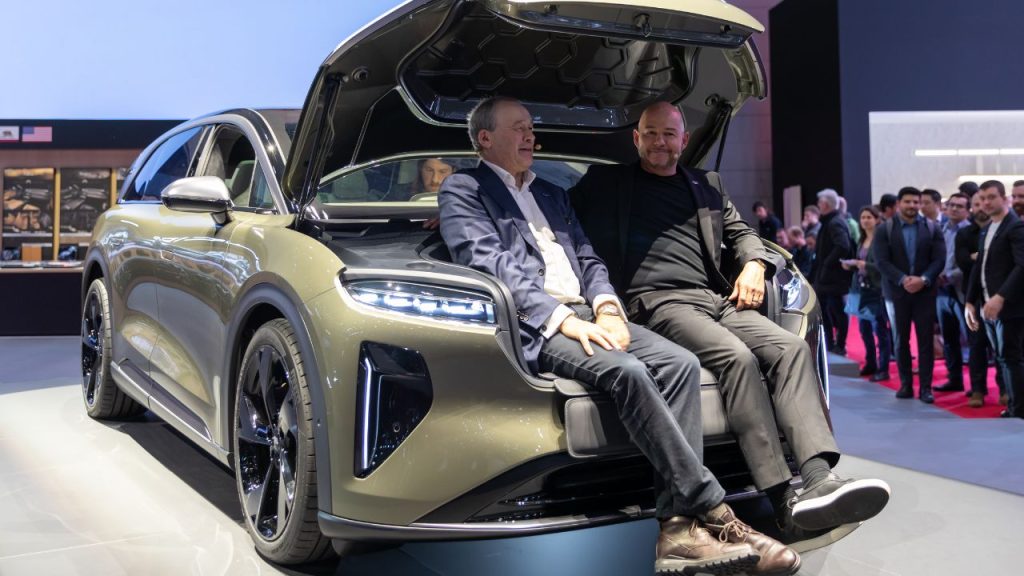
Winterhoff’s memo included a line that deserves framing: “Our core priorities remain unchanged.” Unchanged. While roughly 37% of the workforce disappeared across three layoff rounds. While 13 senior executives at the C‑suite or VP level walked out since October 2023. While the permanent CEO seat sat empty for nearly a year after Rawlinson’s abrupt resignation. The strategy that produced a $1.88 billion net loss through the first three quarters of 2025, on pace to exceed roughly $2.6 billion for the full year. Unchanged. That’s not reassurance. That’s a confession. The strategy is the problem, and nobody left in the building has the authority to say so.
The Margin Truth

Lucid’s gross margins stand at deeply negative levels on a trailing twelve-month basis, with recent quarters showing gross margins near or worse than minus 100%. Absorb that. For every dollar of revenue Lucid generates, it has been spending close to or more than two dollars just on production costs, before a single executive salary, before marketing, before R&D. Luxury pricing was supposed to offset low volume. Instead, the engineering cost baked into every Air and Gravity is so high that selling more vehicles means losing more money. Tesla cracked this equation through vertical integration and scale. Lucid tried to skip that step with Saudi cash.
Saudi Lifeline
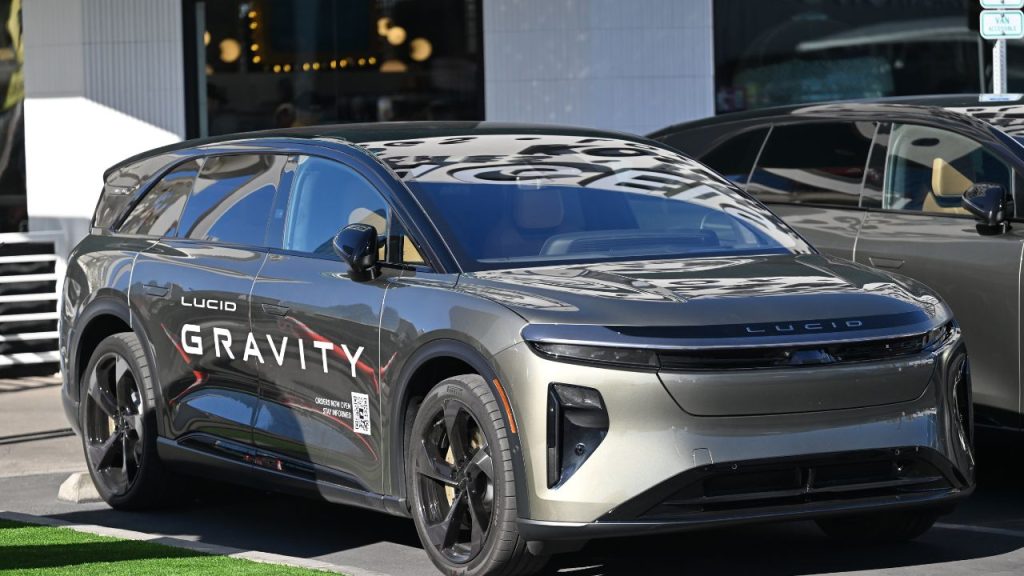
Saudi Arabia’s Public Investment Fund owns more than 50% of Lucid and has poured over $8 billion into the company since 2018, including major equity and structured financing rounds. That backing is the only reason Lucid still exists. At roughly $850 million in quarterly cash burn on recent figures, the company would exhaust its reserves within about two years without PIF support. Bank of America slashed its price target to $1 per share, down from $3, after Rawlinson left. One dollar. The market isn’t pricing a turnaround. It’s pricing a geopolitical subsidy.
Ripple Outward
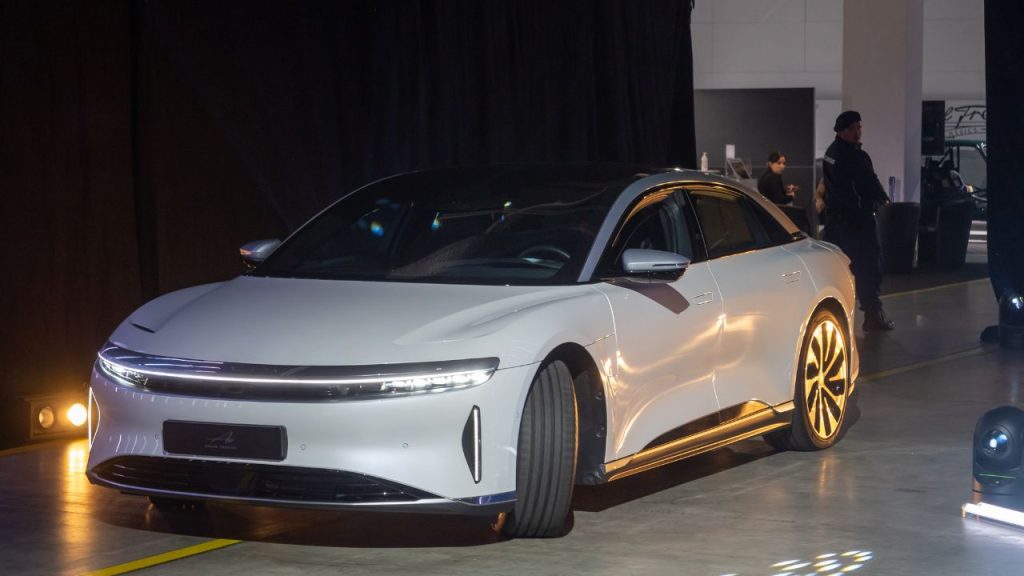
The damage extends well past Lucid’s headquarters. Communities tied to Lucid’s operations face the loss of about 800 direct salaried jobs plus hundreds more in the supplier chain. Lucid’s robotaxi partnership with Uber, promising 20,000‑plus vehicles over six years, now depends on a company that can’t stop shrinking. Customers who bought an Air or Gravity face collapsing resale values and growing uncertainty about long-term service. Suppliers are quietly tightening payment terms. And Rivian, the only other publicly traded EV startup of comparable scale, is watching the same math close in.
New Rule
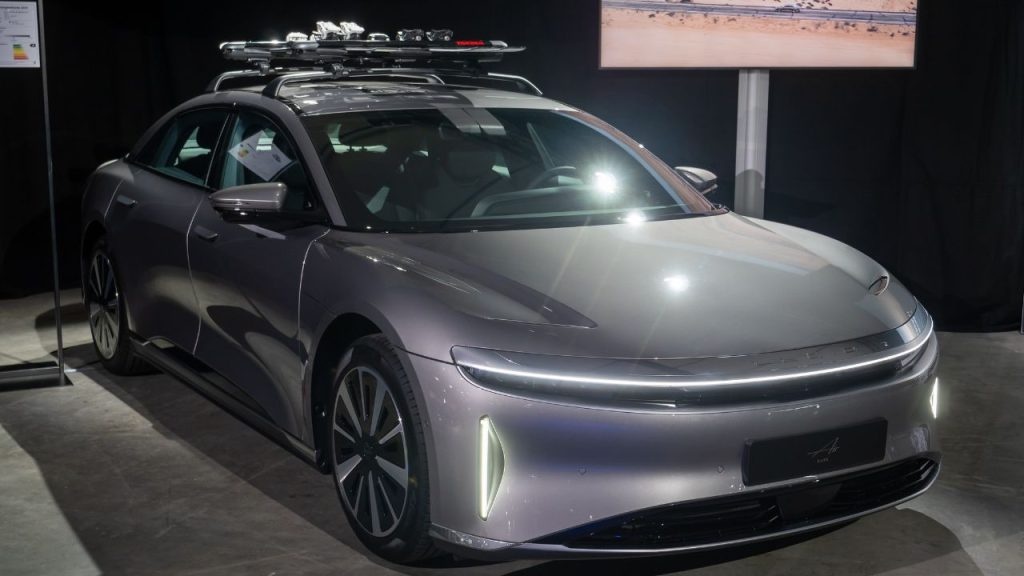
Lucid’s trajectory isn’t an outlier. It’s a verdict on the entire EV startup model. Fisker already filed for bankruptcy. Ford has racked up more than $10 billion in cumulative losses in its EV division over recent years. GM took a $6 billion charge tied to its EV and battery operations in a single quarter. The pattern is now undeniable: building electric vehicles profitably requires either Tesla’s vertically integrated empire or a legacy automaker’s combustion-engine profits to absorb losses. There is no viable middle ground. Lucid had the best possible conditions for a startup, Saudi billions, Tesla engineering pedigree, luxury positioning, and still couldn’t escape the trap.
Countdown
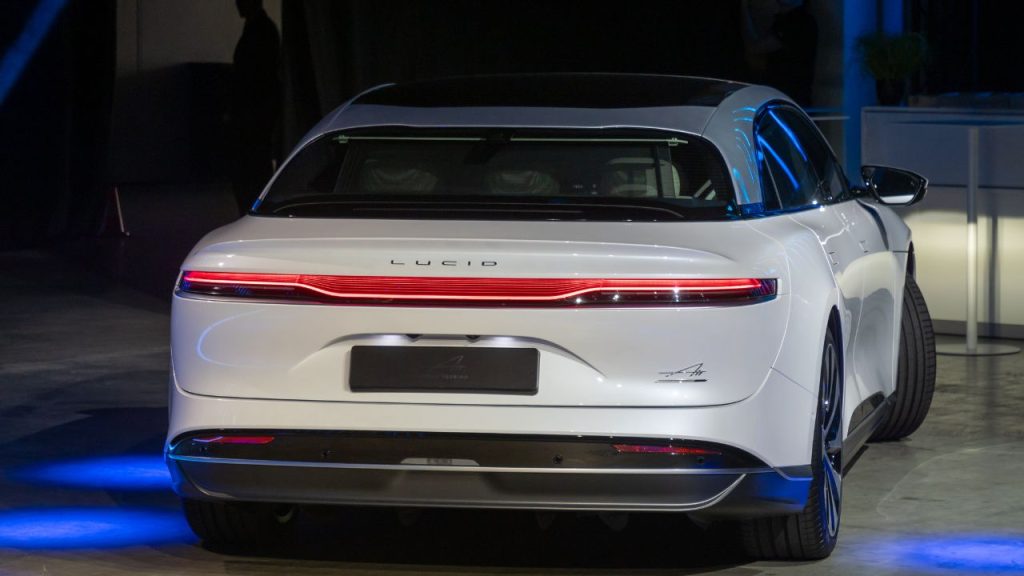
Lucid’s Q4 earnings drop February 24. If losses exceed the roughly $850 million quarterly pace, forced selling could crater the stock past $5. Investor Day follows March 12, where the promised midsize platform, a $50,000 EV meant to finally deliver volume, either materializes or slips again. The Saudi facility is supposed to start full production in 2026, ramping toward 150,000 annual units by 2029. Every one of those timelines depends on a company running without a permanent CEO, bleeding executives, and now missing another 800 workers.
The Real Bet
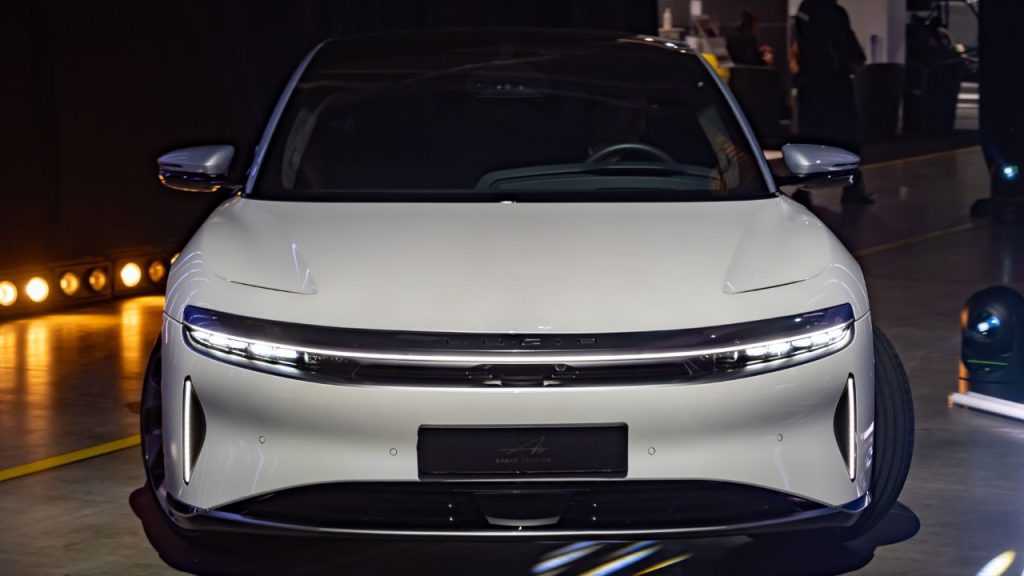
Only 86% of Lucid’s 2025 production converted to customer deliveries: 15,841 sold out of 18,378 built. The company is producing cars faster than people want them. That gap reveals the final illusion. Lucid’s crisis isn’t just cost structure or leadership chaos. It’s demand. Saudi Arabia isn’t betting $8 billion that Lucid can build great cars. It’s betting that Americans will buy them. If PIF ever stops writing checks, analysts give Lucid roughly six months. The person who understands that understands more about the EV industry than most Wall Street desks.
Sources:
“Lucid trims 12% of US workforce in profitability push.” Reuters, 20 Feb 2026.
“Lucid Announces Q4 Production & Deliveries, Sets Date for Fourth Quarter 2025 Results.” Lucid Group / PR Newswire, 5 Jan 2026.
“Lucid Expands Global Footprint With Saudi Manufacturing Push.” Nasdaq, 18 Jan 2026.
“Lucid (LCID) Earnings Q3 2025.” CNBC, 5 Nov 2025.