Toyota Bets $10B On EVs While 44.9% Of Sales Already Run On Hybrids
Toyota just made a $10 billion promise to go electric in America, and then, almost in the same breath, quietly poured $912 million into building more hybrids. That contradiction tells you everything about where the auto industry actually stands right now. The company’s electrified vehicles already account for 44.9% of its U.S. sales, and almost all of them have gas engines under the hood.
With the broader EV market in freefall after federal tax credits expired, Toyota is playing a game no other automaker can: betting on the future while profiting from the present. What looks like indecision is starting to look like the smartest play in Detroit, or rather, Georgetown, Kentucky.
A $13.9 Billion Battery Plant

On November 12, 2025, Toyota opened its first American battery manufacturing facility, a $13.9 billion complex sprawling across Randolph County, North Carolina. Ted Ogawa, president and CEO of Toyota Motor North America, called it “a pivotal moment in our company’s history”.
The plant will supply battery cells for domestically assembled electrified vehicles, underpinning Toyota’s commitment to invest up to $10 billion in the U.S. through 2030. It was the kind of announcement that screams future. But what happened six days later told a very different story.
The $912 Million Secret
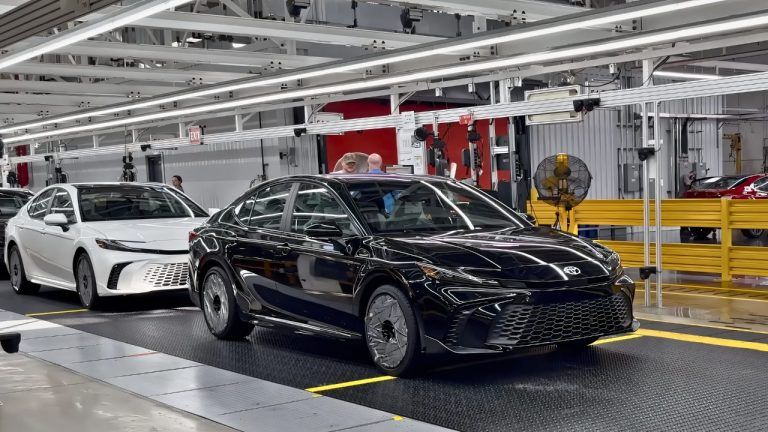
On November 18, Toyota revealed $912 million in new investments across five U.S. plants in West Virginia, Kentucky, Mississippi, Tennessee, and Missouri—all earmarked for hybrid production, not EVs. The single largest chunk, $453 million, went to West Virginia for hybrid engine and transaxle manufacturing. Kevin Voelkel, senior vice president of manufacturing operations, put it plainly: “Customers are embracing Toyota’s hybrid vehicles, and our U.S. manufacturing teams are gearing up to meet that growing demand”.
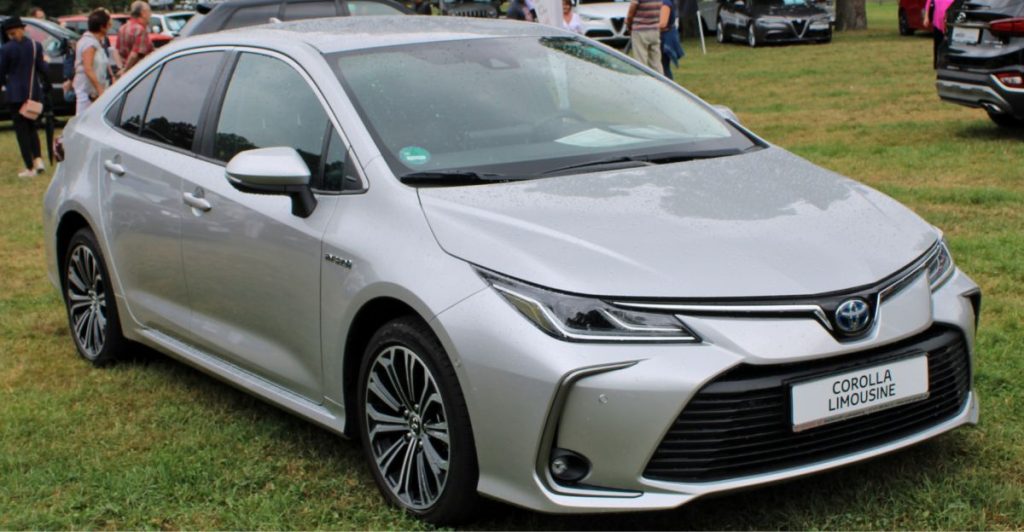
Nobody put out a press blast. The expansion adds 252 jobs and brings hybrid Corollas to Mississippi for the first time, proof that Toyota’s real growth engine still runs on both gasoline and electricity.
Toyota’s Sold Have a Plug or a Battery

The numbers are staggering when laid out. In Q3 2025, Toyota sold 282,794 electrified vehicles in the United States, accounting for 44.9% of its total sales volume, up 10.5% year over year. One quarter earlier, that share hit 48.1%, with electrified sales surging 29.7% over 2024.
The detail that changes the picture is that of those nearly 283,000 electrified units in Q3, only 5,032 were pure battery-electric vehicles. The rest were hybrids. Toyota isn’t winning the EV race. It’s winning a different race entirely, and doing it at scale.
Then the EV Market Fell Off a Cliff
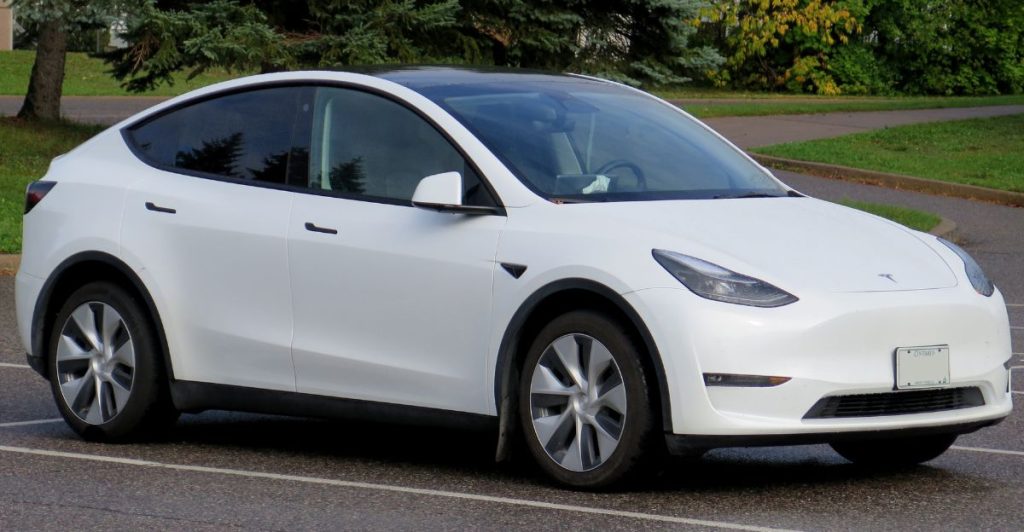
Everything changed on September 30, 2025, when federal EV tax credits worth up to $7,500 per vehicle expired. The impact was immediate and brutal. U.S. battery-electric market share plunged from a record 10.5% in Q3 to just 5.7% in Q4. Total EV sales cratered from 437,487 units to 234,171 in a single quarter. Of nearly 90 EV models available in showrooms, only the Tesla Model Y and Model 3 managed to clear 10,000 sales.
An industry that had been building factories, hiring engineers, and making trillion-dollar bets on an all-electric future suddenly discovered how much of that demand had been underwritten by the federal government.
EV Segment Tesla Abandoned
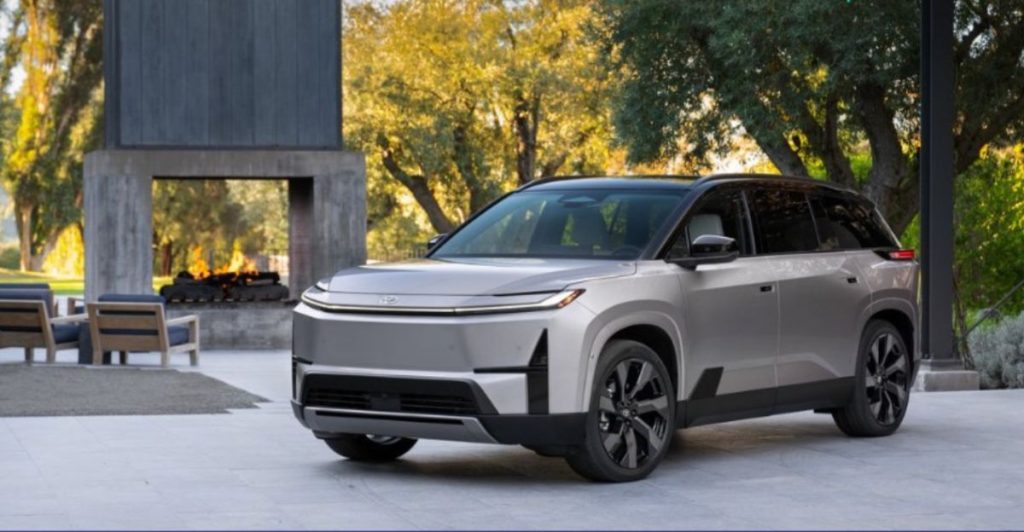
In February 2026, Toyota unveiled the 2027 Highlander EV, a fully electric three-row SUV with up to 320 miles of range, and the company’s first EV assembled on American soil. It will roll off the line at Toyota’s largest global plant in Georgetown, Kentucky. The timing borders on poetic: just weeks earlier, Tesla announced it was killing the Model S sedan and Model X SUV, vacating the large-vehicle EV segment entirely.
Toyota didn’t stumble into an opening. It walked in after the previous tenant moved out, with a factory already running and batteries rolling off a brand-new production line 500 miles away in North Carolina.
The Profit Engine That Funds Everything Else
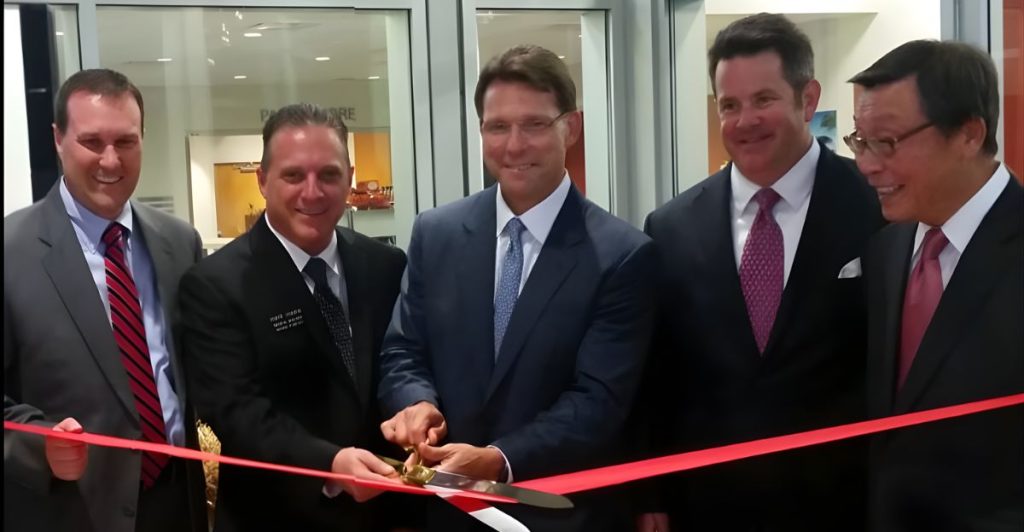
Toyota’s hybrid dominance isn’t just a market-share story; it’s a balance-sheet story. The company offers more than 30 electrified models across Toyota and Lexus, more than any full-line automaker. In October 2025, Andrew Gilleland, senior vice president at Toyota Motor North America, said electrified vehicles were “nearing 50% of our sales” and that “vehicles are selling as fast as we build them”.
Toyota also maintained among the lowest incentive spending of any major manufacturer during this period, meaning customers were paying close to full price. That’s a rare margin in an industry drowning in EV discounts.
Automakers Who Went All-In
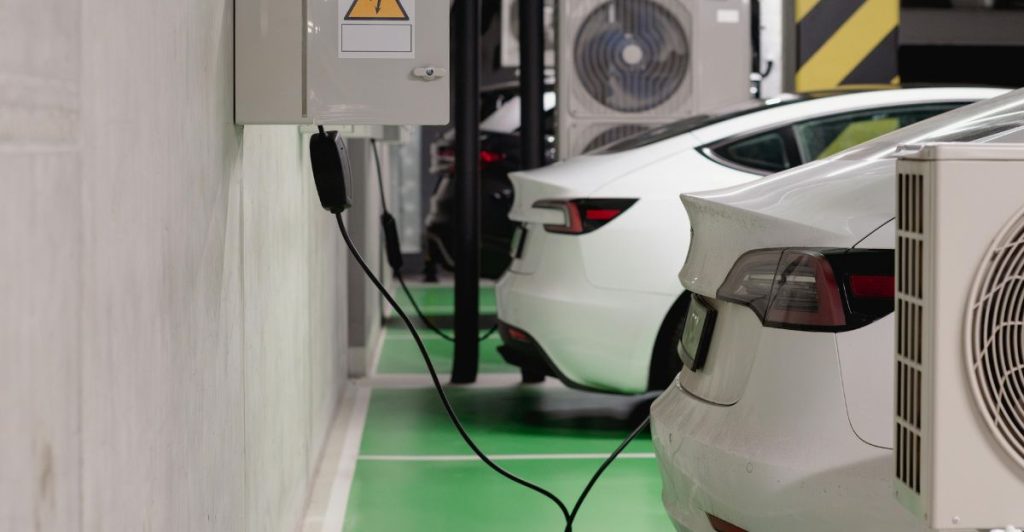
The companies that bet everything on battery-electric are now recalibrating. Ford’s Q4 2025 EV sales dropped to 14,513 units, less than half its Q3 total of 30,612. Hyundai Motor Group fell from 48,650 EV sales in Q3 to approximately 14,000 in Q4. Dealers across the country ended the year staring at lots full of unsold 2024 and 2025 EV inventory. GM paused new EV launches, and Ford pulled back electrification timelines.
The playbook that every automaker copied—commit fully to EVs, move fast, worry about profitability later—ran headfirst into a market that wasn’t ready to follow.
The Multi-Pathway Bet That Used to Be a Punchline
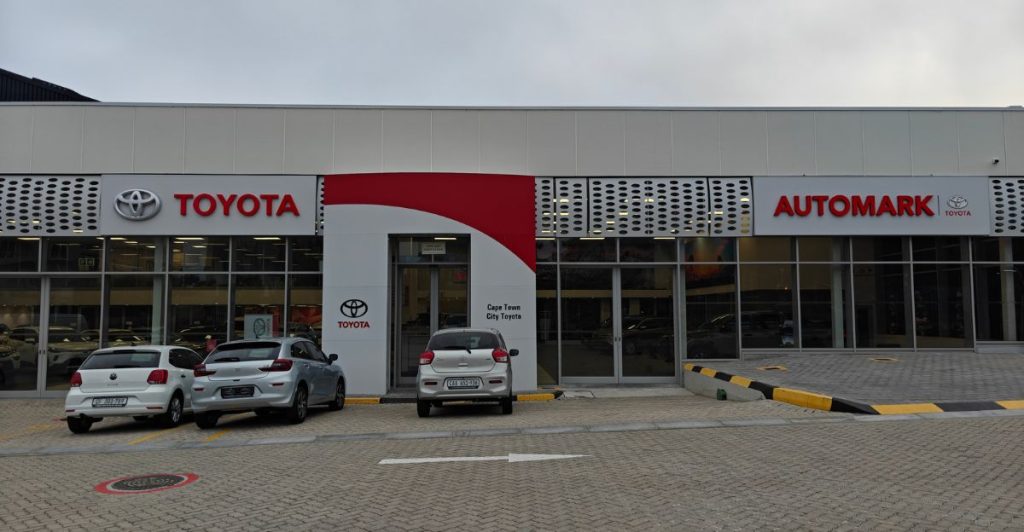
For nearly a decade, analysts and EV advocates mocked Toyota’s “multi-pathway powertrain strategy” as a polite way of saying the company was afraid to commit. That criticism looks different today. Toyota currently assembles about half of the vehicles it sells in the U.S., with its North American facilities accounting for more than 76% of domestic sales volume.
The $912 million hybrid expansion will bring new production capacity online through 2027 and 2028, including nearly 500,000 units of annual hybrid transaxle capacity in Tennessee alone. If EV demand surges, Toyota has the batteries. If hybrid demand holds, Toyota has the factories. The strategy isn’t hedging; it’s optionality, built in steel and concrete.
Where This Road Actually Leads
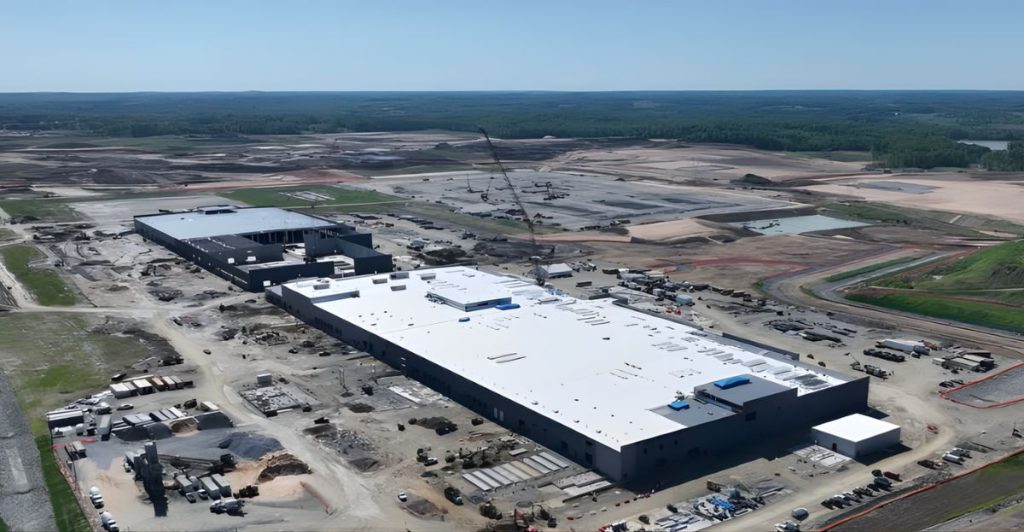
Toyota closed 2025 with more than 2.5 million U.S. sales, an 8% year-over-year increase, driven largely by electrified demand. The 2027 Highlander EV will be the first real test of whether the company can convert hybrid loyalty into battery-electric volume. Meanwhile, the North Carolina battery plant is ramping production to supply both hybrid and EV platforms simultaneously.
Toyota enters 2026 in a position almost no other automaker occupies: generating enough profit from hybrids to fund an EV transition on its own terms, with the manufacturing flexibility to pivot based on where buyers actually show up. The company that was supposedly too slow may have simply been waiting for everyone else to go first.
Sources
“Toyota Charges into U.S. Battery Manufacturing,” Toyota Pressroom, November 11, 2025
“Toyota Boosts Hybrid Production with $912 Million Investment, Creating 252 New U.S. Manufacturing Jobs,” Toyota Pressroom, November 17, 2025
“Toyota Motor North America Reports September, Third Quarter 2025 U.S. Sales Results,” Toyota Pressroom, September 30, 2025
“Toyota opens US battery plant, confirms $10 billion investment plan,” Reuters, November 12, 2025
“Despite Q4 Collapse, 2025 EV Sales Decline Only 2% Versus 2024,” Cox Automotive, January 2, 2026
“With Model S And Model X Axed, Thin Tesla Lineup Gets Thinner,” Forbes, January 29, 2026