Polestar Addresses Interior Adjustments Ahead of Screen Concerns
Polestar addresses interior adjustments ahead of screen concerns spreading further, with the company putting effort into cabin tweaks now. Owners mention how screens handle too much, leaving buttons scarce and glances constant. The interiors get fixes to ease that, making things less screen-heavy maybe. It feels like a steady response inside Polestar, reusing those screen elements but balancing interiors better. The adjustments repeat the need for calm before more talk builds up. Sort of empty but it works.
Tesla Model Y
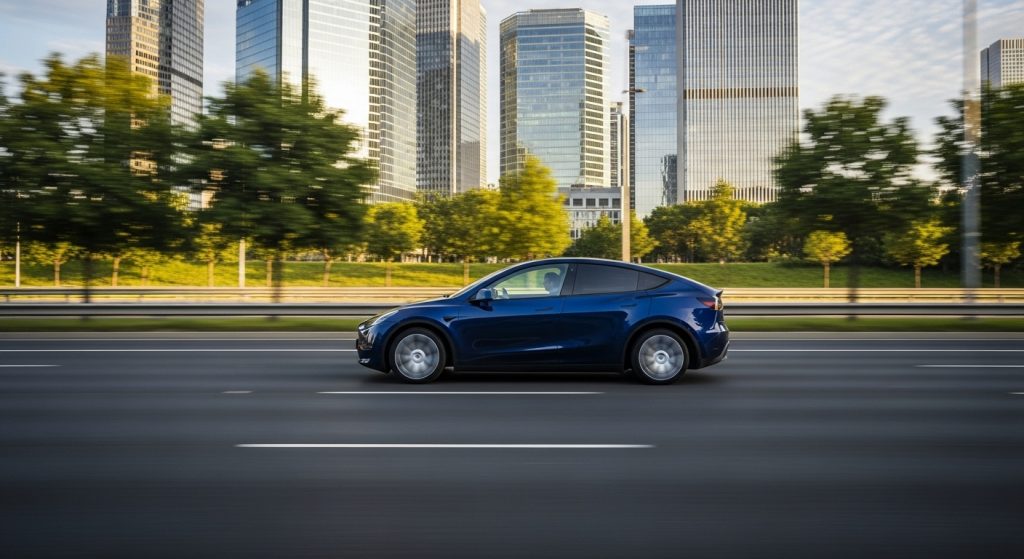
Tesla Model Y packs a huge screen that runs the show, feeling like the car’s brain is right there in front of you. Owning it means tapping for wipers or heat, which starts convenient but repeats into distraction on busy streets. It softens your drive into screen time mostly. Uncertainty lingers if that’s better or just different. Sometimes it lags, adding to the mild contradiction.
Rivian R1S
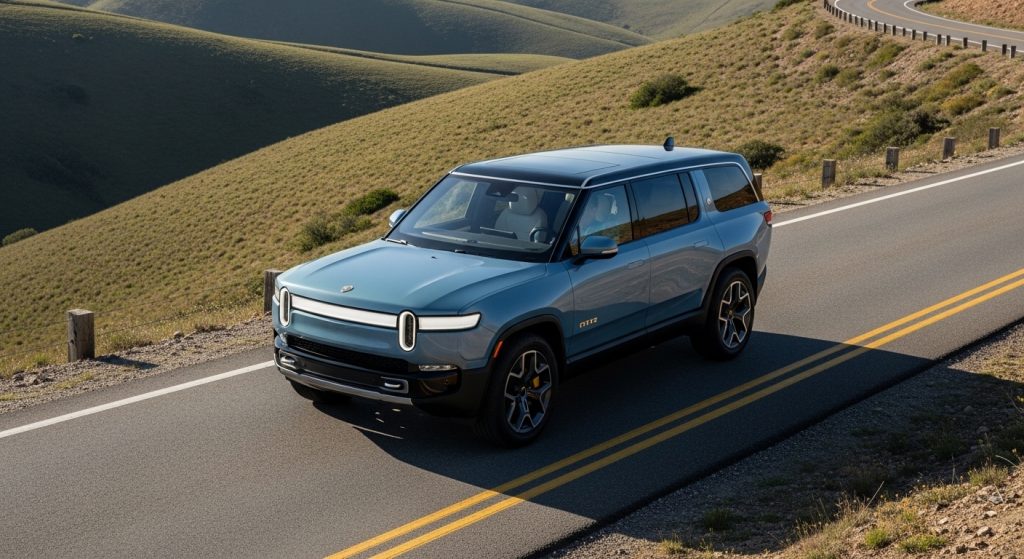
Rivian R1S stacks screens tall in the dash, making family hauls feel tech-loaded and adventurous. Being inside, you sense the screens pulling attention from kids in back, softly demanding inputs for seats or air. The repetition of vertical glances builds quietly. Not sure how it holds up over years. Feels powerful yet fiddly.
Lucid Gravity
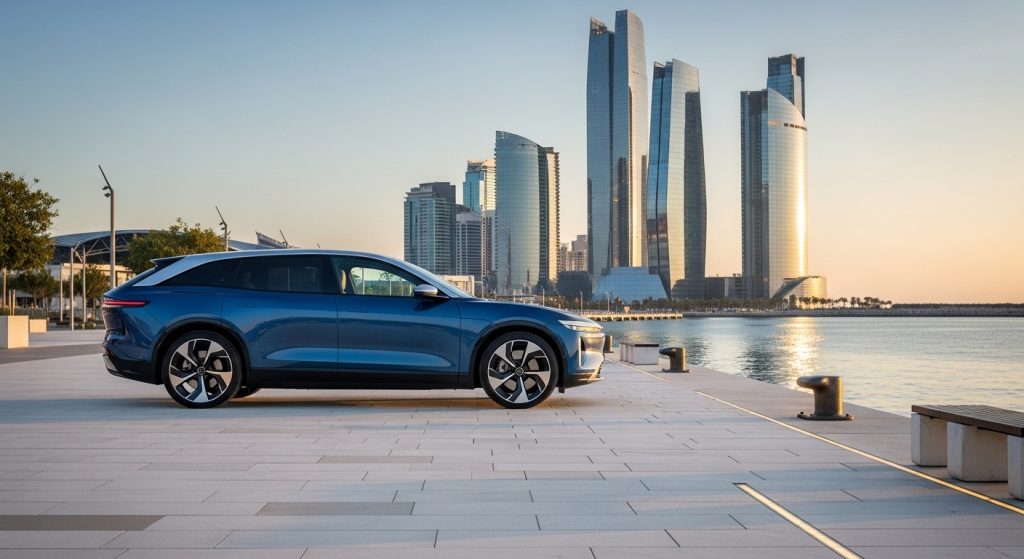
Lucid Gravity promises wide screens in a SUV shape, existing as luxury on wheels with pixel control everywhere. Experiencing it might mean smooth menus that hide basics sometimes, repeating that premium tug. It bends toward voice help but eyes wander back. Mild uncertainty in daily use. Adds a bit that doesn’t tie in fully.
BMW i7
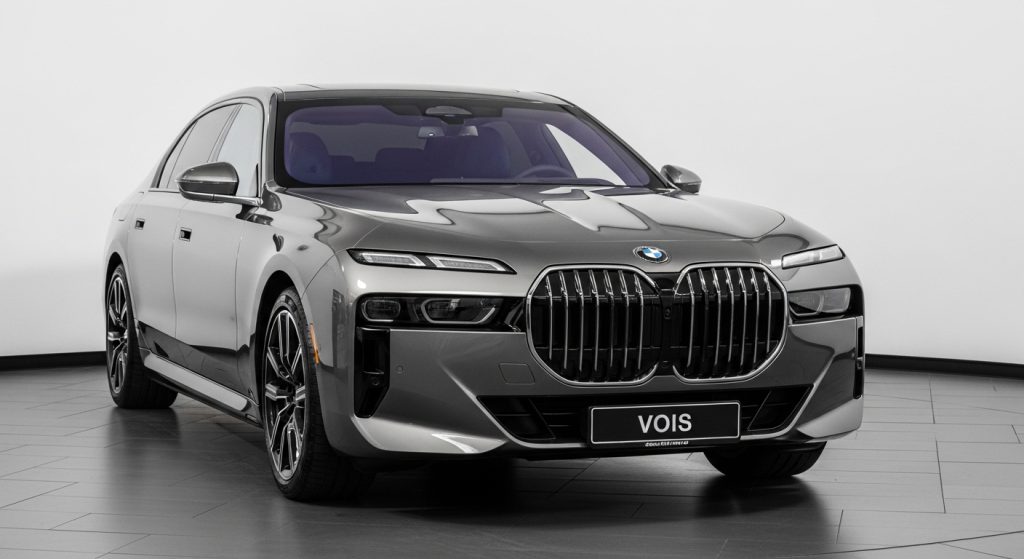
BMW i7 curves its display across the front, feeling opulent with screens tying into theater mode for rears. Owning one, the front bends to touch for everything, softening traditional knobs away. Repetition in nav checks feels unnecessary at times. Contradictory elegance. Leaves it hanging.
Mercedes EQE SUV
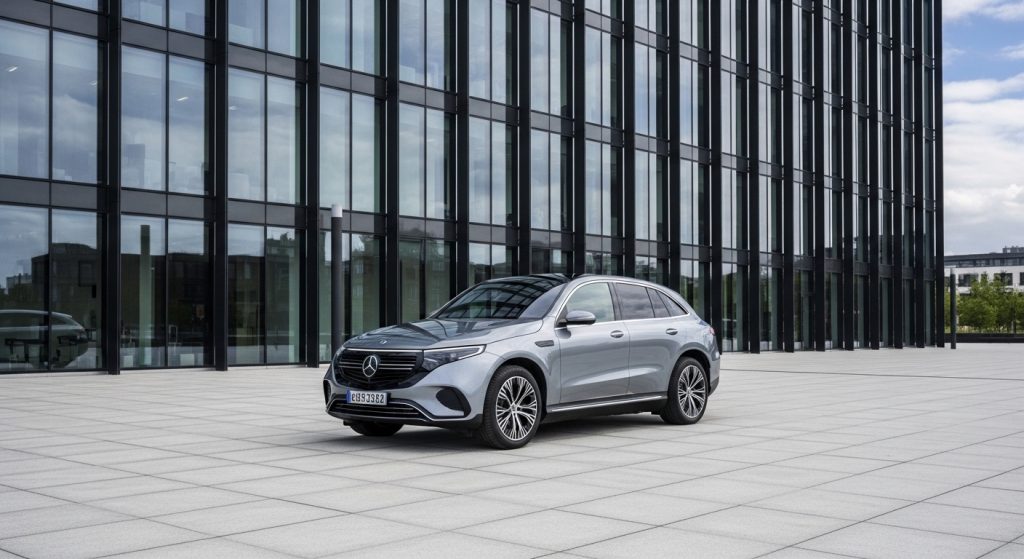
Mercedes EQE SUV spreads hyperscreen across, immersive like a lounge with digital everything. It feels serene existing there, but screen reliance repeats for simple tasks, glancing more. Uncertainty if it’s truly effortless. Softens into habit maybe.
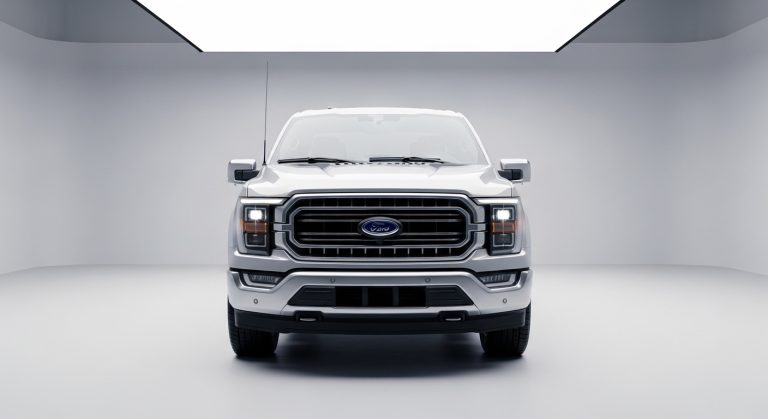
Ford F-150 Lightning
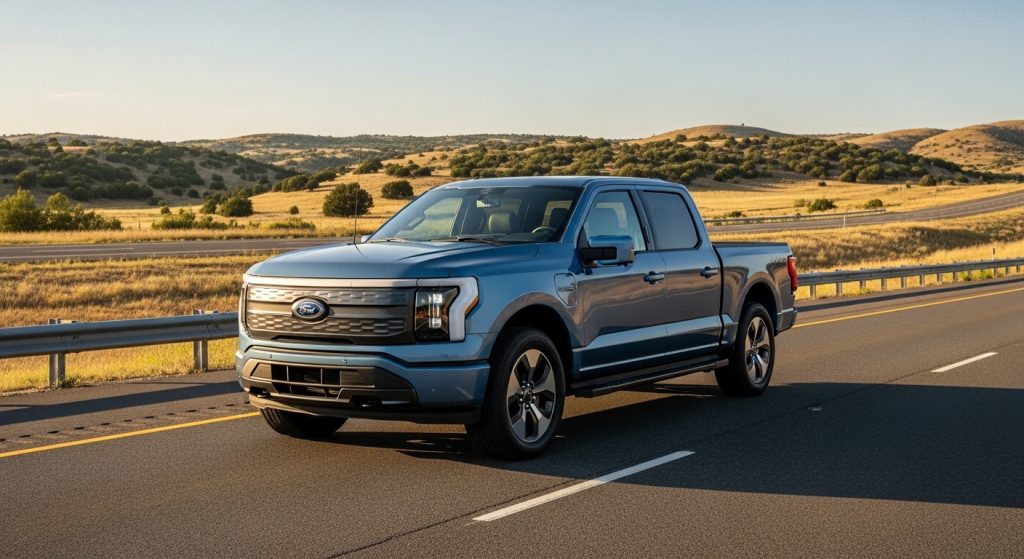
Ford F-150 Lightning centers a big screen in truck toughness, blending work vibes with electric screens. Being owned by it means menu dives for truck functions, repeating that modern shift softly. Mild contradiction in rugged feel versus touch. Not fully settled.
Kia EV9
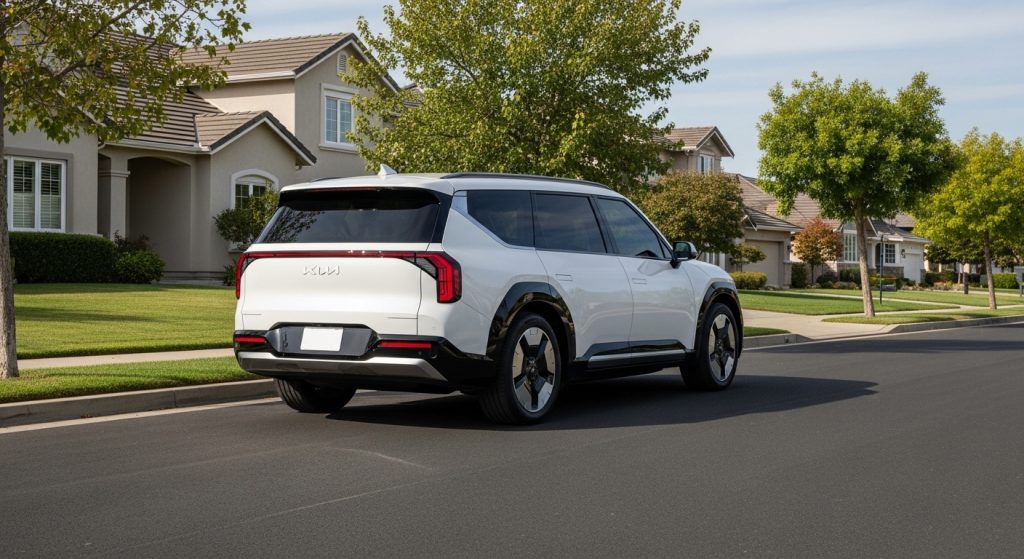
Kia EV9 aligns dual screens neatly, family-friendly with tech that feels accessible yet demanding. Inside it, swipes for climate repeat daily, pulling eyes a bit. Uncertainty on long trips. Softens the experience unevenly. A weaker thought trails.
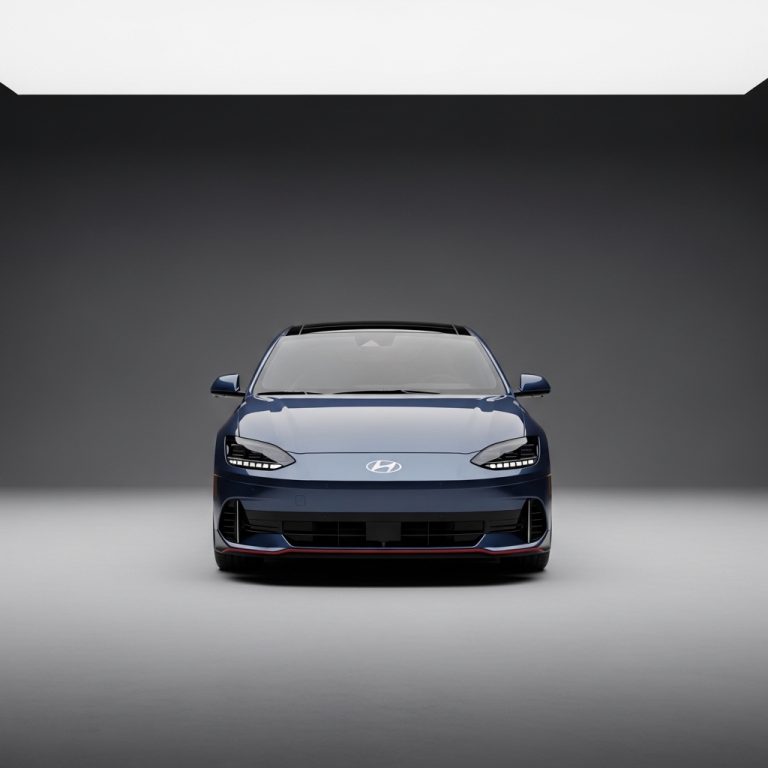
Hyundai Ioniq 9
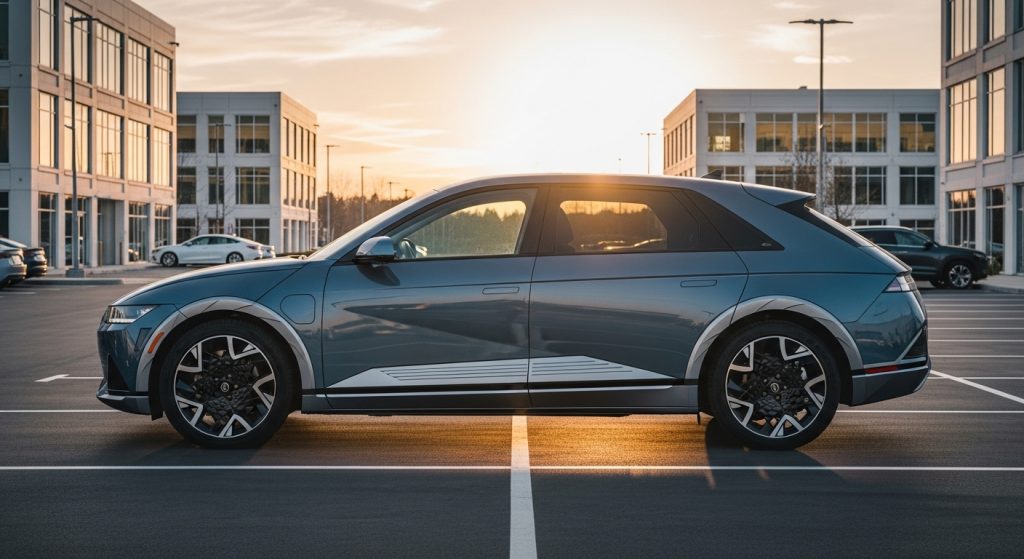
Hyundai Ioniq 9 likely mirrors screen setups large, spacious for groups but pixel-focused. Experiencing such space with screens everywhere bends habits toward digital. Repetition in interfaces softly. Not sure on comfort fully. Feels broad.
Audi Q8 e-tron
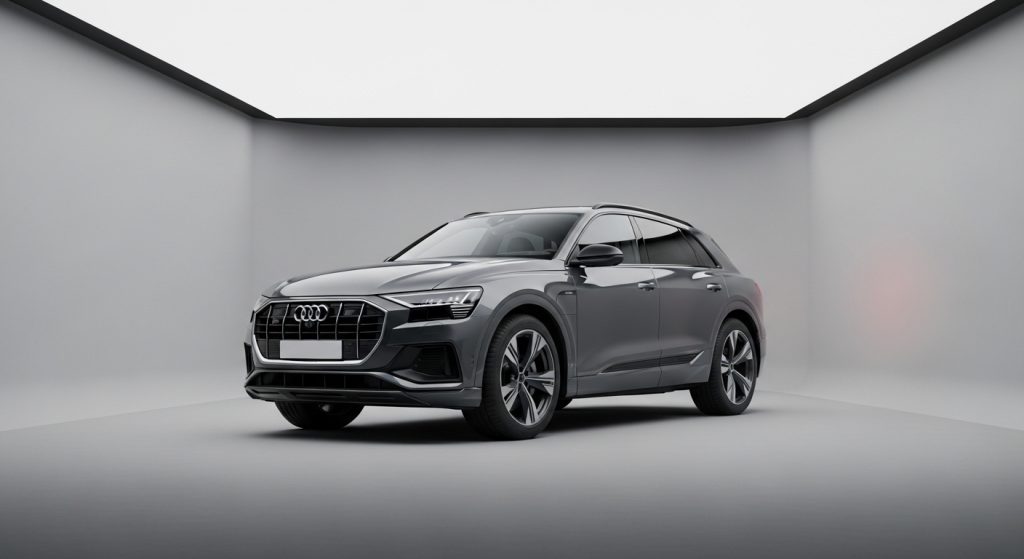
Audi Q8 e-tron triples screens for info overload in luxury, feeling precise but glance-heavy. Owning it repeats virtual gauge checks, softening physical dials out. Mild uncertainty persists. Contradictory poise.