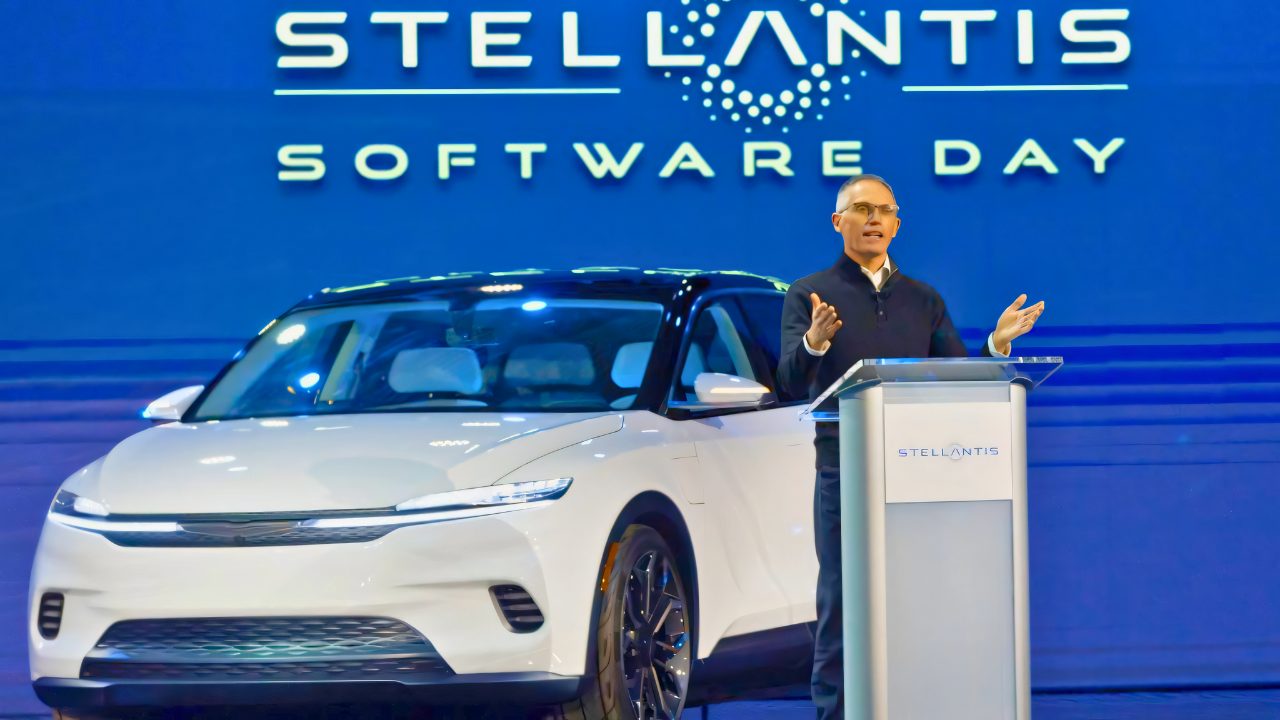
Stellantis Bans 225,000 Drivers From Their Own Cars After 13-Year-Old ‘Time Bomb’ Finally Explodes
Stellantis told approximately 225,000 Americans to stop driving their own cars. Effective immediately. On February 10, 2026, the automaker grounded every unrepaired Chrysler, Dodge, Jeep, and Ram built between 2003 and 2016 over a defect that has been killing people since the first recalls landed in 2013. The vehicles felt fine. The steering wheels hid what ammonium nitrate had been doing to the airbag inflators for over a decade, and 28 families already knew the cost of that silence.
Invisible Chemistry
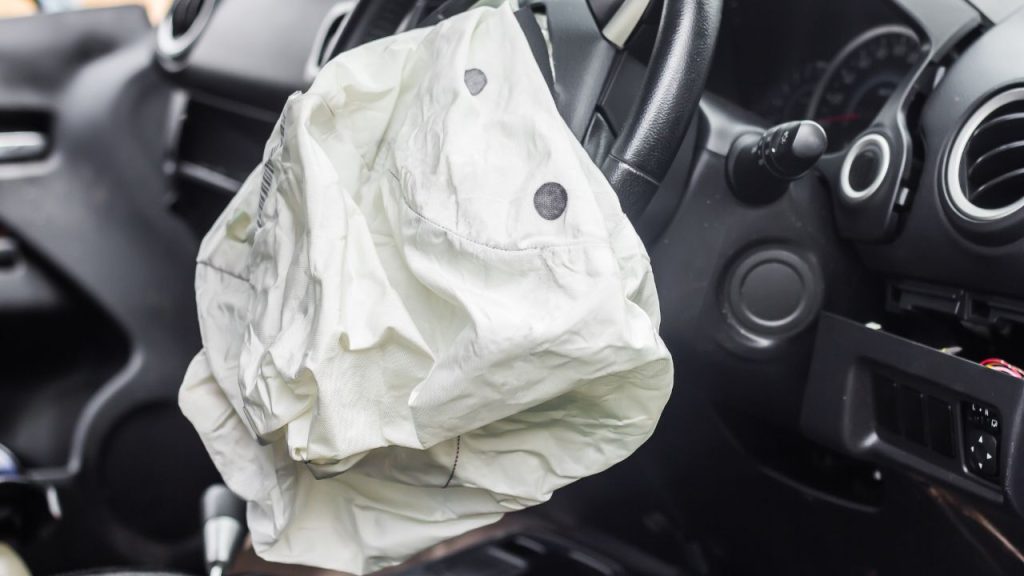
The propellant inside Takata airbag inflators degrades in heat and humidity. Over years, ammonium nitrate breaks down until even a minor fender-bender can trigger a rupture that sprays metal shrapnel through the cabin. NHTSA confirmed the mechanism: “Even minor crashes can result in exploding Takata air bags that can kill or produce life-altering, gruesome injuries.” Vehicles parked in Florida, the Gulf Coast, and Hawaii aged fastest. The oldest inflators have been deteriorating for over 20 years.
The Broken Promise
Stellantis replaced 6.6 million inflators over 13 years. That sounds like a functioning system. Then you find out 225,000 vehicles never got fixed. One owner took her car to a dealer in 2016. “The dealer assured her that it would contact her when the replacement airbag was available. It never did.” Life moved on. The recall letter sat in a drawer. The airbag kept degrading. That owner is not an outlier. She is the system working exactly as designed.
The Bankruptcy Trap
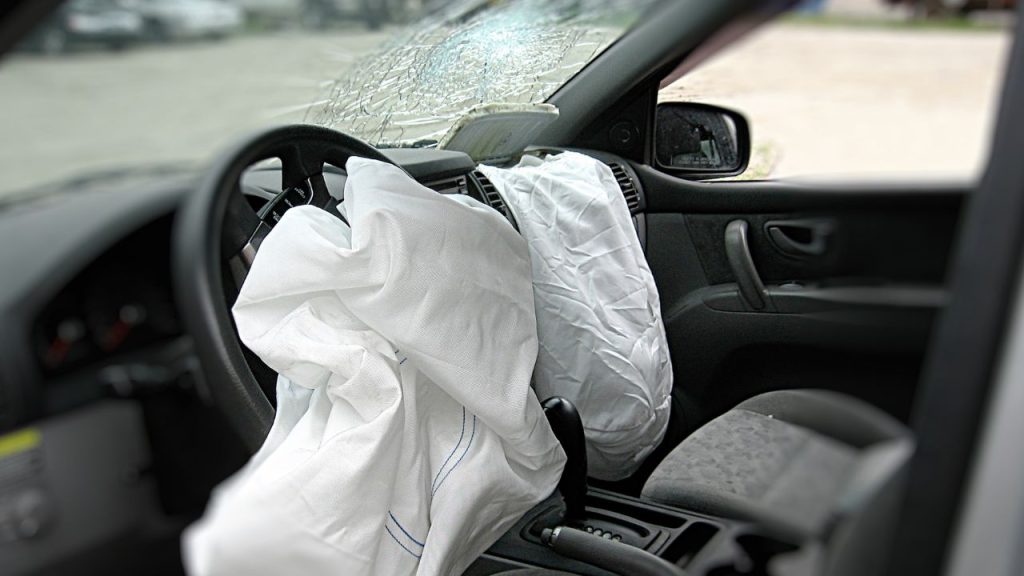
Takata filed for bankruptcy on June 25, 2017, the largest manufacturing bankruptcy in Japanese history, right in the middle of the biggest safety recall ever attempted. Over 67 million airbag inflators recalled across roughly 42 million vehicles in the U.S. alone. Parts supply froze. Dealers stopped calling. Owners who enrolled in the recall assumed they were protected. They were actually more exposed, because every summer the ammonium nitrate kept breaking down while no replacement existed. Enrollment created the illusion of safety. The defect kept aging.
The Body Count
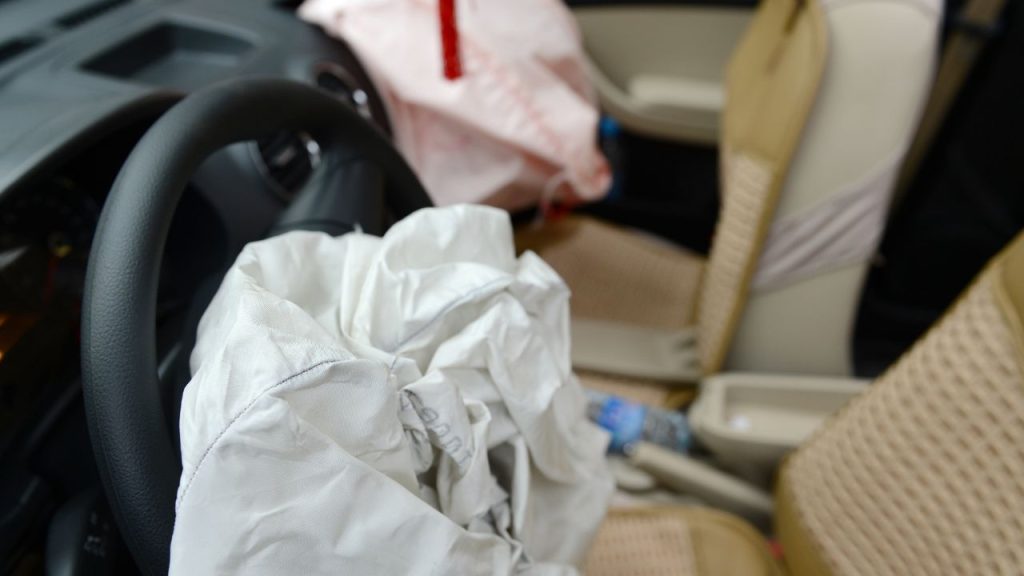
Twenty-eight confirmed deaths. Over 400 injuries. The most recently confirmed fatality involved a 2018 crash in a Honda in Alabama, attributed by NHTSA to Takata inflators in September 2024, more than a decade after the first recalls. The Takata recall dwarfs every automotive recall before it: 100 million vehicles globally, three to four times larger than the GM ignition switch crisis. Stellantis now calls this action an effort to “accelerate the repair.” Acceleration, 13 years in. That word does a lot of heavy lifting for a company that forgot a quarter-million cars.
The Price Tag
Stellantis provisioned €951 million for Takata recall costs starting in 2023, with expenses continuing to accrue through 2024 and 2025. The company’s net profits collapsed 70% in 2024, falling to €5.5 billion. CEO Carlos Tavares resigned in December 2024. A court in Italy ruled in July 2025 that a class action alleging Stellantis knew about the danger since 2013 but delayed action could proceed. Nearly a billion euros spent on a defect the company sat on for a decade. The financial reckoning arrived years after the human one.
The Ripple
Stellantis is not alone. Honda, BMW, Ford, Nissan, Mazda, and Toyota have all issued their own “do not drive” orders for vehicles carrying the same Takata inflators. Dealership service centers face a flood of 225,000 repair appointments with backlogs already stretching months. The UK’s Citroen C3 recall in 2025 saw wait times push past November. Insurance companies may audit exposure and adjust premiums on unrepaired vehicles. Used car values on affected models face collapse.
The New Rule
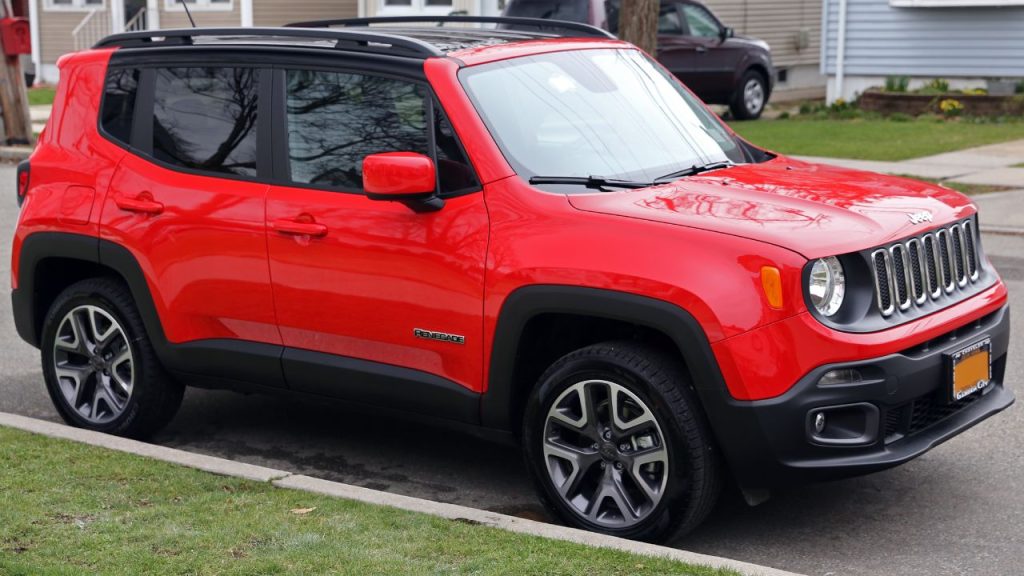
An Italian court’s July 2025 ruling established a precedent: delay in recall action after knowledge equals a separate source of liability. Stellantis knew in 2013. The “do not drive” order came in 2026. That 13-year gap is now a legal weapon. U.S. plaintiffs’ attorneys will replicate the model. This was never an isolated recall failure. Once you see 225,000 vehicles forgotten inside a system built to protect them, you see compliance theater dressed as consumer safety.
What Comes Next

Repairs remain free through 2029, but parts supply is the bottleneck it has always been. Rural and low-income owners face the hardest choice: park the car and lose transportation, or keep driving and accept the risk. Other manufacturers face pressure to escalate their own Takata warnings within months. State attorneys general could open investigations into dealer-level delays. The recall that started in 2013 is entering its most volatile phase yet.
Your Move
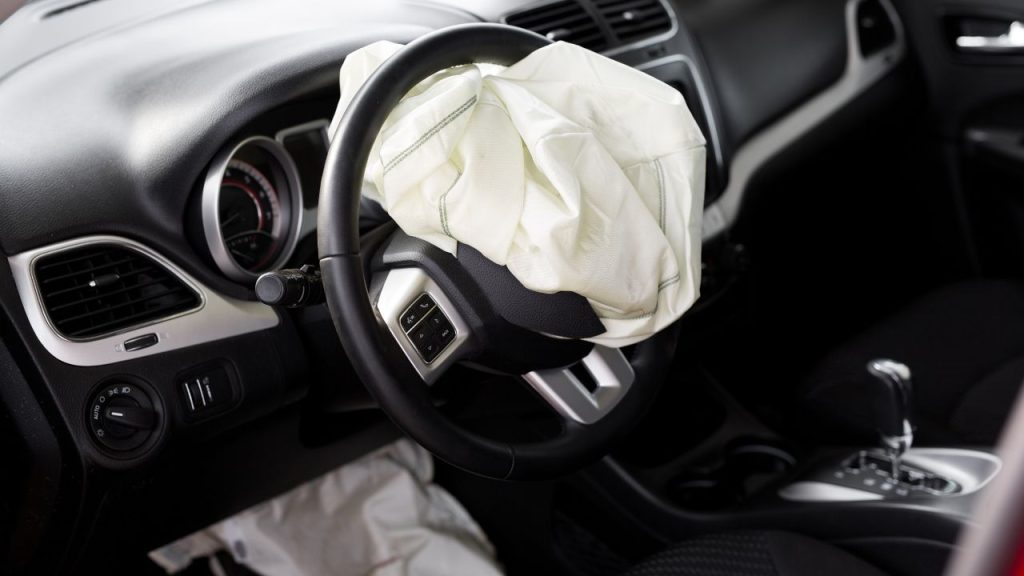
Stellantis will likely offer loaner vehicles and authorize third-party airbag replacements to speed things up, following the UK model of £22-per-day compensation. None of that changes the core failure: a recall system that treats a mailed letter as a completed repair. Every owner of a 2003-2016 Chrysler, Dodge, Jeep, or Ram should check their VIN on NHTSA.gov today. The system that was supposed to protect you forgot you existed. Trusting it again is optional.
Sources:
“Stellantis issues ‘Do Not Drive’ alert for 225,000 older US vehicles.” Reuters, 11 Feb 2026.
“Consumer Alert: FCA Issues ‘Do Not Drive’ Warning for All Vehicles with Unrepaired Takata Recalls.” National Highway Traffic Safety Administration (NHTSA), 10 Feb 2026.
“US agency reports 28th Takata air bag inflator death since 2009.” Reuters, 3 Sept 2024.
“Do Not Drive: Chrysler, Dodge, Jeep | Takata Air Bags.” National Highway Traffic Safety Administration (NHTSA), 10 Feb 2026.