Average Car Price Hits Record $50,326—43% Of New Cars Purchased By The Wealthy

Something disappeared from American dealerships and most people didn’t notice until it was gone: the affordable new car. Every model priced below $20,000 has been wiped from the market, and in that void, the average transaction price climbed to a record $50,326 in December 2025, according to Kelley Blue Book.
Monthly payments followed to $772, according to Edmunds. With everyday buyers priced out, wealthier households moved in with those earning $150,000 or more now account for 43 percent of purchases, up from 30 percent in 2019. The sticker shock is just the surface. Beneath it, a market has quietly split in two.
Wealthy Households Now Dominate the Showroom

The shift didn’t happen overnight, but the numbers are now impossible to ignore. Households earning $150,000 or more buy 43 percent of all new cars sold in America, up from roughly 30 percent in 2019, according to Cox Automotive data reported by The New York Times.
Those earning less than $75,000 have fallen to just 26 percent, down from 37 percent before the pandemic. Cox Automotive’s chief strategy officer Jonathan Smoke told the Times that spending is “consistently being driven by high-end consumers”.
The $20,000 Car Is Officially Dead
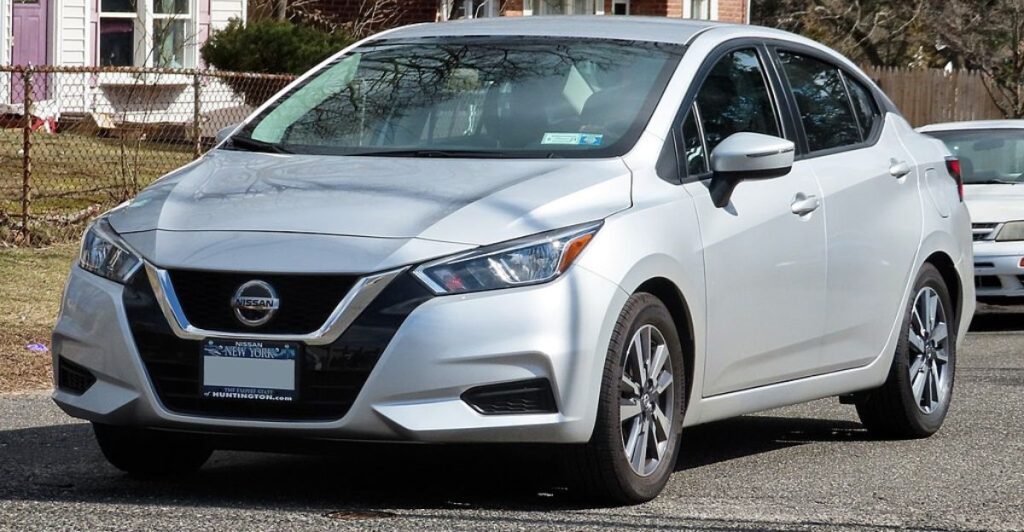
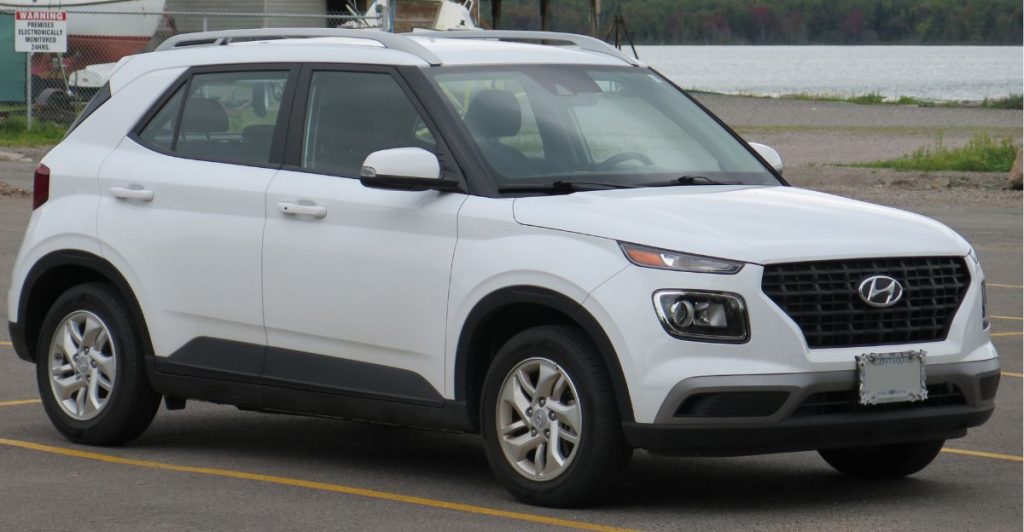
The disappearance has a name and a date. Nissan ended production of the Versa in December 2025, killing America’s last new car with a sub-$20,000 price tag. The cheapest option left is the 2026 Hyundai Venue at $20,550. That alone tells part of the story, but the bigger picture is worse.
In 2017, automakers offered 36 models priced at $25,000 or less, according to Kelley Blue Book. Today, just four remain. Models above $60,000, meanwhile, nearly doubled – from 61 to 114.
Monthly Payments Are Crushing Buyers

With prices climbing, monthly payments have followed into record territory. The average payment on a financed new vehicle hit $772 in the fourth quarter of 2025, according to Edmunds. More striking, 20.3 percent of buyers now commit to payments exceeding $1,000 a month, up from 18.9 percent a year earlier.
The total amount financed also reached an all-time high of $43,759, Edmunds reports. For a growing number of American families, the monthly car payment now competes directly with rent.
Luxury Vehicles Keep Pulling Prices Higher

Part of the reason the average keeps climbing is what people are actually buying. In December, nearly 20 percent of purchases were luxury vehicles—a 2025 peak, according to Cox Automotive. Full-size pickup trucks, averaging $66,386 each, hit a five-year sales high with more than 233,000 sold.
Cox Automotive executive analyst Erin Keating noted that December typically brings “a strong mix of high-end and luxury vehicle sales”. The wealthy aren’t just participating in this market. They’re reshaping it.
A K-Shaped Market Takes Hold

Zoom out and the picture sharpens into something economists call a K-shaped market, where the top accelerates and the bottom drops away. New-car sales hit an estimated 16.3 million units in 2025, the best year since 2019, according to Kelley Blue Book.
This headline number masks a lopsided reality: nearly all of the growth was driven by high-income households. Cox Automotive projects a dip to roughly 15.8 million units in 2026 as economic pressure tightens budgets further down the income ladder.
Subprime Borrowers Are in Serious Trouble

At the bottom of that K, the cracks are already showing. Subprime auto loan delinquencies have hit their highest level in more than 30 years. In October 2025, the rate of borrowers at least 60 days past due reached 6.65 percent, the worst reading since tracking began in the early 1990s, according to Fitch Ratings data reported by Reuters.
Repossessions tell an even harder story: 1.73 million vehicles were seized in 2024, a 43 percent jump since 2022 and the most since 2009, Bloomberg reported.
Negative Equity Is Trapping More Buyers

For those still making payments, a different trap is closing. Nearly three in ten trade-ins toward new vehicles carried negative equity in the fourth quarter of 2025, the highest share since early 2021, according to Edmunds. The average shortfall hit a record $7,214, and more than a quarter of underwater borrowers owed $10,000 or more.
Buyers who rolled that debt into a new loan faced monthly payments averaging $916—$144 above the industry norm. Once underwater, getting out becomes its own kind of debt cycle.
The Entry-Level Hole Keeps Getting Deeper
If affordable cars were coming back, this might be a temporary squeeze. They are not. Cox Automotive executive analyst Erin Keating acknowledged in February 2026 that “the disappearance of true entry-level vehicles continues to lift the floor higher”. She added that demand for pickups and luxury SUVs keeps “pulling the averages up, proving that demand for high-priced models remains incredibly resilient”.
Toyota is a rare holdout, offering six models under $30,000. But the industry playbook is clear: build expensive, sell to the wealthy.
What Comes Next for Everyday Buyers

The pressure is not easing. Average auto loan interest rates sit at 9.3 percent, according to The New York Times, and rising costs for insurance, maintenance, and fuel continue stacking on top of already record sticker prices. More buyers are being pushed toward the used market, where a flood of repossessed vehicles and lingering pandemic-era pricing distortions are rewriting the landscape.
For households that cannot clear the $50,000 threshold, the new-car market may have already moved on, quietly, permanently, and without looking back.
If you enjoyed this article please like and follow us here on MSN! Thank you for reading and have a great day!
Sources:
Kelley Blue Book Report: As America Spends a Record Amount on New Vehicles, Average Transaction Prices Top $50,000 in December — Cox Automotive
New Car Sales Are Rising Thanks to Purchases by Wealthier Americans — The New York Times
Falling Underwater on a Car Loan Is Becoming More Common — Edmunds
Record Number of Subprime Borrowers Miss Car Loan Payments — Reuters
Car Repossessions Surged Last Year to Highest Level Since the Financial Crisis — Bloomberg
Kelley Blue Book Report: New-Vehicle Prices Climb Higher in January, Automakers Cut Incentives — Cox Automotive