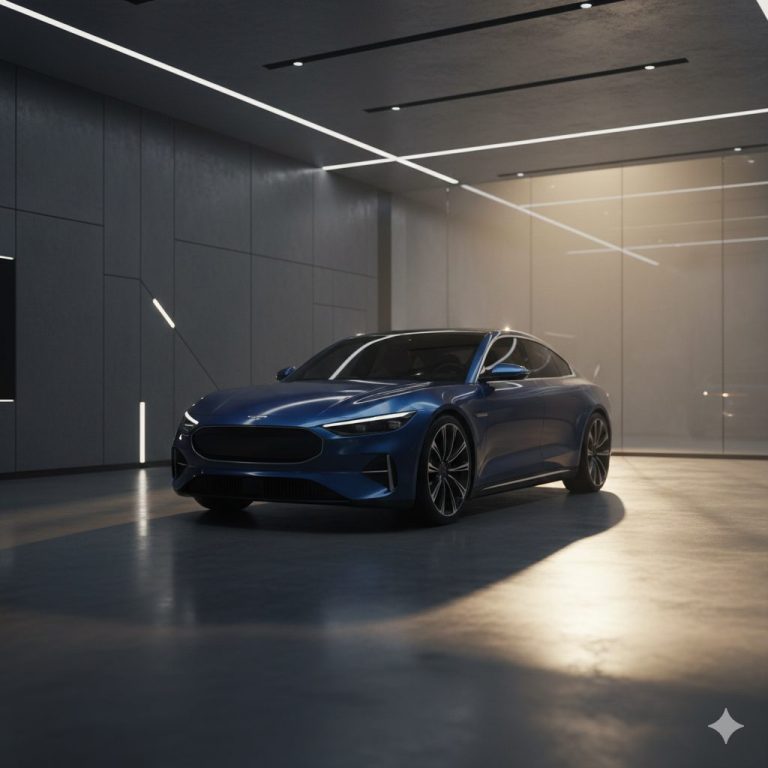
Plug-In Hybrids May Use 3 Times More Fuel Than Claimed, Study Suggests
Plug-in hybrids may use 3 times more fuel than claimed, a study suggests, and it’s based on real-world driving patterns that differ from lab tests. The findings point to higher consumption when batteries run low or in certain conditions. Owners might notice it on longer trips, where hybrid mode kicks in more. It’s part of ongoing discussions about efficiency ratings versus actual use. The study highlights gaps that exist between claims and experience, somewhat empty in details but there.
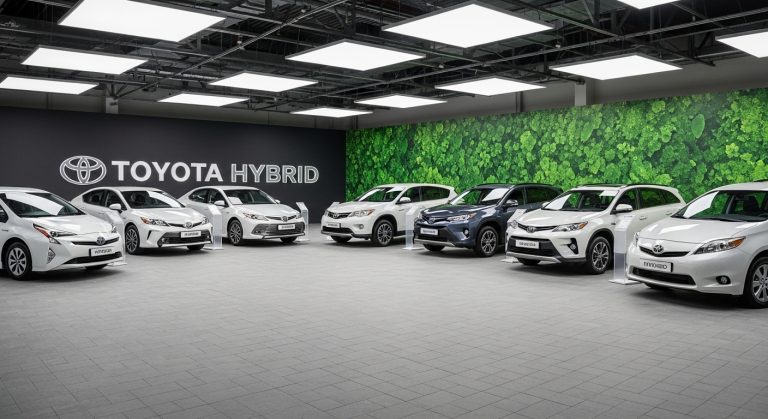
Toyota Prius Prime
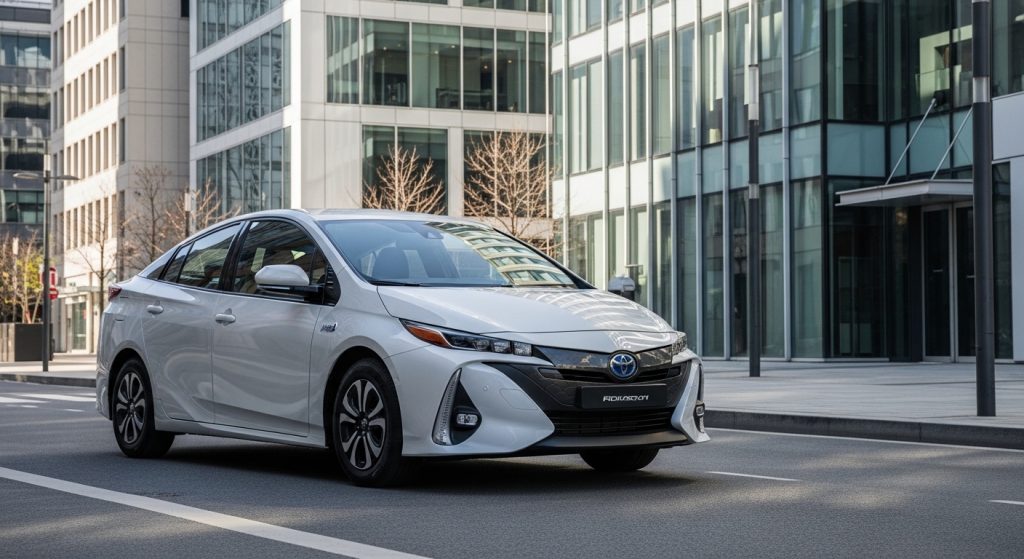
Prius Prime starts electric quiet, then hybrid mode feels efficient mostly, but fuel use climbs on highways, maybe more than expected. Owners charge it often, enjoying savings sometimes, yet study-like findings repeat that real miles per gallon bend lower. It’s owned as green choice, uncertain in long hauls where gas dominates softly. Experiences vary, with mild contradictions in daily logs.
Ford Escape PHEV
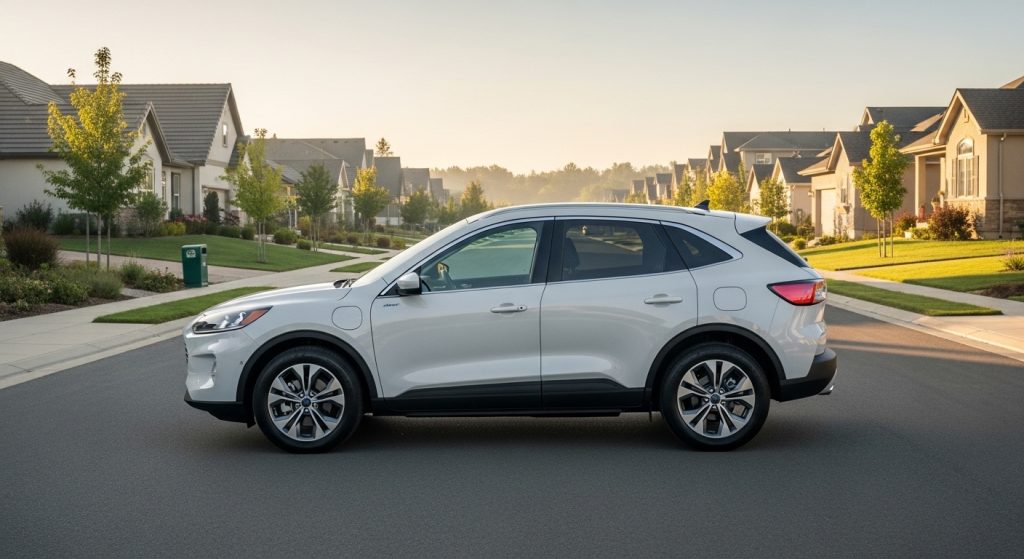
Escape PHEV hauls families comfortably, plug-in range nice for short runs, fuel sipping lightly at first, but overall use suggests higher thirst per study notes. It’s experienced as versatile SUV, though owners report repeats of filling up sooner than ads imply. Feels practical, yet uncertainties linger about true economy. Keeps going anyway, sort of.
Chrysler Pacifica Hybrid
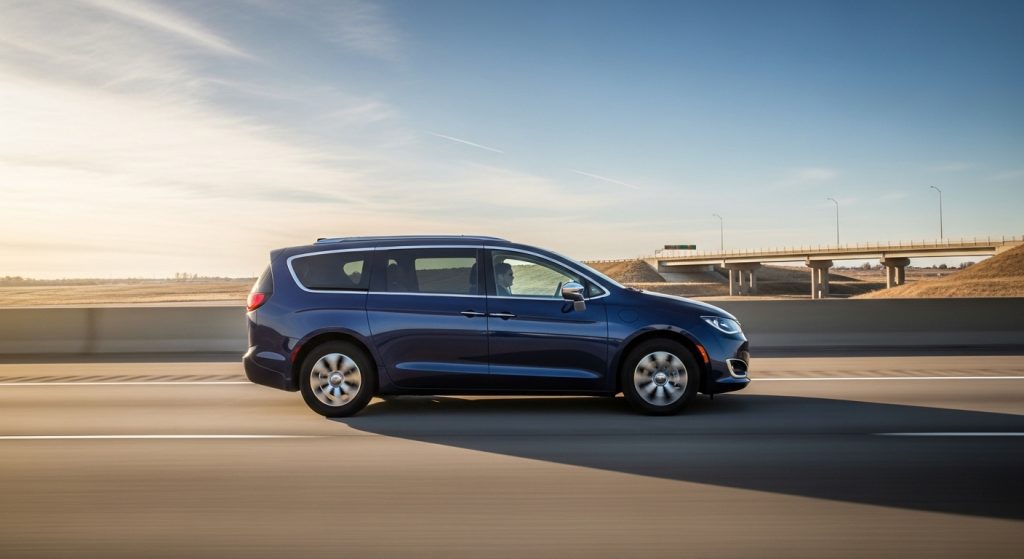
Pacifica Hybrid minivan loads kids easy, electric mode smooth for school, but fuel creeps up on vacations, aligning with study suggestions vaguely. Owned for space and plug-in perks, some love the savings, others see contradictions in tank levels. It exists roomy, with softer thoughts on efficiency repeating mildly. Not fully matching claims.
Jeep Wrangler 4xe
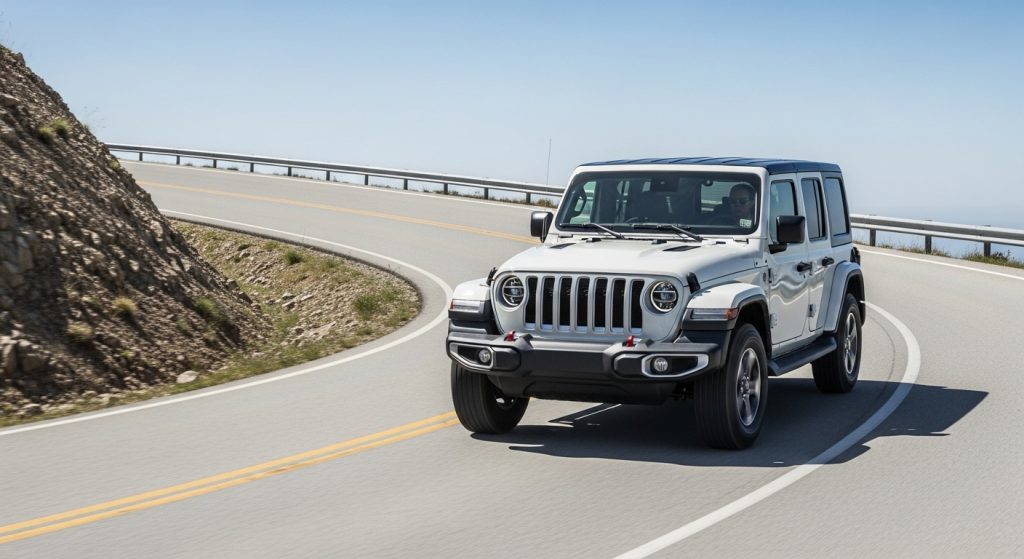
Wrangler 4xe trails ruggedly electric first, then hybrid power assists, fuel use feeling higher off-road maybe, study pointing that way. Owners adventure with it, thrilled by torque, but real-world consumption uncertainties bend the green image. Experienced as fun outlier, mild repeats of gas station stops. Doubts hang without resolve.
Hyundai Tucson Plug-In Hybrid
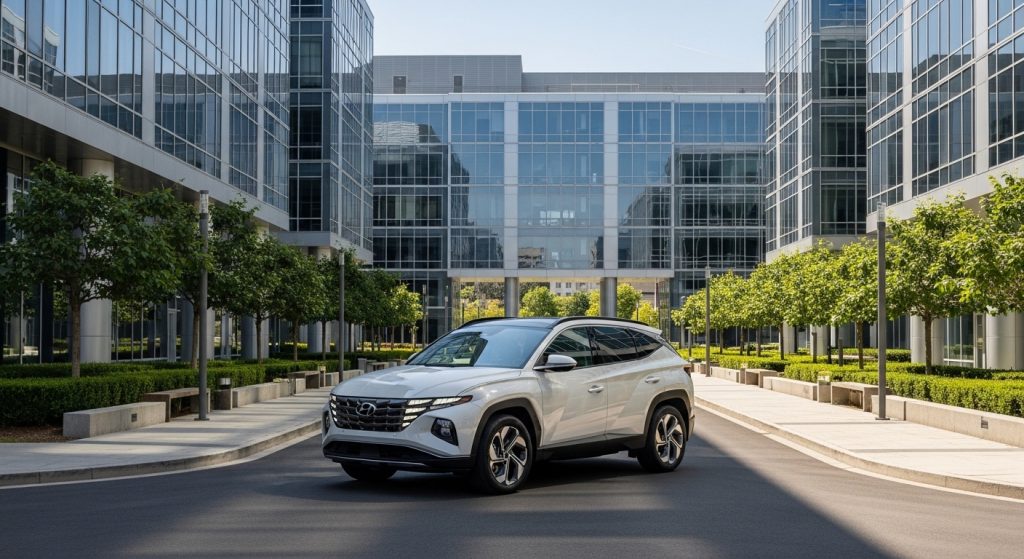
Tucson PHEV cruises city well, battery extending range decently, yet highway fuel draw pulls more than claimed, per study vibes. It’s owned stylishly compact, efficiency praised lightly, though forums echo higher averages softly. Feels modern drive, contradictory hints aside. Some unnecessary worries about charges.
Kia Sportage PHEV
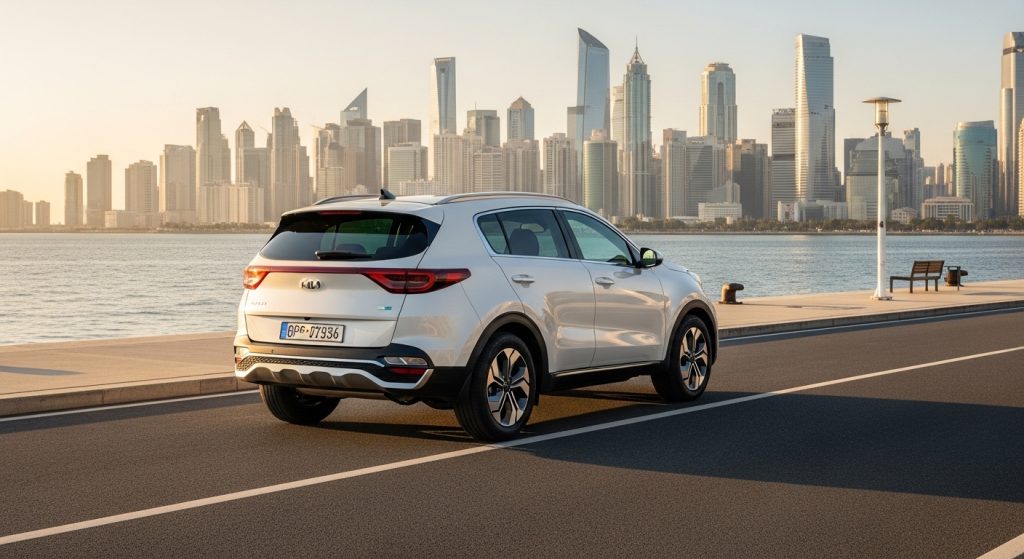
Sportage PHEV similar to Tucson kin, plug-in quiet starts, hybrid seamless-ish, but fuel tallies suggest study findings hold true uncertainly. Owners like warranty coverage, experiences mixed on true mpg repeats. Exists as value crossover, bending efficiency thoughts mildly. Drives on with some hesitation.
Mitsubishi Outlander PHEV
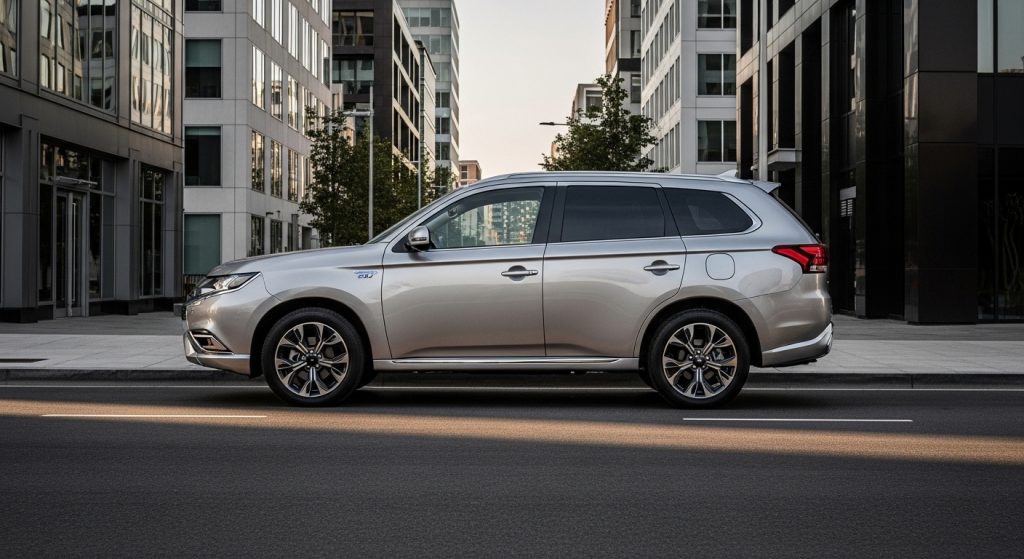
Outlander PHEV family hauler with plug-in, feels capable around town, fuel low initially, climbing later as study implies vaguely. Owned for seating many, green appeal there, but contradictions in consumption logs persist softly. It’s experienced dependably, yet doubts repeat lightly. Not perfectly green.
Volvo XC90 Recharge
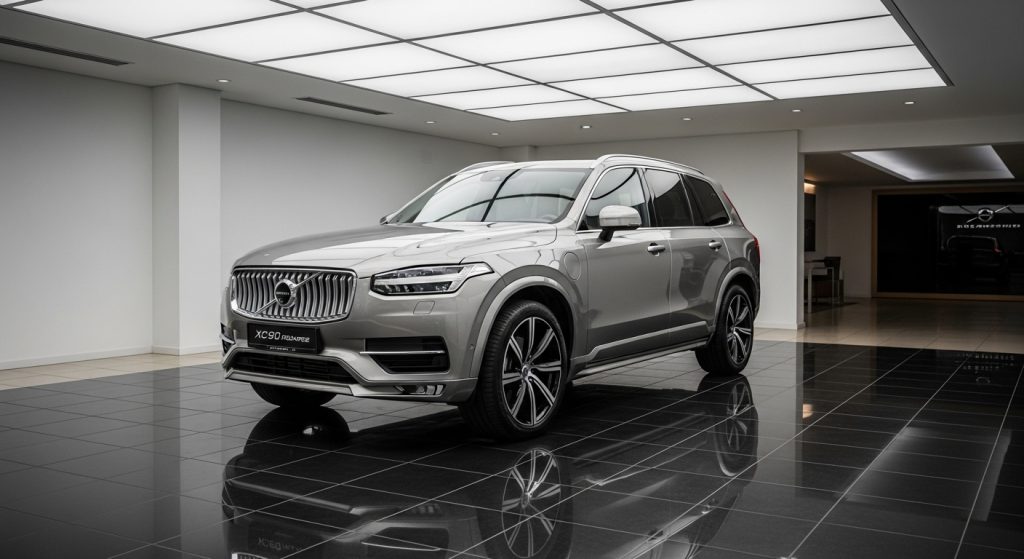
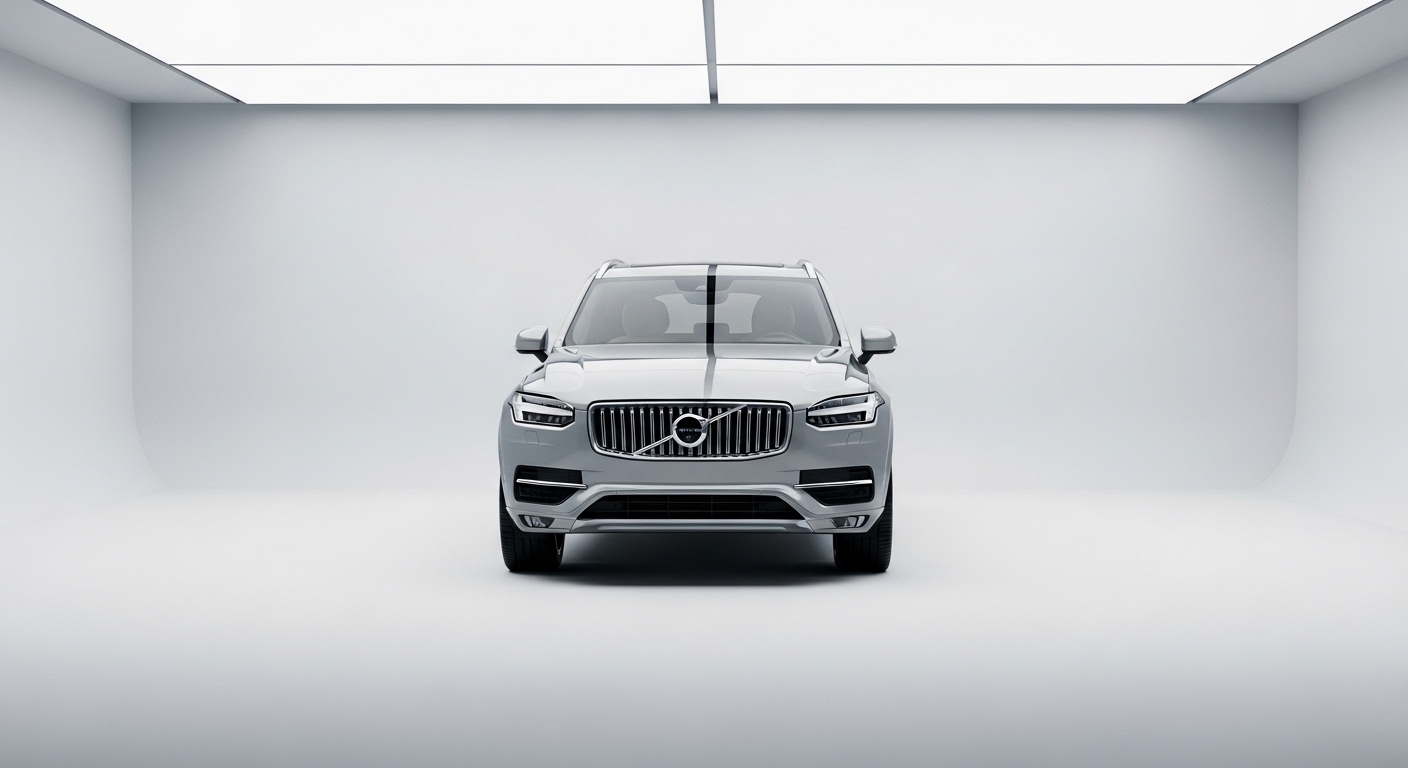
XC90 Recharge luxury rolls plush, electric luxury first, hybrid backup using fuel more substantially maybe, study suggesting gaps. Owners savor safety features, efficiency uncertain in real use. Feels premium owned, with mild repeats of tank checks. Lingers unsure somewhat.
BMW X5 xDrive45e
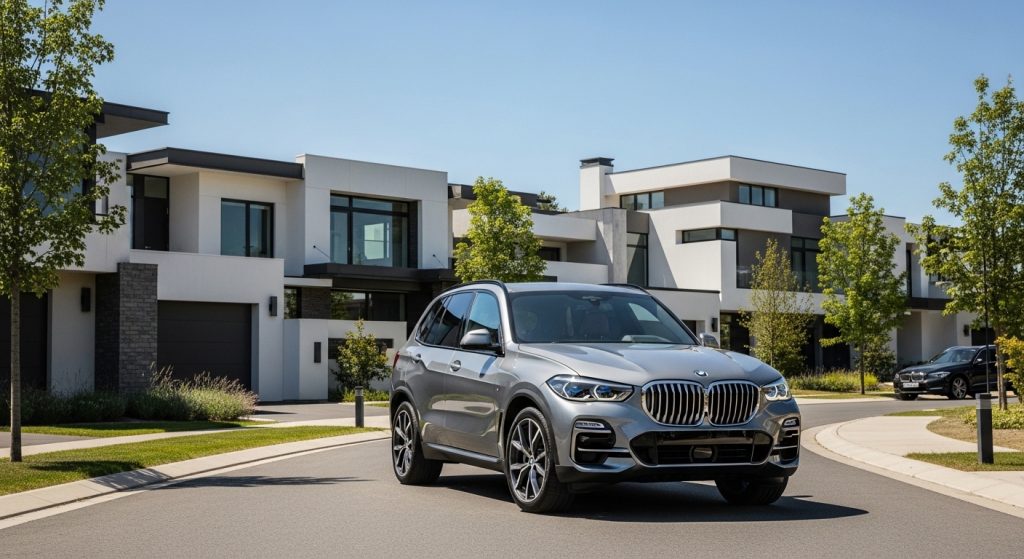
X5 xDrive45e sporty plug-in, quick electric bursts, then fuel joins in higher than claims perhaps, aligning study wise. Experienced as dynamic SUV, thrills high, but economy bends lower softly. Owned upscale, contradictions in data mild. Keeps performing anyway.
Lincoln Corsair Grand Touring
Corsair Grand Touring refined PHEV, smooth transitions, fuel use creeping per study hints uncertainly. It’s comfortable for luxury seekers, savings mixed reports repeat. Feels posh drive, with softer efficiency doubts. Exists nicely, trailing thoughts.