Why More Drivers Are Quietly Moving Away From Electric Cars
More drivers are quietly moving away from electric cars, or at least that’s the feeling in the market right now after incentives ended and reality shifted. The federal tax credit disappeared at the end of September 2025, which changed everything, pulled forward sales then collapsed demand into the fourth quarter with a 36 percent drop.[1] Affordability became the real issue suddenly, lower-income consumers facing strain from inflation and high purchase costs, uncertainty about the transition repeating in forums.[4] January 2026 saw EV sales flat year-over-year, taking 20.6 percent of new car sales down from 21.3 percent in 2025, which softens optimism.[5] Buyers exist in a wait-and-see mode maybe, or just reconsidering if electric makes sense without subsidies anymore.
Tesla Model 3
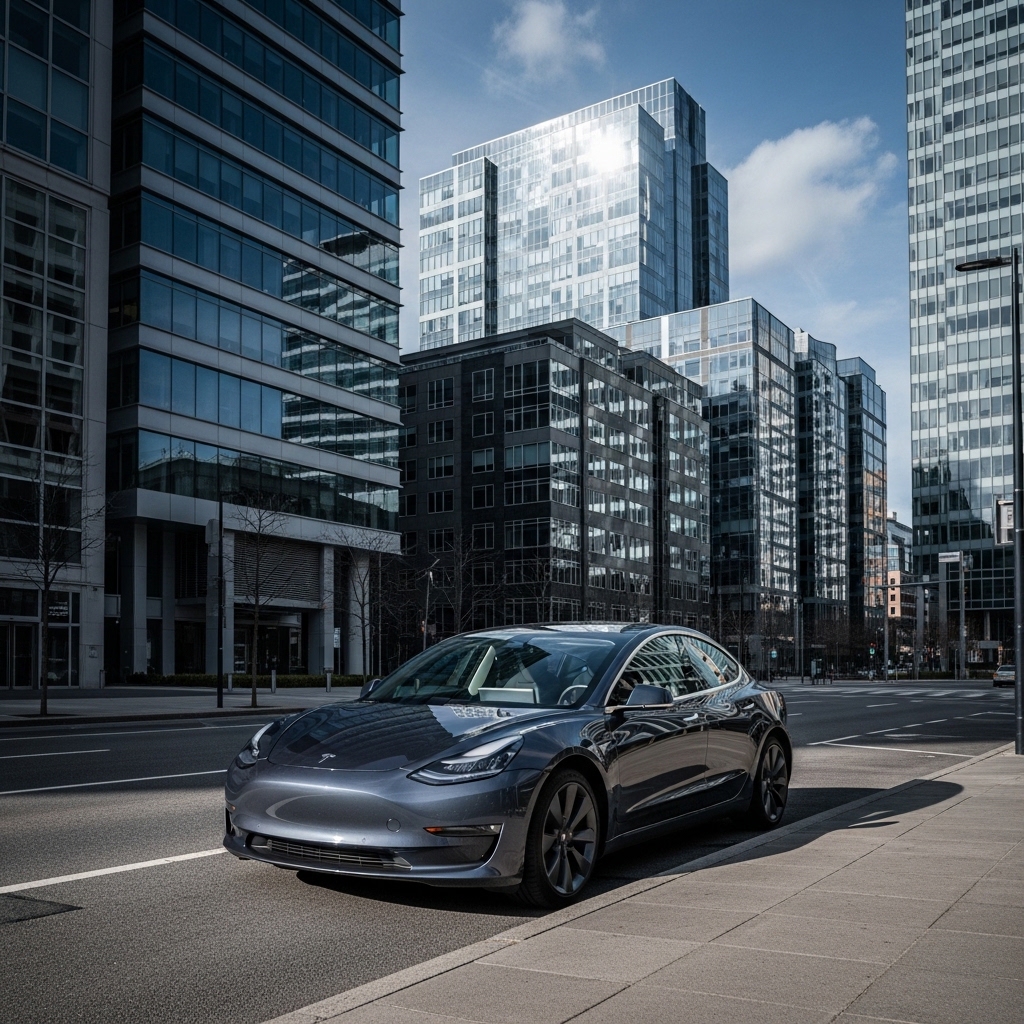
Model 3 sits everywhere still, though ownership feels different now without incentives softening the price. You own it and acceleration thrills briefly, then bills arrive, charging logistics soften the experience. It repeats performance appeal, though long-term value uncertain without tax credits helping.[2] Reliability mixed reviews, though mostly okay. Feels expensive now, maybe too much so. Anyway, it exists as the volume leader still.
Ford F-150 Lightning
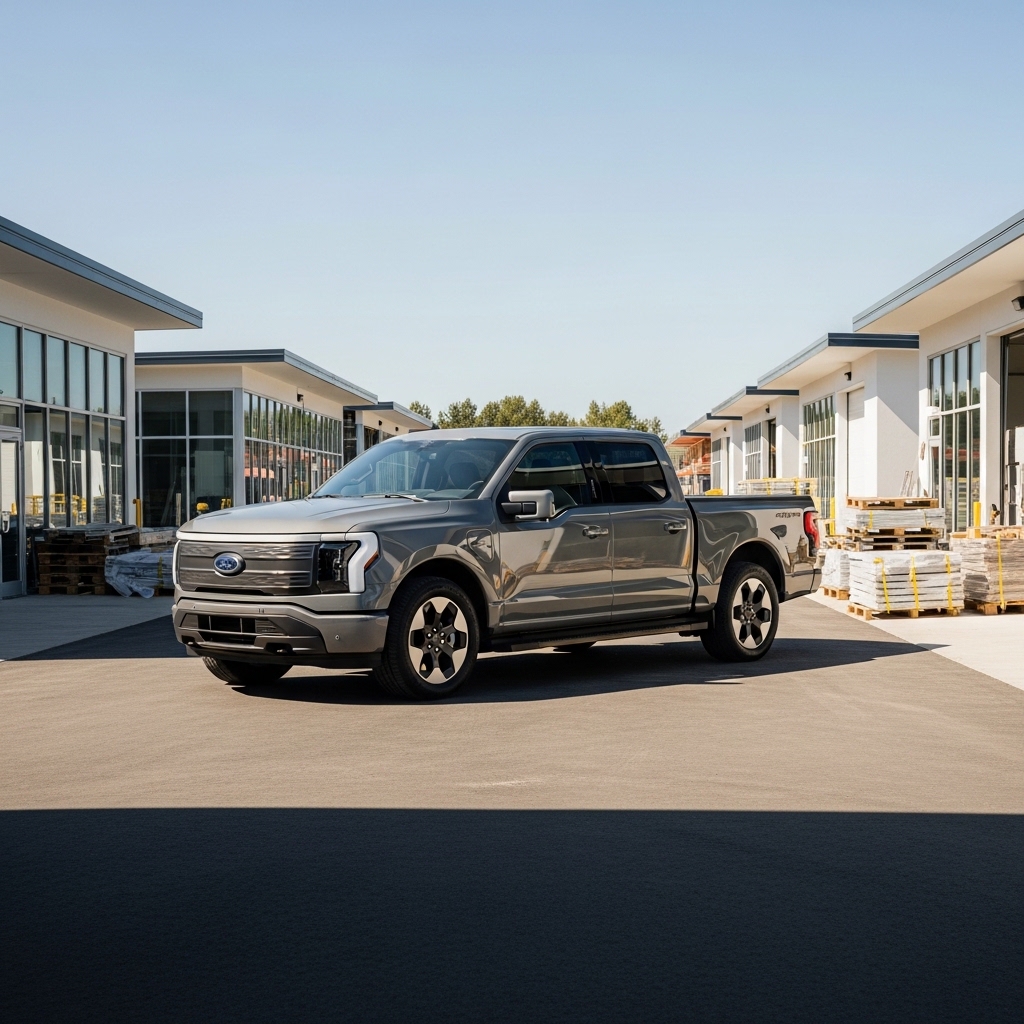
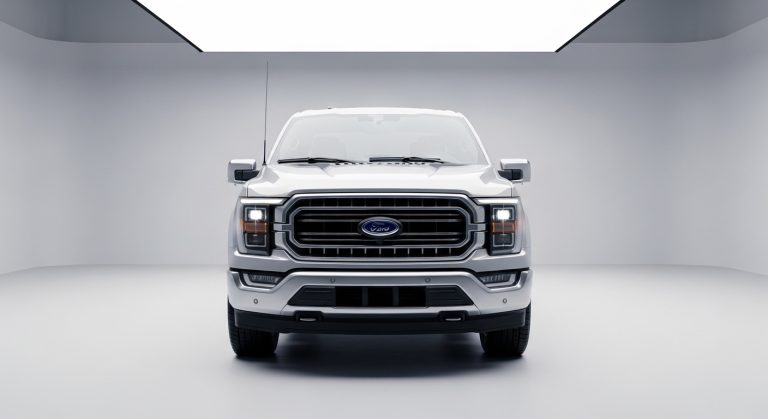
Lightning production halted, which says something about Ford’s confidence maybe, though existing owners exist fine. Owning one means truck capability electric, though charging infrastructure softens rural use.[2] It repeats towing ability, practicality, though affordability concerns repeat loudly. Ford restructured EV business, which softens buyer confidence in support.[2] Feels powerful, uncertain future. Anyway, it’s there if you got one early.
Chevrolet Bolt EV
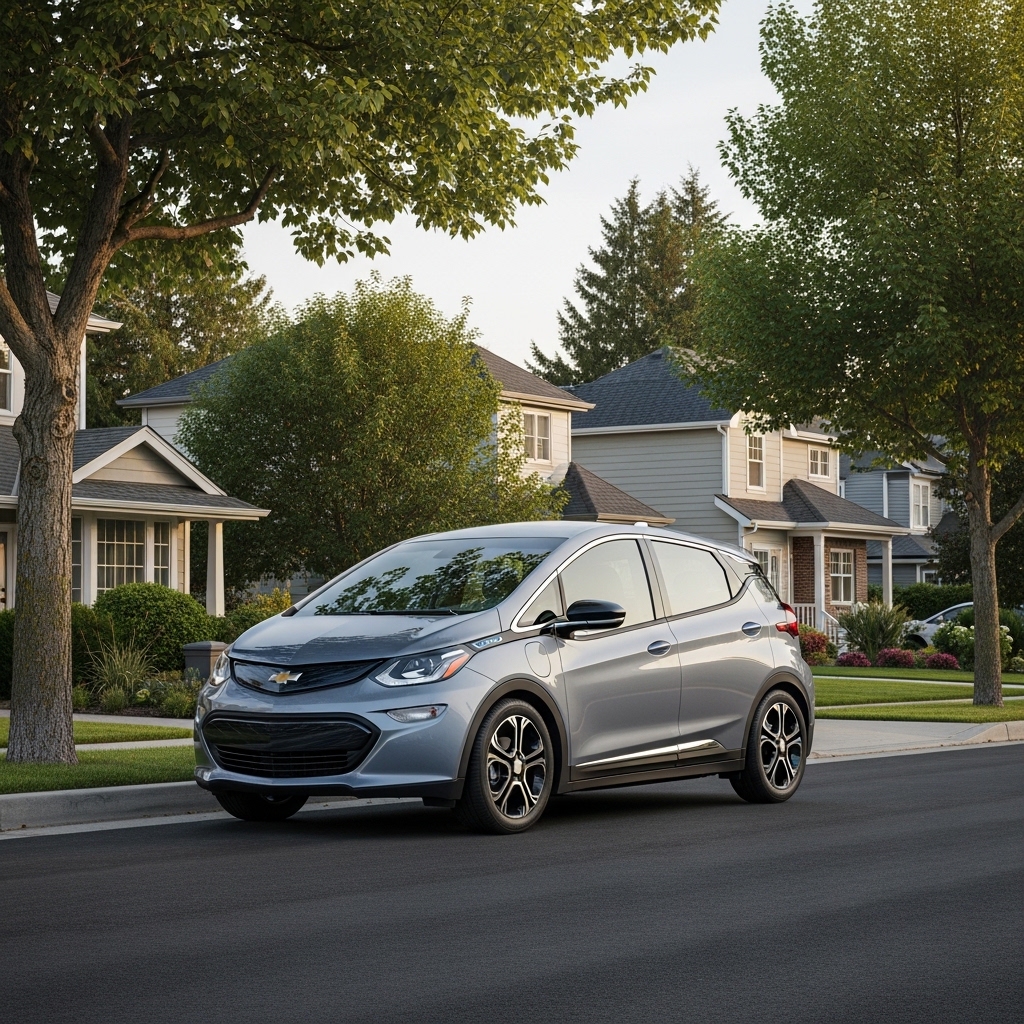
Bolt sits affordable, or was, though post-incentive sticker shock softens appeal now. You own it and range adequate, charging decent, though battery concerns repeat discussions. It drives simply, comfort moderate, reliability building.[1] Feels less special without tax credit helping justify cost. Uncertainty on long-term value lingers. Exists as practical choice, maybe less exciting.
Hyundai Ioniq 5
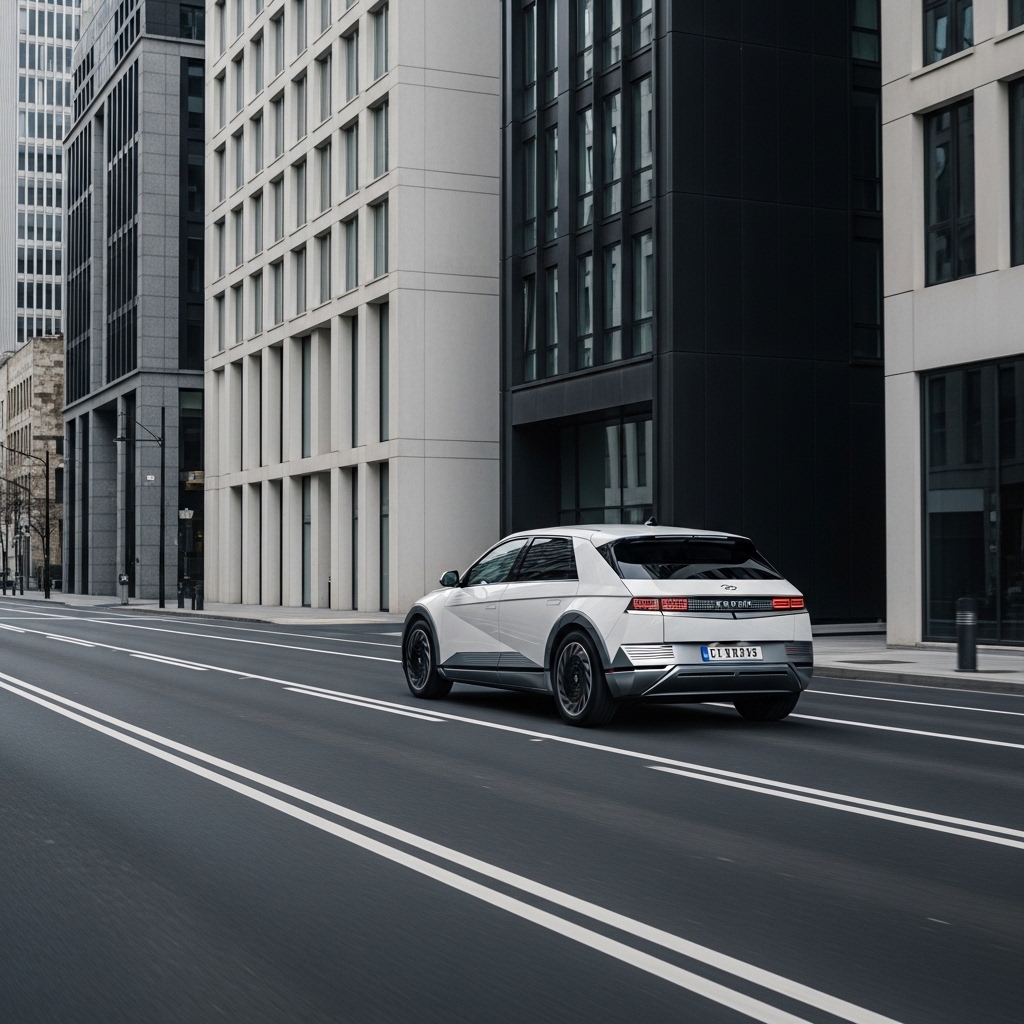
Ioniq 5 design sharp, ownership feels premium, though affordability questions soften the vibe. Owning means charging networks expanding help, though tariffs and policy changes create uncertainty.[4] It repeats tech features, performance okay, though luxury positioning feels stretched. Reliability newer brand thing, unproven slightly. Feels expensive for what it is. Anyway, it exists stylishly.
Volkswagen ID.4
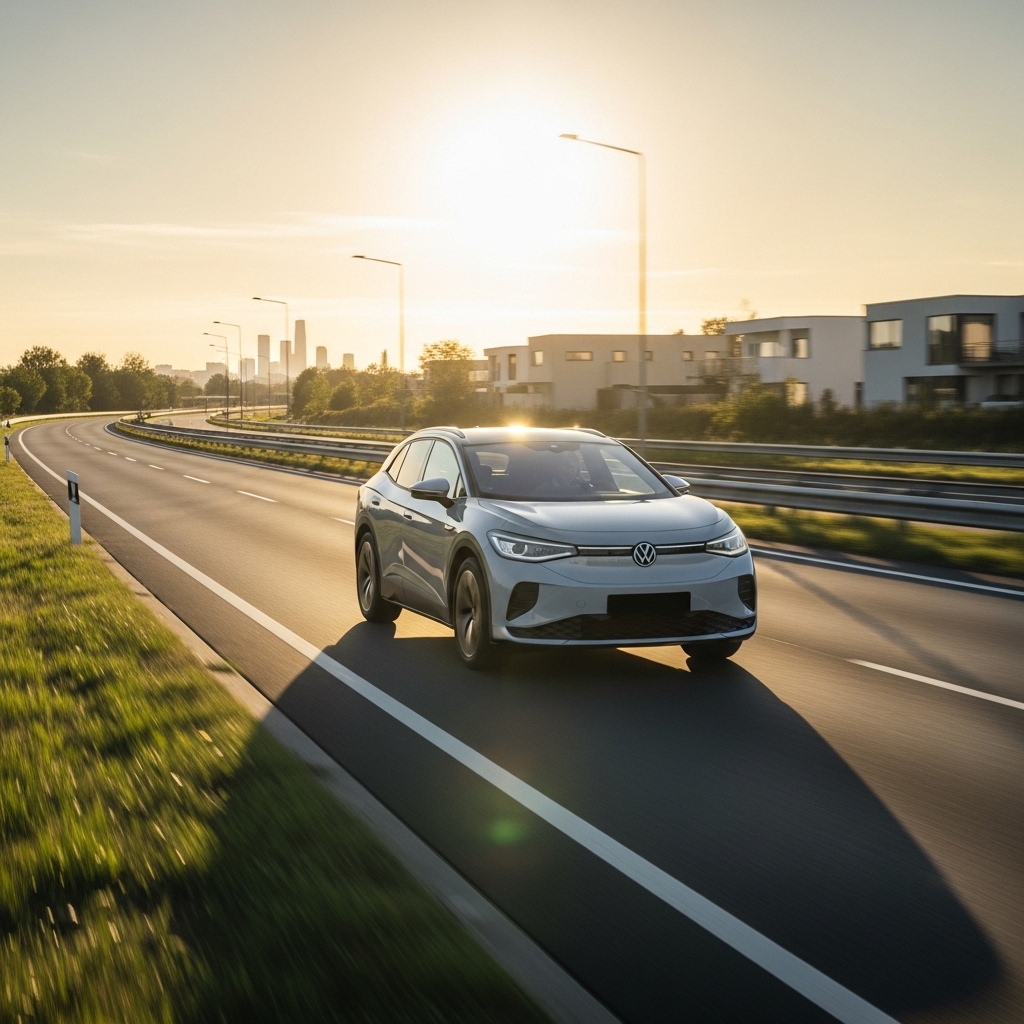
ID4 volume play, feels practical SUV-ish, though incentive loss softens value proposition hard. You own it and space adequate, charging fine probably, though early software issues repeat concerns.[1] It drives composed, reliable enough, though affordability perception shifted. Feels like a car that needed subsidies to work. Uncertainty on resale value creeping in. Exists as backup choice now.
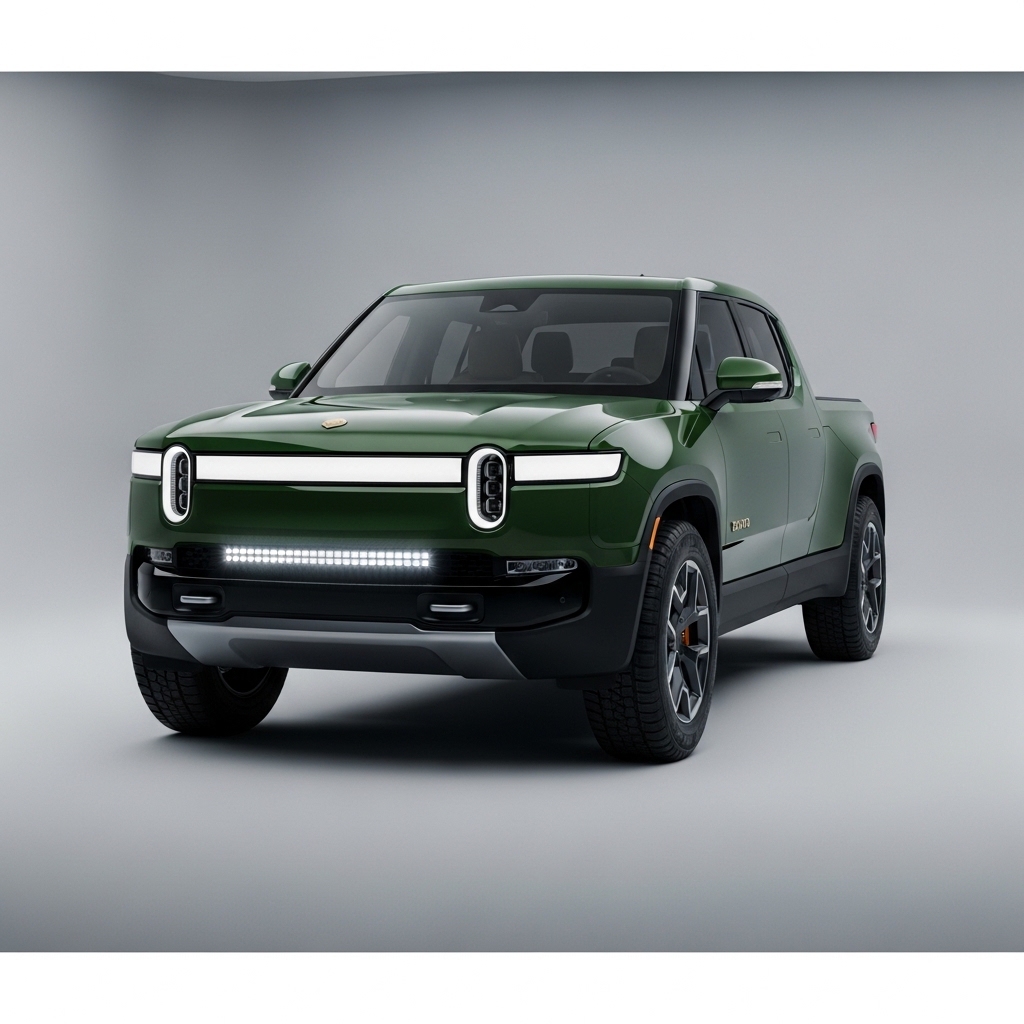
Rivian R1T
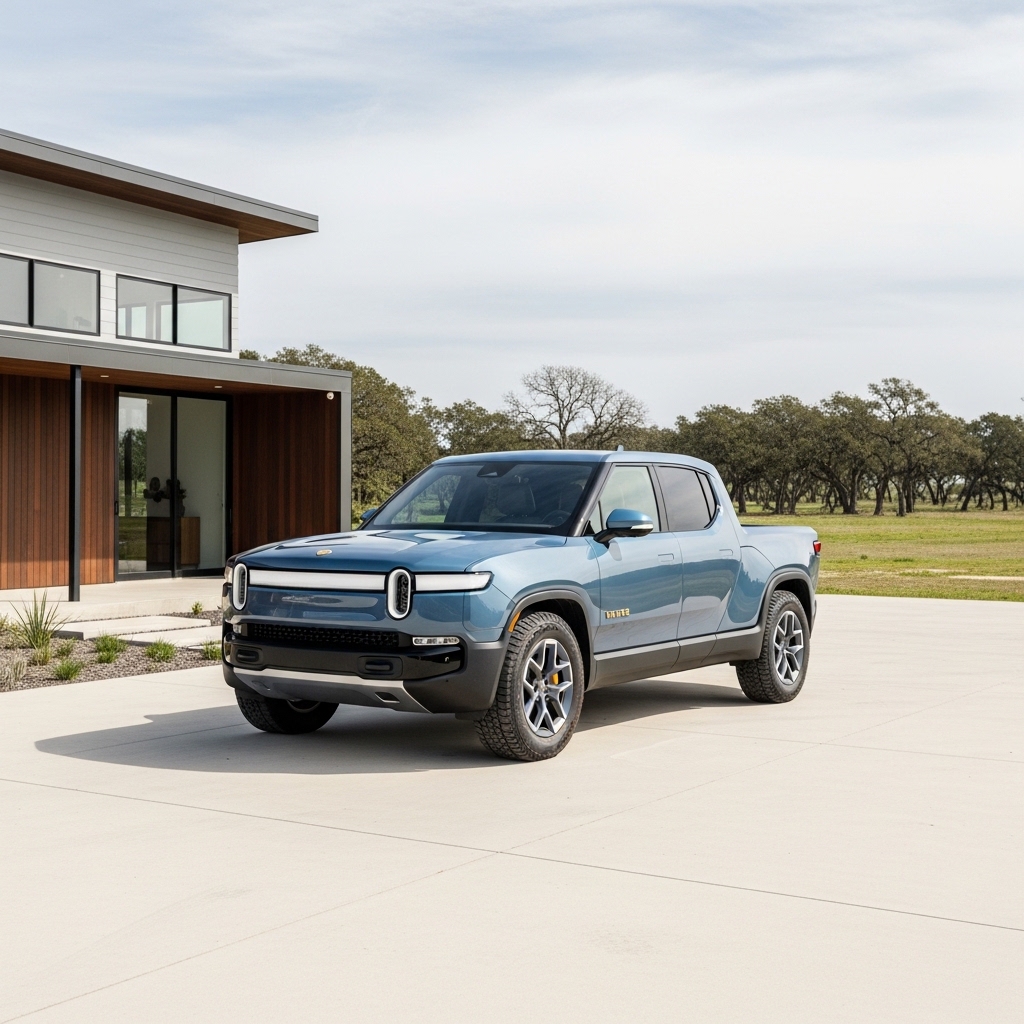
R1T premium adventure, ownership feels special, though startup uncertainty softens confidence recently. Owning means luxury truck experience, off-road capability, though prices steep without incentives.[3] It repeats innovation appeal, though production challenges continue repeating. Reliability unproven, warranty strong. Feels impossibly expensive now. Uncertainty about company viability lingers, which dampens ownership joy.
Lucid Air
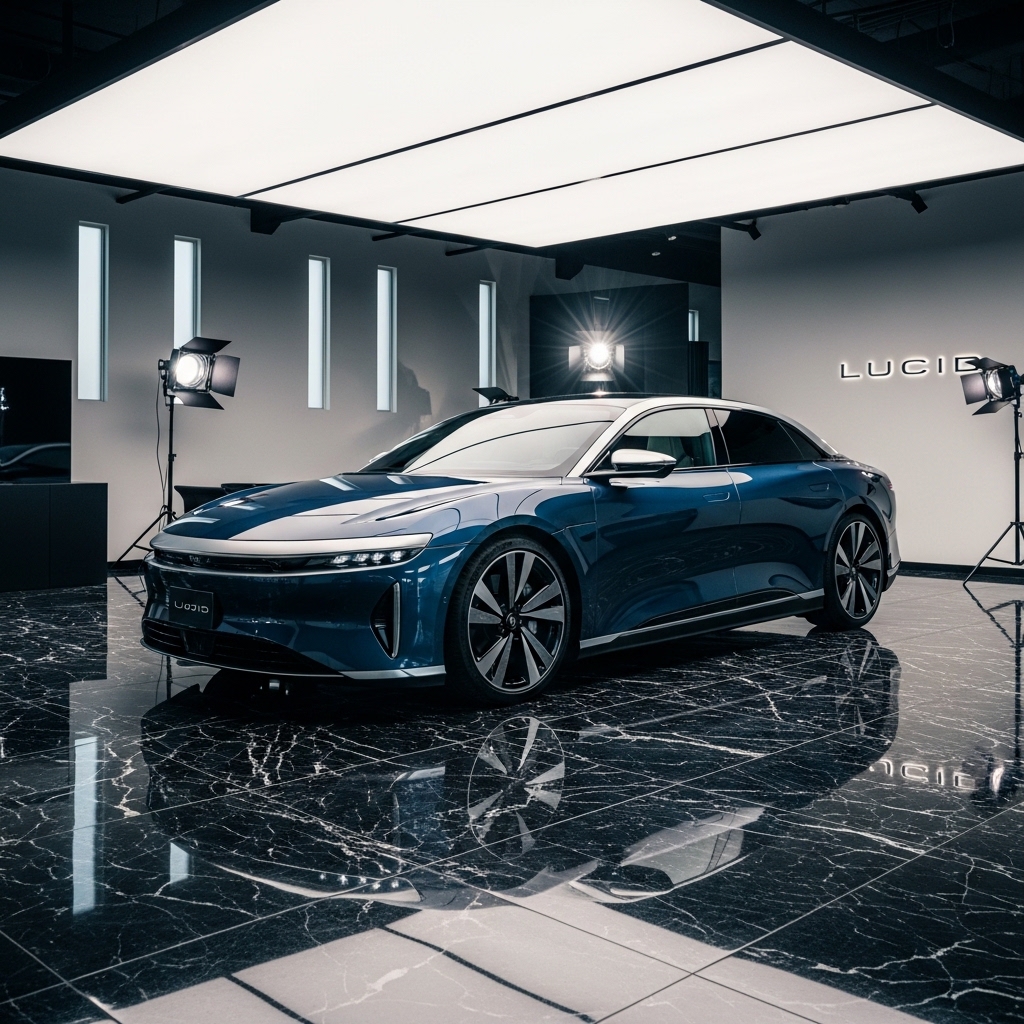
Air luxury sedan, feels future-forward ownership, though affordability crisis softens mass-market dreams. You own it and performance stunning, range excellent, though charging logistics uncertain. It repeats tech-forward design, though reliability unproven.[3] Feels like a car nobody can afford now. Luxury positioning uncertain in market downturn. Exists as aspirational, not practical. Questionable if Lucid survives.
Polestar 3
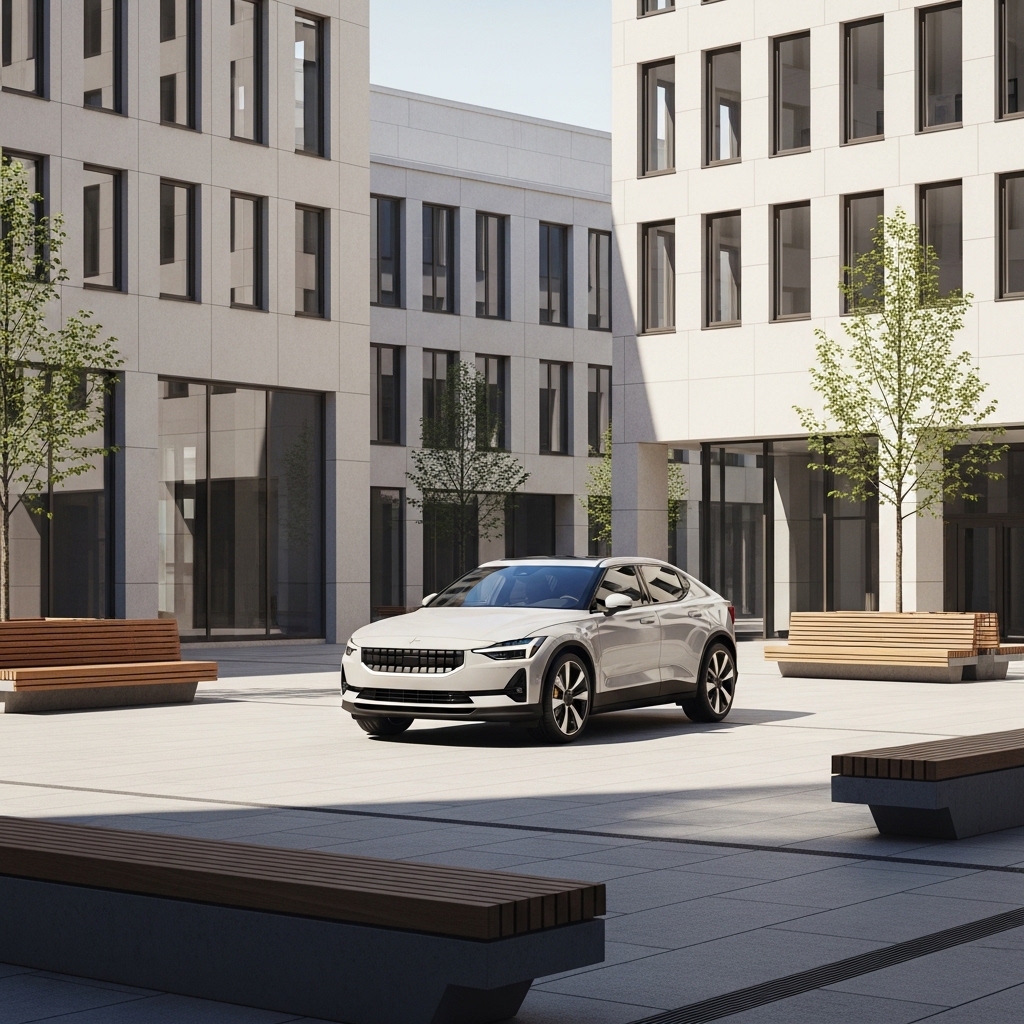
Polestar 3 luxury alternative, feels Scandinavian refined, though sales declining seven straight months softens confidence.[2] Owning means premium EV experience, though affordability out of reach for most. It repeats design beauty, performance adequate, though brand unknown still. Reliability building, warranty decent. Feels expensive for the name. Uncertainty on dealer support and resale. Exists in premium niche, shrinking maybe.
Kia EV9
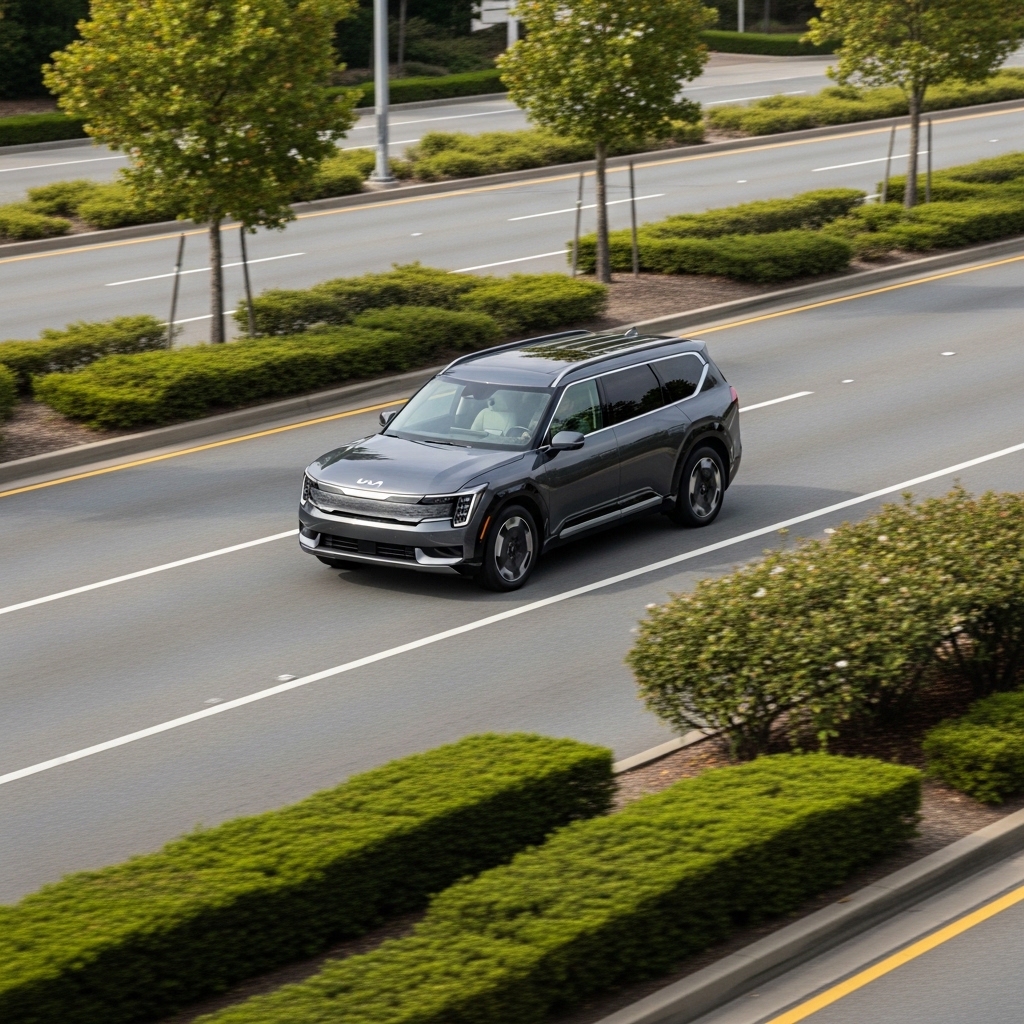
EV9 three-row electric, feels family-focused, though incentive loss changes the math completely.[1] You own it and space abundant, tech appealing, charging compatible widely. It repeats practicality, reliability Kia decent. Affordability stretched without subsidies helping. Feels like the right idea at wrong price now. Uncertainty on whether three-row electric justified. Exists as new option, untested longer-term.
BMW i4
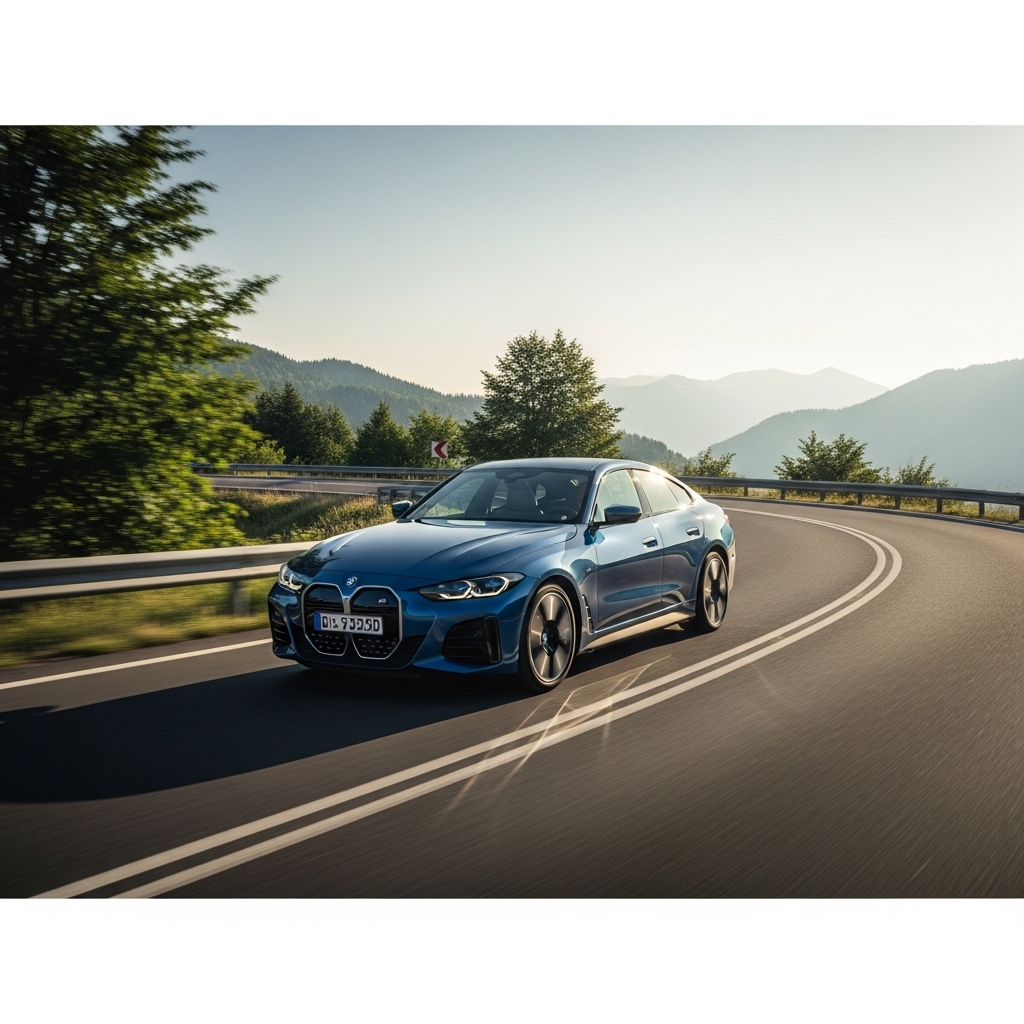
i4 sedan electric, feels sporty, owned with premium expectations. Owning means German engineering, though tariff concerns soften pricing strategy.[4] It repeats performance sedan appeal, though EV tax credit ending hurt demand.[1] Reliability solid BMW reputation, though electric systems newer. Feels expensive luxury that needed incentives. Uncertainty on affordability lingers heavy. Exists as niche play, shrinking. Softens market confidence somehow.