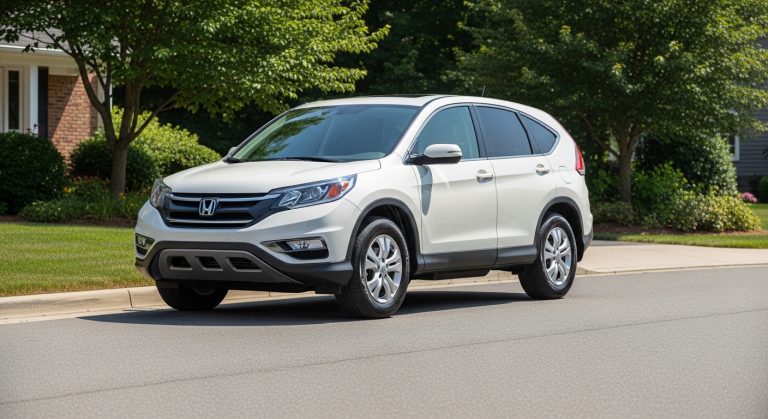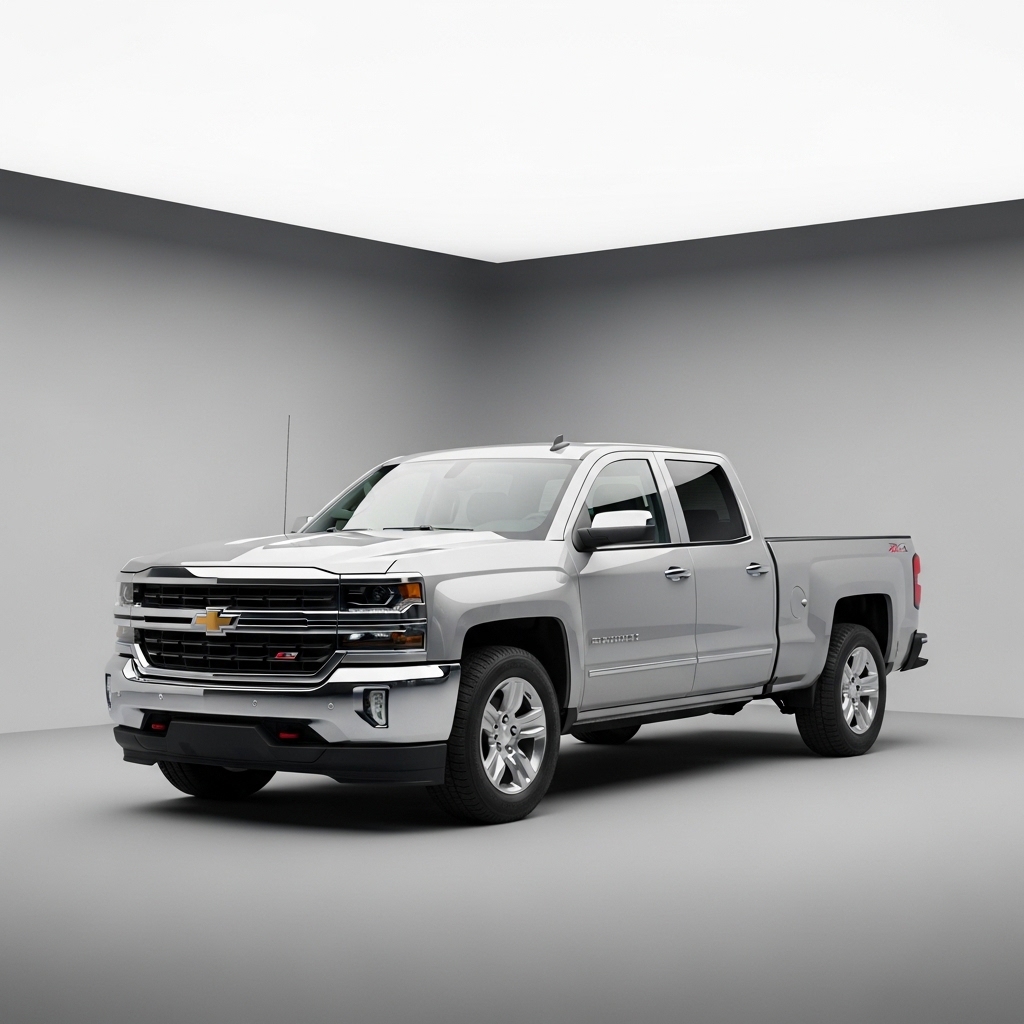
The 100-year gap: Why Kia’s new pickup is fighting more than Chevy’s Silverado
Kia’s new pickup truck is coming into a market where Chevy’s Silverado has been around for a hundred years, and that gap means Kia’s facing more than just another truck, it’s like stepping into a long-established world where everything already has its place, and Kia’s new one has to figure out how to fit or push back a little, even if it’s not entirely clear yet how that will play out with owners and what they expect from something like this.
Chevy Silverado
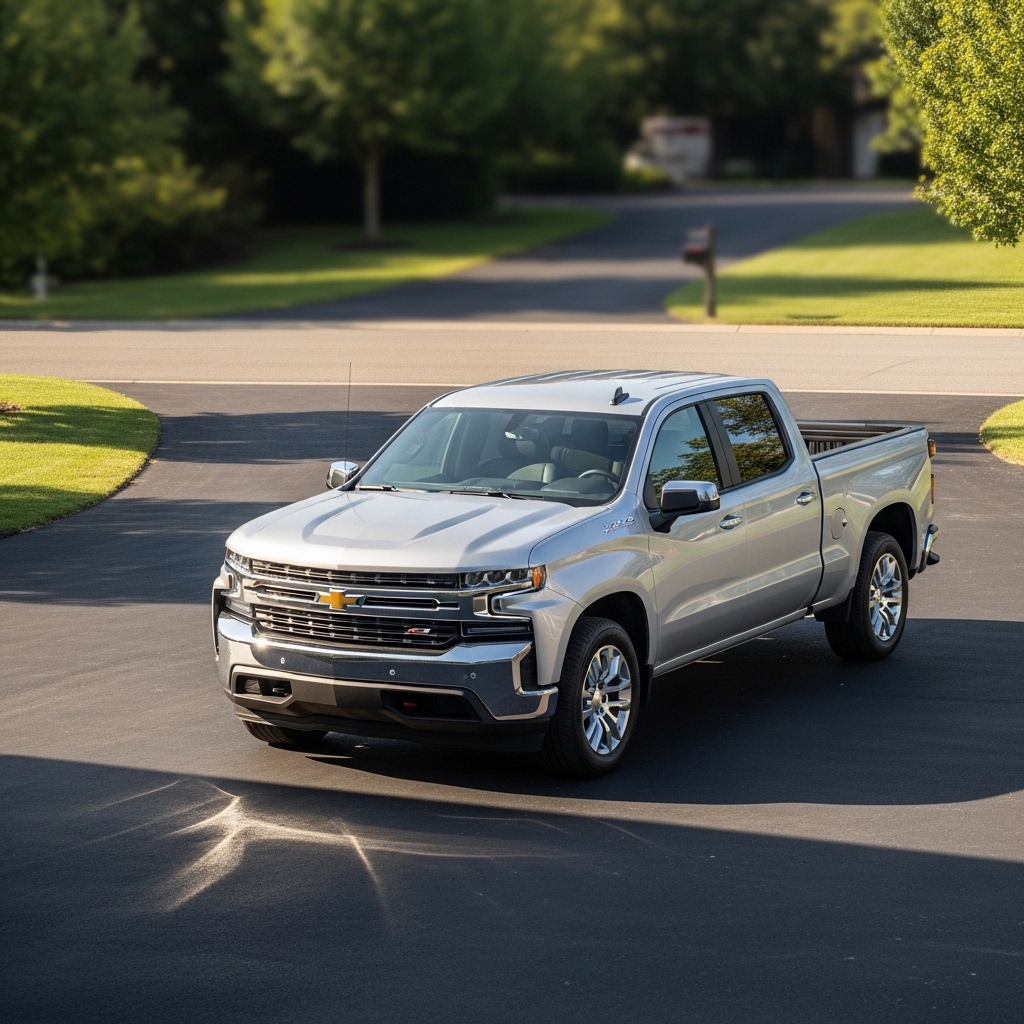
Owning a Silverado feels like having something that’s always been there in the driveway, reliable in that way where you don’t question it much, but sometimes you wonder if it’s too familiar, like maybe it blends into the background of all the other trucks out there. It exists comfortably, carrying loads without much complaint, yet there’s this sense that it could use a refresh, or perhaps not, since people keep coming back to it year after year. The weight of those hundred years sits on it, making it feel solid but also a bit heavy, like it’s carrying history along with the payload. And you think, does it really need to change, or is that what keeps it going.
Ford F-150
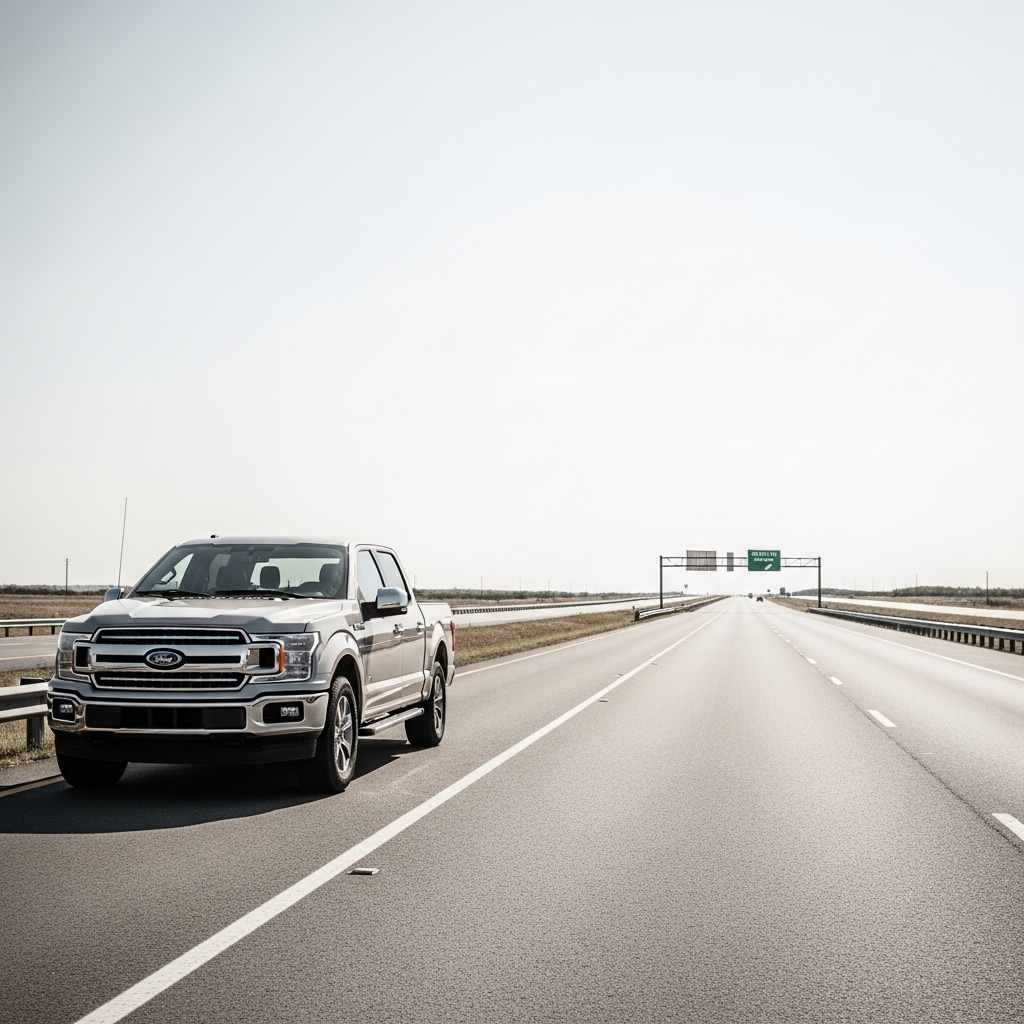
The F-150 just sort of is, in garages across the country, feeling like the default choice that doesn’t demand much thought, though occasionally you hear owners say it could be more exciting somehow. It rolls along highways feeling steady, but there’s this underlying question if it’s pushing boundaries or just keeping pace with what everyone else has. Existing as the top seller means it’s everywhere, which is comforting but maybe a little repetitive, like seeing the same face at every truck stop. Sometimes it feels too capable, and other times you wonder about the gaps in what it offers.
Ram 1500
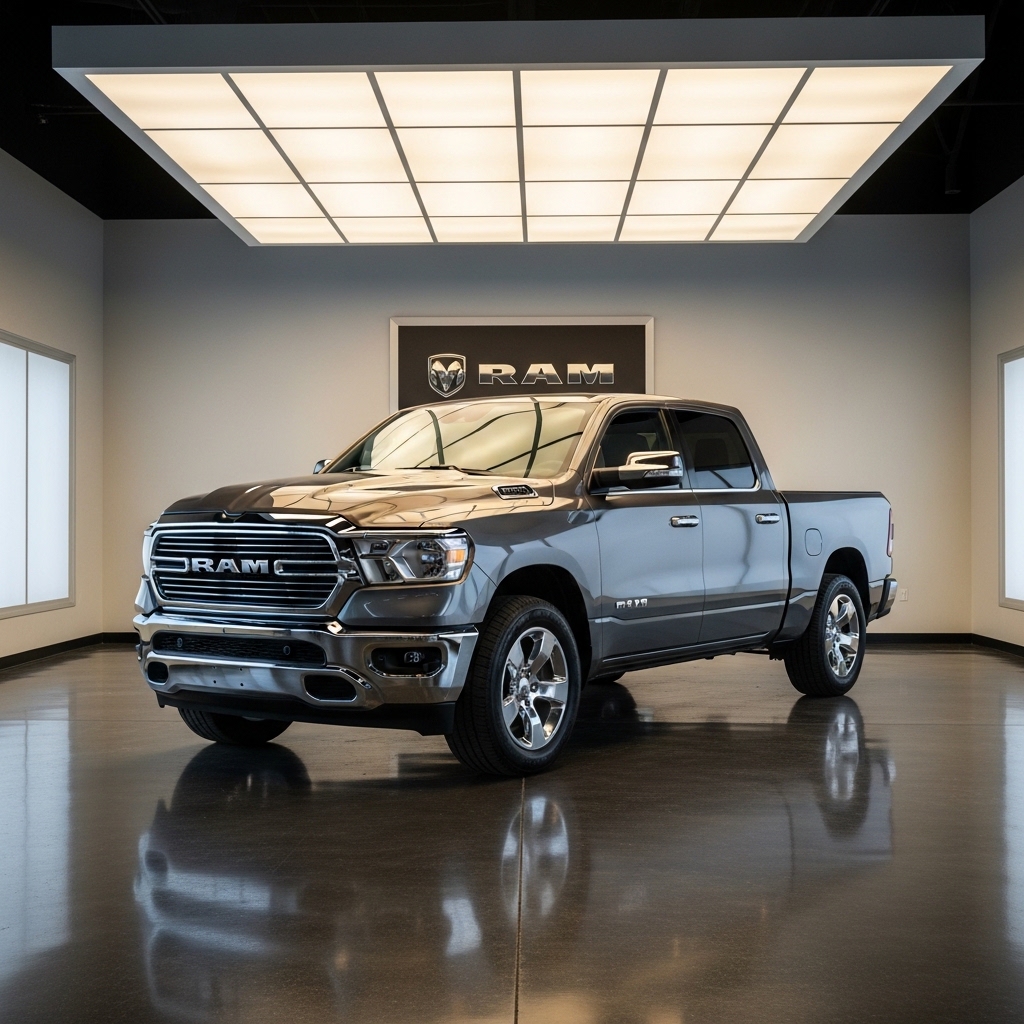
A Ram 1500 sits there with its bold look, making you feel like it’s ready for whatever, but owning one brings this mix where it’s luxurious inside yet still a workhorse outside, and that can confuse things a bit. It exists in a space that’s trying to be both tough and refined, which works for some but leaves others unsure if it fully commits. The air suspension smooths rides, but then you think, is that necessary for a truck, or does it soften what it’s supposed to be. It hangs around in lots, drawing eyes, yet the appeal fades if you overthink it.
Toyota Tundra
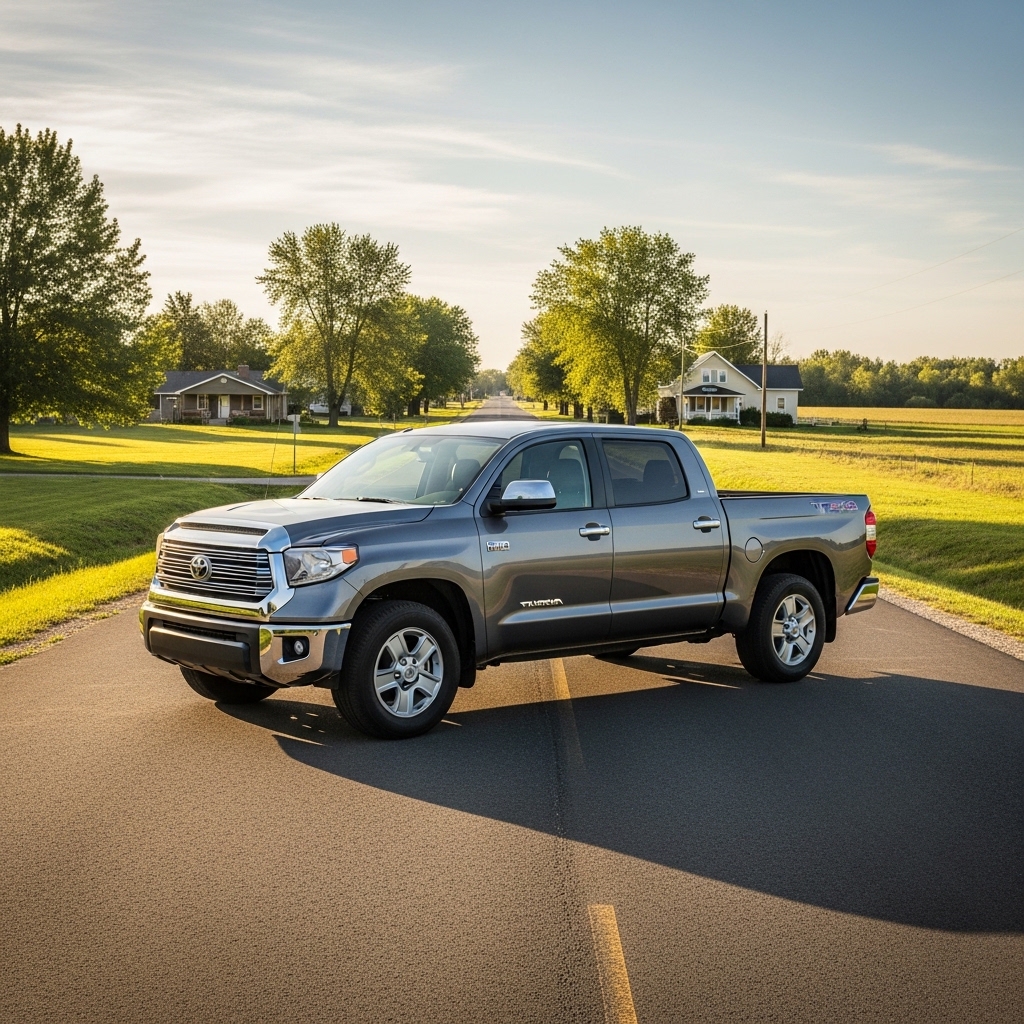
The Tundra feels dependable in that quiet Toyota way, like it won’t let you down but won’t thrill you either, existing as this steady presence that owners trust without saying much. It’s built tough, hauling without drama, though sometimes it seems a step behind the flashier ones, and you wonder if that’s a strength or just holding back. Being owned means long-term satisfaction, maybe, but there’s uncertainty about whether it keeps up with newer demands. It just keeps going, reliably so, and that repetition makes it feel safe yet a little predictable.
GMC Sierra
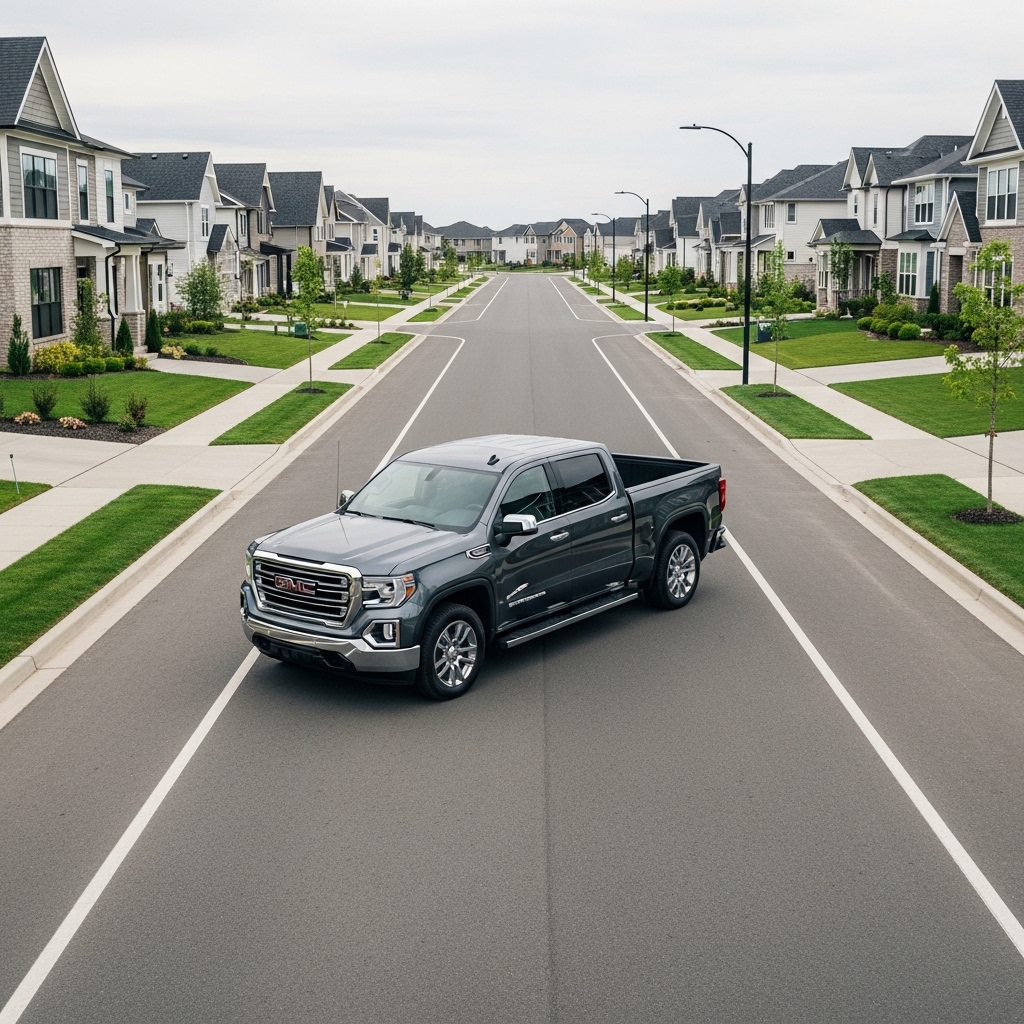
Sierra ownership has this premium vibe next to the Silverado, feeling like an upgrade that’s still familiar, but it exists in a shadow where people compare it constantly. It drives with confidence, yet there’s a softness to how it settles into daily use, like it’s trying hard but not always standing out. The details inside make it nicer, but then you question if that matters for the rough stuff. It lingers in driveways, solid but with that mild doubt about its edge over siblings.
Nissan Titan
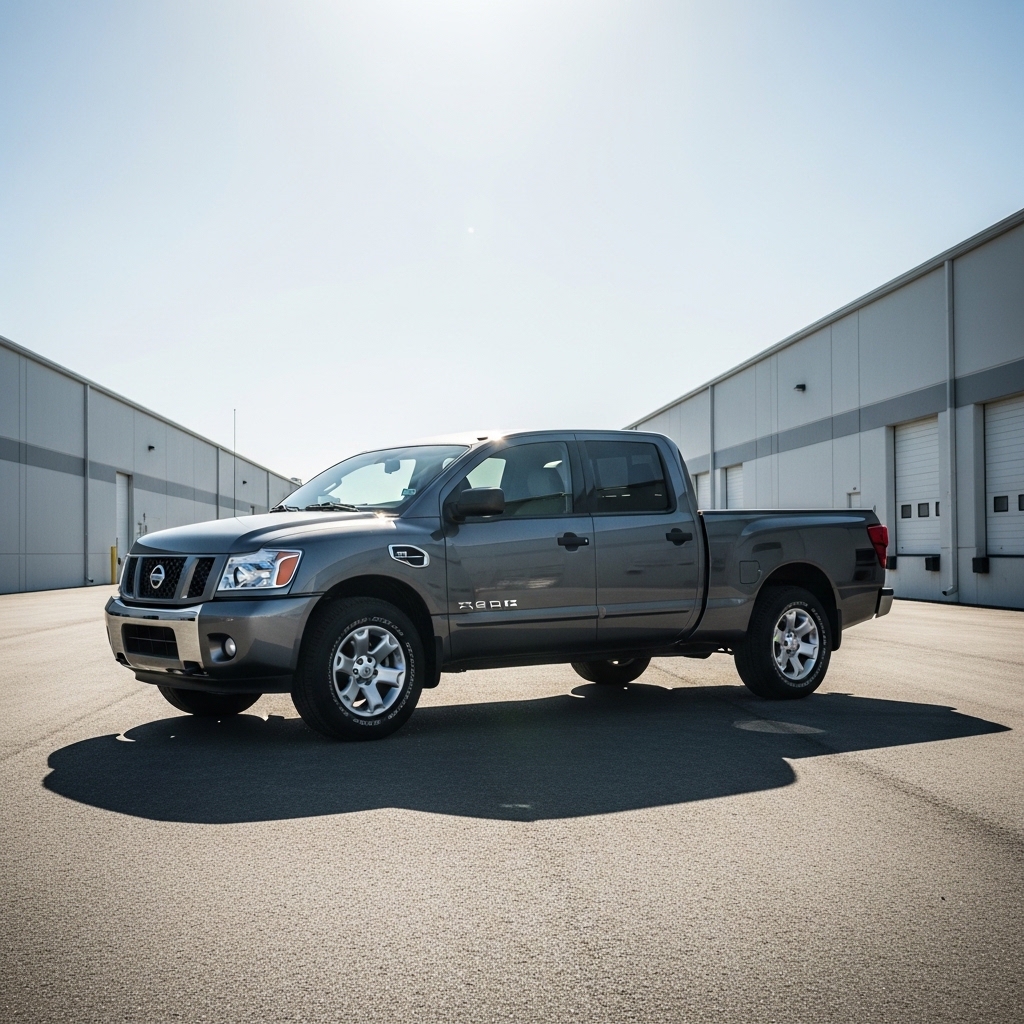
The Titan feels underappreciated sometimes, sitting there powerful but not grabbing headlines, and owning it means dealing with that quiet strength that doesn’t shout. It exists as this capable option that surprises when pushed, though uncertainty lingers about its future place in lineups. People keep it for the value, maybe, but repeat that it could use more attention. It hauls fine, and that’s enough, or is it.
Jeep Gladiator
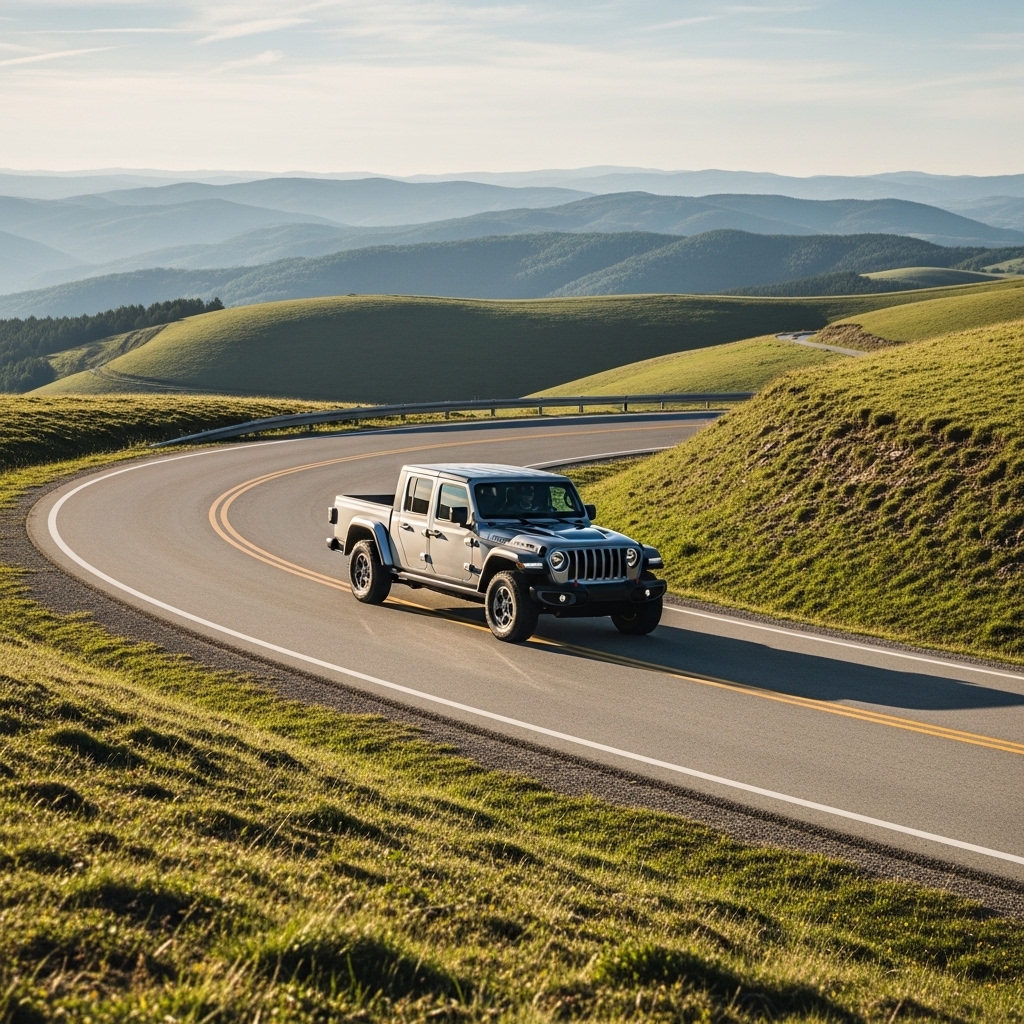
Gladiator ownership brings adventure right to the door, feeling wild off-road but a bit out of place on pavement, existing as this hybrid that doesn’t fully settle into truck life. It’s fun to have around for trails, yet the daily drive softens that thrill, leaving some contradiction in what it wants to be. Owners talk it up, but then there’s hesitation about long-term comfort. It stands out, sort of, in a crowded field.
Honda Ridgeline
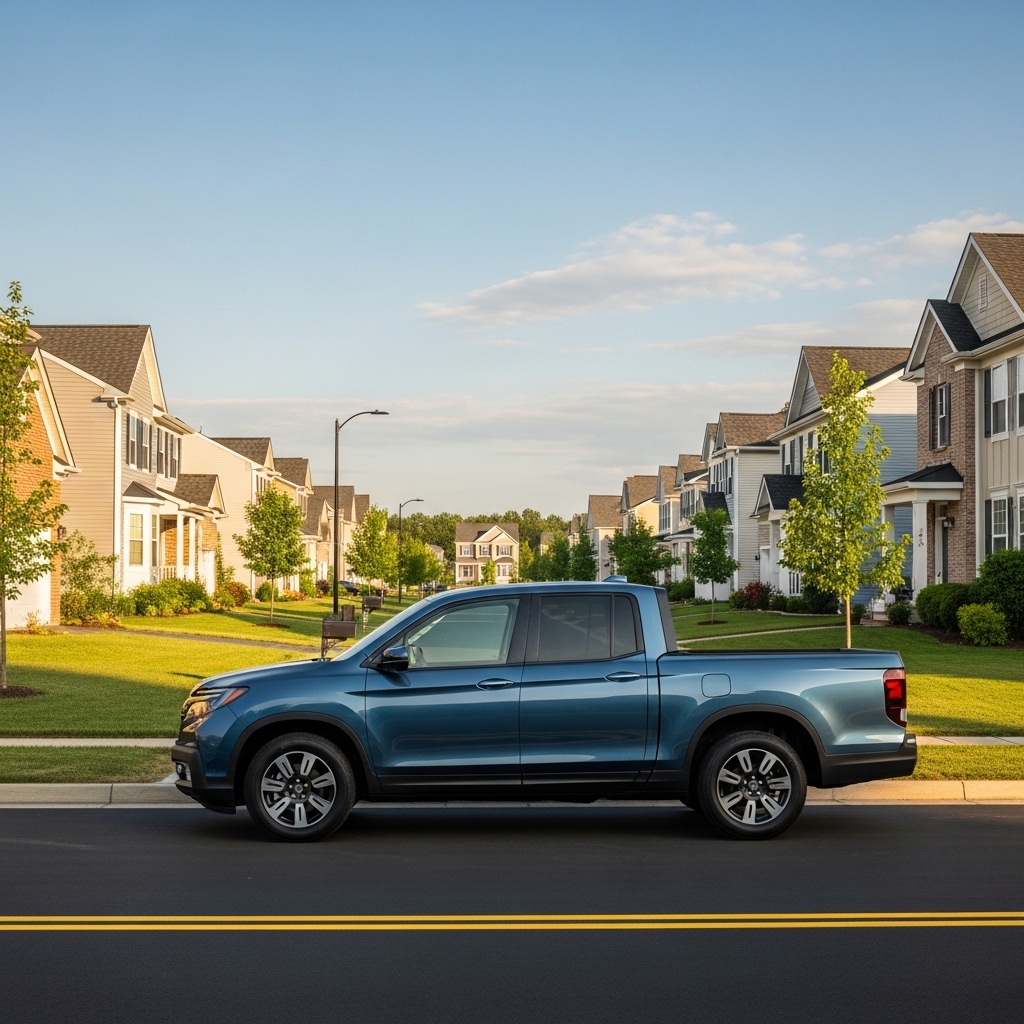
Ridgeline feels different, like a truck that’s more car-like, existing comfortably for those who don’t need the full ruggedness, but that can make it seem less serious. Owning one is easy, smooth rides and all, though you wonder if it truly competes when things get heavy. It’s clever with the bed, repeating that unibody strength, yet uncertainty about its toughness persists. Nice to have, maybe too nice.
Ford Ranger
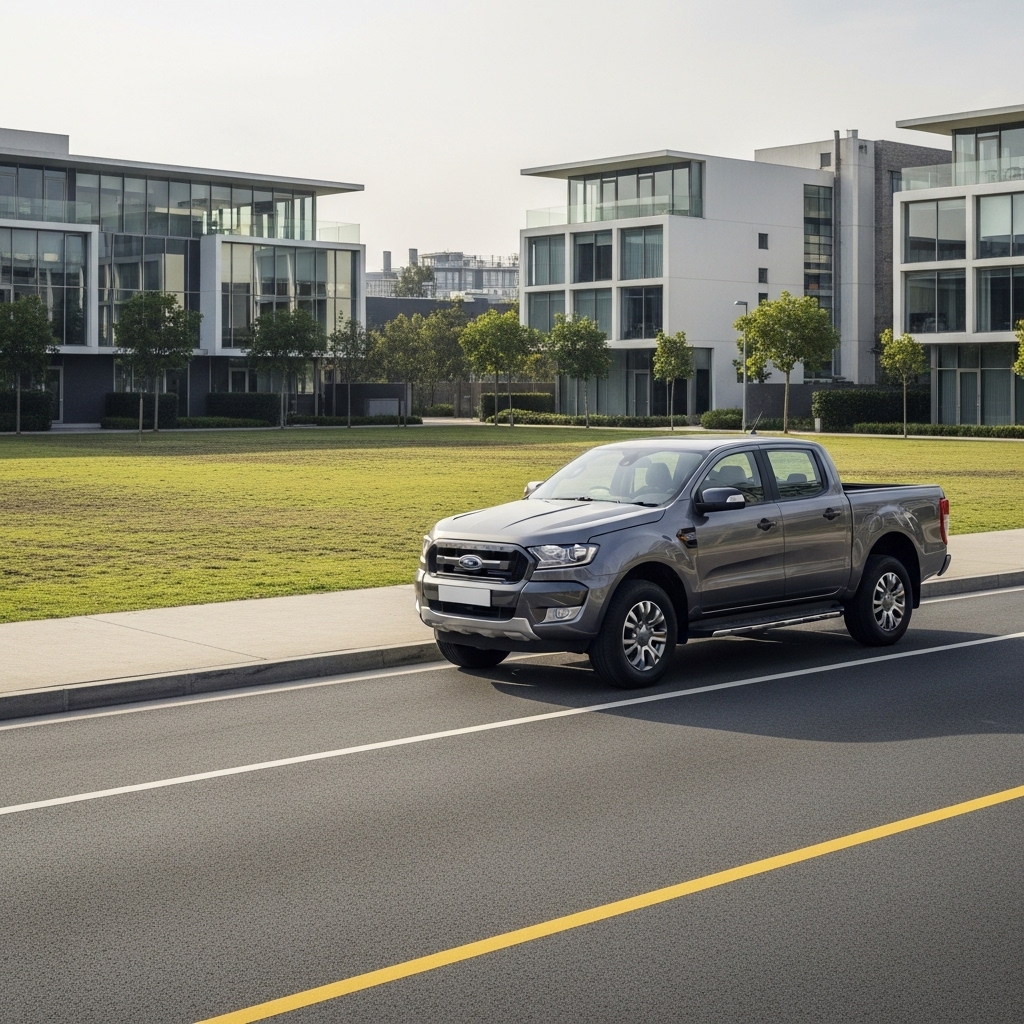
The Ranger midsize slot makes it nimble, feeling right for tighter spots, but as a full-size challenger it exists with some doubt about scaling up. Owners appreciate the handling, yet it softens into questions of capability compared to big brothers. It’s there, useful daily, and that repetition builds loyalty or boredom. Solid enough, perhaps.
Toyota Tacoma
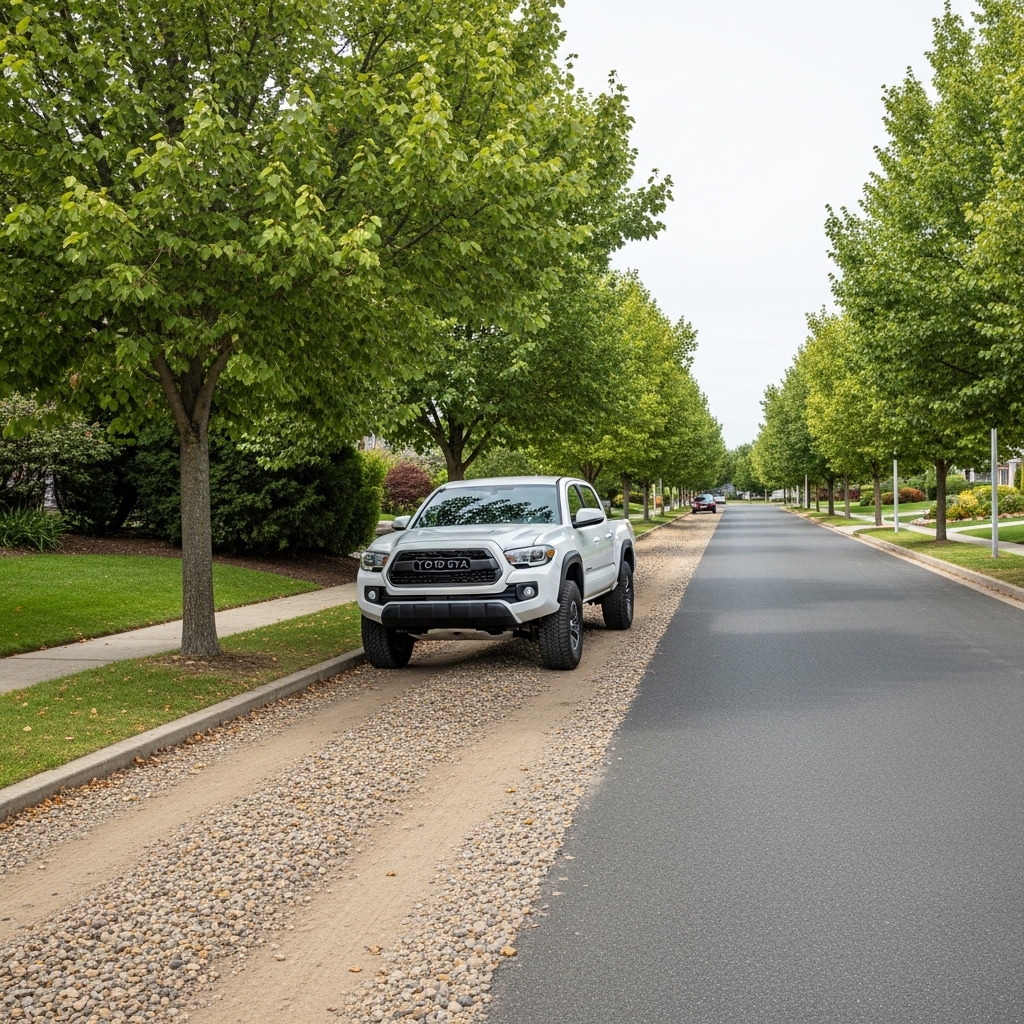
Tacoma just endures, owned by folks who swear by it forever, feeling like the off-road king that doesn’t quit, but existing so long brings staleness maybe. It bounces over rough stuff reliably, though updates tease change without fully delivering. The cult following repeats itself, comforting yet questioning if it’s time for more. Keeps going, as always.