Volkswagen’s Electric Van Problem: Thousands Sitting Unsold After Just One Year
Sometimes a product launches and immediately becomes outdated by its own replacement. That’s basically what happened with VW’s electric bus. They launched a sixty thousand dollar version and then turned around and released something better for less money. Now they’re stuck with a bunch of vans nobody wants to buy.
Ford E-Transit
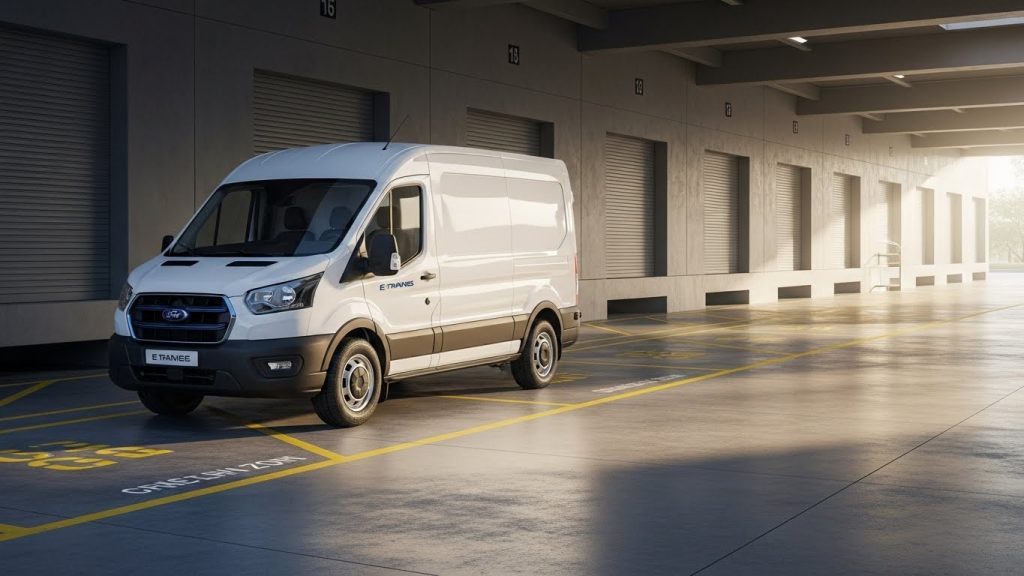
Ford just went ahead and electrified their bestselling van and honestly it works. Somewhere around fifty grand base price and you get the same cargo space you’re used to but without gas stations. I saw one at a delivery depot last month and the driver said he never wants to go back to diesel. The range isn’t amazing but for city routes it’s perfect. It looks exactly like a regular Transit which means it doesn’t scream look at me I’m electric and sometimes that’s what you want from a work van.
Mercedes-Benz eSprinter
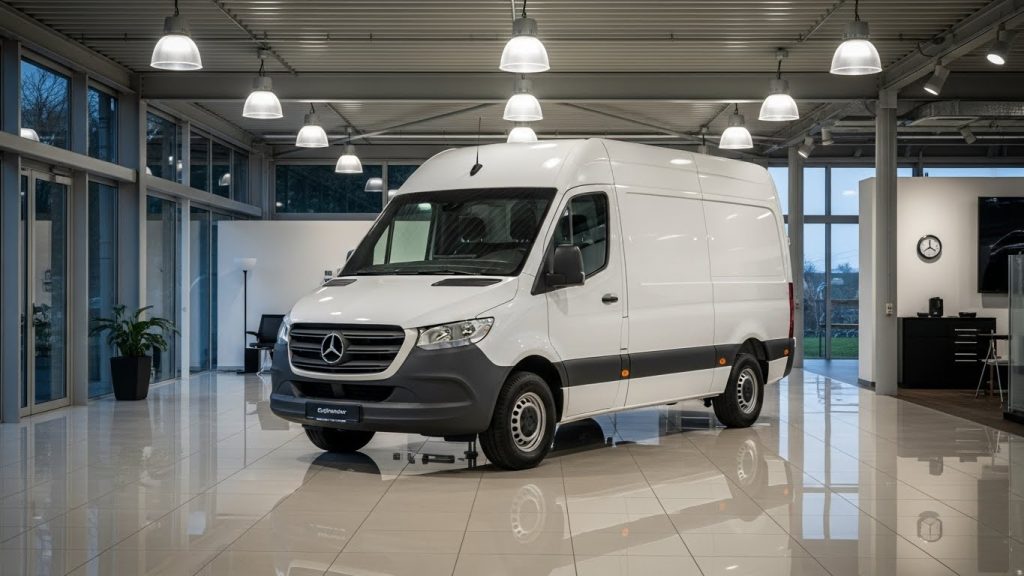
The eSprinter feels overpriced until you drive it and then you kind of understand. Around sixty-five grand and yeah that’s a lot for a van but it’s a Mercedes van. The build quality is just different from everything else. My neighbor runs a catering business and got one and says the reliability alone justifies the cost. The battery placement doesn’t mess with cargo space which seems obvious but apparently not everyone figured that out. It’s smooth and quiet in a way that makes you forget you’re driving something this big.
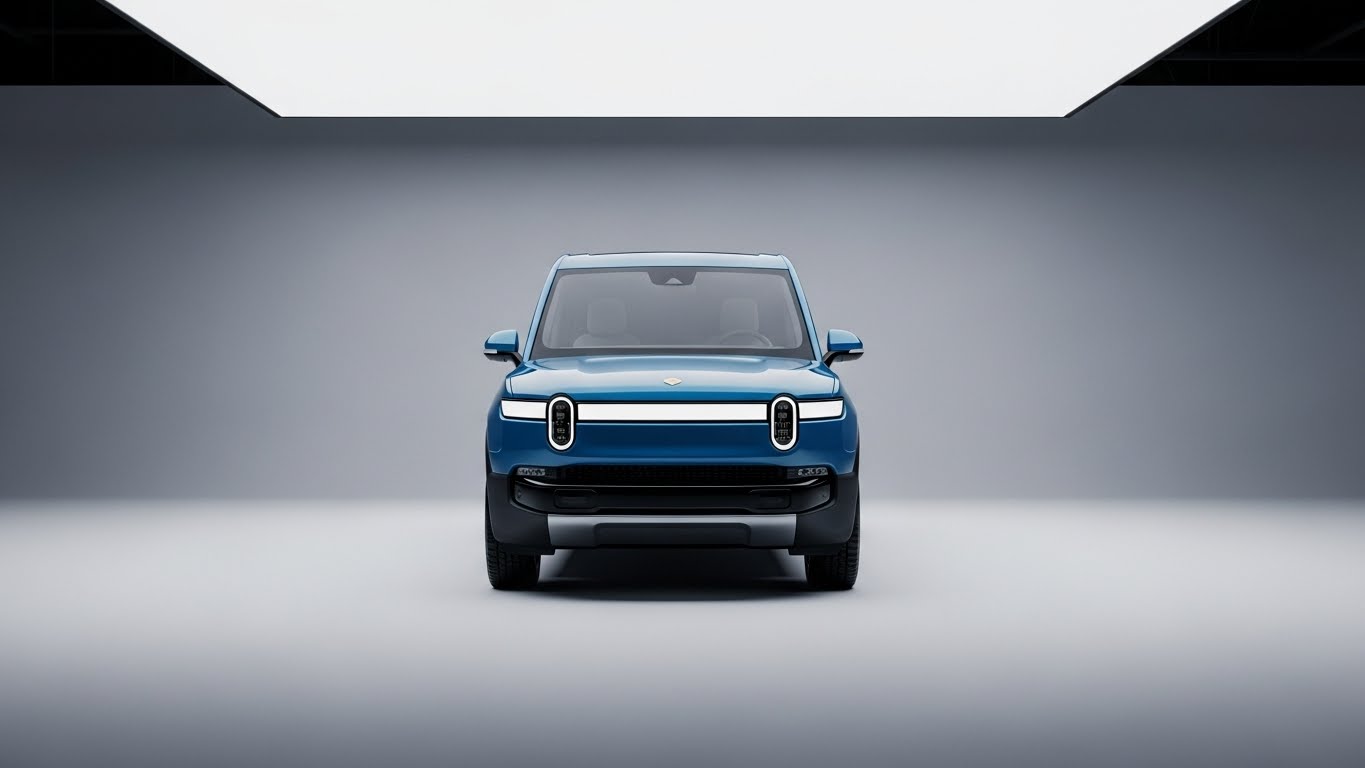
Rivian EDV
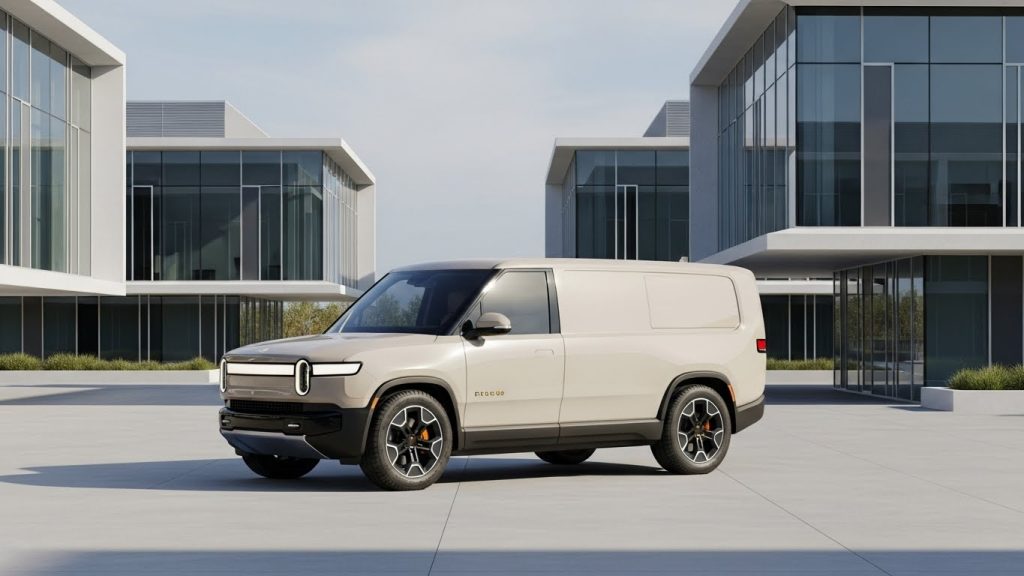
Amazon’s delivery vans that you can actually buy now if you want. Around eighty grand which is wild for a van but Rivian builds things differently. The whole design is focused on delivery drivers which sounds basic but means everything is in the right place. I talked to a driver once who said the ergonomics make the twelve hour shifts less painful. The range is solid and the tech is miles ahead of traditional vans. It looks futuristic in a way that either works for you or doesn’t.
BrightDrop Zevo 600
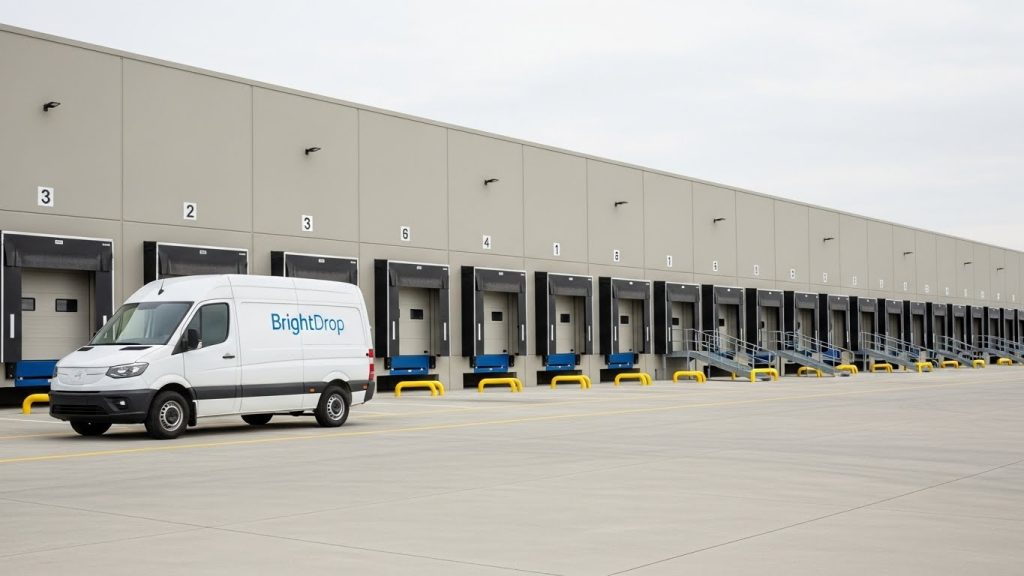
GM’s entry into this whole thing and they’re taking it seriously. Around sixty thousand and the cargo space is massive. The name is kind of corny but whatever the van itself is practical. The software updates over the air which means it gets better over time instead of just older. I watched one parallel park itself once and it was smoother than I’ve ever done it. Built in shelving systems that actually make sense for delivery work not just theoretical cargo.
Arrival Van
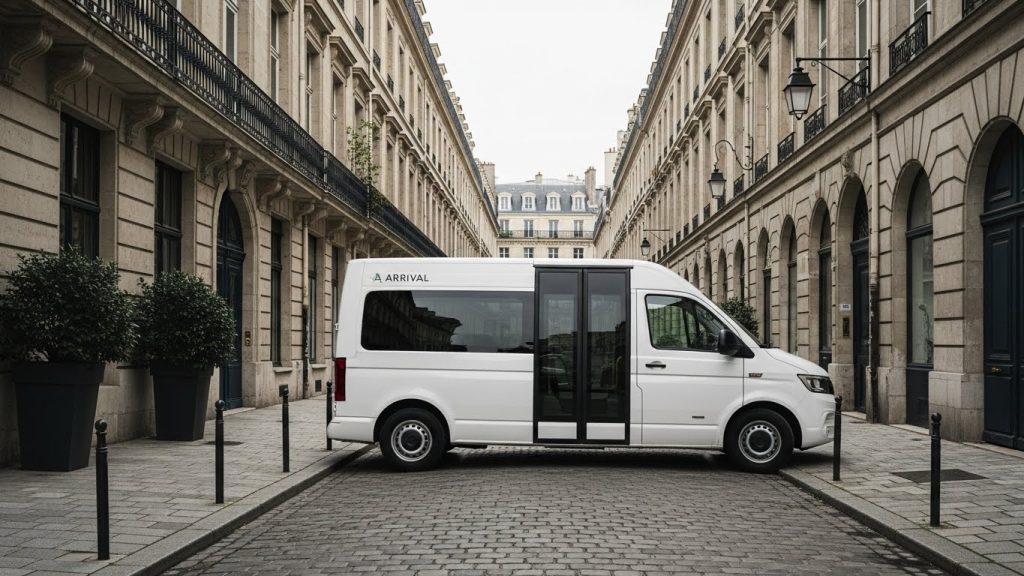
British design that feels like someone actually thought about what van drivers need. Around fifty-five grand and modular construction means repairs are supposedly easier. Haven’t been around long enough to know if that’s true but the concept makes sense. The interior is sparse but functional in a way that feels honest. The turning radius is tight enough for city streets that were designed for horses. I like that it doesn’t try to be fancy it just tries to be useful.
Canoo LDV 190

The weird looking one that grows on you. Around thirty-five grand which undercuts almost everything here. The design is polarizing but there’s something charming about how different it is. Lots of window space means visibility is actually good which seems rare in modern vehicles. The flat floor makes loading and unloading less of a back destroyer. It’s the underdog choice and I always root for underdogs even when they look strange.
Fisker Pear Commercial

Fisker trying to break into the commercial space with something affordable. Around forty grand supposedly when it actually comes out. The specs look good on paper but Fisker has a history of promising things and delivering something else. The range estimates are optimistic which probably means real world will be less. But if they pull it off at that price point it could shake things up. I’m cautiously interested which is about as enthusiastic as I get about vaporware.
Lightning eTransit
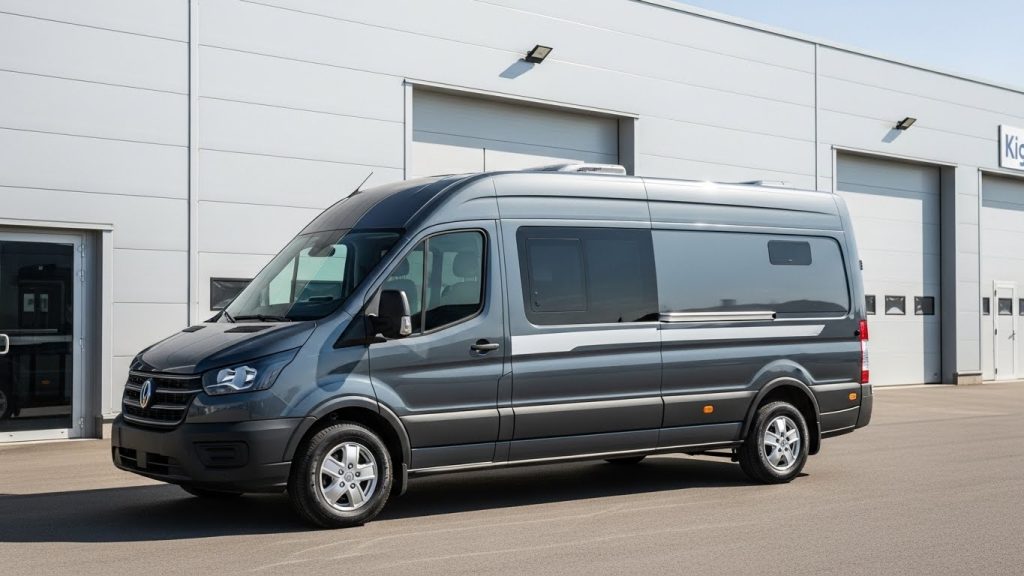
Not Ford’s official one but the conversion company that’s been doing this for years. Around seventy grand to convert your existing Transit. The advantage is you keep the van you already know and trust. The disadvantage is it’s expensive and range suffers compared to purpose built options. But some businesses swear by it because their drivers don’t need to learn a new vehicle. The battery tech is proven even if it’s not cutting edge. Sometimes boring and reliable beats new and exciting.
Workhorse C1000
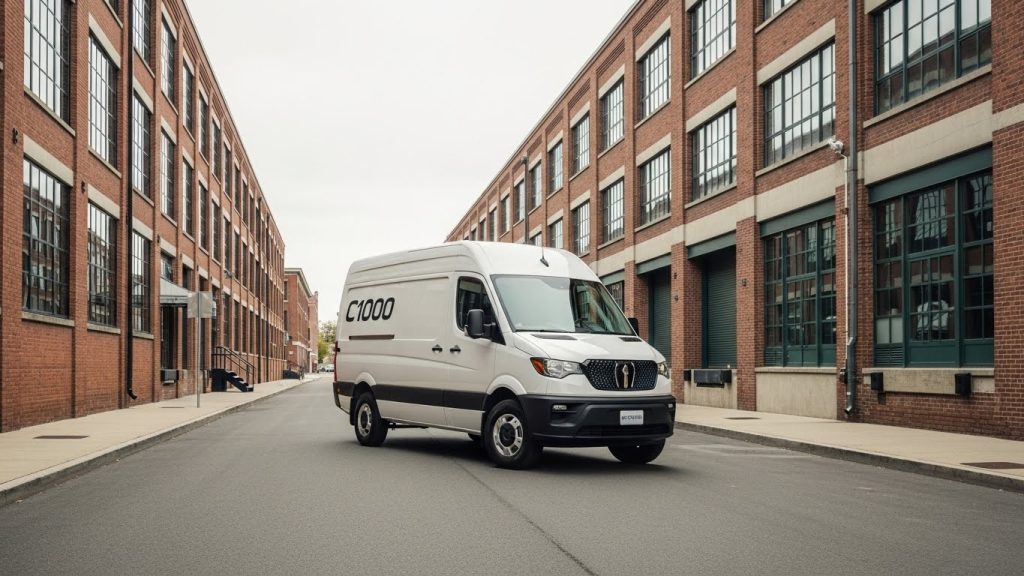
American company that’s been struggling but keeps trying. Around fifty-five grand and built specifically for last mile delivery. The range is okay not great but enough for most urban routes. I’m rooting for them to succeed because competition is good but the financial situation seems sketchy. The van itself is fine nothing spectacular but it works. If they can stay in business long enough to build a reputation they might have something.
Maxus eDeliver 9
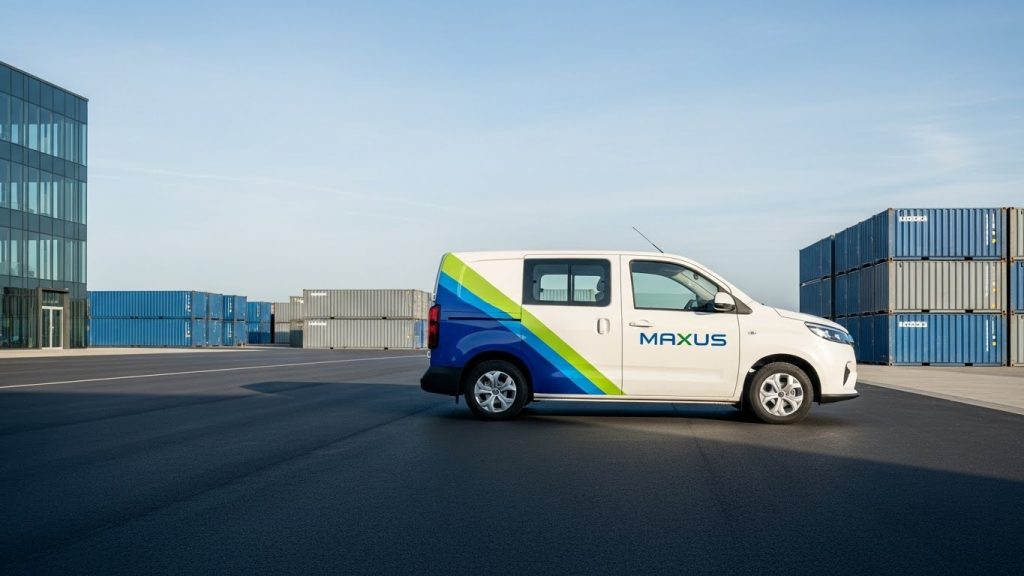
Chinese import that nobody talks about but probably should. Around fifty grand and the specs are competitive with everything else. The stigma around Chinese vehicles is real but this one has been in Europe for a while and seems solid. The warranty is surprisingly good which suggests they’re confident or desperate. Either way it’s a value proposition that’s hard to ignore. Saw one at a loading dock once and it looked normal which is either boring or reassuring depending on your perspective.