More Electric Cars Are Changing Our Roads in an Unexpected Way
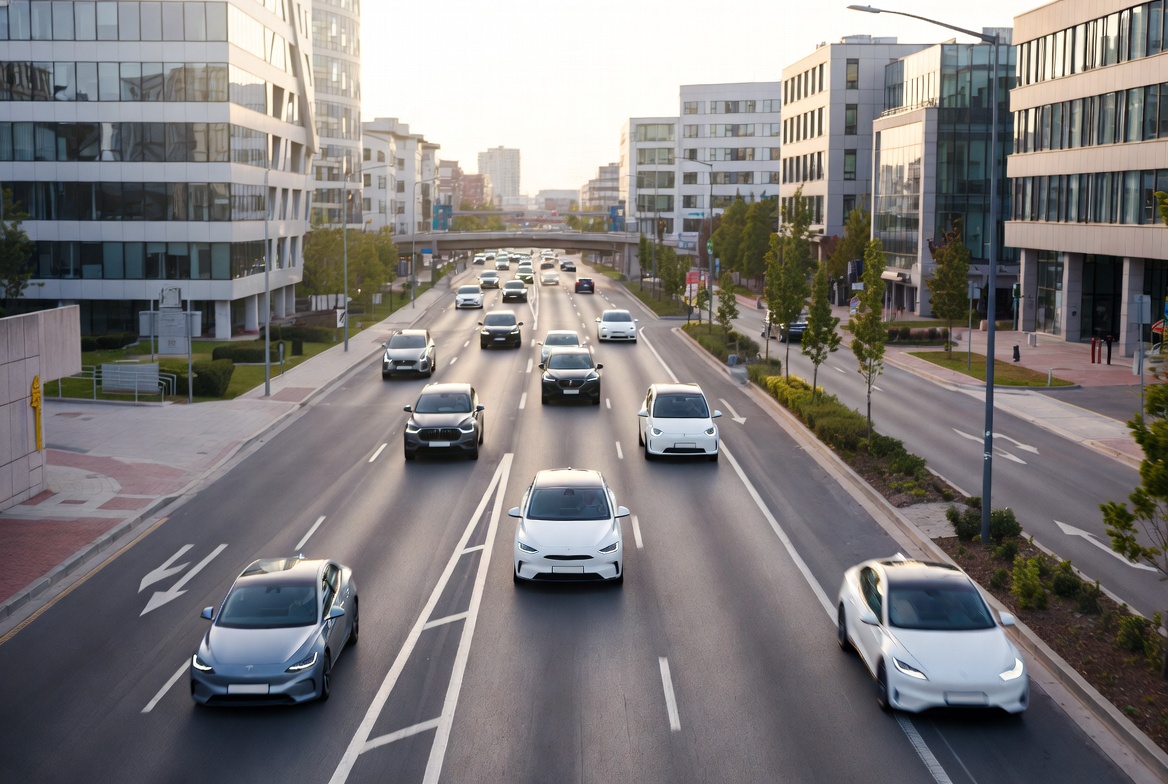
Electric cars are becoming common because they run quietly and produce less pollution. While they are better for the environment, studies show their impact goes beyond just reducing exhaust emissions. As their use increases, new effects on roads, cities, and the environment are coming into focus. These findings don’t reduce the benefits of electric vehicles but highlight the need for smarter planning. Understanding these impacts helps cities create policies that support clean transportation while staying sustainable in the long run.
Tyre Particle Buildup
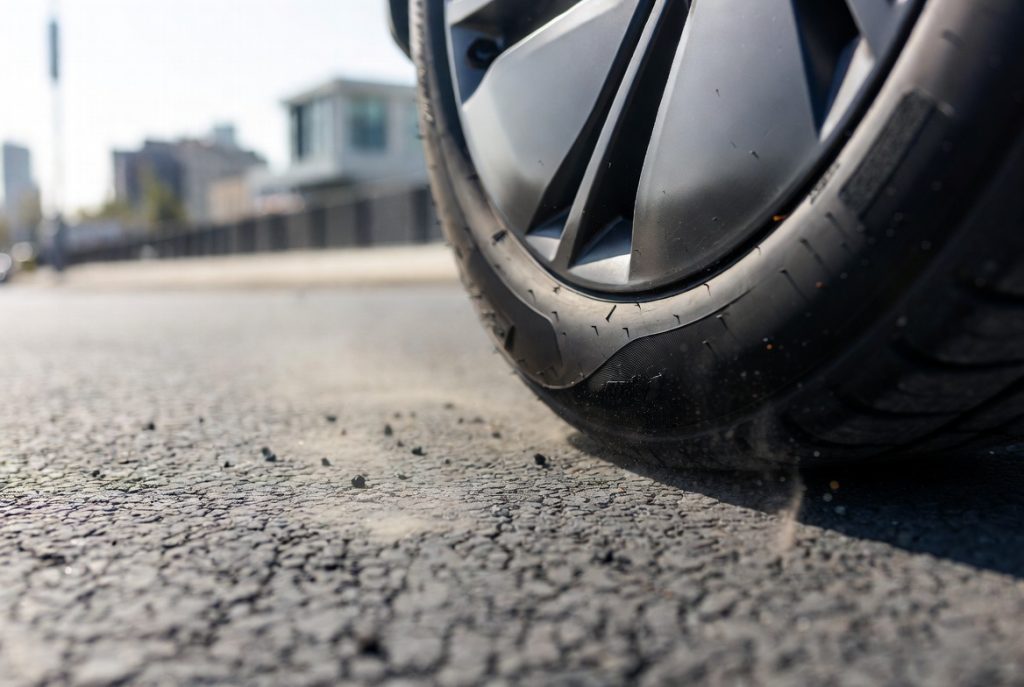
Battery systems cause electric vehicles to weigh more. It is therefore possible that this increased weight may enhance the wear on tyres, thereby sending the fines into the roads and ultimately finding their way into the soil around the areas, as well as that of the waterways, becoming a new issue of environmental management in the urban centres.
Road Surface Erosion
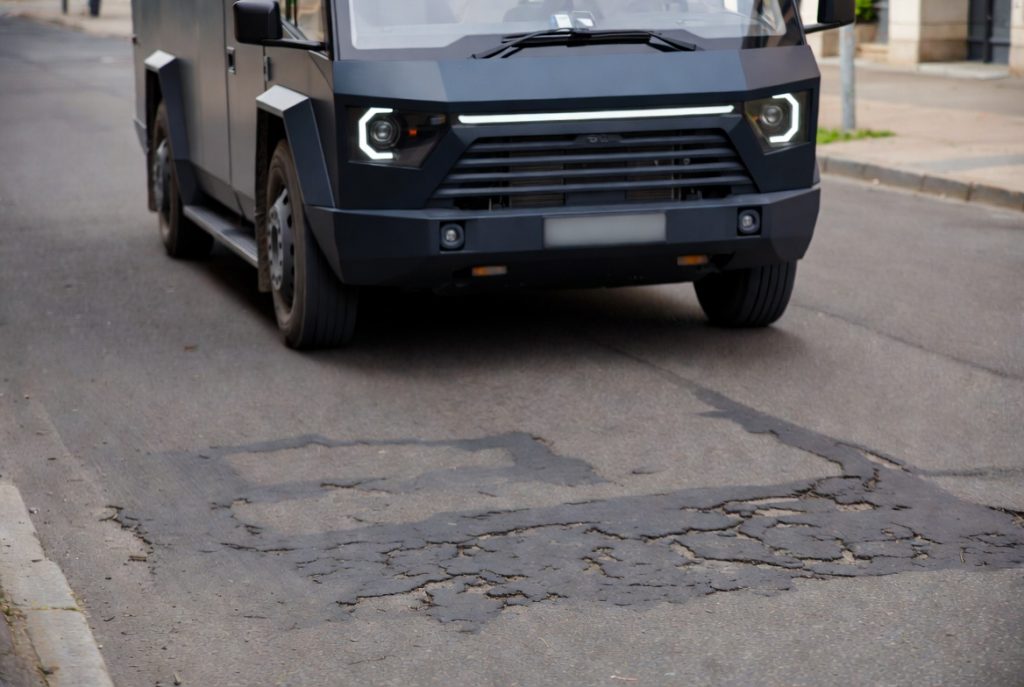
More weight on the asphalt and concrete surfaces is exerted by heavier vehicles. In the long run, this may accelerate the degradation of the surface, which will require an increase in maintenance and expenditure on public infrastructure in high-traffic areas.
Drainage System Stress
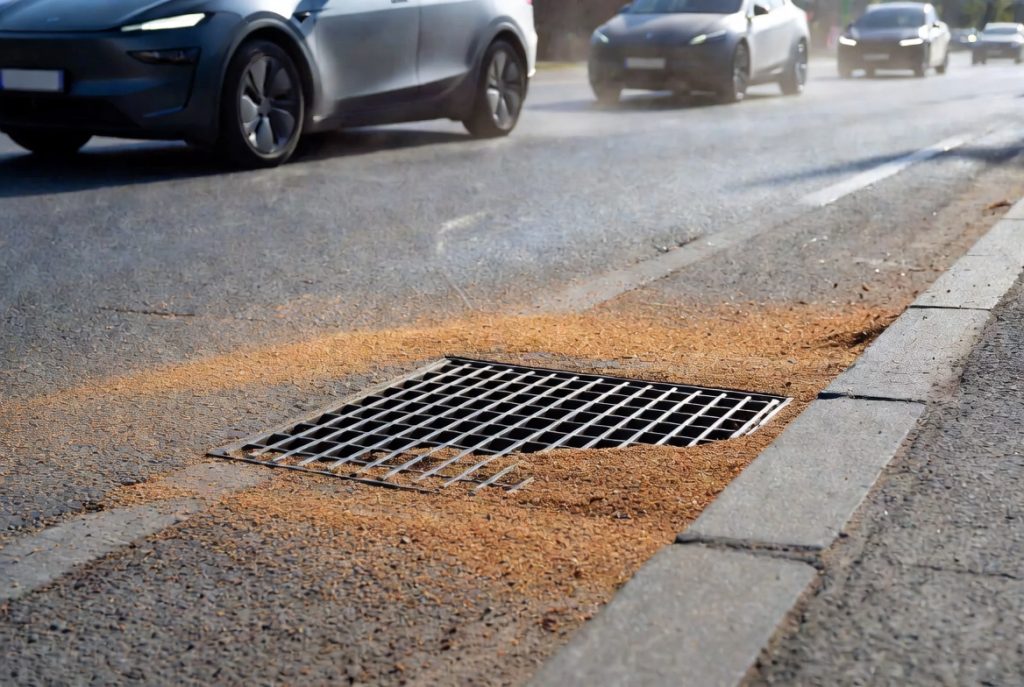
Tyre and road wear particles can migrate through stormwater drains- tiny particles. Such materials can accumulate in drainage channels, thus lowering the efficiency of the movement of water and raising the cleaning operations.
Urban Dust Levels
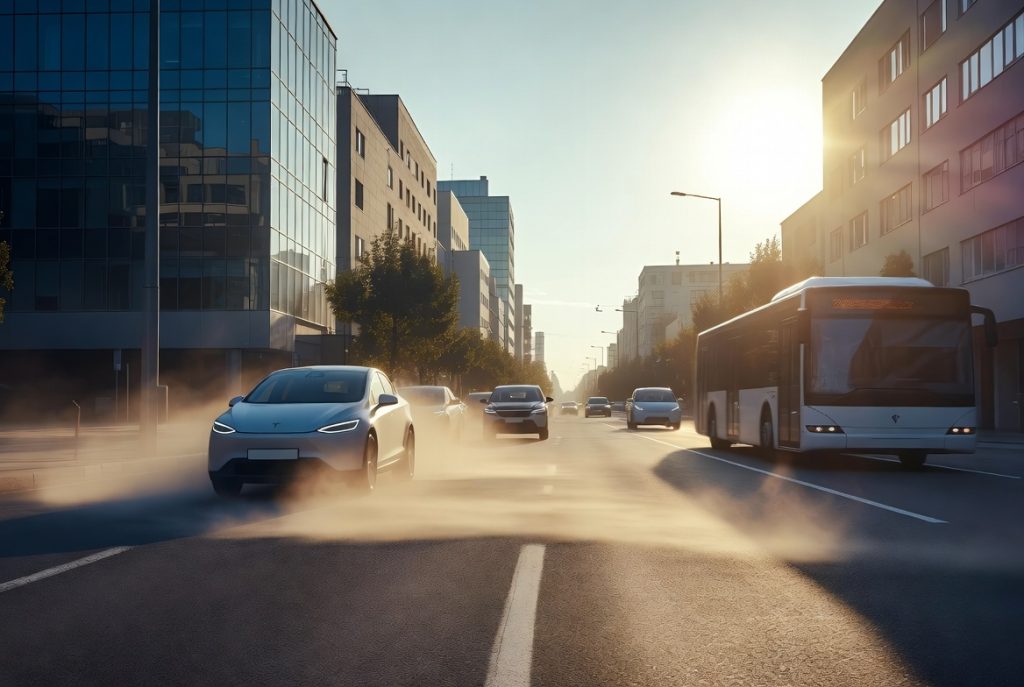
Electric cars do not produce exhaust fumes, but tyre and road dust still lead to air dust. This implies that cities can still have fine particulate matter, although the emissions from engines can be reduced.
Increased Maintenance Budgets
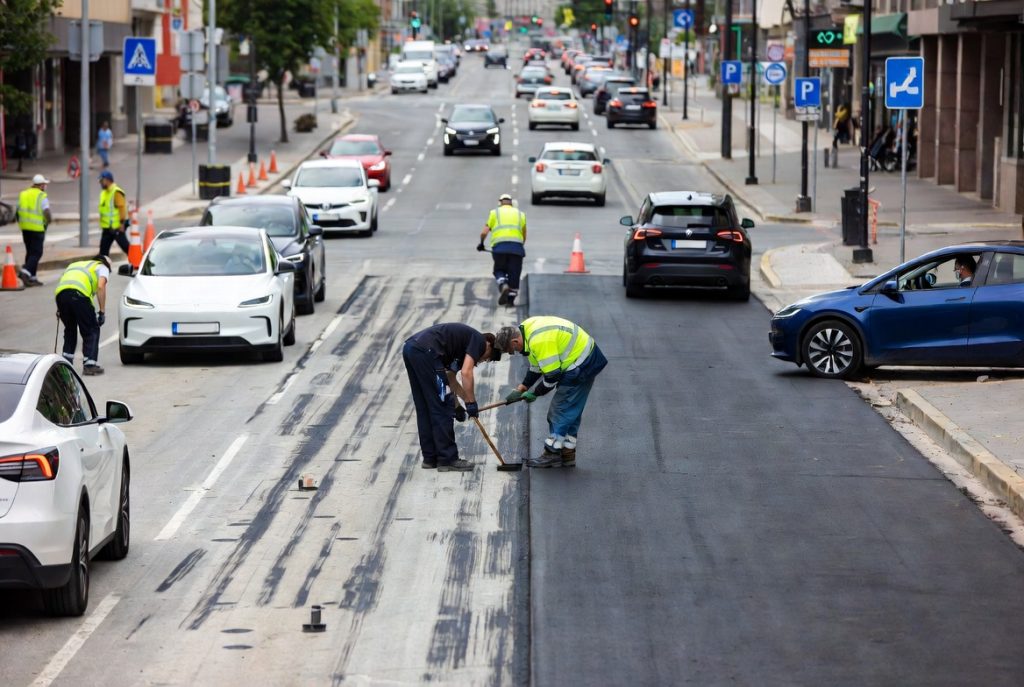
The budgets of municipal roads might require changes. The increased pressure on roads may increase the number of resurfacing projects, which will strain the budget of people on transport infrastructure.
Changes in Road Marking Durability
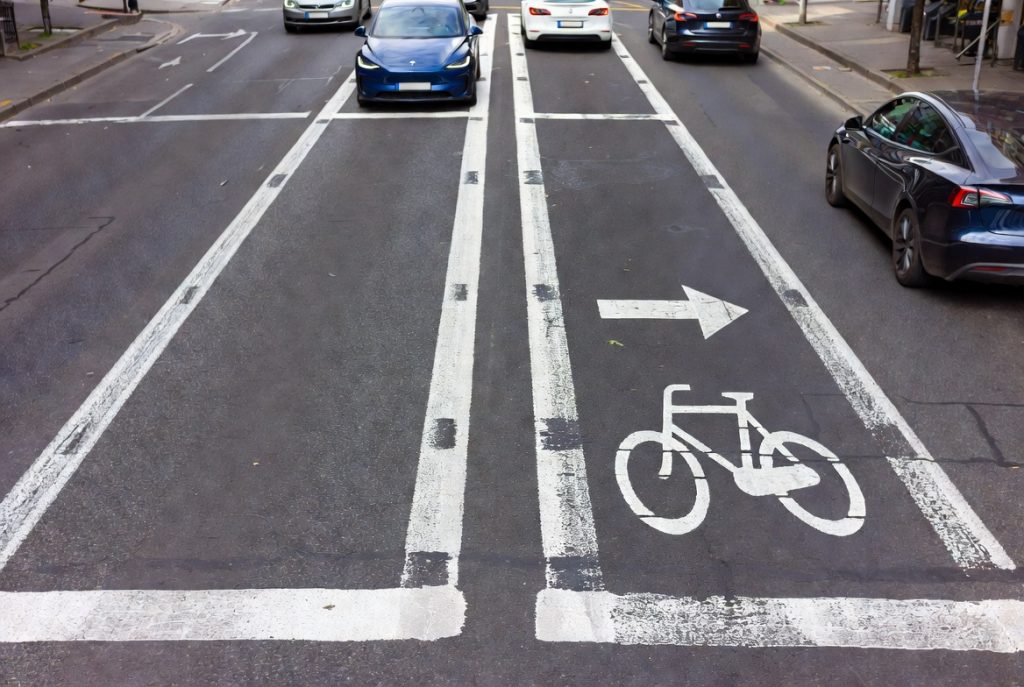
Painted road markings have a tendency to wear out when the load of vehicles is heavy. This has the potential to decrease the visibility of the lane lines and symbols and necessitate regular repainting to ensure clarity and safety of the traffic.
Parking Area Wear
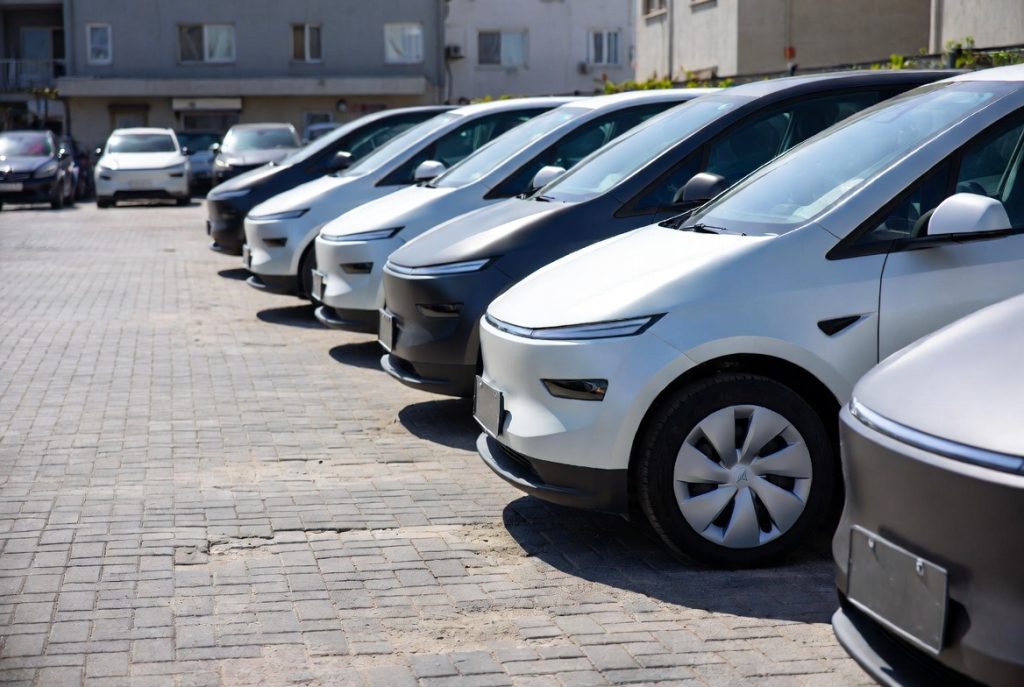
The surface wear may be noticed on the parking spaces used by people and residential driveways earlier. Due to the weight of the electric cars, there will be shallow surface depressions with time, especially in the softer paving material.
Bridge Load Planning
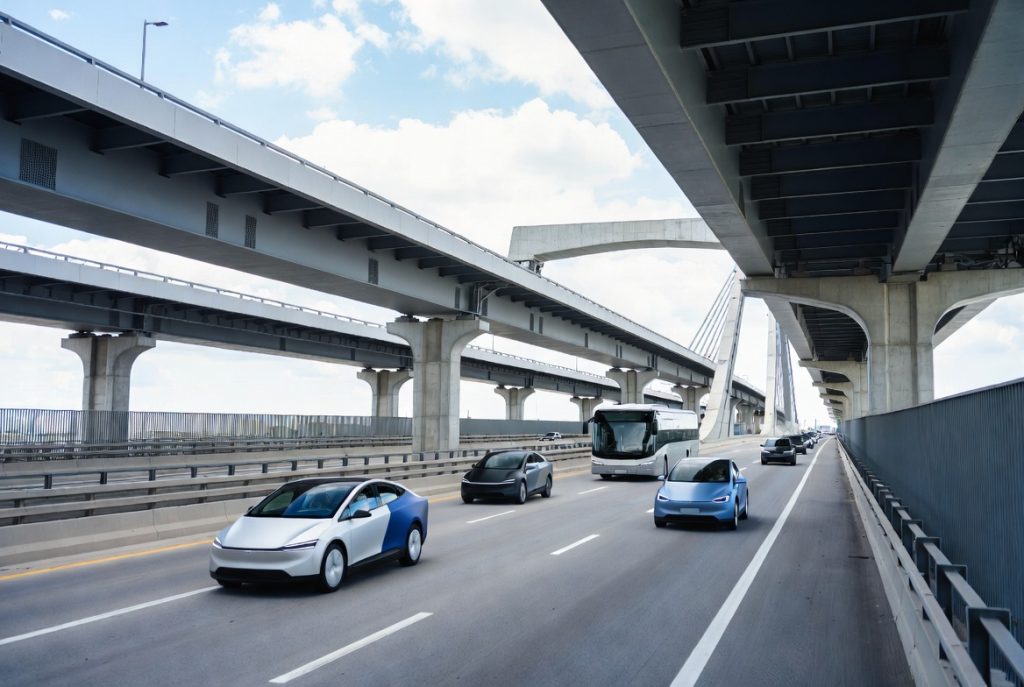
The urban bridges are built with a certain load capacity. The increasingly heavier vehicles can prompt engineers to re-evaluate the long-term structural capacity and maintenance frequency.
Cleaning and Sweeping Demands
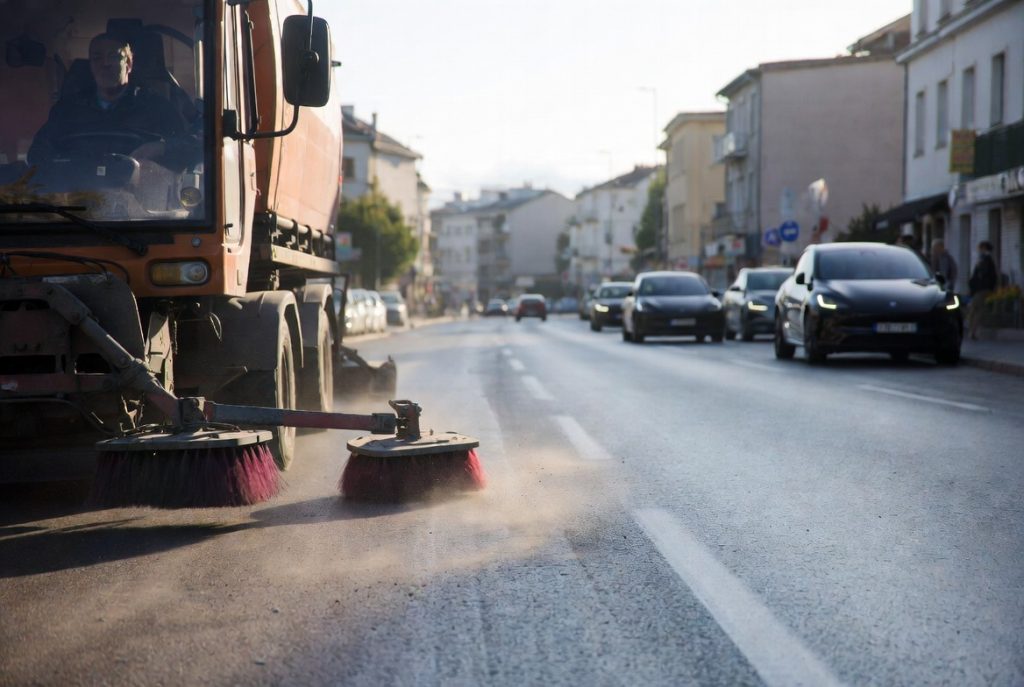
The cleaning services in the streets might require an increase in frequency. Frequent cleaning will assist in the cleanliness of roads and also reduce the amount of dust on the road, thus avoiding the spread of particles to the adjacent locations.
City Design Considerations
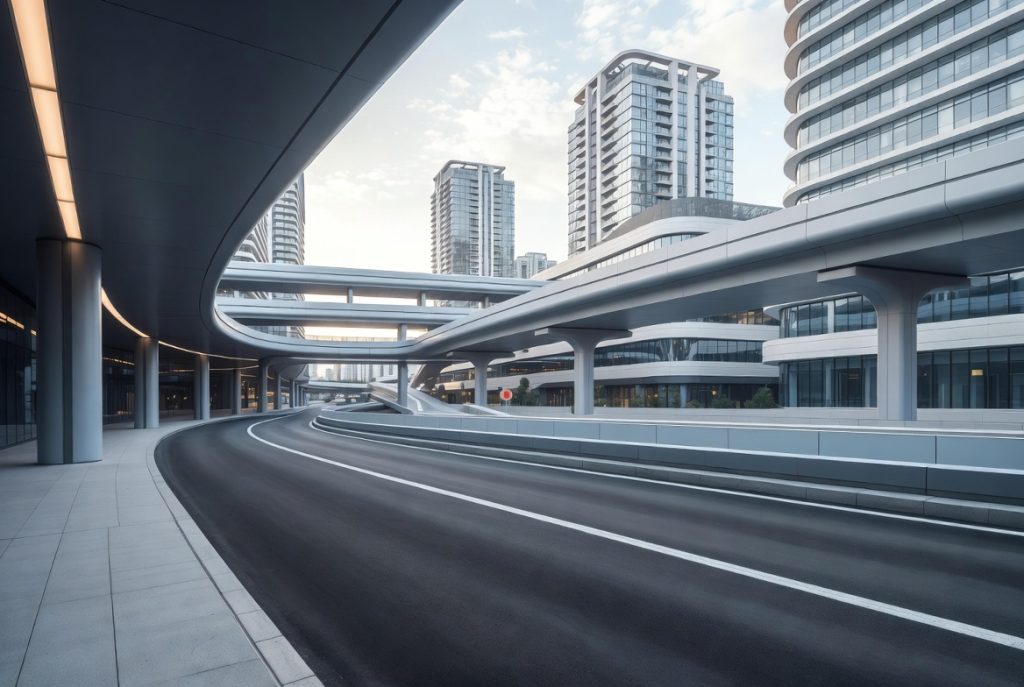
The future road designs can be adjusted by urban planners. The heavier surfaces, better drainage, and stronger materials may also become a standard in order to fit the changing landscape of the vehicles.
Balanced Sustainability Planning
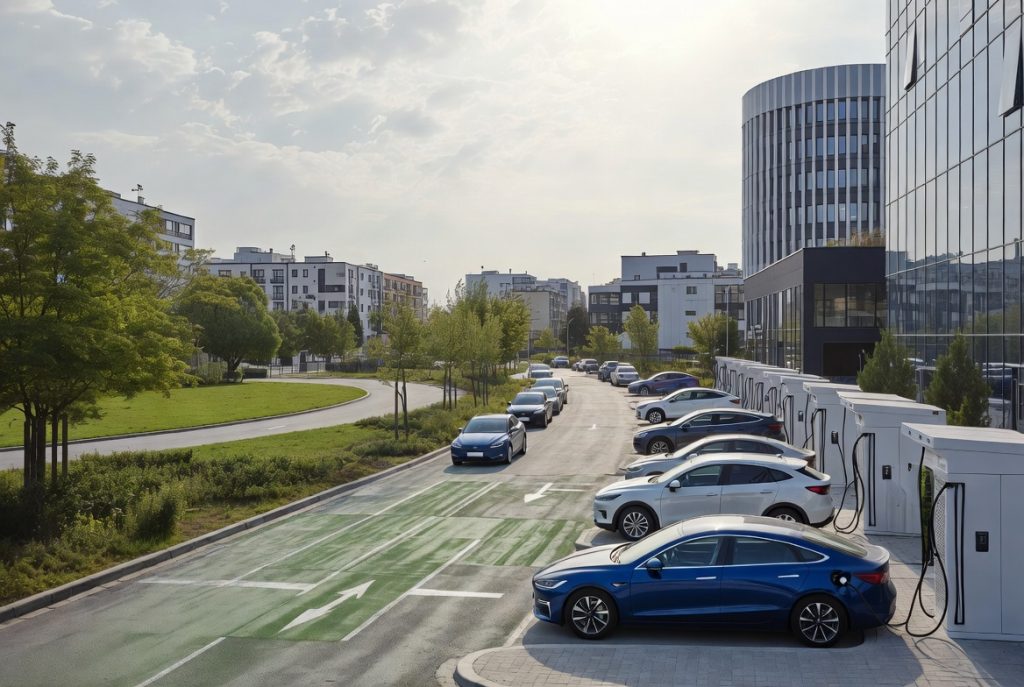
Knowledge of such secondary effects justifies wiser transport policies. Greener cars and robust infrastructure may enable cities to sustain the environmental momentum and keep the roads safe, efficient and long-lasting to be used by everyday commuters.