9 SUVs That Are Terrible Picks for Retirement Here’s Why
Retirement’s supposed to be about kicking back, road trips to see the grandkids, and maybe a little golf; not stressing over the next surprise mechanic visit or watching your savings drain on gas and fixes. Some SUVs look tempting on the lot, but they’re notorious for turning into money pits or headaches as you get older. Here are 9 SUVs that experts and owners say to think twice about if reliability and low costs are your new best friends.
Ford Explorer
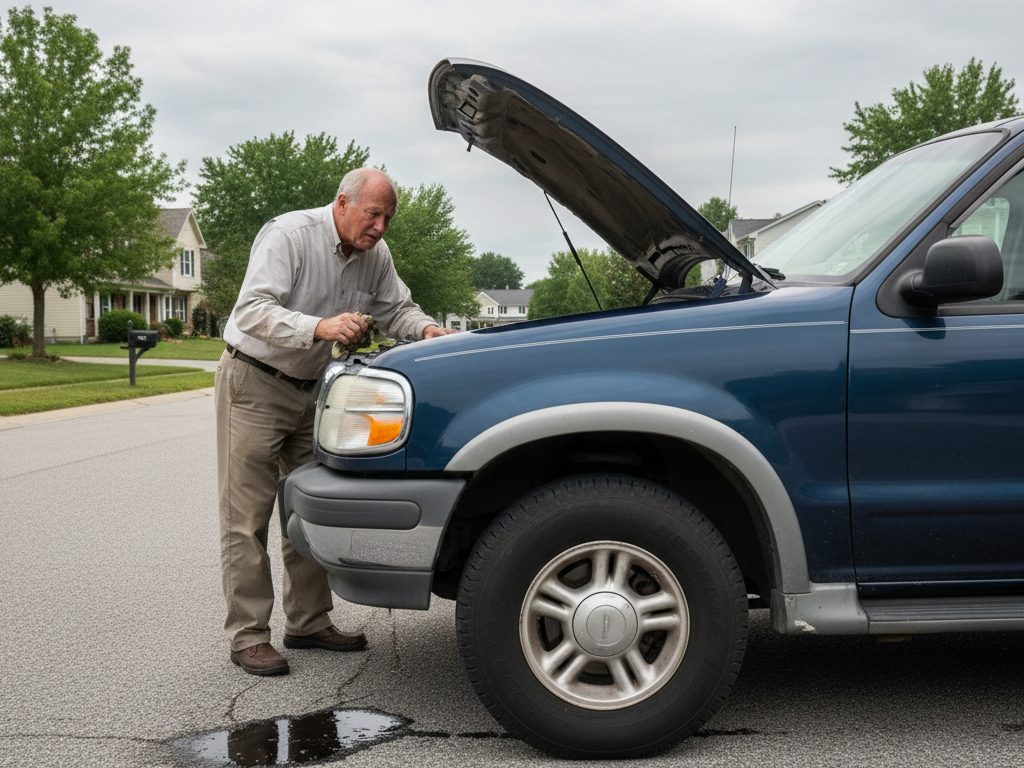
Big, roomy for grandkids, loaded with tech and safety features. Sounds ideal, right? Except older models have transmission problems, oil leaks, and electronics that glitch out. Insurance can be high too (from all the claims). Mechanics see them a lot, and for retirees, needing dependable transport to appointments or trips is a must.
Nissan Pathfinder
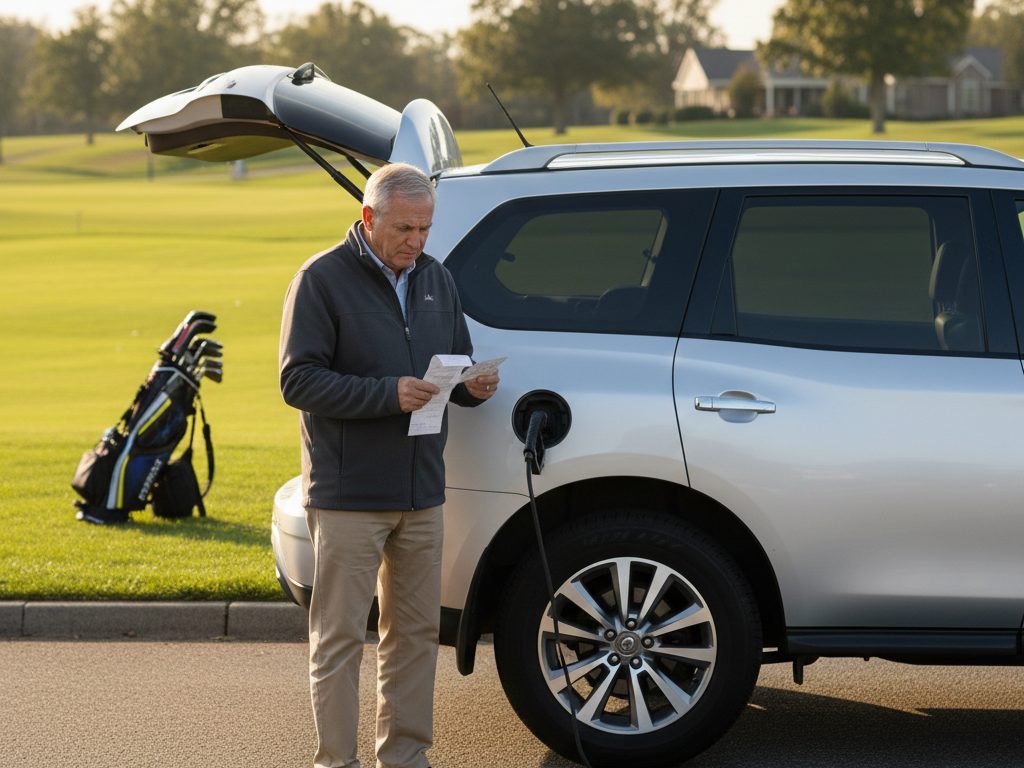
This is a family-sized SUV with three rows with decent towing, and a smooth ride when it’s running right. But it shares a lot with the Armada – powertrain fails, bad CVTs in older ones, and gas mileage that’s not great. Maintenance piles on quickly, and parts aren’t always cheap. Fine for busy families, but in retirement? You don’t want surprise shop visits eating your fun money.
Volkswagen Atlas
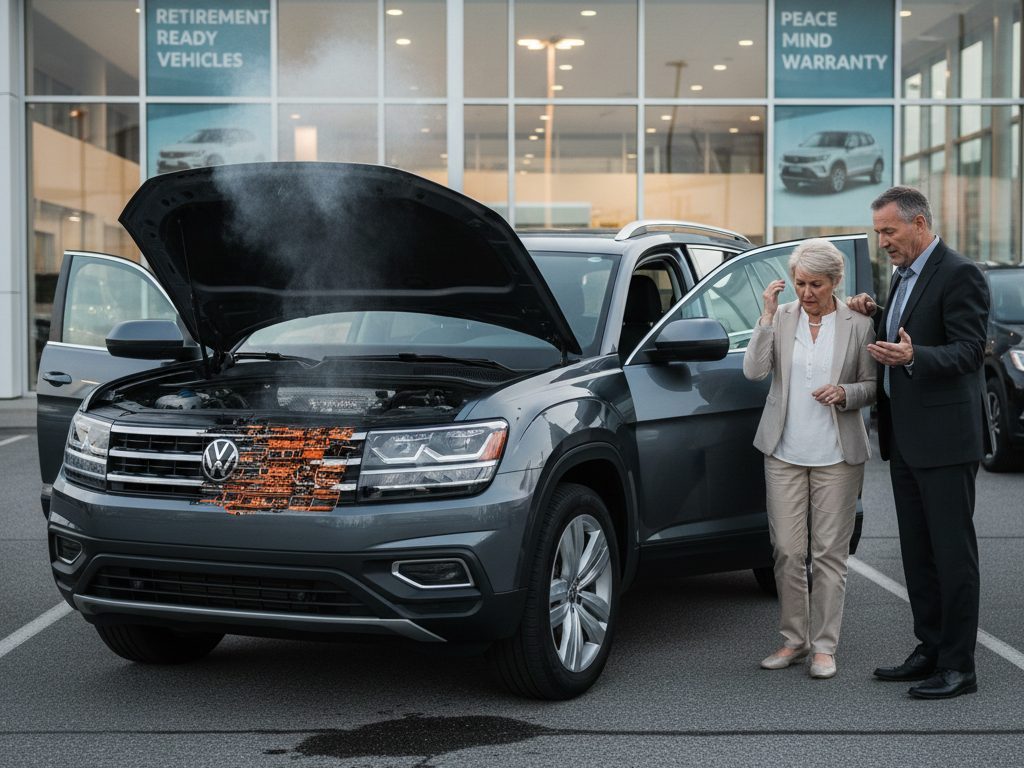
Spacious inside with a real third-row room, modern tech, and drives nicely for its size. The problem is VW’s rep for electronics going haywire, turbo issues, and repairs that need the dealer. Fuel economy’s meh too. It’s tempting for the space that it offers, but retirees often regret the ongoing costs and frustration.
BMW X5
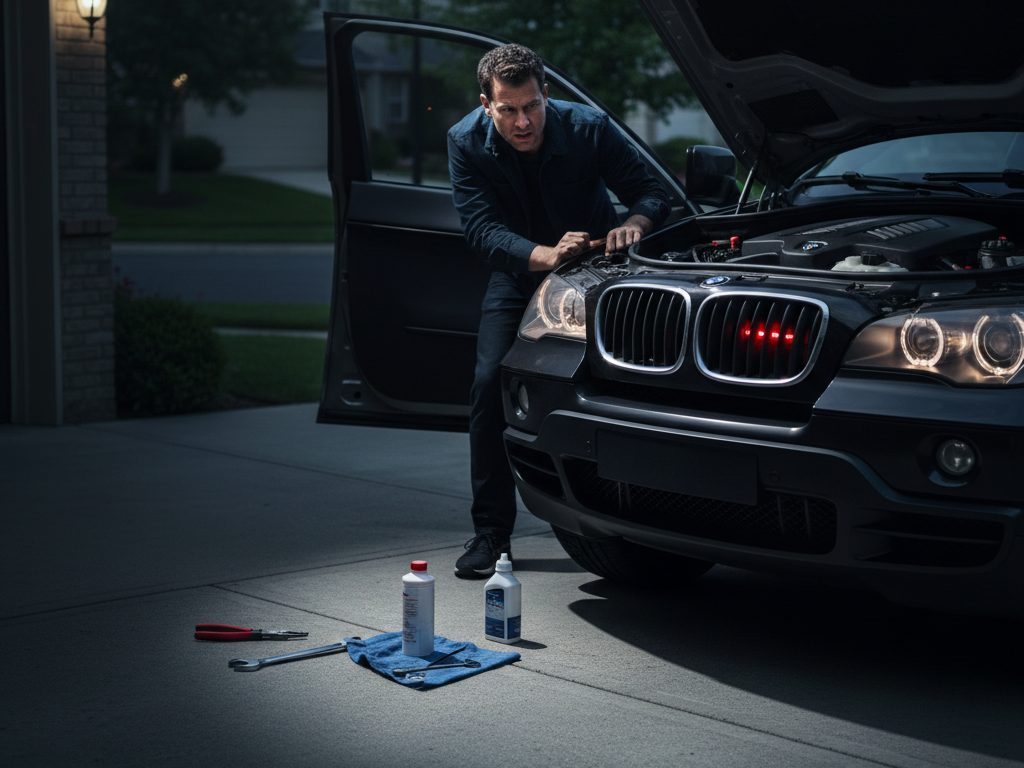
Sporty, handles like a dream, loaded with tech. It feels premium without being overboard. The problem is, once it hits 100k miles (which happens fast), cooling systems, transmissions, and electronics start failing regularly. Repairs aren’t cheap (we’re talking thousands), and basic stuff needs dealer visits. Feels amazing new, but long-term? A budget killer.
Jeep Wrangler

It is the ultimate fun machine with a removable top, an off-road king, that classic look. But reliability’s a rollercoaster: rust issues, electrical gremlins, and it’s not exactly gentle on gas. Plus, getting in and out gets tougher with age (high step-in, stiff ride). If you’re dreaming of beach cruises, then it’s cool, but as a daily driver in retirement? With this thing, you’ll spend more time at the shop than on the road.
Nissan Armada

Big, powerful V8, tows anything, room for the whole family plus luggage. Sounds perfect for trips, right? Except it guzzles gas like crazy, like 15 mpg if you’re lucky, and shares Nissan’s spotty rep for engine/transmission woes. Full-size means everything costs more on tires, brakes, and fixes. On a fixed income, that fuel bill alone hurts.
Cadillac Escalade
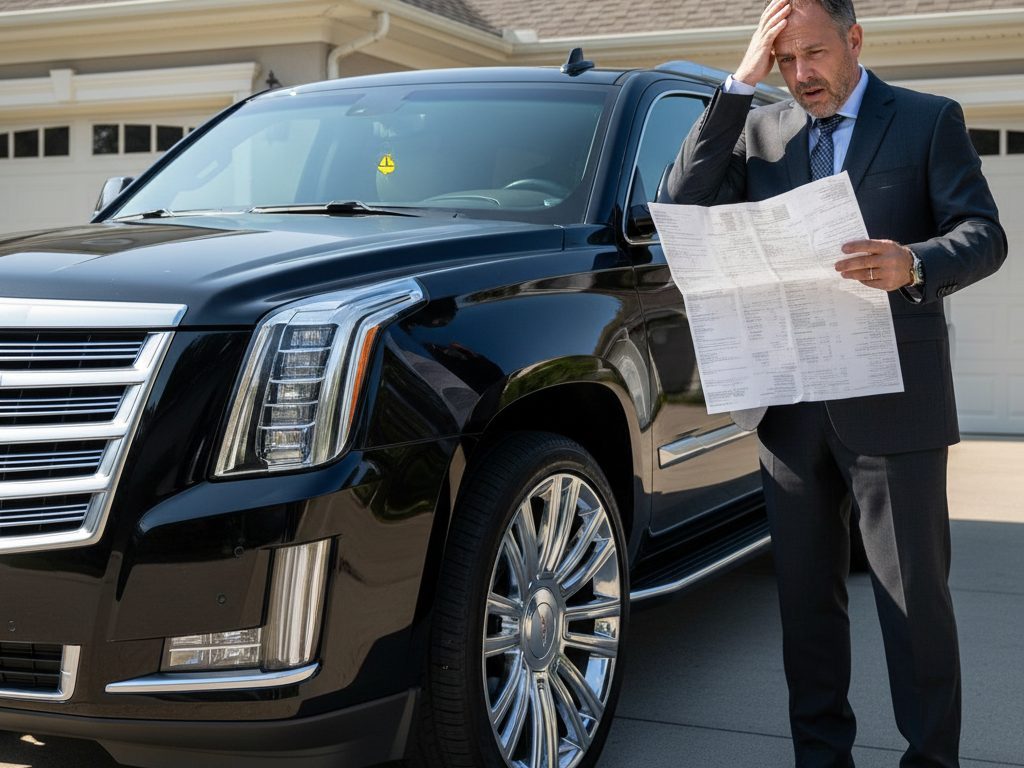
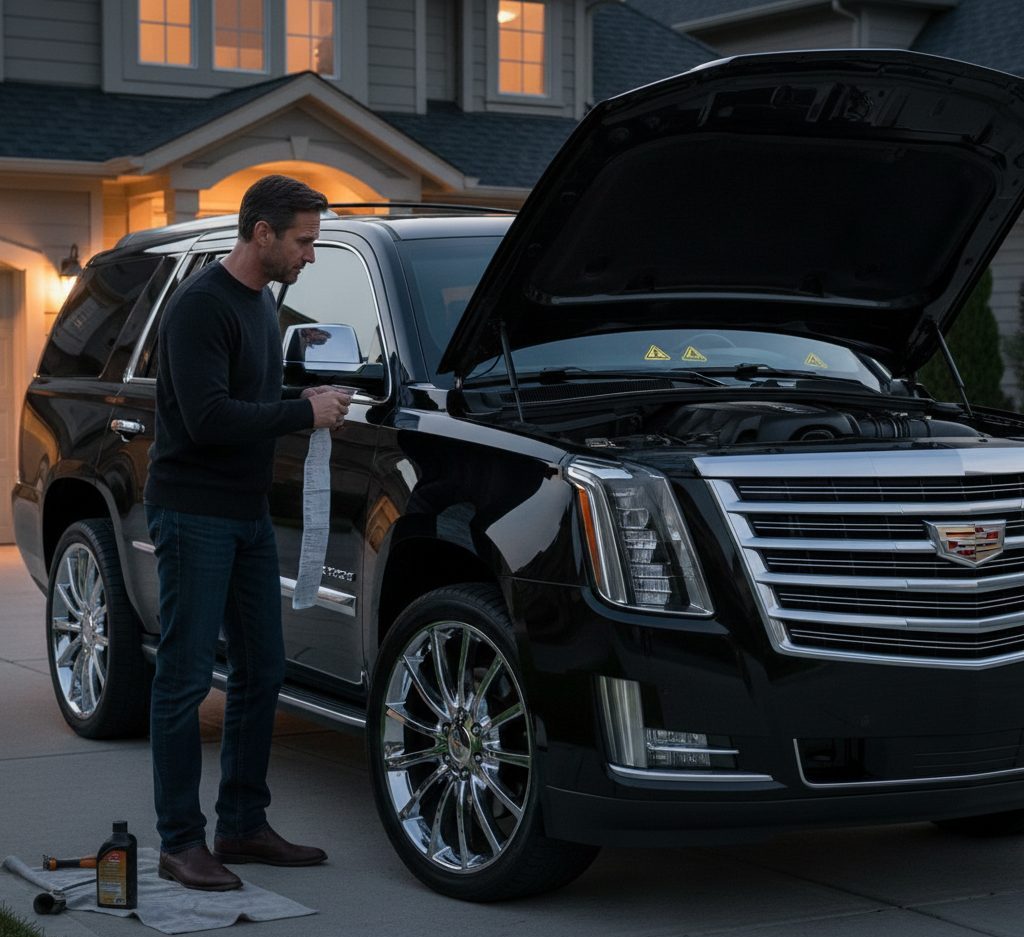
The king of bling with massive, comfy, every gadget imaginable. But it’s overkill for most retirees (do you really need three rows daily?), drinks premium gas, and maintenance is luxury-priced (think $15k+ over 10 years easy). Reliability isn’t great either as electronics and suspension love to act up.
Jeep Grand Cherokee

This one’s got that classic Jeep look, plenty of power, and feels premium inside. But reliability stories are rough – transmissions acting up, electrical gremlins, and engine issues that hit hard after warranty. Repairs aren’t cheap, and on a retirement budget, one big bill can sting badly. If you want adventure without the anxiety, maybe look elsewhere.
Maserati Levante
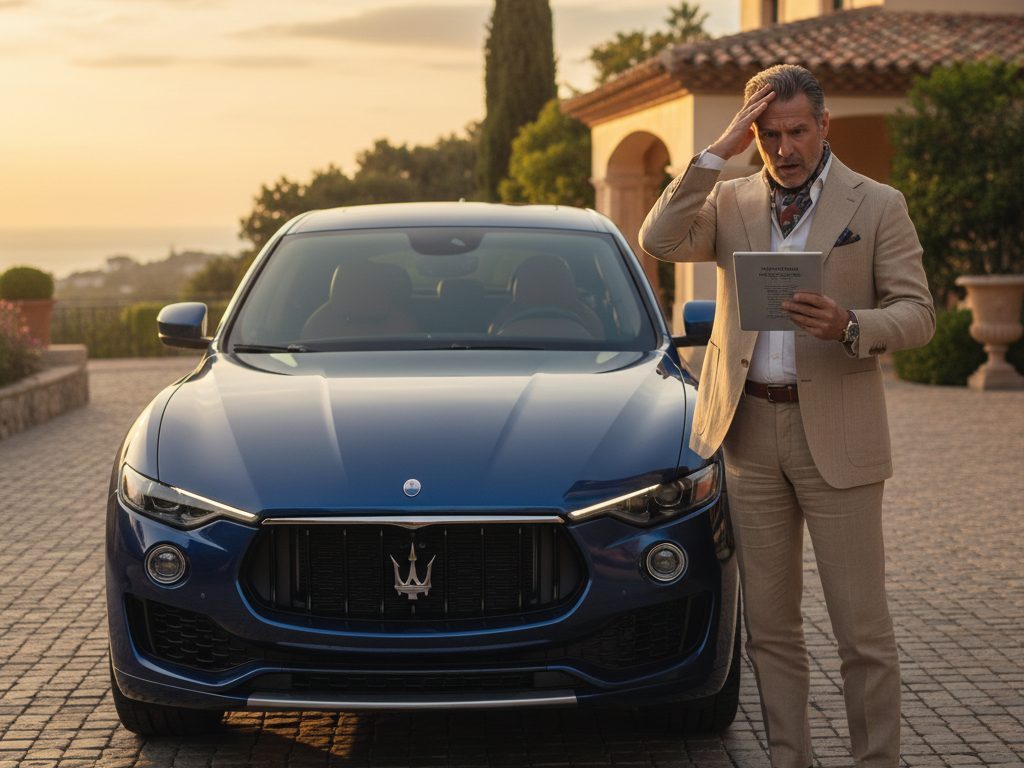
Levante is a pure Italian flair that looks stunning, sounds amazing, and drives like a sports car. But depreciation hits hard (loses value fast), and maintenance? Sky-high with specialist parts and labor. Brakes alone can cost a fortune. Fun if you’ve got deep pockets, but for most in retirement, it’s a beautiful way to burn through savings quickly.