The New Chevy Bolt Goes LFP And These EVs Are Making the Same Smart Battery Move
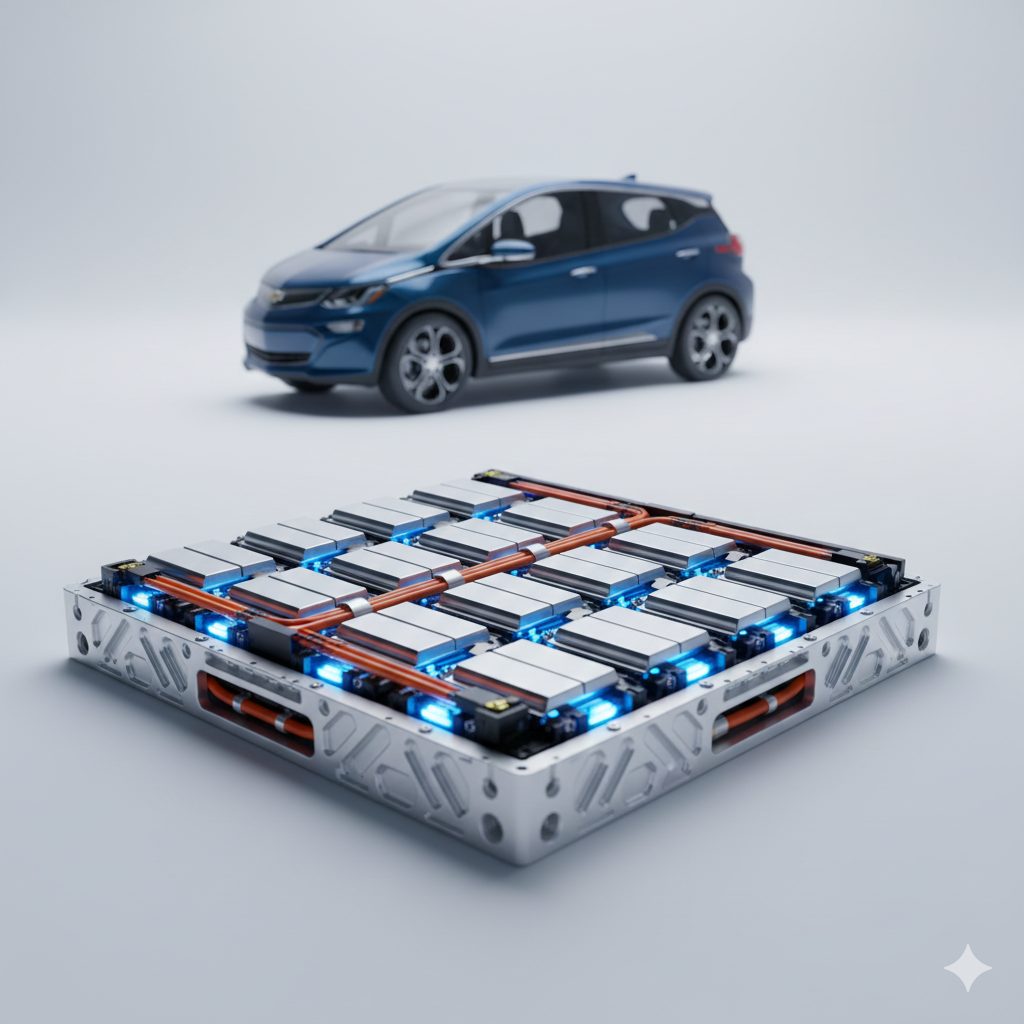
Electric vehicles are finally getting cheaper, and a major reason is the shift to LFP (Lithium Iron Phosphate) batteries. The upcoming Chevy Bolt is the latest model to adopt this cost-cutting, long-lasting battery tech and it’s not alone. Several EVs are switching to LFP packs to improve durability, reduce charging stress, and slash battery-related repair costs. Here are the models leading the change.
Chevy Bolt 2027
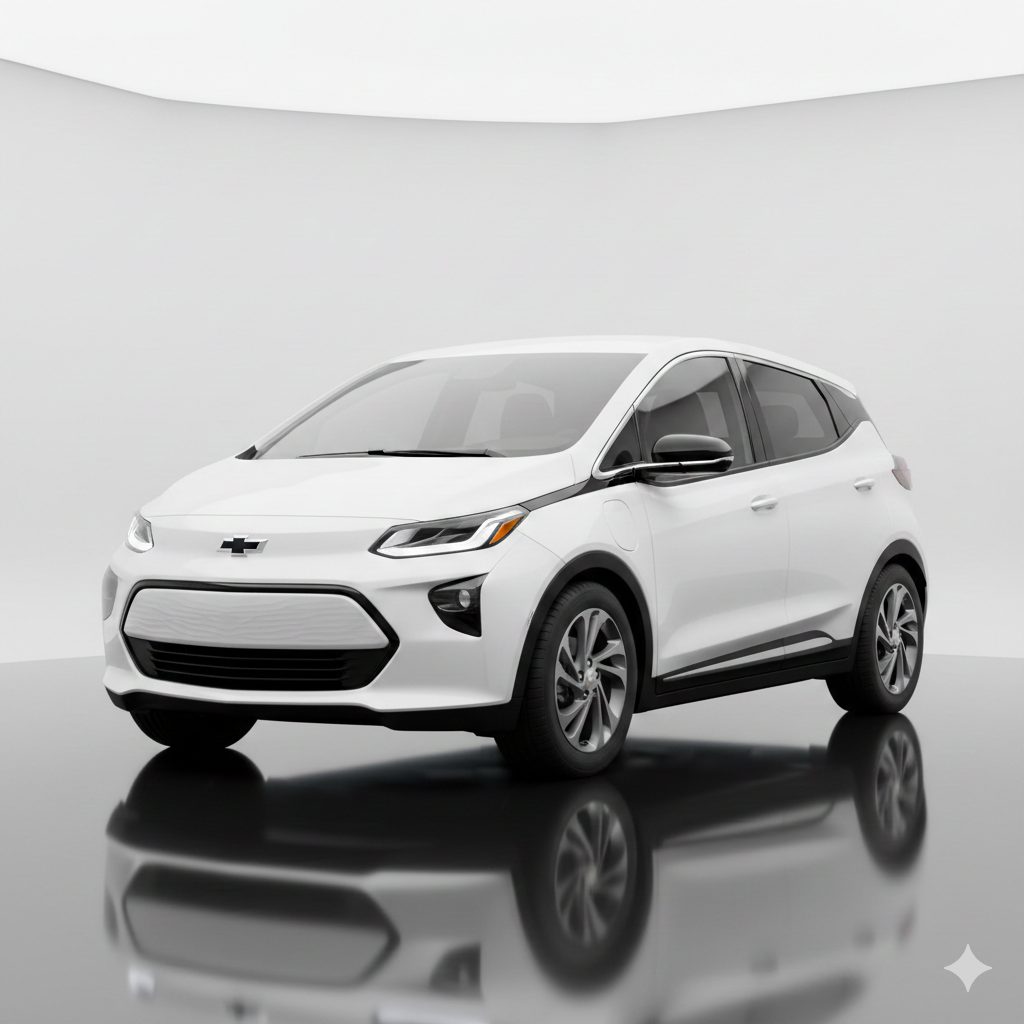
Starting with the OG, the next-gen Chevy Bolt went LFP, cutting battery cost and keeping range respectable at around 255 miles. It’s priced to hit under $30,000, which, honestly, is wild for an EV with this tech. GM’s aiming big with a 65 kWh battery and faster charging, making it a solid economy EV for the daily grind. I mean, it’s no Tesla but it’s practical and cheap, good for city folks not wanting to break the bank.
BYD Atto 3
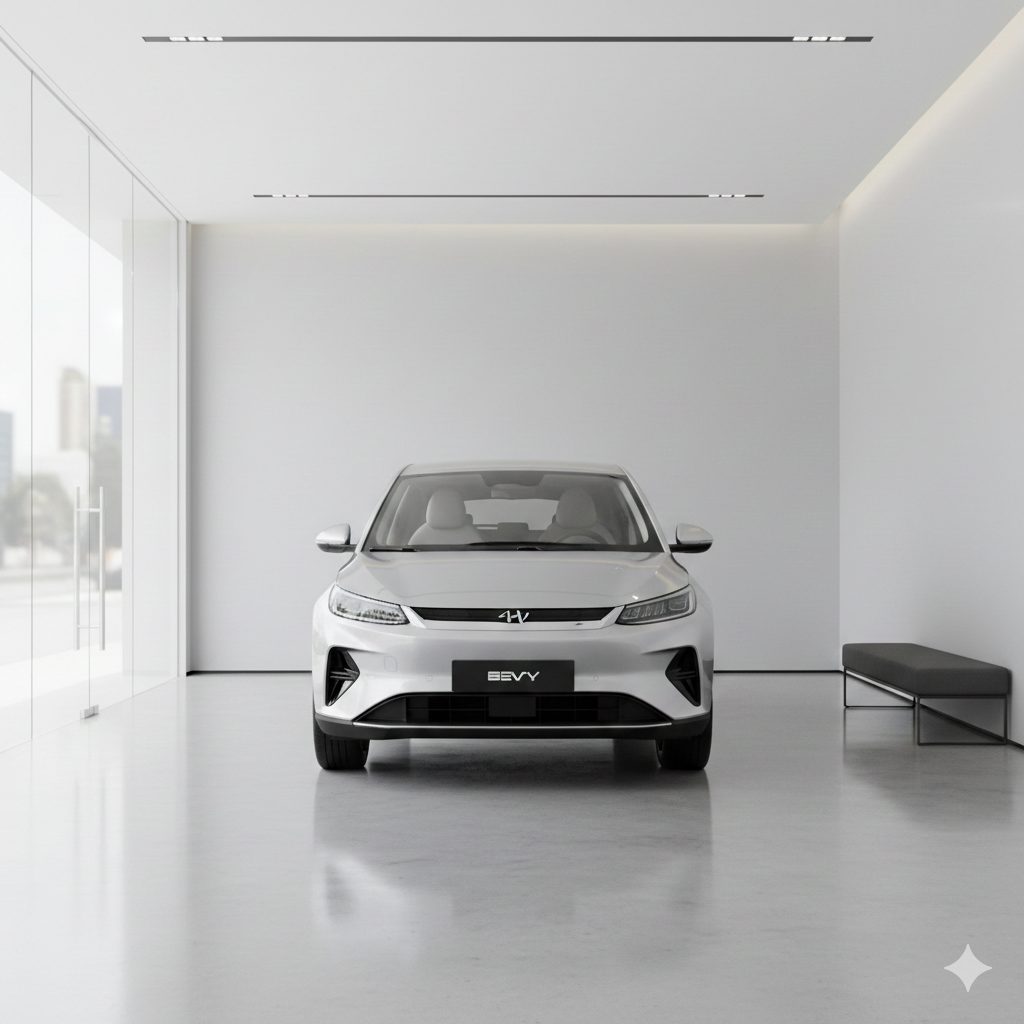
BYD’s Atto 3 is a real contender at about $50,000 with LFP pack boasting around 345 km (that’s 214 miles) range. The thing’s got good tech inside and is gaining pace in the US and NZ markets. Not the flashiest, but reliable and affordable-ish. I like that BYD is pushing LFP early because it means more cost-effective EVs are coming watching your wallet.
Tesla Model 3 Standard Range
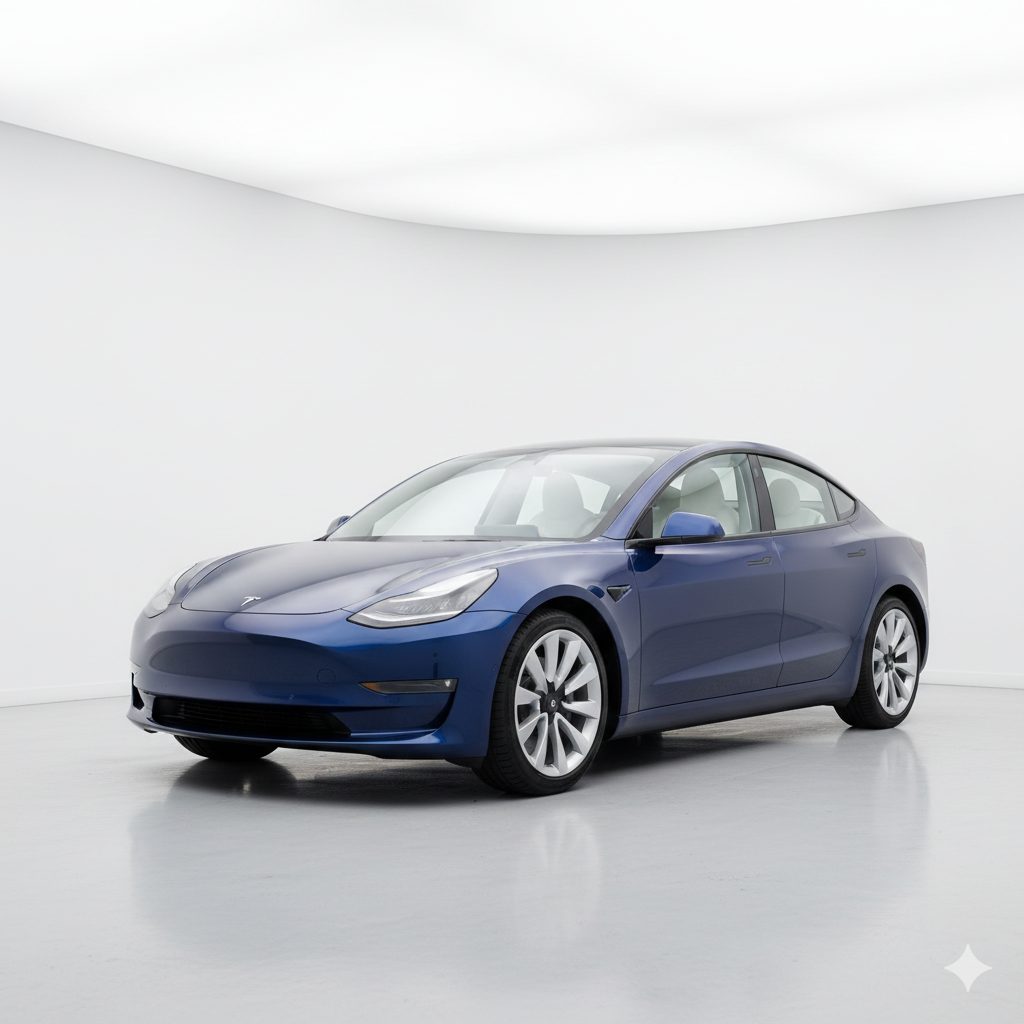
Tesla’s Model 3 Standard Range now uses LFP on its base version — yep, the same battery tech that helps keep costs down and safety high. It’s priced roughly $64,000 now but with the famous Tesla range and access to their supercharger network, it’s a blend of affordability and performance that’s hard to beat. Funny how Tesla embraced LFP after some hesitation, right?
Kia EV5
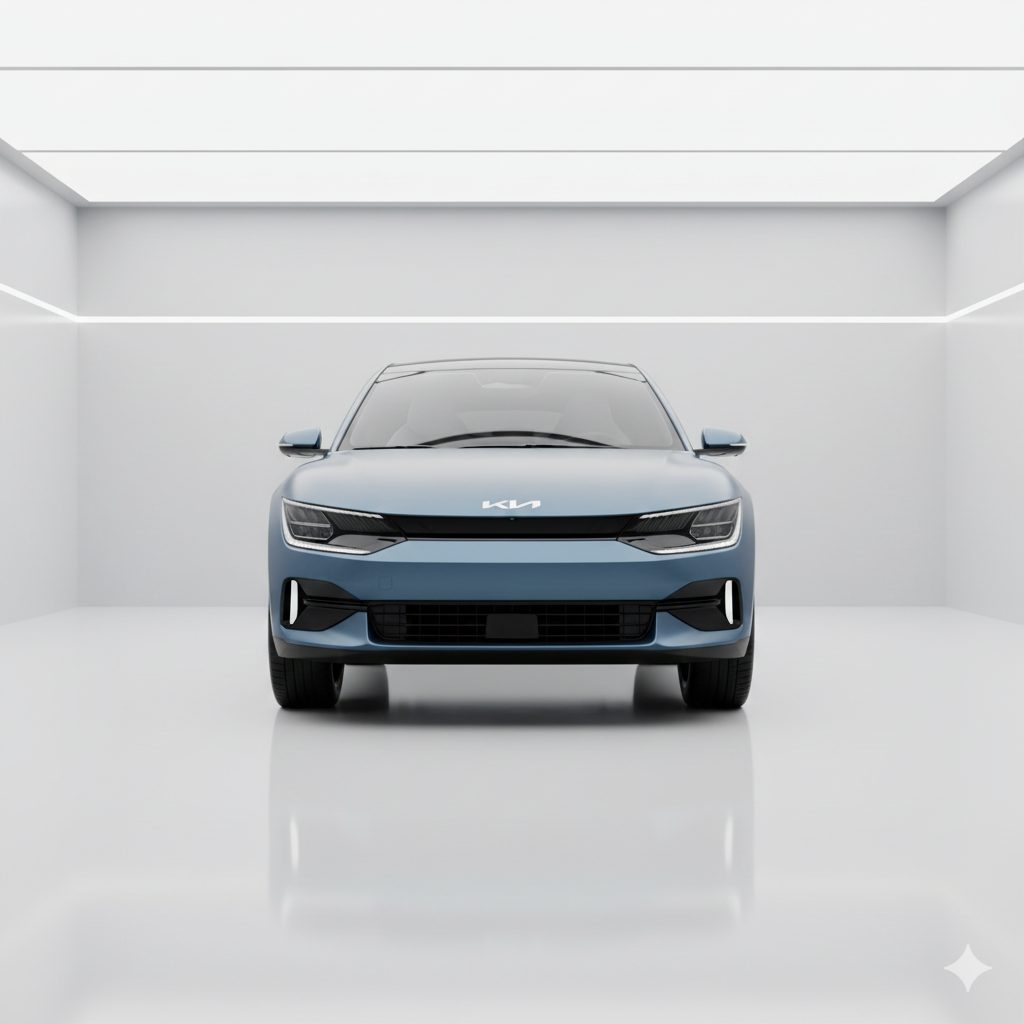
Kia’s latest EV5 model pairs LFP with a solid 540 km (335 miles) of range for the $68,000 price range. Stylish and comfy, it’s Kia stepping up in LFP game with energy-dense batteries that give longer life and cheaper maintenance. Not gonna lie, it’s probably one of my favorites for a family EV that won’t scare you with repair bills later.
Volkswagen ID.4
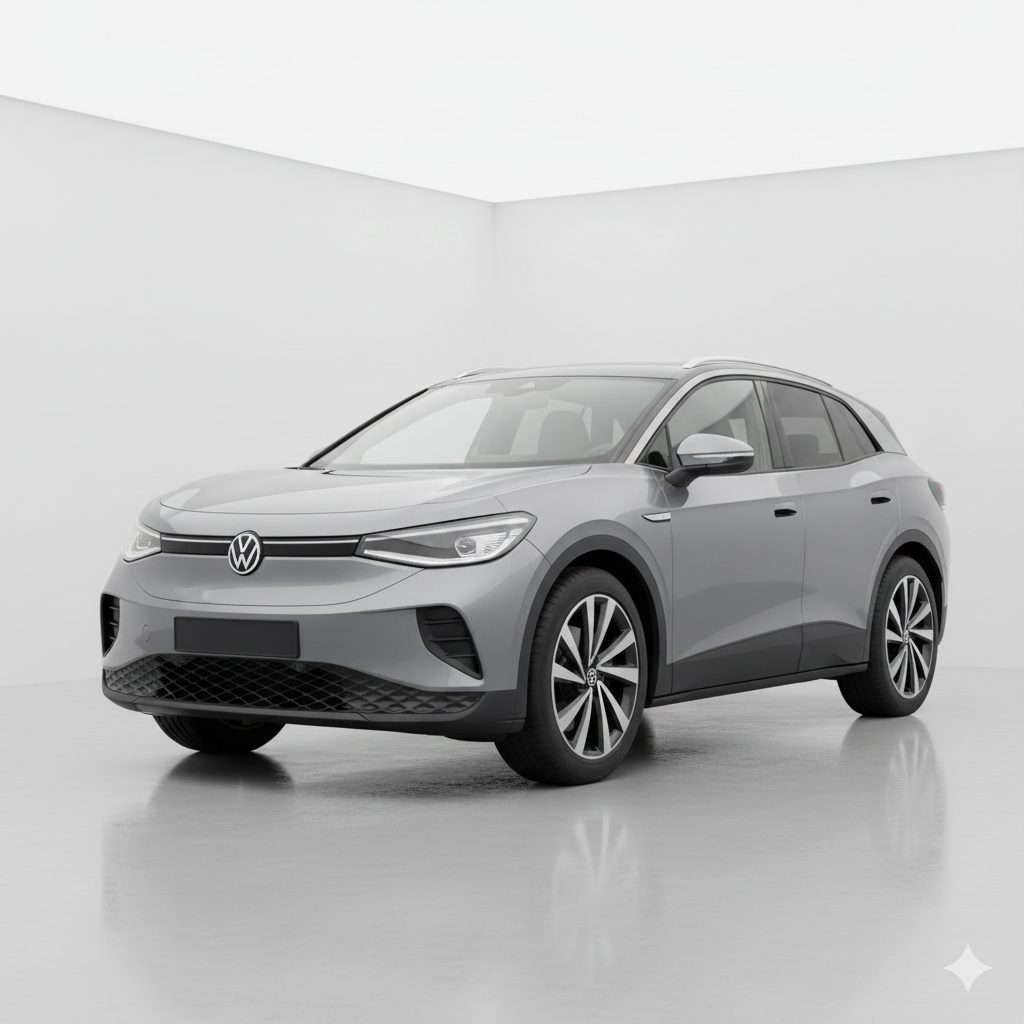
The ID.4 is VW’s bread-and-butter crossover priced at about $40,000 but now with LFP batteries in some trims. Range is around 260 miles, which covers most daily drives easily. It’s comfy, roomy, and rides like a dream for the price. Honestly, this shift makes the ID.4 more wallet-friendly which was kinda needed.
Leapmotor C10
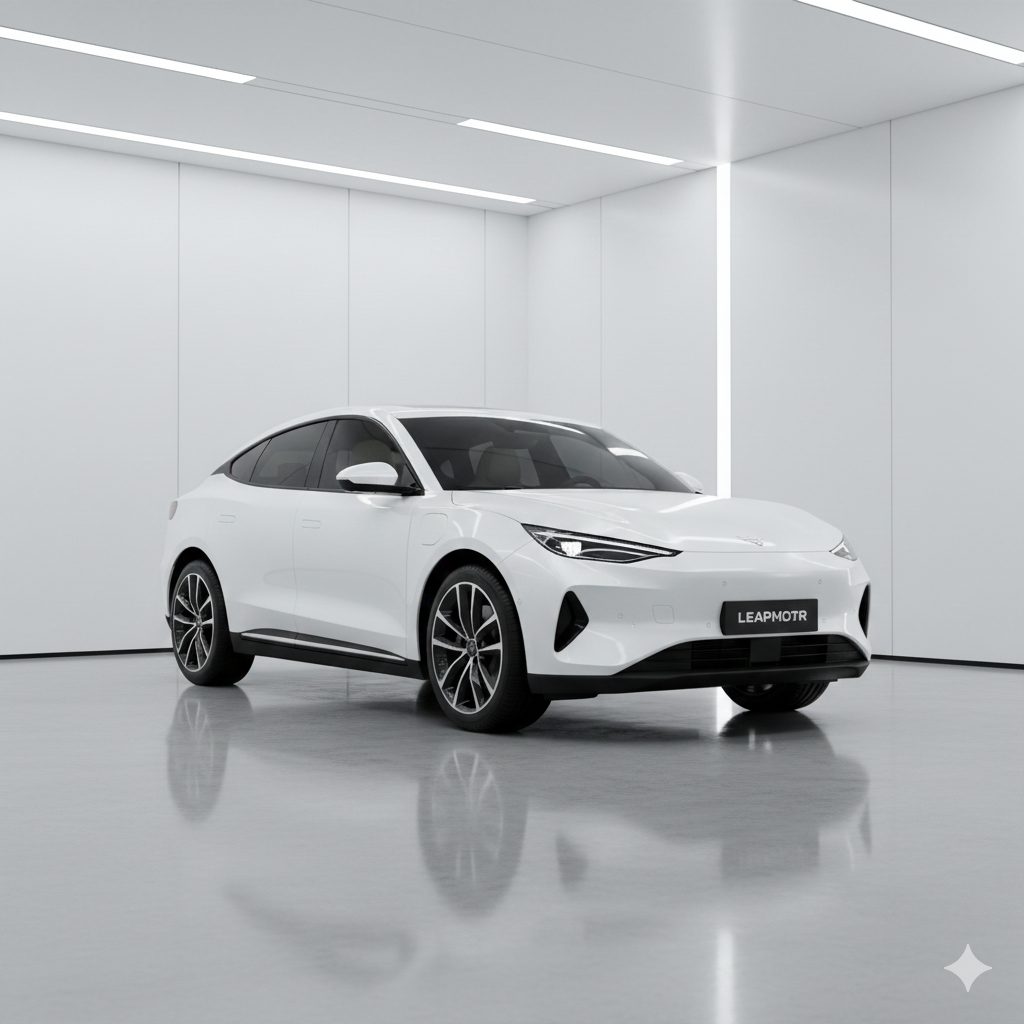
Leapmotor’s C10 is under the radar with LFP tech, offering 420 km (260 miles) for around $55,000, mostly popular in Asian markets but creeping into others now. It’s kinda basic inside but very practical, and LFP means fewer battery fires and longer lifespan. I mean, I’m not a huge leapmotor fan but this battery choice makes it easier to recommend.
MG 4 EV
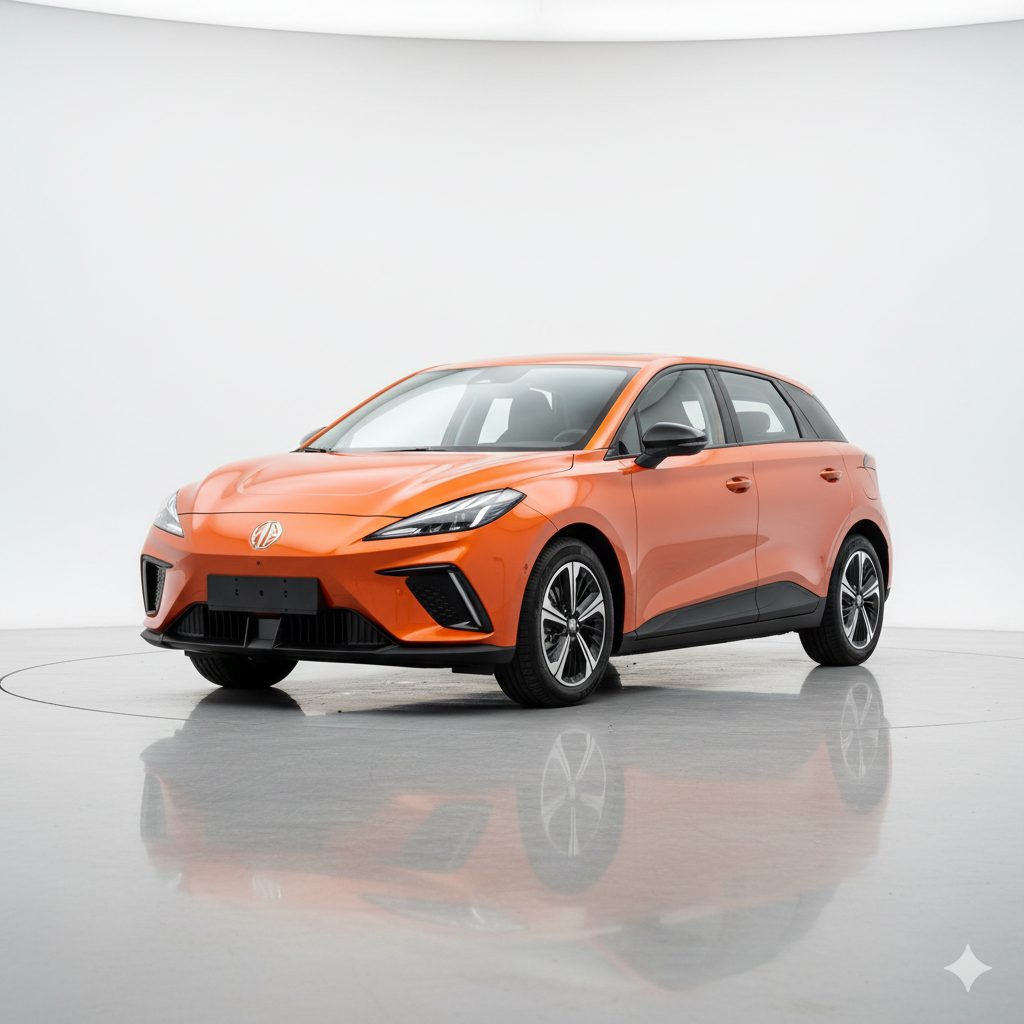
MG’s 4 EV with LFP batteries is just under $41,000 and offers 350 km range, perfect for short commutes. The styling’s basic but the value proposition’s good. They’re like the budget heroes pushing more LFP options out there, which is good news for entry-level EV buyers who want reliable tech without a Tesla price tag.
Omoda E5
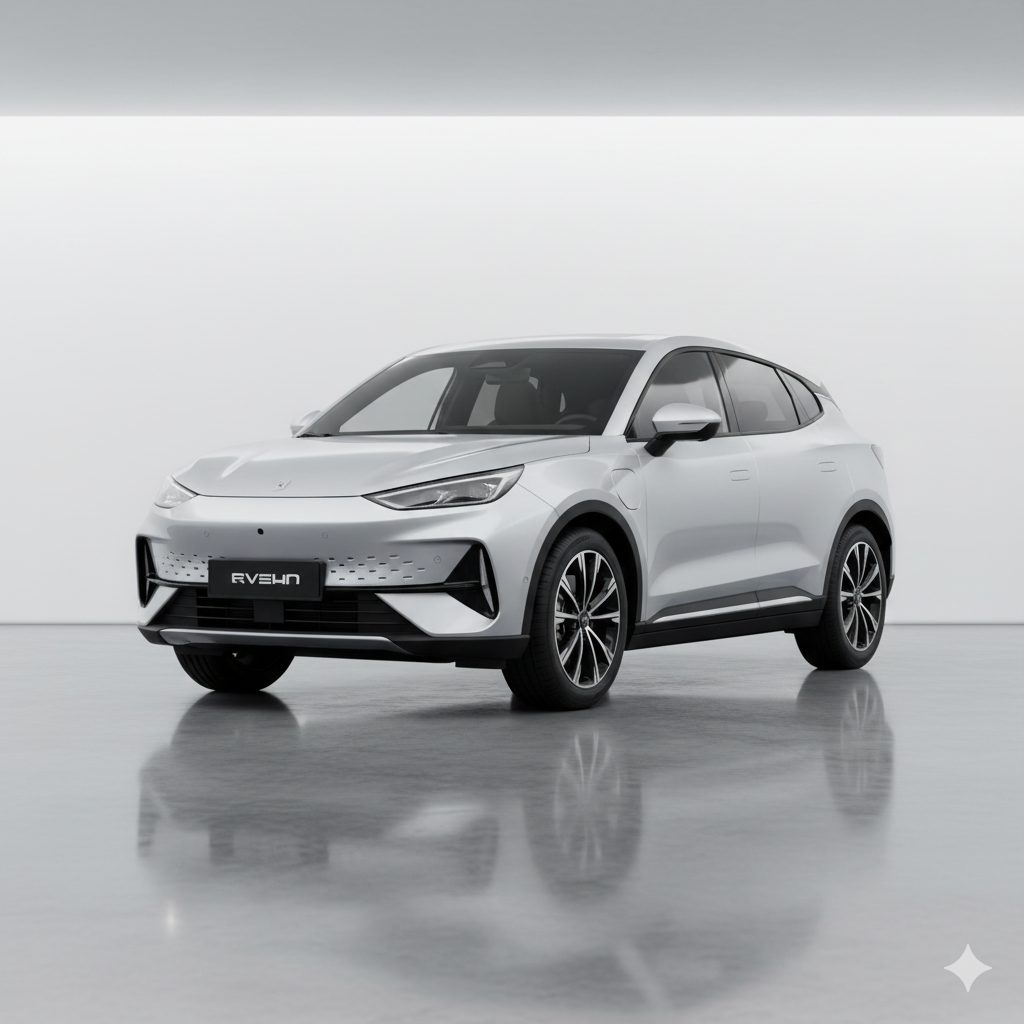
Starting near $41,000, Omoda E5 is a new kid using LFP batteries for around 430 km (267 miles) range. It’s got a cool modern design and aggressive pricing, along with tech-packed interiors. Honestly, another sign cheap reliable EVs with LFP aren’t just hype.
Tesla Model Y Standard Range
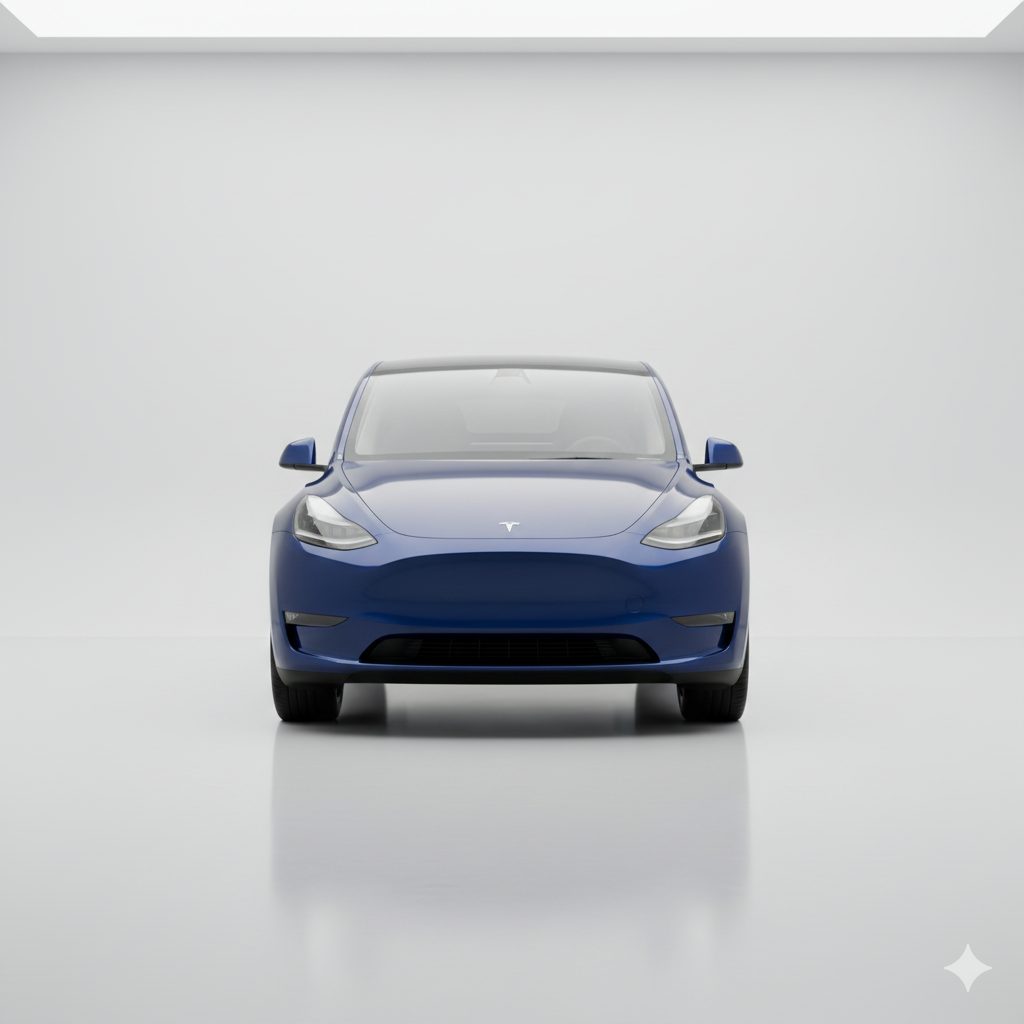
Tesla Model Y’s Standard Range trim adopted LFP recently too, priced roughly $67,000. Offers about 466 km (290 miles), which is pretty good for that price and with Tesla’s tech and autopilot features. It’s kinda funny how LFP is now powering the electric favorite, balancing cost and long term durability.
Dongfeng Box
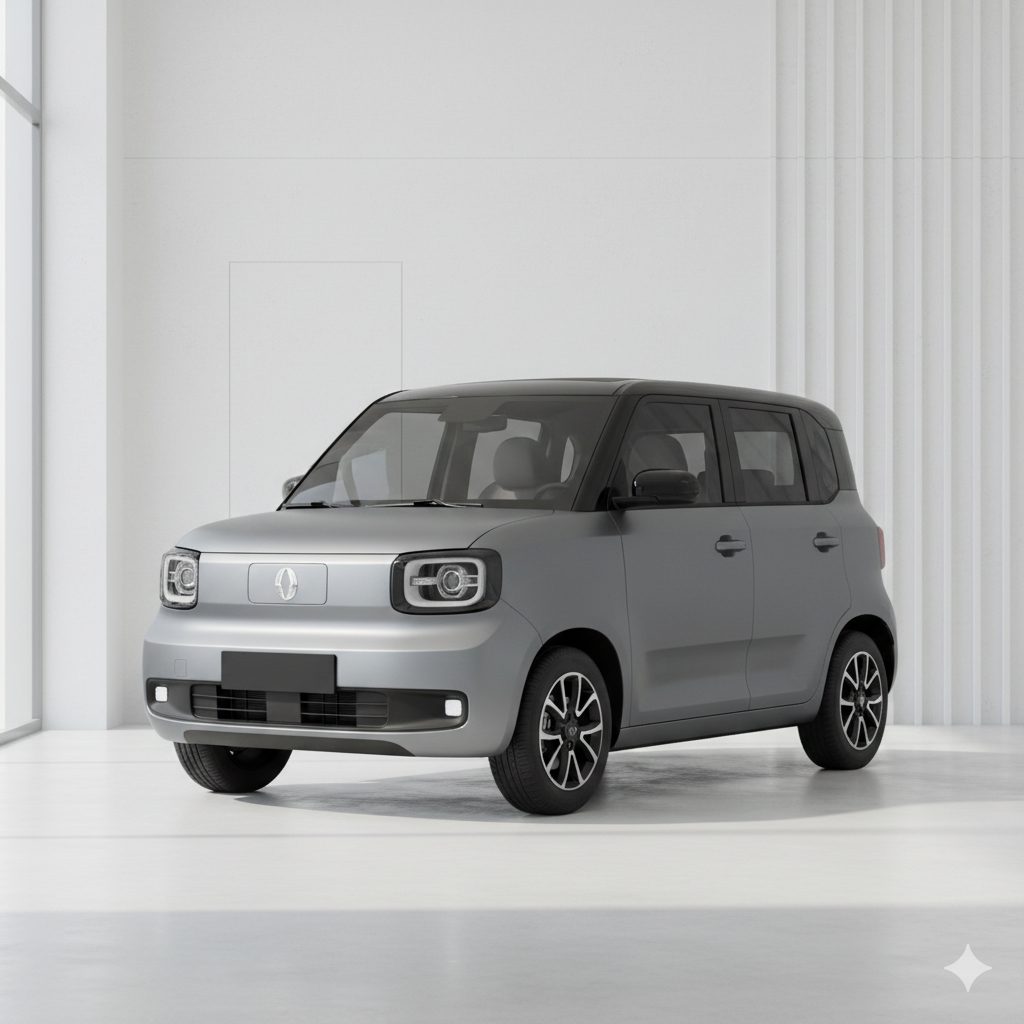
The Dongfeng Box sells for about $30,000 with a 317 km (197 miles) range using LFP cells. It’s mostly for the Asian market but the battery tech is solid and it’s quietly spreading the LFP love. Not flash but practical and affordable, and those numbers are good enough for urban adventures.