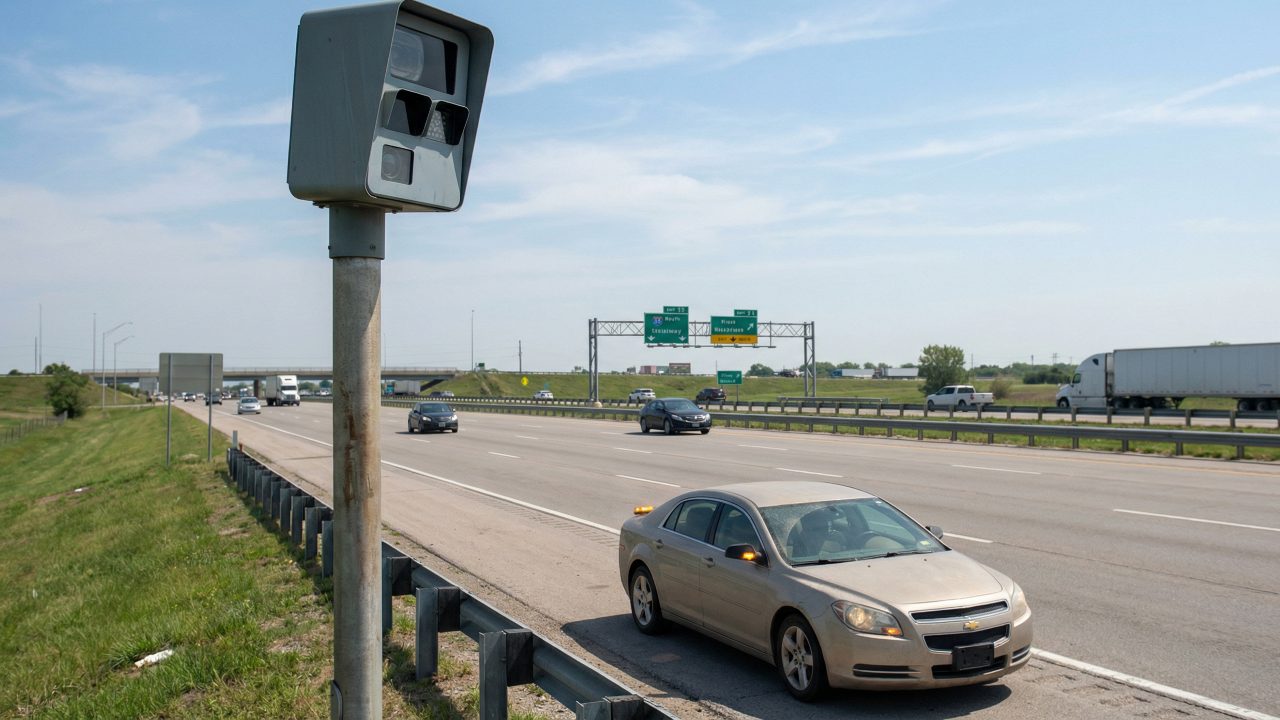
90,000 AI Cameras Track Your Car Across 49 States—Police Need No Warrant To Search You
Every time a car leaves a driveway, it could be tracked. By mid-2025, nearly 90,000 AI-powered cameras operated across 49 states and over 5,000 communities, recording license plates, vehicle details, and movement patterns in real time. Footage is stored for 30 days, and law enforcement can access it without a warrant in most jurisdictions. The system spreads quietly, linking cities, suburbs, and highways in one massive network. Most Americans remain unaware of the surveillance. How this technology affects privacy, safety, and oversight unfolds in the following slides.
Safety Bait
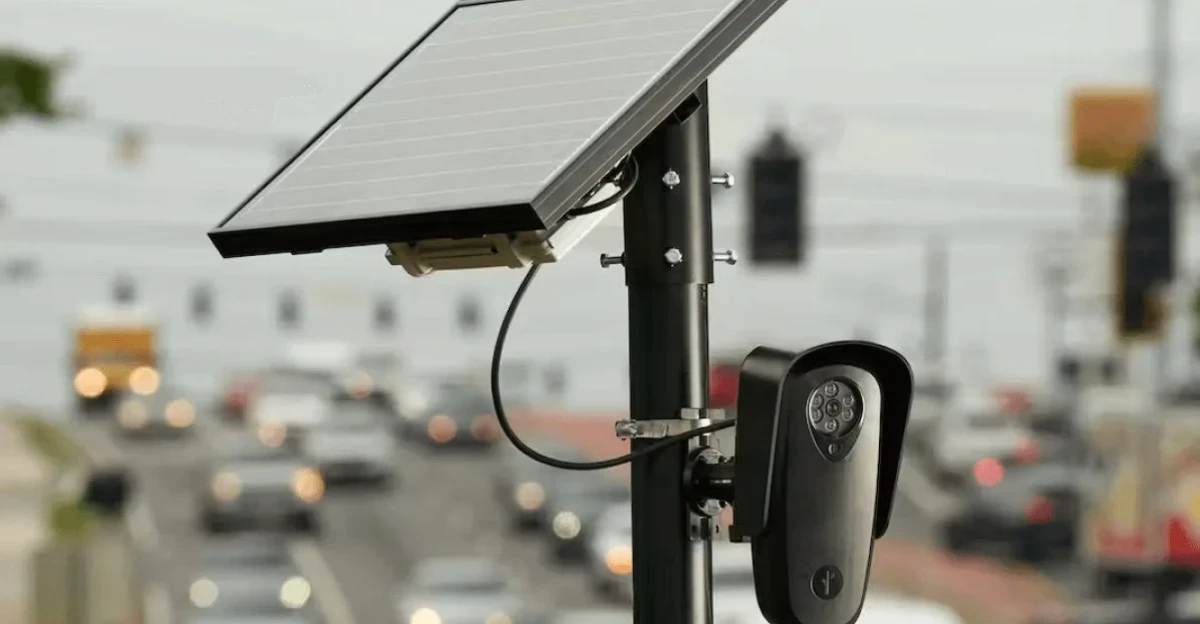
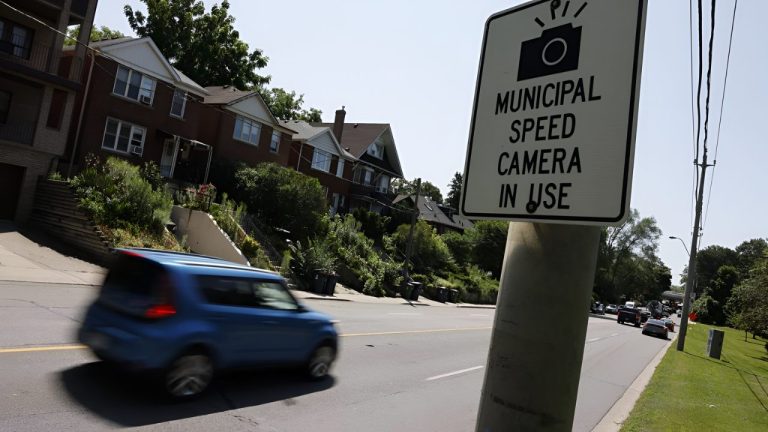
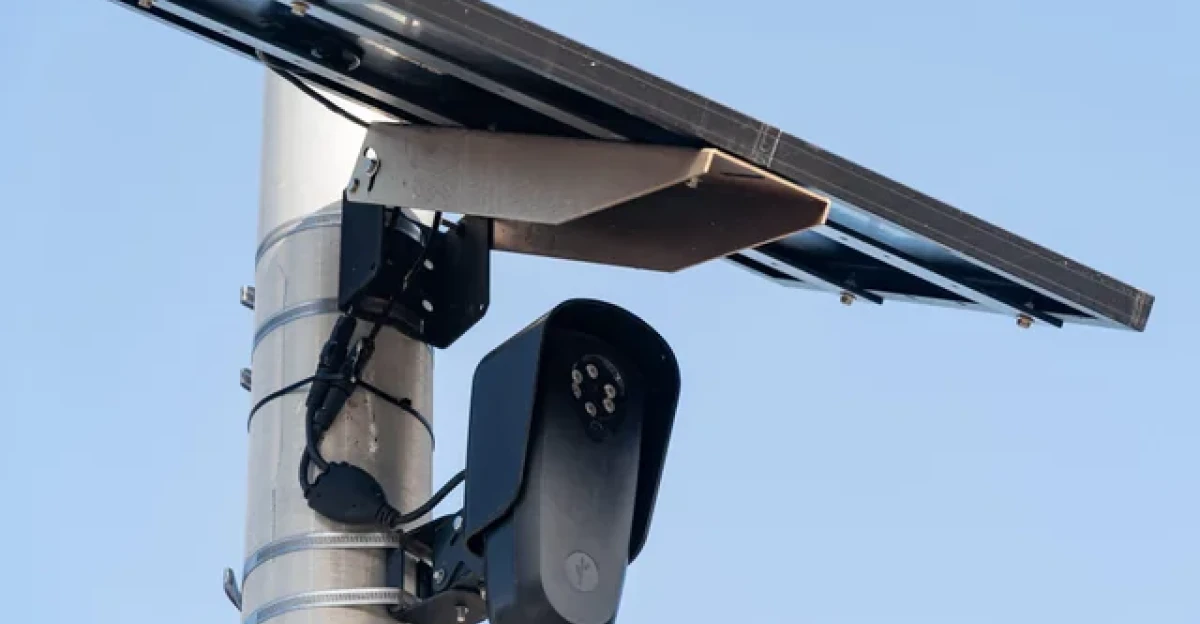
Speed cameras reduced crashes by 27 percent in Barcelona and 63 percent in Saskatchewan’s speed-related collisions with casualties. Those numbers demonstrate real safety impact. Flock Safety, a U.S.-based company, installs AI-powered cameras and license plate readers to help law enforcement track vehicles and prevent crime. Its readers scan vehicles at high speeds day and night using infrared technology. They capture plate numbers, vehicle make, model, color, and movement patterns. This data feeds into databases accessible across thousands of jurisdictions. What began as a safety tool now monitors citizens in ways most do not understand.
The Denial
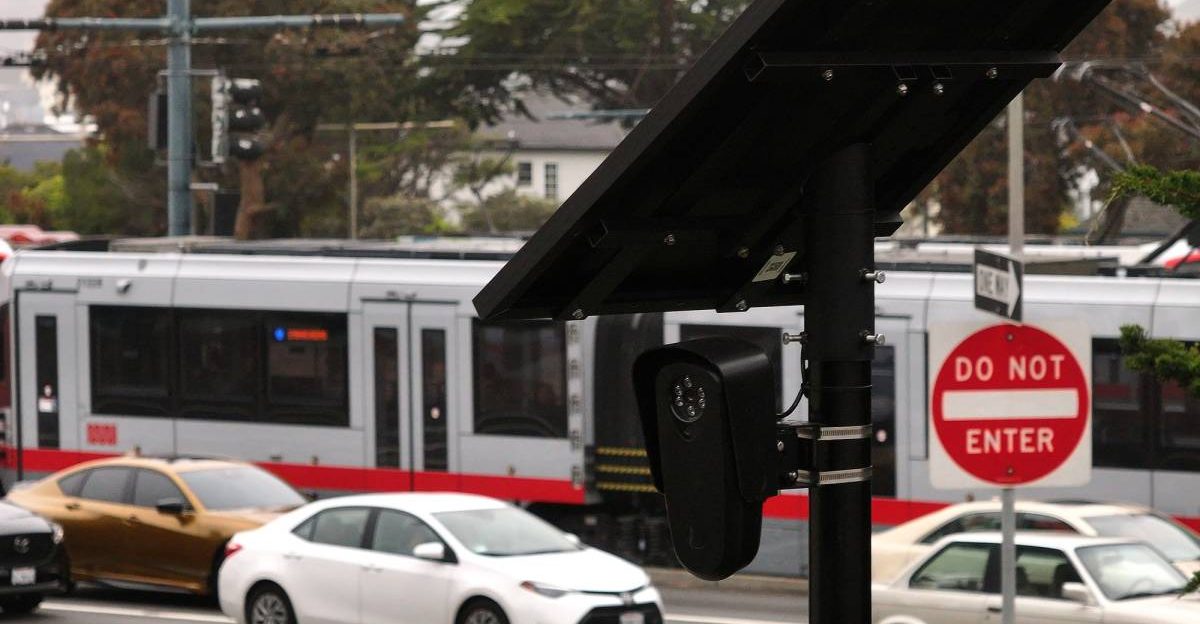
Police departments claim camera networks enhance public safety. Many operate integrated systems feeding live footage to Real-time Operations Centers that monitor entire cities remotely. Officers track vehicles, monitor intersections, and assist investigations without leaving headquarters. Hundreds of traditional patrol responses are canceled because cameras already provide eyes on the scene. Departments present this as efficiency, but it centralizes surveillance power. Remote monitoring gives authorities access to movements across neighborhoods constantly, creating a level of observation that is unprecedented and largely invisible to the public.
The Contradiction
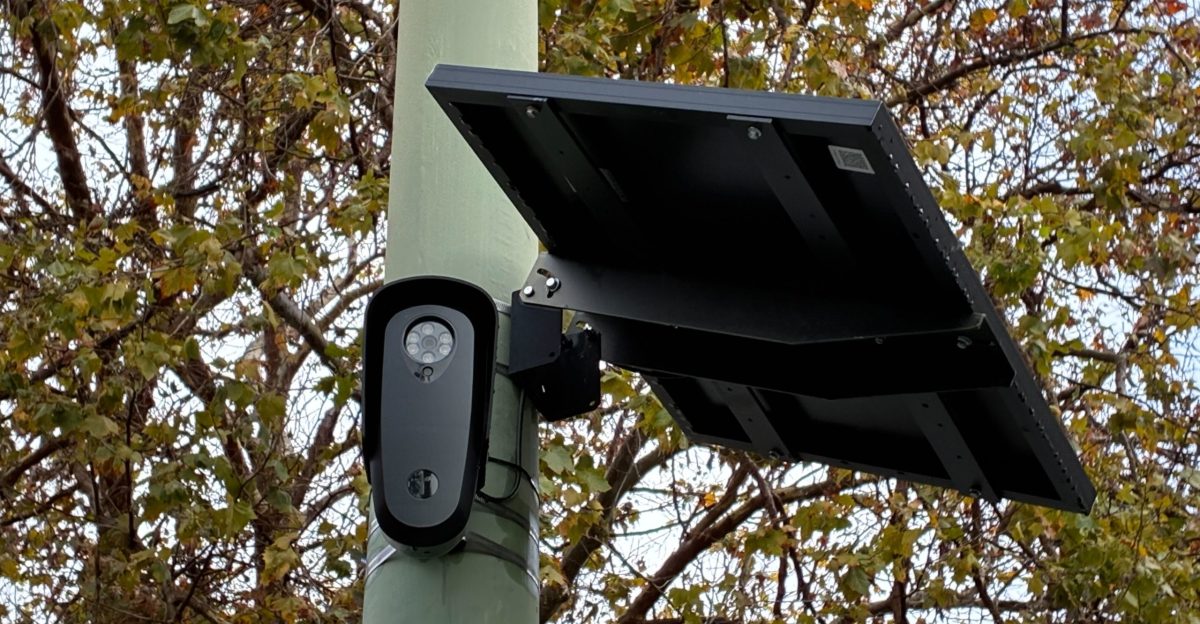
Documentation shows cameras are used to track suspects, monitor traffic hazards, and assist emergency responders from central headquarters. Officers follow suspects without leaving the building. Real-time Operations Centers cancel hundreds of patrol responses because they already have eyes on the scene. Surveillance is embedded in city management. These systems expand authority and oversight without transparency. The balance between safety and privacy tilts heavily toward monitoring. This centralized control of data magnifies the potential for misuse, and public awareness of these capabilities remains minimal, leaving communities exposed to constant tracking.
No Walls

Flock’s network allows officers to access plate data across jurisdictions without warrants in most states. A Wisconsin officer ran seven unauthorized searches targeting a victim’s vehicles and his own brother’s car in October 2025. He said his actions stemmed from desperation and poor judgment. The system lacked mechanisms to prevent abuse. Other incidents demonstrate similar risks across the country. Access to centralized vehicle data without oversight turns law enforcement tools into instruments vulnerable to personal or unethical use. The consequences of these practices raise questions about the limits of authority and accountability.
Weaponized Data

Additional cases show systemic misuse. A Sandy Springs, Georgia officer tracked business competitors using Flock data for personal gain. In Joplin, Missouri, another officer quietly exploited the system until a citizen requested public records, revealing the breach. U.S. Customs and Border Protection accessed Washington state Flock data between May and August 2025 without notifying local agencies. Traffic cameras collected information beyond local policing purposes. Authorities now use a network intended for enforcement to monitor populations and private activity. The expansion of access illustrates the blurred lines between public safety and surveillance.
Biased Machines
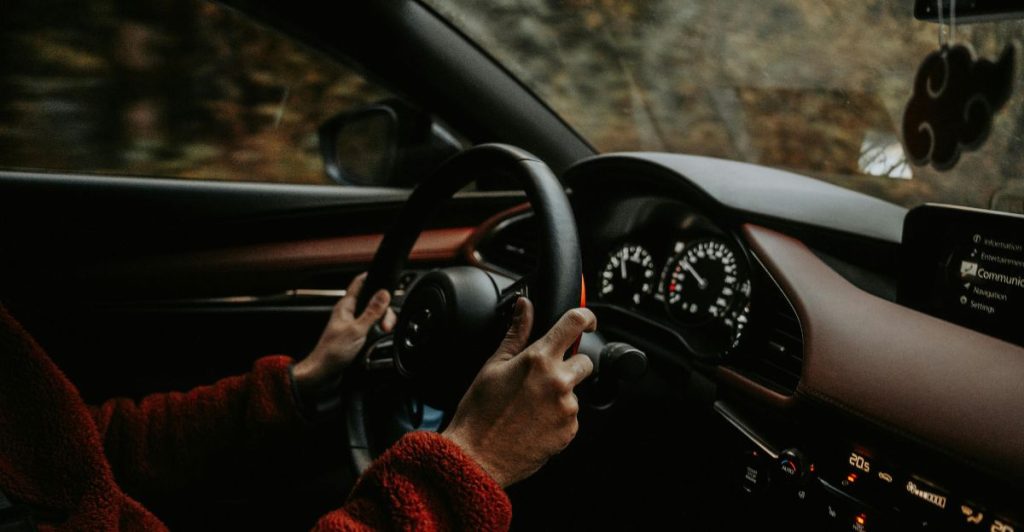
Studies show minority drivers receive 24 to 33 percent more speeding citations than white drivers at identical speeds and pay 23 to 34 percent higher fines. Facial recognition worsens disparities, with nearly 35 percent error rates for dark-skinned women versus under 1 percent for lighter-skinned men. Nearly 90 percent of new cars now collect driving behavior data. These systems amplify bias despite promises of objectivity. The Federal Trade Commission warned in 2024 that connected car data threatens privacy and financial security. AI enforcement replicates inequalities while presenting itself as neutral.
The Trap
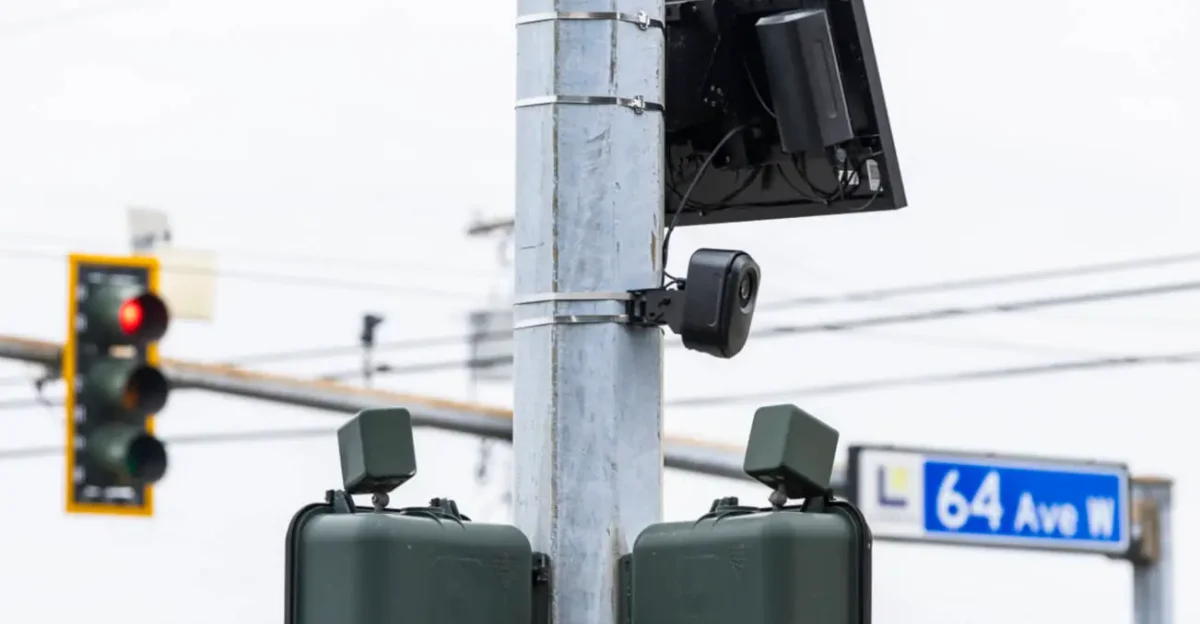
Skamania County, Washington, disabled all six Flock cameras in November 2025 over privacy concerns. This action ended documented crash reductions and crime-fighting monitoring in the area. Fewer than half of U.S. states have enacted facial recognition regulations, leaving surveillance largely unregulated. Privacy advocates call for warrant requirements, while law enforcement resists restrictions. Once cameras demonstrate tangible safety benefits, removing them becomes politically difficult. The expansion of camera networks continues despite public concerns, and oversight mechanisms lag behind. Citizens face growing surveillance with limited control over how data is used.
Expanding Reach
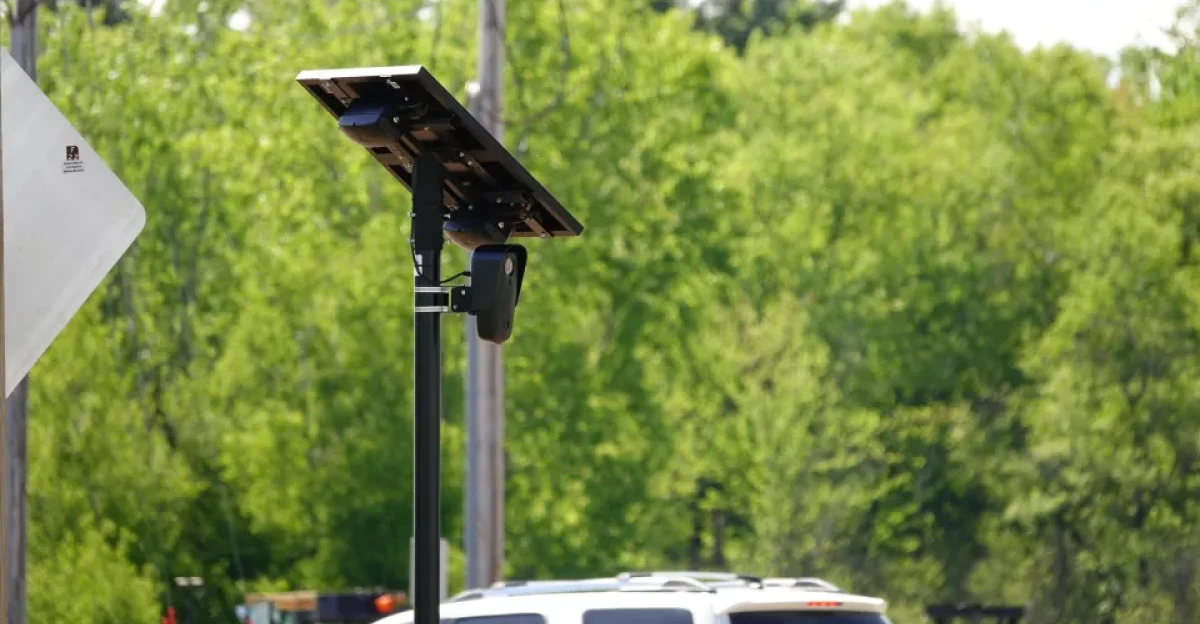
Flock’s network continues growing. Hayden AI added cameras to Santa Monica parking enforcement vehicles, enabling citywide coverage. New York City’s system issued 3,800 incorrect citations even after human review. A Florida driver received a school bus violation citation while outside the geographic area. Errors demonstrate the difficulty of scaling monitoring systems without accountability. Flock Safety now employs more than 900 people and aims to cover every U.S. city. Rapid growth highlights risks of widespread surveillance, while oversight mechanisms remain inconsistent. Expansion of coverage continues at a faster pace than regulations can respond.
Your Move
The UK operates 13,000 plate-reading cameras capturing roughly 55 million vehicle reads daily, stored for up to two years. Flock’s U.S. network now scans over one billion vehicles monthly and continues growing. San Francisco and Portland banned law enforcement facial recognition. The NYPD requires corroborating evidence beyond facial recognition for arrests. Patchwork rules and no federal framework leave a private company controlling critical data. Public understanding of the system is limited, giving authorities and operators disproportionate influence over how surveillance is applied. Awareness is the first step toward accountability.
Sources:
Flock’s Aggressive Expansions Go Far Beyond Simple Driver Safety. ACLU, August 2024
Flock Gives Law Enforcement All Over the Country Access to Your Location. ACLU of Massachusetts, October 2025
Flock Traffic Cameras Track Everything, Except The Cops Misusing Them. CarScoops, January 2026
U.S. Border Patrol acquired ‘back-door’ access to Flock camera data from Centralia, Chehalis. The Chronicle, October 2025
High-frequency location data show that race affects citations and fines. Science Magazine, March 2025
Skamania County turns off its license plate cameras. Uplift Local, November 2025