9 Vehicles Retirees Should Trade Before Depreciation Hits Hard
Faster days slip away once work finishes, opening room for travel or quiet rather than deadlines. Still parked near the garage, a fuel-hungry vehicle or high-maintenance model can quietly drain savings. Newer cars often lose value quickly in the first few years, especially when repair costs rise and buyers shift toward hybrids and electric options. Retirees who keep an eye on market trends sometimes choose to sell while resale value still holds. Below are nine vehicles often cited for faster-than-average depreciation or rising ownership costs.
1. Full-Size Pickups Like the Ford F-150 (Pre-2022 Models)
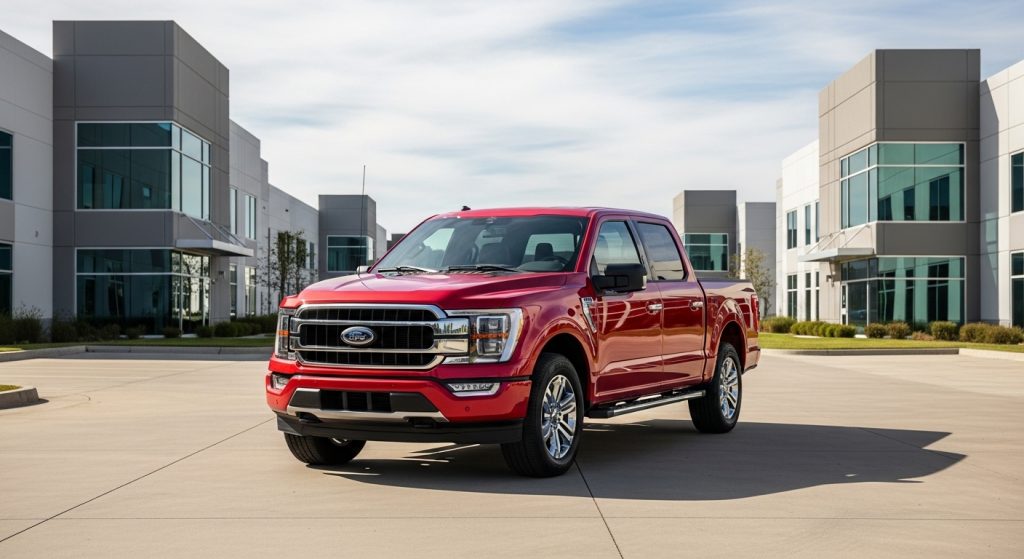
Older full-size trucks can lose value quickly as newer hybrid and electric versions enter the market. Models from 2018 to 2021 may face steeper price drops due to competition and shifting demand. Retirees who no longer need heavy towing capacity may find resale value declining faster than expected, especially as fuel prices fluctuate and maintenance costs increase with age.
2. Luxury SUVs Such as the BMW X5 (2017–2020)
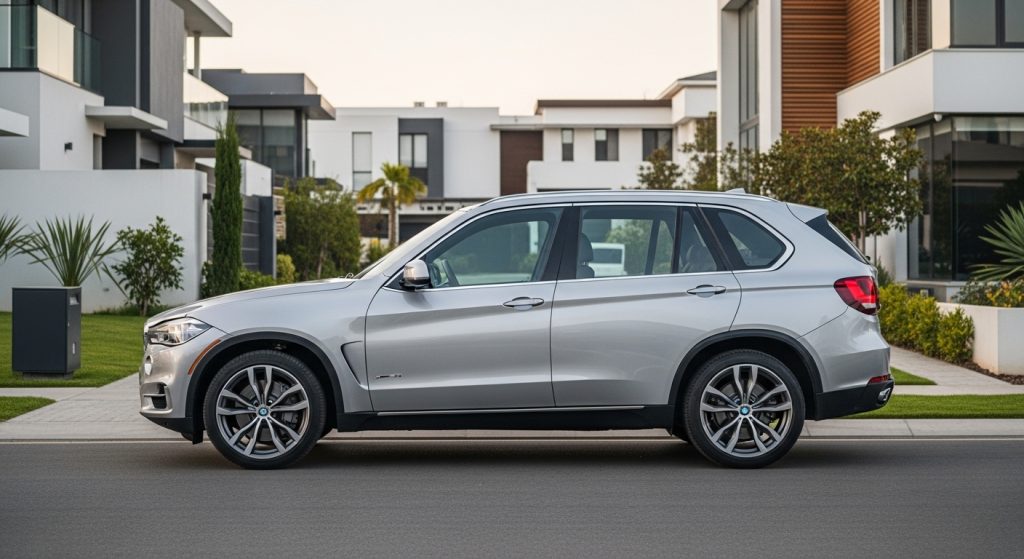
Luxury SUVs often come with higher repair and maintenance costs. Turbocharged engines and complex electronics can lead to expensive repairs over time. As newer hybrid alternatives enter the market, older gasoline-only luxury SUVs may depreciate more quickly, making it practical to consider trading before major repairs arise.
3. Jeep Wrangler (Non-Hybrid, 2015–2021)
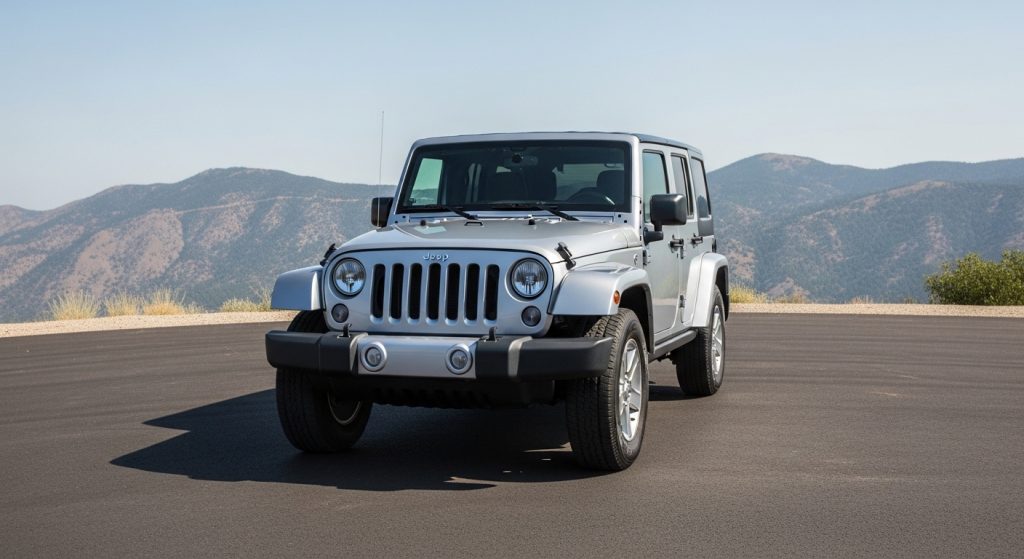
While Wranglers traditionally hold value well, non-hybrid versions have seen increased competition from electrified models. Suspension wear, road noise, and fuel economy concerns may affect resale demand. Owners looking for quieter or more comfortable driving in retirement may find it beneficial to sell before market demand softens further.
4. Chevrolet Suburban & Tahoe (2016–2020 V8 Models)
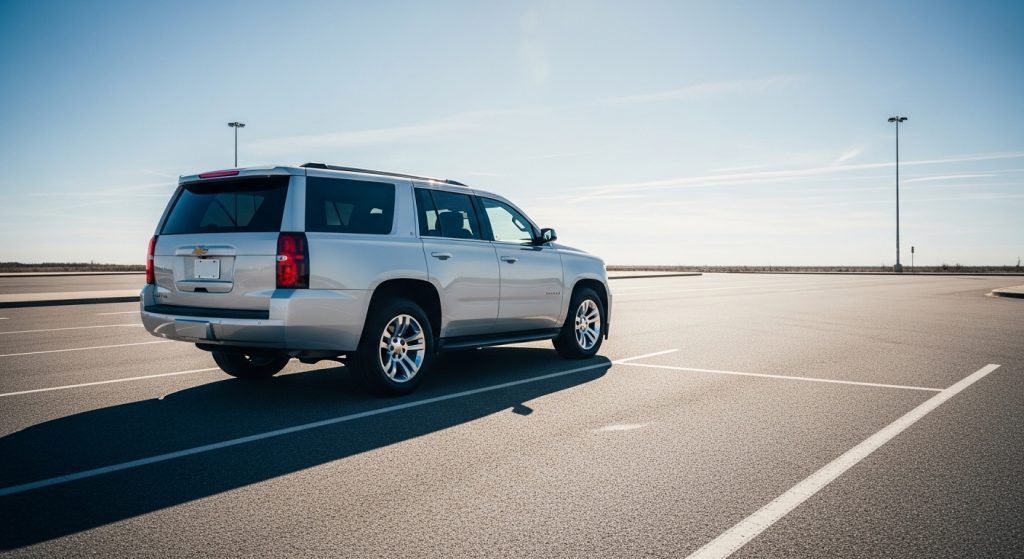
Large SUVs with V8 engines typically consume more fuel, sometimes averaging around 15 MPG. As hybrid and more efficient SUVs gain popularity, demand for older V8-only versions may decline. High-mileage models can also face costly repairs such as transmission replacements, which can significantly reduce resale value.
5. Mercedes-Benz C-Class (2015–2019)
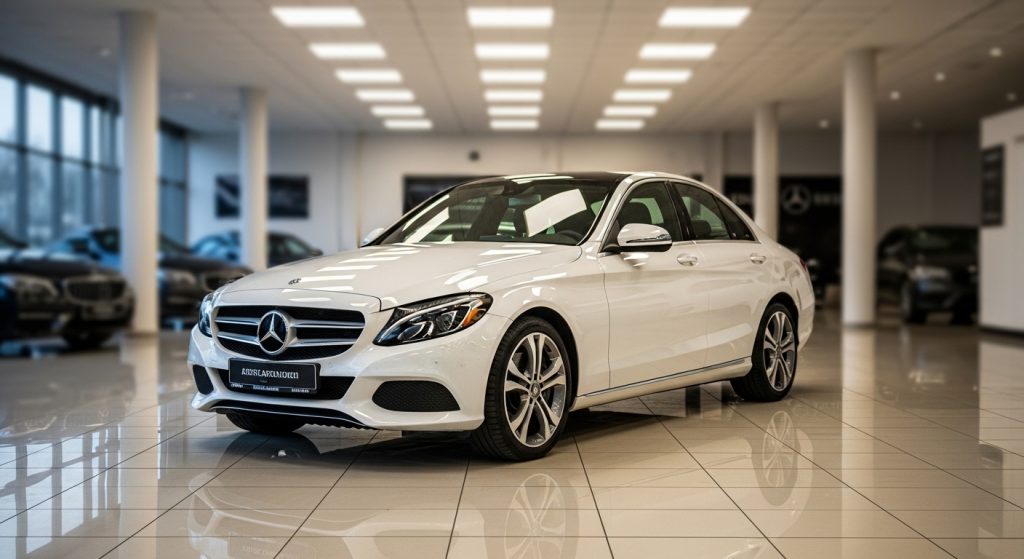
Luxury sedans often depreciate faster than SUVs. As maintenance expenses increase with age—along with fuel and parts costs—resale values can decline sharply. With many buyers shifting toward crossovers and EVs, older luxury sedans may face softer demand in the used market.
6. Ram 1500 (5.7L Hemi, Pre-2023)
Powerful engines like the 5.7L Hemi offer strong performance but come with higher fuel consumption. As competitors release hybrid trucks with better efficiency, older gasoline-heavy models may lose value more quickly. Retirees who drive less or prioritize fuel savings may benefit from selling before depreciation accelerates.
7. Audi Q7 (2016–2020)
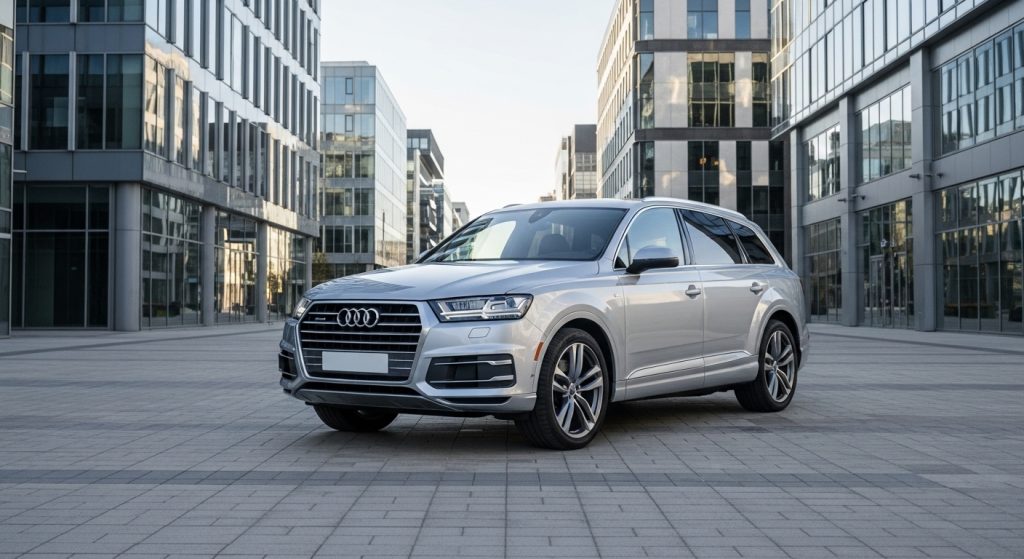
Three-row luxury SUVs can experience significant depreciation once warranties expire. Complex drivetrain systems and electronic features may increase long-term ownership costs. As families downsize and empty nesters seek smaller vehicles, resale demand for large luxury SUVs may soften.
8. Nissan Armada (2017–2022)
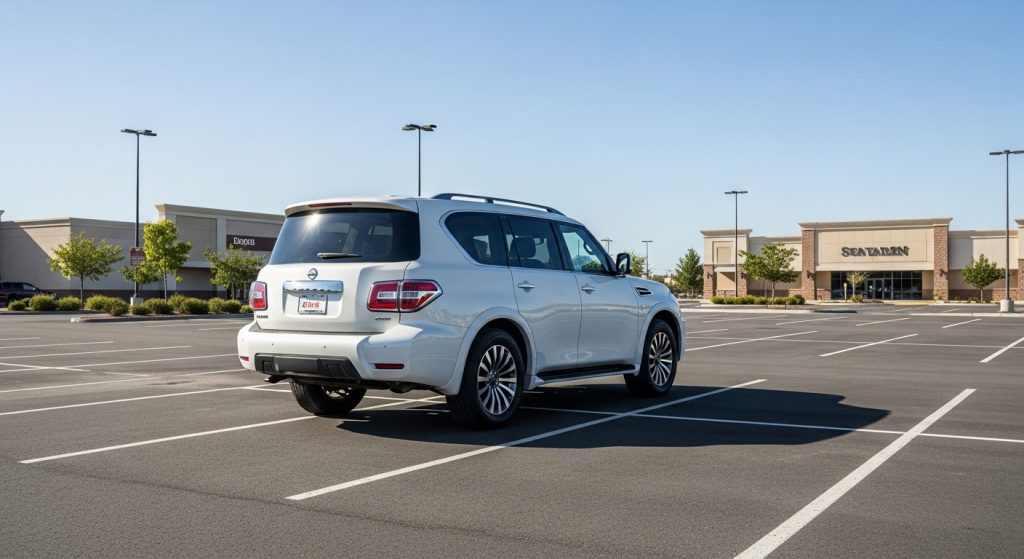
Body-on-frame SUVs with large V8 engines typically have high fuel consumption. Market shifts toward more efficient vehicles have impacted resale trends. Parts availability and maintenance costs may also influence depreciation over time.
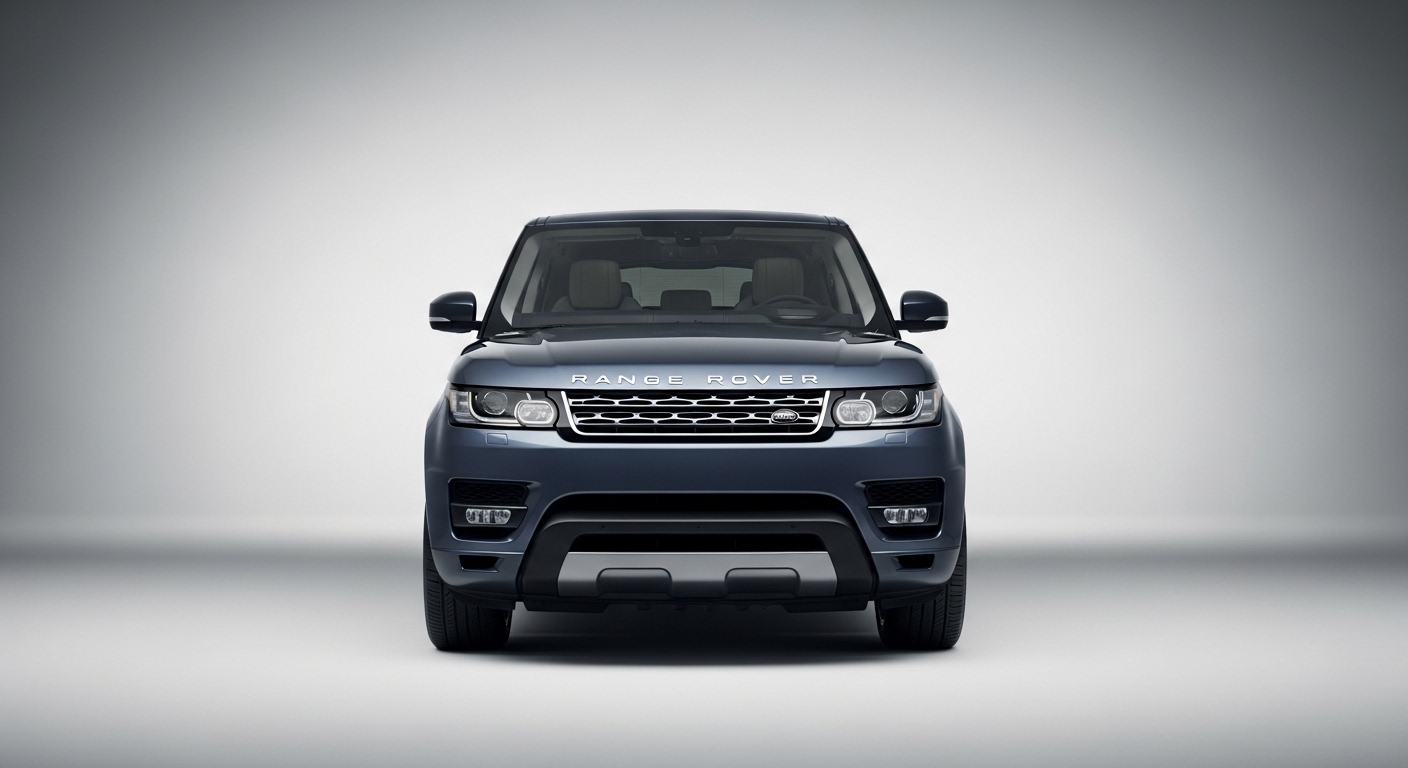
9. Land Rover Range Rover Sport (2014–2020)
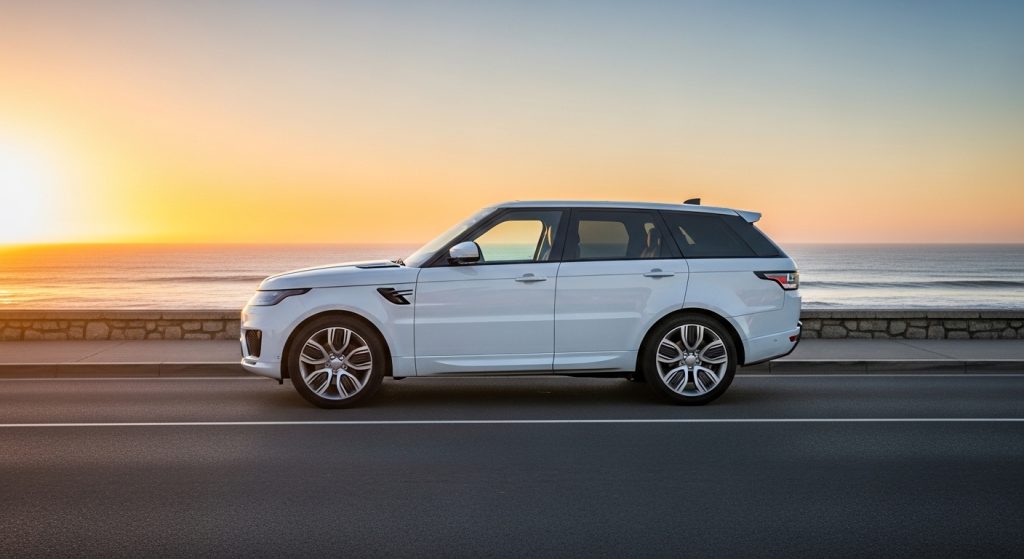
Luxury performance SUVs often face steep depreciation within the first five years. Advanced suspension systems and high-end features can become expensive to maintain as the vehicle ages. Selling before major repairs are needed may help preserve more of the vehicle’s remaining value.