9 Cars That Trigger Expensive Repairs Sooner Than Owners Expect
“9 Cars That Trigger Expensive Repairs Sooner Than Owners Expect” explores vehicles that may look appealing at first but can quickly become costly to maintain. While some cars are built for long-term dependability, others tend to develop mechanical or electrical issues much earlier than drivers anticipate. With repair bills rising and parts becoming more expensive, choosing the wrong model can put unexpected pressure on your budget. In this article, we’ll highlight the cars that often lead to surprise repair costs and why buyers should approach them with caution.
1. BMW 3 Series (2019–Present, Diesel Models)
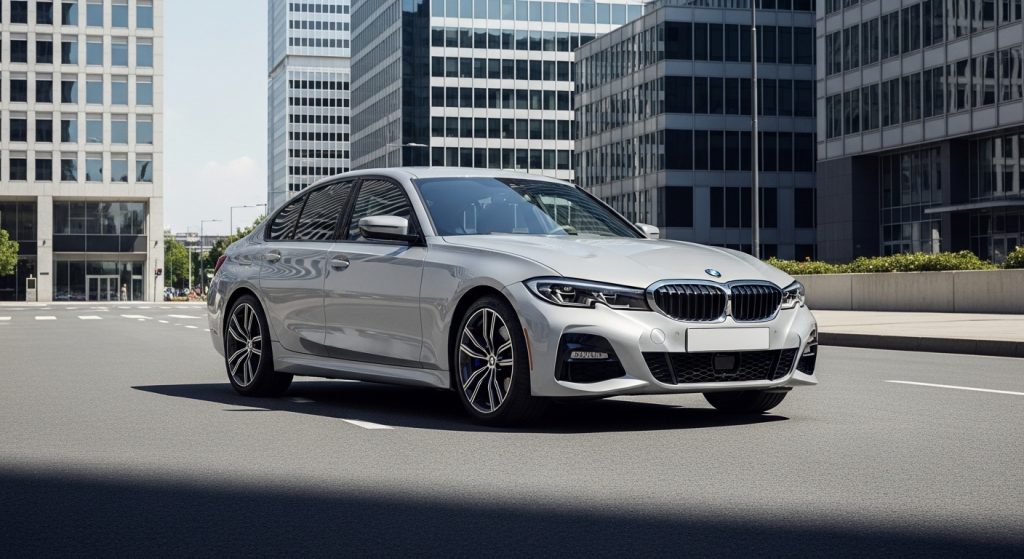
Modern diesel versions of the 3 Series deliver strong performance but come with complex emissions systems. AdBlue/DEF system blockages and sensor failures can lead to expensive repairs. Turbocharger issues and electronic module failures have also been reported in higher-mileage examples, pushing repair costs into the thousands.
2. Audi A1 (2018–Present)
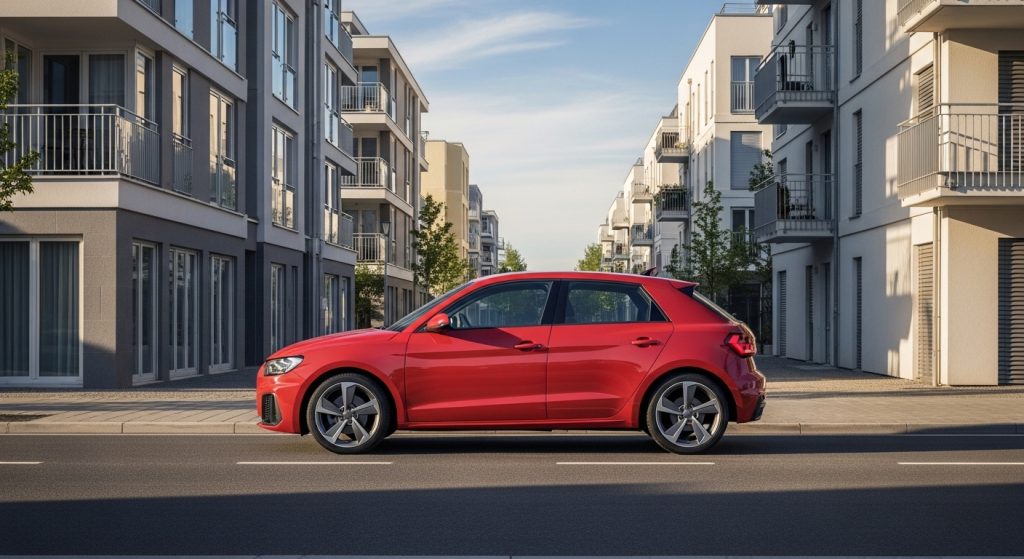
This compact luxury hatchback may develop dual-clutch (DSG) transmission issues as mileage increases. Timing chain tension concerns on smaller engines and infotainment system failures can further raise ownership costs.
3. Mercedes-Benz E-Class (2016–2024)
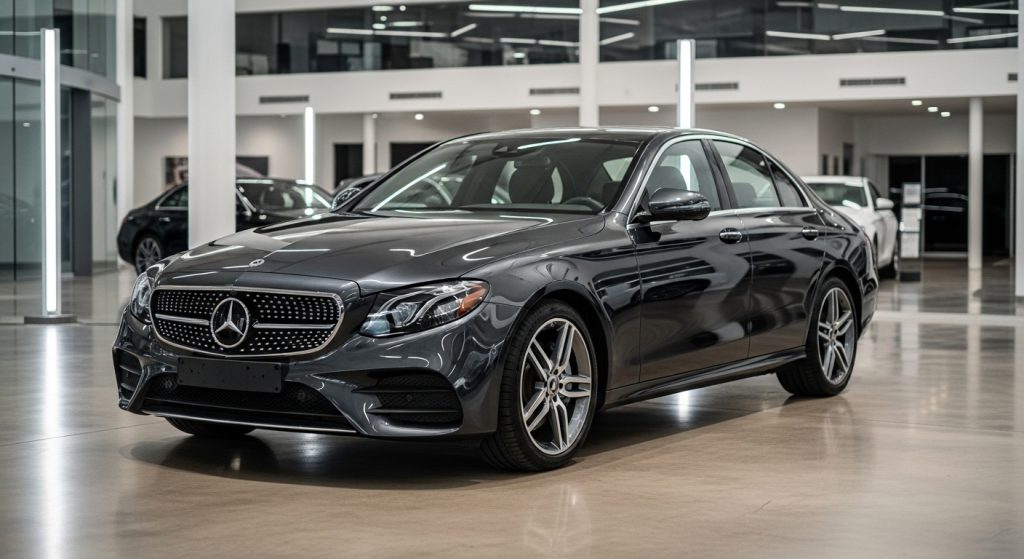
Air suspension repairs, EGR system issues in diesel variants, and hybrid battery components can become expensive once warranties expire. Advanced electronics and driver-assist systems may also add to long-term repair bills.
4. Kia EV6 (2021–Present)
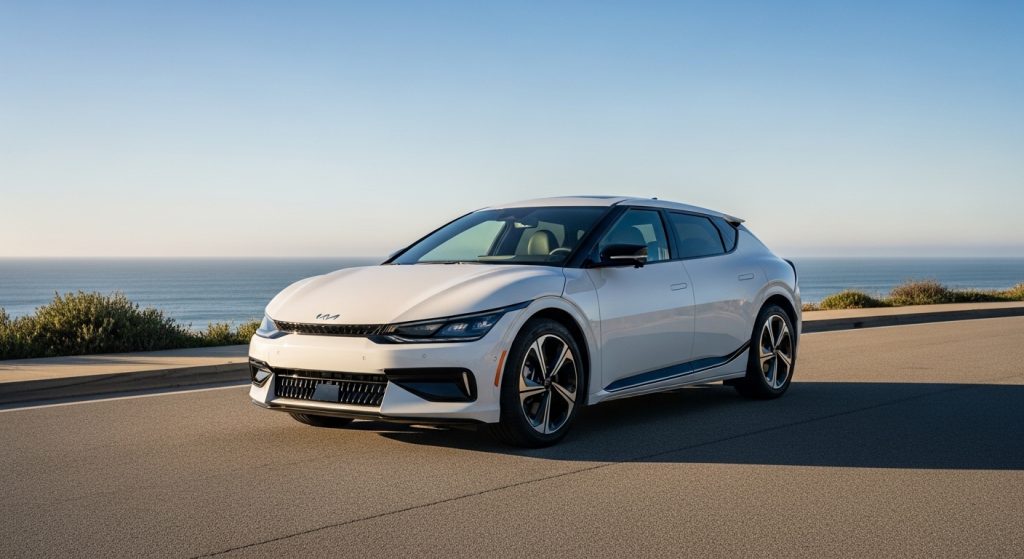
While offering strong electric performance, some owners have reported issues related to charging systems and cooling components. Battery-related repairs outside warranty can be particularly costly due to the complexity of EV systems.
5. Range Rover Evoque (2019–Present)
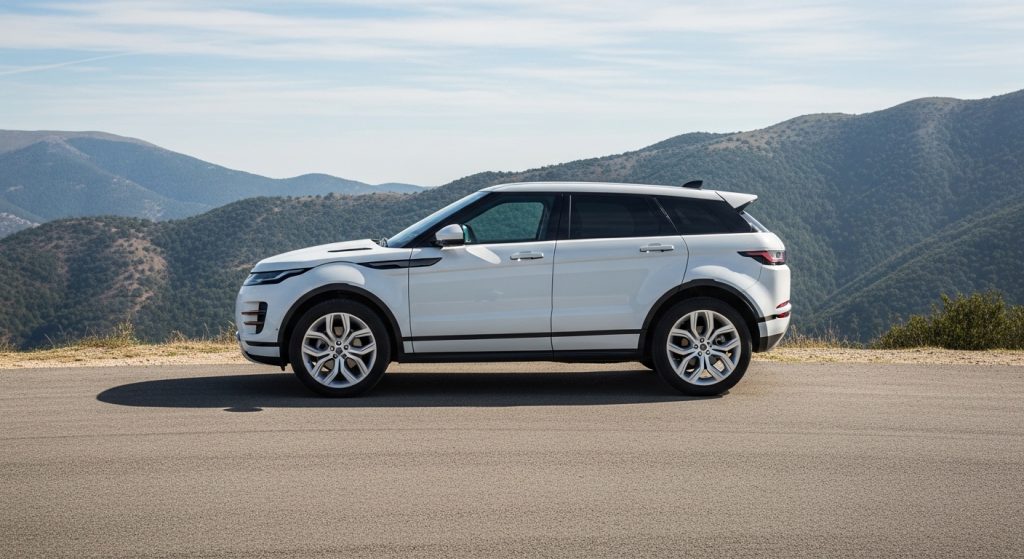
Transfer case wear, electrical faults, and water intrusion from panoramic roofs have been cited in service records. Repairs often involve high labor costs due to tightly packaged components.
6. Hyundai Ioniq 5 (2021–Present)
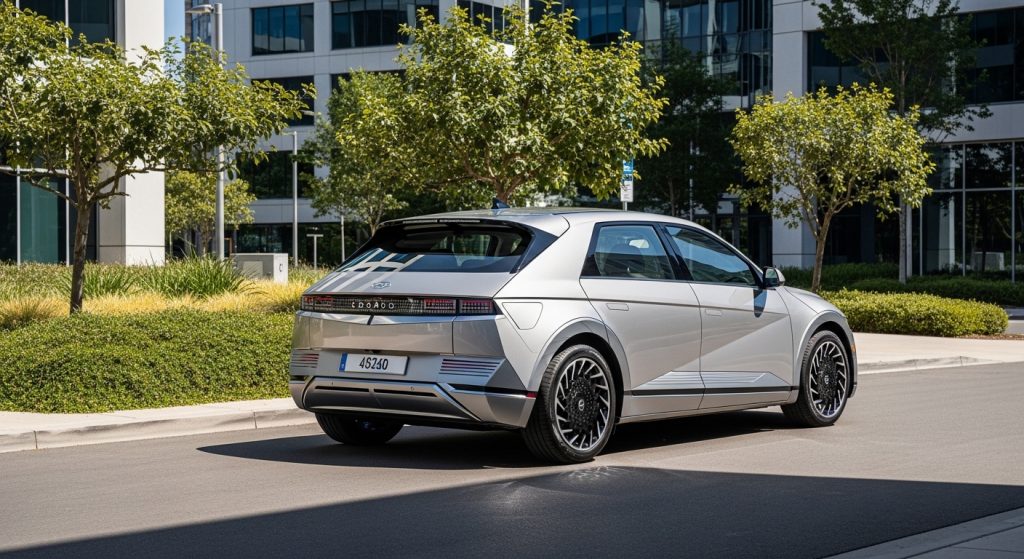
Charging system faults and certain battery-related issues have required dealer-level diagnostics. Suspension component wear may also occur sooner than expected under harsh driving conditions.
7. Audi Q5 (2018–Present)
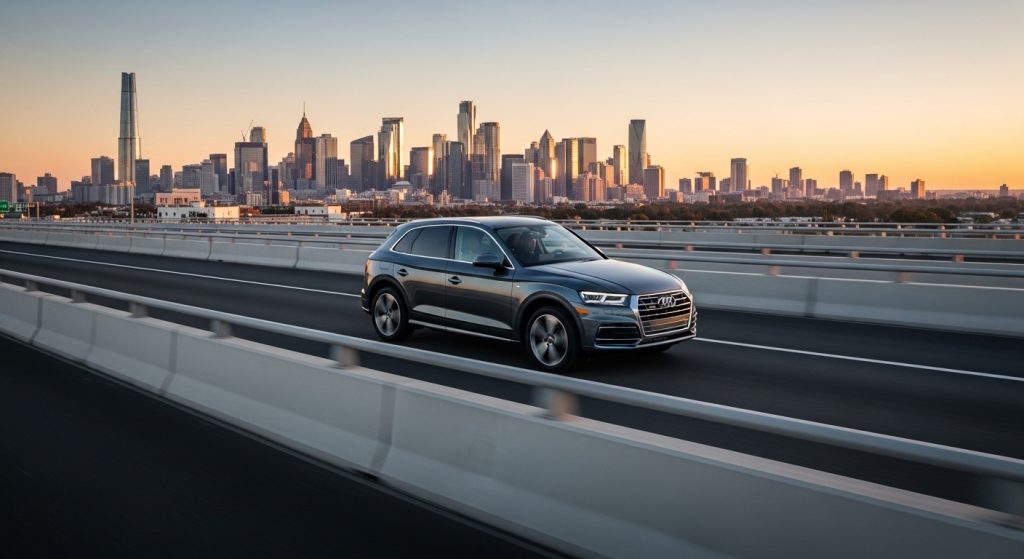
Quattro drivetrain components and adaptive suspension systems can be expensive to repair. Carbon buildup in turbocharged engines may also require periodic cleaning, increasing long-term maintenance costs.
8. Land Rover Discovery Sport (2015–2020)
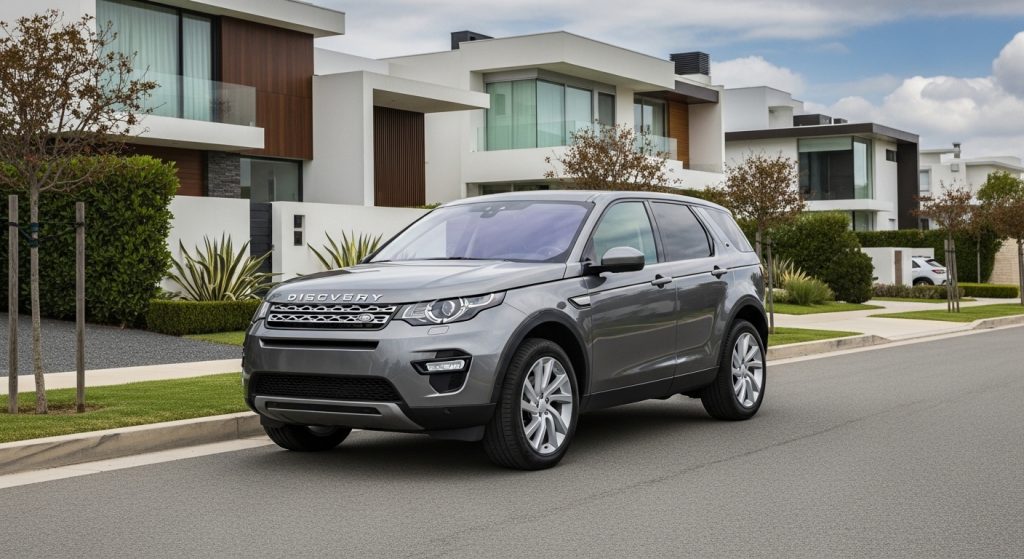
Turbocharger failures, air conditioning compressor issues, and electrical faults appear regularly in repair reports. Parts availability and labor intensity can extend service times.
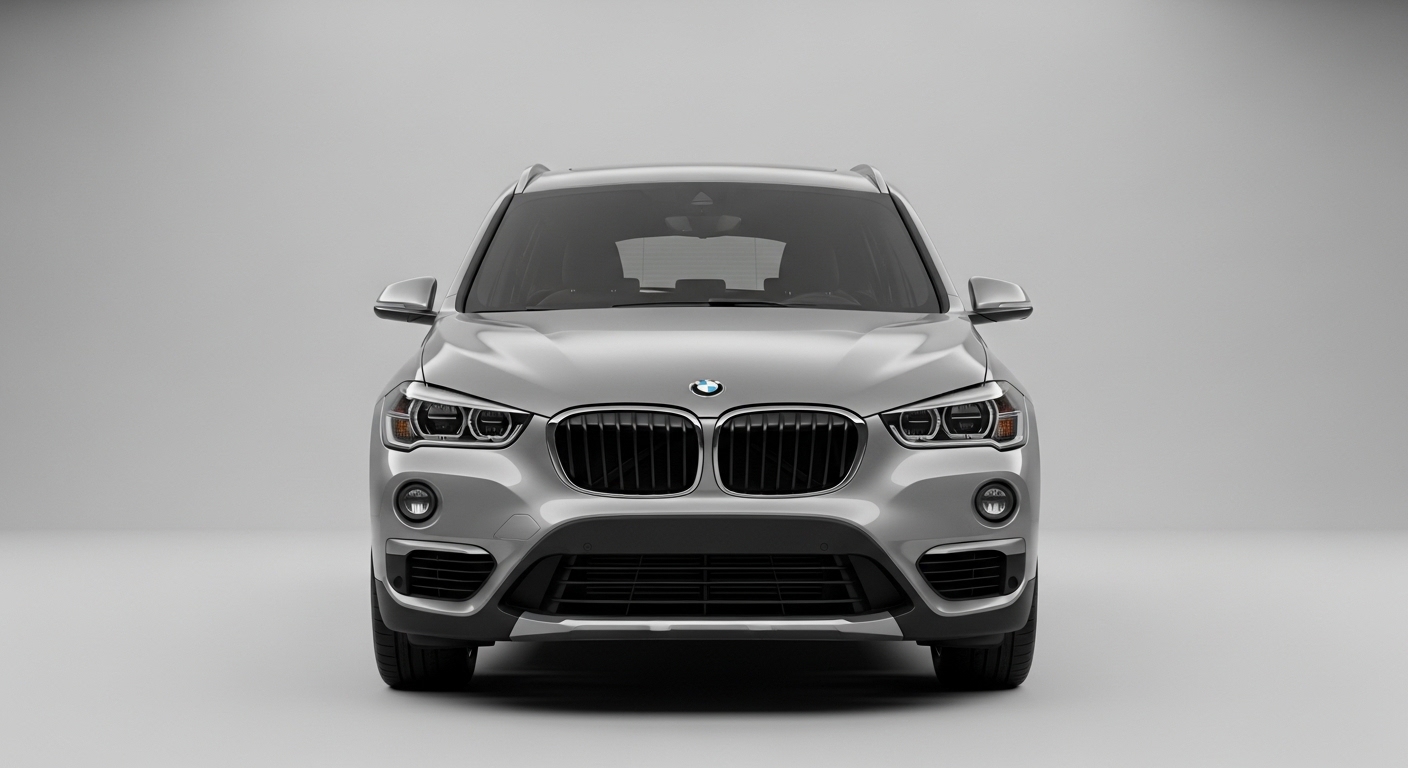
9. BMW X1 (2016–2022)
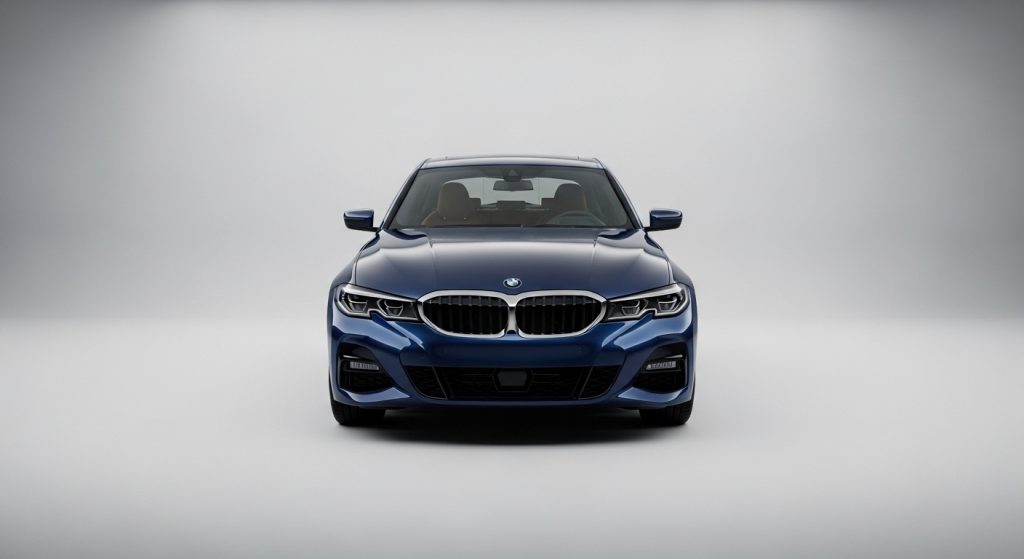
Timing chain wear, VANOS system concerns, and cooling system leaks have been noted in certain model years. Turbocharger-related repairs can significantly raise ownership costs once out of warranty.