$9.4B-A-Month Gas Crisis Hits Americans For First Time Since 2022—Your F-150 Now Costs $144 To Fill
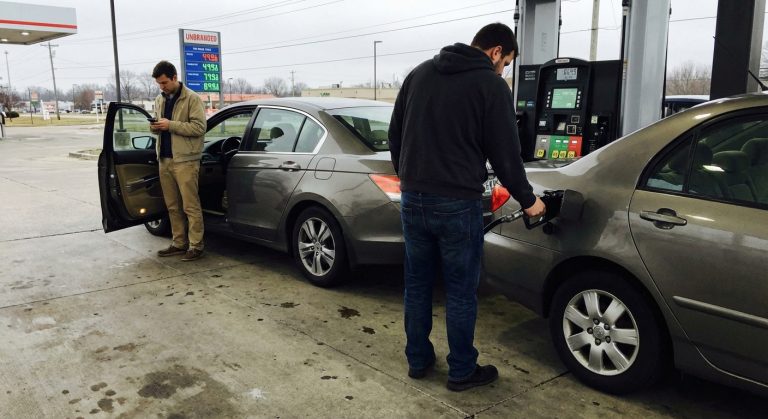
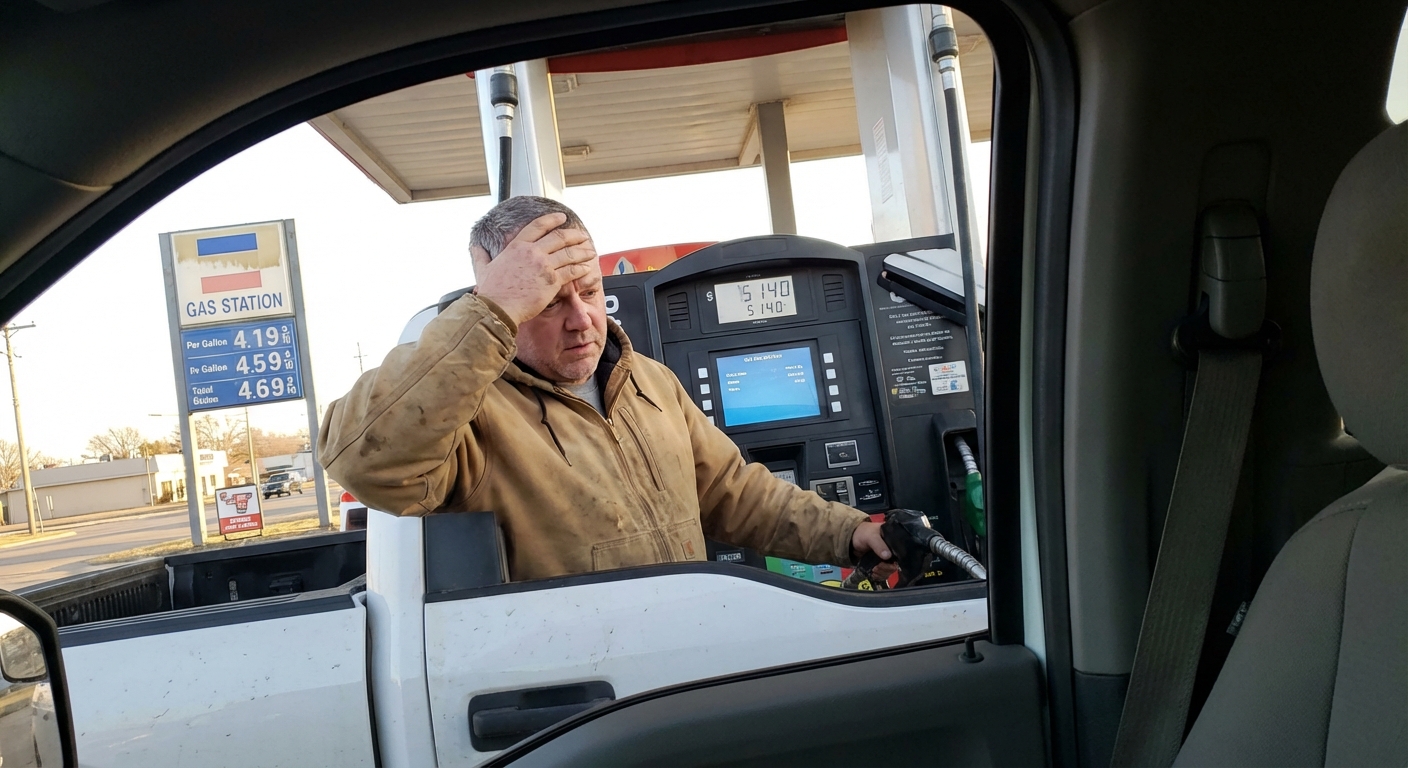
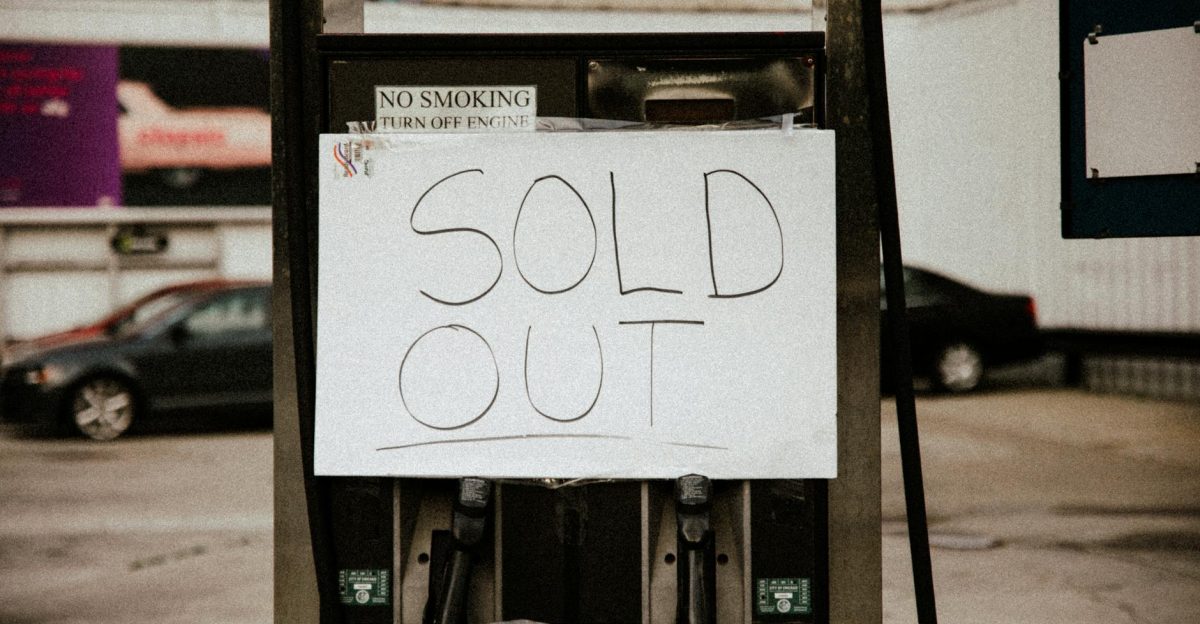
The numbers on the pump kept climbing. Across the Tri-State area and beyond, drivers stood watching digital displays tick past figures they hadn’t seen in four years. Gas station attendant Maynard Cooke put it plainly: “It’s rough out here. A lot of people are just not bothering to fill up. This isn’t the highest I’ve seen it, but it’s the fastest I’ve seen it go up.” One truck driver at a Wawa in Edison, New Jersey, watched his fill-up cost double from $150 to $300. The national average had just crossed $4 a gallon, and nobody at the pump looked surprised anymore.
Four Years of Relief, Gone in Weeks
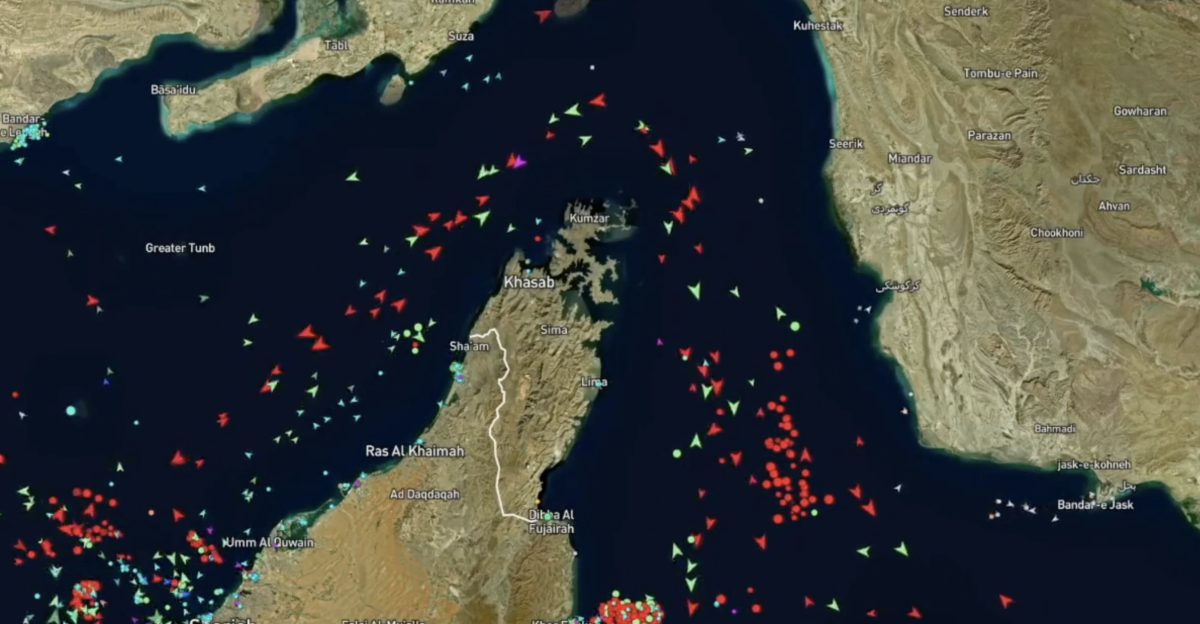
AAA confirmed what every driver already felt: the national average hit $4.11 to $4.14 per gallon by early April 2026, the first breach of the $4 mark since August 2022. Prices surged roughly a dollar in a single month. NYC stations posted $4.11. New Jersey hit $4.09. Connecticut, $4.08. The trigger was the U.S.-Israeli military campaign against Iran, launched February 28, which effectively shut down the Strait of Hormuz. That single waterway handles 20% of the world’s oil. And American households were about to learn what that percentage actually costs.
Record Production, Record Prices
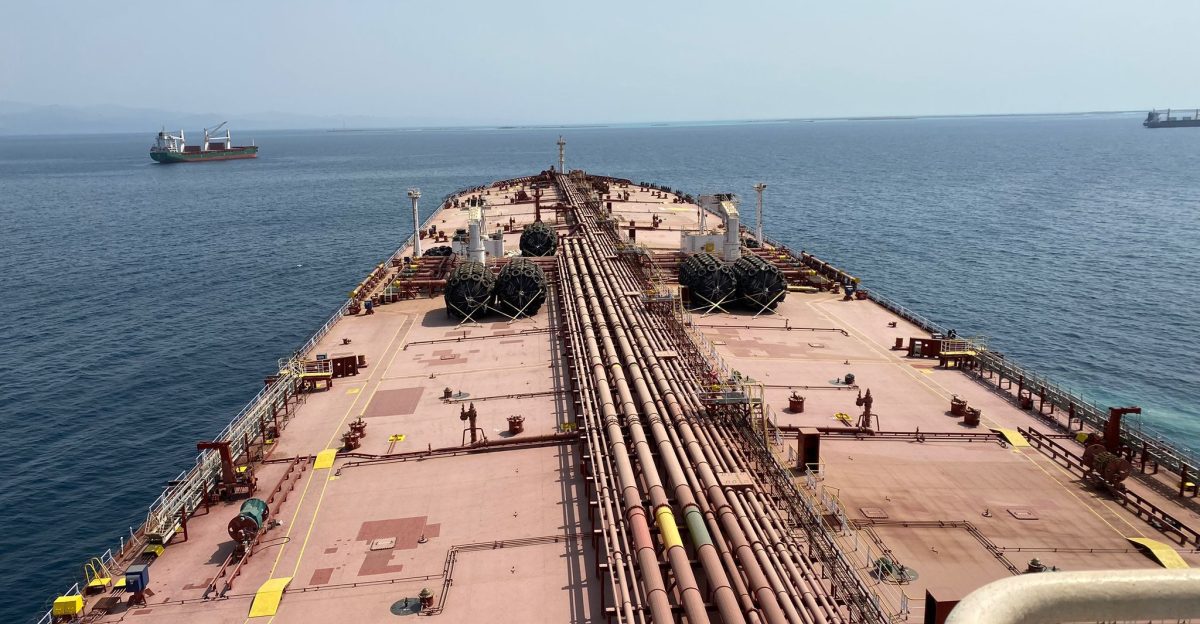
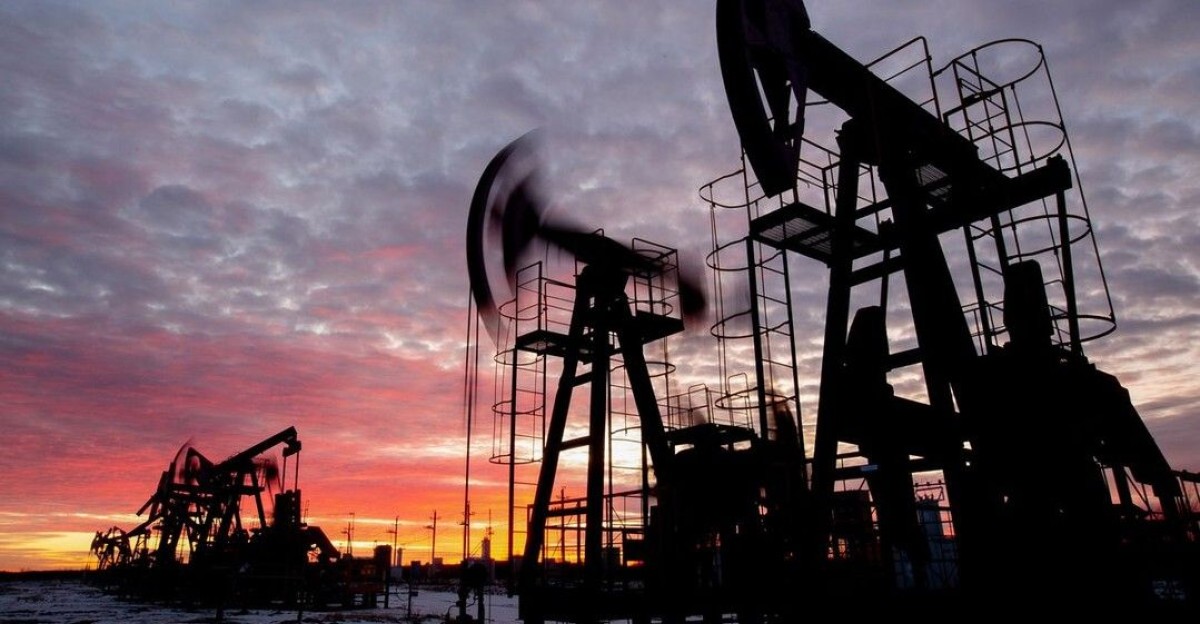
The U.S. pumps 13.5 million barrels of oil a day. Record output. The kind of number that’s supposed to mean energy independence. So why is gas above four bucks? Because California pays $5.89 a gallon while Connecticut pays $4.08, and the difference has nothing to do with how much crude America pulls from the ground. California lacks pipeline access to Gulf Coast refineries. It imports by tanker, through routes now choked by war. Production volume sounds powerful on a podium. Infrastructure determines what you actually pay at the pump.
The Few Weeks That Became Two Years
Energy Secretary Chris Wright told Americans they’d “feel it for a few more weeks.” The administration promised swift relief — Wright himself said it would take “weeks, not months” before prices came down. Meanwhile, the Energy Information Administration, a federal agency inside the same government, projected average gas prices of $3.34 per gallon for 2026 and below $3.20 per gallon in 2027 — prices that remain well above the pre-war forecast of $2.91, with no return to pre-war levels projected for either year. Three senior officials said weeks. Their own analysts modeled years. That gap between the podium and the spreadsheet costs American drivers $9.4 billion every single month prices stay elevated.
Iran’s Toll Booth on Global Oil
Before the war, 135 ships transited the Strait of Hormuz daily. By early April, that number collapsed to 12. Iran now selectively approves which tankers pass and which don’t, allowing allied nations through while blocking others. That is a toll booth on 20% of the world’s oil supply. Brent crude hit $141.365 per barrel on April 2, the highest price since July 2008. The U.S. military launched the campaign. Iran ended up controlling the lever that sets global fuel prices. That inversion defines the entire crisis.
The Numbers at the Kitchen Table

A Ford F-150 with the extended-range 36-gallon tank now costs $144 to fill. That’s $37.29 more per tank than before the war. A Toyota RAV4 costs $15.02 extra, a 35% jump. Diesel hit $5.62 a gallon, up 49% in six weeks. Alabama residents face $52 more per month in fuel costs alone. Southern states absorb $4.2 billion of the $9.4 billion national monthly burden. Since February 28, American drivers have collectively paid $8.4 billion in additional fuel costs. Those aren’t projections. Those are receipts.
The Ripple Hitting Every Aisle
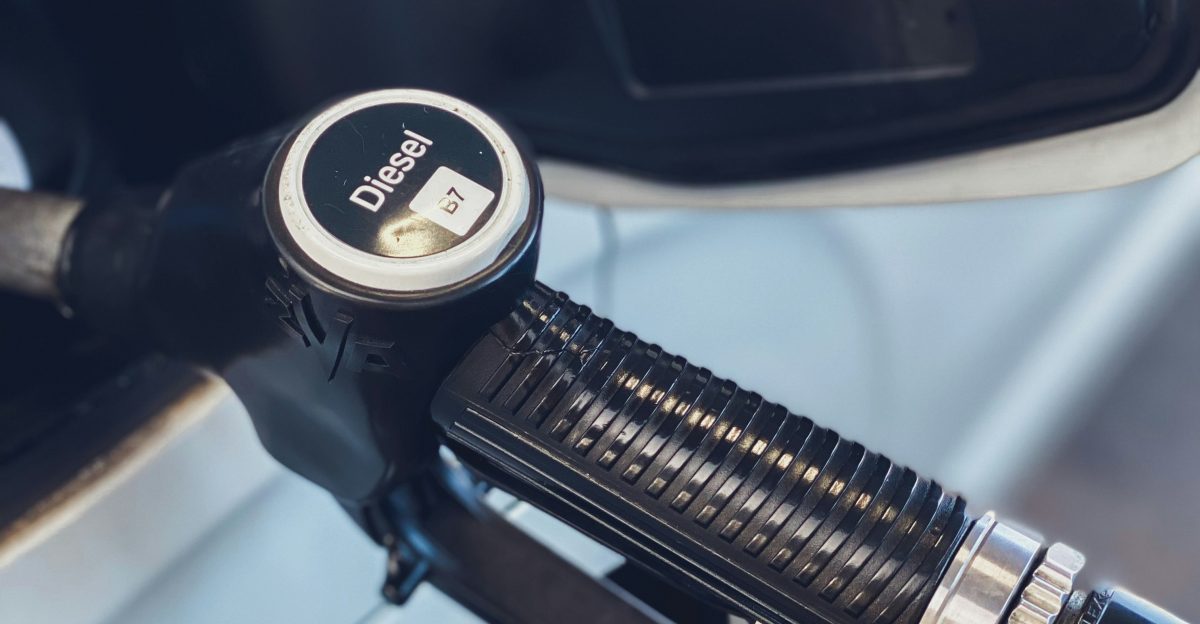
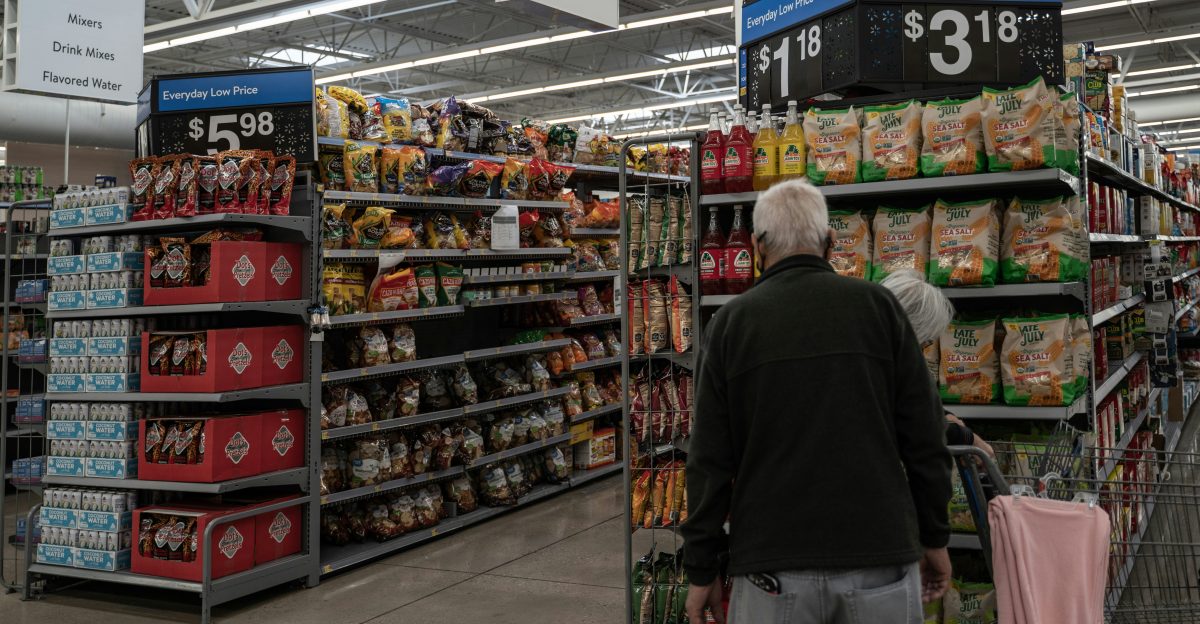
Diesel drives freight. Freight drives prices on everything. Shipping surcharges jumped $2,000 to $4,000 per container. Approximately 18 to 20% of global air belly-cargo capacity was disrupted. London flight fuel surcharges tripled from $300 to $800. And at the grocery store, 65% of shoppers have already changed their habits — cutting non-essential spending, hunting for discounts, or consolidating trips. Twenty-eight percent have switched to cheaper store brands entirely. Diesel rose from $3.81 to $4.86 in two weeks between March 2 and March 16 — crossing $5 per gallon the following day. Every dollar at the pump compounds through every shelf in every store.
A New Rule for Global Power
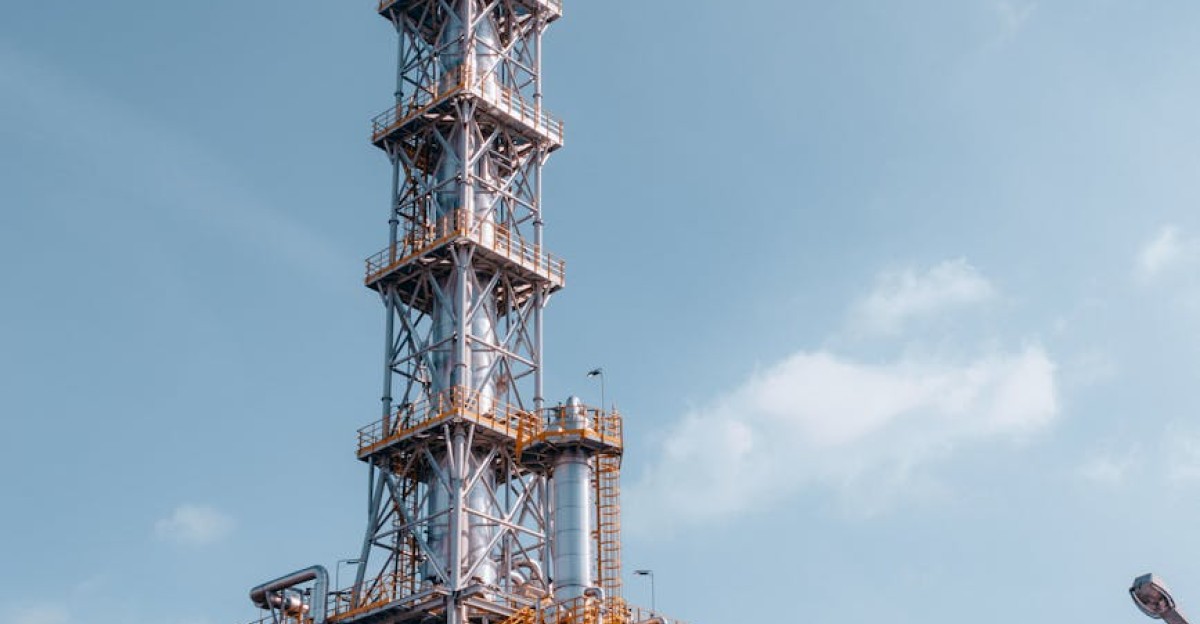
This is bigger than one war’s fuel bill. Iran demonstrated that controlling a single chokepoint overrides the production capacity of the world’s largest oil producer. Other nations are watching. Any country sitting on a critical shipping lane, pipeline junction, or refinery corridor now has a blueprint: restrict access, extract premium, and watch the world’s superpower absorb the cost at the household level. The humanitarian toll already proves it works. Seventy thousand metric tons of food aid sit stranded in ports. If the disruption continues through June, 45 million additional people face acute hunger globally.
The Dominoes Still Falling
If the Strait stays closed past the April 7 deadline, Dallas Fed-linked modeling shows crude could spike to $132 per barrel. Shipping reroutes around the Cape of Good Hope add 25 to 30 days and 15 to 25% cost premiums. Grocery price increases lag fuel by weeks, meaning the worst of food inflation hasn’t arrived yet. AAA’s Robert Sinclair noted “no dip in demand at this point,” meaning drivers keep paying, absorbing the hit without cutting back on miles. That demand floor keeps prices locked in place.
What Most People Still Don’t See
Energy independence was supposed to be the shield. America produces more oil than any nation on earth and still could not keep gas below four dollars when one country restricted one waterway. The administration’s counter-move options were limited: Strategic Petroleum Reserve drawdowns, emergency Saudi pipeline reroutes, maybe fuel efficiency mandates. None of them reopened the Strait. For six weeks, every public promise of “rapid recovery” depended entirely on Iran choosing to lift restrictions — restrictions it had little incentive to lift while oil commanded premium prices. The war set the price. Iran collected the toll. Whether the April 7 ceasefire holds will determine whether that sentence stays in the past tense.
Editor’s Note: This article was written prior to the April 7, 2026 ceasefire agreement between the United States and Iran. Under the deal, Iran has agreed to reopen the Strait of Hormuz to safe navigation for a two-week period, with peace talks beginning April 10 in Islamabad. Oil prices fell 13 to 17% following the announcement. Key claims about the strait remaining closed indefinitely and the absence of a recovery path should be read in this context.
Sources:
“National Gas Average Jumps One Dollar in One Month.” AAA Fuel Prices, March 26, 2026.
“Gas Prices Hit $4 in Parts of NY, NJ, CT; Highest Since 2022.” Yahoo News / AAA, March 31, 2026.
“The Economic Costs of the Iran War.” American Enterprise Institute Center for Tax, Spending and the Economy, April 1, 2026.
“These States Are Most Impacted by the Spike in Gas Prices.” Institute on Taxation and Economic Policy (ITEP), March 22, 2026.
“Short-Term Energy Outlook.” U.S. Energy Information Administration (EIA), March 2026.
“Gas Prices Will Stay High ‘A Few More Weeks’ but Will Drop After War, Trump Energy Secretary Says.” The Washington Times, March 15, 2026.
“Airfreight Rates Jump Up to 95% on Iran War Disruption.” Drewry Supply Chain Advisors / Container News, March 31, 2026.