$9.4B-A-Month Fuel Shock Guts Airlines, USPS, Uber And DoorDash—Americans Squeezed
The price of jet fuel more than doubled in three weeks. It rose from $2.17 to $4.57 a gallon by March 27, a spike unmatched in speed since the 2008 oil price spike. American drivers absorbed $9.4 billion in extra fuel costs in a single month. That number sounds like an airline problem, maybe a trucking problem. It reached your mailbox, your dinner delivery, and your ride home before most people noticed. Eight sectors are bleeding from the same wound simultaneously, and the part that hits your household budget is just the first ripple.
Why Everything Broke at Once
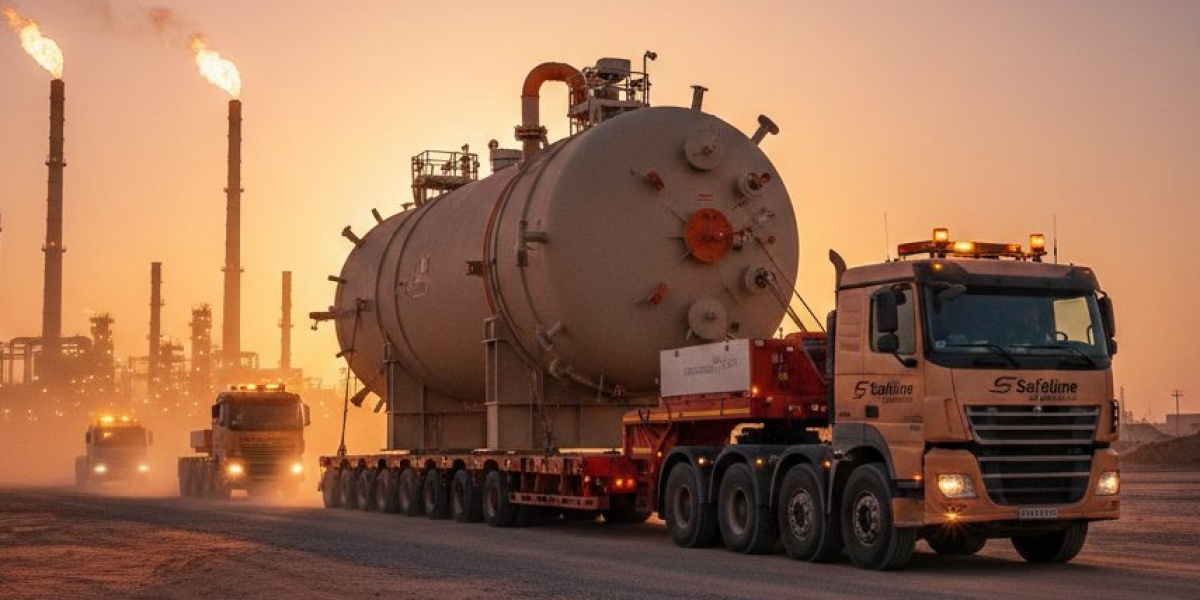
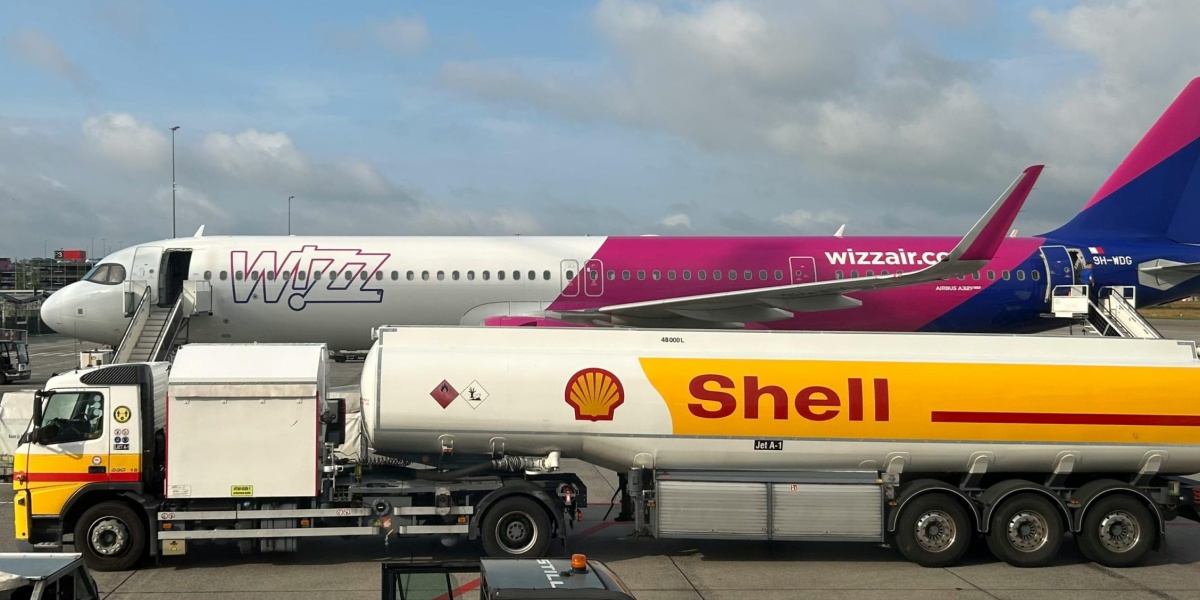
The Strait of Hormuz carries 20% of the world’s oil supply. When the Iran conflict choked that corridor in late February, it compounded already-strained global shipping lanes. Red Sea routing disruptions, a separate but simultaneous pressure, were already adding over $1 million in extra fuel costs per voyage. That cost didn’t stay on the water. It climbed into jet fuel at $197 a barrel. It climbed into the diesel. It climbed into the gasoline that powers every delivery van, mail truck, and rideshare in America. One chokepoint, and the entire cost structure of moving anything shifted overnight. Airlines felt it first, but they weren’t alone.
The Grocery Bill You Didn’t Expect

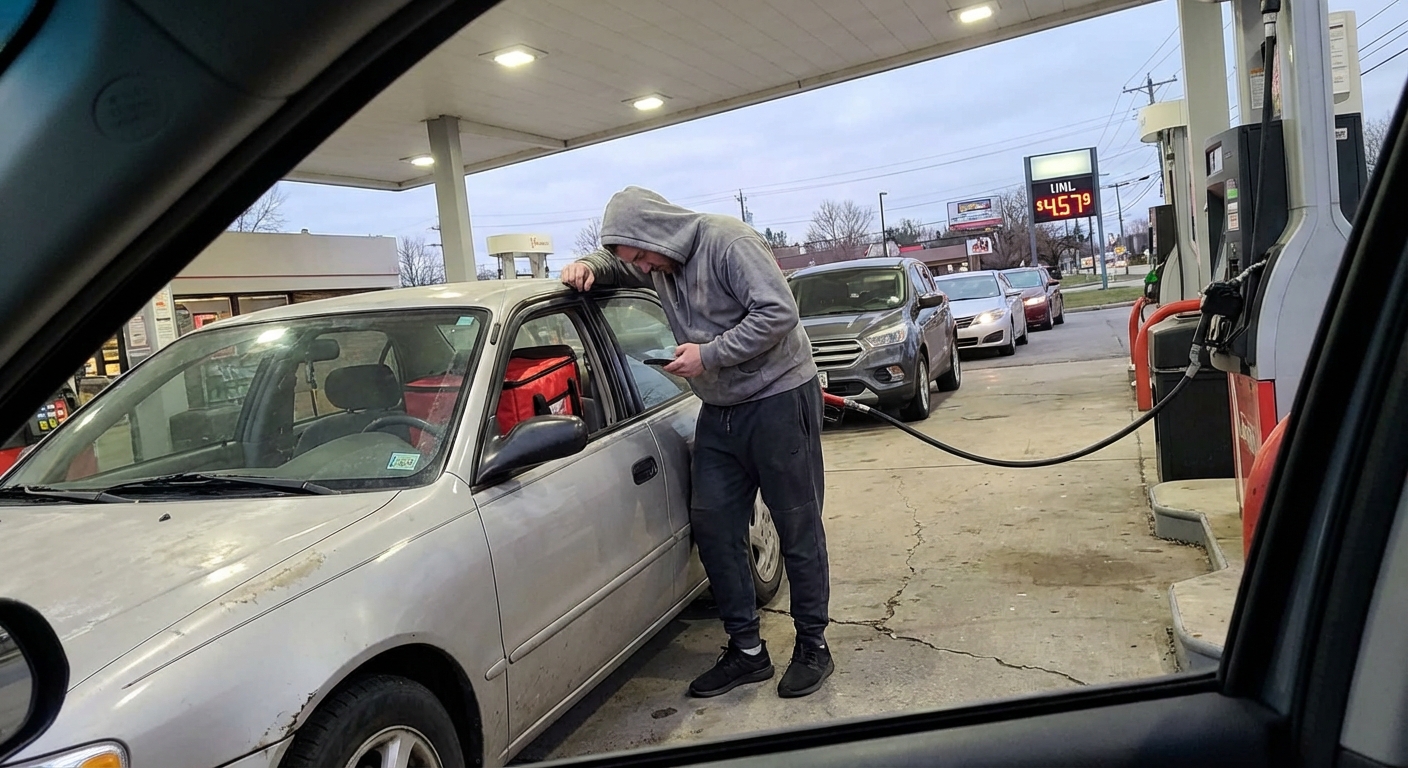
In Alabama, every driving-age person is paying $52 more per month just for gas. The South is absorbing the worst of it. Morning Consult’s Consumer Health Index collapsed to 1.4 in March, a 27-month low, meaning consumer demand signals are flashing red across the country. Low-income households slid to negative 3.4 on that same index. Negative. That means spending is contracting, not slowing. Gen Z saw gas costs jump 26% year-over-year, erasing the wage gains that finally started closing the rent gap. The squeeze arrived before summer even started.
Airlines Cutting Flights at Record Demand
United CEO Scott Kirby said fares need to rise 20% to cover fuel costs, then cut 5% of planned flights for Q2 and Q3. Delta absorbed $400 million in added fuel costs in March alone. American Airlines expects the same hit. Air New Zealand cancelled 1,100 flights, affecting 44,000 passengers. Analysts revised full-year airline fuel costs up 9% on average. Qantas flights to Europe are running at 90% capacity, up from 75%. Fewer flights. Higher fares. Fuller planes. The consumer pays more and gets less, which is exactly the margin inversion nobody wanted to name.
Your Mail and Your Takeout
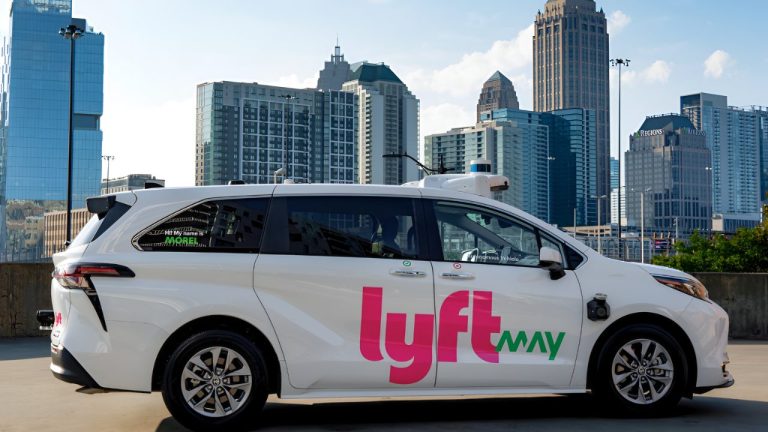
The U.S. Postal Service filed for an 8% temporary price increase effective April 26, running through January 17, 2027. A government service raises prices because it cannot absorb fuel costs. DoorDash launched emergency relief payments of $5 to $15 per week for drivers through April 26. Lyft rolled out a 60-day fuel savings program offering up to 98 cents per gallon in relief. During the 2022 Russia-Ukraine fuel shock, Uber and Lyft applied passenger surcharges of 45 to 55 cents per ride, the same playbook now under pressure to repeat. The fuel shock crossed from aviation into the services Americans use daily, and nobody saw that boundary break coming.
The One Variable That Broke Everything
Every one of these ripples traces back to the same structural failure. Fuel costs now exceed the incremental revenue per seat on airlines, per delivery on DoorDash, per mile on Lyft. The margin inverted. Companies cannot profitably serve more customers, so they serve fewer at higher prices. The oil shock hit tankers. Tankers hit refineries. Refineries hit jet fuel. Jet fuel hit airlines. Airlines hit hotels. Delivery costs hit restaurants. Surcharges hit your front door. Same mechanism. Different industry. Identical result.
The People Paying the Real Price
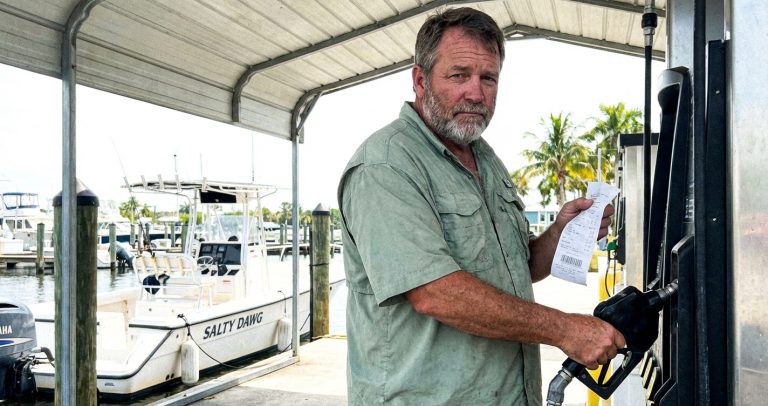
Cathay Pacific warned: “If the steep increase of fuel costs cannot be effectively mitigated, we would not be able to sustain the effective operations of our network.” Travis Maderia, cofounder of Lobster Boys, put it plainly: “Everything has gone up, unfortunately, and customers are not liking it.” Small businesses with no fuel hedges and no negotiating power are burning through cash reserves. Delivery drivers are choosing between filling their tanks and making rent. Gen Z cutting restaurants, clothes, and alcohol to absorb the hit. The relief programs expire in weeks. The fuel prices have not budged.
New Rules for the Next Shock

The last time a fuel shock hit aviation, delivery, postal, and ride-hailing simultaneously was the 2022 Russia-Ukraine war. That precedent matters. USPS, DoorDash, and Lyft all normalized raising prices or adding fees during supply shocks. The next disruption will trigger faster pass-throughs because the playbook now exists. The Federal Reserve flagged “elevated uncertainty” from the Middle East in its March statement. Cathay Pacific hiked surcharges 34% from April 1, the steepest of any major global carrier. The rules governing how companies respond to fuel crises just permanently changed.
Winners, Losers, and the April Cliff
Airlines with fuel hedges survive. Airlines without them face what United’s CEO warned could be $11 billion in added annual fuel expenses if prices persist. Gig platforms bought 60 days of driver loyalty with temporary subsidies. Low-income households, rural drivers, Gen Z, and fixed-income earners absorb the full blow with no hedge and no relief. High-income consumers saw their Consumer Health Index drop from 10.6 to 8.7. Even the spending class that was supposed to hold steady is cracking. DoorDash relief expires April 26. Lyft’s program ends May 26. That cliff is the next contraction.
The Cascade Is Not Over
If oil stays above $100 a barrel through summer, airfare premiums persist, tourism demand collapses, Q3 hospitality earnings miss, and recession odds start pricing in. The counter-move is a political resolution or price normalization, but neither has materialized. Summer travel decisions are being locked in now, at 20% premiums, with 5% fewer flights. The economy was balanced on a narrow margin of wage gains, rent stabilization, and peak demand. One fuel shock collapsed all three pillars at once. The cascade keeps expanding. The only question left is where it will go next.
Sources:
“Jet Fuel Spikes as Airlines Warn Supplies Could Run Dry Within Weeks.” Fox News, 23 Mar. 2026.
“These States Are Most Impacted by the Spike in Gas Prices.” Institute on Taxation and Economic Policy, Mar. 2026.
“How Rising Gas Prices Are Weakening Demand and Impacting Category-Level Spending.” Morning Consult, 29 Mar. 2026.
“U.S. Postal Service Announces Transportation-Related, Time-Limited Price Change.” United States Postal Service, 25 Mar. 2026.