83,000 Ford Owners Hit With Rare Double Recall As Headlight And Engine Valve Failures Collide
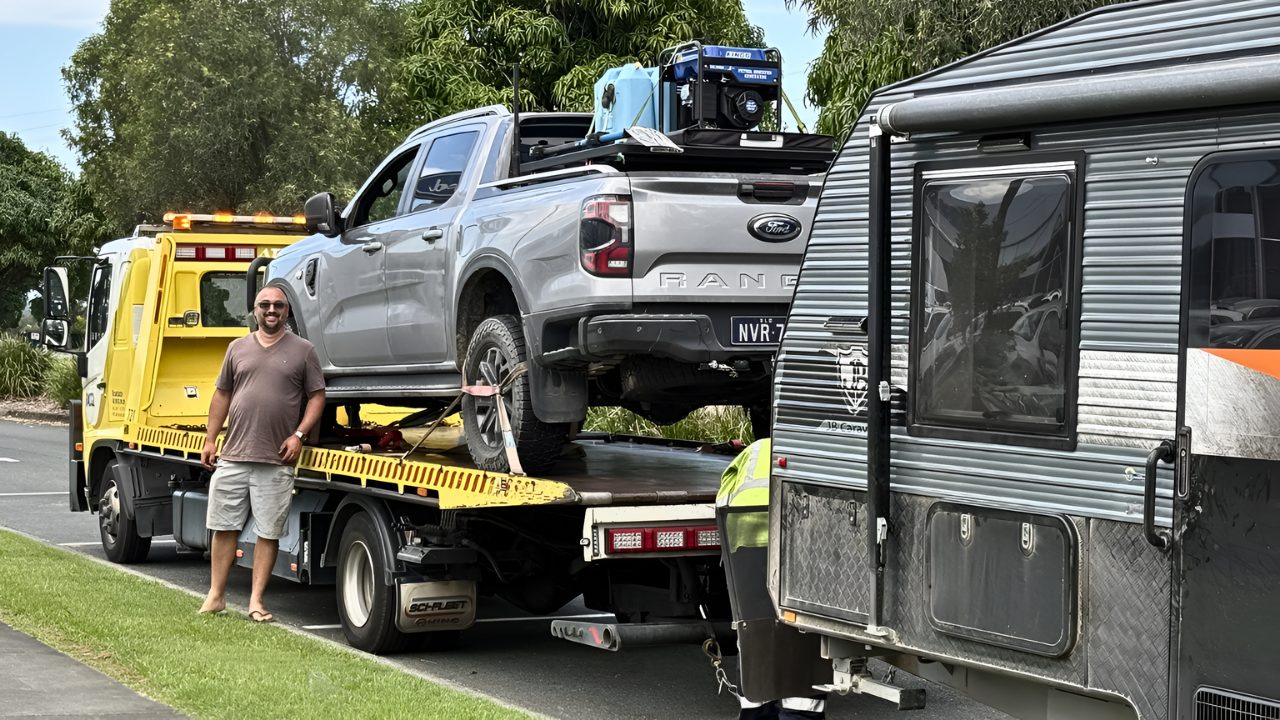
Picture this: you’re driving home after dark, two lanes, no streetlights. Your headlights blast the oncoming lane with blinding glare. Now picture something worse. You don’t even know they could. Ford just flagged over 83,000 vehicles across the country for defects that touch both your ability to see at night and your engine’s ability to keep running. Two completely unrelated systems, same recall wave, same owners left holding the bag. Most of those owners have no idea yet.
Two Fears at Once
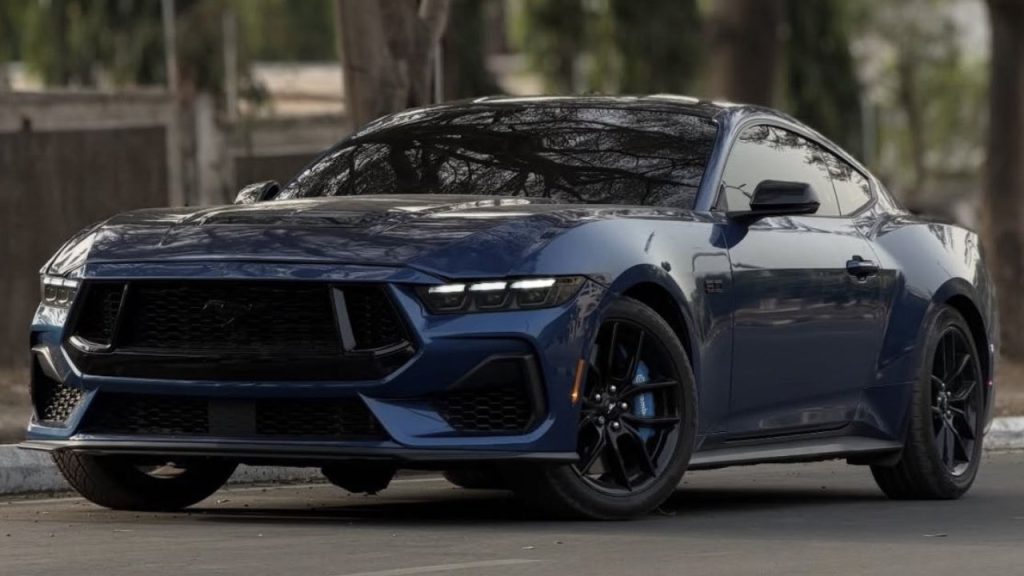
The defect categories alone should stop Ford owners cold: headlight problems threatening oncoming drivers with dangerous glare and EGR valve issues threatening mechanical reliability. Not every day do you see both show up in the same recall moment. One targets road safety for other drivers. The other targets the machine keeping you on it. That pairing compounds urgency because owners who might shrug off a single-system notice now face a doubled scope of concern on a single VIN lookup.
The Comfortable Myth
Most people assume the same thing: “If it’s serious, I’ll hear about it.” Mailers arrive. News coverage spreads. Somebody at the dealership mentions it. That assumption is comfortable, and it is wrong. Social headlines travel fast, but the authoritative details live in NHTSA campaign documents most drivers never open. The notification pipeline has a built-in lag between issuance and owner awareness, and that gap is where the actual danger lives, quietly compounding every mile driven.
Where the Real Defect Lives

The recall exists on paper until you act. That single sentence reframes everything. Ford filed the campaigns. NHTSA published them. But the safety outcome depends entirely on whether 83,000-plus owners check their VIN and confirm their inclusion and pursue the available remedy — the headlight software fix is bookable now, while EGR valve owners are in an interim notification period, with repair parts not expected until approximately September 2026. Two defect categories. One verification step. Zero protection until a driver takes it. The risk was never just a misdirected headlight or a suspect EGR valve. The risk is time. Every day between recall issuance and repair appointment, both defects ride along.
How the System Actually Works

A two-channel system runs every recall in America, and most drivers have never thought about it. NHTSA functions as the public distribution layer: it publishes campaign documents, hosts the VIN lookup, and pushes alerts through the SaferCar app. Ford operates the second channel: the owner portal where you confirm inclusion and book the appointment. Neither channel works without the driver logging in. A recall is like a bank fraud alert. The system flags the problem. You still have to act on it.
The Hidden Cost Nobody Mentions
The repairs are free. The time is not. For headlight-affected owners, the software fix is available now at dealerships — meaning the real cost is the scheduling friction: time off work, alternate transportation, a waiting room. For EGR valve-affected owners, the wait itself is the cost; with remedy parts not expected until around September 2026, those drivers face a months-long exposure window with no appointment to book. Multiply that across roughly 83,000 affected vehicles and the collective downtime becomes a quiet tax on people who did nothing wrong. One VIN lookup, two separate safety concerns to confirm, and a calendar slot that somebody has to carve out of an already packed week.
Who Gets Left Behind
Owners who miss the notice keep driving unrepaired vehicles. That is the immediate ripple. The industry ripple is broader: more scrutiny lands on how quickly defects get detected and how efficiently the recall execution workflow moves from filing to fix. If remedy parts run into supply constraints, repair backlogs form. Suddenly a “free fix” becomes a months-long wait. The owners who lose are the ones who never opened the letter, never downloaded the app, never punched in their VIN.
The New Rule Everyone Misses
This recall moment is not an exception. NHTSA’s public campaign documentation remains the verification backbone for every safety action in the country, and that system only works when consumers use it. The precedent is already set: the burden of closing the gap between recall issuance and actual repair falls on the driver, not the manufacturer, not the government. Once you see that, every future recall headline reads differently. The question is never “did they recall it?” The question is “did you check?”
The Clock Is Already Ticking
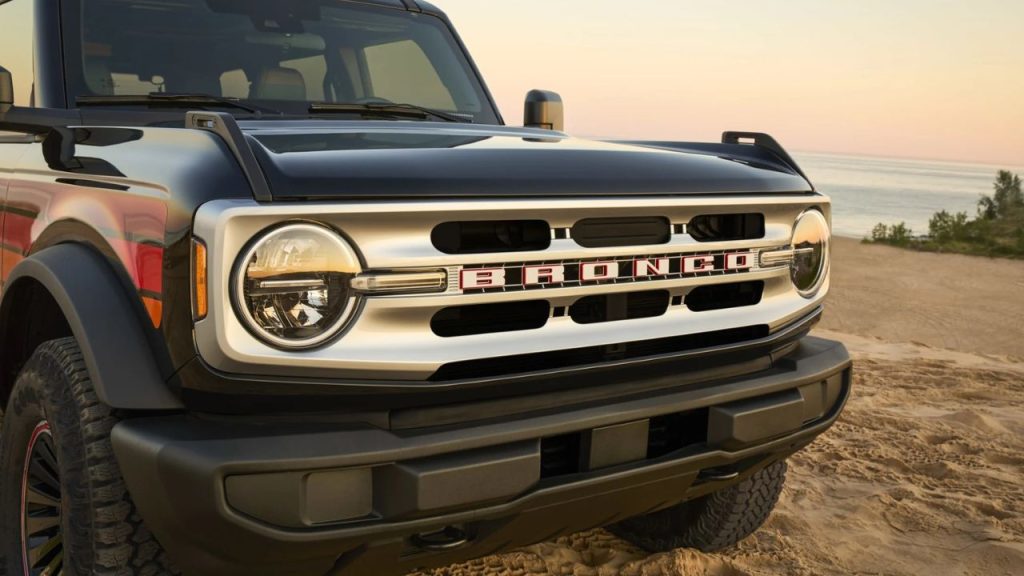
The escalation path is straightforward and uncomfortable. If parts supply tightens, appointment windows stretch. If appointment windows stretch, unrepaired vehicles stay on the road longer. If unrepaired vehicles stay on the road longer, the headlight and EGR valve risks compound with every commute, every school pickup, every late-night highway merge. Ford owners sitting on this notice are betting that tomorrow is soon enough. For two unrelated defects riding on the same vehicle, that bet gets worse with mileage.
Your Move
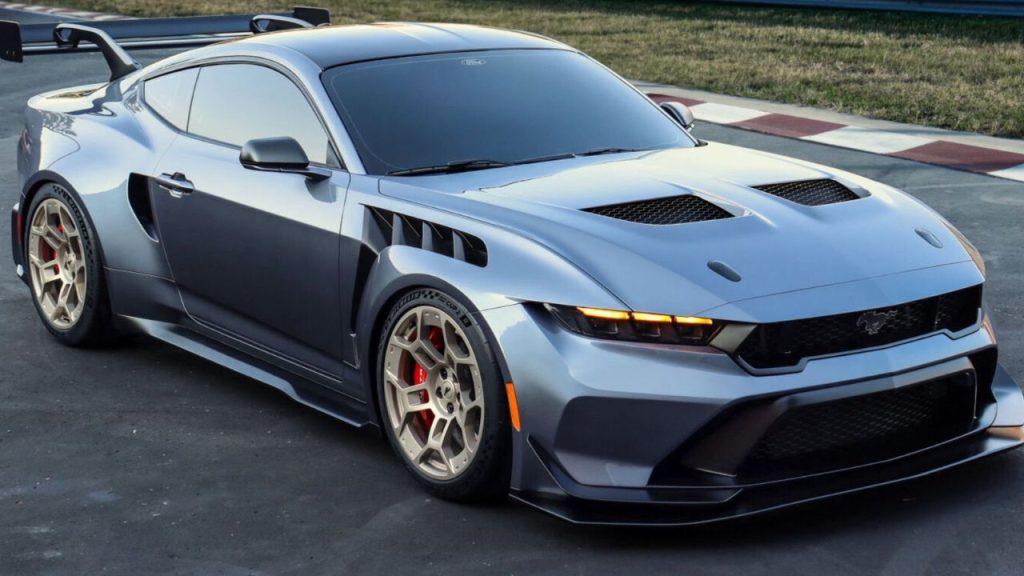
The counter-move is simple and free: download NHTSA’s SaferCar app and enter your VIN on Ford’s owner portal to confirm whether you’re affected. If you’re in the headlight recall, a software fix is available now — schedule it before dealership slots fill. If you’re in the EGR valve recall, Ford will notify you again when remedy parts are available, currently expected around September 2026 — but confirming your inclusion today keeps you ahead of the queue. That ten-minute process is the entire difference between an abstract recall number and a fixed vehicle. After reading this, you know something most of those 83,000 owners do not: the system flags the problem but never fixes it for you. Check VINs, not vibes. The recall clock started without asking permission.
Sources:
“Part 573 Safety Recall Report 26V121.” National Highway Traffic Safety Administration, 3 Mar 2026.
“Part 573 Safety Recall Report 26V122.” National Highway Traffic Safety Administration, 3 Mar 2026.
“Ford recalls more than 83,000 vehicles over headlight, engine valve issues.” Fox Business, 9 Mar 2026.
“Ford Exhaust Gas Recirculation (EGR) Valves Cause Recall.” CarComplaints.com, 10 Mar 2026.