8 Things Every EV Owner Learned The Hard Way That Dealers Never Mention
Government incentives once helped narrow the gap with petrol cars. In the U.S., for example, the federal EV tax credit, worth up to $7,500, ended at the close of September 2025, removed by new legislation.
Even before it expired, strict requirements for income, vehicle price, and domestic sourcing of parts kept many buyers from qualifying. Other countries also adjust their incentives quickly. Always confirm eligibility for any subsidy, and be aware that it could be gone without warning.
1. Home Charging Isn’t Always Simple

Dealers often say “just charge at home,” but the process is rarely straightforward. Installing a Level 2 charger usually costs $300 to $1,200 for the hardware. With wiring, labor, and permits, the total ranges from $900 to $2,500 for a basic setup.
Older homes needing electrical panel upgrades can see costs reach $5,500 or more. Apartment dwellers and renters often lack any dedicated charging access and must depend entirely on public chargers.
2. Public Charging Is the Weak Link
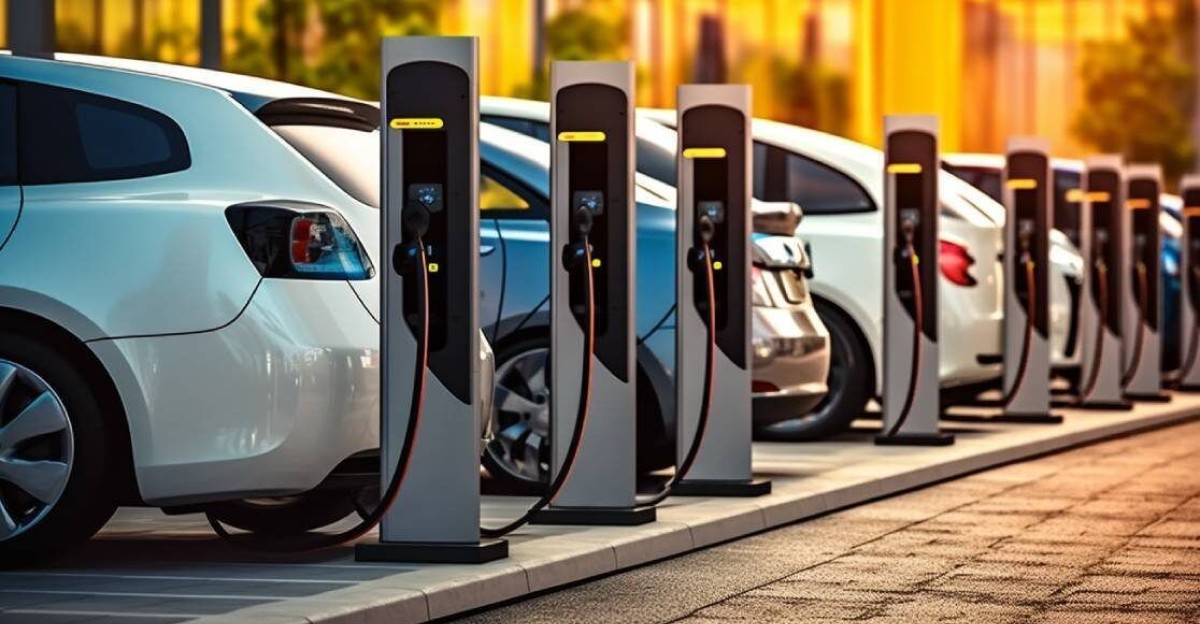
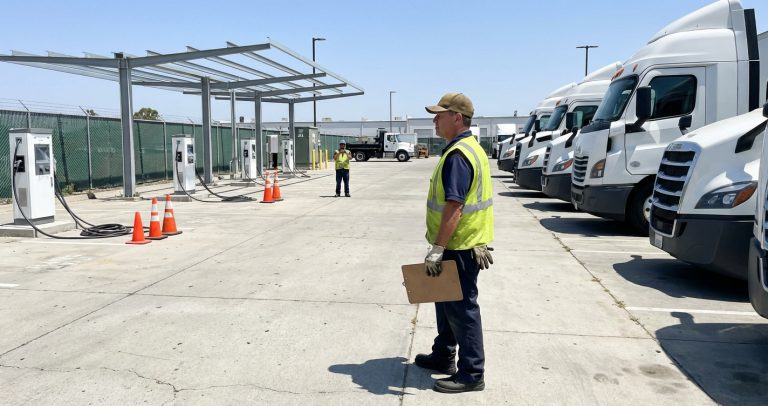
Charging networks appear widespread, but real-world reliability still lags. Owner surveys show that about one in seven public charging attempts fails due to broken equipment, offline stations, or communication errors.
Even as networks improve, drivers still encounter broken chargers, long lines, or incompatible connectors, especially on busy routes or in cold weather.
3. Apps, Payments, and Compatibility Issues
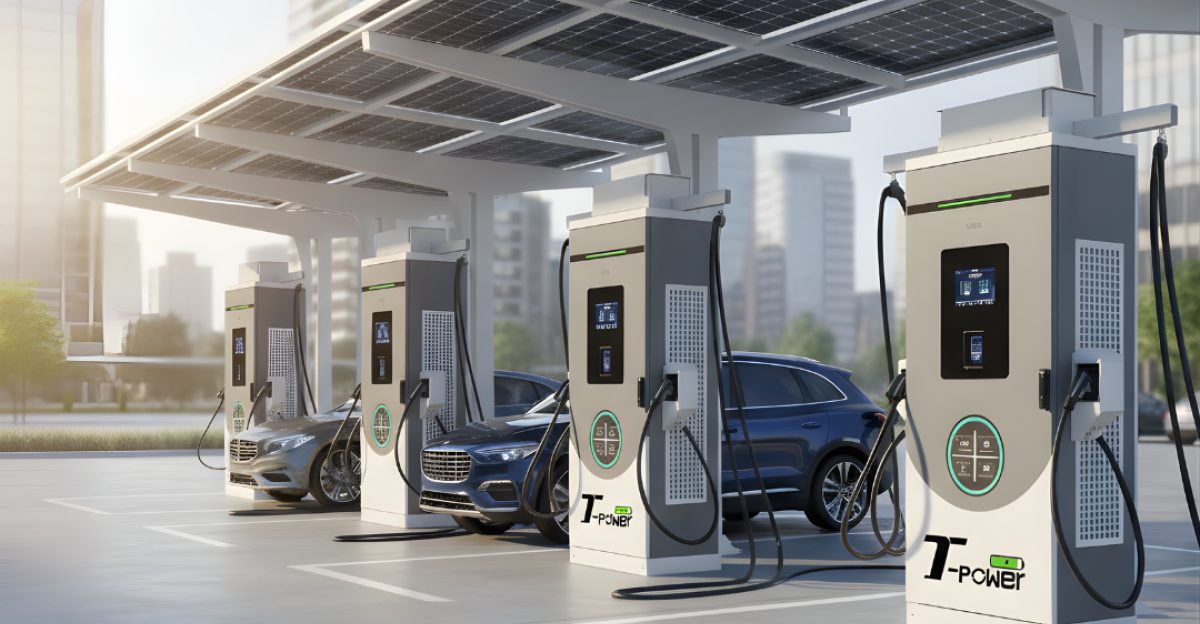
Charging usually requires more than just tapping a card and plugging in. Many networks require drivers to download apps, create accounts, or use special RFID cards.
Payment failures are common: chargers may refuse authorization, lack card readers, or have apps that freeze mid-session. Many drivers juggle multiple apps and memberships just to stay charged on longer trips.
4. Cold Weather Hits Range Hard
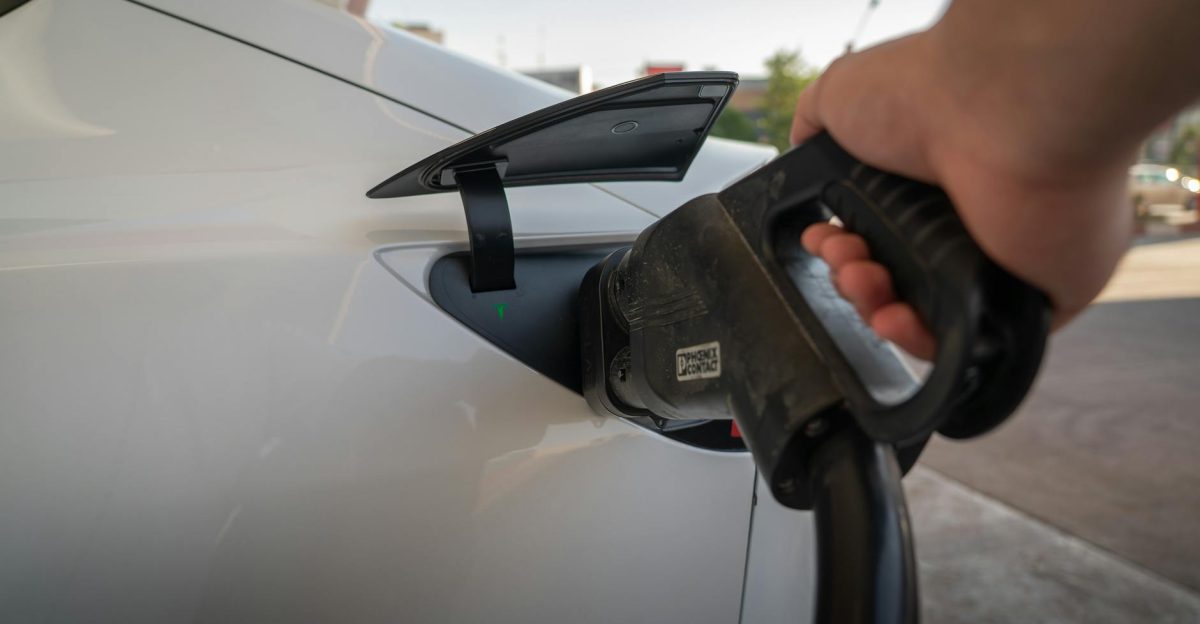
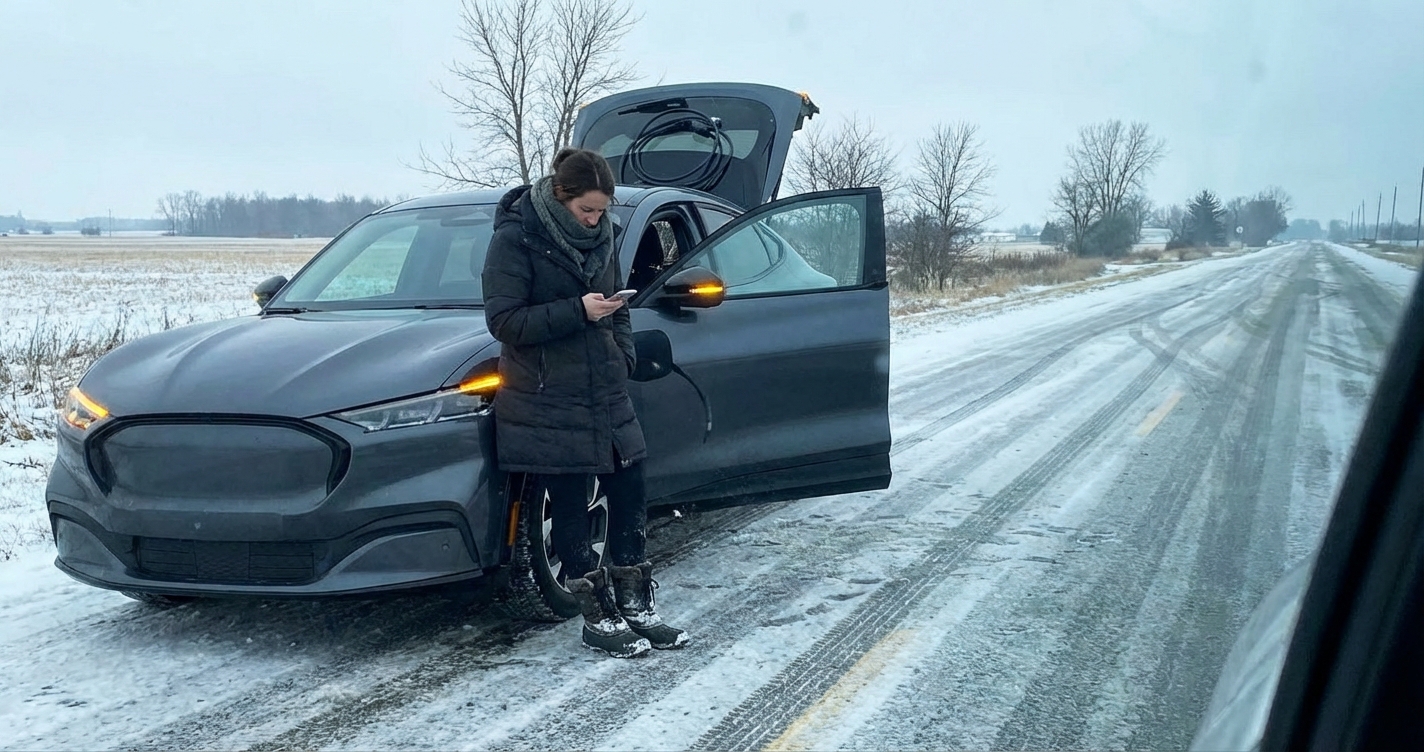
Cold weather significantly reduces EV range. Independent winter tests have found that many models lose 15% to 40% of their rated range in sub-zero temperatures, and sometimes even more in extreme cold. Batteries are less efficient in low temperatures, and using the cabin heater increases power consumption.
Winter driving in cold regions requires more frequent charging and careful planning, often beyond what the sticker range suggests.
5. Real-World Range Rarely Matches Claims
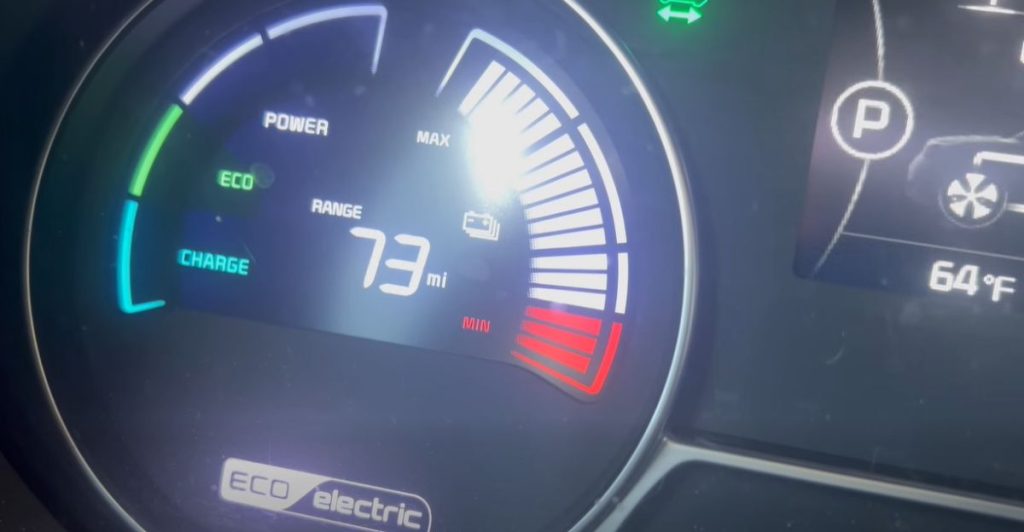
Official range estimates come from controlled tests, not real-world conditions. Sustained highway speeds, aggressive acceleration, heavy loads, strong headwinds, and hilly terrain can all reduce actual range. Independent road tests routinely show that a “400 km range” car might realistically deliver closer to 300 km or less on typical motorway drives, especially in bad weather or at higher speeds.
Many new owners discover this only after purchase, which can be an unwelcome surprise.
6. Charging Takes Planning, Not Minutes
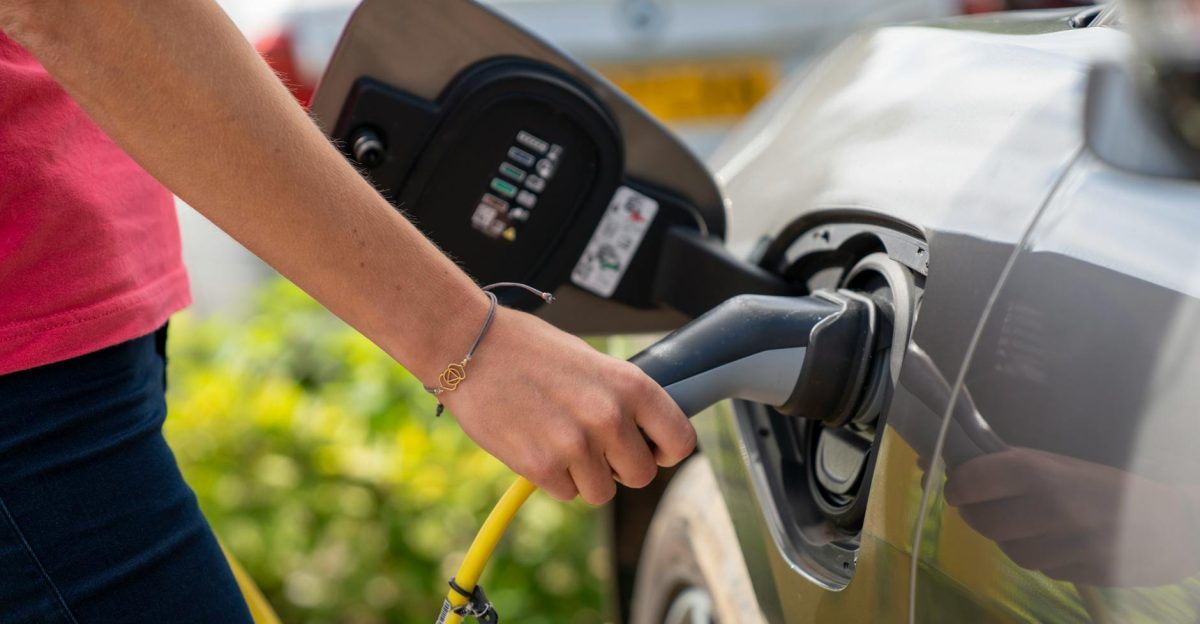
Fast charging technology is advancing, but charging still takes much longer than a typical five-minute fuel stop. Even with the fastest DC chargers, most EVs require 20 to 45 minutes to reach 80% from a low battery, and charging slows above that point to protect the battery.
Older or more affordable models at lower-power stations may take an hour or more. On long trips, these stops add up and require careful route planning around charger locations, types, and charging speeds.
7. Tire Wear and Replacement Costs
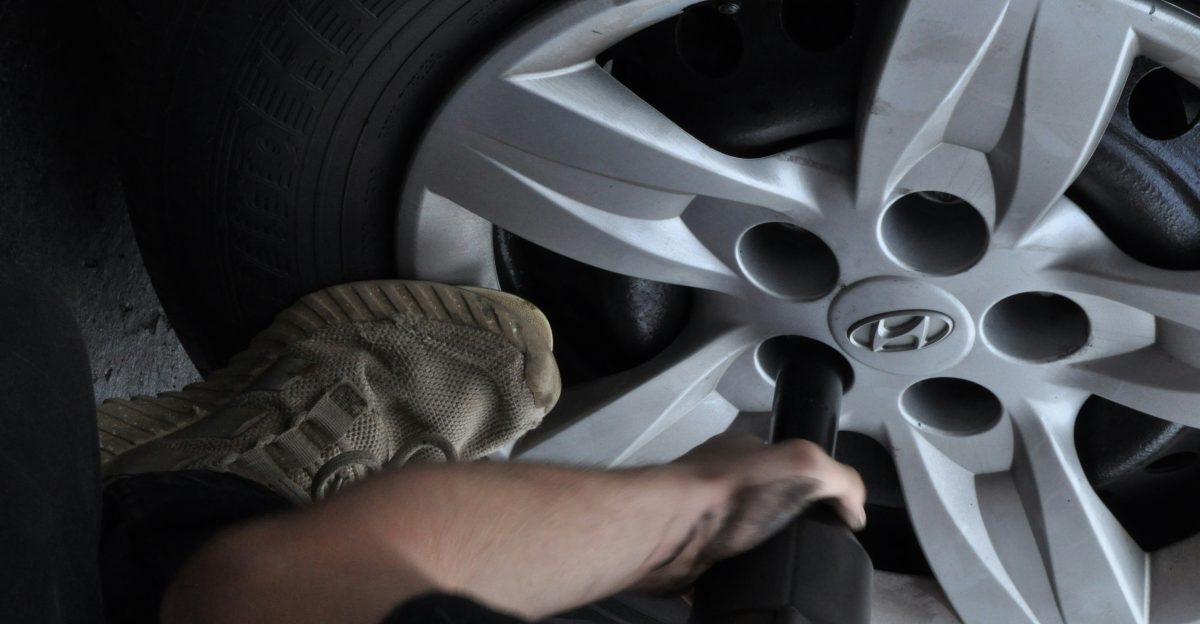
EVs are heavier than comparable petrol cars due to their battery packs, and the weight, combined with instant torque, increases tire wear.
Fleet data and tire industry studies show that EV tires often wear out 15–30% faster than those on petrol cars, resulting in more frequent replacements. EV-specific tires, designed for higher loads and reduced noise, usually cost more. Over several years, additional tire replacements increase running costs.
8. Battery Degradation Is Real (But Manageable)
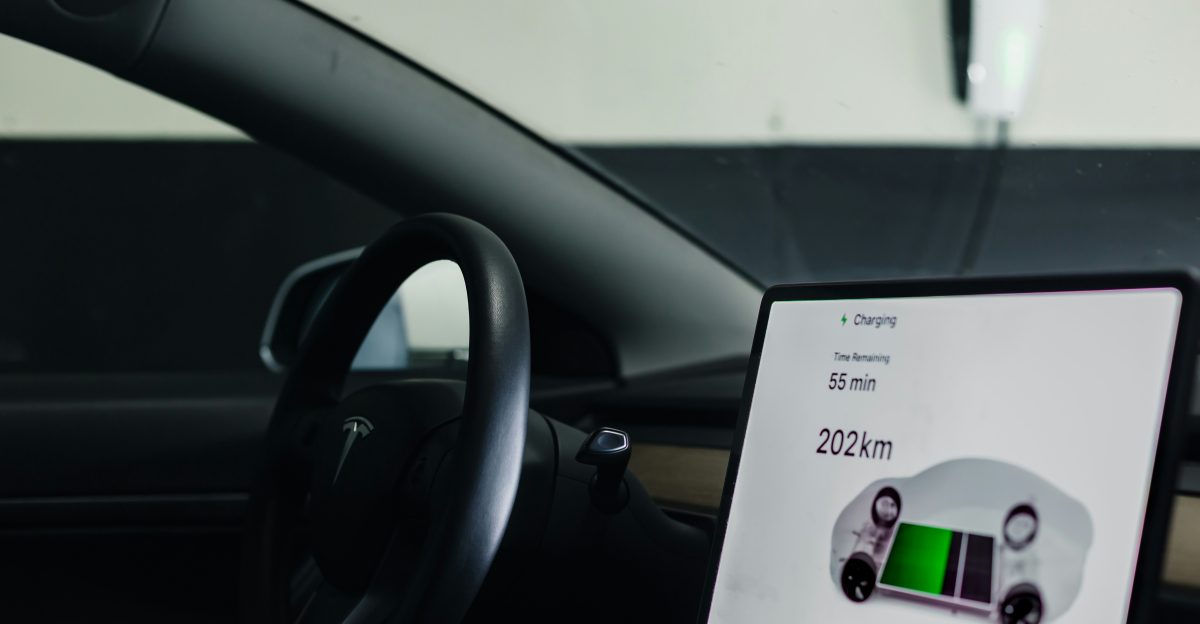
EV battery packs lose capacity gradually over time. Large real-world datasets suggest an average loss of only a few percent per year, with most EVs retaining most of their original range after eight years. Degradation tends to be faster in the first couple of years, then slows.
Factors such as frequent rapid charging, sustained high states of charge, and very hot climates accelerate the process. Most manufacturers provide long battery warranties, and many owners adjust their charging habits to manage degradation, avoiding extremes and using home AC charging where possible.
It’s an Ecosystem, Not Just a Car
Owning an EV involves more than just the vehicle. Infrastructure, software, energy access, and policy all play a role. When convenient home charging, reliable public stations, intuitive apps, and stable electricity prices work together, the experience is seamless.
When one element fails, EV ownership quickly reveals its dependence on a maturing infrastructure that is evolving rapidly, but not yet as straightforward or predictable as refueling a petrol car.
Sources:
J.D. Power – 2025 U.S. Electric Vehicle Experience (EVX) Public Charging Study – 24 August 2025
Geotab – Updated EV Battery Health Study: Average Annual Battery Degradation of 2.3% Across 22,700 Vehicles – 12 January 2026
Canadian Automobile Association (CAA) – EVs Lose Up to 39% of Range in Cold Weather Tests – 10 February 2025
epyx – Fleet Data Shows That EV Tyres Are Lasting 6,350 Miles Fewer Than Petrol or Diesel – 25 September 2023
TurboTax (Intuit) – Post-One Big Beautiful Bill EV Tax Credit Changes – 5 September 2025
CBT News – It’s Over! Trump’s ‘Big Beautiful Bill’ Ends EV Tax Credit September 30 – 1 October 2025