$8 Diesel Hits America’s Most Expensive City In Just 32 Days—California Shut Its Own Refineries First
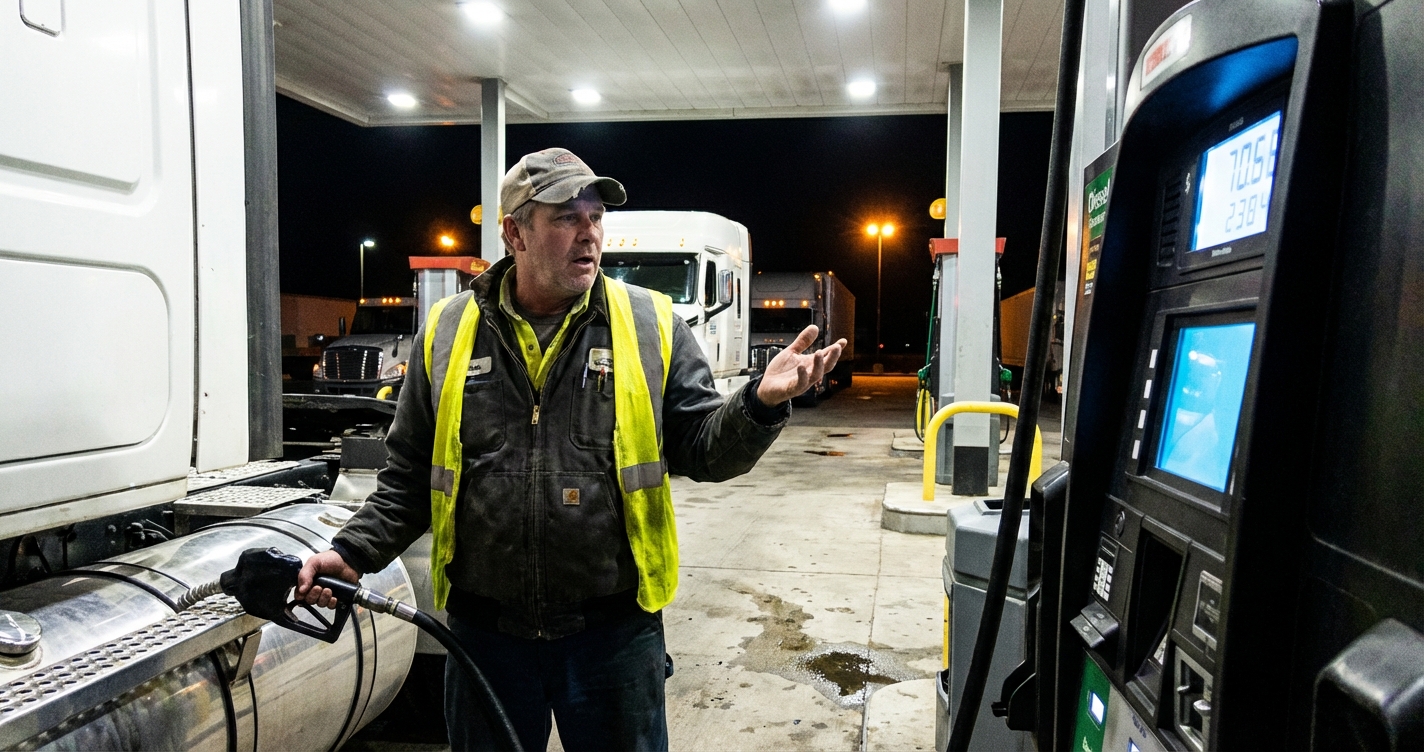
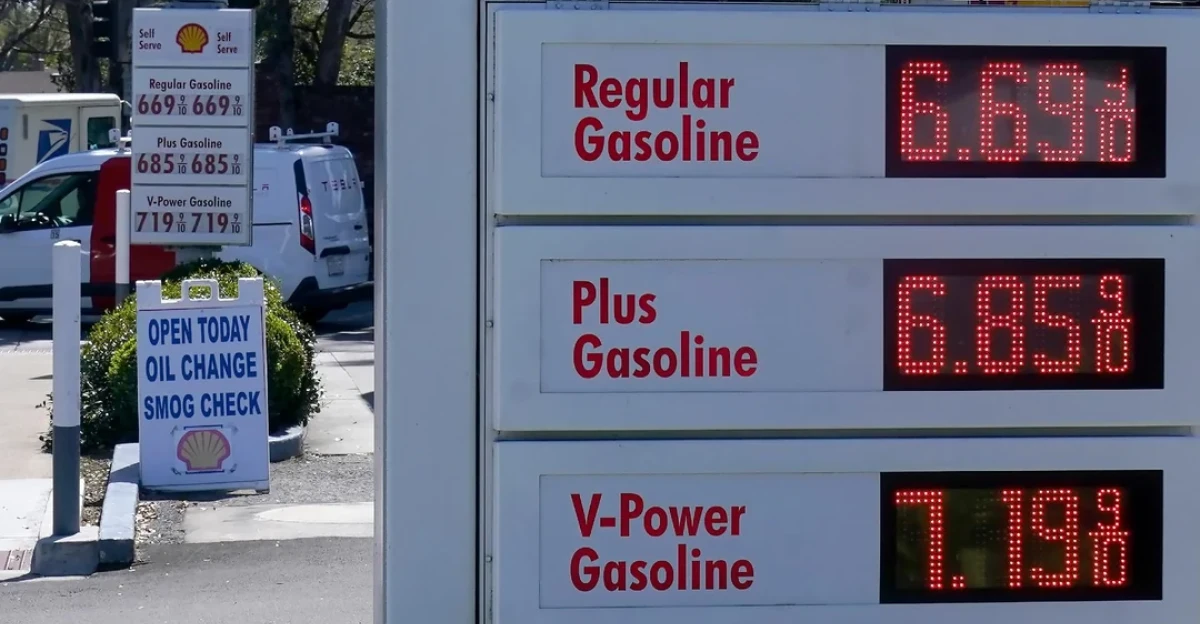
The number on the pump screen kept climbing. Somewhere in San Francisco, a trucker watched the digits roll past $1,000 for a single fill-up and kept squeezing the handle because there was no alternative. Diesel crossed $8.00 per gallon in early April 2026, the highest price ever recorded in any American city. Not Houston. Not New York. San Francisco. The same state that spent a decade closing refineries in the name of clean energy just discovered what happens when the backup plan runs through a war zone.
A War Half a World Away
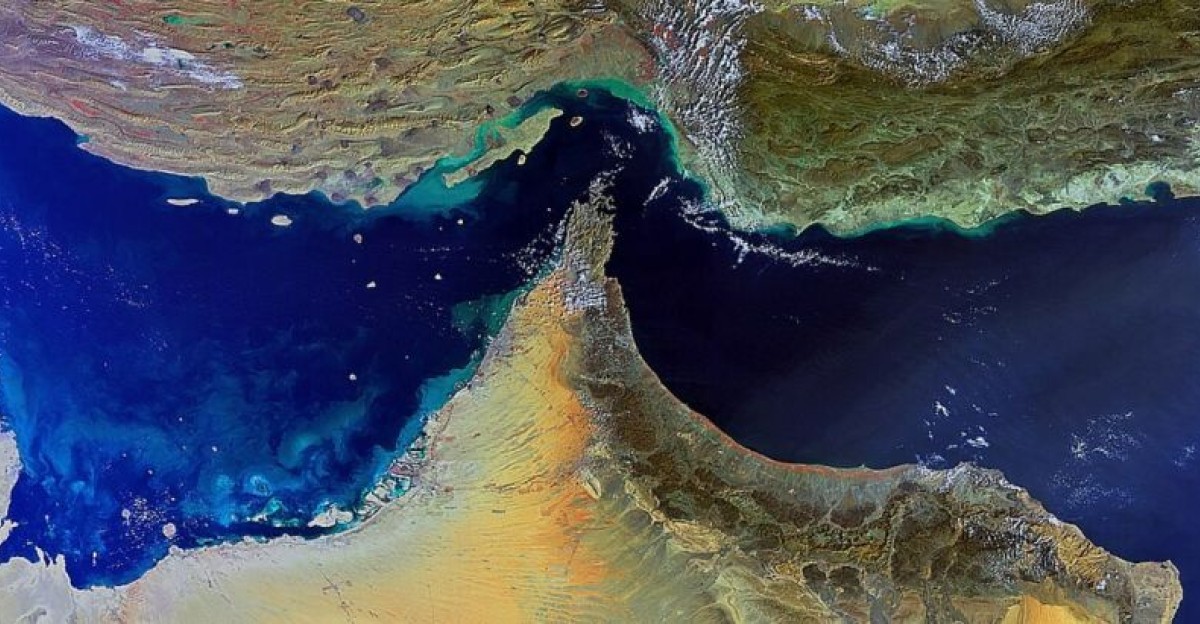
The Iran conflict began February 28, 2026. Within weeks, the Strait of Hormuz, which normally handles roughly 20 percent of the world’s daily oil supply, effectively closed. Brent crude rocketed from approximately $70 per barrel to $111.69 by April 2. National gas prices jumped a full dollar in 28 days, from $2.98 to $3.98. Diesel climbed $1.62 in the same window, from $3.76 to $5.38. That two-week stretch from March 2 to March 16 broke every speed record for diesel price increases ever documented, surpassing the 2022 Ukraine spike.
The Refineries California Chose to Close
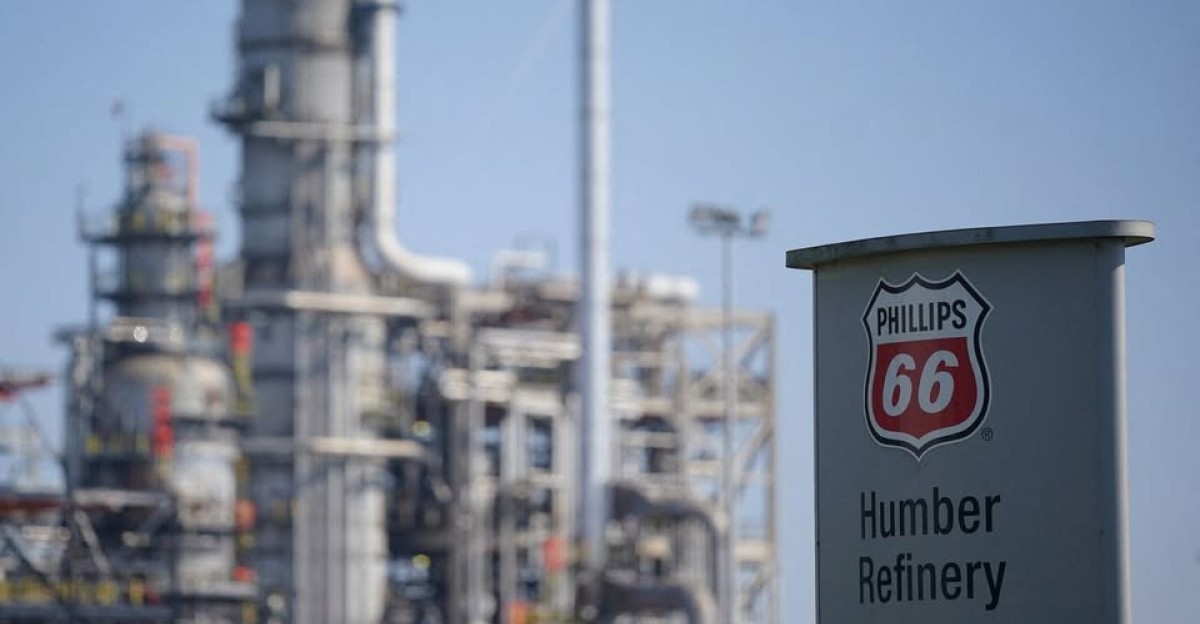
Before a single missile flew, California had already removed its own safety net. Phillips 66 shut its 139,000-barrel-per-day Los Angeles refinery. Valero began closing its 170,000-barrel-per-day Benicia facility. Combined: a 17 percent reduction in state refining capacity, the largest single cut in decades. The state bet renewables and imports would fill the gap. Then approximately 22 percent of West Coast crude started arriving from the Middle East, through the very strait that just closed. That bet now costs $8 a gallon.
The $8 Reconciliation
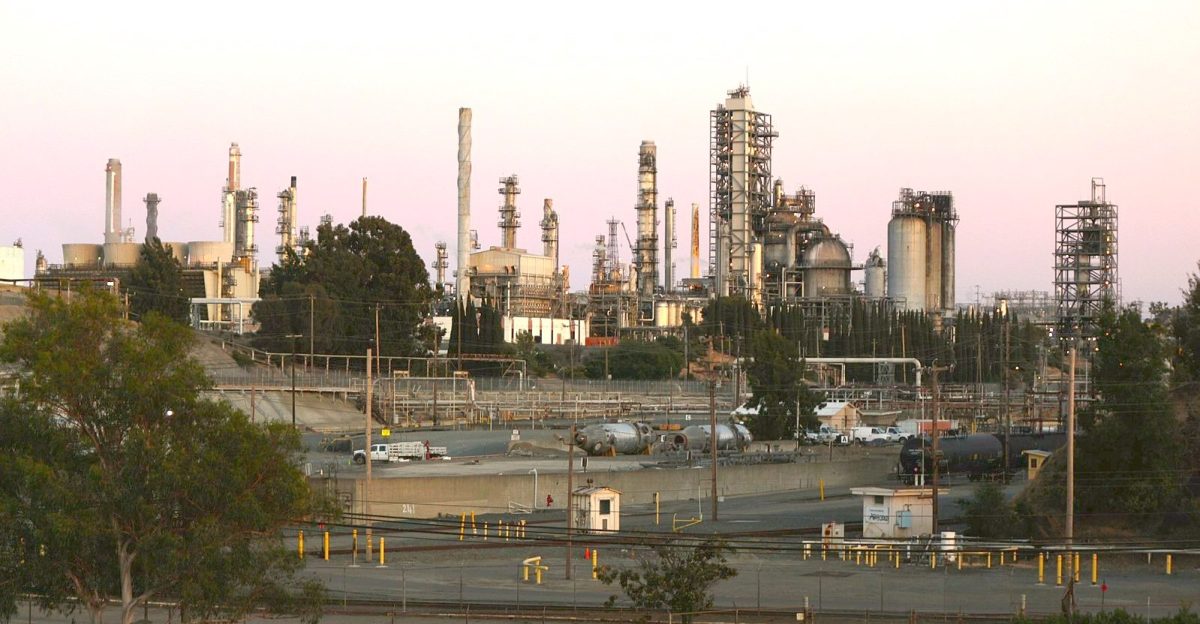
California solved “too much oil” by shutting refineries. Solved local dependency by accepting import dependency. Then geopolitics solved the problem of too much supply by closing a strait. The state solved itself into a corner. As Stillwater Associates warned: “No crude means no refinery throughput, and no refinery throughput means no gasoline, jet fuel, or diesel — regardless of how high prices spike or how strong demand remains.” San Francisco diesel hit $8.00. The national average sat at $5.43. The spread between them, $2.57, is the price of having no backup plan.
The Fuel Island Nobody Talks About
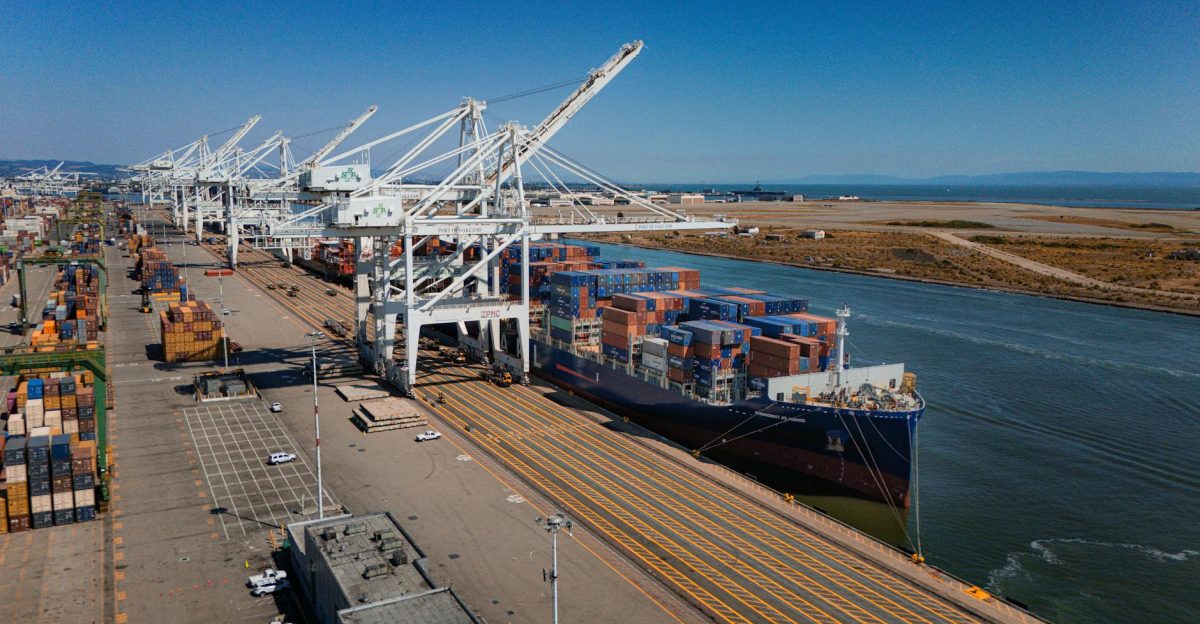
The West Coast has zero pipeline access to U.S. shale east of the Rockies. Every gallon of crude arrives by tanker, through contested sea lanes, from the Middle East and Asia. Texas drilling helps Texas. It does nothing for California. The binding constraint is not regulation or demand. It is physical crude reaching West Coast ports. When the Strait closed, California could not reroute, could not surge local production, could not compensate. Wholesale diesel jumped 30 percent in a single week. Retail followed at 14 percent. The island was stranded.
Who Actually Pays the $8

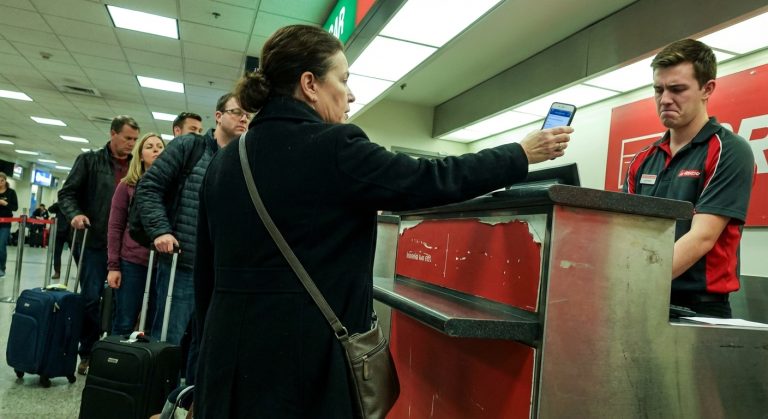
Uber driver Leslie Sherman-Shafer used to spend $25 filling her Toyota Corolla. Now she spends $40. That is a 60 percent increase absorbed entirely by her. “We don’t get reimbursed for gas,” she said. “We rely on the generosity of the tip.” Uber’s Pro Card offered 7 to 15 percent cash-back on fuel; DoorDash’s Crimson Card offered 10 percent; Lyft’s incremental relief added 1 to 2 percent on top of existing driver rates. Fuel costs rose 40 to 60 percent. The platforms captured their margins. The drivers worked extra hours for less money. Uber also introduced a rider-facing fuel surcharge on April 5, meaning the cost now flows through to passengers as well.
The Ripple Beyond the Pump
Farmers face a double hit: diesel up $1.62 per gallon and urea fertilizer prices up roughly 50 percent because the Middle East also supplies sulfur and phosphate. Multiple global commodities are disrupted by the Strait closure. The U.S. Postal Service proposed an 8 percent fuel surcharge on parcels effective April 26, the first fuel surcharge in the agency’s 251-year history. UPS and FedEx already charge 21 to 30 percent surcharges. Every package, every grocery delivery, every Amazon box now carries a Persian Gulf tax baked into the price.
A New Rule, Not an Exception
This is not a spike. It is a structural reset. California’s 13 percent sales tax on diesel plus a $0.466 per gallon excise tax existed before the war. The Low Carbon Fuel Standard amendments added 5 to 8 cents per gallon in 2025. Those were manageable. Then a geopolitical shock added $2.57. The policy layers stacked. The war lit the match. Nationwide diesel rose 50.2 percent year-over-year. Once you see the pattern, you cannot unsee it: every future disruption hits a state that already dismantled its own buffer.
What Comes Next Gets Worse
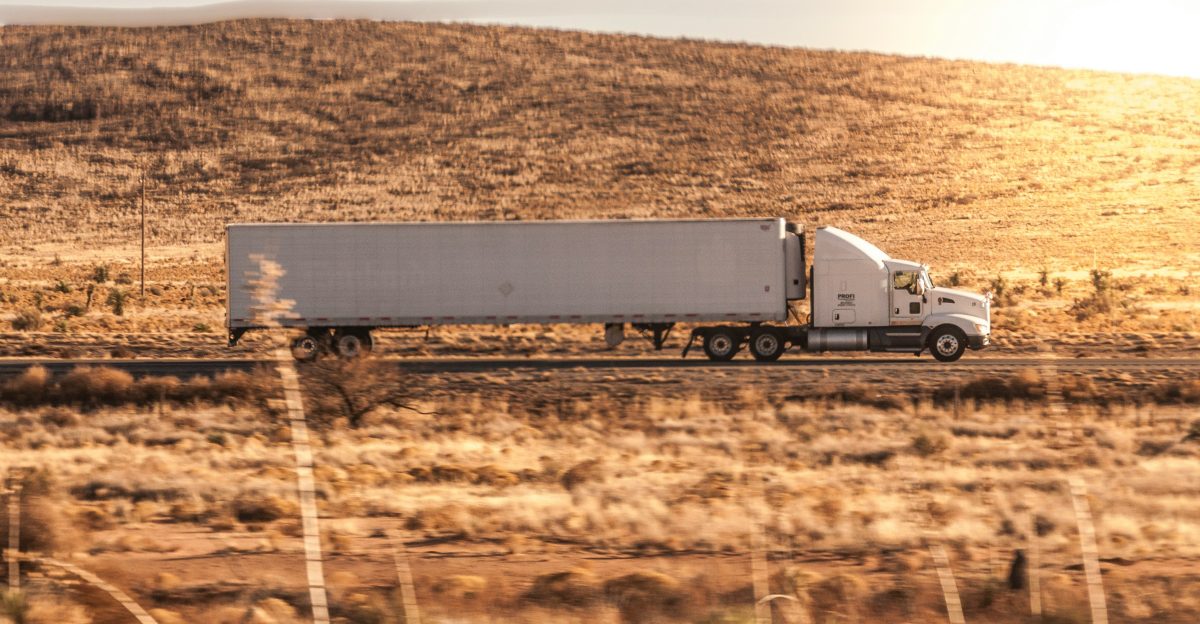
If the Strait stays closed six months, analysts project Brent crude could push toward $120 per barrel. California diesel could breach $10. Owner-operator truckers would exit the market. Gig workers would abandon platforms. Farmers on marginal acreage would leave fields unplanted. Food prices would climb. The USPS surcharge sets a federal precedent: commodity shocks now trigger automatic cost pass-throughs to consumers. The refinery capacity California lost is permanent. Phillips 66 and Valero are not coming back. The vulnerability is locked in.
Hostage to a Strait
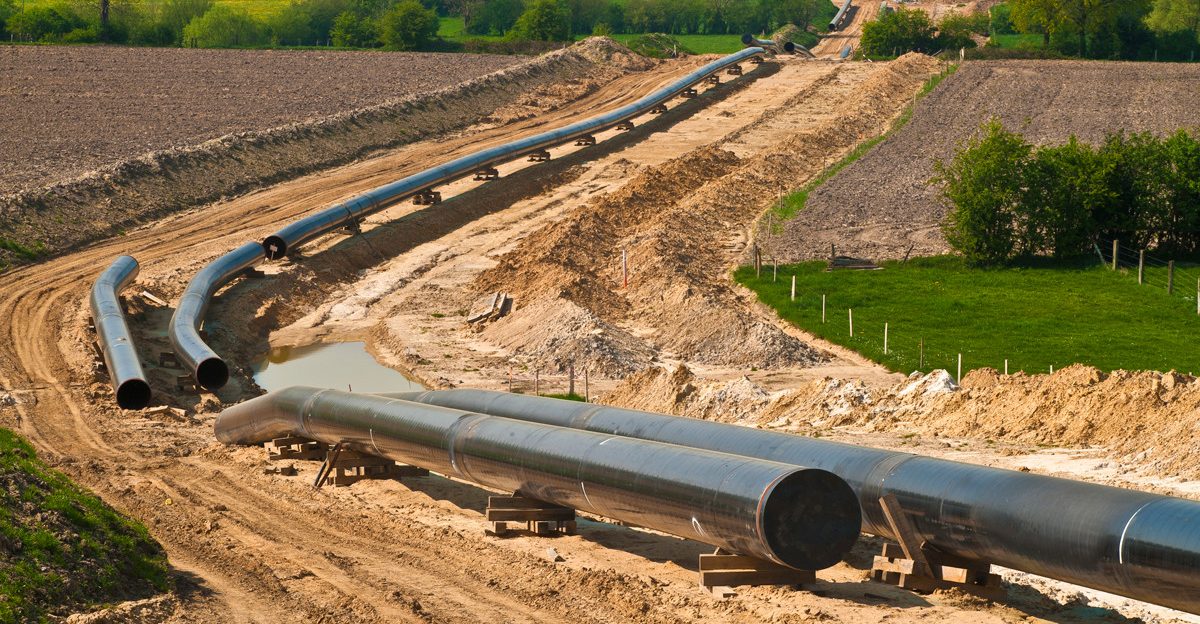
The counter-moves are thin. Emergency petroleum reserve releases are modest against global demand. A pipeline from the Permian Basin to California would take a decade and face fierce political opposition. EV adoption cannot replace diesel trucking fleets in months. The only fast fix is reopening the Strait, which means ending a war. Everyone who filled a tank this week, shipped a package, or bought groceries paid a price set by Persian Gulf stability, not American policy. That is the status upgrade most people do not have yet: West Coast fuel is captive, and no election changes the geography.
Sources:
“San Francisco Becomes First U.S. City Where Diesel Prices Top $8 a Gallon.” Fox Business, April 2026.
“Diesel Prices Hit Historic High in San Francisco.” Newsweek, April 2026.
“US and Israel Launch Pre-Emptive Attack Against Iran.” Reuters, February 28, 2026.
“The Strait of Hormuz Is the World’s Most Important Oil Transit Chokepoint.” U.S. Energy Information Administration, March 2026.
“California to Lose 17 Percent of Oil Refining Capacity.” U.S. Energy Information Administration, March 2026.