8 Car Brands That Die Before 250K Miles—402-Million-Vehicle Study Exposes The Worst
Most buyers never ask whether their next vehicle can survive 250,000 miles. They think about monthly payments, gas mileage, and comfort. But a massive iSeeCars analysis of more than 402 million vehicles, paired with Consumer Reports reliability data from over 140,000 vehicles, now makes that question impossible to ignore. Together, the studies reveal a brutal gap between brands that keep going and brands that fall apart early. These eight automakers consistently raise the biggest red flags for long-term owners and budget-conscious drivers.
1. Tesla
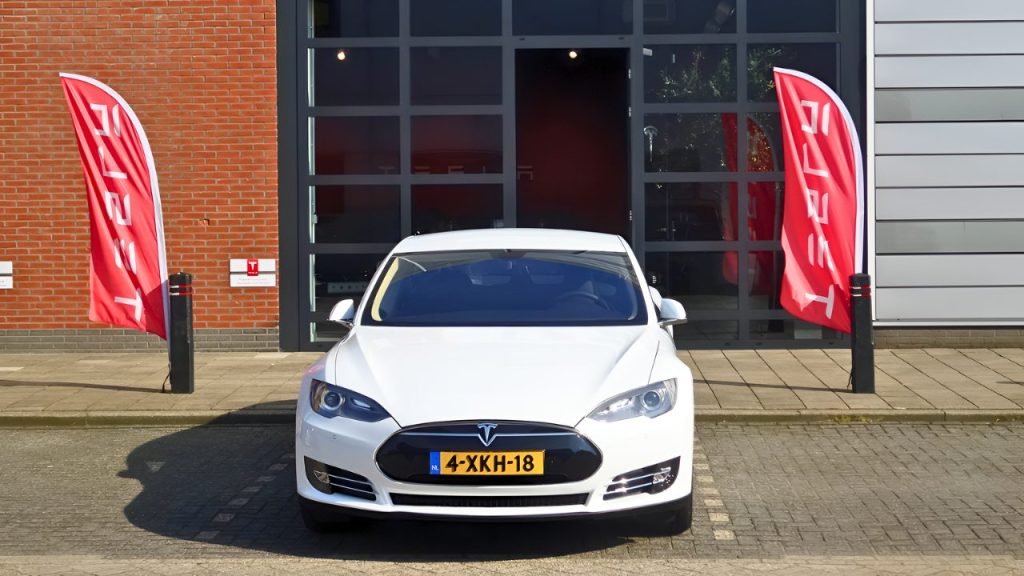
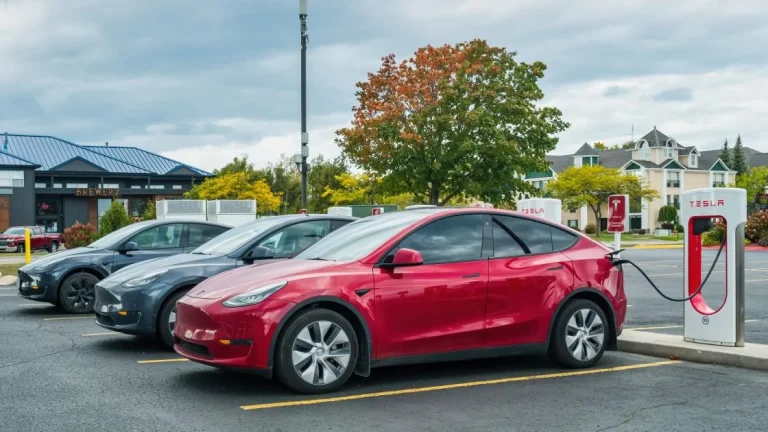
Tesla may be one of the most advanced names in the auto industry, but its older vehicles posted some of the worst used-car reliability data in Consumer Reports. Models from the 2014–2019 era ranked last among 26 brands, dragged down by suspension problems, touchscreen failures, HVAC issues, and poor build quality. That matters for long-term buyers because high-tech features mean little if durability falls short. Tesla has improved with newer vehicles, but older models remain a major warning sign in this dataset today.
2. Jeep

Jeep sells adventure, toughness, and the promise that its vehicles can handle anything. But reliability data tells a much rougher story. Consumer Reports placed Jeep near the bottom, citing recurring trouble with electronics, infotainment systems, transmission behavior, and leaks. That creates a sharp contrast between the brand’s rugged image and the ownership reality many drivers face. While some newer models show signs of improvement, Jeep as a brand still carries enough long-term reliability baggage to make cautious buyers think twice today.
3. Ford
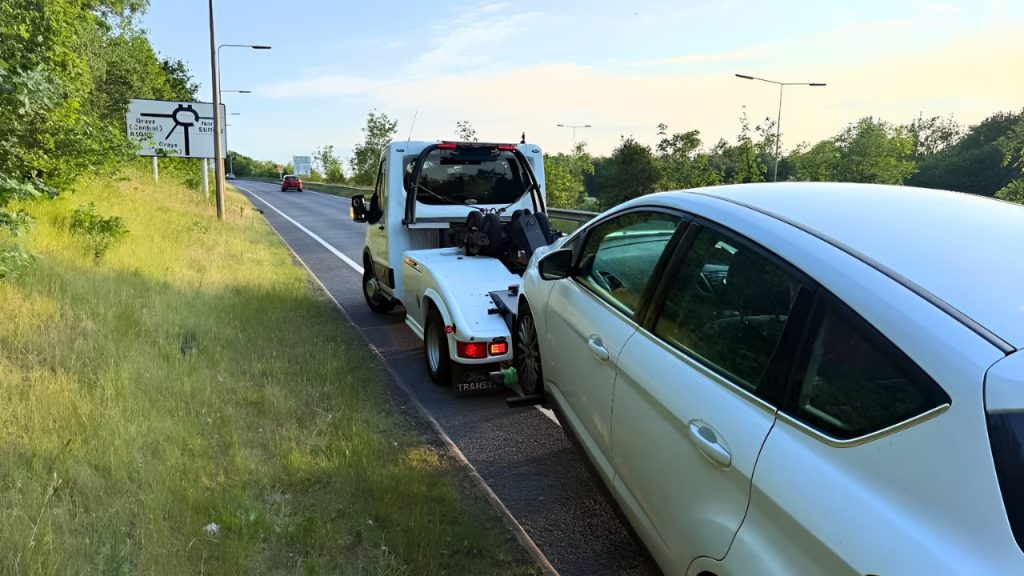
Ford remains one of America’s most trusted and best-selling brands, which makes its reliability failures more unsettling. Recent recall numbers surged, including millions of vehicles tied to a gear-shift defect that could let cars roll away. The bigger scar is the PowerShift transmission disaster in Focus and Fiesta models, one of the most notorious mechanical failures of the modern era. For buyers hoping to keep a vehicle deep into six figures, Ford’s documented transmission history raises a serious durability warning.
4. Kia
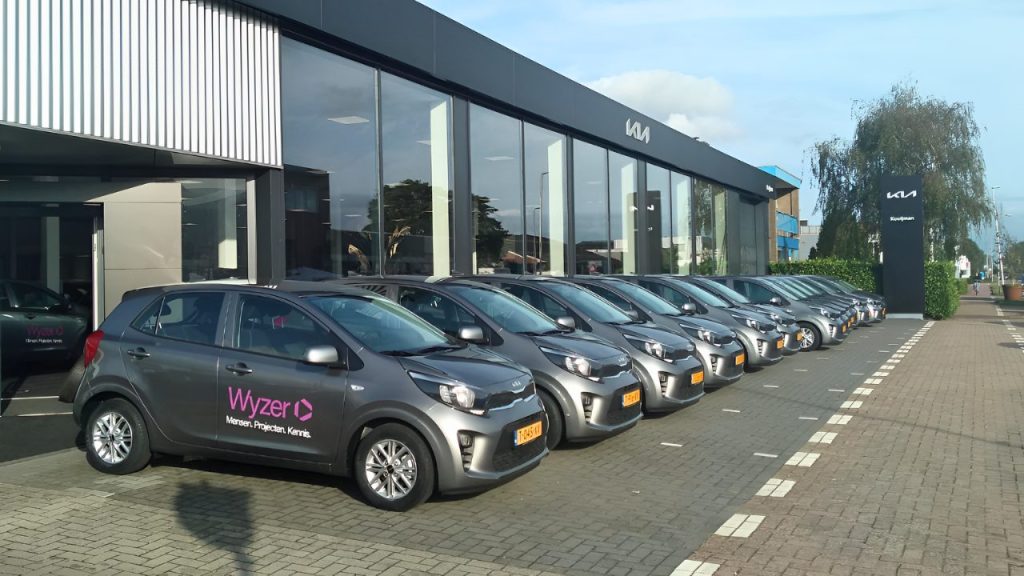
Kia’s biggest reliability stain is the Theta II engine defect, a manufacturing failure linked to metal debris left inside engines during production. That defect could trigger oil starvation, bearing failure, and in some cases even vehicle fires. It is not a small issue or a one-off complaint. It directly cuts into the kind of longevity owners expect from a daily driver. Add other major recalls, including fuel-related safety issues, and Kia remains one of the clearest examples of durability risk.
5. Nissan
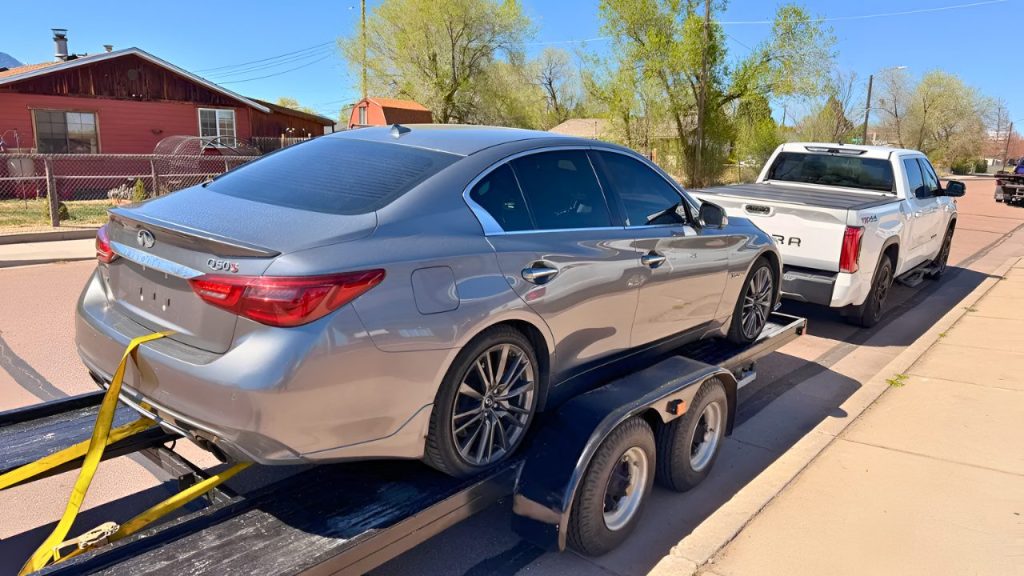
Nissan’s long-running CVT transmission crisis has become one of the clearest symbols of modern reliability failure. The problem stretches across multiple models and many years, with owners reporting slipping, jerking, overheating, sudden power loss, and full transmission failure. Warranty extensions came and went, but many drivers were eventually left to cover expensive replacements themselves. For a brand that once stood much closer to Toyota and Honda in reputation, Nissan’s decline is striking. Its long-term dependability record now looks deeply compromised.
6. Chrysler
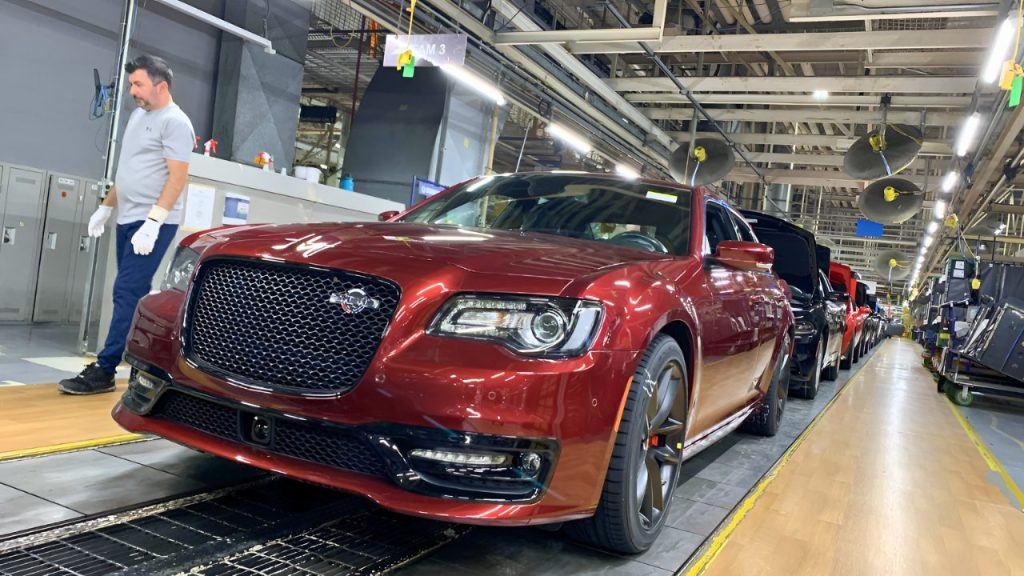
Chrysler remains stuck near the bottom of the reliability rankings, and much of that weakness comes from the burden of shared Stellantis platforms. When drivetrains, electronics, and infotainment systems are spread across several related brands, one flaw can multiply quickly. That is a serious problem for long-term durability. Consumer Reports scored Chrysler poorly, placing it in the same danger zone as other struggling brands in its corporate family. Some initial quality measures are improving, but lasting durability remains far less convincing.
7. Hyundai
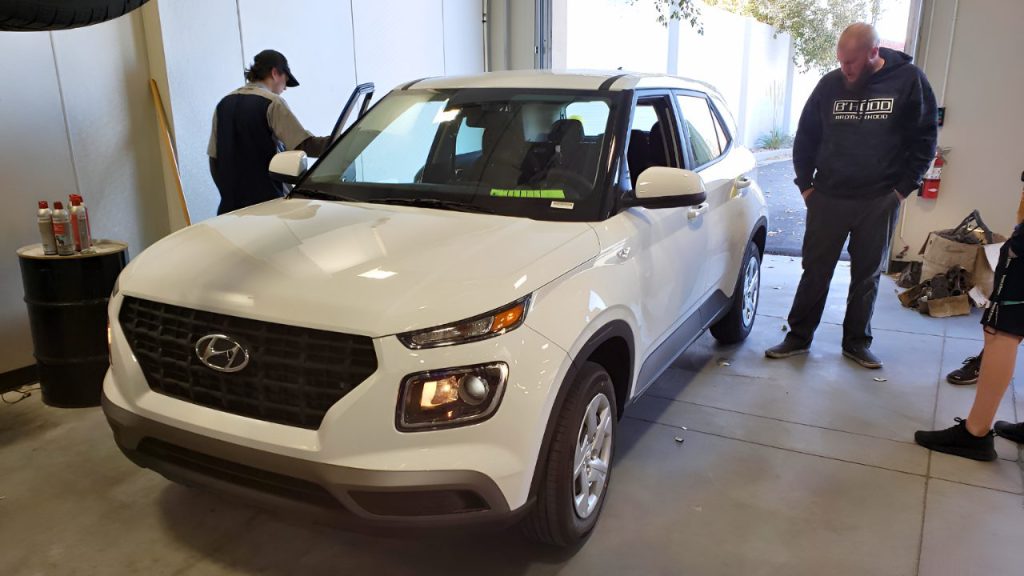
Hyundai sits in a more debated position than some brands on this list, but the warning signs are still serious. It shares the Theta II engine defect with Kia, meaning the same manufacturing issue, the same oil-starvation risk, and the same fire-linked history. It has also faced fuel tank recalls on newer models, turning reliability concerns into safety concerns. Hyundai may no longer sit at the absolute bottom, but for buyers focused on a quarter-million miles, the brand still brings real hesitation.
8. Mitsubishi
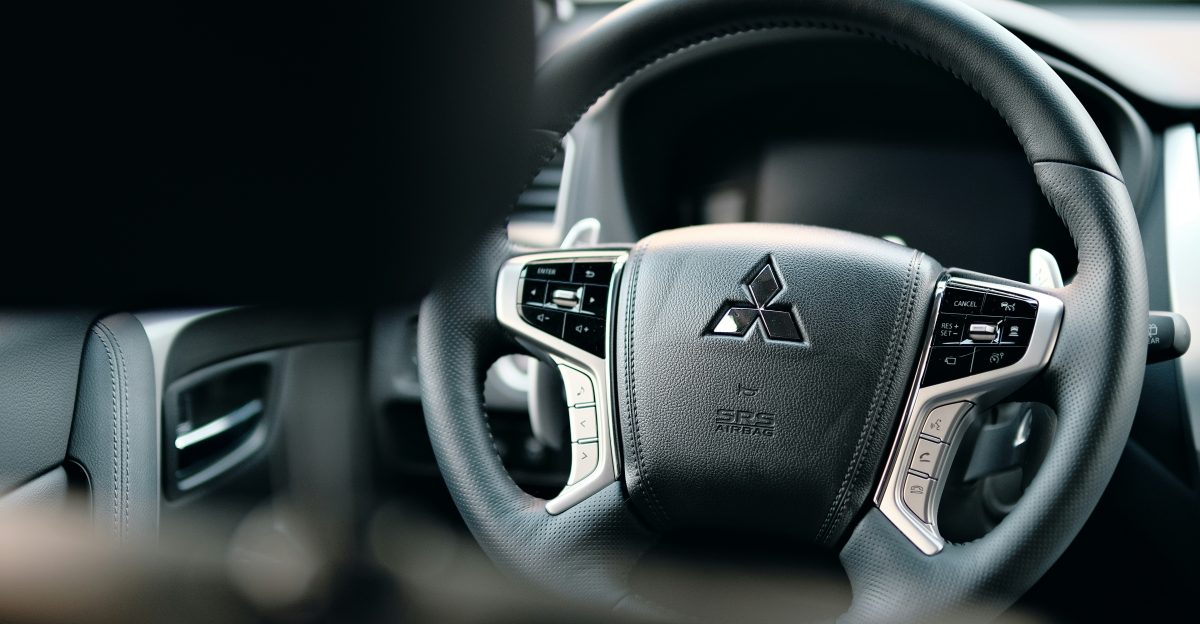
Mitsubishi rarely dominates reliability headlines, which may be why many buyers miss how poorly it stacks up against other Japanese brands. In J.D. Power’s dependability data, it finished last among Japanese automakers, a striking result considering how strong that group usually is. Toyota, Lexus, Honda, and Acura consistently lead long-term rankings, while Mitsubishi lags well behind. Its smaller lineup and lower visibility do not erase the data. For buyers who assume every Japanese badge means durability, Mitsubishi is the exception.
Outro

The real lesson of this 402-million-vehicle study is not that these brands never build good cars. Their odds of reaching 250,000 miles are consistently weaker than those of the brands that dominate long-term reliability. That difference can mean thousands more in repairs, lower resale value, more downtime, and, in some cases, serious safety risks. Buyers who want the best chance at low-cost ownership over 15 to 20 years should treat this data as a warning and shop accordingly.
Sources:
“Did Your Car Make the List? Top 30 Cars Most Likely to Reach 250,000 Miles.” Autoweek, 25 Apr. 2025.
“Which Brands Have the Best Long-Term Car Reliability?” Consumer Reports, 16 Nov. 2025.
“5 Of The Worst Kia Engines Ever Made.” SlashGear, 10 Oct. 2025.
“Lexus and Buick Lead the Pack in JD Power’s 2026 Dependability Rankings.” Autoweek, 12 Feb. 2026.