
76% of Drivers Refuse Automaker Subscriptions—Mercedes Charges $1,200/Year to Unlock Horsepower
The heated seats are right there in your car. The wiring is tucked under the leather. The hardware was already installed and paid for when you left the dealership. Then, the screen lights up and asks for your credit card. BMW introduced heated seat subscriptions in markets like the U.K., Germany, and South Korea, turning something most drivers thought was a one-time choice into a recurring fee.
The backlash was immediate and fierce. The feature itself mattered less than the principle. The car that left the lot now asks you to rent what is already beneath you.
Ownership Rewritten
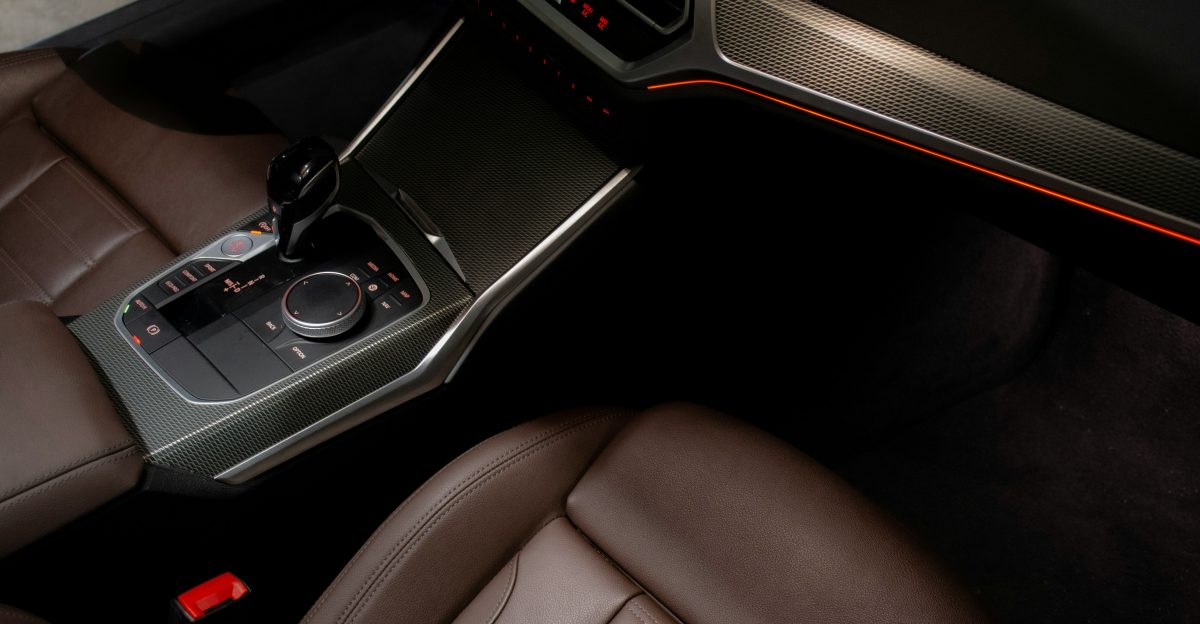
That backlash was never really about staying warm. Drivers saw something deeper: a company turning finished hardware into a tollbooth. The paperwork says owner. The software says renter. BMW was not the only company to do this.
GM started bundling OnStar-connected services as subscriptions. Some trims include years of connectivity. Others lock advanced features behind paywalls. For families already stretched by car payments, the math changed overnight. The sticker price was no longer the final word.
Subscriptions Become the Strategy
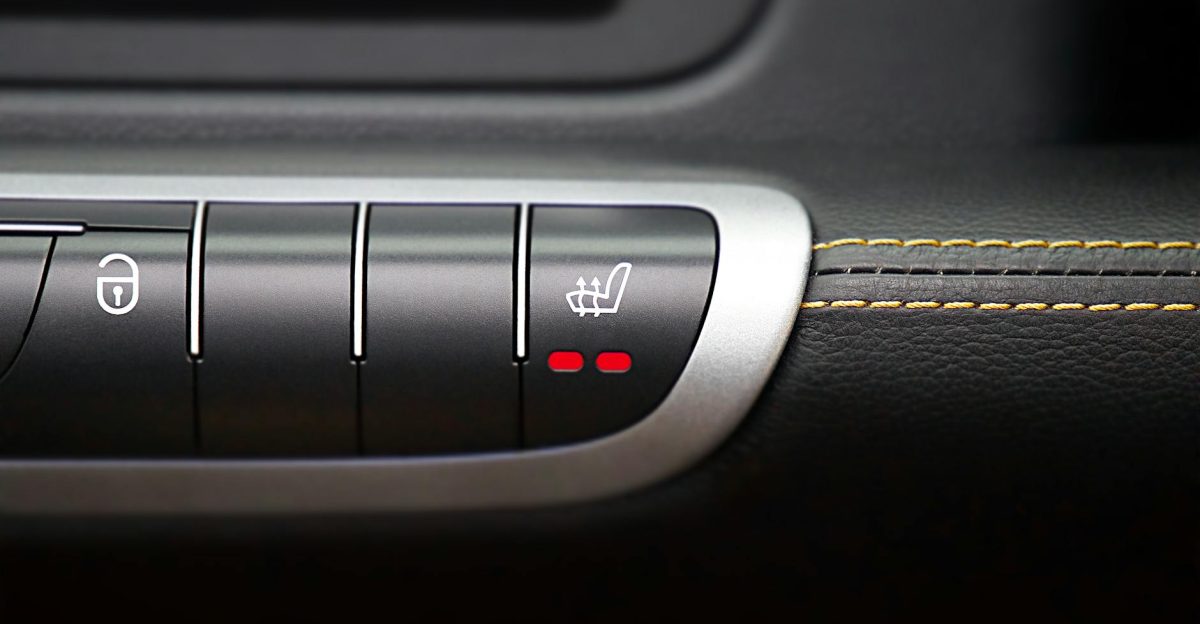
Heated seats first appeared as a strange experiment, possibly a greedy move that would face market rejection and quiet abandonment. That hope faded quickly. Mercedes now sells an “Acceleration Increase” subscription for certain EQ models in North America.
The price is about $1,200 a year. It unlocks horsepower the car already has. Comfort features are no longer the only target. Performance is now for sale. The motor is capable of more, but permission to use it comes with a yearly fee.
Charging for Permission
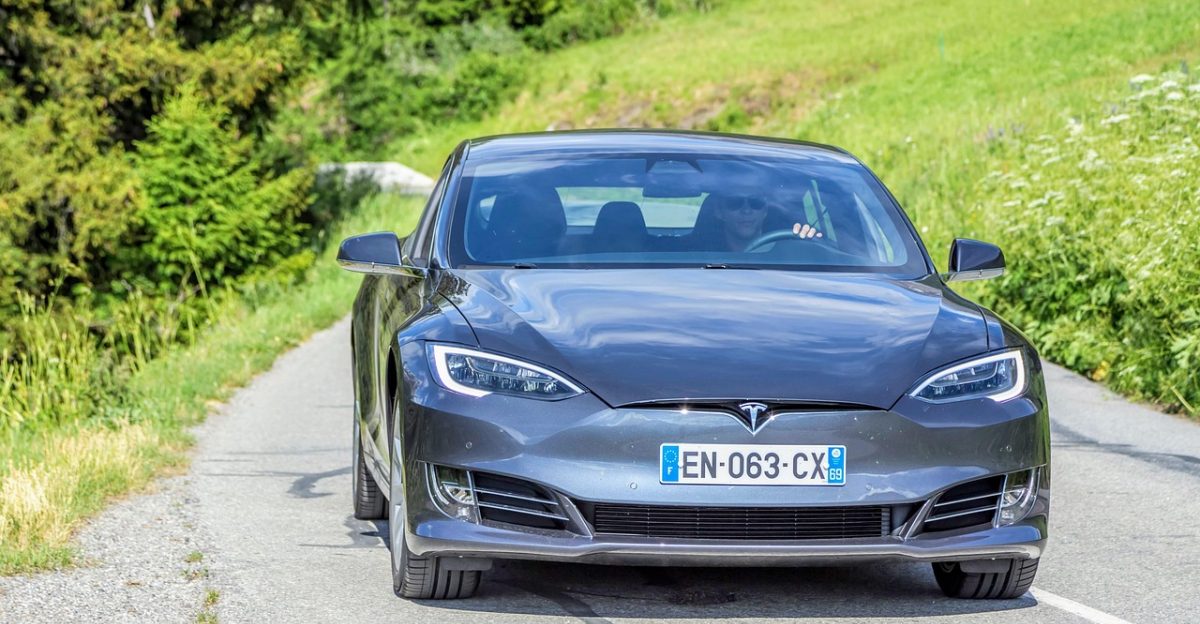
Tesla’s Full Self-Driving (Supervised) is a $99-a-month subscription. That adds up to about $1,188 a year, or nearly $6,000 over five years. The software runs on sensors and computers already built into the car. Tesla’s own support pages state that FSD (Supervised) “does not make the vehicle autonomous.”
Almost six grand over five years, for something that is already present. Drivers still have to keep their hands on the wheel. The product is not self-driving. The product is permission. Every automaker is watching Tesla’s margins and taking notes.
Legal Locks and Loopholes

These software gates are not just about business. They are built into law. The DMCA’s Section 1201 describes when consumers can legally bypass software locks for repairs or diagnostics. The U.S. Copyright Office reviews the rules on a regular schedule.
Groups like iFixit and right-to-repair advocates say these locks, parts pairing, and limited tool access push owners toward dealership service only. The car becomes a closed system. The keys are in the driver’s hands, but the manufacturer holds the code. Ownership starts to blur. Access becomes a license.
Drivers Push Back

A recent survey of over 1,000 drivers in the U.S. and Europe found that 76 percent have not signed up for their automaker’s connected services. Many did not even know these subscriptions were active in their cars. Resistance is real. BMW’s heated seat subscription was mocked worldwide. Even the company later admitted it was “probably not the best way” to roll out on-demand features.
The pattern repeats: when the hardware is physically present, paying again feels like extortion instead of an upgrade. U.S. regulators already treat advanced driver-assistance software as safety equipment, not just apps. The government is watching, and these features are no longer just optional extras.
Used Cars, New Problems

Automakers face pressure to grow recurring revenue from every vehicle sold. More features are marketed as upgrades after the initial purchase. The greatest impact may fall on used-car buyers. If subscriptions do not transfer with the title, a secondhand car could arrive missing features the previous owner paid for, or require the next owner to subscribe again to restore them.
This increases the real cost of ownership and muddies resale value. The FTC’s recent moves on junk fees and dealership practices show that regulators are already tracking how digital extras and add-ons are sold.
Shifting the Standard
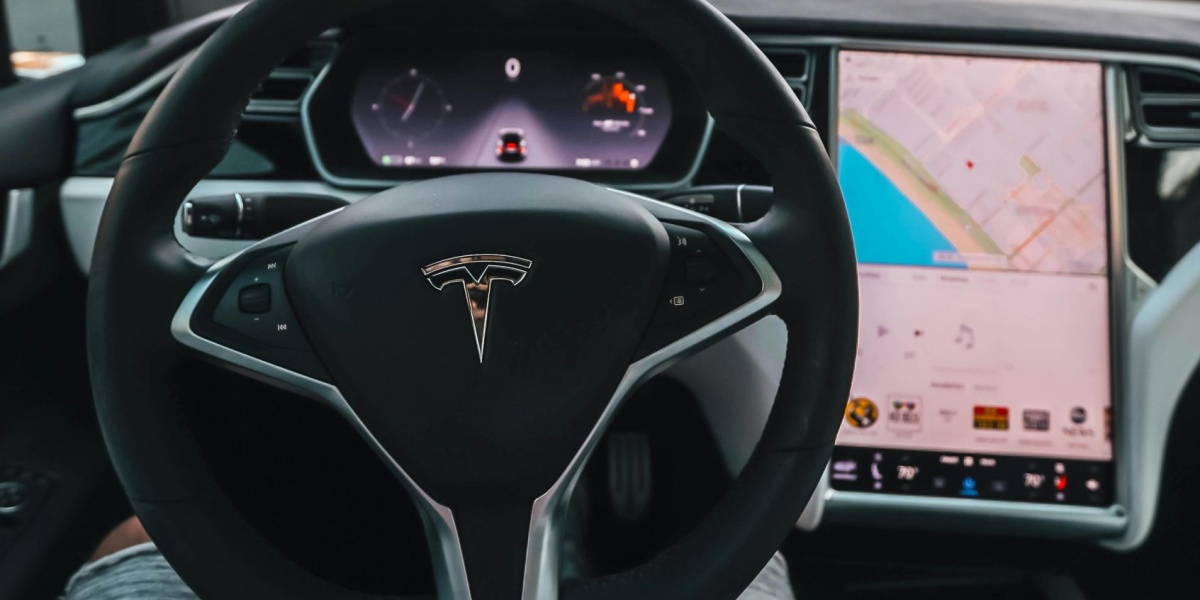
The process started with heated seats. Then came acceleration. Now, even driver-assistance systems are sold as premium extras. The path from comfort to convenience, to performance, to safety is not speculation. This is the business model, playing out exactly as planned.
Industry presentations now highlight “software-defined vehicle” revenue streams. Feature gating is becoming a standard product strategy. Decisions made today decide whether the car in the driveway five years from now works on the owner’s terms or requires another subscription.
Escalation Continues
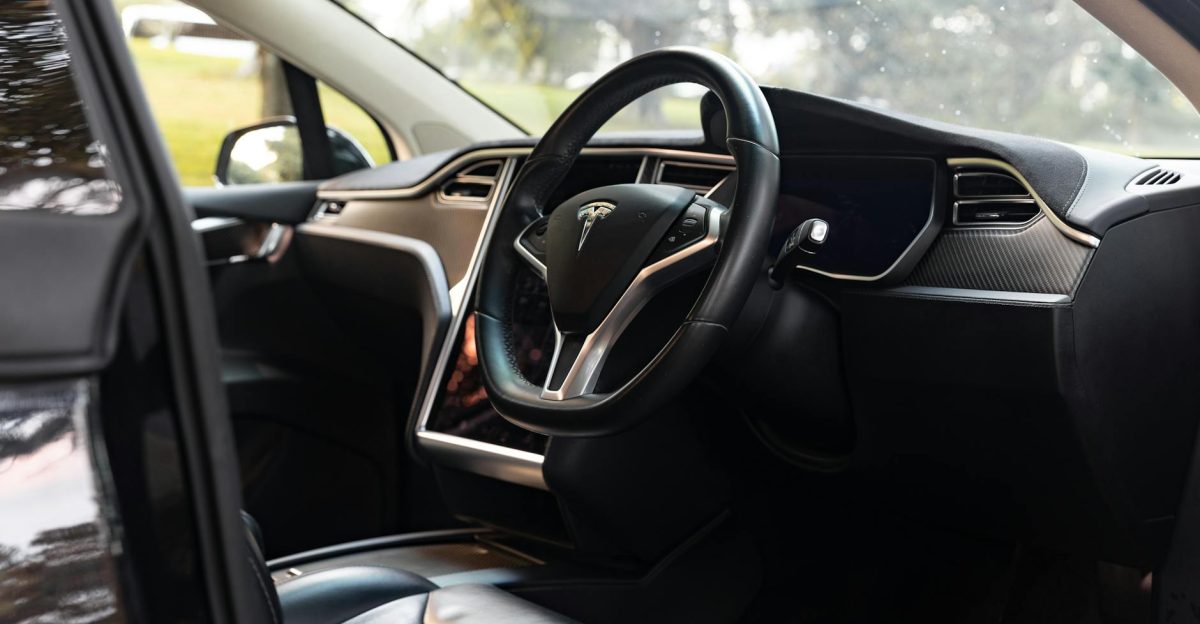
Regulators are beginning to respond, though progress is slow. The FTC targets hidden fees. The Copyright Office continues to review DMCA exemptions. Right-to-repair groups keep pushing for better access. No clear rule yet prevents automakers from locking installed features behind software paywalls. Escalation continues. Comfort features are paywalled today. Performance features are next. Soon, safety features could follow.
The window for new rules remains open, but each passing month allows another subscription to become the norm.
Who Decides Ownership?
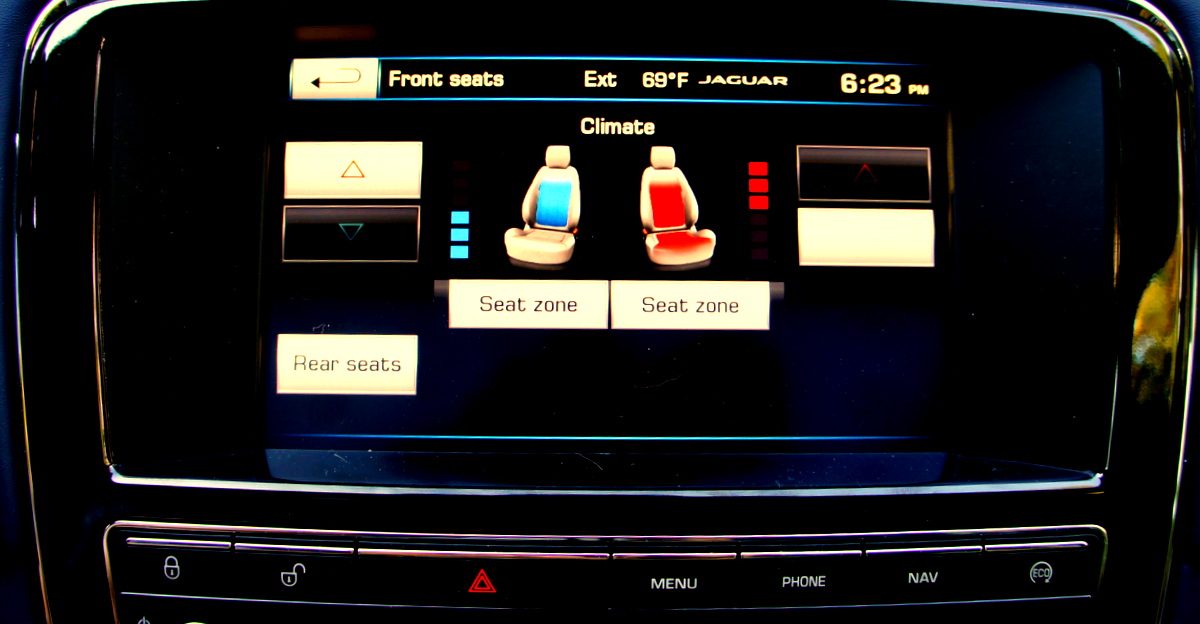
The real product is no longer just the car. The product is permission to use what has already been purchased. This shift changes negotiations at the dealership, evaluations of used cars, and every “optional upgrade” that appears on a dashboard.
Automakers bet that eventually, drivers will accept subscriptions. Three-quarters of drivers still resist. The standoff continues.
Sources:
Smartcar – 2025 Connected Car Report – 2025-02-02
The Verge – BMW starts selling heated seat subscriptions for $18 a month – 2022-07-12
Tesla – Full Self-Driving (Supervised) Subscriptions | Tesla Support – (live support page, current as of 2026; no single publication date listed)
BBC News – Mercedes-Benz to introduce acceleration subscription fee – 2022-11-23
NHTSA – Standing General Order requiring incident reporting for ADS and Level 2 ADAS – 2021-06-29
Federal Trade Commission – Combating Auto Retail Scams (CARS) Rule announcement on junk fees in auto sales – 2023-12-12