$756 Monthly Payments And Low Income Turn New Cars Into Luxury Items In America
New cars now feel like a luxury purchase for a growing share of American buyers, and the data backs it up. Kelley Blue Book’s Average Transaction Price reports track what people actually pay at the dealership, and those numbers keep climbing. Edmunds confirms that monthly payments and APR levels have pushed financing burdens to levels that force middle-income families into a brutal choice: buy used, keep driving what they have, or walk away from the lot entirely. The sticker price gets the blame. The monthly payment does the damage.
Four Knobs
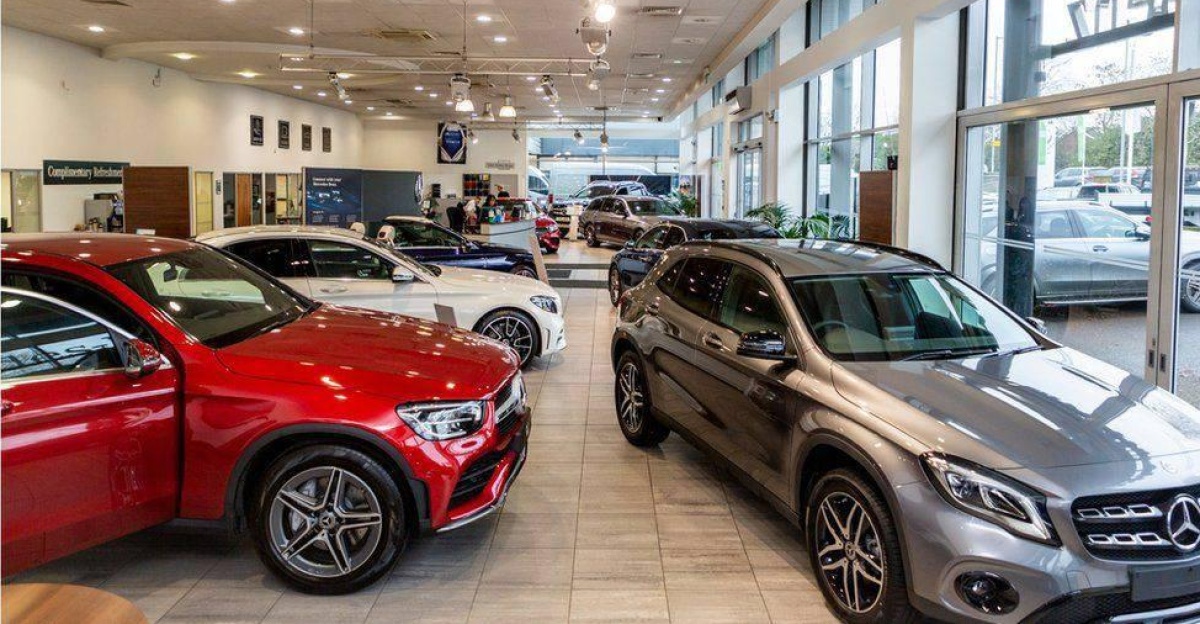
The squeeze doesn’t come from one place. The affordability story runs on a machine with multiple knobs: sticker price, interest rate, loan term, and manufacturer incentives. Twist any one of them, and the monthly payment shifts. Right now, all four are twisted the wrong direction for buyers. Prices stayed elevated after the pandemic supply crunch. Rates climbed with the Fed. Loan terms stretched longer just to keep payments from looking even worse. And incentives, the hidden lever that can soften the blow, haven’t kept pace.
Kitchen Table

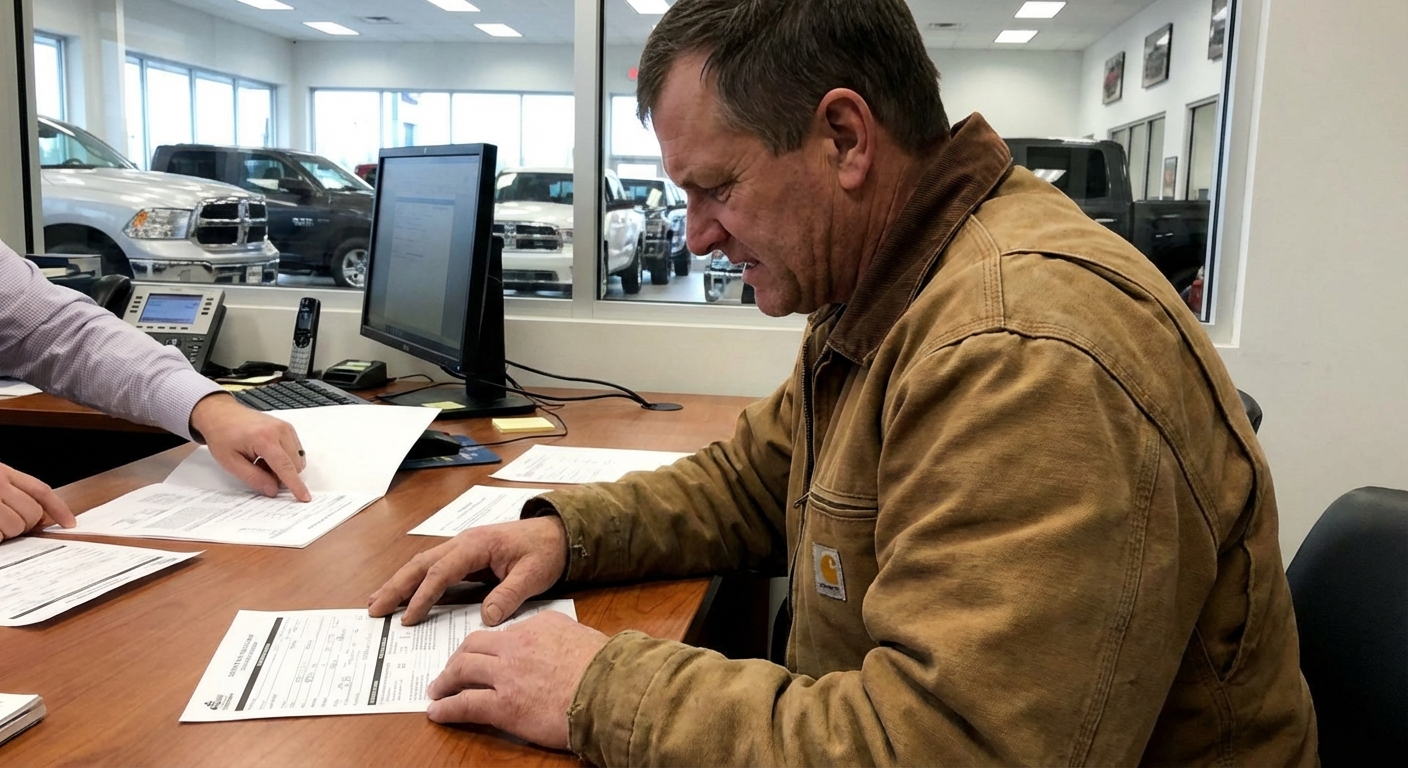
Here’s where it lands for a family of four. The monthly car payment competes directly with groceries, insurance, and the mortgage. When that payment balloons, something else in the budget shrinks. More buyers are delaying purchases entirely, stretching the life of vehicles they’d normally trade in. That delay isn’t a preference. It’s math. The Bureau of Labor Statistics tracks new-vehicle price inflation through its CPI index, and that official trendline confirms what every household already feels: the number keeps moving the wrong way.
Dealer Scramble
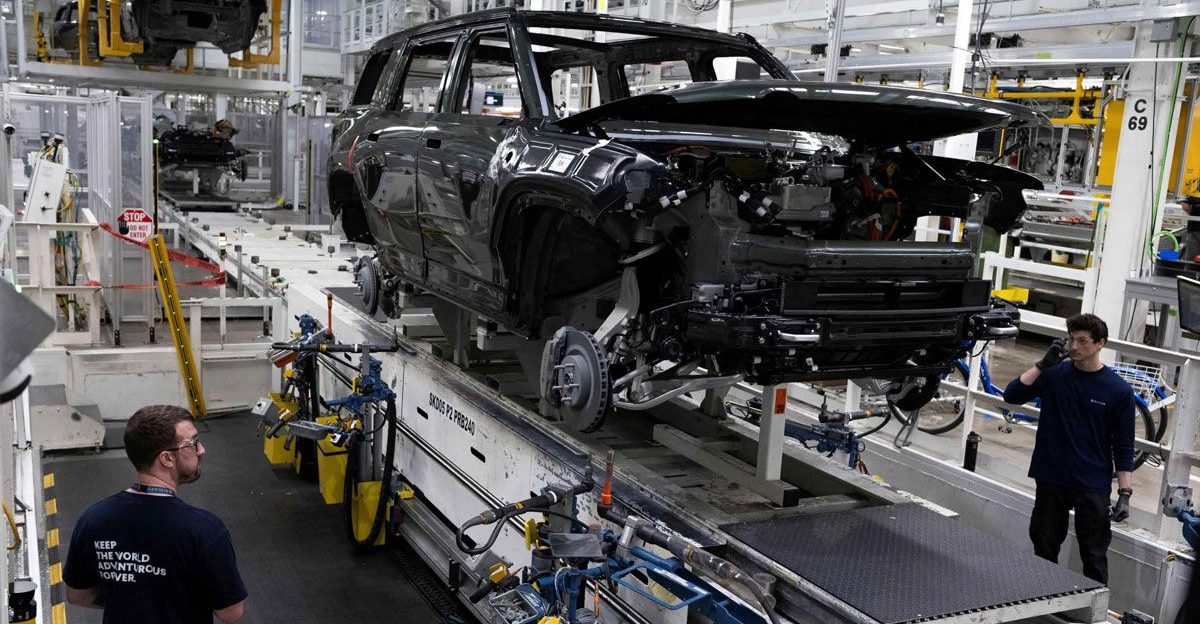
Automakers aren’t blind to the exodus. When buyers vanish, inventory piles up, and the pressure flips to the manufacturer’s side. The response: push incentives higher and introduce cheaper trims designed to pull reluctant shoppers back. Cox Automotive tracks those incentive shifts monthly, and the pattern tells a clear story. Manufacturers are spending more per vehicle just to move metal. That spending eats into margins. Which means the companies building the cars are absorbing pain too, not just the families trying to buy them.
Used Surge
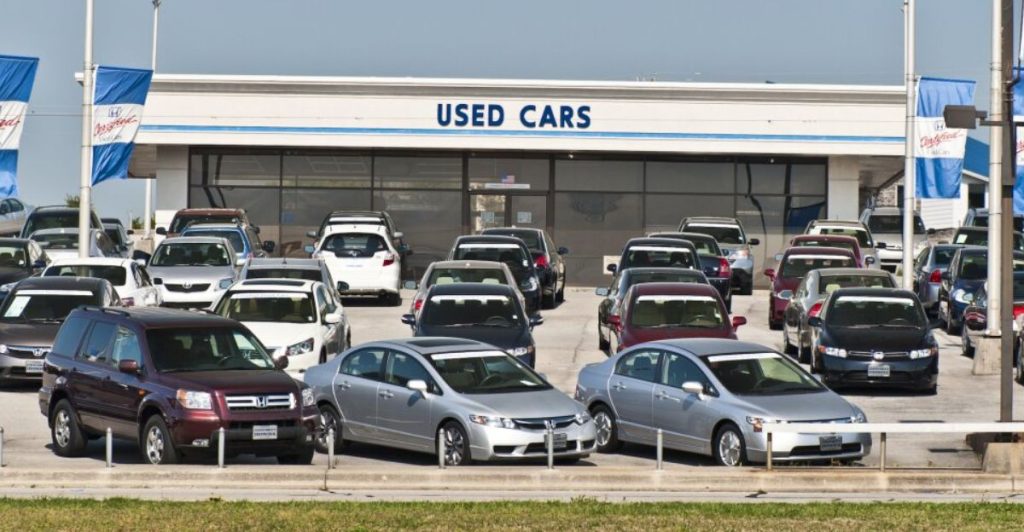
The ripple nobody budgeted for: used-car prices. Every buyer priced out of a new vehicle becomes a used-car shopper. That demand wave hits a market that already ran hot during the pandemic shortage years. The BLS tracks used-car inflation separately through its own CPI index, and the new-versus-used price paths can diverge wildly across cycles. When new-car affordability collapses, the used market doesn’t just absorb the overflow. It reprices. The “affordable alternative” gets less affordable the more people need it.
The Real Price
Sticker price. APR. Term length. Incentives. Those four knobs produce one number that actually matters: the monthly payment. That payment is the real price of a car in America. Not the window sticker, not the MSRP, not the dealer markup. The payment. Kelley Blue Book tracks transaction prices. Edmunds tracks financing terms. Put them together, and the picture sharpens fast. A vehicle with a “reasonable” sticker becomes a luxury-tier obligation once the rate and term math runs. Same car. Completely different burden depending on your credit and your timing.
Who Pays First

The buyers who get squeezed out first are the ones with the least room in their budgets and the weakest credit cushions. Experian’s auto finance reporting tracks loan amounts, terms, and credit-tier dynamics across the entire market. Lower-credit borrowers face higher APRs, which means the same vehicle costs them more per month than it costs a prime borrower. Same sticker. Higher payment. That’s the trap inside the trap. The affordability crisis doesn’t hit everyone equally. It hits hardest at the bottom and works its way up.
Debt Reckoning

The New York Fed tracks auto loan balances and delinquency rates as part of its Household Debt and Credit reports. That data stretches across multiple economic cycles, which means the warning signs have a historical baseline. When payments stretch and credit tightens, delinquencies climb. When delinquencies climb, lenders pull back. When lenders pull back, credit gets harder to access for the very buyers who need it most. One affordability squeeze becomes a credit squeeze, which becomes a market contraction. The cycle feeds itself, and the data already shows the early tremors.
Winners and Losers
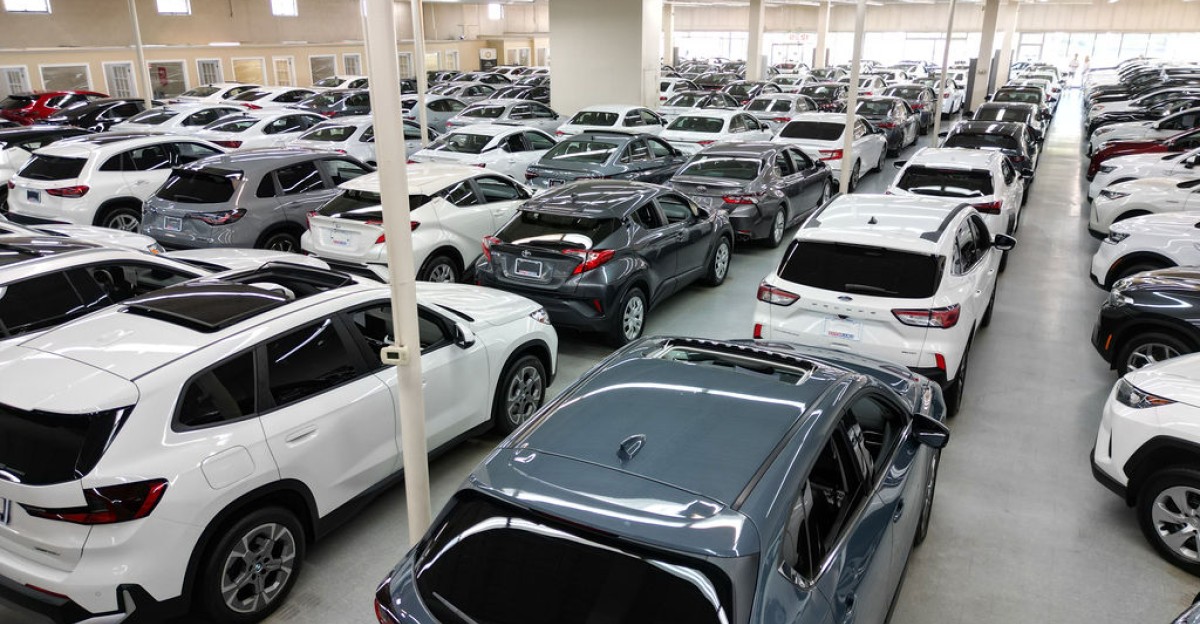
Somebody profits from every squeeze. Lenders collecting higher APRs on longer terms earn more interest per loan. Used-car dealers watch their inventory appreciate as new-car refugees flood the lot. Meanwhile, middle-income families lose mobility, lose options, and lose time. The Federal Reserve’s G.19 consumer credit release separates revolving from nonrevolving debt, and auto loans sit in that nonrevolving bucket, growing. The irony stings: auto credit remains widely available even as the cars it finances feel increasingly out of reach. Access without affordability is just debt with a parking spot.
No Brakes
The cascade keeps moving. Automakers push subsidized rates and stripped-down trims to lure buyers back. Buyers who stretched into 72-plus-month loans face years of negative equity. Delinquencies pressure lenders to tighten standards. Tighter standards push more buyers to used. Used prices climb again. BEA personal income data provides the backdrop: purchasing power hasn’t kept pace with the payment math. Once you see the four-knob machine, every car ad looks different. The sticker is a decoration. The payment is the price. And that price just became a luxury.
Sources:
“New-Vehicle Affordability Improves in January on Higher Income and Lower Prices, According to the Cox Automotive/Moody’s Analytics Vehicle Affordability Index.” Cox Automotive, 17 Feb 2026.
“December 2025 Kelley Blue Book Average Transaction Prices.” Kelley Blue Book / Cox Automotive, Jan 2026.
“Household Debt and Credit Report, 2025 Q4.” Federal Reserve Bank of New York, 10 Feb 2026.