7 Diesel Supercars That Never Made It—One Hit 223 MPH On A Le Mans Engine
Between 2002 and 2013, seven European automakers built diesel-powered concept cars that should have changed everything. Peugeot strapped a Le Mans race engine into a carbon fiber chassis. Opel engineered a 1,455-pound prototype that got 94 miles per gallon. Audi adapted the twin-turbo V12 architecture from its championship-winning R10 endurance racer into a road car concept. These weren’t science projects. They were working machines with supercar numbers. Every single one died before reaching a showroom, and the reason had nothing to do with engineering.
1. Mercedes-AMG C30 CDI AMG (2002)
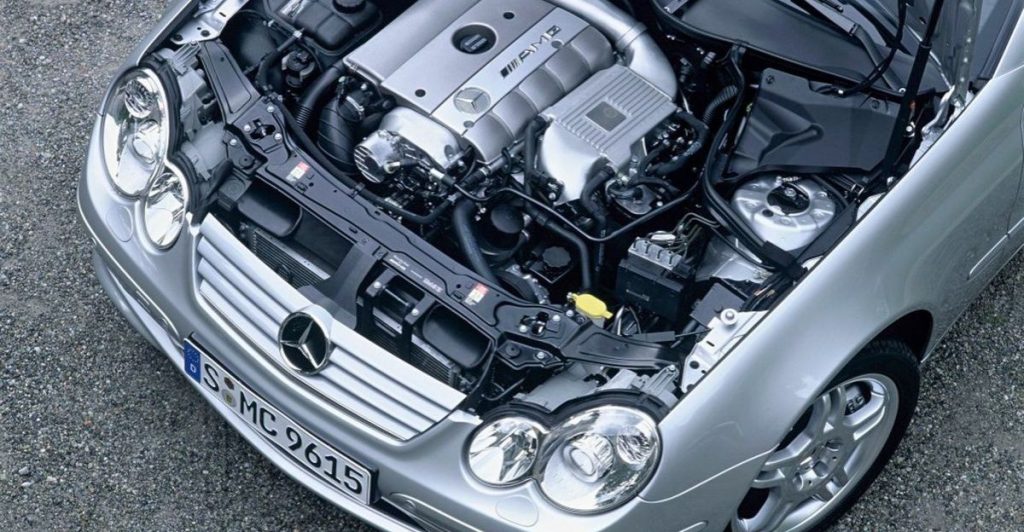
AMG developed a turbodiesel five-cylinder C-Class that became the first production diesel to carry the AMG badge. It made 228 horsepower and 398 lb-ft of torque, hit 155 mph, and proved that diesel could be a performance tool rather than a compromise. AMG built at least 1,600 confirmed units across the saloon and estate. The Sport Coupe added to that total, though exact figures for that body style were never publicly disclosed, over a run ending in 2004.
2. Opel Eco-Speedster (2002)
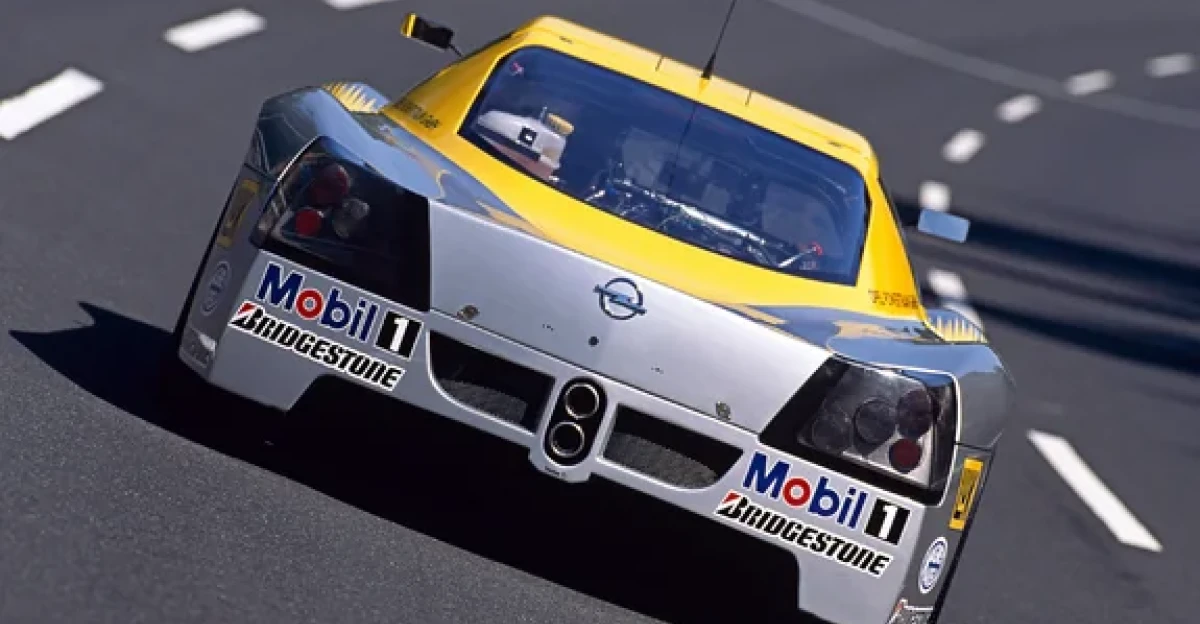
Opel’s Eco-Speedster was a 1,455-pound carbon fiber prototype powered by a 1.3-liter diesel, achieving a drag coefficient of 0.20 and returning 94 mpg. During a 24-hour record run at Opel’s Dudenhofen test oval, it set 17 world records, including a flying mile at 159.4 mph and a 24-hour average speed of 139.9 mph. Opel built three prototypes, and in 2018 one surfaced for sale in Baden-Württemberg, Germany, listed at approximately $114,000 (£89,000) — a working proof-of-concept reduced to a collector’s curiosity.
3. Volkswagen EcoRacer (2005)
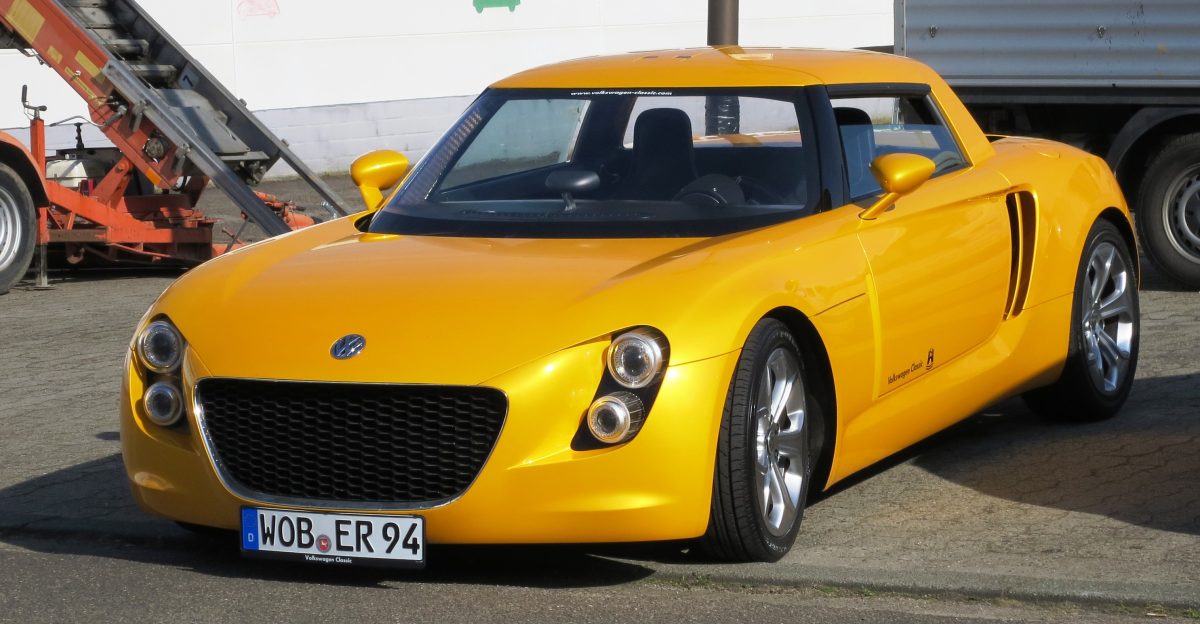
Volkswagen unveiled the EcoRacer at the 2005 Tokyo Auto Show as a direct counter to the growing buzz around hybrids and electrification. The mid-engine concept weighed 1,875 pounds, hit 0-60 in 6.3 seconds, and returned approximately 69 to 70 mpg from its diesel engine, with VW marketing the package as economical, sporty, and good for the environment. The same company promoting that message was, at that moment, quietly developing the defeat device software that would detonate the diesel industry a decade later.
4. Audi R8 V12 TDI (2008)
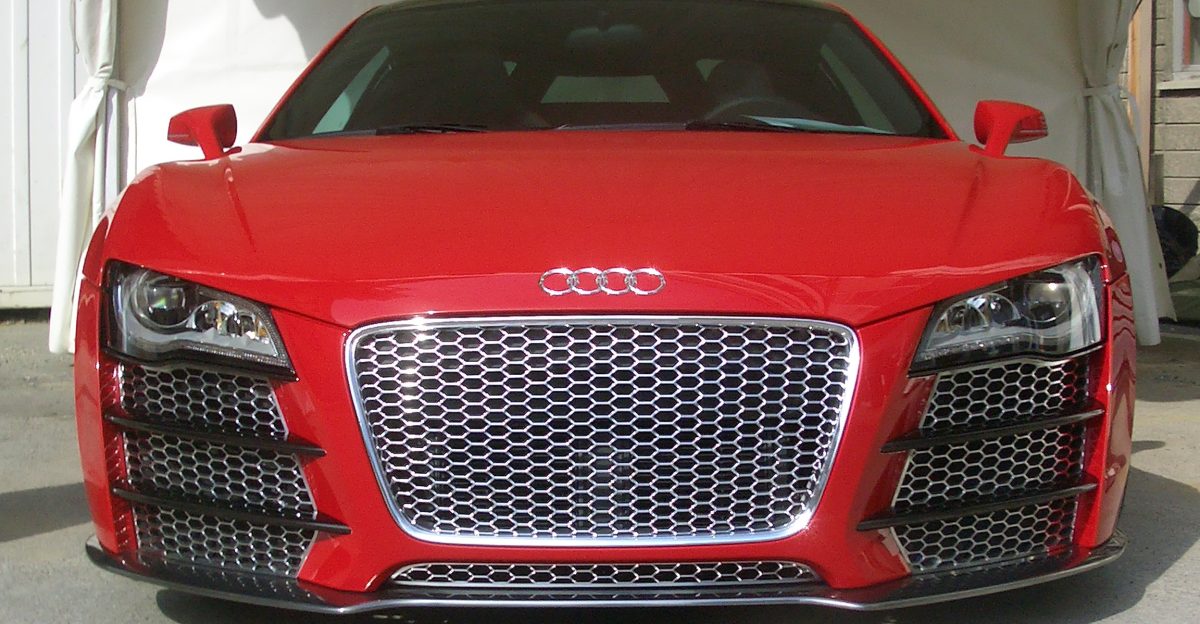
Audi dropped a twin-turbo diesel V12 of approximately 6.0 liters into the R8 platform, the engine adapted from the same architecture as its Le Mans-winning R10 race car, whose unit displaced 5.5 liters. The concept was a working car, not a show piece, and it demonstrated that diesel torque could coexist with a supercar chassis. It never reached production. When Dieselgate broke in 2015, it was one of the first casualties of the regulatory fallout inside Volkswagen Group.
5. Mitsubishi Concept-RA (2007)
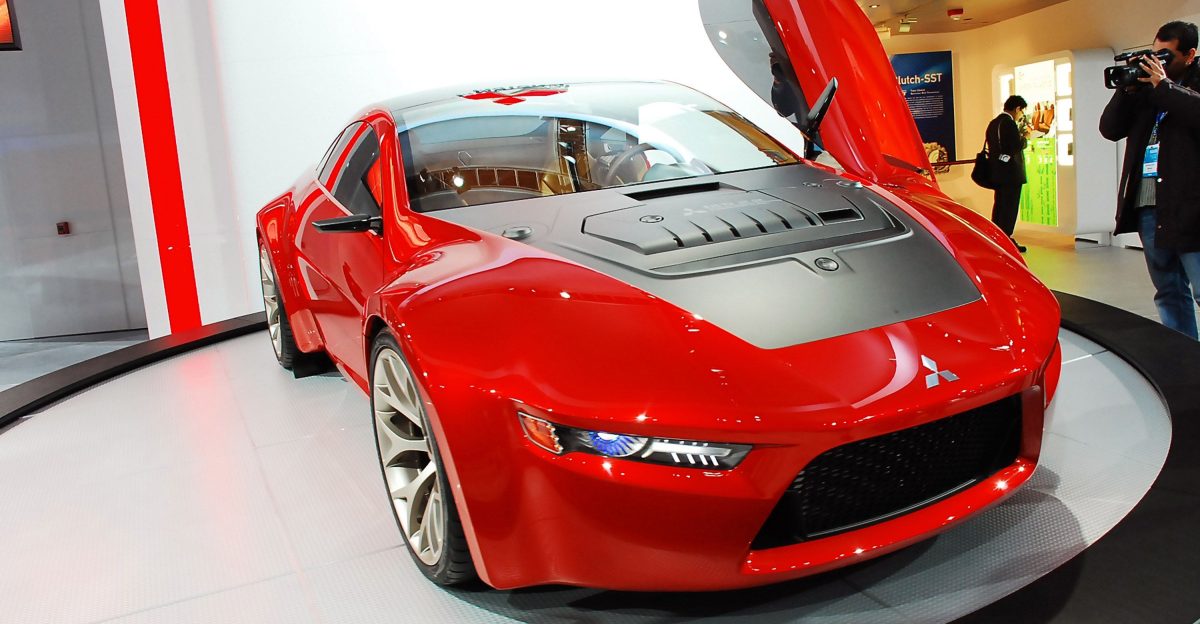
Mitsubishi’s Concept-RA demonstrated that the diesel performance push extended well beyond the Volkswagen Group and French manufacturers. It was a diesel-powered sports car vision built at a time when multiple automakers genuinely believed performance diesel had a commercial future. Its disappearance from automotive memory illustrates exactly how completely the category was erased — not just within VW Group, but across the entire industry.
6. Peugeot Onyx (2012)
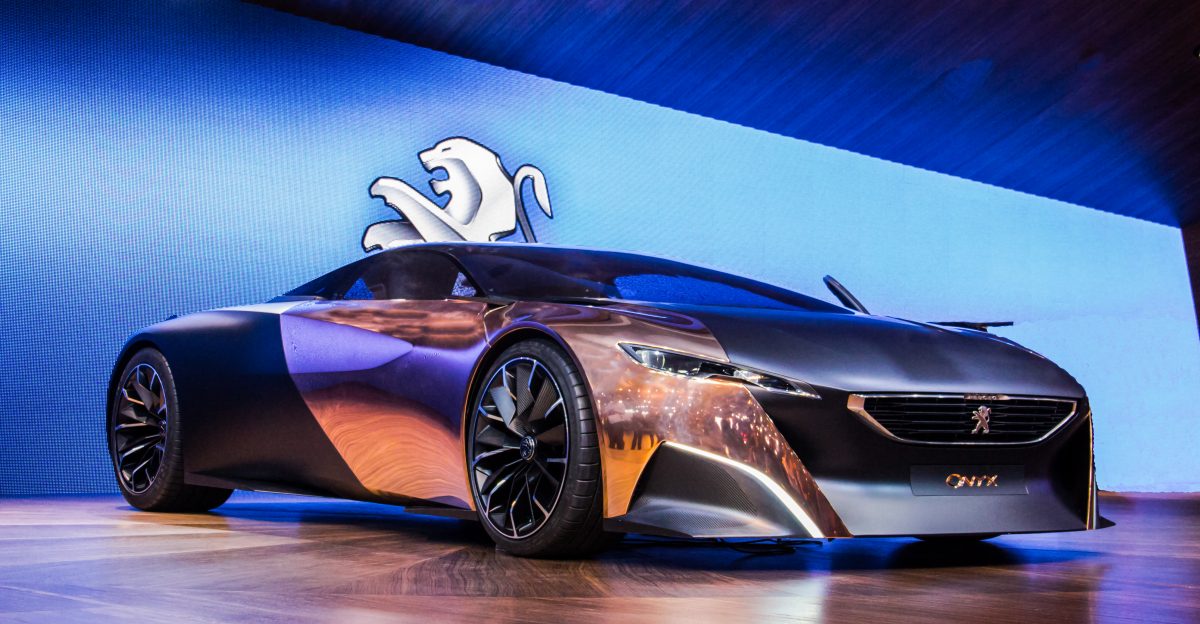
Peugeot unveiled the Onyx at the 2012 Paris Motor Show, powered by the diesel V8 from its 908 Le Mans prototype, the engine family that raced at the 2011 24 Hours of Le Mans. Peugeot had withdrawn from motorsport in early 2012 before the Onyx’s specific Hybrid4 drivetrain could compete, but the road concept carried the full race-derived package. Combined with an electric motor, total output reached 680 horsepower, zero to 100 km/h took 2.9 seconds, and the manufacturer claimed a top speed of 223 mph from a diesel on a carbon fiber chassis.
7. Audi Nanuk Quattro (2013)
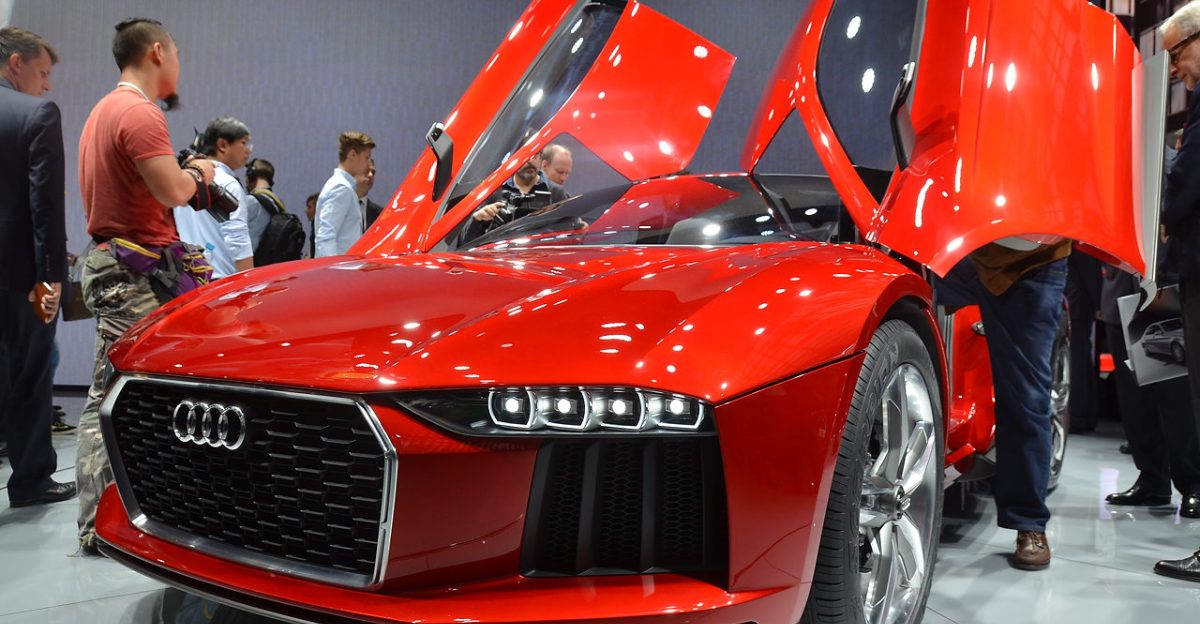
The Audi Nanuk Quattro, revealed at the 2013 Frankfurt Motor Show, was powered by a 5.0-liter twin-turbo V10 TDI producing 544 horsepower. It was the last major diesel supercar concept before the category ceased to exist. Two years after Frankfurt, the EPA issued its Notice of Violation against Volkswagen on September 18, 2015, and the Nanuk Quattro’s future, along with every other diesel performance project inside Volkswagen Group, became immediately unworkable.
How One Scandal Killed All Seven
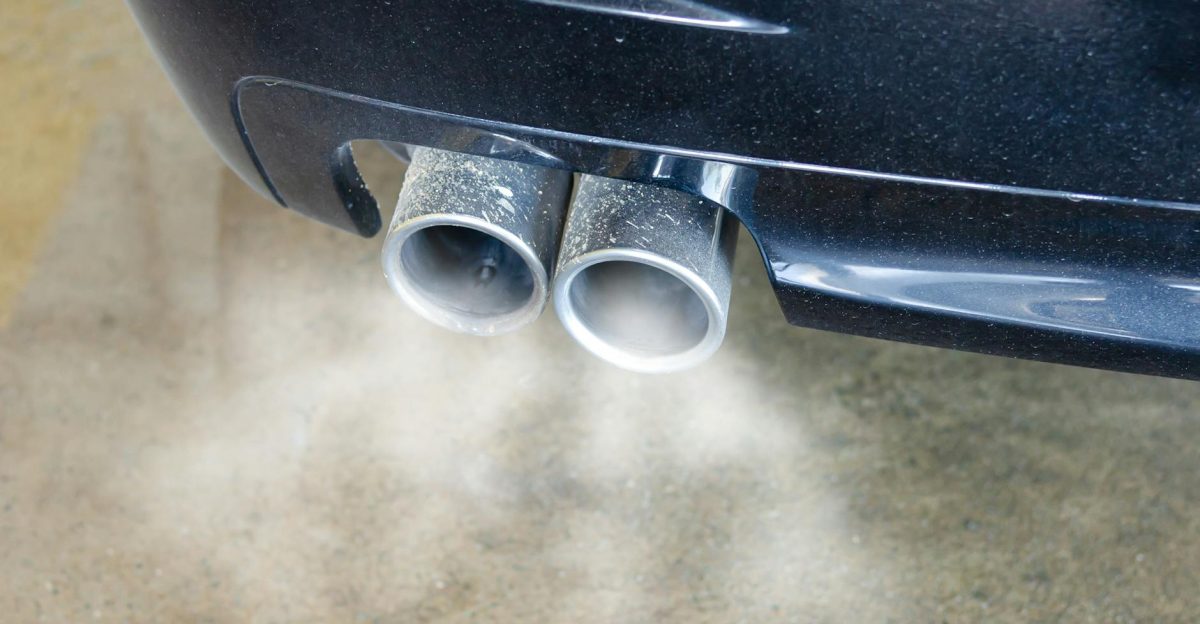
Dieselgate triggered a global regulatory shift to real-driving emissions testing, which inflated aftertreatment costs to levels that made low-volume performance diesels economically impossible. None of the seven cars failed on engineering. All seven died because Volkswagen’s cheating made the regulatory math unworkable overnight, and the trust collapse that followed poisoned every diesel project on the planet. Since September 2015, no major manufacturer has publicly announced a significant new diesel sports car concept. Porsche abandoned diesel entirely in 2018, and VW Group pivoted its entire development pipeline to electrification.
What The Bar Crowd Gets Wrong
Ask anyone why diesel supercars don’t exist and they’ll say diesel can’t perform. Seven working prototypes proved otherwise. Every manufacturer that invested in diesel performance redirected those budgets toward electrification, and diesel engine specialists watched their expertise become obsolete. Porsche and Ferrari now chase the same efficiency-plus-performance territory with hybrid and electric platforms. The seven concepts that proved diesel could do it sit in warehouses, monuments to a future that trust killed before engineering could deliver.
Sources
“Not Just a Record: Opel Shows Diesel Racing Power in the Eco-Speedster.” Autoweek, October 2003.
“In a Nutshell: The EcoRacer.” Volkswagen Newsroom, October 2005.
“Audi R8 Sports Car Goes Diesel in Detroit.” Audi UK Press Office, January 2008.
“Peugeot Onyx Fully Revealed.” Evo Magazine, September 2012.
“VW Notice of Violation, Clean Air Act.” U.S. Environmental Protection Agency, September 18, 2015.
“Porsche Drops Diesel.” Porsche AG Newsroom, September 2018.