7 Car Brands Ranked Most Likely To Reach 250,000 Miles And Outlast Rivals By 3x
Only four brands consistently produce vehicles capable of reaching 250,000 miles, far above the 4.8% industry average. Analysis of over 174 million vehicle records by iSeeCars shows Toyota reaches 17.8%, nearly four times the typical odds. Consumer Reports’ 2026 reliability rankings place Japanese brands in six of the top seven positions. These patterns reflect deliberate engineering choices that affect resale value and ownership costs. Now, let’s take a closer look at what the data reveals about vehicle longevity and market trends.
The Hidden Cost of Chasing Innovation
The 250,000-mile threshold separates vehicles engineered for endurance from those redesigned aggressively each model year. Consumer Reports’ December 2025 study found newly redesigned vehicles often experience elevated problem rates. Japanese automakers such as Toyota and Honda prioritize proven platforms and consistent engineering over rapid technology shifts. This approach increases used-car resale value while limiting unsold inventory. Brands achieving high longevity reward owners with extended ownership advantages. Observing these patterns reveals that discipline in design directly translates into measurable durability.
Affordability Crisis Drives Longevity Premium
New vehicles now average over $48,000 and used-car costs remain high, encouraging buyers to retain vehicles longer. Leasing declined from 34% in early 2019 to below 20% by 2022, according to Cox Automotive. Ownership duration has increased almost one year, making durability a decisive purchasing factor. A five-year-old Toyota with service history often delivers more lifetime value than newer vehicles with uncertain longevity. Brands reaching 250,000 miles at 1.5 to 4 times the industry average provide measurable cost-of-ownership advantages. So, here are the top seven brands and their quarter-million-mile probabilities.
#1 Toyota: 17.8% Probability
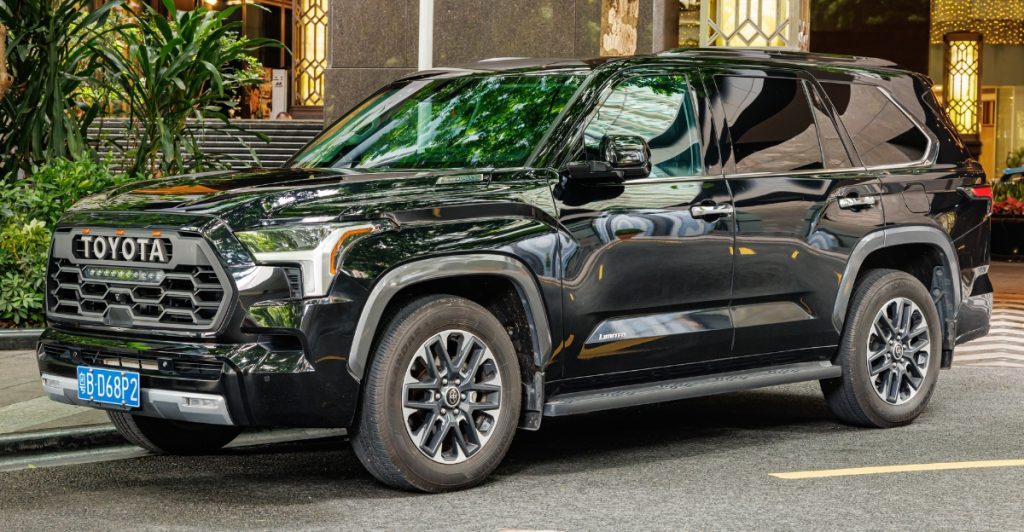
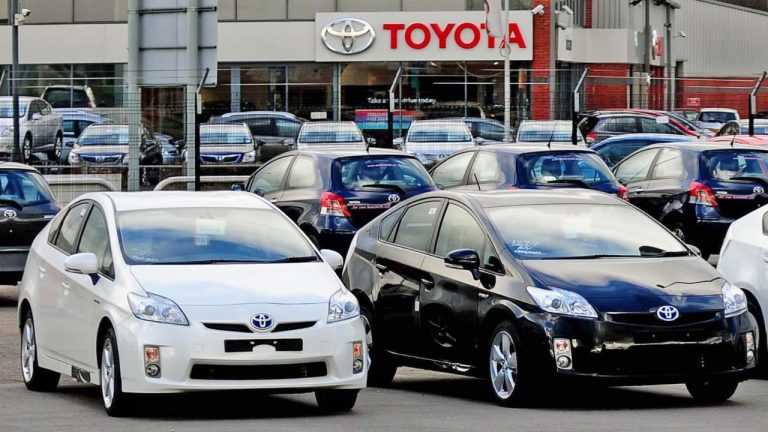
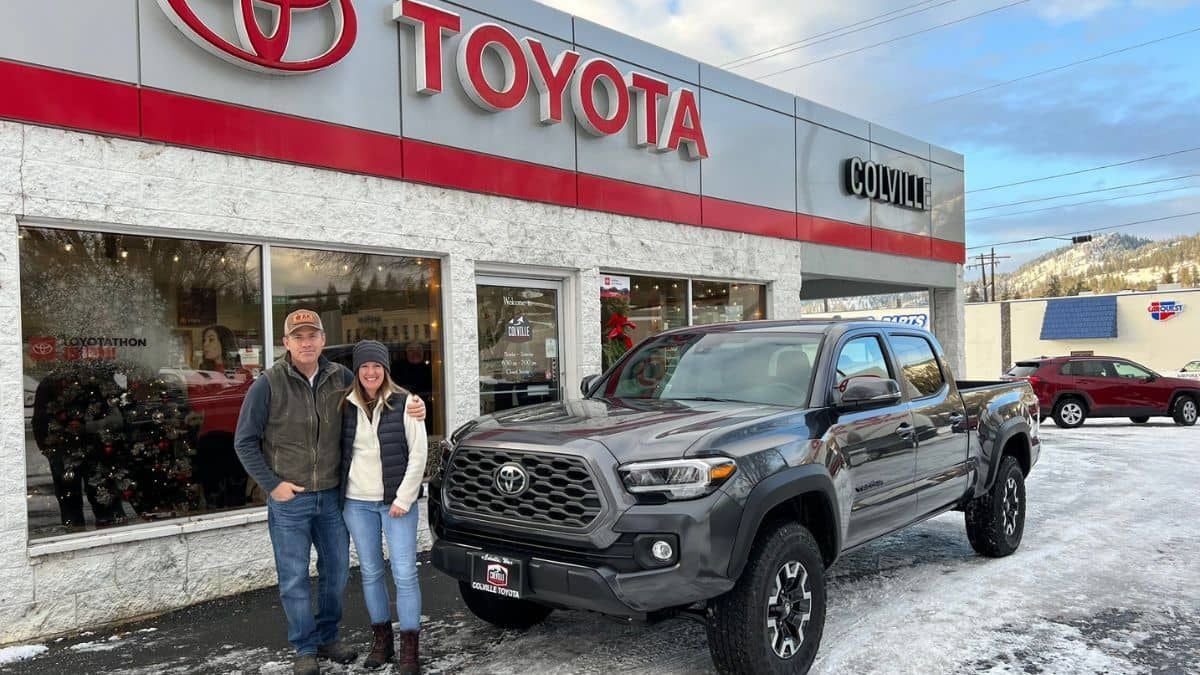
Toyota leads with 17.8% probability of reaching 250,000 miles, 3.7 times the 4.8% industry average, iSeeCars confirms. Nearly one in five Toyota vehicles reaches the quarter-million-mile mark. Kaizen manufacturing allows production lines to halt when quality issues arise, creating immediate correction. The brand prioritizes proven powertrains over turbocharged engines, ensuring mechanical simplicity that supports long life. Models such as the Sequoia, Tundra, and Tacoma achieve high longevity through body-on-frame construction and naturally aspirated engines. Toyota demonstrates that consistent engineering choices directly translate into vehicles capable of extended service and value.
#2 Lexus: 12.8% Probability
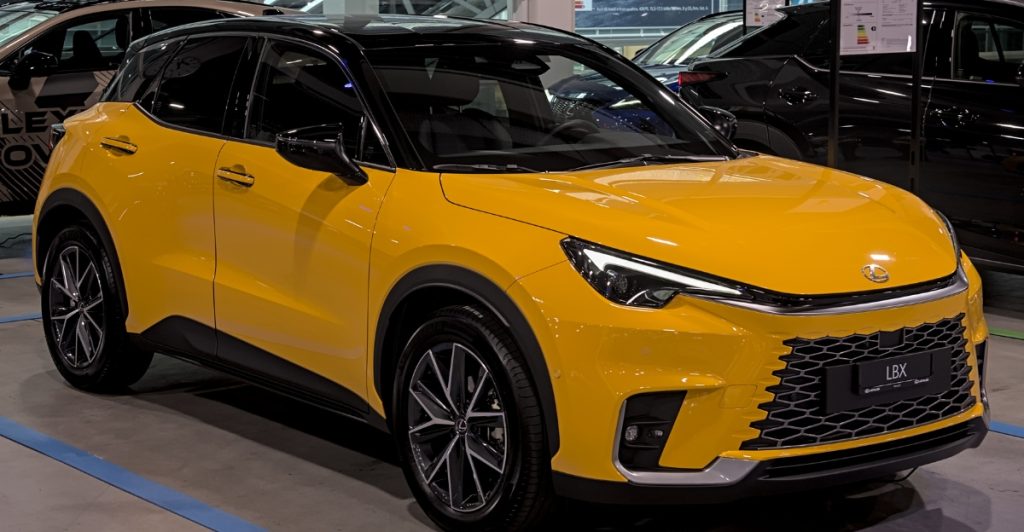
Lexus ranks second with a 12.8% probability, 2.7 times the industry average, according to iSeeCars. Luxury ownership patterns influence mileage accumulation, but engineering consistency drives superior calendar-year durability. Lexus inherits Toyota’s proven platforms while adding premium materials and enhanced sound insulation. Consumer Reports’ 2026 reliability rankings place Lexus among the top three brands. Vehicles maintain high resale value and long-term performance. This combination of conservative engineering and careful owner use creates measurable longevity advantages.
#3 Honda: 10.8% Probability
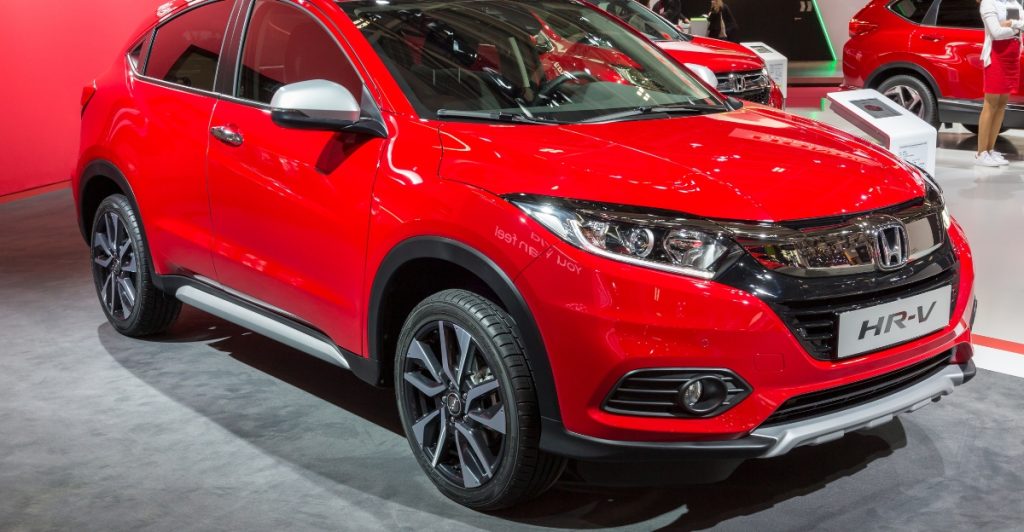
Honda achieves 10.8% probability, more than double the 4.8% industry baseline. Engines and transmissions follow conservative specifications that resist catastrophic failure even under deferred maintenance. Powertrains frequently exceed 186,000 miles, suggesting 250,000 miles is a conservative ceiling. Models such as the Ridgeline and CR-V benefit from platform continuity and proven mechanical durability. Honda’s disciplined manufacturing parallels Toyota’s quality practices.
#4 Acura: 7.2% Probability
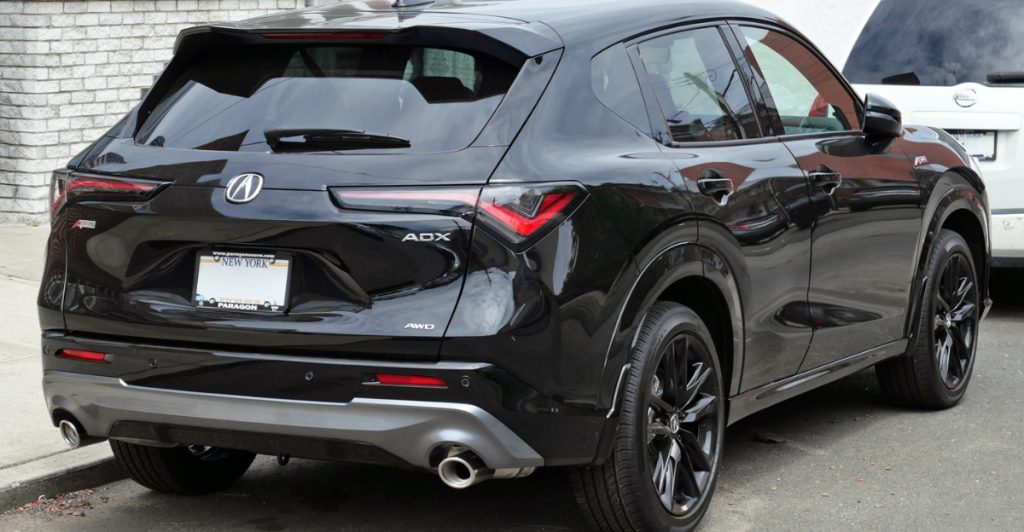
Acura reaches 7.2% probability, 1.5 times the industry average, and is the last brand to exceed the 4.8% threshold, according to iSeeCars. The brand builds on Honda’s engineering while adding premium features and sound insulation. Lower annual mileage among luxury owners helps vehicles last longer. Proven engines and transmissions, combined with moderate use, allow Acura models to reach or exceed 250,000 miles. Careful engineering and lighter usage give these luxury vehicles strong long-term durability.
#5 GMC: Approximately 4.6% Probability
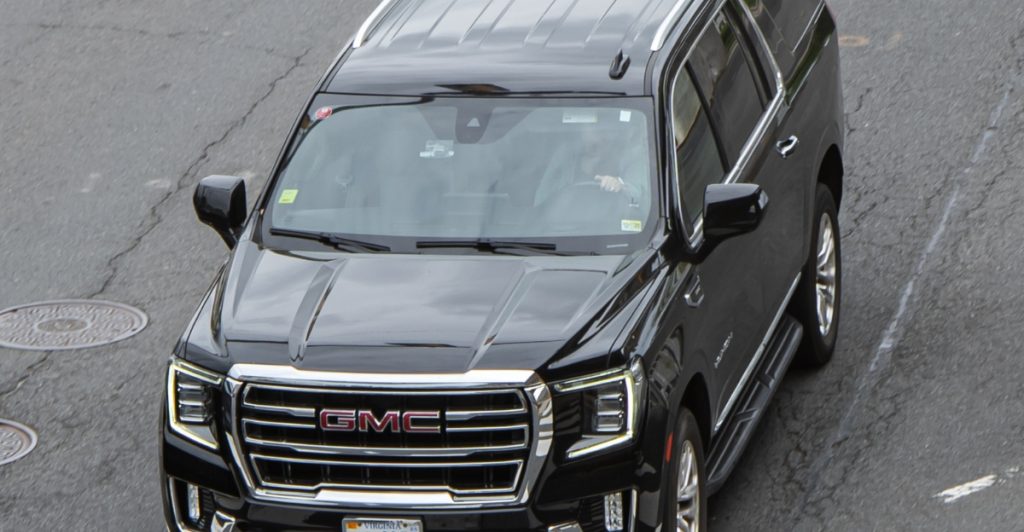
GMC achieves roughly 4.6% probability, just below the 4.8% industry average, even though the brand focuses on trucks and SUVs. Pickup trucks average 13% probability, SUVs 4.3%, and sedans 2.6%. Models like the Sierra 2500 diesel heavy-duty reach 22%, while Sierra 1500 variants are lower. Portfolio mix explains much of the ranking. Quality improvements are visible, but GMC still trails Japanese competitors in long-term reliability. Trucks can approach average longevity, but consistent engineering remains decisive. Electric vehicles offer another path to quarter-million-mile performance.
#6 Tesla: Approximately 4.6% Probability
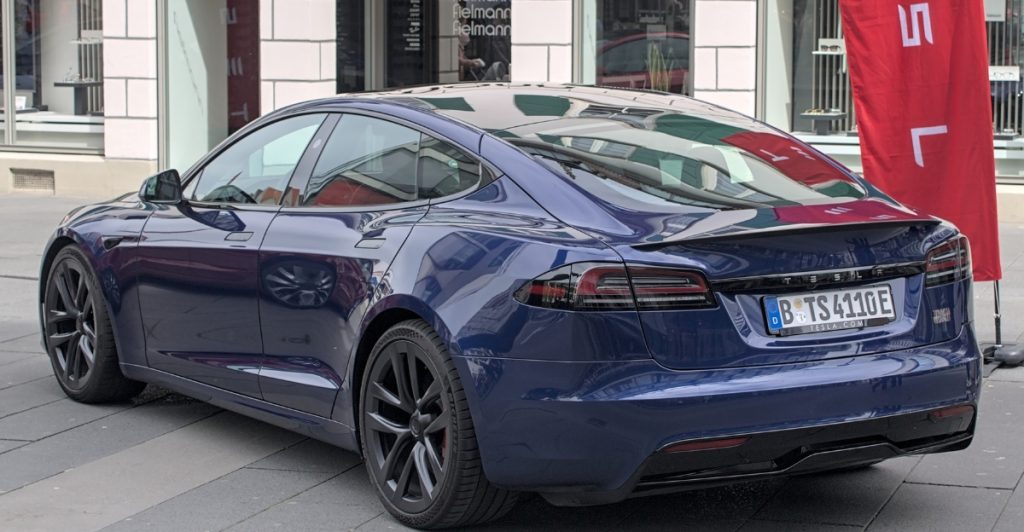
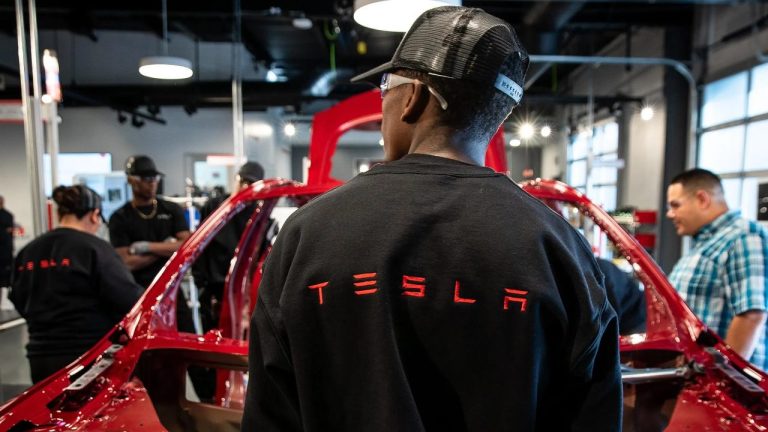
Tesla reaches about 4.6% probability, slightly below the 4.8% industry average, notable for a company under 20 years old. Battery electric vehicles have fewer failure points thanks to single-speed transmissions, regenerative braking, no transmission fluid, and simpler cooling. Rankings are affected by survivorship bias since only recent models remain in used markets. Reliability varies across the lineup, according to Consumer Reports. Tesla shows EVs can approach gasoline vehicle longevity, but consistent production and maintenance remain essential. The next brand highlights how American manufacturers continue improving yet still face challenges in long-term durability.
#7 Chevrolet: Approximately 4.5% Probability
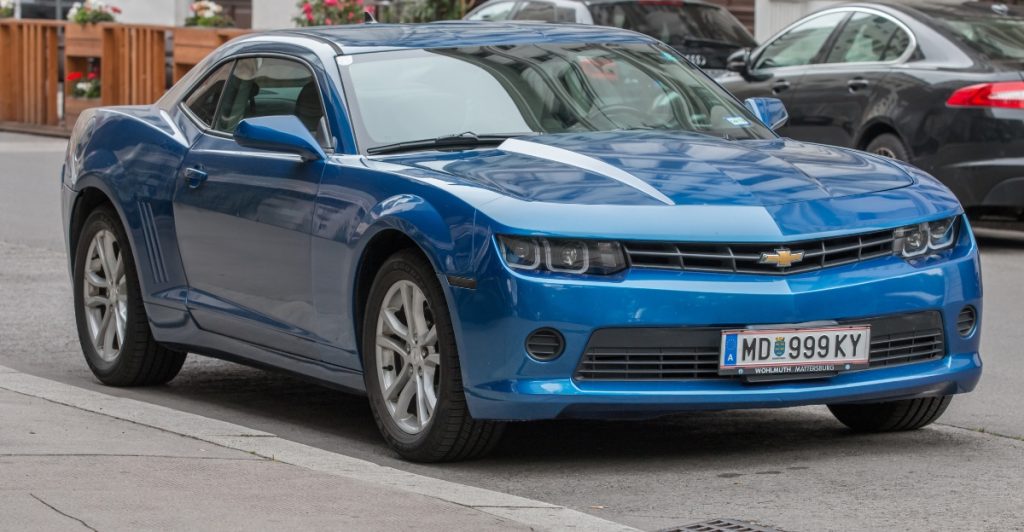
Chevrolet achieves roughly 4.5% probability, below the 4.8% industry baseline, according to iSeeCars. Quality improvements over the past decade have narrowed the gap with Japanese brands, but aggressive redesigns and turbocharged engines increase complexity and reduce long-term reliability. Toyota’s 17.8% probability shows nearly a fourfold difference. This gap impacts total cost of ownership, especially for buyers keeping vehicles long-term. Chevrolet has made progress, but consistent engineering and platform continuity remain critical for reaching 250,000 miles.
The Durability Divide Reshaping Automotive Markets
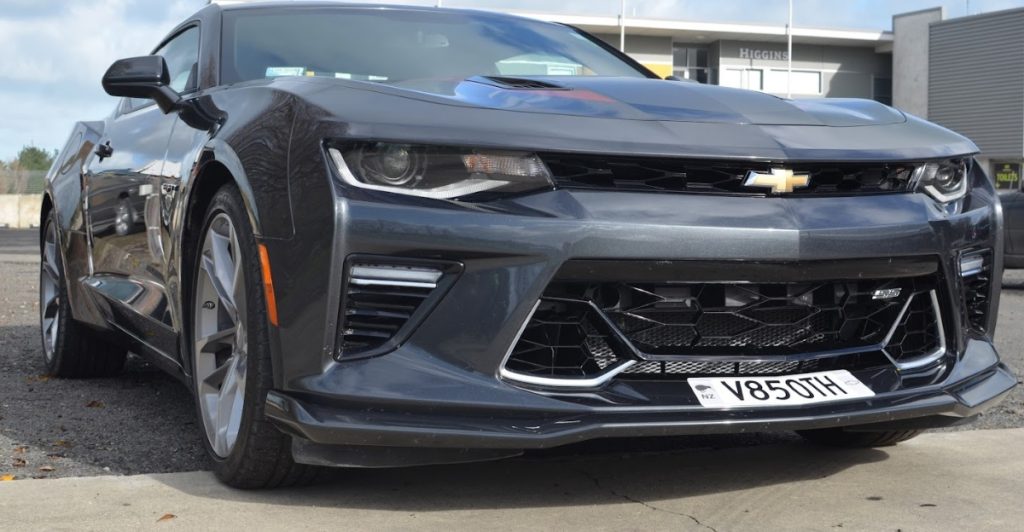
Toyota, Lexus, Honda, and Acura lead 250,000-mile survival at 1.5 to 3.7 times the industry average. GMC, Tesla, and Chevrolet fall just below 4.8%. Japanese engineering drives resale value, with used Honda and Toyota models commanding 20% to 30% premiums over American alternatives. These vehicles retain functionality longer and lower total ownership costs. Rising new vehicle prices make proven durability increasingly important. The concentration of long-lasting models among a few brands continues to influence consumer choices and reshape the automotive market for buyers prioritizing extended ownership.
Sources:
These Are the iSeeCars Longest-Lasting Car Brands. iSeeCars, September 2025
Who Makes the Most Reliable New Cars? Consumer Reports, December 2025
Leasing Decline Has Short-Term and Long-Term Implications. Cox Automotive, October 2022
Toyota Tops List of Brands More Likely to Hit 250K Mileage Milestone. USA Today, October 2025