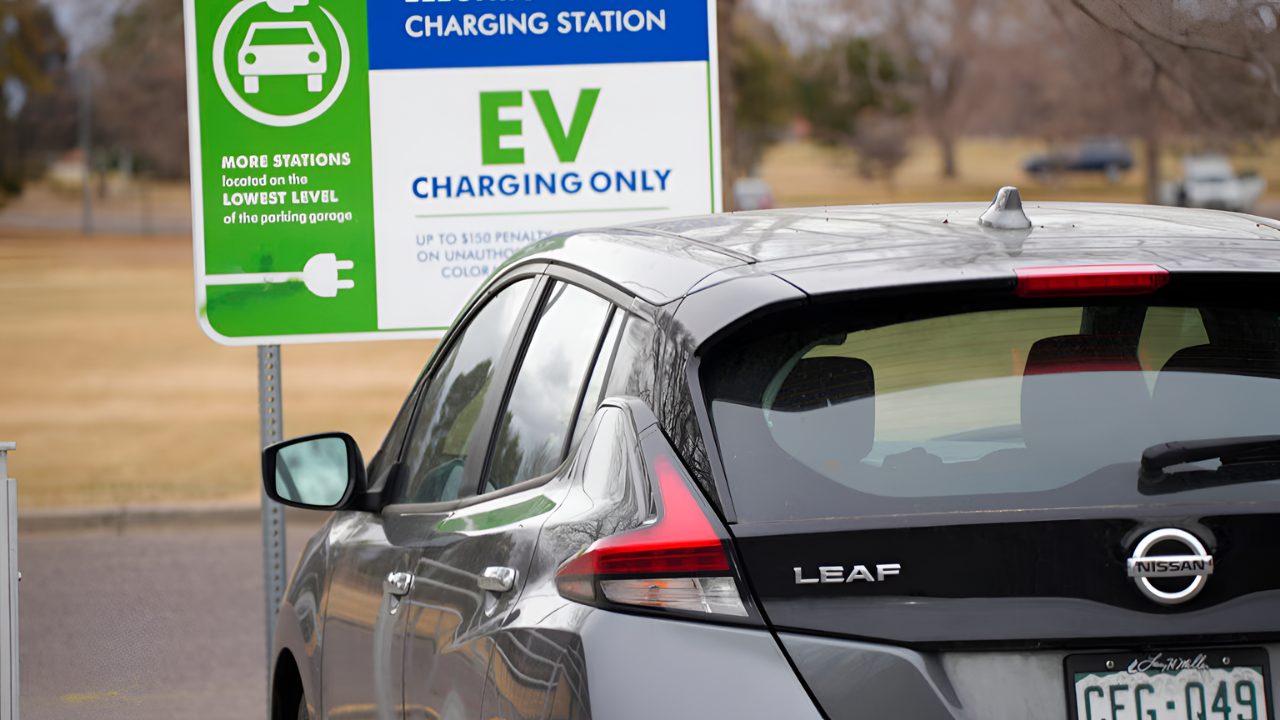
$7,500 EV Credit Ends as New $10,000 Loan Deduction Rewards Gas Car Buyers Through 2028
The longest-running vehicle incentive in American history ended suddenly on September 30, 2025. After seventeen years, federal EV tax credits disappeared overnight because of a single legislative move.
The One Big Beautiful Bill Act, signed on July 4, replaced the familiar $7,500 point-of-sale rebate with a figure that looks larger on paper: a $10,000 annual car loan interest deduction. The number is larger on paper. The benefit is smaller. At the same time, a flood of leased EVs was quietly approaching their return dates. Lawmakers in Washington seemed to overlook this detail entirely.
The Rush
Buyers rushed to act ahead of the September 30 deadline. In July 2025, EV sales soared compared to the year before as people scrambled to secure the credit before it disappeared.
Dealerships were selling cars faster than some manufacturers had managed in an entire year. In October, demand collapsed. The share of EVs in new-vehicle retail sales fell from nearly 13 percent in September to just over 5 percent in October. The market fell straight through the floor.
The Bait
Many assumed the $10,000 deduction was an upgrade over the $7,500 credit. The old credit gave buyers up to $7,500 at the dealership. The new deduction requires filing a tax return, having enough tax liability, and financing a new, U.S.-built car.
For a typical buyer with 7 percent interest on a $50,000 car, the first-year interest is about $3,100. The real tax savings are only around $400 to $700 per year. This change reduces the benefit to a fraction of what it once was.
The Flood

Lawmakers in Washington celebrated what they called “affordability relief.” At the same time, a wave of electric vehicles leased between January 2023 and September 2025 started returning to the market. Cox Automotive predicts that by 2027, EVs will make up nearly a quarter of all U.S. vehicles coming off lease, a large increase compared to a few years ago.
These three-year-old EVs usually come with full warranties and often sell for 40 to 50 percent less than a new model. Used Tesla prices dropped more than 10 percent year-over-year. A $10,000 deduction on a new car cannot compete with a $25,000 discount on a used one. The policy failed from the start.
Who Benefits
The deduction phases out for single filers earning over $100,000 and disappears entirely at $150,000. Claiming it requires sufficient tax liability. The benefit does not apply to used vehicles, leases, or imports. Of the 25 most popular cars sold in 2024, millions were built outside the U.S., leaving many buyers unable to qualify.
Sam Fiorani from AutoForecast Solutions notes that the old credit allowed manufacturers to capture thousands more than what most consumers paid. The new deduction kept the exclusions and reduced the typical benefit for buyers by about 90 percent.
The Bill
The Joint Committee on Taxation estimates that the car loan interest deduction could cost tens of billions of dollars over the next decade if it remains in place. Today, the average new car costs more than $50,000, an increase of over 20 percent since 2019.
The average buyer’s yearly tax savings barely cover a single car payment. Spending tens of billions of dollars to save families a few hundred dollars a year does not benefit consumers. The primary benefit goes to dealerships moving new domestic inventory.
The Casualties
Ford, Nissan, and Ram have already canceled or postponed U.S. EV models and production plans as demand dropped and incentives ended. Honda and its Acura brand canceled several North American EVs that were close to production, citing weaker demand after the policy change. Battery plant jobs once tied to the old incentives now face cuts as factories slow down. In Ohio, Tennessee, and Michigan, communities that retooled their plants for EVs have idle capacity. Hybrid sales set records in 2025 as many buyers chose them over fully electric cars.
NEVI charging network funding was briefly frozen and delayed before restarting under new rules. Most experts expect EV sales to decrease in 2026 compared to the surge at the end of 2025. The shift in the market is structural, not temporary.
The Precedent
Automakers invested about $48.3 billion in building EVs, based on the expectation that credits would last through 2032. Those credits ended seven years early, only 88 days after the new law passed. Every company that bases investments on government incentives now faces the risk that those guarantees may not last.
The EV credit served as both a subsidy and a promise. Ending it with just 88 days’ notice signals to every boardroom in America that federal policy can shift quickly.
The Trap

The deduction is available until December 31, 2028, giving buyers just under three years. Tariffs on vehicles have not fully affected prices yet, so qualifying cars are likely to become more expensive while the deduction remains unchanged.
Bank of America economist David Tinsley warned that affordability issues are especially acute among car buyers. If reliable used EVs from 2022 or 2023 fall below $20,000, budget-conscious buyers are unlikely to choose new models, regardless of any available deduction.
The Real Math
The pattern is clear. First, the government subsidized leases. Three years later, those leases produced a large number of cheap used EVs. Policymakers pointed to that supply as proof the original credit was unnecessary. Support then shifted to a deduction that mainly benefits higher-income buyers of new cars. The old credit worked for almost anyone with a credit score.
The new deduction applies to purchases of $50,000 cars built in the U.S. by buyers with sufficient tax liability. The tax code now serves a different group. Automakers must now decide whether to pressure Congress to reverse course before 2028 or accept losses and let the used market grow.
Sources:
H&R Block – Big Beautiful Bill changes: EV tax credits, car loan interest, and bonus depreciation – 2025-11-09
H&R Block – Guide to Tax Credits for Electric Vehicles (EVs) – 2025-09-16
H&R Block – One Big Beautiful Bill Act (OBBBA) Tax Impacts – 2025-11-20
CNBC – Interest on new car loans is now tax deductible up to $10000 – 2026-02-13
Thomson Reuters – 2025-2028 Vehicle Loan Interest Deduction: What You Need to Know – 2026-03-22