69% Of Young Americans Want Chinese Cars Dealers Won’t Allow—March 17 Ban Locks Them Out
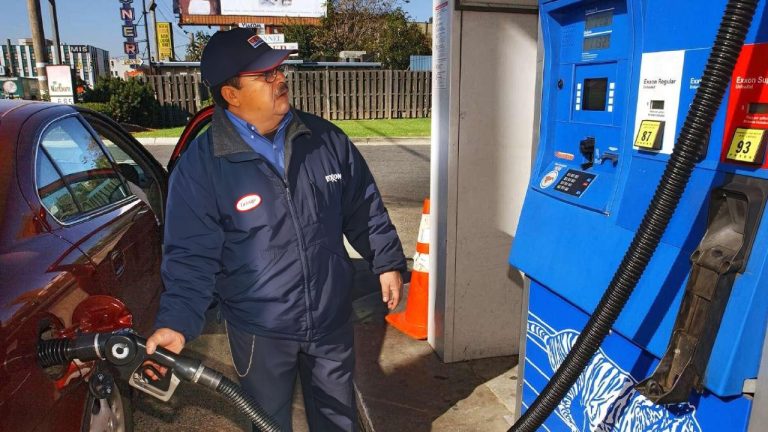
The average new car in America now costs $50,080. That number broke the $50,000 threshold for the first time in September 2025, the highest nominal vehicle price on record.
Monthly payments average nearly $750. Nearly one in five new-car buyers pays $1,000 or more every month. And the generation facing those numbers, the one just entering the market with the least savings and the shortest credit history, just told a national survey exactly what they plan to do about it.
The Signal
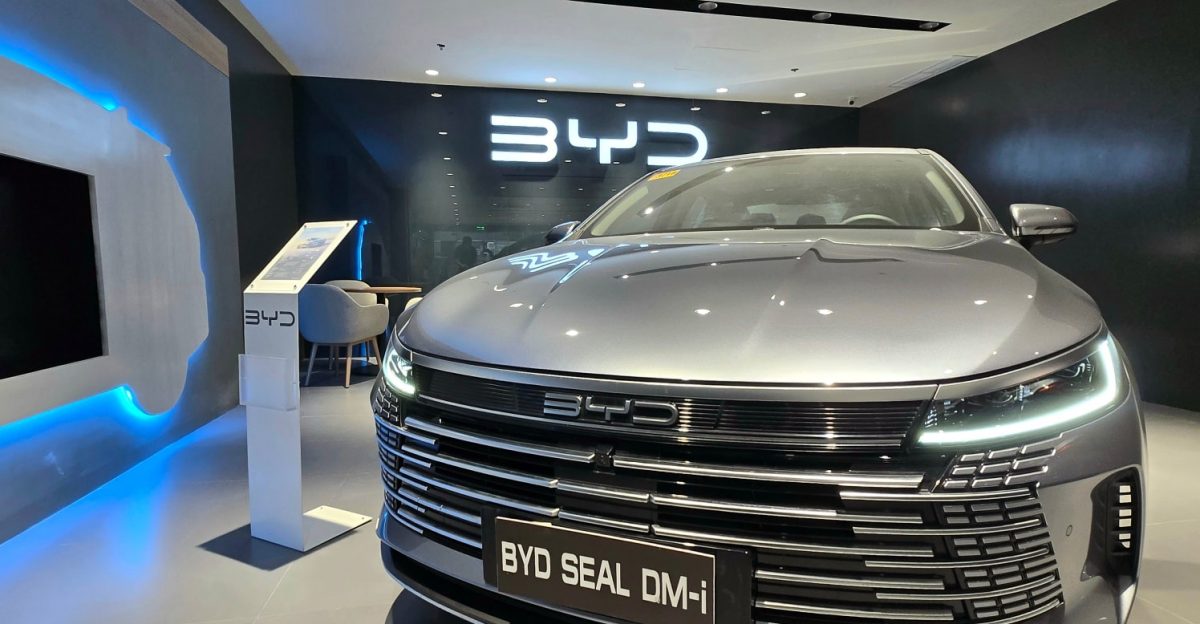
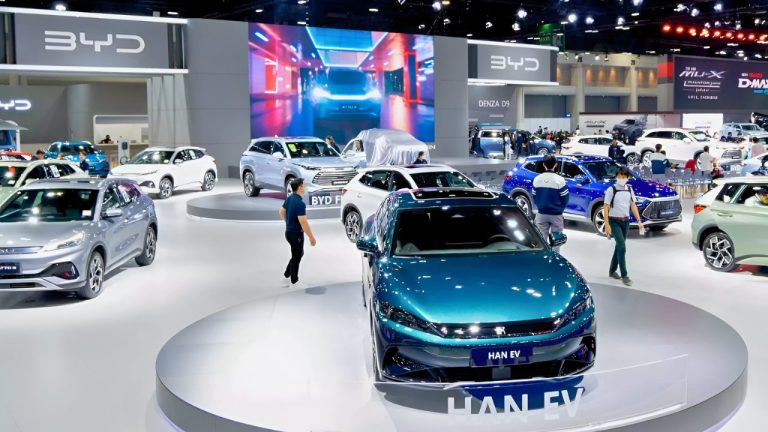
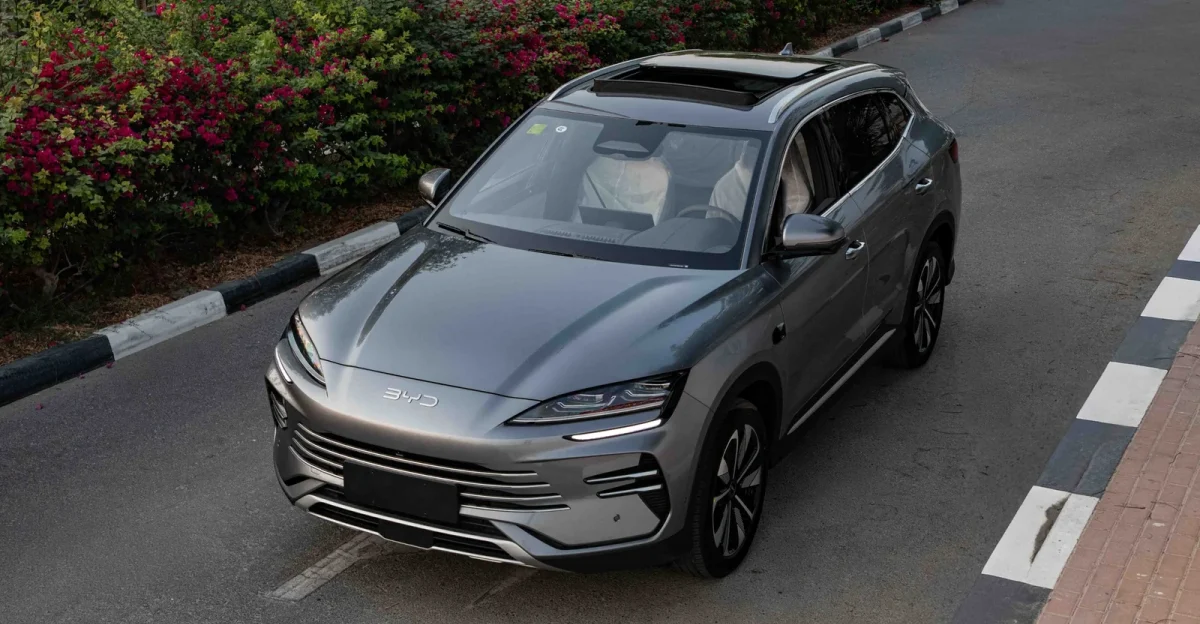
Cox Automotive asked Gen Z consumers whether they’d consider buying a Chinese vehicle brand like BYD. Sixty-nine percent said yes. Among all American adults, 38% expressed the same willingness.
That 31-point generational gap is among the widest preference splits between age cohorts on any automotive origin question in recent survey data. Meanwhile, younger buyers continue to lose market share as affordability pushes them toward used vehicles or out of the market entirely. Young buyers aren’t leaving the market by choice. They’re being pushed.
Dealer Resistance
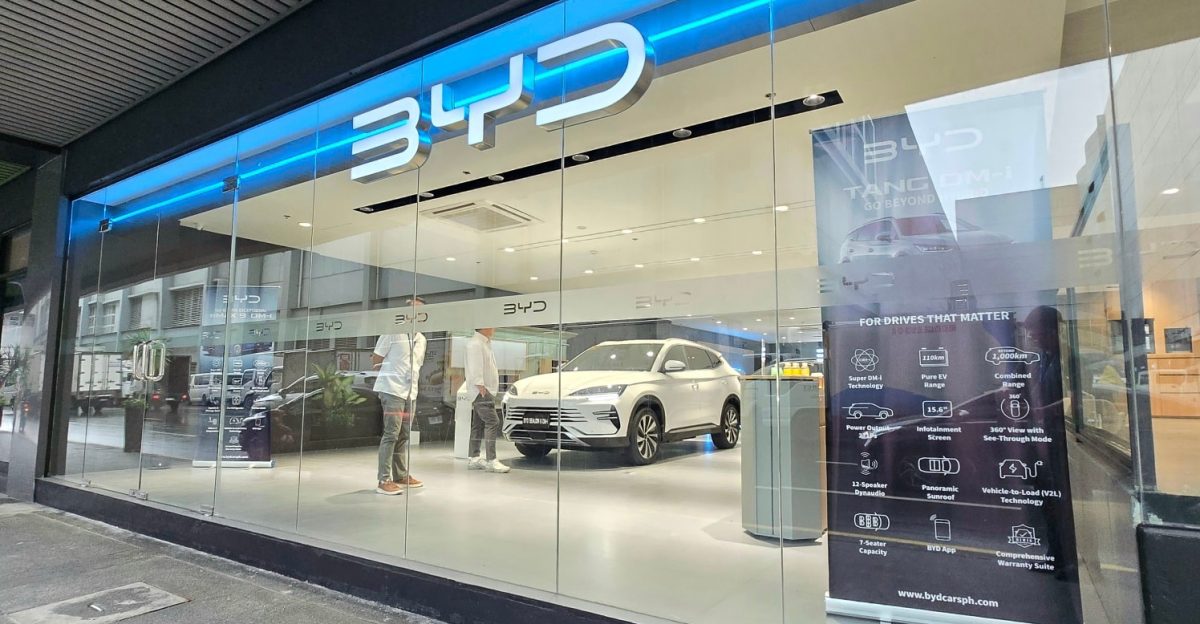
Only 15% of U.S. auto dealers support Chinese automakers entering the American market. Consumers? Forty percent back it. That 25-point gap between sellers and buyers would be strange in any industry.
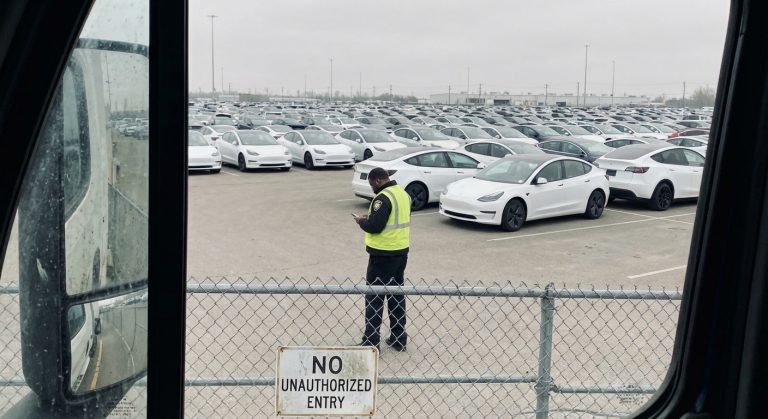
In one where dealership customer traffic just hit record lows, with Cox Automotive’s traffic index falling to 31 overall and 29 for in-person visits in Q4 2025, it borders on self-destructive. Sixty-eight percent of consumers expect Chinese vehicles would be priced more competitively than existing options. They know the threat. They’d rather block it than compete.
The Real Fear
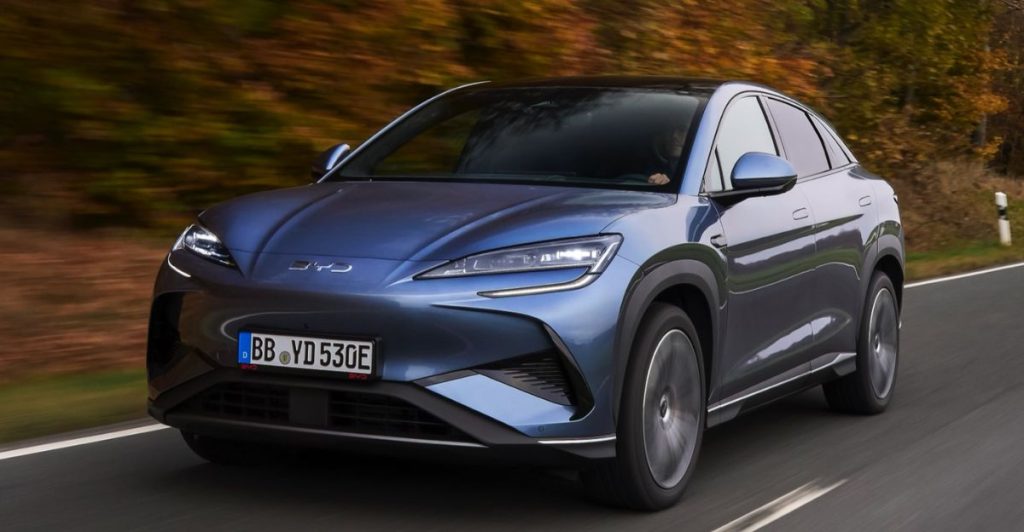
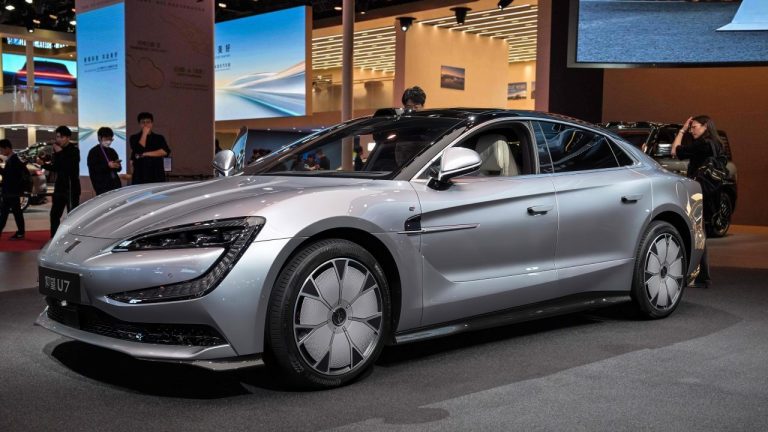
The safety myth is dead. BYD’s Sealion 7 earned a five-star Euro NCAP rating: 87% adult occupant protection, 93% child protection. Dealers don’t oppose Chinese cars because they’re dangerous. They oppose them because Chinese manufacturers hold a documented 30-40% cost advantage in production.
Applied to that $50,080 average price, the math lands around a $17,500 difference per vehicle. That gap doesn’t threaten consumer safety. It threatens the entire margin structure American dealerships depend on to survive.
The Machine
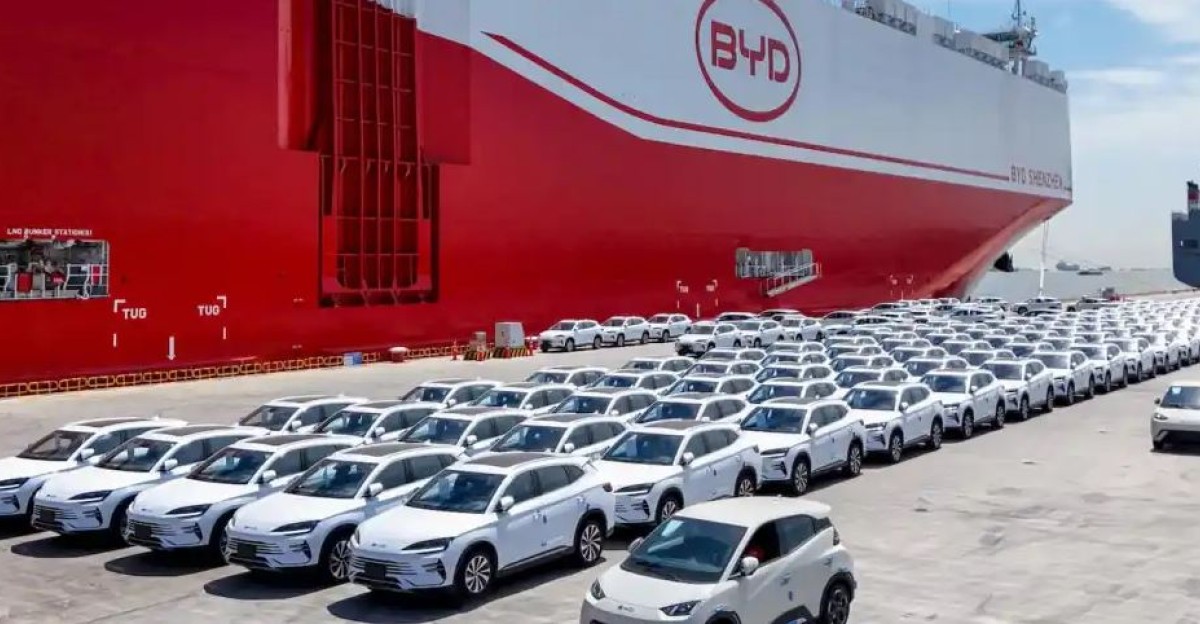
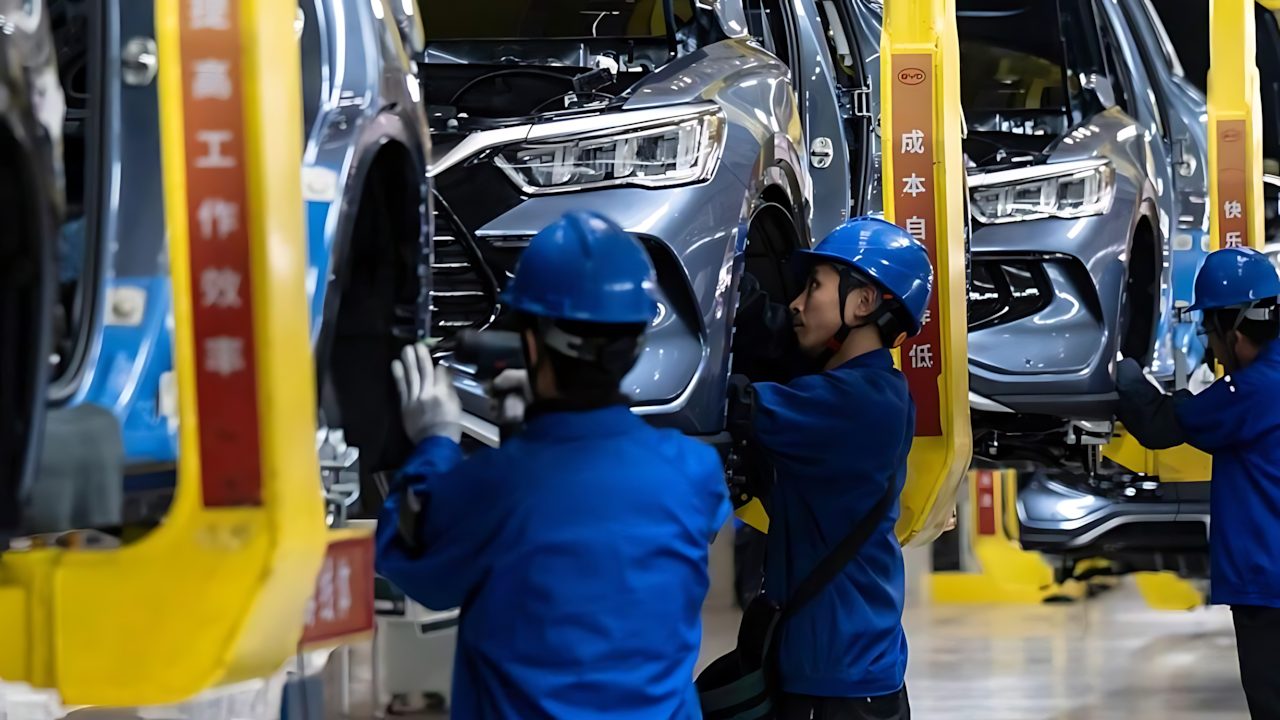
BYD exported 1.0496 million vehicles in 2025, a 145% year-over-year surge. In Europe alone, BYD moved roughly 187,000 units, a 276% increase.
China’s total vehicle exports surpassed Japan’s for the first time on record. This is vertical integration at a scale Detroit cannot replicate overnight: BYD manufactures its own batteries, controls its own supply chain, and prices accordingly. The rest of the world is already buying. The U.S. is the outlier, not the standard.
Border Proof
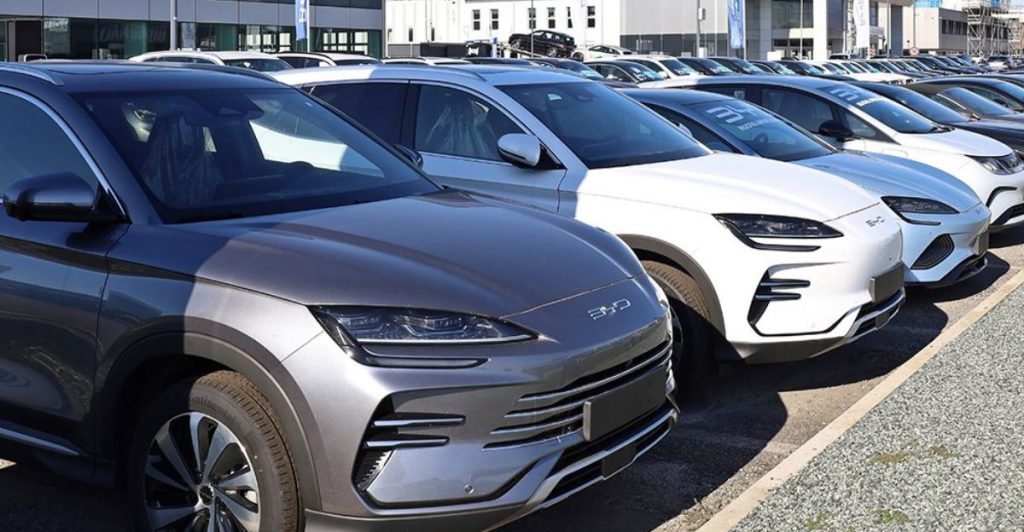
Mexico sold approximately 244,000 Chinese-brand vehicles in 2025, capturing roughly 15% of its entire auto market in a single year. That adoption curve mirrors what Japanese automakers achieved in the 1980s, compressed into a fraction of the timeline.
Canada reduced tariffs on Chinese EVs to 6.1% and authorized 49,000 imports annually starting 2026. Two of America’s closest trading partners opened the door. American consumers under 27 will watch affordable EVs roll past on both sides of the border.
The Squeeze

Sixty-two percent of American consumers now believe new vehicles are unaffordable. More than half, 54%, plan to switch brands on their next purchase. Brand loyalty is dissolving under financial pressure, and dealership sentiment reflects it: Cox Automotive’s Dealer Sentiment Index fell to 38 for current market conditions in Q4 2025, well below the positive threshold of 50.
Deputy Chief Economist Mark Strand confirmed dealers are “signaling caution” amid “persistent economic uncertainty and fading consumer confidence.” Traffic is cratering while the industry fights the only force that could reverse it.
The Lockout
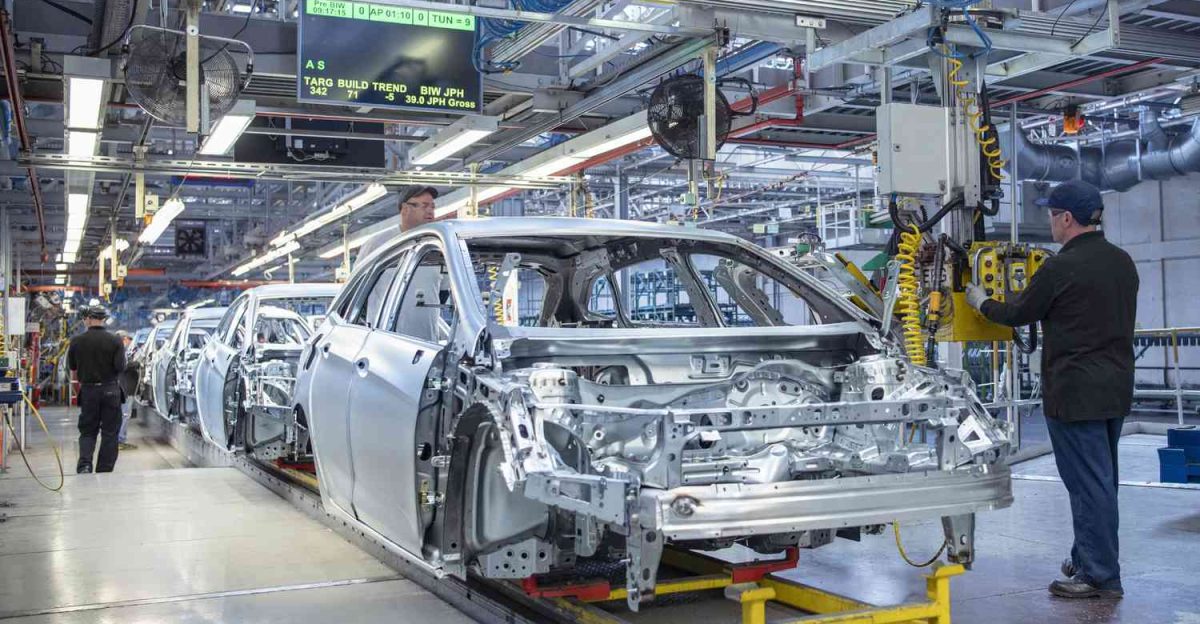
On March 17, 2026, U.S. regulations will require automakers to confirm that essential connected systems contain no Chinese-developed software. That rule eliminates the most viable pathway for Chinese vehicles to enter the American market.
The timing is surgical: the ban arrives precisely when survey data proves majority Gen Z demand, when global adoption is accelerating, and when the affordability crisis is at its worst. This isn’t a security policy reacting to a threat. It’s an industrial policy responding to a preference.
What Comes Next

If Chinese vehicles stay blocked, dealership traffic won’t recover because the affordability crisis is structural, not cyclical. Gen Z buyers will migrate to used vehicles, car-sharing, or skip ownership entirely, cannibalizing the very profit margins dealers thought they were protecting.
Japanese and Korean automakers face the same Chinese competition in every affordable segment. And across both borders, Chinese EV market share will keep climbing, creating cross-border awareness that no tariff wall can contain. The demand pressure doesn’t disappear. It relocates.
The Framework
Here is what most people will miss about this story. Every dealer sentiment report showing record-low traffic and every policy statement invoking consumer protection actually reveals the same system working exactly as designed: excluding affordable competition to preserve price architecture.
Thirty-five percent of American shoppers already recognize BYD by name. Sixty-nine percent of the next generation of buyers said yes. The question going forward is whether Chinese manufacturers wait for a political shift, establish joint ventures to sidestep restrictions, or simply let the border do the selling for them.
Sources
Cox Automotive, “Chinese Auto Brands: What U.S. Consumers and Dealers Think,” Feb. 25, 2026
Cox Automotive, “Q4 2025 Cox Automotive Dealer Sentiment Index,” Dec. 2, 2025
Cox Automotive / Kelley Blue Book, “September 2025 Average Transaction Price Report,” Oct. 15, 2025
Experian, “Average Car Payment Data, Q3 2025,” via Road & Track, Dec. 14, 2025
Euro NCAP, “BYD Sealion 7 Safety Rating,” 2025
Reuters, “Canada, China Slash EV, Canola Tariffs in Reset of Ties,” Jan. 15, 2026
U.S. Department of Commerce, “Connected Vehicle Rule on Chinese-Developed Software,” via Autoblog, Feb. 7, 2026