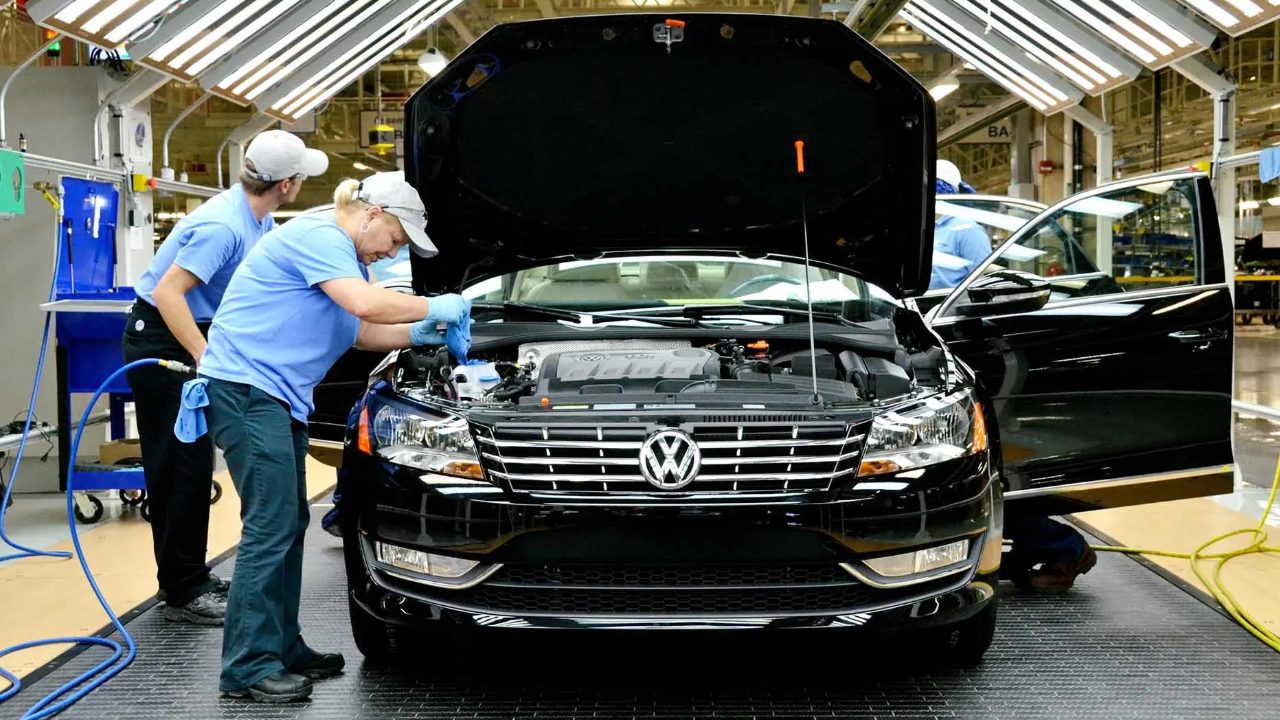
684,000 Workers Brace For Cuts After VW CEO Declares Brand Business Model Broken
Volkswagen’s leadership made a rare public admission: the VW brand’s business model no longer works under current market conditions. The company’s flagship brand can no longer rely on its traditional approach to making money.
The Group still delivered roughly 9.2 million vehicles in 2023 and employed about 684,000 people worldwide. Yet the message from the top was unmistakable. Something fundamental is broken.
Giant Numbers
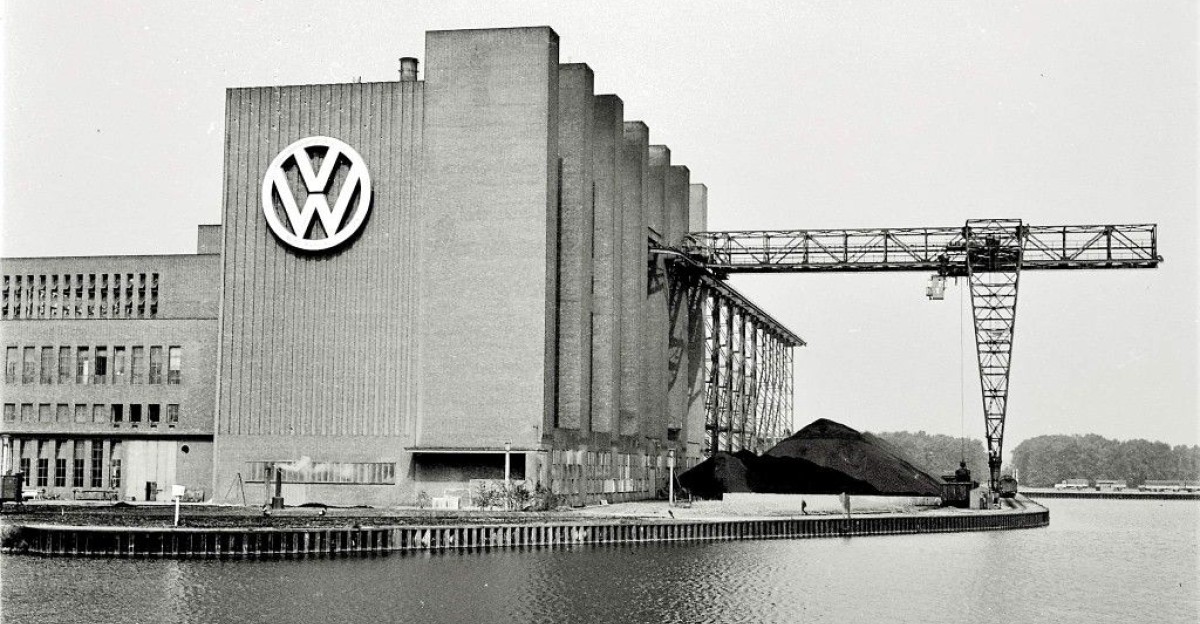
That admission came against a backdrop of eye-catching financials. Volkswagen Group posted €322.3 billion in revenue and €22.5 billion in operating profit in 2023, for an operating margin of about 7%. By most measures, those are healthy numbers.
The real trouble sits deeper, inside the VW passenger-car brand, where cost structures and pricing power are pulling apart fast enough to force a public confession from leadership.
The Myth Cracks
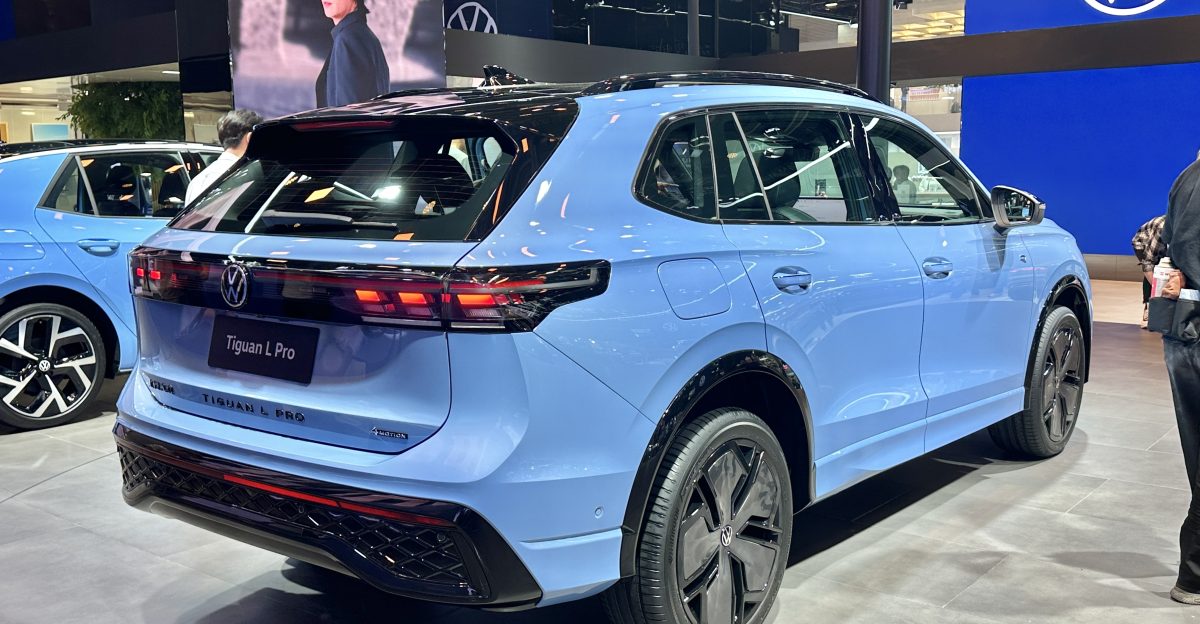
The typical assumption is simple: sell millions of cars, employ hundreds of thousands, and the company stands untouchable. VW moved 9.2 million vehicles. That scale used to be protection. Now, intense competition from Chinese automakers has pushed European prices down so quickly that volume alone can’t close the gap.
VW management warned that this pressure is structural, not temporary. The belief that scale equals safety just collided with a price floor that keeps dropping.
Cost-Structure Race
At today’s prices, the brand-level math no longer works. VW needs cost reductions and productivity improvements to restore profitability at the core brand, tying those goals to a performance program with a 2026 deadline.
The IEA has tracked accelerating EV price competition, fueled by Chinese manufacturers with significant cost advantages. Prices dropped. VW’s costs did not. The gap keeps widening, and every quarter without progress narrows the company’s options.
Hidden Mechanism
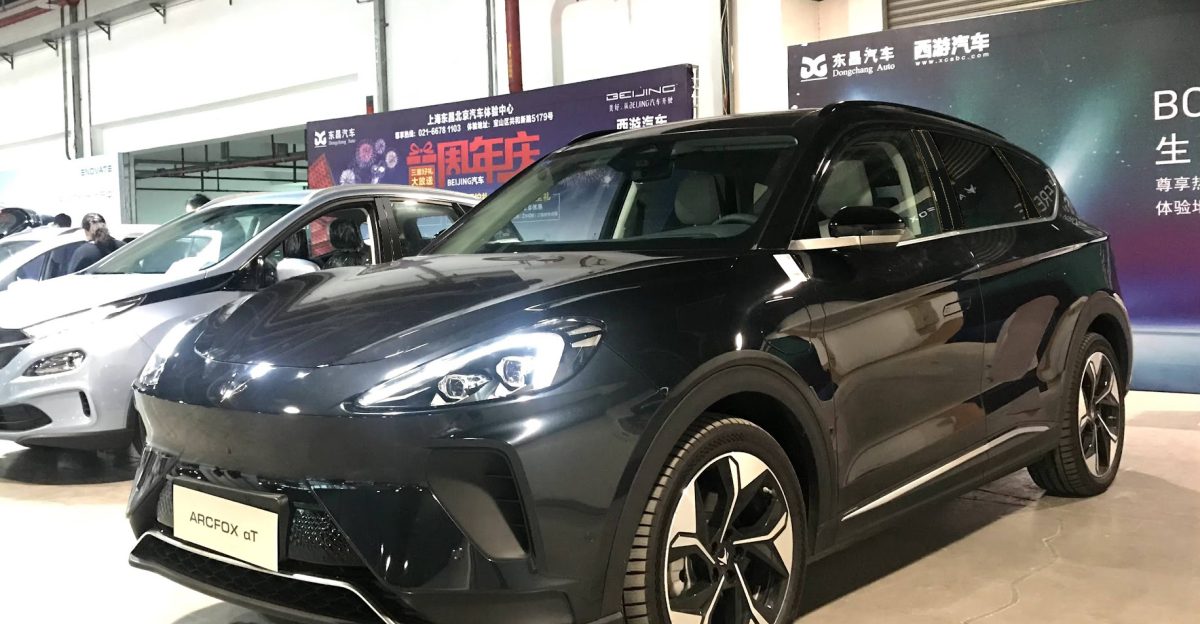
The real product in this era is the cost curve itself. Chinese EV manufacturers have significant cost advantages, while European automakers carry legacy cost structures that were built for a different pricing era. That complexity was once an advantage. Now it acts as an anchor.
When the IEA describes EV price competition as a system-level margin compressor, this is the mechanism. The battle now takes place on the factory floor.
The Numbers Bite
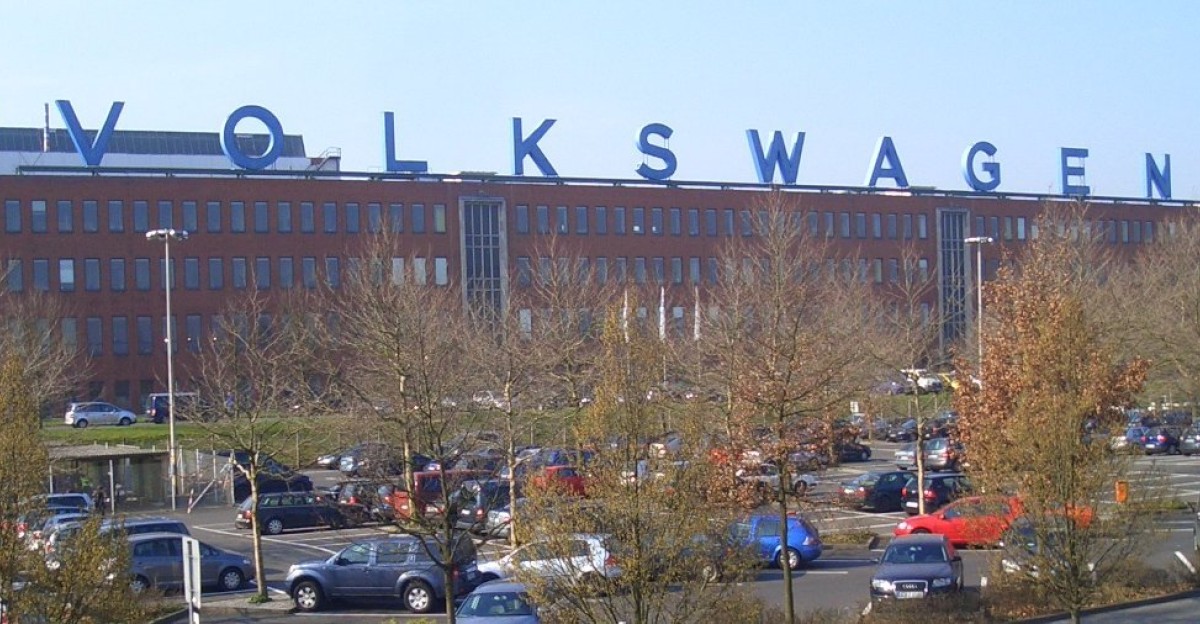
The per-unit math tells the story. The Group earns roughly €35,000 in revenue per vehicle, and about €32,900 in operating profit per employee. These figures look solid, but the VW brand’s margins fall below the Group average, weighed down by the very cost pressures leadership has outlined.
VW’s 2024 half-year reporting described a “challenging environment” and highlighted ongoing margin pressure. The financial squeeze is already visible in the filings.
A Cost Reset
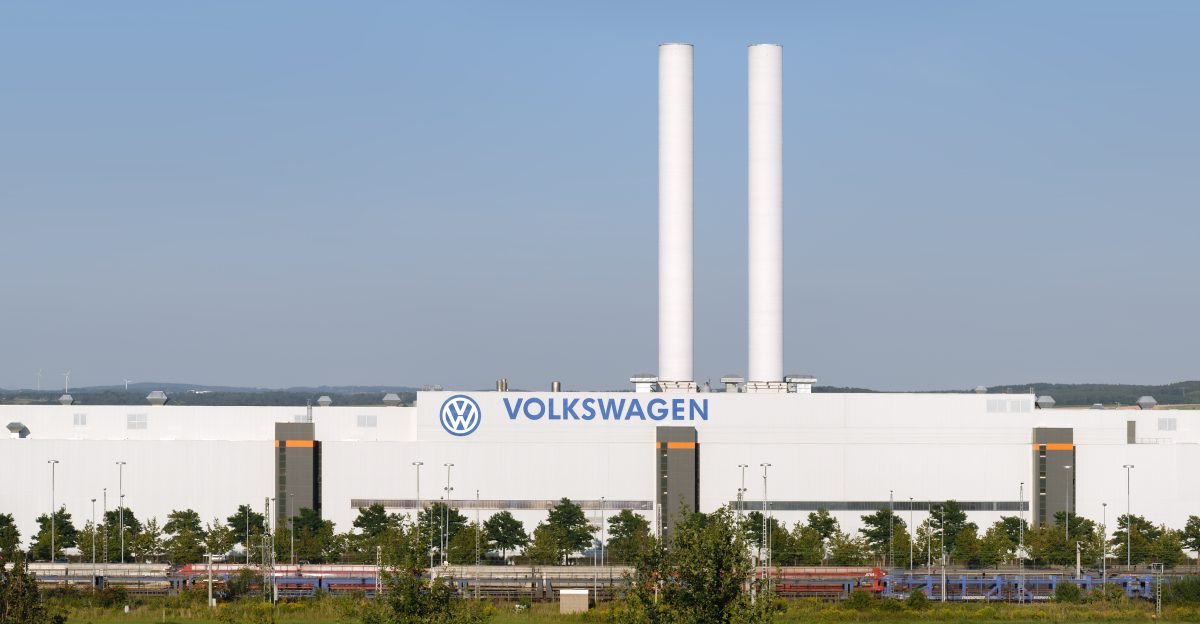
When a company this size signals a cost reset, the effects ripple far beyond the factory gate. Suppliers face renegotiated terms. Capital spending faces heightened scrutiny and reprioritization. High-cost plants and slower-selling trims are at greater risk.
Price competition and margin pressure spread across European automakers, because if VW can’t sustain its pricing, smaller manufacturers have even less leverage. While consumers may see lower sticker prices, workers and communities tied to legacy production bear the cost of that transition.
Hard Deadline
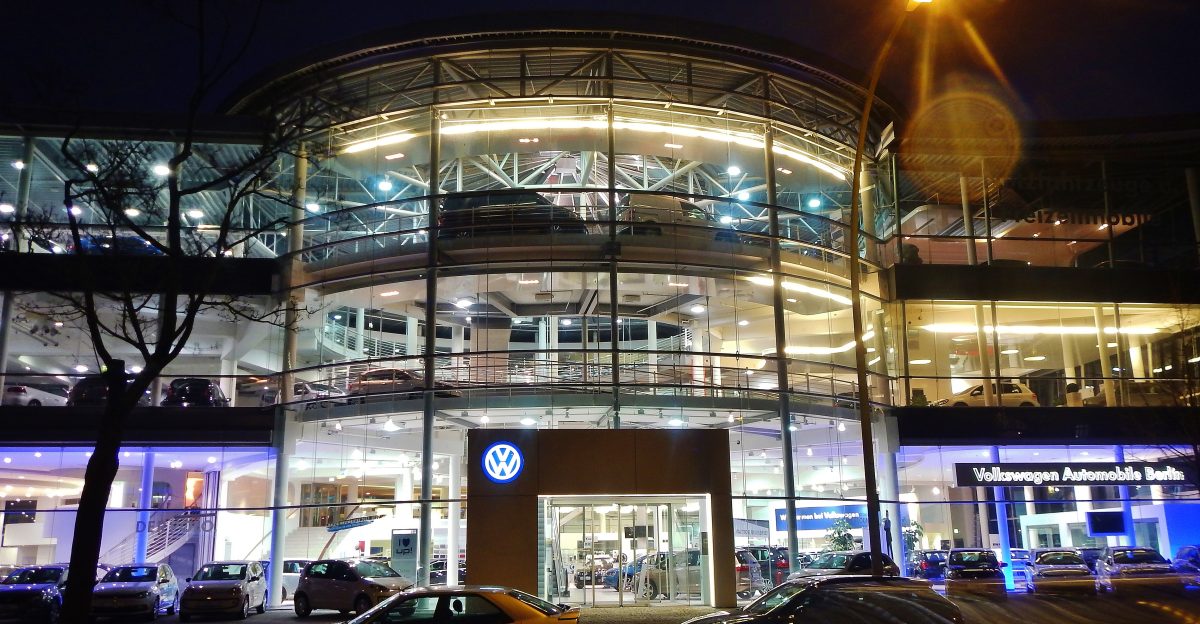
This moment goes beyond one company’s restructuring memo. Leadership at one of the world’s largest automakers has admitted its brand-level model no longer works and connected recovery to a hard deadline. That opens the door for the entire industry to acknowledge what has long been avoided: volume without pricing power turns into a treadmill.
Missing profitability targets by 2026 raises the risk of harsher restructuring steps. This is not just a VW issue. This sets a precedent. Every European automaker watching knows the same math applies to them.
The Escalation Path
The 2026 deadline stands as a line in the sand. Missing those targets leads toward deeper cuts, changes to the company’s footprint, and policy battles over trade. EU trade policy toward China, including active trade-defense measures, adds more uncertainty.
Trade-defense measures could affect automotive cost structures and pricing, complicating planning. High-cost plants, legacy architectures, and the suppliers built around them are all at risk. The clock is running, and the margin gap remains open.
The Real Question

A counter-move is already taking shape: trade-defense actions, localization efforts, and political pressure to protect domestic production. Whether any of it comes soon enough to change VW’s brand-level economics before 2026 is an open question. This was never a product problem. VW continues to build cars that sell by the millions.
The real failure lies in the underlying cost structure, and cost structures never change with a press release. Anyone who understands this distinction now sees the industry more clearly than most analysts covering it.
Sources:
Volkswagen Group Annual Report 2023 — Volkswagen Group — March 13, 2024
Volkswagen Brand’s Biggest Performance Program on Track, with Earnings Contributions — Volkswagen Newsroom (Press Release) — December 18, 2023
Volkswagen Group Half-Yearly Financial Report January–June 2024 — Volkswagen Group — August 1, 2024
Global EV Outlook 2024 — International Energy Agency (IEA) — April 2024
Volkswagen’s CEO Just Admitted Its Business Model Doesn’t Work Anymore — The Autopian — March 9, 2026