64,701 Catalytic Converters Stolen—$545 Million Crime Ring Reveals Which Cars Thieves Target First
On a Tuesday morning, the car key turns, and the engine screams like a broken chainsaw. Underneath, something sounds gutted. It is. Across the country, vehicle owners wake to the same reality: a crucial emissions part, gone overnight.
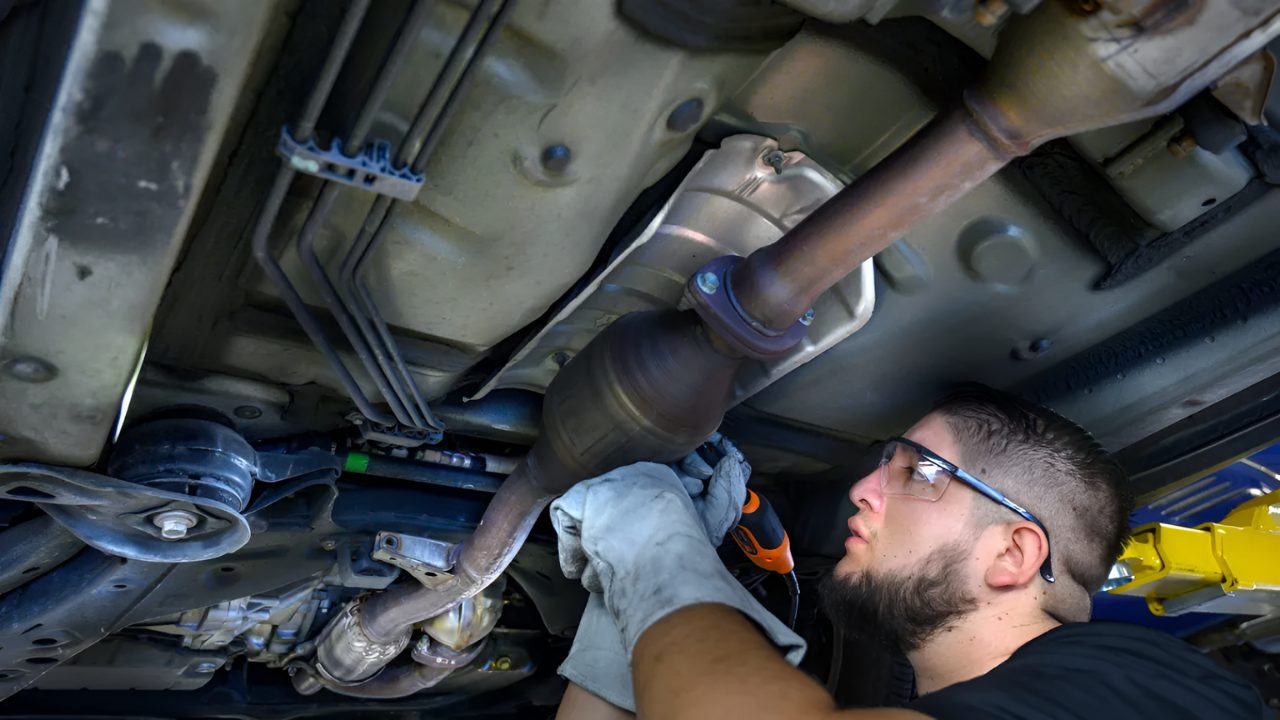
The catalytic converter contains platinum, palladium, and rhodium: precious metals with serious value on the black market. Thieves finish the job in minutes. The repair bill lands on the owner.
A Crime That Keeps Growing
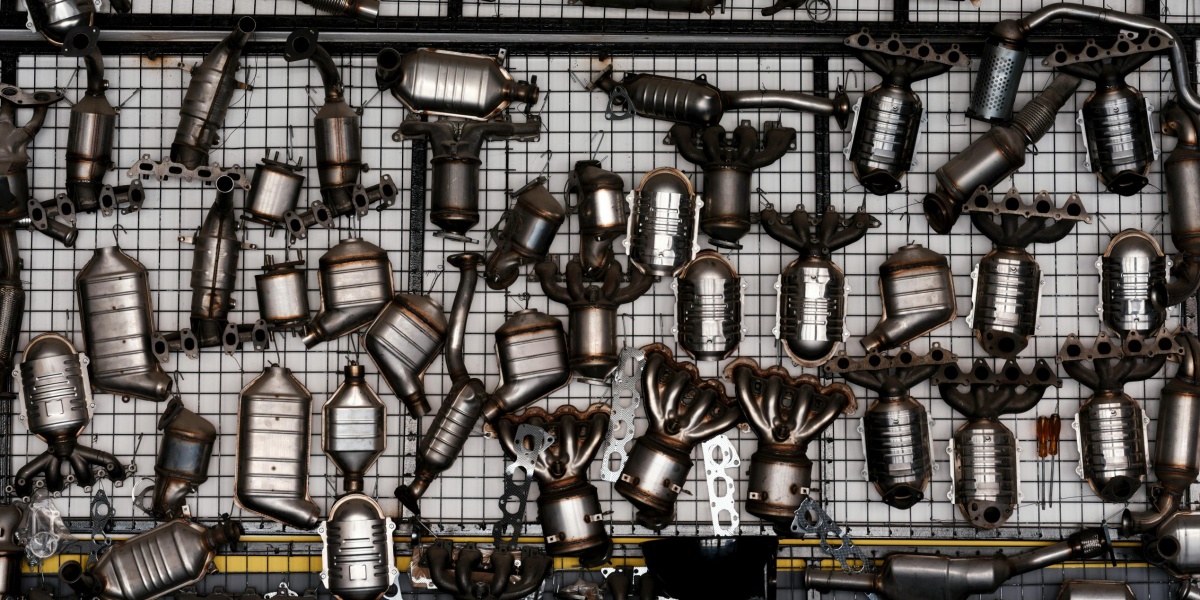
The National Insurance Crime Bureau reported 64,701 catalytic converter thefts in 2022. The agency called it one thing: skyrocketed.
In 2023, thefts dropped by roughly half, to approximately 32,000, about a 50% decline. People relaxed. Some believed the worst had passed. Thefts declined further in 2024, down another 74% by mid-year according to State Farm data — before signs of a renewed cycle emerged in 2025 and 2026 as precious-metal prices climbed again. Every parking lot, driveway, and overnight street spot becomes a potential target once more.
More Than Petty Theft
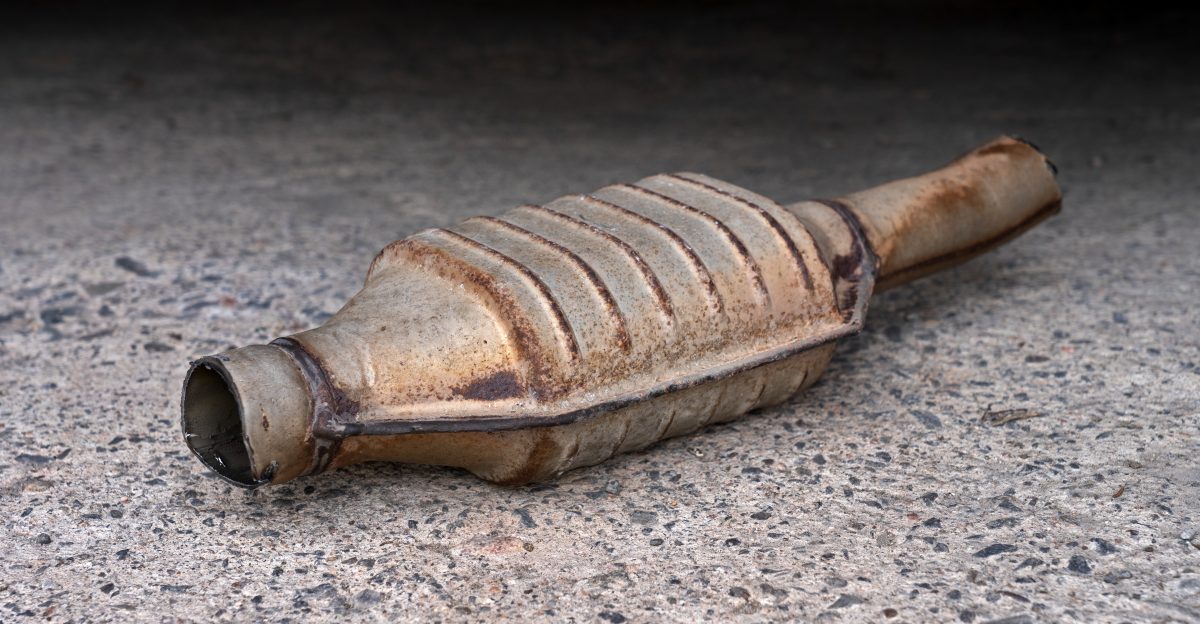
Catalytic converter theft still carries a reputation as random, petty, and local. The image: some kid with a saw and bad luck. The reality looks nothing like that.
The U.S. Department of Justice charged 21 defendants in a theft ring valued at $545 million. This is interstate logistics, aggregation points, and a resale pipeline processing stolen parts at an industrial scale. Parking habits never stood a chance against a supply chain this organized.
How the Theft Rings Work
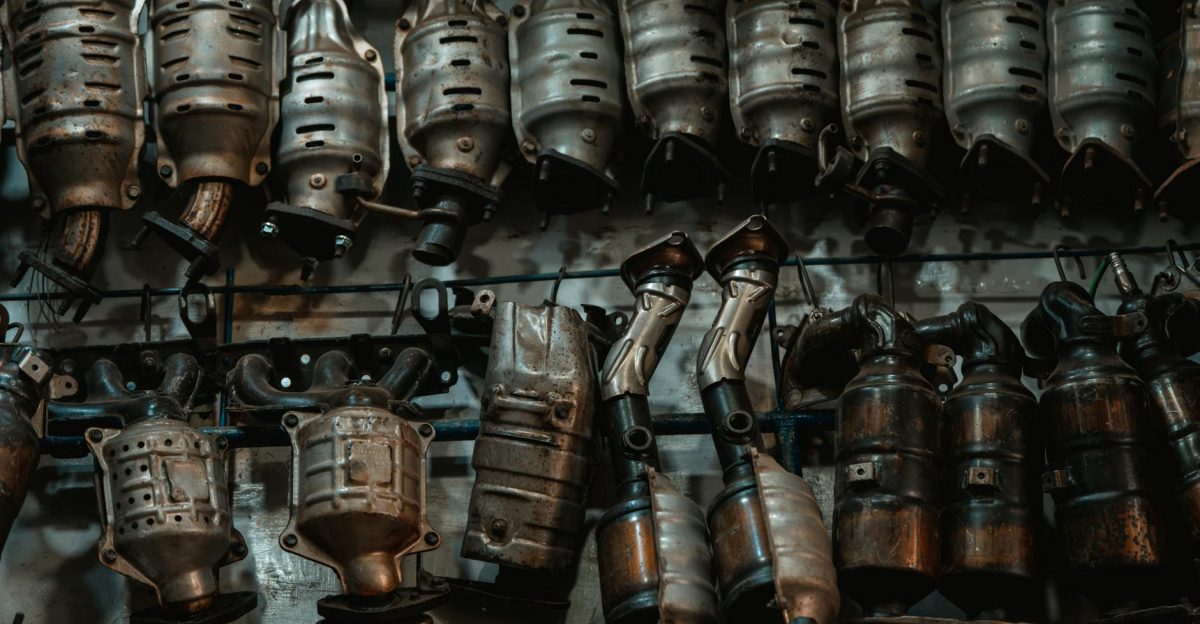
The DOJ case revealed the machinery: thieves cut converters, fences gather them, processors extract the metals, and cash moves back through the chain. Theft to resale to payday. One ring. Twenty-one defendants. $545 million. The converter is just a token in a larger commodity market.
Thieves select vehicles they can reach in seconds, prioritizing those with converters worth the most at the refinery. Speed and payout drive every decision.
Why Certain Vehicles Get Hit
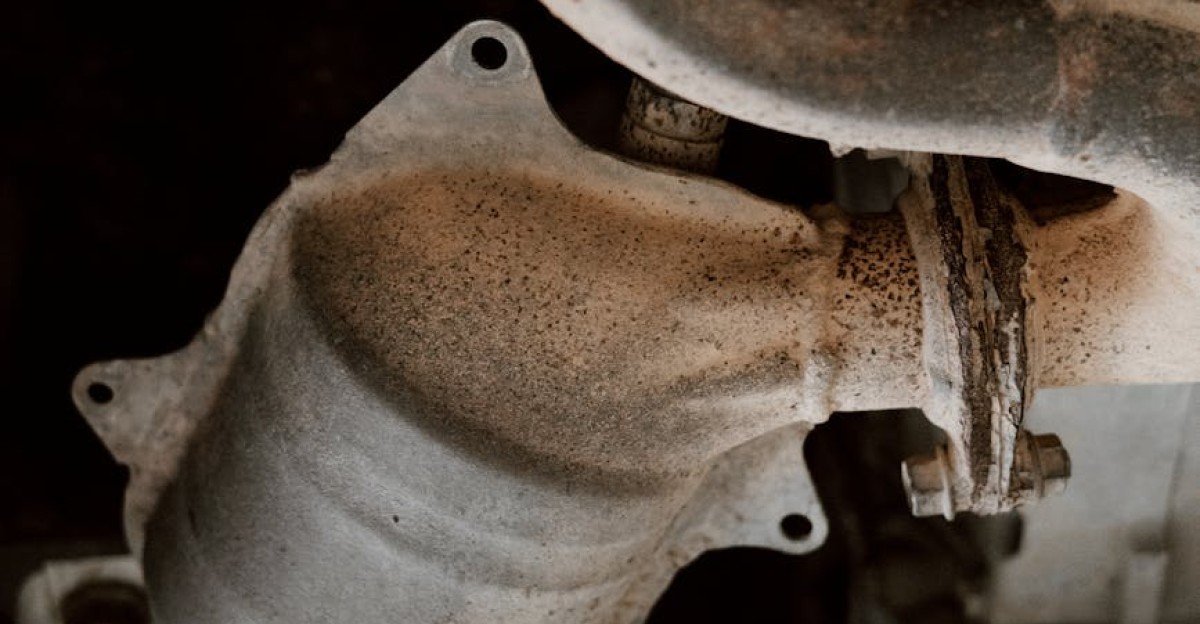
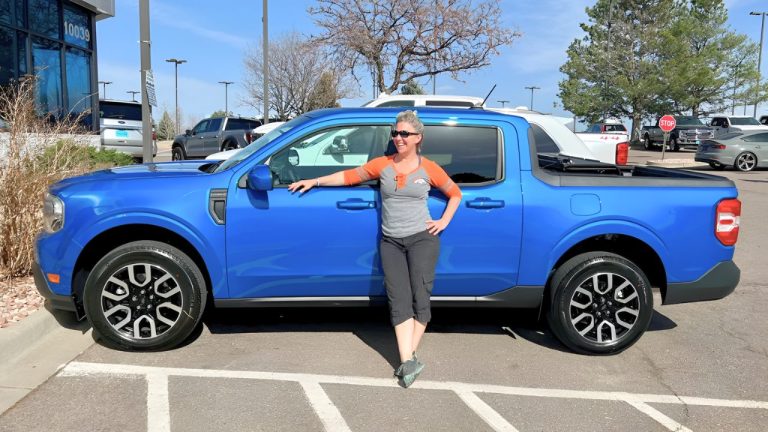
Surprisingly, the “best target” rarely relates to sticker price. Carfax and Kelley Blue Book point to vehicles being hit more often because of higher ground clearance and higher-value converters. A work truck in a fleet lot can bring a bigger payday than a sports car in a locked garage.
When the theft takes minutes, the top choice is always the vehicle that minimizes risk. Height and accessibility matter more than luxury.
The Personal Cost
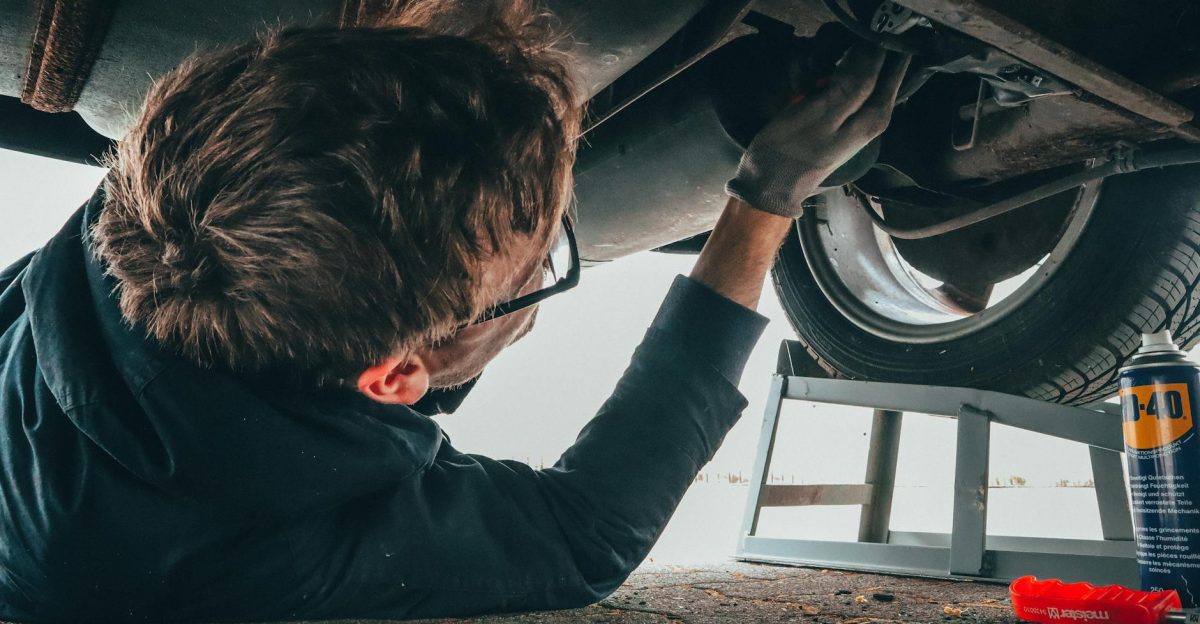
A stolen converter leaves a vehicle loud, possibly undrivable, and costly to repair. Owners face replacement costs and days of downtime waiting for parts. Multiply that across tens of thousands each year.
The 2022 peak reached 64,701 reported thefts, and even the “down” year logged approximately 32,000 — about 88 vehicles stripped every day of 2023. Each one means someone stranded, calling a tow truck, and facing an unexpected bill.
Wider Consequences
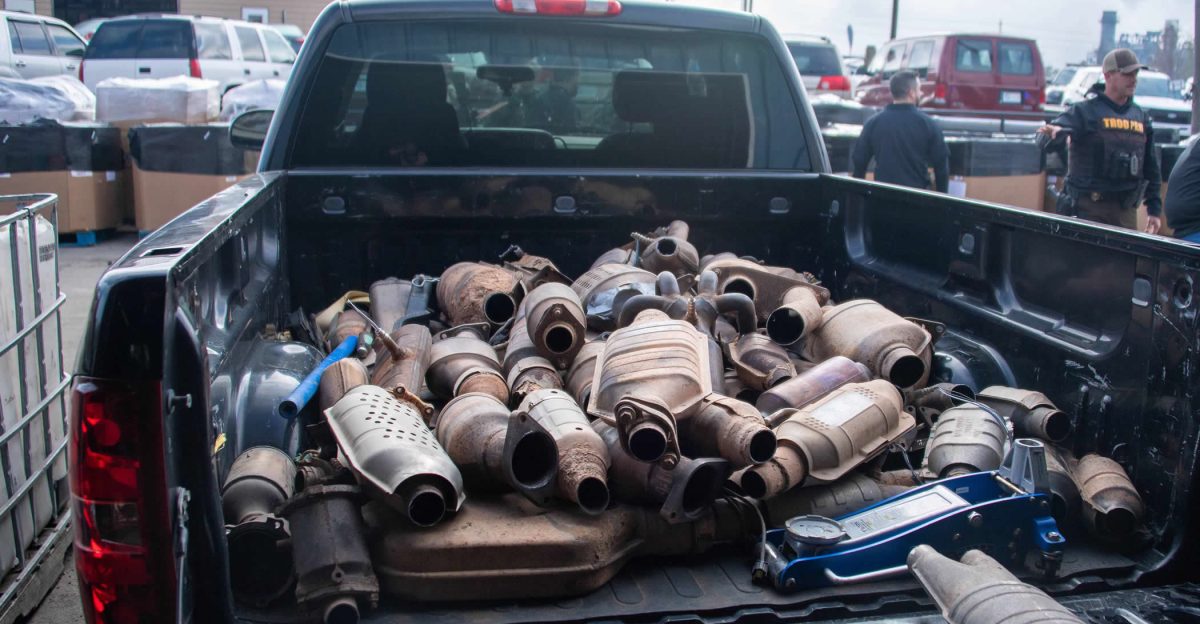
Insurance companies process the same claims again and again. Repair shops treat converter replacements like seasonal inventory. Fleet operators with predictable parking patterns see repeat hits on the same vehicles.
The first ripple is personal: more owners buy anti-theft shields, etch VINs into converter housings, and change overnight parking habits. The next ripple is economic. Elevated precious-metal prices keep the incentive strong. Prevention slows the losses. The underlying problem remains open.
A Shift in Enforcement

The DOJ prosecution set a new precedent. Federal charges against an organized converter ring show that Washington is treating this as structured interstate crime rather than a local nuisance.
Many missed that shift. The 2023 dip looked like progress, but it may have been a pause while the market recalibrated. One prosecution proves the market exists. And markets adapt.
The Cycle Continues
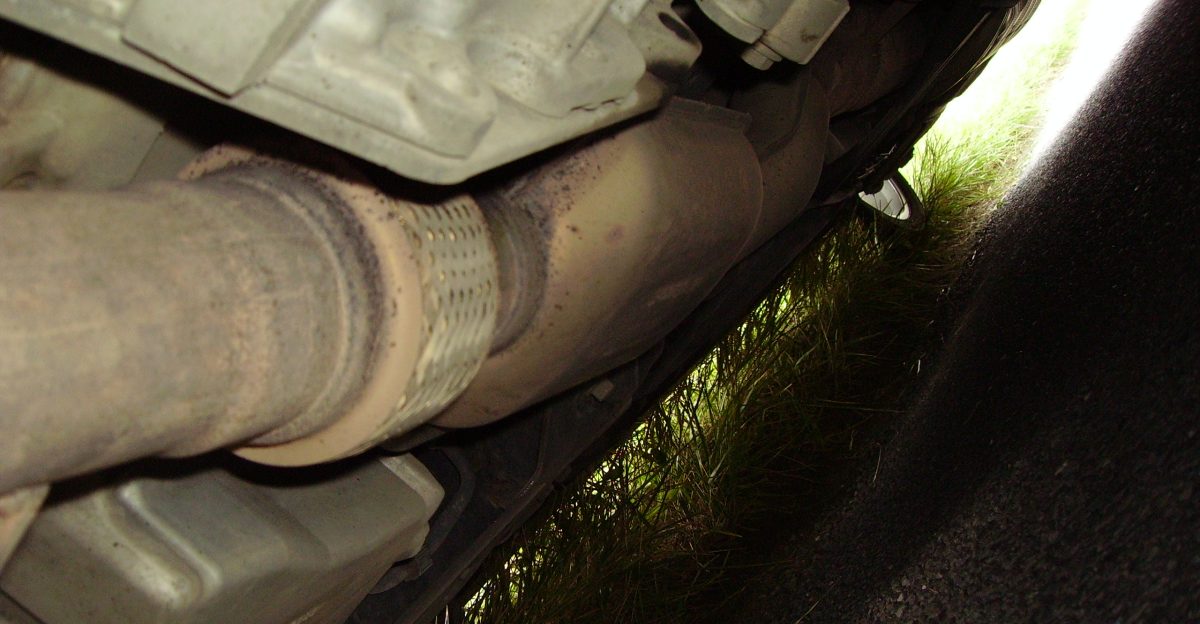
Thieves respond to shields by shifting to easier locations and unprotected models. That escalation path shows up in the NICB’s repeat prevention guidance, which keeps changing as the threat evolves. High-clearance vehicle owners and fleet operators with predictable overnight parking become the next targets.
The crime follows the path of least resistance, but resistance is uneven across neighborhoods. Some owners harden their vehicles, while neighbors become new targets. The wave moves down the street.
Breaking the Cycle
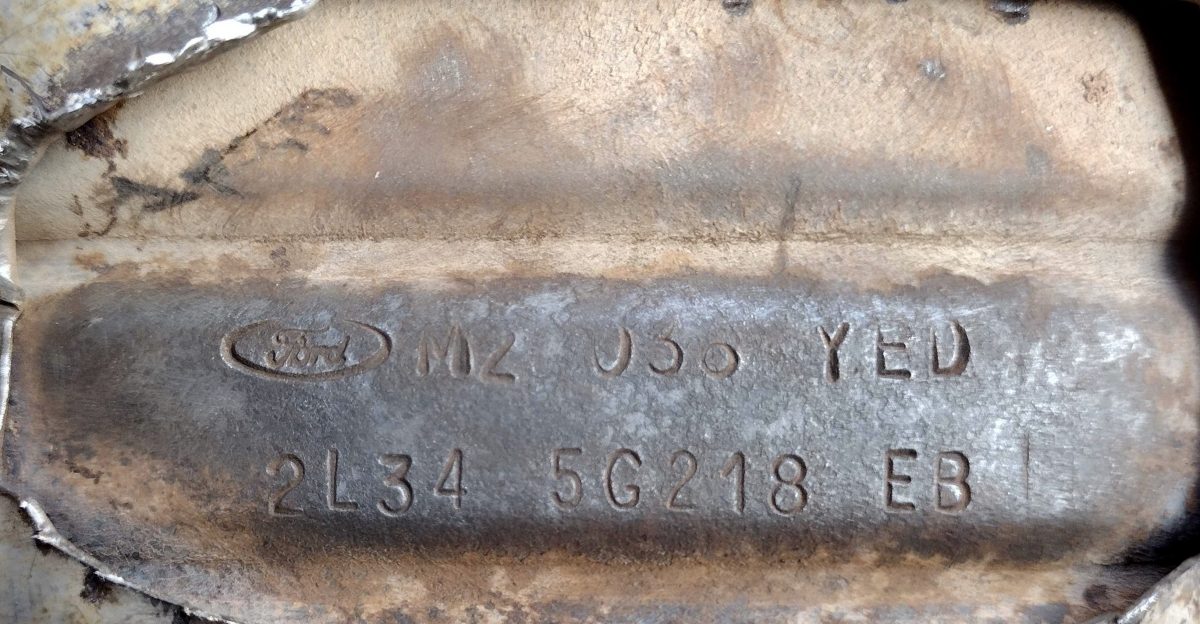
Shields and cameras only treat symptoms. The engine behind this crime is the resale pipeline, the gap between a sawed-off part and an unverified buyer. More VIN etching, tighter scrap-yard checks, and traceable converter sales could disrupt the supply chain where it runs.
Until that pipeline breaks, the theft cycle restarts every time metal prices rise. Awareness beats blaming bad parking.
Sources:
National Insurance Crime Bureau – Catalytic Converter Thefts Surge Nationwide, According To New Report – May 10, 2023
U.S. Department of Justice – Justice Department Announces Takedown of Nationwide Catalytic Converter Theft Ring – November 1, 2022
Carfax – Catalytic Converter Theft: 10 Most Targeted Vehicles – June 9, 2025
Kelley Blue Book – Report: Catalytic Converter Thieves Target These 10 Vehicles Most – March 15, 2023
National Highway Traffic Safety Administration – Consumer advisories and guidance on catalytic converter theft impacts and repair costs – 2020–2024 (various safety/consumer alerts)
Claims Journal (summarizing NICB data) – Catalytic Converter Thefts Down by Half as Precious Metal Prices Drop – November 7, 2023