6 Japanese Cars Up 88% With One Now Worth $1.3M
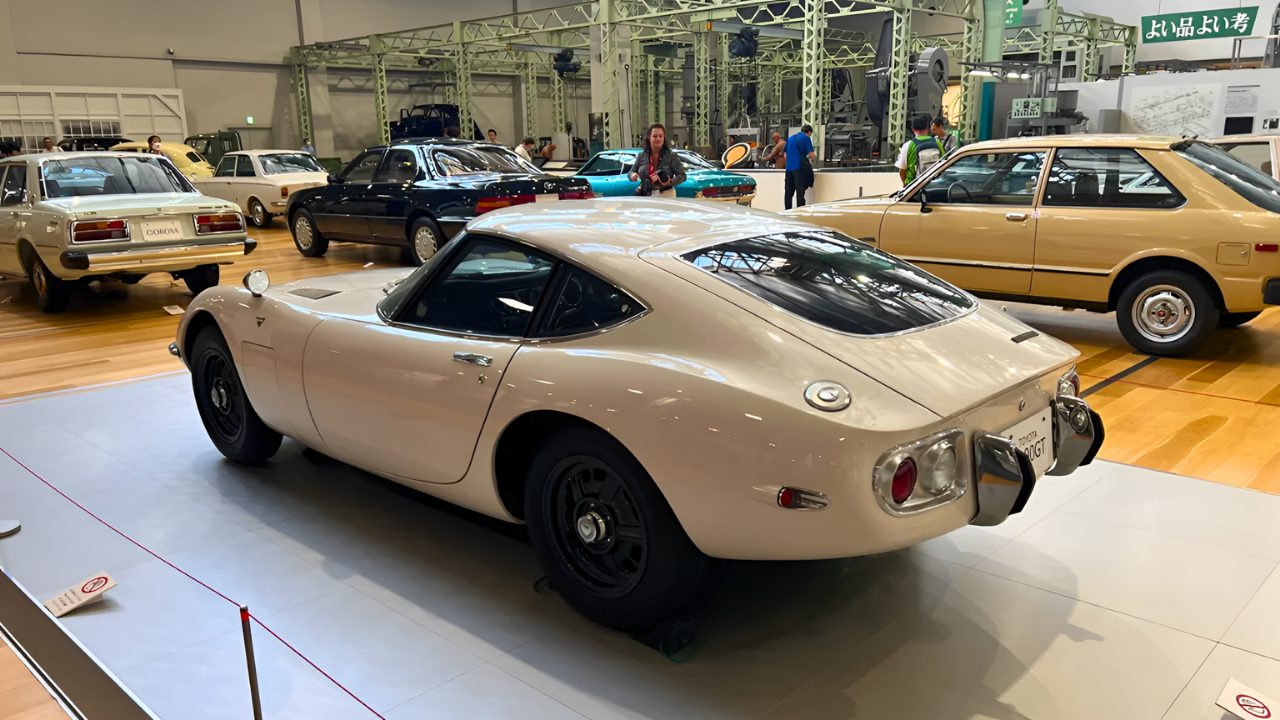
The Japanese collector car segment has surged sharply in value, and one record-setting Nissan Skyline GT-R — the Paul Walker car from Fast & Furious 4 — commanded $1,360,000 at auction. Hagerty, the authority on collector car pricing, tracks these models with the same granularity it gives Porsches and Corvettes. According to recent Hagerty valuation data, a core group of six Japanese collector cars — including Honda CRXs, Mitsubishi Lancer Evos, Nissan Skyline GT-Rs, and Datsun 240Zs and 510s — is up 88 percent in the past few years. Cars that sold for used-Camry money a decade ago now sit in the same price territory as vintage Ferraris. Yeah, you read that right. Japanese collector cars priced like European exotics. And the headline number only tells you the surface story.
The Law That Controls Everything
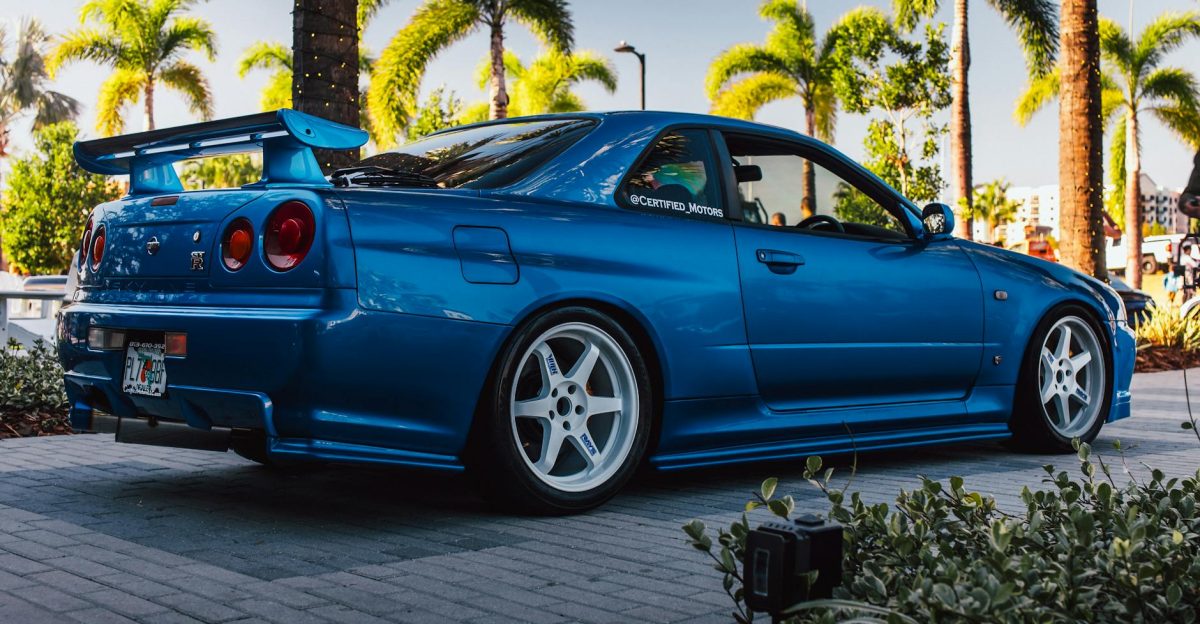
The 25-year federal import rule controls the entire supply pipeline. Before a Japanese-market vehicle turns 25, bringing it stateside is illegal. The moment that clock expires, a new wave of previously forbidden metal floods the American market. Right now, cars built between 1999 and 2002 are crossing that threshold. The R34 Skyline GT-R, the Lancer Evo VI, the stuff that defined a generation of racing games and midnight highway legends. Demand was already building. The law just opened the gate.
Your Weekend Car Is Gone
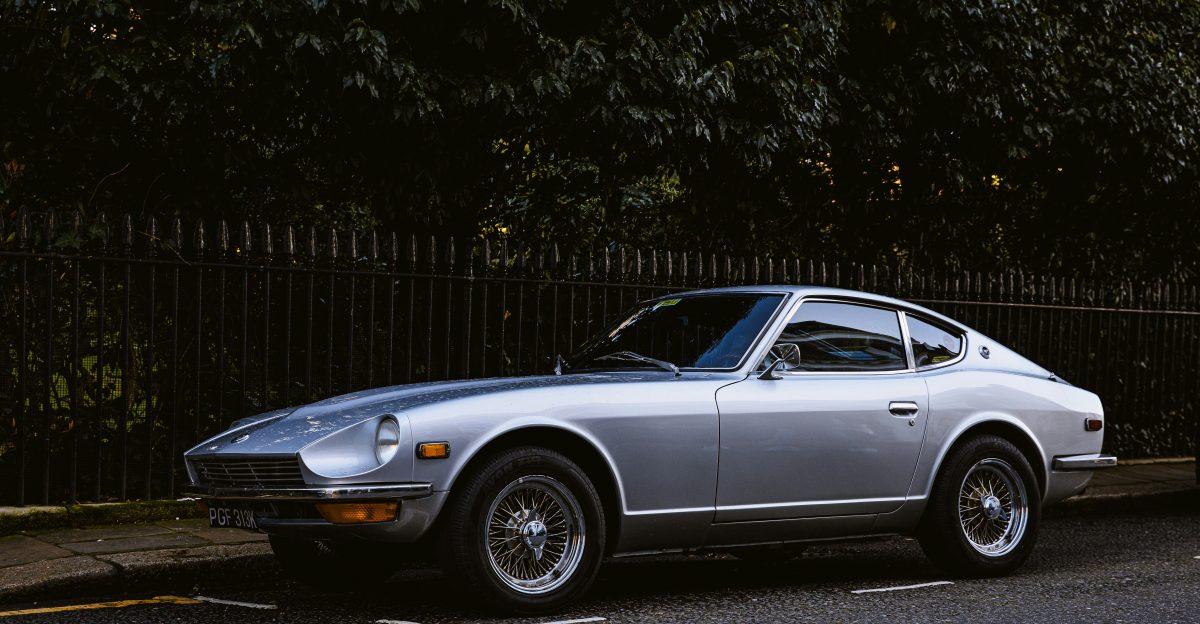
The direct hit lands on everyday buyers who wanted an affordable weekend toy. A clean Datsun 240Z that traded for reasonable money during the early 2000s now prices out most hobbyists. CRXs that rusted in driveways have become five-figure cars. The entry-level Japanese collector market barely exists anymore. Millennials who grew up dreaming about these cars in Gran Turismo are now old enough to buy them, and they arrived at the auction with real money. Affordable nostalgia just became an oxymoron.
Dealers Saw It Coming
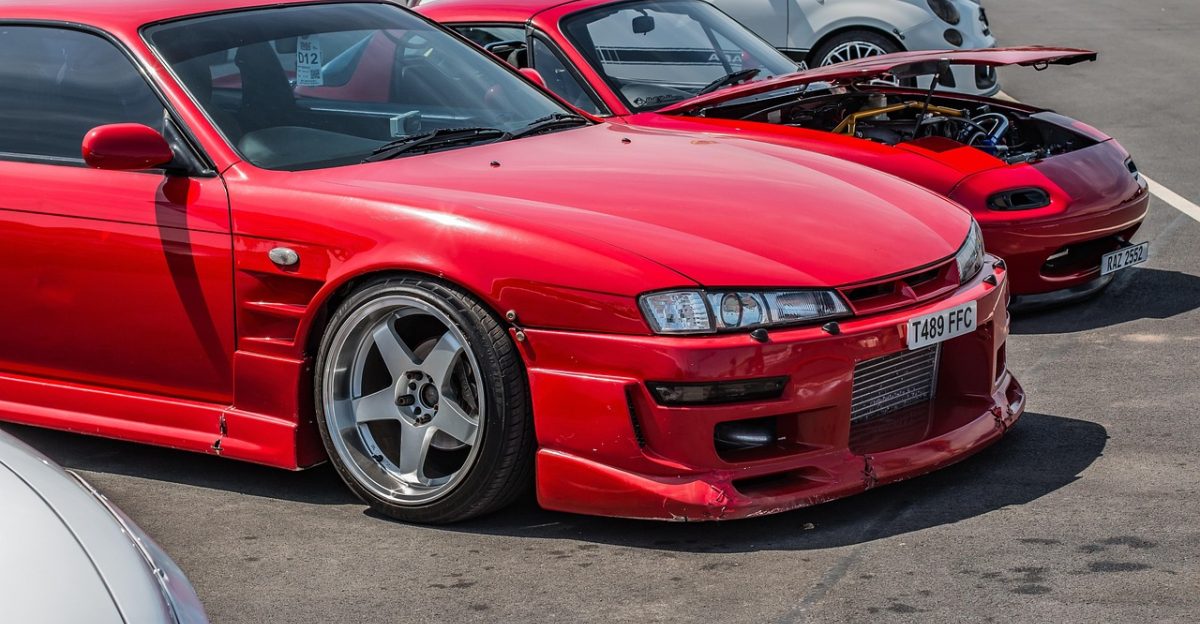
Specialty dealers and importers restructured their entire business models around this wave. Shops that once focused on European classics pivoted to Japanese imports because the margins exploded. Auction houses started dedicating entire sessions to JDM vehicles. When the insurance and valuation industry treats your Honda like a collectible asset, the market has fundamentally shifted. Restoration shops now face a different problem entirely.
Six Continents Want the Same Car
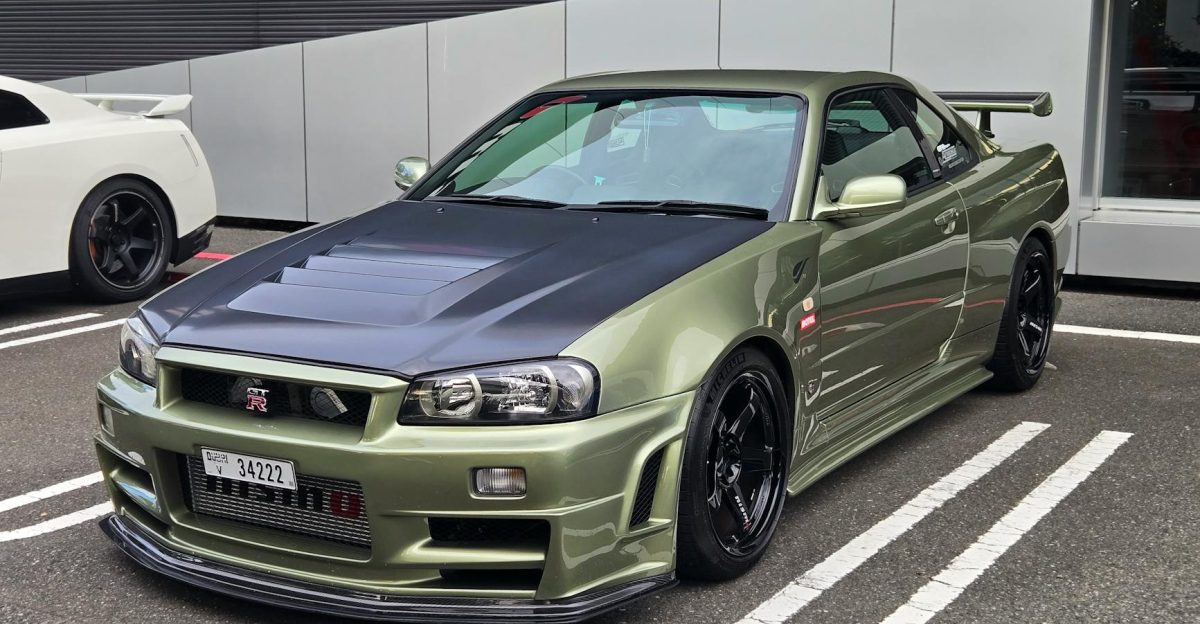
Here is where the cascade crosses borders nobody expected. The R34 Skyline GT-R had approximately 11,600 units produced across four model years. That tiny production number created a global tug-of-war. Australian collectors, Middle Eastern buyers, and European enthusiasts all compete for the same shrinking pool. Japanese domestic sellers realized they hold leverage over every wealthy market on earth simultaneously. One car. Six continents bidding. The scarcity premium stopped being an automotive story and became a commodities story.
Combustion Is Running Out
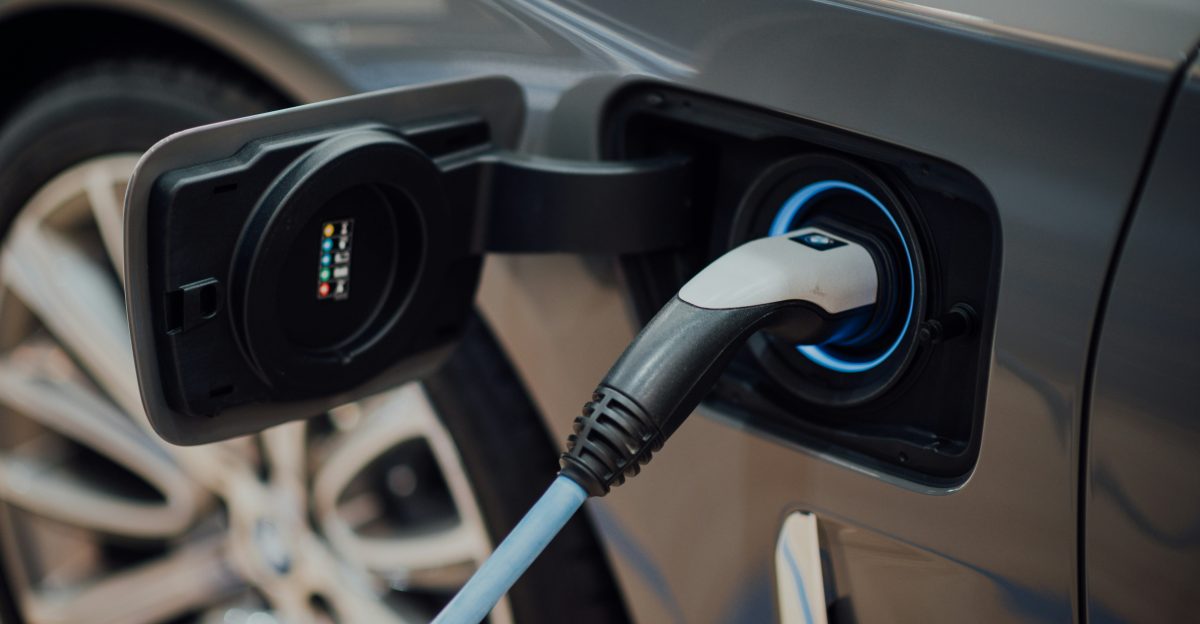
Every one of these ripples traces back to a single structural force: the approaching end of internal combustion collectibility. Analysts describe this as the final golden age of combustion-powered collector cars. Electric vehicles will dominate new production. That means the pool of analog, mechanical, driver-focused cars will never grow again. It only shrinks. Fewer cars. More buyers. Higher prices. From Tokyo auctions to American garages to European showrooms, the same math applies. The supply ceiling is permanent.
Outbid by a Spreadsheet
The people paying the steepest price are the enthusiasts who waited too long. Millennial buyers chasing analog driving experiences and pop culture nostalgia drove this wave, but plenty of fans in that same generation got outbid by investors who see spreadsheets, not steering wheels. The car you saved for through your twenties now costs more than your house. That tension between passion buyers and portfolio buyers defines this entire market. The collectors who built the culture are losing the auction to people who never turned a wrench.
The Old Guard Lost
This surge is rewriting collector car hierarchy permanently. Japanese vehicles, once dismissed as disposable transportation by the old guard, now set pricing benchmarks that European marques have to answer. Hagerty’s data shows corrections and plateaus in some models, but the structural trend points one direction. The 25-year rule will keep unlocking new eligible models through 2026 and beyond. Each new wave resets the floor higher. The collector establishment spent decades ignoring Japanese cars. The market just forced a permanent correction.
Who Made Money and Who Got Burned
Winners: early importers who stockpiled R34s and Evos before the wave. Auction houses collecting record commissions. Hagerty, whose valuation tools became essential infrastructure. Losers: working-class enthusiasts who built the culture around these cars for decades. Budget restorers who can no longer source donor vehicles. And anyone who sold a clean 240Z or 510 before 2021. The undervalued models Hagerty still flags, like the Datsun 510, signal where the next price spike forms. Knowing the pattern is now worth real money.
This Is Just the Beginning
The cascade keeps expanding. Models built between 2001 and 2005 approach import eligibility, feeding fresh supply into a market that devours it instantly. The EV transition accelerates, shrinking the combustion pool further every year. Collectors who understand the system see what most people miss: Japanese imports became the most accessible entry point into analog automotive authenticity, and that entry point rises with every passing quarter. The headline captures the surge. The structural math says the story just started. Knowing that puts you ahead of every bidder who only reads headlines.
Sources:
“Paul Walker’s Fast and Furious R34 Skyline GT-R Just Sold for $1.357 Million.” Road & Track, 4 May 2023.
“Paul Walker’s Fast and Furious R34 Skyline GT-R Sells for $1.36m.” Magneto Magazine, 9 May 2023.
“The Japanese Collector-Car Market Is Maturing.” Hagerty Media, 10 Sep 2023.
“Everything You Need To Know About The 25-Year Import Rule For Cars.” Fitment Industries, 11 Feb 2025.