6 Iconic Cars Corporate Decisions Robbed Of Hemi Power
Stellantis replaced the 5.7-liter Hemi with the Hurricane twin-turbo inline-six in the 2025 Ram 1500—the high-output version making 540 horsepower, the standard making 420, both replacing the Hemi’s 395. Customers revolted. Ram CEO Tim Kuniskis told Road & Track: “We took away a fundamental American thing. Americans love freedom of choice more than anything.
When you take away their freedom of choice and tell them ‘you must take this,’ they revolt”. When the Hemi’s return was announced for 2026, over 10,000 orders landed in 24 hours. But the Ram wasn’t the first vehicle denied its rightful V8.
Six Cars. Six Boardroom Decisions

Fiat’s near-bankruptcy left a hand-built Italian flagship without a V8 option. A Mercedes-Chrysler merger strangled a sports car to protect a German sister model. A mid-size truck bled 90% of its sales because it wore the wrong engine badge. A compact SUV got the Hemi at SEMA, then Chrysler buried it.
America’s fastest production wagon lost its Hemi to free Brampton factory space for the Challenger. And the mightiest V10 in Detroit never met the engine that could have made it cheaper, lighter, and more powerful. These are the six.
1. Dodge Dakota — Died For A Badge It Never Wore
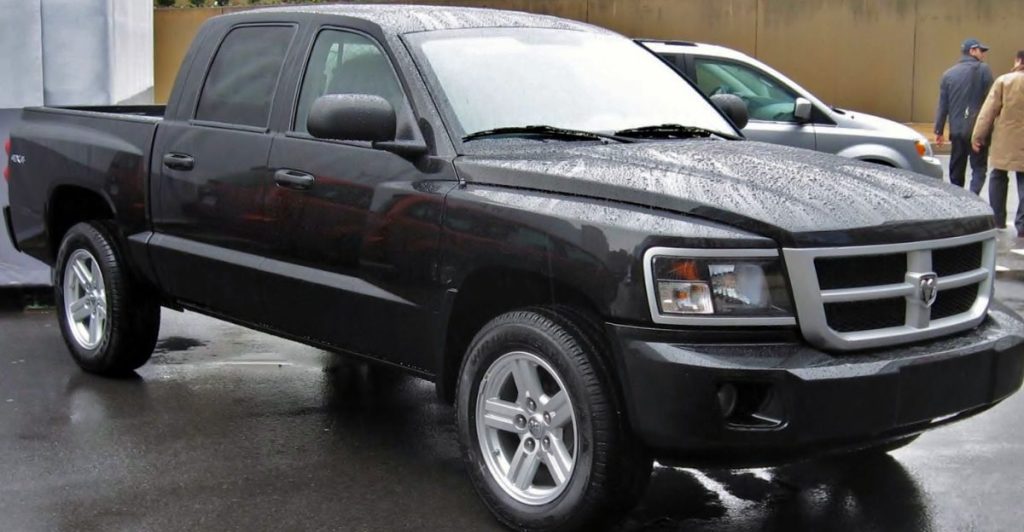
The Dakota ran a 4.7-liter PowerTech V8 making 310 horsepower and 330 pound-feet of torque in its 2008 revision. The 5.7-liter Hemi sat on the same corporate shelf at 345 horsepower, later climbing to 395. U.S. sales: 104,051 in 2005, down to 10,690 by 2009.
A 90% collapse in four years. The mid-size truck market was shrinking, but the Dakota hemorrhaged faster than competitors because buyers wanted the Hemi name, and Chrysler refused to give it to them.
2. Chrysler Crossfire — Crippled By A Mercedes Handshake
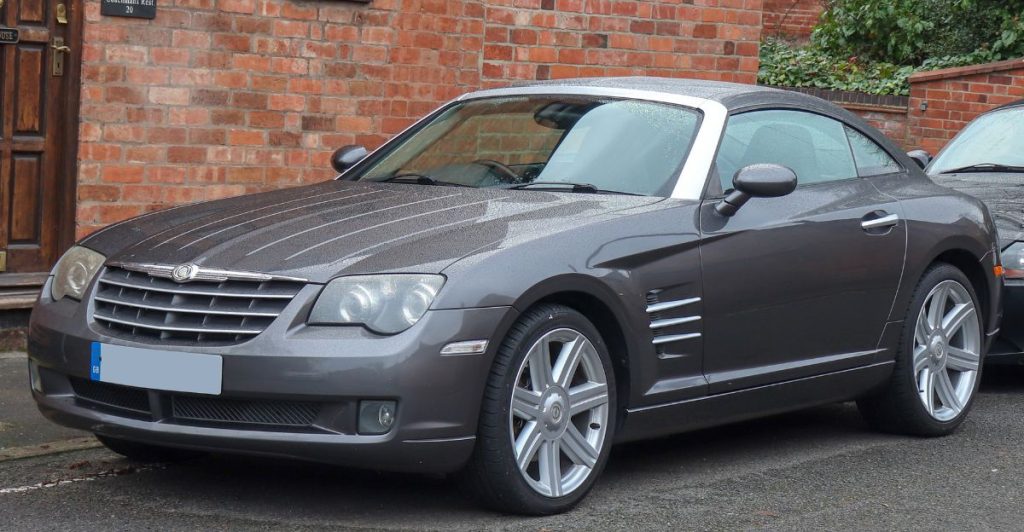
Built on the first-generation Mercedes-Benz SLK platform, assembled by Karmann in Germany. The SRT-6 used a Mercedes-sourced supercharged 3.2-liter V6 producing 330 horsepower. A naturally aspirated 5.7 Hemi would have matched or exceeded that without forced induction.
Total production across five years: 76,014 units, verified by Chrysler and the Crossfire International Car Club. Stuttgart wasn’t going to let its American subsidiary embarrass the SLK with a cheaper, more powerful engine.
3. Lancia Thesis — Engineered To Compete, Denied The Power To Do It
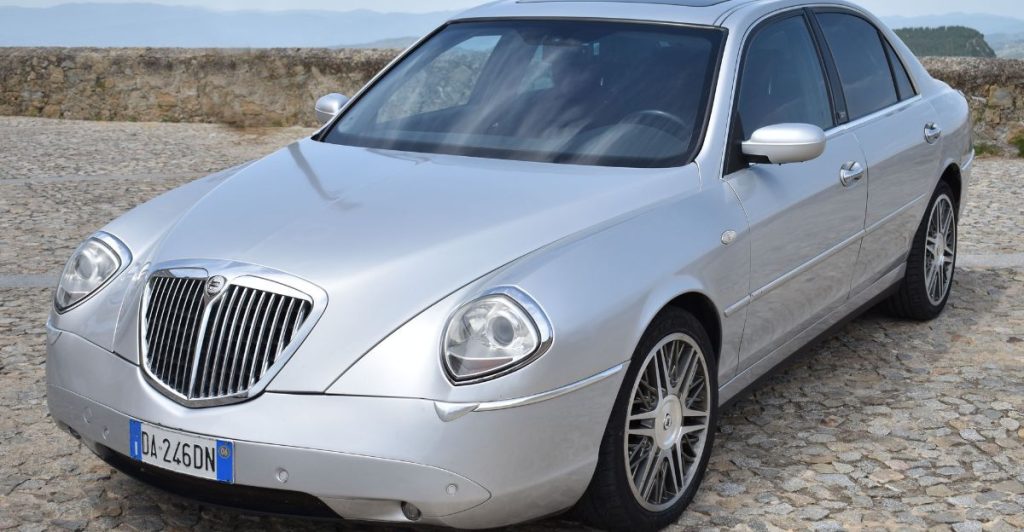
Designed by Lancia’s Centro Stile and initially hand-built by Pininfarina, the Thesis rode on a bespoke platform shared with nothing in the Fiat empire. Fiat capped it with a 3.2-liter V6 making 230 PS and front-wheel drive … no V8 was ever offered. Total production when axed in 2009: roughly 16,000 units.
The Mercedes W220 S-Class moved hundreds of thousands in the same window. No amount of Alcantara or adaptive dampers compensates for half the C8’s flagship buyers expect.
4. Dodge Viper — The V10 Was Sacred, But A Hemi Could Have Won

The final Viper V10 displaced 8.4 liters and produced 640 horsepower, rising to 645 from 2015. Hand-assembled, naturally aspirated, unrepeatable. But the supercharged 6.2-liter Hellcat Hemi made 707 horsepower from 26% less displacement.
The Ram SRT-10 proved the inverse pairing worked—a Viper V10 in a pickup. What Dodge never tried was dropping its most marketable engine into its most legendary chassis.
5. Dodge Nitro — They Built The Hemi Version, Then Buried It

At 2006 SEMA, Dodge unveiled a Nitro with a 5.7-liter Hemi—360 horsepower, Tremec five-speed manual, Hurst shifter. Production Nitros got a 3.7-liter V6 making 210 horsepower or a 4.0-liter making 260.
Retail sales ended after the 2011 model year. The Hemi Nitro existed on the show floor. Corporate chose not to build it.
6. Dodge Magnum — The Hemi Wagon They Axed For The Challenger
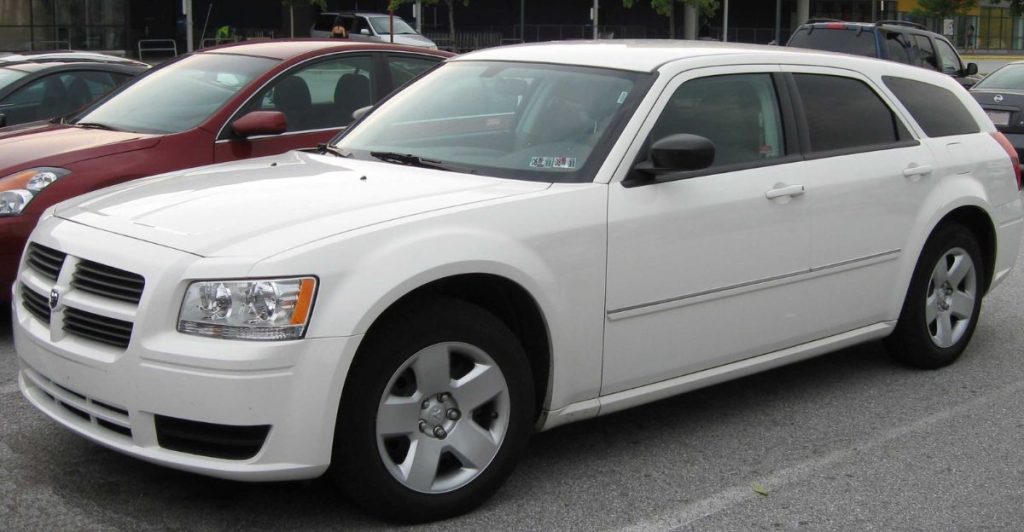
The Magnum R/T packed a 5.7-liter Hemi and earned a spot on Car and Driver’s 10Best Cars list for 2005. The SRT-8 followed with a 6.1-liter Hemi making 425 horsepower and 420 pound-feet. Peak sales hit 52,487 in 2005. Then Chrysler killed it—Brampton plant production was cancelled to make way for the Challenger. Just 6,912 sold in its final year.
The Charger sedan survived on the identical LX platform. The only rear-drive American Hemi wagon was sacrificed so Chrysler could build a coupe.
The Lesson Is Carved Into Sales Charts
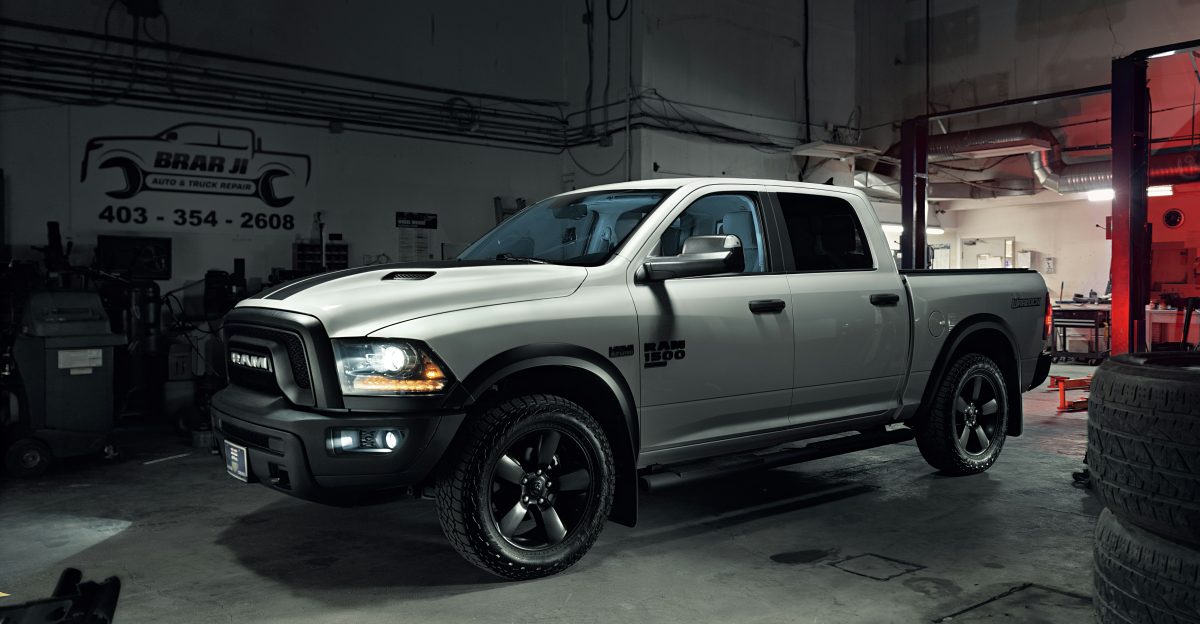
Over 10,000 orders hit in 24 hours once the Hemi returned to the Ram 1500. The Dakota died because its competent engine wore the wrong name. The Crossfire was neutered by merger politics. The Thesis was denied V8 power by Fiat’s balance sheet.
The Nitro had the Hemi at SEMA and watched Chrysler walk away. The Magnum lost it to factory allocation. The Viper chose character over optimization. Six platforms, one verdict: engines don’t just move metal, they move buyers.
These Doors Are Welded Shut

The Dakota is scrap. The Crossfire’s last unit rolled off Karmann’s line on December 17, 2007. Lancia’s era as a full-line car maker ended with the Thesis. The Viper line went cold. The Nitro was discontinued after 2011. The Magnum’s Brampton line was retooled for the Challenger. What remains is a pushrod engine family that outlasted every corporate attempt to bury it, and six vehicles proving the most expensive decision in this business isn’t building the wrong engine—it’s refusing to build the right one.