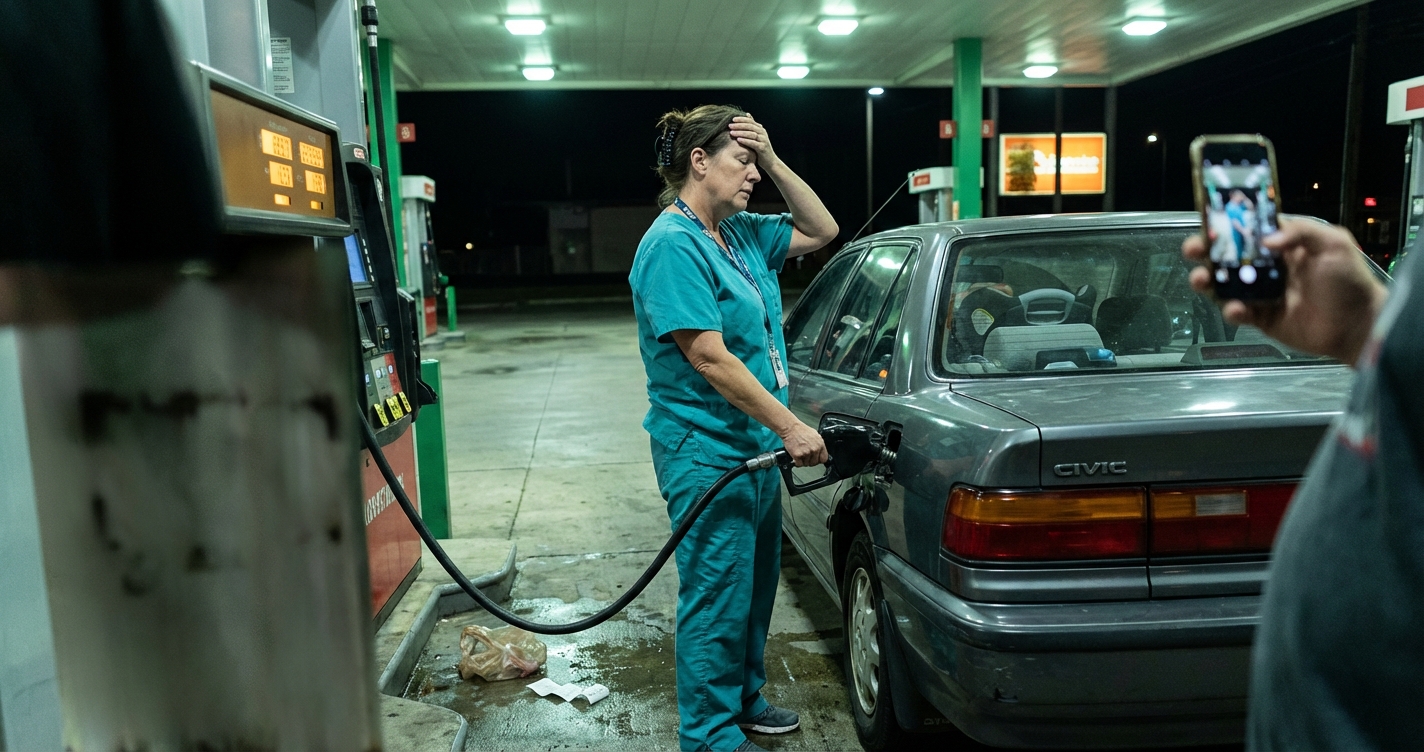
$6 Gas In California Squeezes American Drivers As Strait Of Hormuz Crisis Disrupts 20% Of World’s Seaborne Oil
U.S. drivers are facing one of the fastest fuel price surges in years after a February 28, 2026 military escalation in the Middle East disrupted a critical global oil route. Within days, Iran’s closure of the Strait of Hormuz, which carries about 20% of the world’s seaborne oil, sent crude above $100 per barrel and pushed U.S. gas prices past $4 per gallon by March 31, 2026. In California, prices are nearing $6, squeezing commuters, gig workers, and small businesses. As costs climb and policies shift, drivers are being forced to rethink how and what they drive.
The Chokepoint That Changed Everything
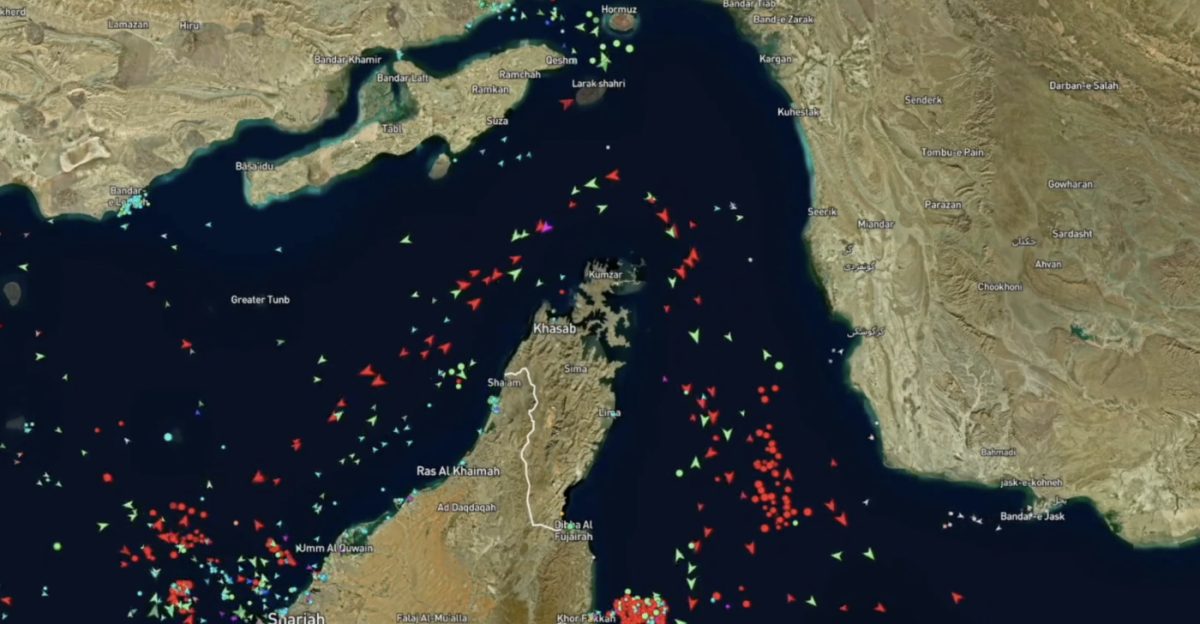
By March 1, 2026, Iran’s Islamic Revolutionary Guard Corps had declared the Strait of Hormuz closed to most commercial traffic and threatened ships attempting passage. That chokepoint normally carries roughly 20% of the world’s seaborne petroleum, so even a partial shutdown rattles every fuel market. Insurance costs jumped, shipping routes changed, and traders priced in a prolonged disruption. The result was not a simple regional scare. It was a supply shock with global reach, touching Gulf exporters, U.S. refiners, and every gas station sign that motorists watched with growing alarm.
Pump Prices Start Climbing Fast
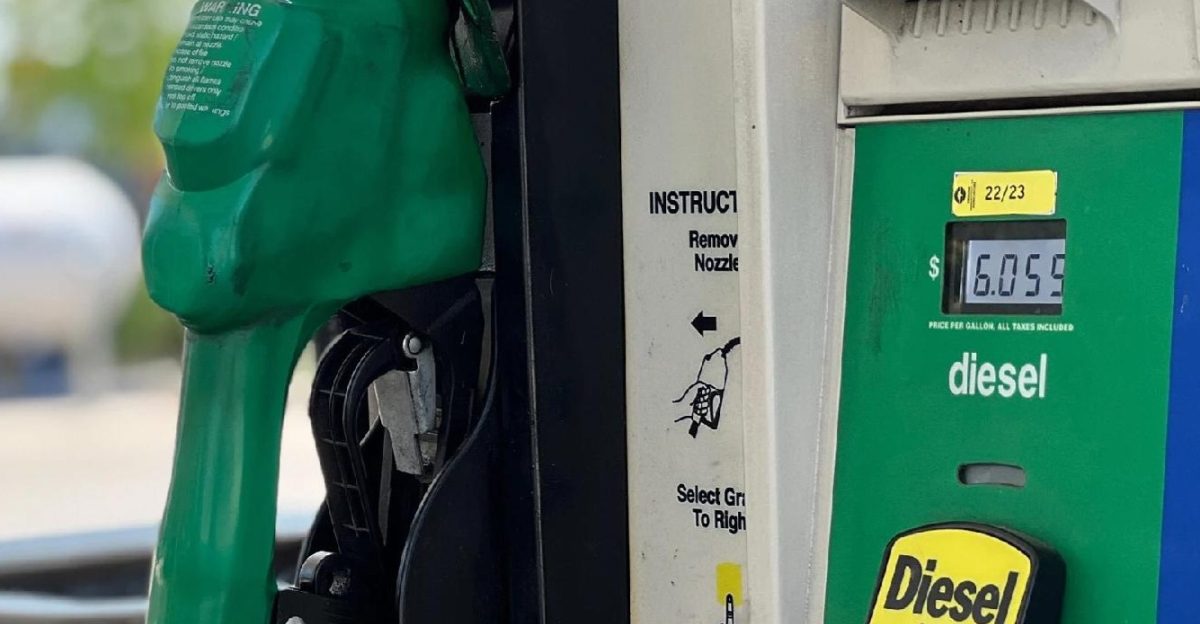
As the shipping squeeze deepened through March 2026, oil prices climbed above $100 a barrel and U.S. pump prices surged. CNBC reported on March 31, 2026, that the national average gasoline price had reached about $4.02 per gallon, the highest level since August 2022. Diesel moved above $5 per gallon, pushing freight costs higher too. For families, the jump arrived fast, more than 30% in roughly a month from late February. For trucking firms and small shippers, every delivery carried a steeper fuel bill. Could budgets absorb that pace now?
Why The Pain Hit Unevenly
The pain was never evenly shared. CNBC noted on March 31, 2026, that fuel costs hit low income households especially hard because gasoline is a non discretionary expense for commuting and work. Gig drivers, delivery workers, and home health aides cannot simply skip miles when prices spike. Small businesses face the same trap, especially those running vans, trucks, or local delivery fleets. Diesel above $5 per gallon also raises the cost of moving groceries, packages, and building materials. California showed the pressure most clearly. The numbers there were startling already.
California Shows The Breaking Point
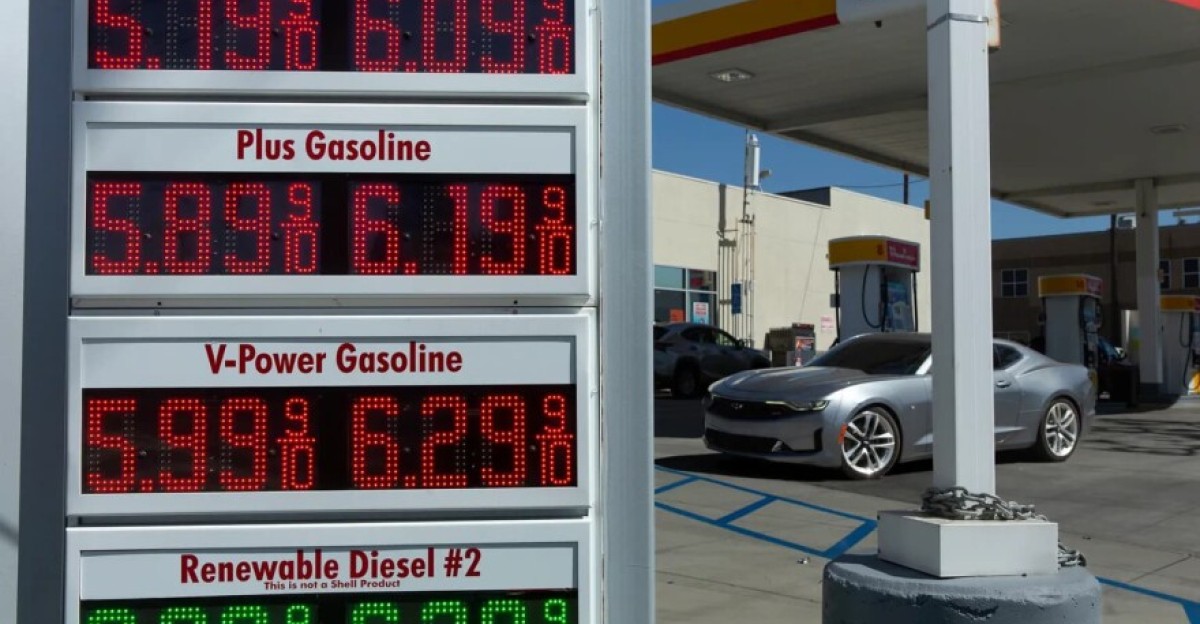
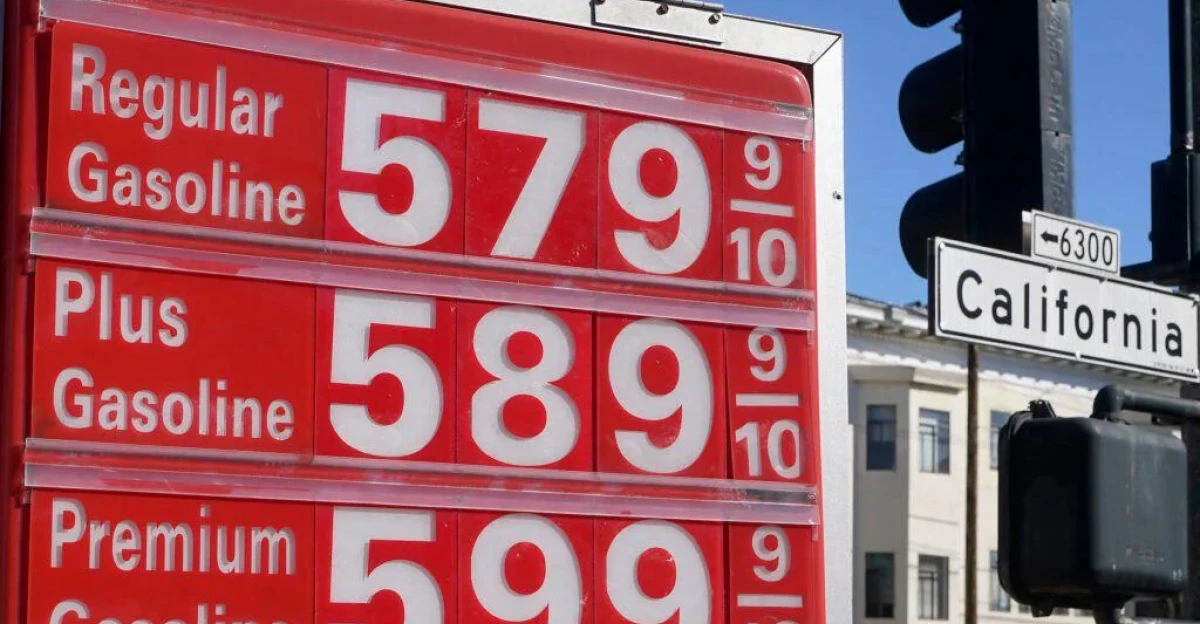
AAA data summarized in early April 2026 showed California averaging close to $6 per gallon, with some counties above $6.70. Those figures turned a national squeeze into a daily household crisis in one of America’s biggest driving states. A commuter covering 100 miles in a 25 mile per gallon vehicle now spends about $16 on gasoline at roughly $4 per gallon nationally, and far more in California. A comparable EV using 30 kWh for 100 miles at $0.15 per kWh costs around $4.50. That gap started changing car math quickly.
Policy Changes Were Already In Motion
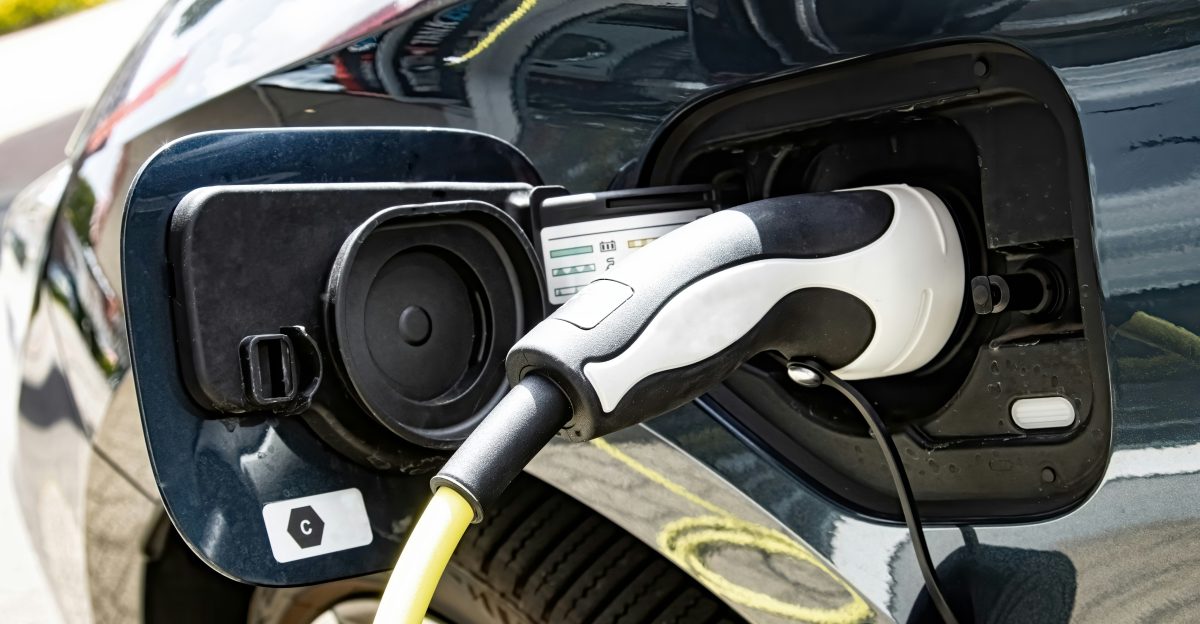
That shift matters because the auto market had been changing before the war. Federal EV tax credits worth up to $7,500 on new models and $4,000 on eligible used ones ended on September 30, 2025, removing an affordability tool for buyers and dealers. At the time, a federal judge ruled on January 22, 2026, that roughly $5 billion in NEVI charging funds had been frozen and had to flow to states. New EV incentives faded. Charging expansion survived. That combination set the stage for a buyer response. Who benefited most?
A Used EV Wave Builds

Another force was building in the background. Experian data showed that nearly 58% of new EV customers in Q2 2025 chose leases, a record high share pointing to a wave of off lease vehicles returning to market in 2026 and 2027. That matters because used EVs will arrive as drivers feel pain at the pump and no longer have vehicle tax credits to soften sticker prices. Dealers, lenders, and leasing companies are staring at a market where running costs may matter more than showroom incentives. Could used EVs benefit first?
The $4 Warning Line
Economists have also been watching the broader fallout. On April 1, 2026, Wharton economist Jeremy Siegel told CNBC that the U.S. economy “can expand so long as gas doesn’t go much above 4 dollars a gallon.” That warning landed as the national average had already crossed that line. Once fuel moves from irritation to budget shock, households cut restaurant visits, weekend trips, and other flexible spending first. Freight companies then pass along diesel costs, spreading pressure to store shelves. The crisis was already reshaping consumer behavior nationwide by late March.
What Drivers Are Actually Changing
Still, the claim that millions of Americans will abandon their cars needs framing. The evidence shows a cost shock and incentives to drive less, delay purchases, choose smaller vehicles, or consider used EVs where charging is available. It does not yet prove a nationwide exit from car ownership. What is confirmed is the pressure mechanism: higher gasoline, higher diesel, delivery costs, and fading new EV subsidies arriving together. That mix changes decisions one household at a time. Relief in oil markets may come first. Household caution may linger much longer.
Relief Arrives, But The Lesson Stays
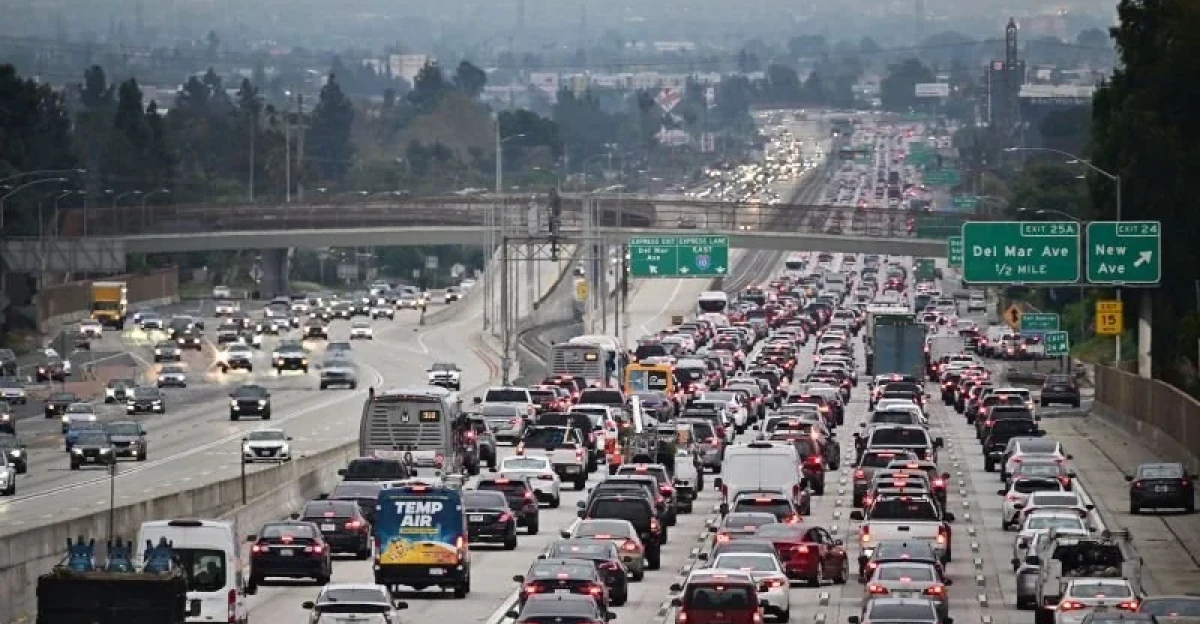
By April 8, 2026, ceasefire news pushed oil lower from its highs, showing that this shock can ease as fast as it escalates. Yet the damage to family budgets, freight margins, and consumer confidence had been felt. The 2026 fuel spike exposed how a war near the Strait of Hormuz can ripple into California commutes, Midwest trucking routes, and dealership pricing across the United States. It also clarified the market’s pivot: if gas stays elevated, used EVs and charging access become more attractive. That prospect may outlast the crisis itself.
Sources:
AAA: National Average Gas Prices Spiked In March 2026. Kelley Blue Book, April 1, 2026
Oil jumps 10% on Iran conflict and could spike to $100 a barrel, analysts say. Reuters, March 1, 2026
Car owners turn to EVs as 30-40% of Gulf energy capacity is destroyed. Electrek, March 26, 2026
Congress Eliminates Corporate Average Fuel Economy (CAFE) Penalties for Automakers. Sidley Austin LLP, July 8, 2025
Gas just hit $6 in Los Angeles. Here’s where you can still find it for $5. Los Angeles Times, March 30, 2026
10 Questions About The EV Tax Credit Ending That You Should Know. EnergySage, September 25, 2025
The Strait of Hormuz is the world’s most important oil transit chokepoint. U.S. Energy Information Administration, March 30, 2026