6 Automakers Knew Airbags Could Kill Since 2011 And Hid It From 12 Million American Drivers
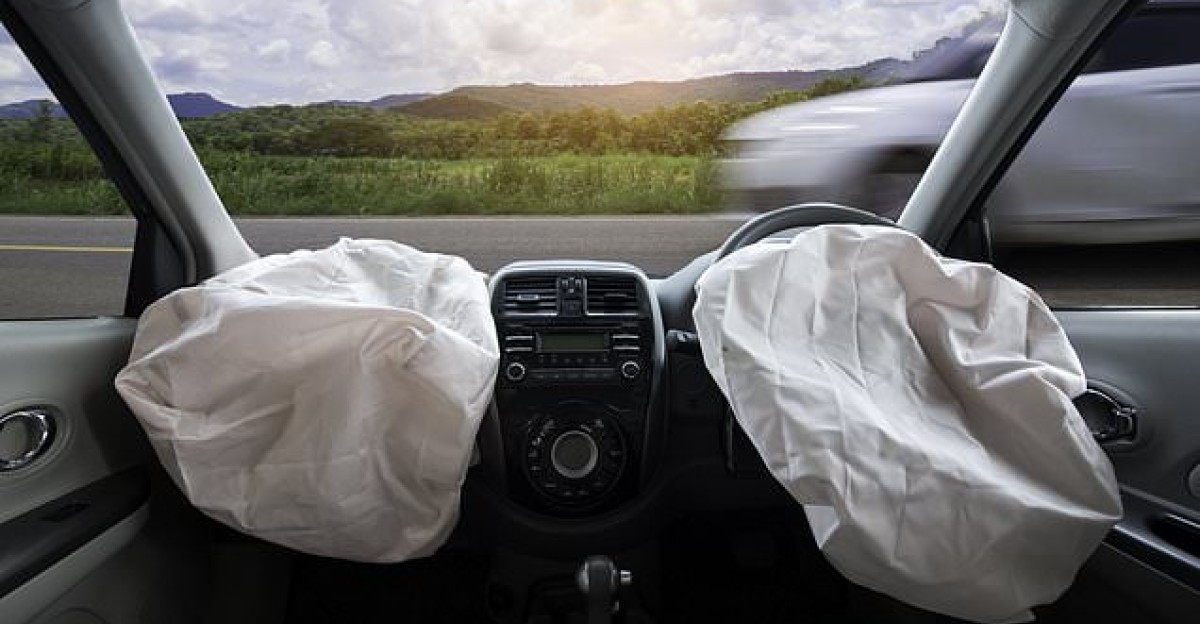
Every morning, 12.3 million Americans buckle up in a Toyota, Hyundai, Kia, Mitsubishi, Honda, or Fiat-Chrysler and trust a small electronic box behind the dashboard to save their life in a crash. That box is a ZF-TRW airbag control unit. It has no warning light when it fails, no dashboard alert, and no check-engine code. It simply stops working, and the only way to find out is to hit something at highway speed and watch the airbags do nothing.
2,555 Days Of Silence
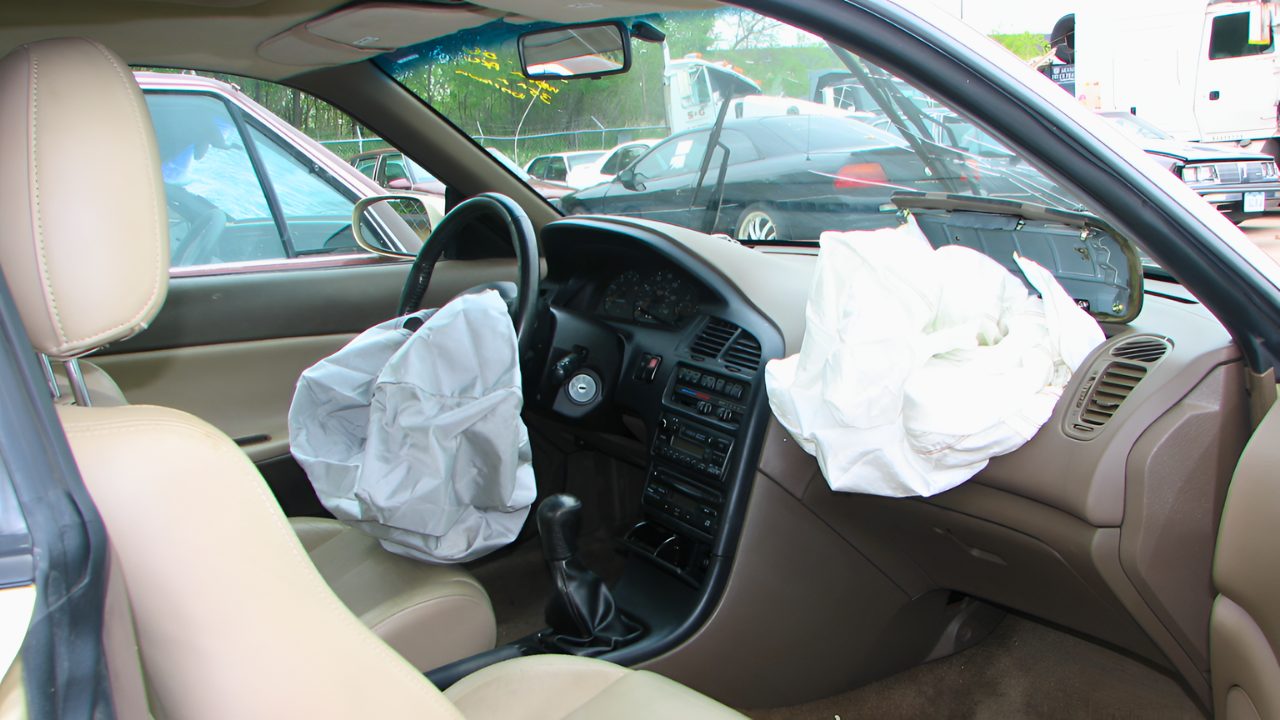
According to litigation firm Lieff Cabraser, certain manufacturers and supplier ZF-TRW “became aware of the ACU defect as early as 2011, but did nothing to protect consumers or warn of the product dangers until 2018.” Standard industry protocol demands immediate disclosure of safety risks. If the allegation is accurate, that amounts to seven years — roughly 2,555 days of selling vehicles that carried a broken safety system. During that silence, multiple people died and others suffered serious injuries in crashes where airbags failed to deploy.
A Few Dollars Per Life
Most people assume a settlement means accountability. That assumption is about to collapse. Toyota settled for $78.5 million. Hyundai and Kia settled for $62.1 million. Mitsubishi settled for $8.5 million. Combined: $149.1 million across three settlements. Sounds enormous until you divide it by the millions of vehicles those three settlements cover. Even using the broadest affected-vehicle estimate, that comes to only a few dollars per car for a safety system that could fail during the worst moment of your life. The manufacturers denied wrongdoing in every single agreement.
$20 Million To The Lawyers
In the Hyundai-Kia settlement, the 20 original plaintiffs each received $2,500. Their attorneys collected $20.5 million. Read that ratio again. The lawyers earned 410 times more than all 20 plaintiffs combined. Victims with serious, documented crash injuries got checks that wouldn’t cover a month of physical therapy. The system designed to hold corporations accountable funneled the money to the people who needed it least. Settlements aren’t justice delivered. They’re liability managed.
One Chip, No Backup
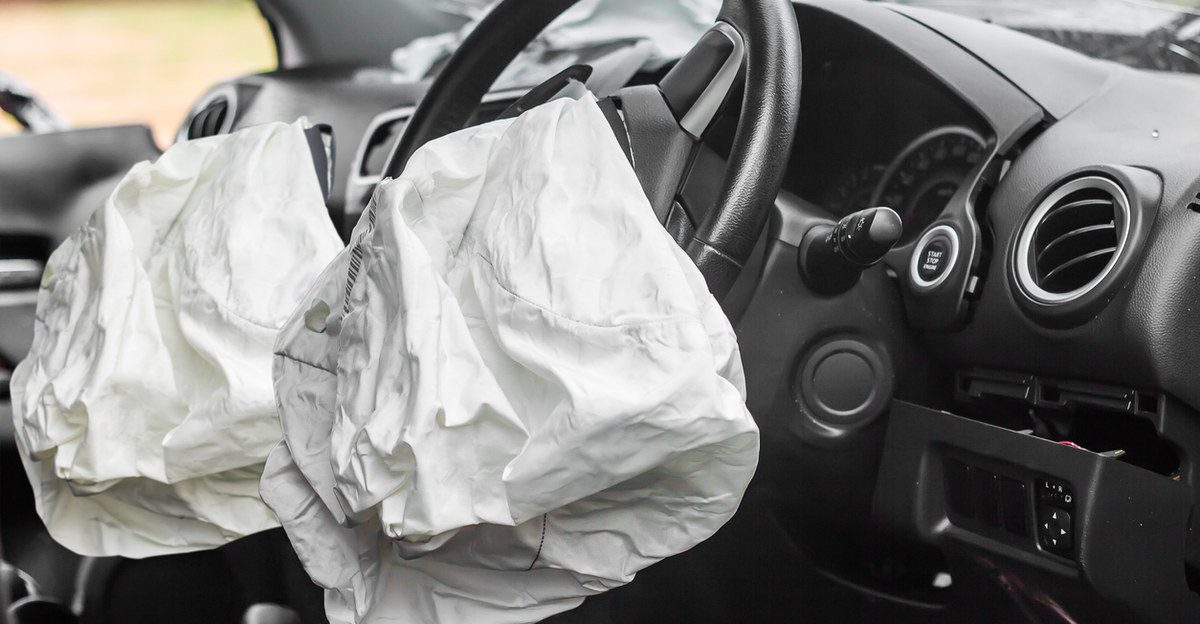
The failure traces to a single vulnerability: electrical overstress. Voltage surges can fry an application-specific integrated circuit inside the control unit, and when that chip dies, the entire airbag system goes dark. There’s no redundancy or backup. One component supplier built one fragile chip, sold it to six automakers, and created a single point of failure in the most critical safety system in the vehicle. A seatbelt you can see and test. This defect is invisible until impact.
Checks That Cover Nothing
Mitsubishi owners who filed by the applicable deadline receive an initial payment of up to $250, with a possible second round from remaining settlement funds if money is left after administrative costs. Hyundai and Kia owners get up to $350 for recalled vehicles, $150 for unrecalled ones. Toyota’s $78.5 million fund includes an extended warranty on replacement units and other benefits. Reimbursement covers rental cars, towing, even childcare during recall work. Generous-sounding, until you remember the defect allegedly existed for seven years before anyone was told.
Two More Waiting In Court
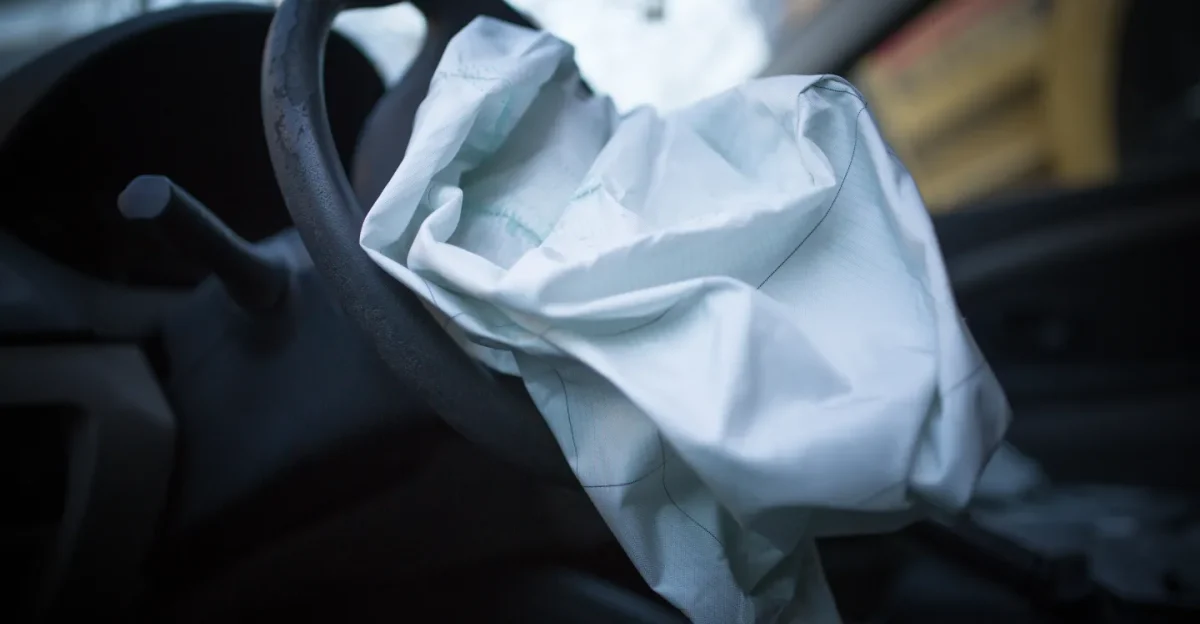
Honda and Fiat-Chrysler have not settled. Litigation against both continues as of October 2025, with the multidistrict case now stretching past six years. Court filings allege the defective safety systems have led to a number of deaths and serious injuries. Additional settlements could push the total well beyond $149.1 million.
The New Corporate Playbook
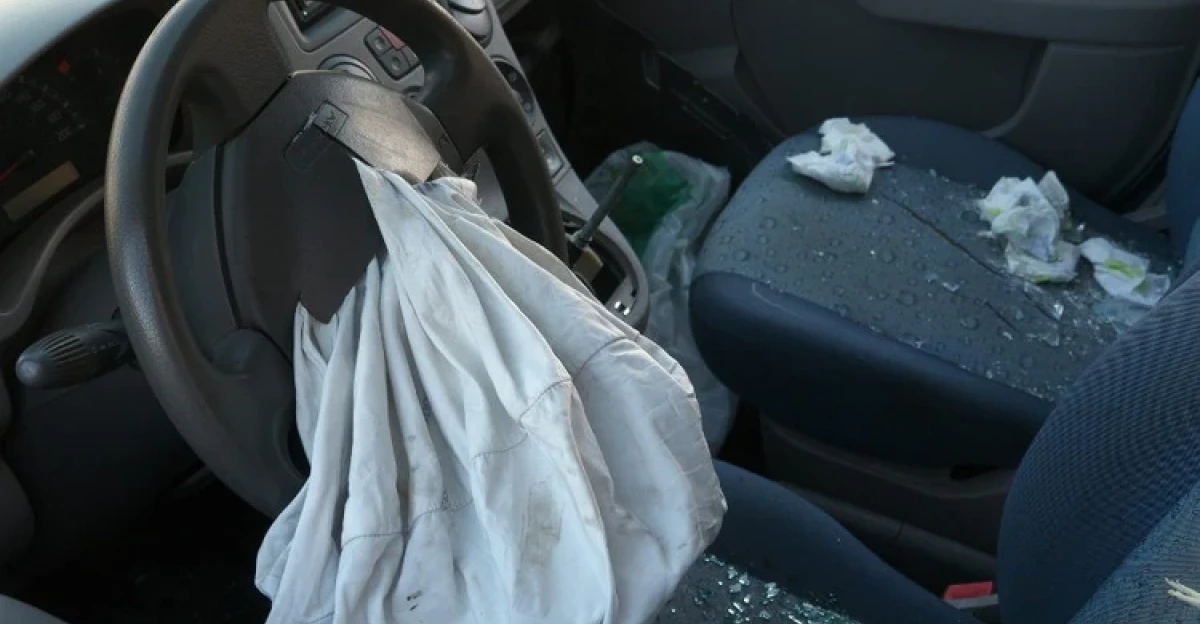
The Takata airbag crisis carried an estimated worst-case global cost of $24 billion covering hundreds of millions of inflators worldwide, including roughly 67 million U.S. vehicles. On a per-vehicle basis, the scale dwarfs the ZF-TRW case. ZF-TRW settlements so far total $149.1 million across the three settled manufacturers’ vehicles, roughly a few dollars per car. That gap reveals the new corporate calculus: delay disclosure, deny wrongdoing, settle for pennies on the dollar, and move on. This litigation establishes multi-manufacturer component-supplier liability as a repeatable template. Every future defect in batteries, sensors, or autonomous systems now has a pricing model.
You Have To Find The Defect Yourself
Settlement inspection programs run for 10 years, but they require consumers to report failures rather than manufacturers proactively replacing every defective unit. The burden sits on the driver. If your 2013 Mitsubishi Outlander’s airbag control unit fails next Tuesday, nobody from Mitsubishi calls you. You find out when the airbags don’t deploy. Hyundai-Kia claims remain open until March 29, 2027, but the fund is finite and residual payments are distributed on a per-capita basis among eligible claimants. Filing early ensures your claim is processed before administrative costs reduce the pool.
What A Safety System Actually Costs
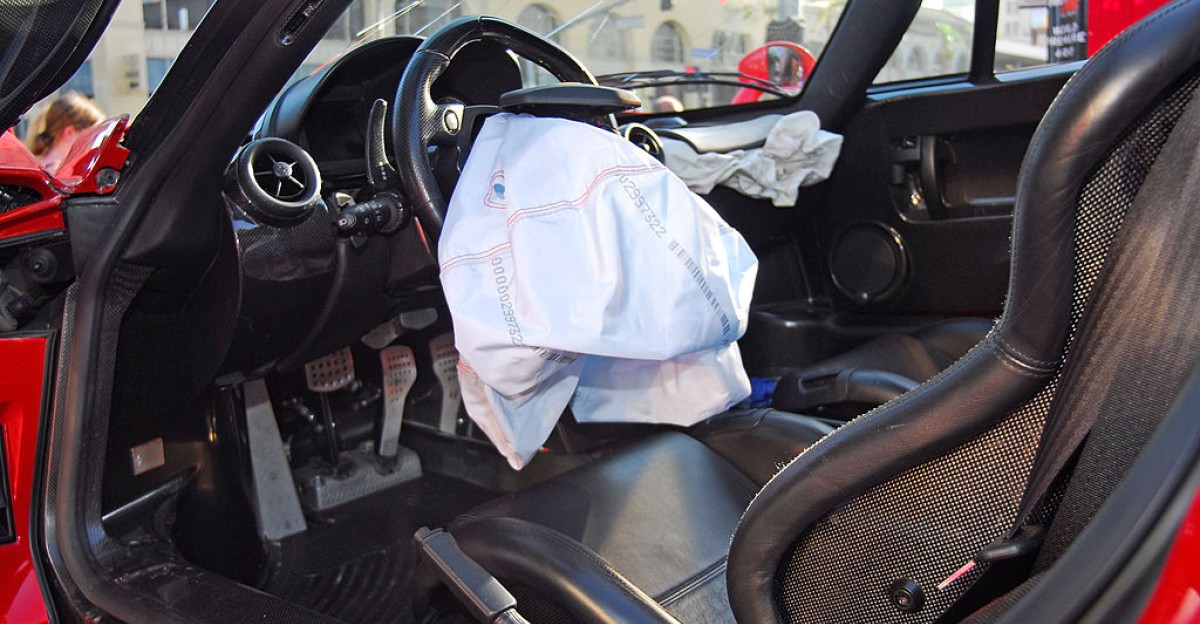
Six manufacturers were sued. Seven years passed. Multiple people died. Victims suffered shattered bones, permanent nerve damage, and other serious injuries. The total settlement bill so far comes to less than the price of a base-model Corolla per affected vehicle. The person who reads this and checks their VIN tonight understands something most Americans still don’t: the safety system you’re trusting was never designed to protect you first.
Sources:
“TRW Airbag Safety Defect Lawsuits.” Lieff Cabraser Heimann & Bernstein, 15 Mar 2025.
“Hyundai-Kia Airbag Lawsuit Settled; Each Plaintiff Receives $2500, Lawyers Get $20.5 Million.” Road & Track, 23 Jul 2025.
“Hyundai and Kia Airbag Class Action Settlement.” Top Class Actions, 7 Jul 2025.
“Toyota Airbag Control Unit Settlement.” U.S. District Court for the Central District of California (In re: ZF-TRW Airbag Control Units Products Liability Litigation, Case No. 2:19-ml-02905), settlement website, late 2025.